Burger King Menus Across The Globe: 5 Key Differences Between The USA and France
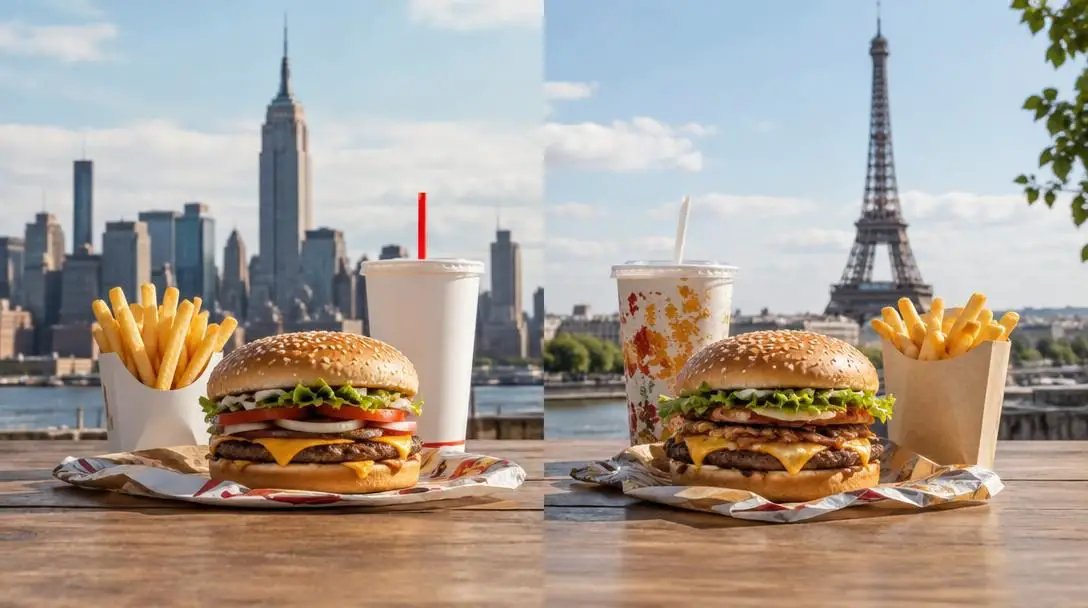
Burger King stands as one of the most recognizable fast-food empires on the planet, celebrated across continents for its signature flame-grilled beef patties and customizable orders. Yet international travelers who step away from domestic counters quickly discover that global franchising is far from a one-size-fits-all endeavor. The brand preserves its foundational grilling techniques worldwide, but its menus shift remarkably to reflect the domestic palates, agricultural realities, and dining rituals of each host country.
A side-by-side examination of Burger King locations in the United States and France highlights the dynamic tension between American fast-food culture and classical European gastronomy. While American locations prioritize hearty comfort, smoky barbecue profiles, and extensive beverage programs, French outlets elevate the quick-service meal with artisanal cheeses, bistro-inspired recipes, and structured side dishes. Exploring these differences provides a revealing window into how localized menu design reshapes the modern dining experience.
Key takeaways
- American Burger King menus emphasize deep flavor customization, bold spices, and extensive milkshake varieties.
- French locations integrate classical culinary ingredients, including regional cheeses like Brie, Emmental, and Reblochon.
- Side dishes in France extend beyond standard fries to encompass Potato Croquettes, Greek-style salads, and tomato-feta bowls.
- Specialty sandwich lines in France, such as "Les Classiques," incorporate premium elements like filet mignon medallions on artisan rolls.
- Global menu development balances domestic agricultural supply chains with localized consumer dining habits.
Fast-Food Globalization Meets French Gastronomy
The global expansion of American fast food requires international chains to navigate a delicate balance between brand consistency and cultural adaptation. In the United States, Burger King serves an established domestic market that values familiar comfort food profiles, expansive combo options, and deep customization. American consumers gravitate toward smoky barbecue sauces, crispy bacon, melted pasteurized processed cheeses, and rich dessert offerings centered around milkshakes and baked sweets.
Entering the French market presented a fundamentally different challenge. France possesses an internationally celebrated culinary heritage rooted in regional produce, distinct cheeses, and structured dining courses. Rather than rejecting fast-food convenience, French consumers have integrated American burgers into their everyday habits through the familiar lens of bistro cooking. To appeal to this palate, Burger King France incorporates locally revered ingredients like creamy Brie, Emmental, and Reblochon into its core recipes, transforming everyday fast food into a hybrid culinary format that feels both comfortably foreign and reassuringly domestic.
Rather than rejecting American-style burgers, French diners have embraced them through the lens of their own gastronomy.
At a Glance: American vs. French Menu Offerings
Every course on the menu reveals subtle adaptations designed to resonate with domestic expectations. The table below details how key categories compare across both national markets.
| Menu Category | United States Offerings | France Offerings |
|---|---|---|
| Standard Toppings | Pickles, onions, lettuce, tomato, ketchup, mayonnaise, American cheese, bacon | Fried eggs, sliced chorizo sausage, sesame seed buns, regional dairy |
| Salads and Sides | French fries, classic onion rings | Potato Croquettes, Greek-style salad, Tasty Tomato Salad with feta |
| Core Sandwiches | All-American Flame Grilled Whopper, Southern Style Crispy Chicken, veggie patties | La Flammeche with Brie, Champignon Pesto burger with Emmental |
| Specialty Lines | Bold and spicy builds, such as mushroom Swiss burgers with sliced jalapeños | "Les Classiques" line featuring filet mignon medallions on artisan rolls |
| Sweets and Sides | Expansive milkshake menu with rotating seasonal blends | Core shakes (vanilla, chocolate, strawberry), savory-style tartiflette fries |
The 5 Key Differences Between the Menus
Comparing the offerings across both countries demonstrates how standard fast-food elements are modified to match distinct national palates.
1. Variety of Sandwich Toppings
- US standard garnishes: Lettuce, tomato, pickles, onions, bacon, ketchup, mayonnaise
- France exclusive additions: Fried egg, sliced chorizo, specialty sesame toppings
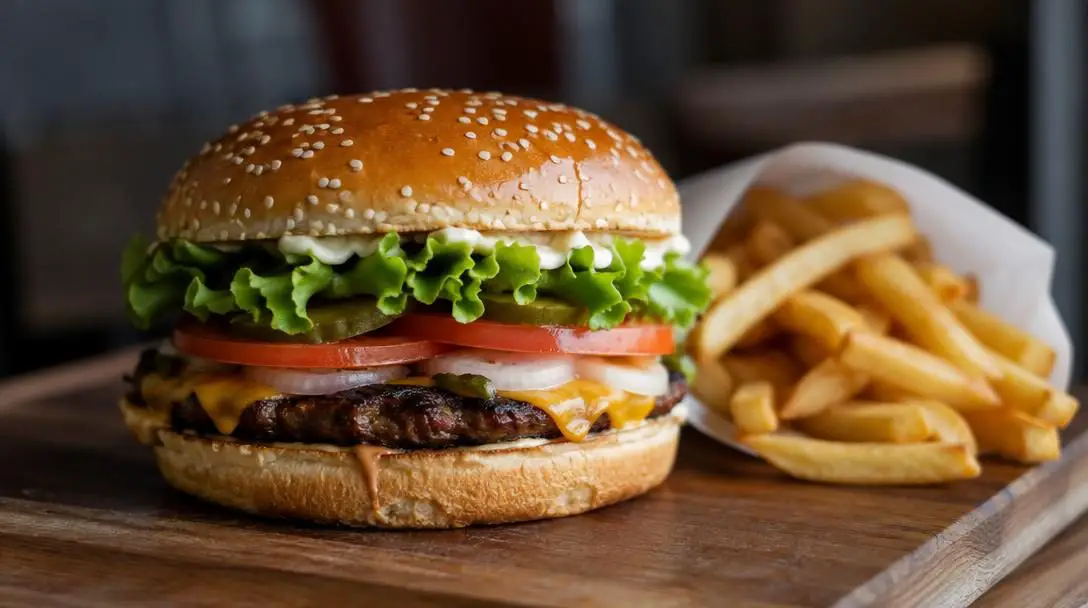
In American restaurants, sandwich customization revolves around classic burger garnishes. Diners routinely tailor their flame-grilled beef with standard additions such as sliced pickles, crisp iceberg lettuce, ripe tomatoes, raw onions, and smoked bacon, paired with yellow mustard, ketchup, or mayonnaise. These toppings are engineered to provide acidity, crunch, and salt that balance the smoky profile of flame-broiled beef.
In France, the topping selection expands into distinctly European culinary territory. Guests can top their burgers with spicy cured chorizo slices, adding a warm, paprika-rich dimension rarely found in American fast-food drive-thrus. French kitchens also offer freshly prepared fried eggs, allowing the rich yolk to serve as a natural savory sauce, as well as distinct sesame seed blends baked across specialty buns.
2. Salads and Creative Side Dishes
- US standard sides: Classic salted French fries, battered onion rings
- France sides selection: Potato Croquettes, Greek salad, Tasty Tomato Salad with feta
Side dishes represent one of the starkest operational divides between the two countries. In the United States, sides generally serve as warm, starchy accompaniments to the main sandwich, dominated almost exclusively by salted French fries and golden onion rings. While salads have occasionally appeared as health-conscious alternatives, they rarely constitute a core focus of the typical American order.
France, by contrast, treats sides and lighter fare with significant culinary care. French diners can accompany their flame-grilled burgers with crisp Greek-style salads or a dedicated "Tasty Tomato Salad" tossed with real crumbled feta cheese. For hot sides, guests are not restricted to standard fries; French menus offer golden, breaded Potato Croquettes alongside traditional onion rings, mirroring the diverse potato preparations found across European brasseries.
3. Traditional and Core Burger Recipes
- US core staples: Flame Grilled Whopper, Southern Style Crispy Chicken, veggie burgers
- France signature builds: La Flammeche (Brie), Champignon Pesto (Emmental)
The standard burger lineups in both countries reflect differing baseline expectations for comfort food. In the United States, staple offerings emphasize regional American recipes. Sandwiches like the Southern Style Crispy Chicken Sandwich and the All-American Flame Grilled Whopper rely on savory brines, creamy mayonnaise, dill pickles, and barbecue seasonings. American stores also maintain standard plant-based veggie patties and flame-grilled chicken breasts to accommodate broad lifestyle preferences.
French Burger King locations redefine standard fare by pairing beef patties with ingredients rooted in European home cooking. A prime example is La Flammeche, a signature sandwich crowned with warm, melted Brie cheese. Another permanent standout is the Champignon Pesto burger, which combines sautéed mushrooms, fragrant basil pesto sauce, and melted Emmental cheese, delivering an earthy flavor profile distinctly different from traditional American fast food.
4. Specialty Sandwiches and Steakhouse Offerings
- US specialty style: Bold, spicy builds with jalapeños and melted Swiss cheese
- France specialty style: "Les Classiques" line featuring filet mignon and artisan breads
When chains develop premium, limited-edition, or upscale sandwiches, national definitions of indulgence take center stage. In the American market, specialty burgers frequently showcase heat, smoke, and indulgence through oversized portions and bold condiments. A representative American premium build is the mushroom Swiss burger augmented with pickled or fresh jalapeño coins, delivering a sharp kick of capsaicin to complement the creamy dairy.
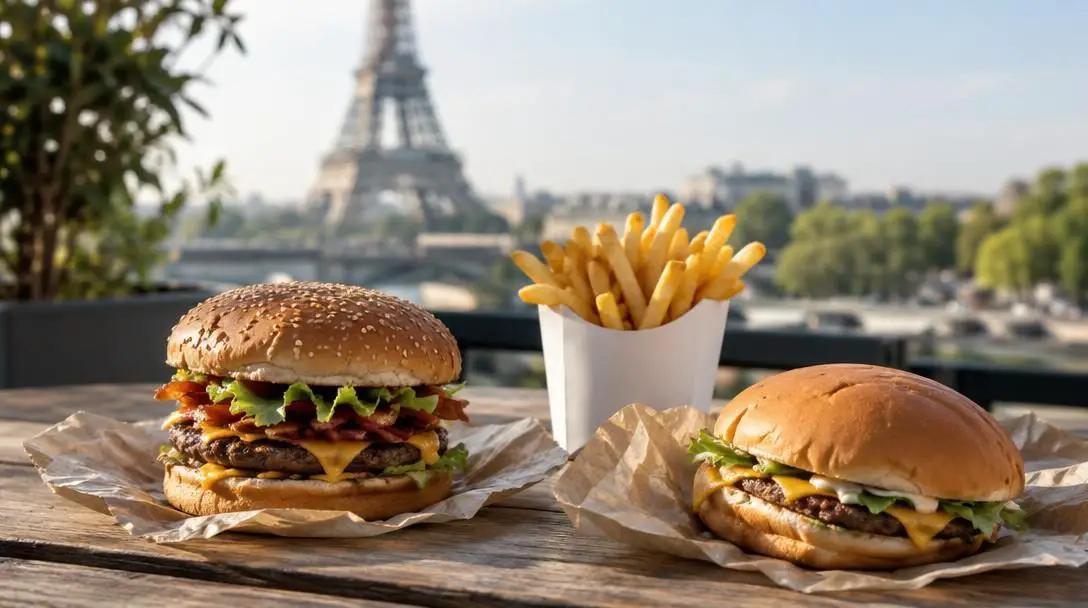
France channels upscale dining through a dedicated collection called "Les Classiques." This collection borrows inspiration from classical French steakhouse culture rather than smokehouse barbecue. Sandwiches within this line frequently highlight tender filet mignon medallions paired with cheddar cheese and crispy bacon bits, all assembled within a crusty, bakery-style artisan roll that mimics the texture of freshly baked bread from a local boulangerie.
5. Beverages, Desserts, and Savory Twists
- US dessert strengths: Expansive milkshake flavors, rotating syrups, seasonal blends
- France menu twists: Standard shakes (vanilla, chocolate, strawberry), cheese-laden tartiflette fries
The beverage and dessert stations showcase contrasting cultural priorities. American Burger King locations excel in sweet innovation, offering diners an expansive roster of blended milkshakes, soft-serve sundaes, and rotating limited-time flavors featuring brand-name cookies, candies, and fruit syrups. The sheer volume of beverage choices and customizable soda fountain options remains a hallmark of the domestic dining experience.
In France, the milkshake program is comparatively restrained, generally focusing on classic foundational flavors: rich chocolate, sweet strawberry, and simple vanilla. However, France introduces its own culinary indulgence that blurs the boundary between savory side and decadent treat: tartiflette fries. Inspired by the alpine dish of potatoes, lardons, and onions baked au gratin, this menu item features hot French fries draped in rich, melted Reblochon cheese, providing a deeply savory indulgence found nowhere else.
How International Menus Are Developed
The culinary divergences between American and French Burger King locations are the deliberate result of strategic food science, logistics, and consumer research.
First, multinational restaurant brands must build viable domestic supply networks. Sourcing dairy, meat, and baked goods locally reduces transportation costs, ensures peak freshness, and ensures compliance with strict domestic agricultural standards. In France, sourcing high-quality Emmental, Brie, and Reblochon is economically practical because the local dairy sector is already optimized to produce these varieties at commercial scale.
Second, menu development teams analyze localized meal rituals. While American fast-food culture heavily values portability, rapid drive-thru access, and one-handed eating, French diners frequently treat fast food as a sit-down, multi-course lunch. The presence of dressed tomato salads, structured side courses, and artisan buns directly mirrors the balanced composition of a standard French midday meal.
Finally, international franchisors operate under a philosophy of core brand consistency paired with regional autonomy. The central pillar of Burger King—cooking ground beef over an open flame—remains uncompromised across all borders. However, regional culinary directors are granted latitude to experiment with localized sauces, artisan rolls, and regional cheeses, ensuring the brand remains relevant to local dining preferences.
How to Order at a Foreign Burger King
Navigating an overseas fast-food location can be an enjoyable cultural adventure if approached methodically. Follow these steps to maximize your dining experience:
- Switch the ordering kiosk to your preferred language: Digital ordering screens in French locations feature a flag icon at the bottom of the display. Toggle to English or your native language to review full ingredient descriptions without counter pressure.
- Navigate directly to regional specialty categories: Avoid default combo meals and locate country-specific headers, such as France's "Les Classiques" or seasonal promotional banners.
- Explore alternative side dishes: Skip standard fries on your initial order and look for regional sides such as golden Potato Croquettes, tartiflette fries, or the Tasty Tomato Salad with feta.
- Examine the cheese and sauce customizations: Utilize the kiosk customization screen to discover local cheeses like melted Brie or Emmental, as well as distinct dipping sauces designed for European markets.
- Review the beverage and dessert limits: If ordering in France, expect a simpler milkshake menu focused on core chocolate, vanilla, and strawberry flavors rather than the wide variety typical in American stores.
Common Ordering Mistakes Travelers Make
Even seasoned travelers can encounter surprises when ordering fast food overseas. Keeping these frequent missteps in mind will ensure a smoother meal:
- Assuming American specialty sandwiches exist overseas: Walking into a French location expecting a Southern Style Crispy Chicken Sandwich or jalapeño-topped burger will lead to disappointment, as menus highlight regional creations instead.
- Underestimating the strength of European cheeses: French recipes incorporate authentic regional cheeses such as melted Brie or pungent Reblochon, which feature stronger, earthier profiles than mild American pasteurized slices.
- Overlooking beverage portion size differences: Drink cups and fry sleeves in France adhere to European portion standards and are noticeably smaller than standard American medium and large sizes.
- Defaulting to standard condiments: Assuming self-service stations carry standard American sweet ketchup and mayonnaise can lead to surprise, as European packets often feature distinct spice blends, pomme frites sauces, or sharp mustards.
Frequently asked questions
Does Burger King in France use the same flame-grilling method as in the US?
Yes. The foundational cooking technique of preparing beef patties over an open flame is consistent across both American and French locations, preserving the brand's core identity while toppings and buns vary.
Can you find the Whopper on the menu in France?
Yes. The signature Whopper remains a staple core offering in French Burger King restaurants, though customers can customize it with distinct European toppings such as fried eggs or specialty cheeses.
What are French tartiflette fries?
Tartiflette fries are a French Burger King menu item inspired by the traditional alpine potato dish, featuring standard French fries topped with rich, melted Reblochon cheese.
Are vegetarian options available at Burger King in France and the US?
Both countries cater to meat-free preferences, with American locations featuring standard veggie patties and French branches offering meat-free burger alternatives alongside fresh salads like the Greek and Tasty Tomato salads.
Why are milkshake choices more limited in France compared to the US?
American consumer demand heavily favors expansive, highly customized sweet beverages and rotating flavor syrups, whereas French fast-food diners generally stick to traditional foundational flavors like chocolate, vanilla, and strawberry.
The Bottom Line
The differences between American and French Burger King menus demonstrate that modern fast food is far from homogenous. While the foundational flame-grilled patty connects diners on both sides of the Atlantic, everything built around that patty reflects distinct cultural values. From artisan rolls and melted Brie cheese in Paris to spicy jalapeño burgers and overflowing milkshake machines in Chicago, exploring international fast-food menus offers an accessible, fascinating look at how global convenience meets regional culinary heritage.