A Brief History Of Burger King’s Corporate Strategies
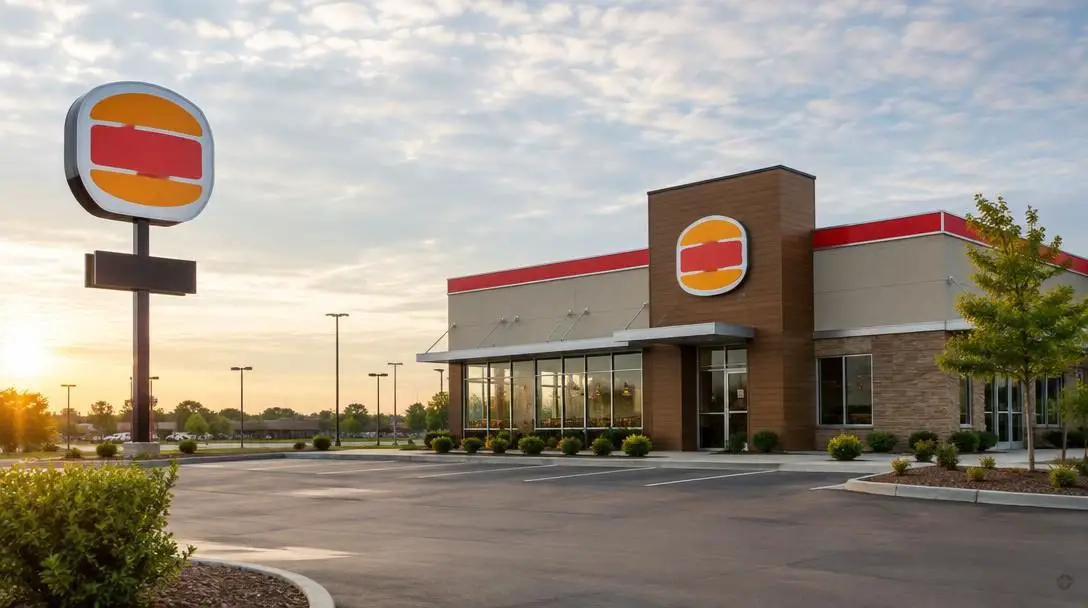
Founded in 1954, Burger King established itself as an enduring titan of the global quick-service restaurant industry through its signature flame-grilled cooking method and its flagship sandwich, the iconic Whopper. Yet sustaining commercial viability across decades of shifting consumer tastes, economic cycles, and aggressive industry rivals requires far more than resting on a single successful product. Over its multi-decade history, the chain has repeatedly evaluated and overhauled its organizational structure, brand messaging, product architecture, and technological capabilities.
From navigating severe regional fragmentation in the mid-1980s to executing high-stakes ownership transitions and embracing modern mobile ordering systems, Burger King’s corporate journey offers a masterclass in enterprise adaptation. By analyzing the brand's key strategic phases, business leaders can understand how balancing backend operational discipline with front-end customer value fosters long-term marketplace competitiveness.
Key takeaways
- Burger King centralized its fragmented, regional operations in 1986 while pruning its menu down to core categories like burgers, chicken, and salads.
- The 2003 "Have It Your Way" campaign successfully re-engineered kitchen workflows to balance customer-driven customization with fast-food assembly speeds.
- Adding lighter alternatives such as salads and smoothies allowed the brand to capture health-conscious demographics without alienating its legacy Whopper customer base.
- A 2011 restructuring took the enterprise private after nearly two decades on public markets, freeing executive leadership from short-term quarterly pressures to fund major international and domestic expansions.
- Accelerating proprietary mobile ordering platforms safeguarded commercial continuity and fueled rapid growth during the COVID-19 pandemic.
Five Strategic Eras That Redefined Burger King
Burger King’s longevity stems from its willingness to dismantle obsolete operating models when market friction threatens growth. Rather than implementing isolated marketing ploys, the organization’s executive leadership pursued deep structural transformations that systematically reinforced kitchen efficiency, supply chain consistency, and customer loyalty.
| Strategic Era | Key Focus | Operational Impact | Strategic Objective |
|---|---|---|---|
| 1986 Restructuring | Operational Centralization | Eliminated regional silos; trimmed menu | Unify brand voice and streamline supply chains |
| 2003 Brand Reinvention | Workflow Customization | Re-engineered assembly line ergonomics | Empower consumer choice without sacrificing speed |
| Menu Diversification | Healthier Product Formats | Added dedicated cold-prep and beverage stations | Capture lifestyle-conscious and health-driven diners |
| 2011 Privatization | Capital Restructuring | Delisted from public stock exchanges | Shield multi-year infrastructure upgrades from quarterly scrutiny |
| Digital Transformation | Direct-to-Consumer Channels | Deployed mobile ordering, app pickup, and delivery | Ensure continuity and meet shifts during the COVID-19 pandemic |
The 1986 Corporate Centralization

- Initiative Year: 1986
- Preceding Structure: Decentralized regional autonomous divisions
- Refocused Categories: Burgers, chicken, and salads
- Primary Objective: Standardize operations and establish nationwide brand cohesion
In the decades following its 1954 founding, Burger King expanded quickly throughout the United States. However, by the mid-1980s, that rapid footprint expansion had created severe administrative friction. The enterprise operated under a highly decentralized model where disparate regional divisions ran their franchises and corporate stores with wide autonomy. This structural fragmentation hindered unified marketing campaigns, created inconsistent customer experiences, and complicated supply chain logistics across regional borders.
In 1986, executive leadership executed a comprehensive restructuring program that dismantled regional fiefdoms in favor of a centralized management hierarchy. Concurrently, leadership simplified the in-store menu to focus strictly on three core offerings: burgers, chicken, and salads. Pruning peripheral items alleviated kitchen bottlenecks, consolidated ingredient procurement, and allowed corporate marketers to launch unified national campaigns that built standard customer expectations across every market.
The 2003 "Have It Your Way" Operational Overhaul
- Launch Year: 2003
- Strategic Focus: Mass personalization and consumer agency
- Workflow Modification: Modular assembly lines supporting rapid customization
- Value Proposition: Direct control over meal composition at standard fast-food speed
Fast-food production historically prioritized absolute uniformity over individual preference. Assembly lines were configured to produce identical items in high volumes, meaning that special requests inevitably caused kitchen delays and frustrated both workers and patrons. In 2003, Burger King addressed this long-standing operational compromise through its revitalized "Have It Your Way" campaign.
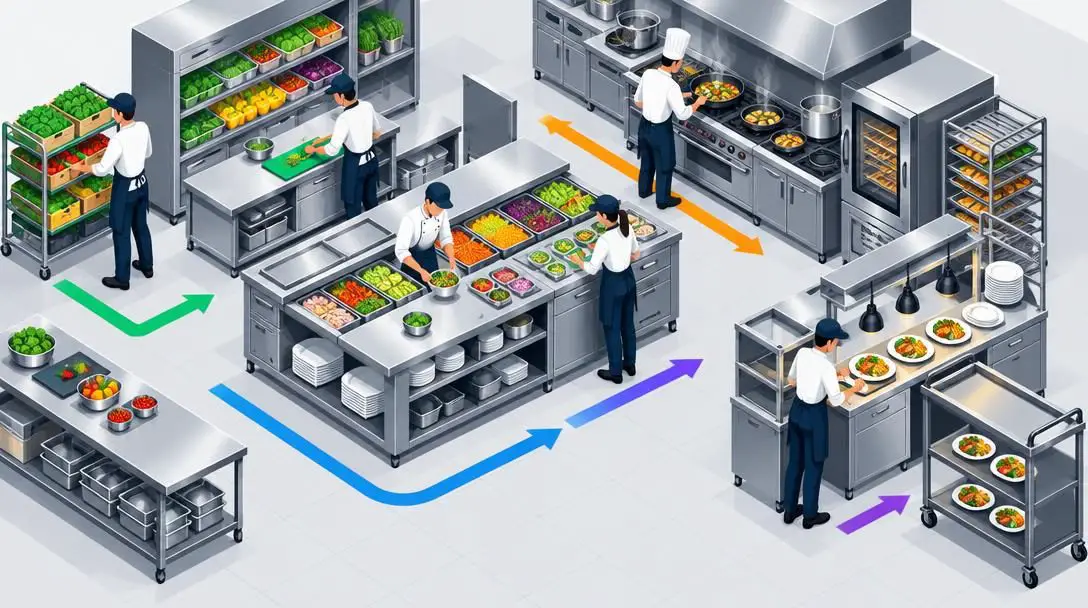
Rather than merely using the phrase as an advertising slogan, the organization completely re-engineered its kitchen assembly workflows. Preparation stations were redesigned so line cooks could customize sauces, toppings, and sandwich builds on the fly without breaking preparation cadence. This systemic flexibility granted diners unprecedented control over their meals, delivering perceived value that distinguished Burger King from rigid competitors while preserving the service velocity essential to quick-service dining.
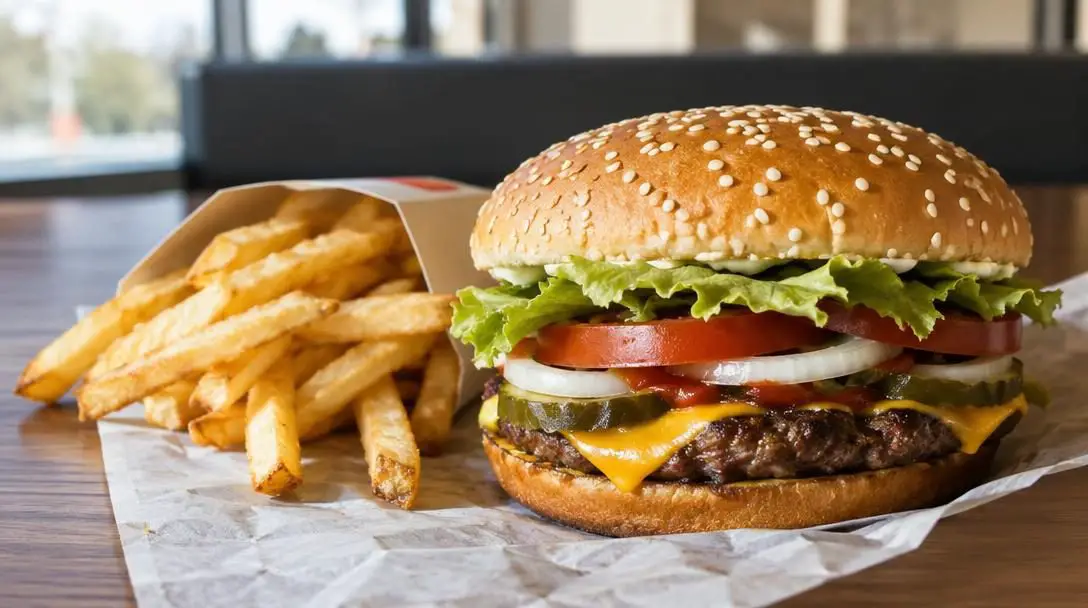
Streamlining kitchen workflows allowed personalized orders to flow smoothly down the line without compromising delivery speed or food quality.
Health-Conscious Menu Architecture
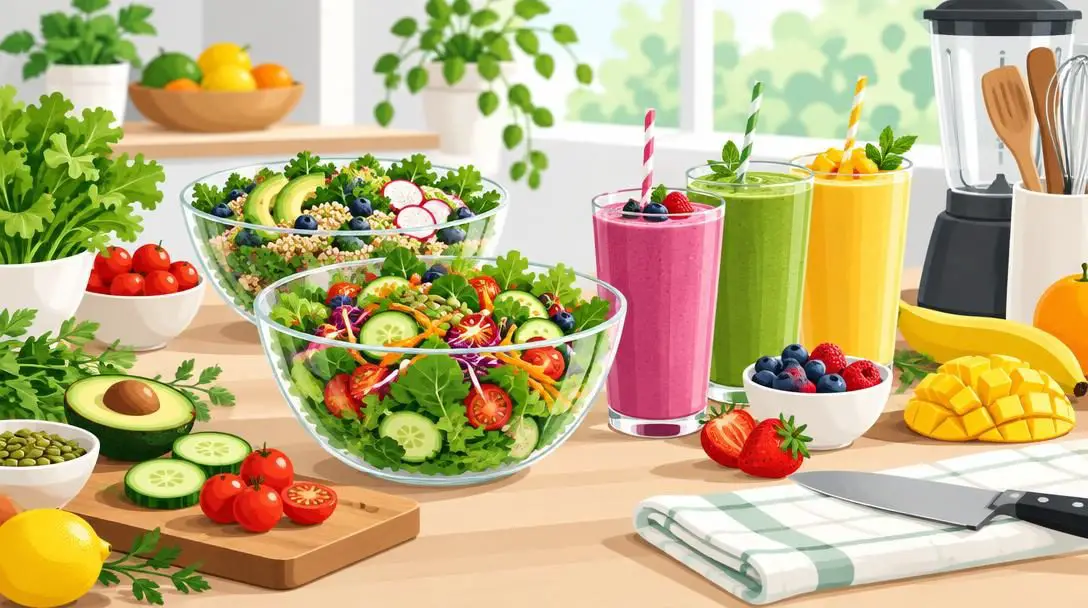
- Key Products: Premium salads and fruit smoothies
- Target Demographic: Lifestyle-conscious consumers and balanced-diet seekers
- Brand Anchor: The flagship Whopper and flame-grilled beef heritage
- Commercial Rationale: Removing dining veto votes within families and peer groups
As nutritional awareness expanded among modern consumers, the traditional fast-food playbook came under intense consumer scrutiny. Heavy reliance on calorie-dense burgers risked alienating demographics that prioritized wellness, fresh produce, and lighter fare. In response, Burger King introduced healthier alternatives directly alongside its indulgent favorites, launching structured lines of pre-packaged salads and freshly prepared smoothies.
This menu diversification strategy was carefully balanced: the brand preserved the flame-grilled Whopper as its foundational identity while providing nutritious choices that prevented the brand from losing relevant dining occasions. By catering to varied dietary preferences within families and workplace lunch groups, Burger King effectively eliminated the "veto vote"—where an entire party chooses a competitor because one member refuses to eat traditional fast food.
The 2011 Delisting and Take-Private Restructuring

- Transaction Year: 2011
- Corporate Shift: Transitioned from publicly traded equity to private ownership
- Prior Public Tenure: Nearly twenty years
- Capital Allocations: Long-term restaurant remodeling and global franchise growth
Corporate financial strategy took center stage in 2011 when Burger King transitioned from a publicly traded firm back into private ownership, ending nearly two decades of public trading. Operating under the microscope of quarterly earnings reports often incentivizes short-term cost-cutting at the expense of necessary capital investments. By going private, Burger King’s leadership decoupled the enterprise from public market pressures.
The transition enabled institutional owners to inject fresh capital and implement aggressive, multi-year turnaround initiatives. With financial breathing room, management redirected capital into comprehensive store modernization, technological platforms, and systematic franchise expansion into high-growth international territories, establishing structural footing that public quarterly horizons could not easily accommodate.
Mobile Technology and Pandemic Resilience
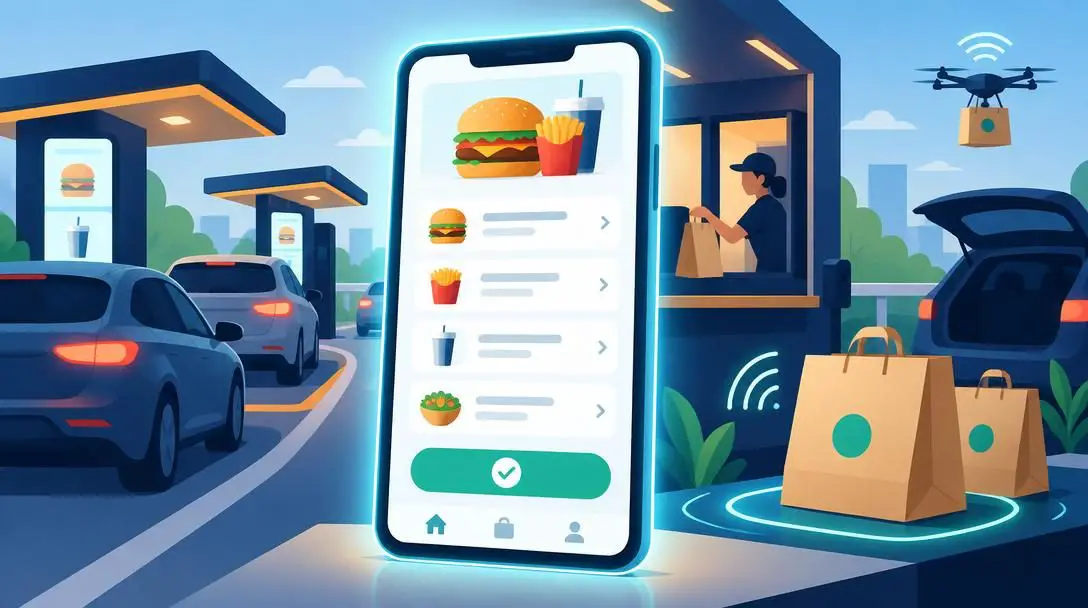
- Core Technology: Proprietary mobile applications and digital ordering suites
- Fulfillment Paths: Curbside pickup, modernized drive-thru, and doorstep delivery
- Major Stress Test: COVID-19 pandemic mobility restrictions
- Operational Win: Seamless, contactless order-ahead continuity
In the digital era, retail convenience migrated directly onto consumer smartphones. Burger King anticipated this behavioral shift by pouring resources into proprietary mobile ordering technology. The platform allowed customers to browse menus, customize ingredients, apply digital discounts, and pay for orders before arriving at the restaurant.
This digital infrastructure proved invaluable with the onset of the COVID-19 pandemic. When indoor dining rooms were abruptly closed due to health restrictions, Burger King’s mature mobile application enabled customers to route purchases through curbside pickup, drive-thru lanes, and third-party doorstep delivery. By meeting diners wherever they were isolated, the enterprise sustained vital commercial continuity throughout historic disruption.
Applying Burger King’s Playbook to Modern Business Operations
The operational pivots executed by Burger King throughout its history offer actionable methodologies for leaders seeking to scale complex organizations. Transforming legacy business frameworks requires executing deliberate, sequential operational adjustments.
- Audit and centralize fragmented operational units: Identify departmental silos and conflicting regional standards. Establish a singular, transparent operational hierarchy to ensure that customer experiences and core messaging remain unified across all geographic markets.
- Streamline catalog offerings around core competencies: Audit current product margins and prep times. Eliminate bloated, low-velocity SKUs to focus kitchen labor, reduce supply chain friction, and spotlight your primary revenue-generating offerings.
- Re-engineer workflows for modular customization: Redesign internal fulfillment pipelines so that client personalization can occur without disrupting throughput speed or increasing operational error rates.
- Broaden product architecture to address adjacent buyers: Introduce complementary products that appeal to health-conscious or underserved segments, mitigating purchase objections without diluting the core brand.
- Align ownership models with investment horizons: Evaluate whether public equity or private financing best supports your timeline for long-term technological transformations and physical plant modernizations.
- Build direct-to-consumer digital infrastructure: Develop native digital ordering, loyalty, and fulfillment tools to retain ownership of customer data and insulate revenues against sudden retail foot-traffic disruptions.
Strategic Pitfalls That Threaten Business Transformations
While strategic changes are essential for corporate longevity, executing large-scale organizational pivots carries substantial operational and financial risk. Leaders must actively guard against predictable execution mistakes:
- Diluting core identity during portfolio expansion: When introducing alternative products like salads and smoothies, enterprises often overcompensate and neglect the flagship product lines that generate base cash flows.
- Permitting customization without workflow preparation: Announcing personal choice models without configuring back-of-house assembly processes results in service delays, misassembled orders, and customer frustration.
- Slipping into unmonitored operational decentralization: Granting excessive autonomy to local or regional offices creates fragmented inventory management, inconsistent customer service standards, and conflicting marketing.
- Deploying digital apps without physical fulfillment staging: Launching a frictionless mobile ordering application fails if retail footprints lack dedicated pickup counters, delivery staging shelves, or synchronized kitchen-display integration.
- Sacrificing operational health for short-term market optics: Managing operations purely to hit short-term financial expectations discourages leadership from allocating necessary capital toward long-term digital and infrastructural upgrades.
Future Horizons for Sustained Brand Competitiveness
Building long-term commercial resilience demands ongoing adaptation. For enterprises studying Burger King's track record from 1954 to the post-pandemic landscape, maintaining market share requires anticipating how consumer preferences will manifest across three critical operational fronts.
First, corporate strategy must integrate mobile purchasing platforms into deep, automated brand loyalty systems. A mobile transaction should not remain an isolated interaction. Modern digital architecture must track purchasing patterns to serve personalized promotions, reward brand loyalty, and reduce friction through predictive reordering.
Second, consumer definitions of wellness and sustainable sourcing continue to evolve. Fast-food operators must proactively monitor shifting consumer expectations around environmental responsibility and ingredient transparency. Continuing to iterate menus alongside shifting cultural expectations ensures brands stay ahead of demographic changes rather than playing catch-up.
Finally, global organizations must build supple supply chain infrastructure capable of absorbing volatile agricultural and geopolitical events. Sustained commercial success belongs to firms that balance the stability of centralized management with the agility to re-route procurement and re-engineer workflows whenever market conditions shift.
Frequently asked questions
When was Burger King founded, and what was its original flagship product?
Burger King was founded in 1954. From its earliest days, the brand built its reputation around its signature flame-grilled preparation style and its flagship burger, the Whopper.
Why did Burger King abandon its decentralized operational structure in 1986?
Operating through independent regional divisions created major inconsistencies in marketing, product quality, and supply chains. Centralizing the organization in 1986 allowed leadership to enforce uniform operating standards and execute nationwide brand campaigns.
How did the 2003 "Have It Your Way" campaign impact kitchen operations?
The campaign required re-engineering assembly line workflows so that line cooks could personalize toppings, sauces, and builds on demand without slowing down production speed or sacrificing food quality.
Why did Burger King transition back to private ownership in 2011?
After nearly twenty years as a public company, returning to private ownership removed the pressure of hitting short-term quarterly profit targets, providing the flexible capital necessary to finance system-wide store remodels and rapid global expansion.
How did mobile ordering technology support the business during the COVID-19 pandemic?
The proprietary mobile platform allowed consumers facing movement restrictions to order contactless meals ahead of time, routing sales through drive-thrus, curbside pickup, and doorstep delivery during mandatory dining room closures.
The bottom line
Burger King’s endurance across more than seven decades demonstrates that longevity in a crowded marketplace is never accidental. Long-term commercial relevance demands an ongoing balance between core strengths and organizational adaptability. By grounding its identity in signature flame-grilled products while systematically overhauling management hierarchies, assembly lines, menu choices, and digital channels, Burger King created a durable operating blueprint. For modern business leaders, the brand's corporate evolution proves that sustainable growth requires the courage to re-engineer core operations before market disruptions force your hand.