Exploring Different Cultures Through Cuisine
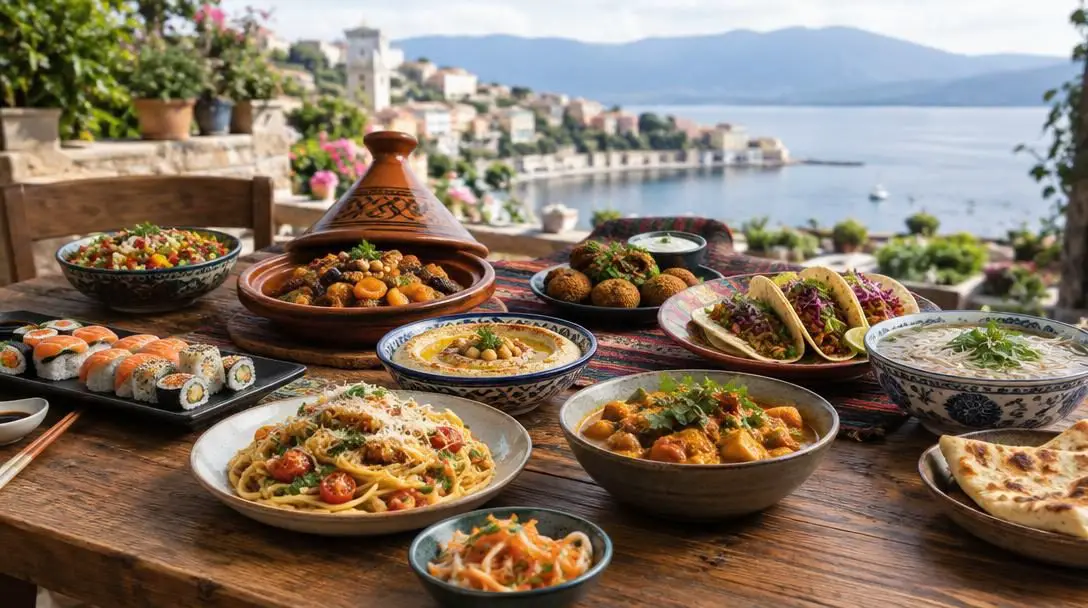
Food is far more than a biological necessity for human survival; it functions as a vibrant living language that expresses heritage, community identity, and historical memory. Across generations, human societies have formed their social bonds around hearths, communal prep tables, and shared dining vessels. Every distinct culinary tradition mirrors the interplay between local geography, climate shifts, agricultural conditions, and generational migrations, turning native grains, wild herbs, and cultivated spices into meaningful daily sustenance.
When you sit down to an authentic regional meal, you engage with centuries of trade routes, spiritual rituals, and domestic problem-solving. Exploring the foodways of diverse cultures broadens your worldview, training your palate to recognize unfamiliar textures and balance complex aromatic pairings. Whether venturing across continents or simply walking through a cultural enclave in your home metropolitan area, approaching heritage cooking with intention transforms every meal into an educational journey.
Key takeaways
- Regional food traditions reflect the direct influence of local geography, seasonal weather, historical trade routes, and community values.
- Culinary cultural exchange occurs through sensory exposure, mastering traditional cooking techniques, and sharing meals in communal settings.
- Global food exploration does not require international travel, as metropolitan neighborhoods and independent ethnic grocers offer rich, authentic experiences.
- Appreciating world cuisines requires moving past Western dining habits to embrace traditional eating customs, distinct spices, and harmonious flavor balances.
The environmental and historical foundations of heritage food
The core identity of any culinary style begins with the land. A society's primary cooking practices are shaped fundamentally by environmental factors: the length of regional growing seasons, the fertility of river valleys, the proximity to saltwater coastlines, and the temperature extremes of local weather patterns. A community situated alongside a fertile delta will naturally develop techniques centered around rice cultivation, freshwater fisheries, and delicate water greens, whereas inland mountainous communities frequently rely on hardy root crops, dried pulses, and preservation techniques like smoking or curing to sustain themselves through harsh winters.
Beyond geographical boundaries, historical migrations and merchant trade routes have continuously transformed regional pantries. As seeds, dried roots, cooking vessels, and preparation methods crossed borders over centuries, local cooks adopted these foreign components into their established culinary routines. Rather than simply mimicking imported customs, domestic cooks adapted new ingredients into their existing heat sources and aromatic bases. In doing so, they created regional specialties that celebrate both native soil and ancient intercultural connections.
Every country has its unique cuisine that reflects the history, geography, climate, and lifestyle of its people.
Distinctive world cuisines and their signature flavor profiles
To fully grasp how environment and technique converge, it is helpful to look closely at regional cuisines that have mastered specific ingredient families. Different areas of the world highlight how culinary identity is expressed through spice architecture, herb freshness, and the deliberate balance of contrasting taste notes.
Indian Cuisine
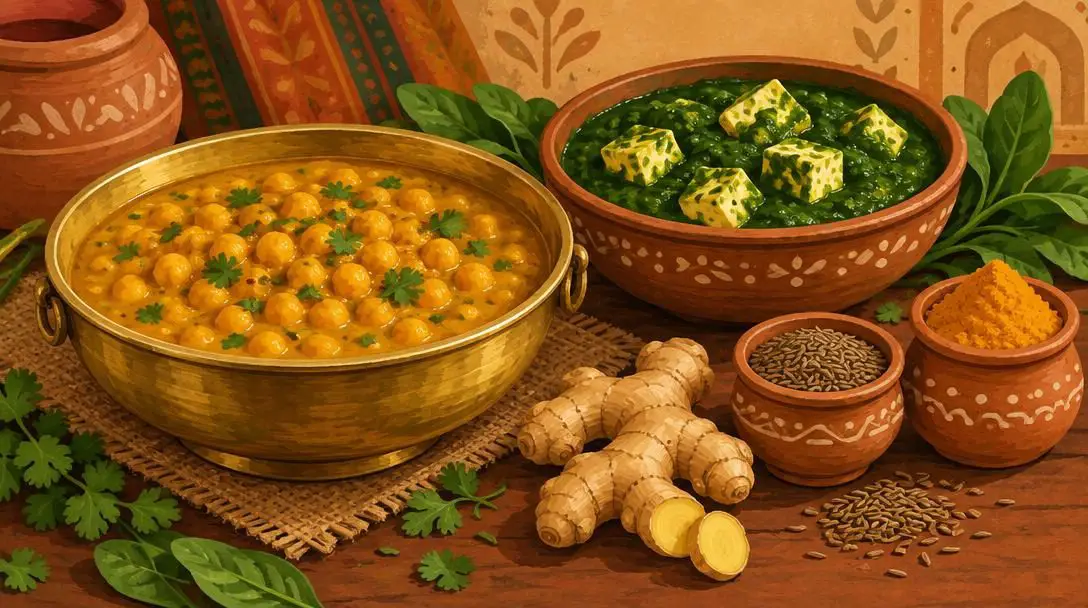
- Signature Aromatics: Cumin, turmeric, and ginger
- Plant-Based Staples: Pulses, chickpeas, and fresh dairy
- Key Regional Dishes: Chana masala and palak paneer
Indian cuisine is renowned worldwide for its intricate application of whole and ground spices, where aromatics are not used solely to generate heat but to establish deep, multi-layered profiles. Spices such as earthy cumin, pungent turmeric, and sharp ginger are deliberately layered into cooking oils and gravies, allowing each spice to release its essential oils at specific temperatures during the simmering process.
This culinary system is celebrated for its diverse vegetarian offerings. Dishes such as chana masala, a spiced chickpea curry, demonstrate how dried legumes absorb bold sauces while maintaining satisfying texture. Similarly, palak paneer pairs pureed spinach with mild, unaged cottage cheese cubes, demonstrating how common agricultural greens and fresh dairy products can become nourishing staples when seasoned with precision.
Thai Cuisine
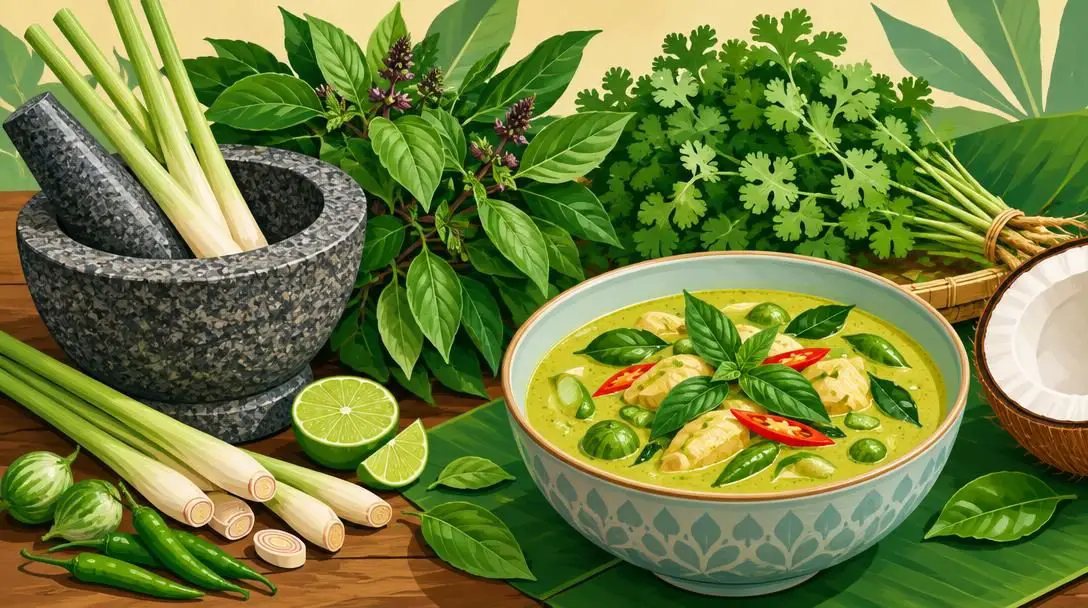
- Flavor Philosophy: Simultaneous balance of sweet, sour, salty, and spicy
- Fresh Aromatics: Lemongrass, fresh basil, and cilantro
- Iconic Preparations: Pad Thai, Tom Yum Soup, and Green Curry
Thai cuisine is built around a distinct culinary philosophy: the harmonious integration of sweet, sour, salty, and spicy elements within a single dish or unified meal spread. Rather than permitting one overwhelming flavor to dominate the palate, traditional Thai cooking relies on contrasting elements working in tandem. Fresh herbs, including citrusy lemongrass, aromatic basil, and crisp cilantro, provide vibrant top notes that lift rich foundations.
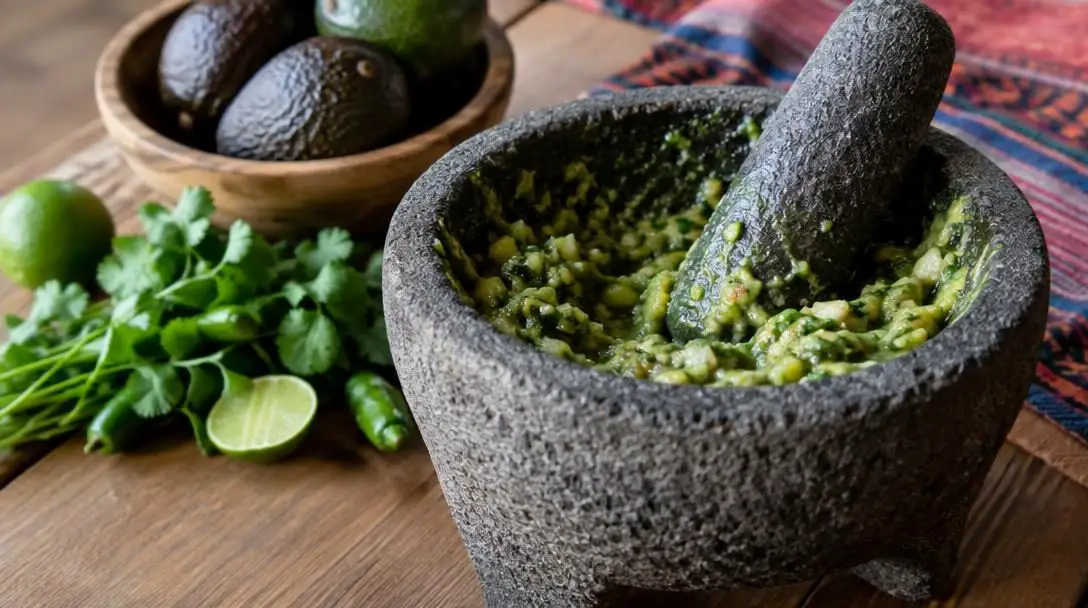
This dynamic balance is evident in iconic dishes across the country. Stir-fried noodle preparations like Pad Thai demonstrate the union of savory sauces, sour tamarind notes, and crushed textures. Soups such as Tom Yum combine fragrant broth with shrimp and fresh aromatics, balancing fiery peppers against bright acidity. Meanwhile, coconut-based dishes like Green Curry demonstrate how rich broths soften aromatic spice pastes to showcase tender garden vegetables.
Global food profiles at a glance
Understanding the foundational structures of world traditions helps diners recognize the creative intentions behind different menus. The table below compares the core elements, aromatic signatures, and representative dishes of traditions discussed throughout this guide.
| Cuisine Tradition | Core Flavor Profile | Primary Aromatics and Herbs | Representative Traditional Dishes |
|---|---|---|---|
| Indian | Earthy, warm, richly spiced, and simmered | Cumin, turmeric, ginger, and garlic | Chana masala, palak paneer, and lentil curries |
| Thai | Harmonious balance of sweet, sour, salty, and spicy | Lemongrass, Thai basil, cilantro, and chili | Pad Thai, Tom Yum Soup, and Green Curry |
| Ethiopian | Richly spiced, tangy, slow-simmered, and savory | Berbere spice blends and fermented grains | Slow-simmered meat or vegetable stews with injera |
| Korean | Fermented, savory, deeply seasoned, and fire-grilled | Sesame oil, garlic, scallions, and chili pastes | Tabletop Korean BBQ and fermented side dishes |
Urban enclaves: exploring international heritage without travel
While traveling abroad offers an immersive way to experience food cultures at their source, you can find authentic culinary traditions within major metropolitan areas closer to home. Cities across the globe feature established ethnic enclaves where immigrant populations have opened independent groceries, bakeries, and dining spots that preserve ancestral practices.
Little Italy
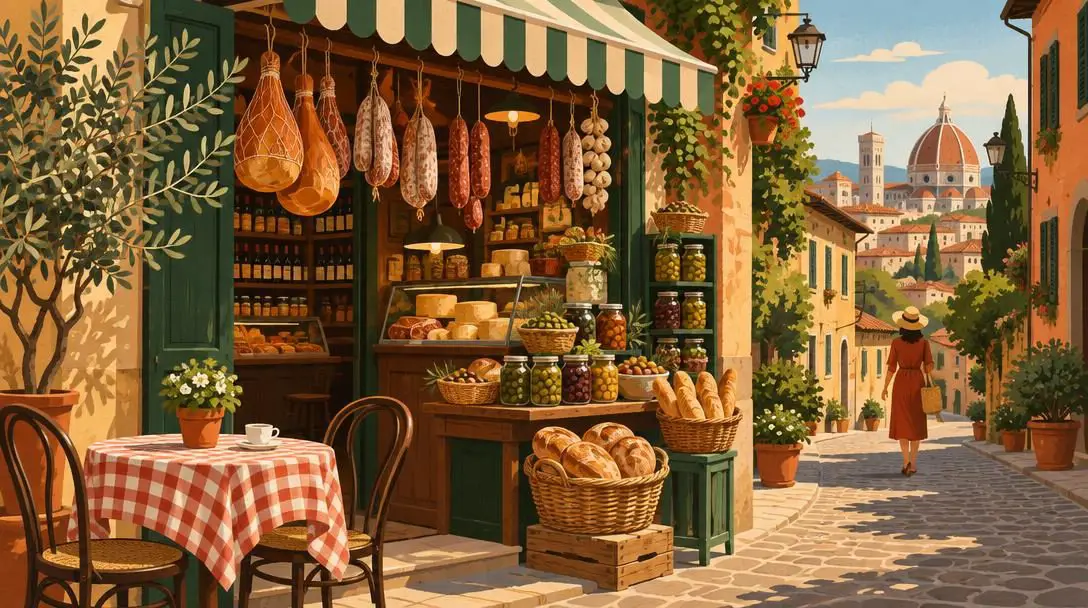
- Notable Metropolitan Location: New York City
- Culinary Focus: Regional Italian cooking and traditional pasta
- Community Anchor: Heritage bakeries, delis, and specialty grocers
Neighborhoods like New York City's Little Italy serve as historic reminders of transatlantic migration. These streets feature family-run restaurants, cured meat purveyors, and pastry counters that hold onto classic Italian dining routines. Exploring these urban streets allows visitors to see how domestic Italian recipes were preserved and shared within early immigrant neighborhoods.
Chinatown
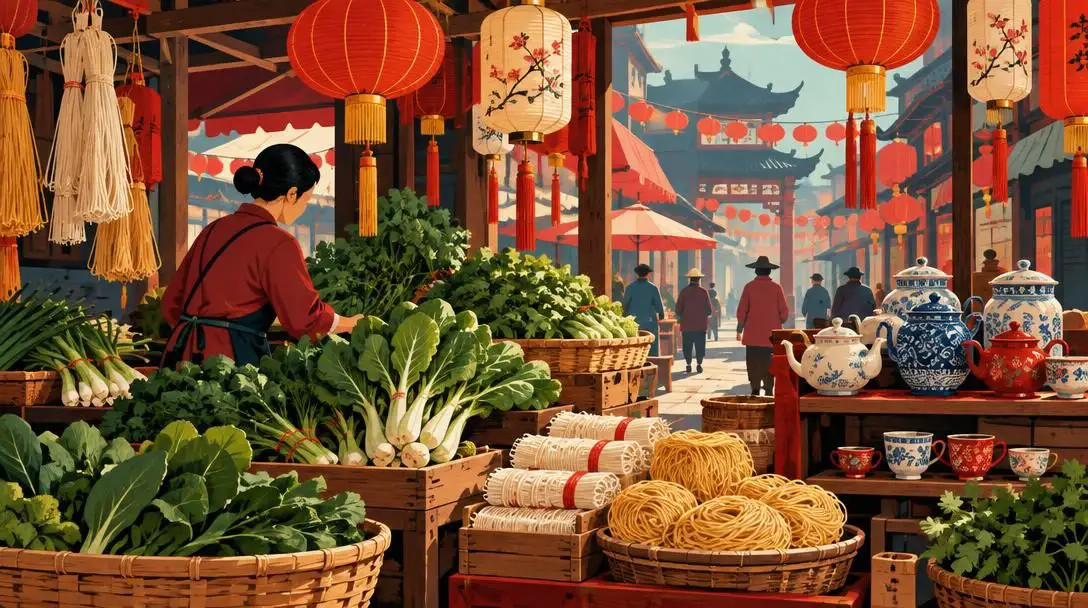
- Notable Metropolitan Location: New York City
- Culinary Focus: Regional Chinese noodles, roasted meats, and dim sum
- Community Anchor: Open-air vegetable stands, tea vendors, and herbalists
Chinatowns in major cities remain bustling cultural centers filled with specialty seafood stalls, fresh produce vendors, and regional dining halls. Whether enjoying hand-pulled noodles, delicate steamed dumplings, or fragrant stir-fries, a walk through Chinatown reveals how traditional cooking methods persist through specialized markets and generational family kitchens.
Koreatown
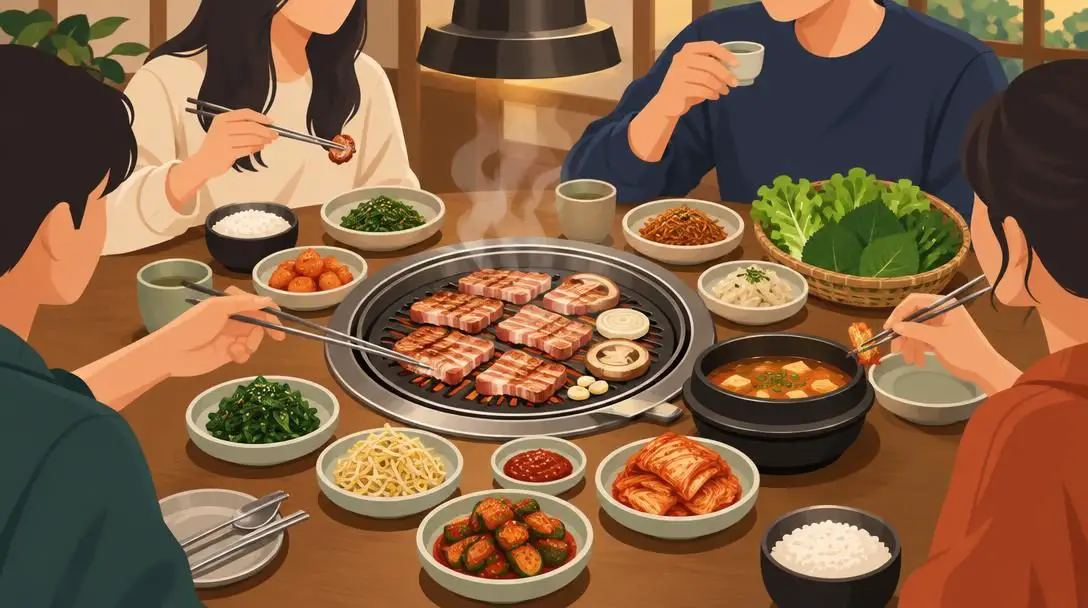
- Notable Metropolitan Location: Los Angeles
- Culinary Focus: Korean BBQ, communal stews, and fermented banchan
- Community Anchor: Tabletop grill restaurants and late-night food hubs
Los Angeles’s Koreatown is celebrated for its vibrant dining culture, most visibly embodied in interactive Korean BBQ establishments. Diners gather around tabletop grills to prepare marinaded and unseasoned meats together, surrounding themselves with shared side dishes known as banchan. This interactive dining style underscores how mealtime in Korean culture functions as a social, communal experience.
Little Ethiopia
- Notable Metropolitan Location: Los Angeles
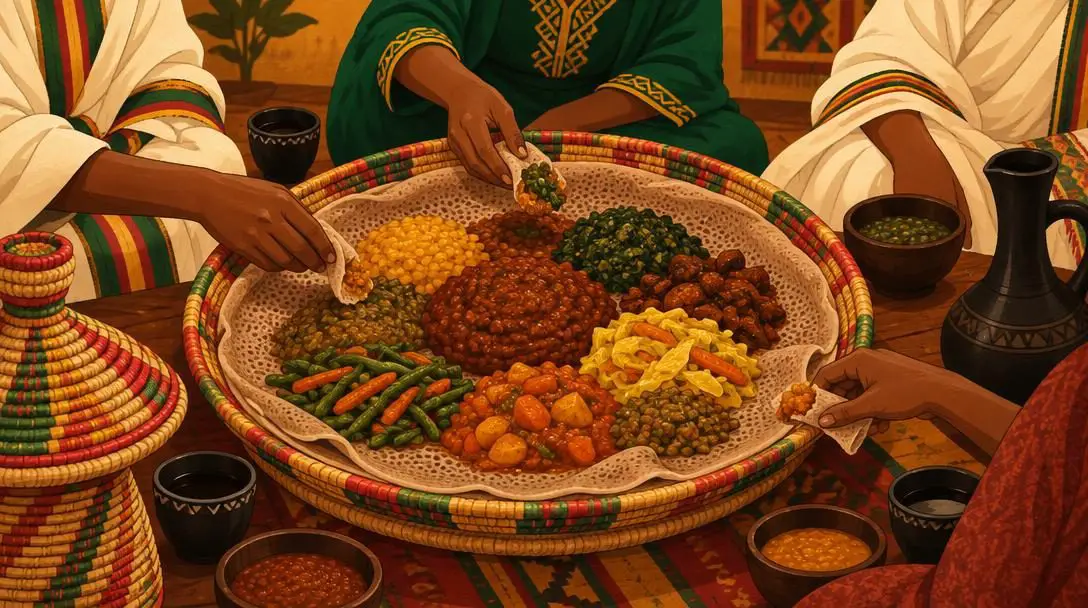
- Culinary Focus: Rich legume and meat stews served on sourdough flatbread
- Community Anchor: Communal platters centered around fermented injera bread
In Los Angeles's Little Ethiopia, traditional hospitality centers on communal dining. Meals are presented on large circular platters lined with injera, a spongy, fermented sourdough flatbread. Guests gather closely to scoop up spiced vegetable and meat stews directly with torn pieces of bread, bypassing conventional metal utensils entirely to foster shared community and connection.
How culinary cultural exchange works
Culinary cultural exchange is an active learning process through which people broaden their understanding of the world by tasting, cooking, and sharing dishes from other cultures. This exchange relies on several practical steps that turn an everyday meal into an opportunity to learn about other traditions.
The experience starts with sensory exploration. When you try dishes with unfamiliar profiles—such as the warm, earthy blend of cumin, turmeric, and ginger in an Indian stew, or the interplay of sour citrus and aromatic herbs in Thai cooking—your palate learns to welcome new flavor combinations. Stepping beyond familiar tastes encourages curiosity and breaks down culinary assumptions.
Technique also plays an essential educational role. Learning how a community ferments dough, balances aromatic spices in hot oil, or slow-simmers pulses shows the practical ingenuity behind traditional home recipes. For example, preparing Ethiopian injera requires a distinct fermentation process to create its light, spongy texture and tart finish, which complements hearty stews.
Finally, shared dining customs break down social boundaries. Sitting around a tabletop grill in Koreatown or eating by hand from a shared platter over injera encourages diners to participate directly in another culture's ideas of hospitality, respect, and family life.
Steps for exploring world cuisines with intention
Engaging with new food traditions is most rewarding when approached with intentional curiosity. Whether you are traveling internationally, visiting regional enclaves, or cooking in your own kitchen, follow these practical steps to build meaningful culinary experiences.
- Research specific regional cooking styles before ordering or traveling: Rather than viewing a country's cuisine as a single uniform style, look up regional specialties such as Thai coconut curries, clear noodle broths, or specific vegetarian traditions like Indian chickpea curries and fresh cheese dishes.
- Explore designated cultural neighborhoods in nearby cities: Plan focused visits to cultural areas like Little Italy, Chinatown, Koreatown, or Little Ethiopia. Walk the side streets, observe where community members gather, and dine at restaurants that cater to neighborhood locals.
- Source ingredients from independent ethnic markets: Before cooking international meals at home, visit diasporic markets to purchase foundational components like fresh lemongrass, fresh cilantro, whole cumin seeds, and raw turmeric roots.
- Enroll in specialized cooking classes led by expert chefs: Take hands-on lessons from experienced culinary instructors who can demonstrate authentic techniques for balancing aromatic spices, building savory broths, and handling regional doughs.
- Engage restaurant staff respectfully for guidance on etiquette: Ask servers about their preferred traditional dishes and inquire about customary dining practices, such as scooping stews with injera bread instead of reaching for standard cutlery.
- Recreate authentic recipes from scratch in your home kitchen: Practice balancing contrasting flavors at home, paying close attention to the aromas released as each whole spice, root, or fresh herb meets the cooking pan.
Mistakes to avoid when exploring heritage foods
Exploring unfamiliar culinary landscapes requires humility and an open perspective. Avoiding common missteps helps ensure your food experiences remain rewarding, authentic, and culturally respectful.
- Insisting on Western utensils in traditional settings: Assuming every meal should be eaten with a fork and knife separates you from traditional dining customs, such as using sourdough injera bread to pick up stews in Ethiopian restaurants.
- Viewing broad national cuisines as completely uniform: Large countries contain diverse regional micro-cuisines. Assuming all Indian meals share the same spicing or that all Thai dishes feature identical sweetness levels overlooks significant regional variations.
- Evaluating authentic preparations through the lens of localized takeout: Fast-food adaptations in Western cities often alter traditional salt, sugar, and fat ratios to appeal to local expectations. Judging traditional family recipes by takeout variations can lead to misunderstandings.
- Avoiding unfamiliar textures or potent aromatic herbs: Rejecting dishes that feature bitter greens, distinct textures, or strong seasonings like ginger, cilantro, or lemongrass prevents you from enjoying the full, balanced profile intended by the cook.
- Ignoring the wealth of cultural enclaves nearby: Thinking you must book an international flight to encounter authentic culinary heritage causes diners to miss out on the rich cultural resources available right inside urban neighborhoods.
Frequently asked questions
Why is food considered an effective gateway for learning about a culture?
Food reflects the living history of a society. The ingredients used in everyday cooking show how communities adapted to local climates, managed native crops, and responded to historic trade routes and migrations. Dining customs also highlight community values around hospitality and family life.
Do I have to travel internationally to experience authentic global cuisine?
No. Many metropolitan areas have established cultural enclaves—such as Little Italy, Chinatown, Koreatown, and Little Ethiopia—where independent grocers and family-run restaurants prepare traditional recipes using heritage techniques and authentic ingredients.
What makes Thai cuisine distinct from other cooking traditions?
Thai cuisine is built on a careful harmony of sweet, sour, salty, and spicy elements within each meal. It relies heavily on fresh, fragrant herbs such as lemongrass, fresh basil, and cilantro to lift dishes like Pad Thai, Tom Yum Soup, and coconut-based Green Curry.
How does Indian cooking use spices differently than simply adding heat?
Indian cooking uses a deliberate layering of whole and ground spices—including cumin, turmeric, and ginger—to build complex aromatic profiles. The goal is to develop balanced flavor across gravies and curries, as seen in vegetarian dishes like chana masala and palak paneer.
What is injera and how is it traditionally enjoyed in Ethiopian dining?
Injera is a spongy, sourdough flatbread made through fermentation. In Ethiopian dining, it is placed on a large communal platter beneath various meat and vegetable stews. Diners tear off pieces of injera with their hands to scoop up the food, using the bread in place of metal utensils.
The bottom line
Approaching food as a doorway to cultural understanding turns every meal into a chance to expand your horizons. Exploring regional dishes teaches you to appreciate how families around the world balance fresh herbs, simmer aromatic spices, and preserve ancestral foodways. Whether you travel to international markets, explore urban neighborhoods like Koreatown and Little Italy, or learn new cooking techniques at home, maintaining an open mind and a curious palate ensures that every plate becomes an engaging lesson in cultural heritage.