5 Reasons It’s Worth The Extra Effort To Eat Healthy

In modern life, food is often treated as convenience, entertainment, or a quick fix to get through an exhausting workday. Ultra-processed snacks, fast-food counters, and sugary drinks sit around every corner, engineered to satisfy immediate cravings with zero preparation required. Because these options are so ubiquitous and aggressively marketed, choosing to eat whole, nourishing foods frequently feels like an uphill battle that demands extra time, thoughtful planning, and persistent willpower.
However, viewing nutrition solely through the lens of convenience or weight control misses the profound role food plays within human biology. The meals consumed each day supply the fundamental building blocks and fuel needed for cellular repair, hormone synthesis, immune defense, and neurotransmitter balance. When viewed as an investment in everyday vitality rather than an arduous chore, the extra effort required to prepare wholesome ingredients pays undeniable dividends across every aspect of life.
Key takeaways
- Wholesome nutrition provides the essential organic compounds required for cellular maintenance, hormone balance, and metabolic health.
- A diet rich in whole foods actively reduces the risk of chronic conditions like heart disease, diabetes, and certain cancers while lowering systemic inflammation.
- Nutrient-dense foods stabilize daily energy levels and emotional well-being by preventing blood sugar spikes and crashes.
- Specific micronutrients, such as magnesium found in leafy greens and nuts, promote physical relaxation and restorative sleep.
- Sustainable dietary success relies on gradual plate adjustments, advance meal planning, and consistency over restrictive perfection.
How Essential Food Groups Power the Human Body
To understand why mindful eating produces dramatic improvements in well-being, it helps to examine how the body processes primary dietary categories. Rather than relying on empty calories from refined ingredients, a health-promoting lifestyle prioritizes whole, nutrient-dense staples that work synchronously across multiple biological systems.
Fruits and vegetables provide an abundant supply of vitamins, minerals, and potent antioxidants. These plant compounds actively counteract cellular damage, temper systemic tissue inflammation, and reinforce immune surveillance. Furthermore, their high concentration of water and dietary fiber optimizes the digestive tract, ensuring efficient gut motility and metabolic regularity.
Whole grains—such as brown rice, quinoa, whole wheat, and oats—supply complex carbohydrates intertwined with slow-digesting bran. Unlike refined grains, which are stripped of their outer nutrient layers and cause swift glucose surges, whole grains release glucose into the bloodstream at a steady pace. This continuous liberation of glucose avoids the severe energy crashes that leave individuals feeling irritable and depleted.
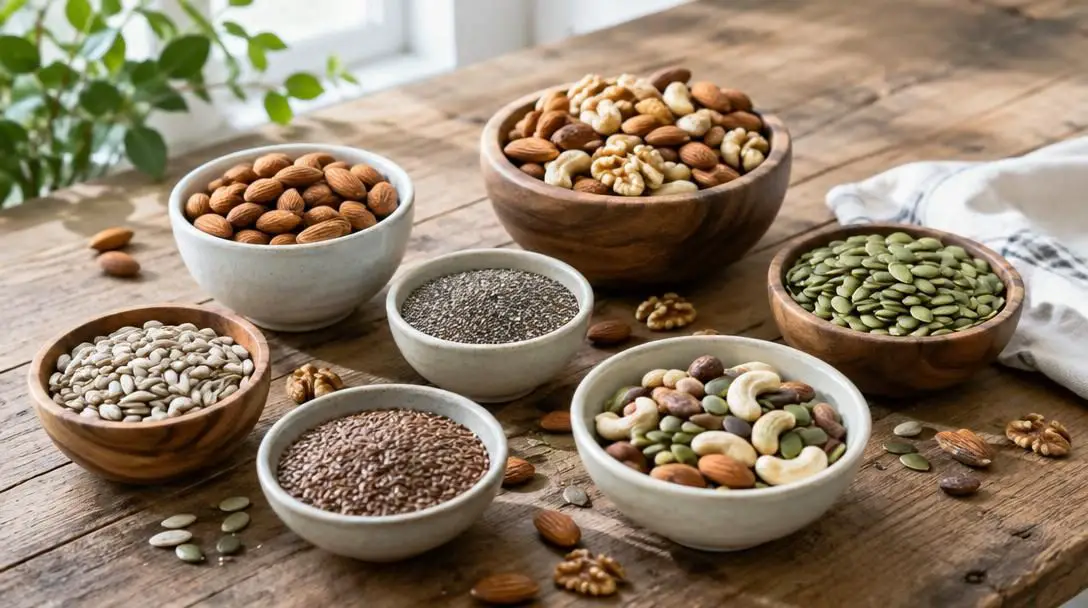
Lean proteins deliver essential amino acids, which are the fundamental components required to construct, rebuild, and maintain muscle fibers, vital organs, cellular enzymes, and signaling hormones. Protein also triggers satiety hormones, making meals deeply satisfying and suppressing relentless hunger cues throughout the day. Complementing protein, healthy fats from nuts, seeds, and plant sources protect cellular membranes, support the absorption of fat-soluble vitamins, and slow gastric emptying to sustain continuous energy.
| Food Category | Primary Nutrients Supplied | Core Physiological Function | Satiety & Energy Impact |
|---|---|---|---|
| Fruits and Vegetables | Vitamins, minerals, antioxidants, dietary fiber, water | Immune defense, inflammation reduction, digestive regularity | High volume, promotes fullness through hydration and fiber |
| Whole Grains | Complex carbohydrates, B vitamins, bran, fiber | Gradual glucose metabolism, cellular fuel, gastrointestinal support | Steady, long-lasting energy release without sugar spikes |
| Lean Proteins | Essential amino acids, iron, bioavailable minerals | Muscle repair, tissue regeneration, enzyme and hormone synthesis | High satiety, blunts appetite and suppresses constant hunger |
| Healthy Fats | Essential fatty acids, fat-soluble nutrient carriers | Cell membrane integrity, brain health, nutrient assimilation | Slows gastric emptying, offering durable, sustained stamina |
Nutrition is not merely about managing body weight; it provides the fundamental fuel and biological building blocks for every single system in the human body.
Five Reasons Making the Extra Effort Pays Off
Taking the time to purchase whole ingredients, read labels, and cook at home requires clear motivation. When modern conveniences push toward ultra-processed alternatives, remembering the comprehensive biological benefits of whole foods clarifies why the extra work is worth every minute.

Better Physical Health
A dietary pattern anchored by vegetables, fruits, whole grains, lean proteins, and unsaturated fats forms a powerful barrier against serious illness. Eating this way helps regulate body weight naturally by replacing calorically dense, nutrient-poor items with filling, fiber-rich foods. More importantly, nutrient-dense nutrition drastically lowers your risk of acquiring life-altering chronic conditions, such as cardiovascular disease, type 2 diabetes, and specific forms of cancer. Chronic systemic inflammation—a quiet, destructive process that drives arterial damage and cellular dysfunction—is significantly diminished when your plate is filled with anti-inflammatory plant compounds and clean proteins.
Improved Mental Health
The foods consumed daily exert an immediate biochemical influence on brain function, neurotransmitter balance, and emotional stability. Diets heavy in processed sugars and synthetic additives are frequently linked to erratic moods and spikes in psychological distress. In contrast, consistent consumption of whole plant foods and quality proteins is associated with improved psychological outcomes, such as reduced symptoms of anxiety and depressive disorders. The brain relies on a continuous supply of micronutrients to manufacture mood-regulating chemicals like serotonin and dopamine. Furthermore, eating wholesome, anti-inflammatory foods preserves cognitive performance over time, offering tangible protection against age-related cognitive decline and dementia.
Increased Energy Levels
Relying on heavily processed snacks and sugary beverages creates an exhausting roller-coaster of rapid blood sugar spikes followed by steep insulin-driven crashes. Whole grains and fiber-rich vegetables, on the other hand, enter the digestive tract slowly, ensuring that glucose enters circulation in a controlled, continuous stream. Lean proteins supply steady amino acids to sustain muscular endurance, while healthy fats deliver long-burning fuel reserves. By eliminating erratic glucose swings, wholesome meals provide the vitality necessary to maintain peak focus and physical stamina from early morning until the evening hours.
Better Sleep Quality
The quality of your nightly rest is closely tied to the metabolic signals generated by your evening meals. Diets dominated by fast foods, artificial additives, and evening stimulants disrupt internal circadian rhythms, causing sleep fragmentation and frequent awakenings. In contrast, nutrient-dense foods supply crucial micronutrients that facilitate neurological rest. Foods rich in magnesium—such as dark leafy greens, whole grains, and tree nuts—encourage smooth muscle relaxation and help calibrate neurotransmitters that calm the nervous system. By supporting natural hormonal rhythms, wholesome nutrition makes it substantially easier to drift into deep, uninterrupted sleep.
A Longer Life
Ultimately, everyday dietary choices compound across decades to shape total longevity. Diets prioritizing unrefined whole grains, vibrant produce, and lean protein sources dramatically decrease the incidence of premature mortality. By shielding the body against arterial clogging, metabolic syndrome, organ degeneration, and cellular mutations, wholesome eating safeguards the internal organs against early decline. Investing in your meals today ensures that your future years are characterized by functional independence, physical mobility, and lasting mental sharpness.
Practical Steps for Everyday Meal Planning
Transitioning away from convenient, pre-packaged foods toward a nourishing lifestyle does not require a culinary degree or hours of complicated labor. Establishing a structured, predictable system simplifies cooking, prevents impulse buying, and makes wholesome eating an enjoyable part of your everyday routine.

- Plan your weekly menu in advance: Dedicate twenty minutes before the start of the week to map out lunches and dinners. Knowing what you will eat eliminates late-afternoon decision fatigue and curbs the impulse to order fast-food takeout.
- Organize your grocery list by food group: Divide your shopping notepad into dedicated categories: produce, whole grains, lean proteins, and healthy fats. This keeps your cart centered on real staples and allows you to bypass supermarket aisles dominated by ultra-processed goods.
- Dedicate an afternoon to batch cooking: Prepare essential components in bulk during a quiet block of time. Roasting large trays of mixed root vegetables, simmering a pot of brown rice or quinoa, and grilling portions of lean poultry or tofu gives you pre-cooked ingredients that can be assembled in minutes on busy weeknights.
- Keep nutrient-dense snacks accessible: Human behavior naturally defaults to the easiest option in the pantry. Wash, chop, and store raw vegetables in clear glass containers, place fresh fruit prominently on the kitchen counter, and portion out raw nuts so wholesome alternatives are immediately available when hunger strikes.
- Prioritize consistent daily hydration: Sip clean water steadily across the day to support optimal digestion and steady cellular metabolism. Dehydration frequently mimics food cravings and midday lethargy, leading many people to overconsume processed snacks unnecessarily.
- Implement gradual plate adjustments: Rather than forcing drastic dietary restrictions, alter the visual proportions of your plate. Aim to fill one half with colorful vegetables and fruits, one quarter with lean proteins, and one quarter with whole grains.
Common Dietary Mistakes to Avoid
When working to establish healthier dietary patterns, many individuals encounter setbacks because they adopt well-intentioned habits that ultimately backfire. Steer clear of these widespread pitfalls to preserve your progress and protect your metabolic balance:
- Attempting extreme dietary overhauls: Purging every favorite comfort food overnight creates intense deprivation and psychological stress, which often triggers eventual bingeing and complete abandonment of the program. Lasting change requires gradual, manageable shifts.
- Skipping meals to save time or calories: Omitting breakfast or lunch causes dramatic drops in circulating blood glucose, resulting in severe afternoon lethargy, brain fog, and ravenous hunger that frequently culminates in late-night overeating.
- Relying on heavily processed health foods: Packaged snack bars, breakfast cereals, and frozen entrées branded with labels like "low-fat," "sugar-free," or "gluten-free" are frequently loaded with artificial thickeners, sodium, and chemical additives. Natural, whole foods are always superior to marketed diet products.
- Overlooking liquid calories and stimulants: Specialty blended coffees, bottled teas, sodas, and excessive caffeine intake quietly sabotage healthy eating goals. They spike blood glucose, disrupt sleep architecture, and induce rapid dehydration.
- Eliminating healthy fats completely: Outdated dietary myths lead some people to remove all fats from their plates. Omitting healthy lipids leaves meals tasting uninspired, provokes chronic hunger, and prevents your digestive system from absorbing essential fat-soluble vitamins.
Connecting Food, Movement, and Rest
Nutrition works as part of an interconnected biological triangle alongside physical activity and restorative sleep. No single component operates in a vacuum; improvements in one domain inevitably generate positive momentum in the others.
When you consume nutrient-rich meals, your muscles and nervous system receive the precise biological compounds necessary to endure physical workouts and recover efficiently. That physical exertion, in turn, burns off physiological stress, improves insulin sensitivity, and signals the brain to prepare for deep sleep at the end of the day. In return, a full night of restorative rest stabilizes appetite-regulating hormones such as leptin and ghrelin, making deliberate, wholesome food choices remarkably effortless the next day.
As you refine your approach, pay close attention to personal biofeedback. Observe how specific meal compositions influence your digestion, mental focus, and sustained energy levels throughout the afternoon. Because age, lifestyle demands, and physical conditioning influence biological requirements, monitoring how your body responds allows you to tailor your nutrition toward your individual needs.
Frequently asked questions
Why do whole grains provide better energy than refined grains?
Whole grains retain their bran and germ layers, supplying rich dietary fiber and complex carbohydrates that the body digests slowly. This controlled digestion releases glucose into the bloodstream at a steady, manageable pace, preventing the steep glucose spikes and rapid energy crashes associated with refined grains.
How does wholesome nutrition support emotional well-being?
Wholesome foods supply the specific vitamins, minerals, and amino acids the brain uses to manufacture key neurotransmitters like serotonin and dopamine. By steadying blood sugar and reducing systemic inflammation, a balanced whole-food diet helps stabilize mood and relieves symptoms of anxiety and depressive states.
Can eating certain foods help me sleep better at night?
Yes. Foods rich in magnesium—including dark leafy greens, whole grains, and tree nuts—encourage muscle relaxation and support neurological pathways that regulate sleep cycles. Conversely, minimizing evening junk food and high caffeine consumption prevents restlessness and sleep fragmentation.
What is the most sustainable way to transition away from processed foods?
Rather than undertaking an extreme dietary overhaul, focus on gradual, cumulative changes. Plan meals ahead of time, prep batch ingredients on the weekend, and adjust your plate proportions so that half contains vegetables and fruits, one quarter contains lean proteins, and one quarter contains whole grains.
Are packaged foods labeled "low-fat" or "sugar-free" good substitutes for whole foods?
Generally, no. Packaged foods carrying commercial health claims are frequently heavily processed and stripped of their natural nutritional matrix. They often substitute refined starches, artificial flavorings, and chemical additives to replace fat or sugar, making real, unadulterated whole foods a far healthier choice.
The bottom line
Transforming your daily diet is not a temporary task with an arbitrary end date; it is an enduring commitment to honoring your body's biological needs. Choosing wholesome, minimally processed ingredients requires deliberate planning, regular grocery trips, and time spent in the kitchen. Yet the return on that daily effort is immeasurable. By continuously choosing vibrant fruits, crisp vegetables, whole grains, lean proteins, and healthy fats, you shield your body from chronic disease, stabilize your mental health, enjoy vibrant day-long energy, sleep deeply, and secure a foundation for a long, independent life.