5 Donald Trump Commercials From Before His Presidency
Long before entering electoral politics or serving as President of the United States, Donald Trump spent decades operating as one of the most recognizable celebrity businessmen in American popular culture. Throughout the 1980s, 1990s, and 2000s, his public profile extended far beyond real estate developments and luxury towers into the living rooms of everyday television viewers. By blending corporate spectacle with an unapologetic, larger-than-life media persona, he became a frequent collaborator for major national and international consumer brands looking to capture audience attention during competitive commercial broadcast breaks.
In total, Trump made on-screen appearances in more than a dozen high-profile commercial campaigns prior to his presidency, marketing everything from fast-food staples and carbonated soft drinks to packaged snacks and tabletop board games. These marketing efforts relied on a distinctive advertising strategy: contrasting an archetype of high-flying wealth and boardroom deal-making with accessible, mass-market products. Examining these promotional spots reveals how corporate brands leveraged celebrity personas during the golden era of network television advertising to forge memorable connections with the public.
Key takeaways
- Donald Trump appeared in more than a dozen major consumer brand advertisements across the 1980s, 1990s, and 2000s before pursuing political office.
- Major campaigns frequently relied on self-referential humor and self-parody to market everyday items such as pizza, value-menu burgers, and packaged cookies.
- Collaborators across these commercial campaigns included family members, corporate mascots, professional athletes, and comedic impersonators.
- Commercial visibility did not always yield retail success, as demonstrated by the underperformance of branded merchandise such as tabletop games.
The mechanics of celebrity product endorsements
To understand why major consumer companies partnered with a New York property developer, it is useful to examine the strategic mechanics of celebrity product endorsements. During the peak decades of broadcast television, capturing consumer attention required immediate visual interest and emotional resonance. Corporate marketing departments and Madison Avenue agencies followed a clear process when deploying high-profile public figures in their campaigns:
- Brand Persona Alignment: Companies evaluate high-profile personalities whose established reputation either aligns with or humorously contrasts against their product line. Placing a luxury real estate figure in a television spot for budget-friendly meals created an inherent comedic hook that broke through ordinary advertising clutter.
- Creative Scripting and Concept Development: Rather than casting public figures as fictional characters, agency writers crafted self-referential scripts. These narratives allowed the celebrity to play an exaggerated, heightened version of their existing media archetype.
- Publicity Integration: Commercial rollouts were timed deliberately alongside major real-world cultural moments, personal life events, or major sports matchups to capitalize on existing media coverage and watercooler conversations.
- Direct-to-Consumer Distribution: Once produced, thirty- and sixty-second spots were distributed heavily across prime-time programming, morning talk shows, and major televised athletic broadcasts to secure maximum national exposure.
By applying the imagery of high-stakes real estate wealth to everyday consumer goods, these vintage commercials leaned heavily into self-parody and brand spectacle.
Commercial campaigns at a glance
The table below provides a comparative look at the primary features, collaborators, and release eras of these five prominent commercial campaigns.
| Campaign / Brand | Release Year(s) | Key Co-Stars or Figures | Core Concept or Hook |
|---|---|---|---|
| Pizza Hut | 1995, 2000 | Ivana Trump | Eating stuffed-crust pizza backwards while referencing divorce proceedings. |
| McDonald’s | 2002 | The Grimace | Praising a one-dollar sandwich as a masterful feat of business negotiation. |
| Diet Pepsi | 1988 | Reporters, Mike Tyson, Leon Spinks | Connecting the cola wars to a major heavyweight boxing championship. |
| Trump: The Game | 1989, 2004 | Boardroom actors | Marketing a high-finance tabletop game centered on real estate deals. |
| Oreos | Mid-2000s | Peyton Manning, Eli Manning, Darrell Hammond | A fictional, athletic-style cookie-eating contest between rival teams. |
Five notable pre-presidency commercial campaigns
Among the various television appearances Trump logged during his decades as a private businessman, five distinct advertising campaigns left an enduring mark on television pop culture through creative choices, unexpected partnerships, and ties to real-world headlines.
Pizza Hut
- Broadcast years: 1995 (United States), 2000 (Australia)
- Product featured: Stuffed-Crust Pizza
- Co-star: Ivana Trump
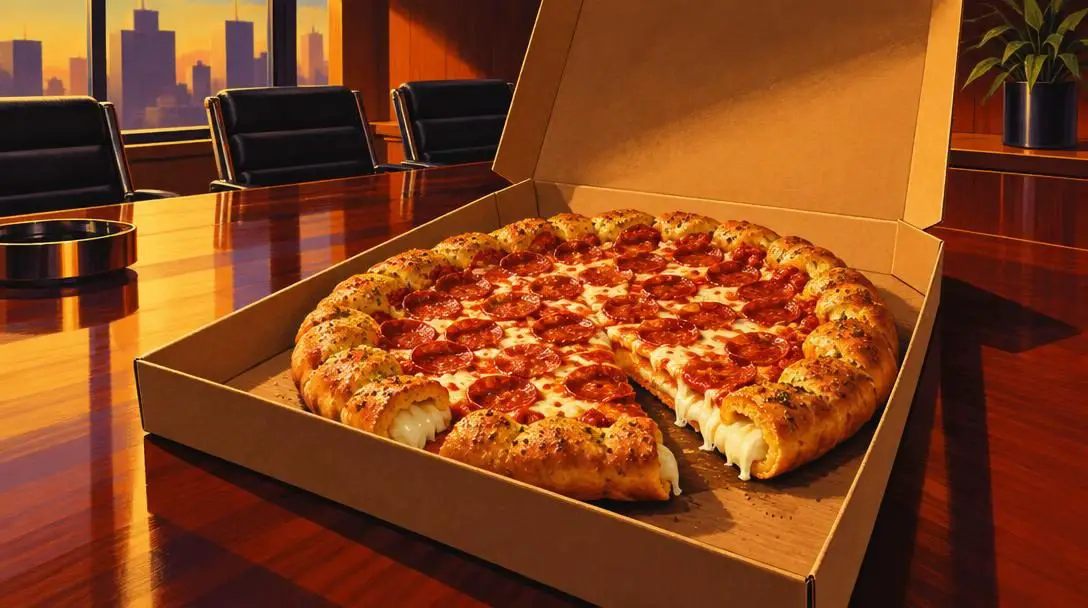
In 1995, Pizza Hut unveiled an advertising initiative designed to introduce its latest culinary innovation: stuffed-crust pizza. The central premise of the commercial required consumers to defy standard dining conventions by eating their pizza backwards, starting with the cheese-filled crust rather than the pointed tip. To drive home this counterintuitive habit, Pizza Hut cast Donald Trump alongside his former wife, Ivana Trump.
The timing of the commercial was audacious. During the early 1990s, the couple's divorce had been a dominant fixture in tabloid journalism. By agreeing to appear on screen together, the former couple leaned directly into the public's fascination with their split. Throughout the commercial, the pair discussed how eating the pizza backwards felt unconventional or wrong, yet playfully concluded that it "felt so right."
The scene concluded with an intentional nod to their personal settlement negotiations. When Ivana reached for the last remaining slice in the box, Donald interjected that she was entitled only to half. The comedic tag made the cut despite Ivana's reservations, as Trump pushed for the divorce joke to remain in the final broadcast cut. Trump later expanded his relationship with the pizza chain by starring in a separate promotional campaign for Pizza Hut in Australia in the year 2000.
McDonald’s
- Broadcast year: 2002
- Product featured: Big N’ Tasty sandwich
- Co-star: The Grimace
Donald Trump's affinity for fast food has been documented throughout his public life, reaching a wider audience years later when he served a massive spread of fast food to the national champion Clemson University football team during their celebratory visit to the White House. Decades earlier, this personal preference manifested on screen through a direct partnership with McDonald’s.
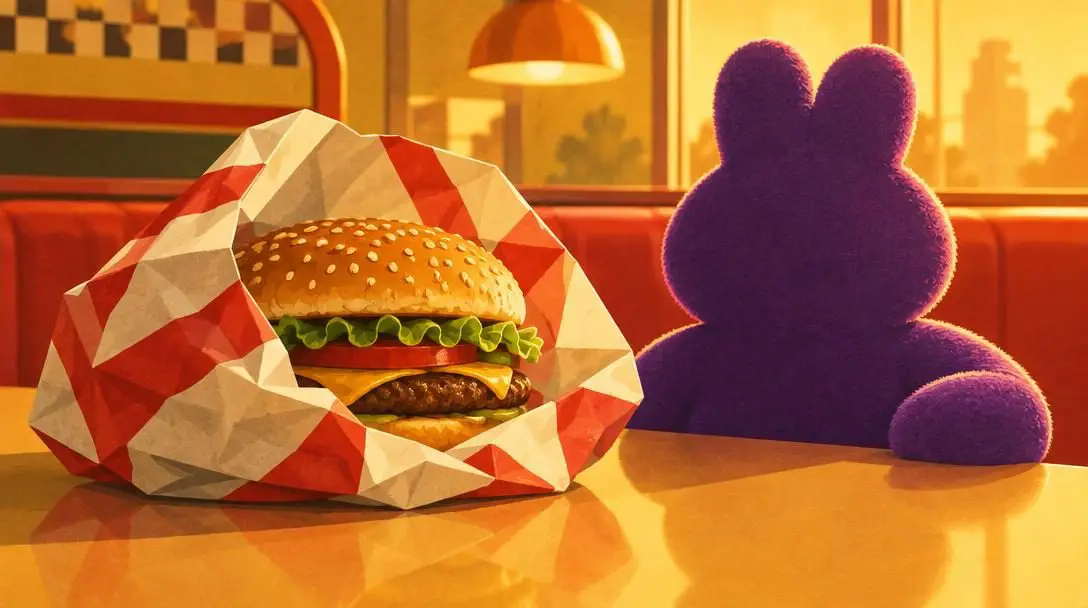
In 2002, the fast-food giant launched an advertising campaign to showcase its Big N’ Tasty sandwich, which was priced at an aggressive $1 value point. The commercial placed Trump in an office setting directly across from the Grimace, the towering, silent purple mascot long affiliated with Ronald McDonald. Rather than speaking down to the character, Trump treated the plush mascot as an equal titan of industry.
Framing the $1 burger as a staggering triumph of corporate negotiation, Trump delivered a deadpan assessment of the mascot's deal-making capabilities: “I don’t know how you do it. I put together some really impressive deals, but this thing you pulled off… it’s amazing.” The scene succeeded by contrasting the solemn tone of executive negotiation with the absurdity of a giant purple creature selling low-priced burgers.
Diet Pepsi
- Broadcast year: 1988
- Product featured: Diet Pepsi
- Tie-in event: Mike Tyson vs. Leon Spinks boxing match
Trump was also a dedicated consumer of Diet Pepsi, making him a natural fit for an ambitious 1988 promotional effort. The commercial was engineered to build widespread public anticipation for the historic heavyweight boxing championship between Mike Tyson and Leon Spinks. Pepsi leveraged the sports spectacle to stage its own corporate showdown, dubbing the campaign the promotional "fight before the fight."
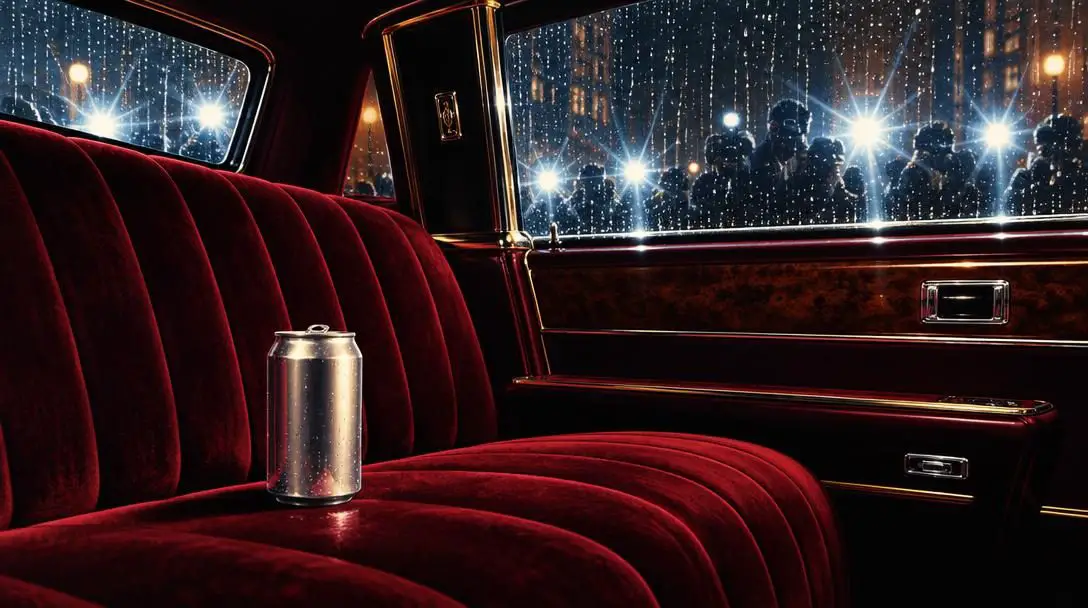
The marketing battle pitted Diet Pepsi directly against its primary rival, Diet Coke, positioning Trump at the center of the fierce soda wars of the late 1980s. Rather than engaging in lengthy monologues, Trump's appearance was brisk and cinematic. The advertisement depicted him navigating past an aggressive swarm of press reporters and flashbulbs as he made his way toward a waiting luxury limousine.
The commercial captured the intense media circus surrounding Trump's 1980s real estate career while connecting the soft-drink rivalry with high-stakes boxing. When the actual sporting event occurred, it produced a massive upset inside the ring, with Leon Spinks taking out the heavyweight champion Mike Tyson.
Trump: The Game
- Launch years: 1989 (Original launch), 2004 (Rerelease)
- Manufacturer: Milton Bradley
- Target sales projection: Approximately 2 million copies
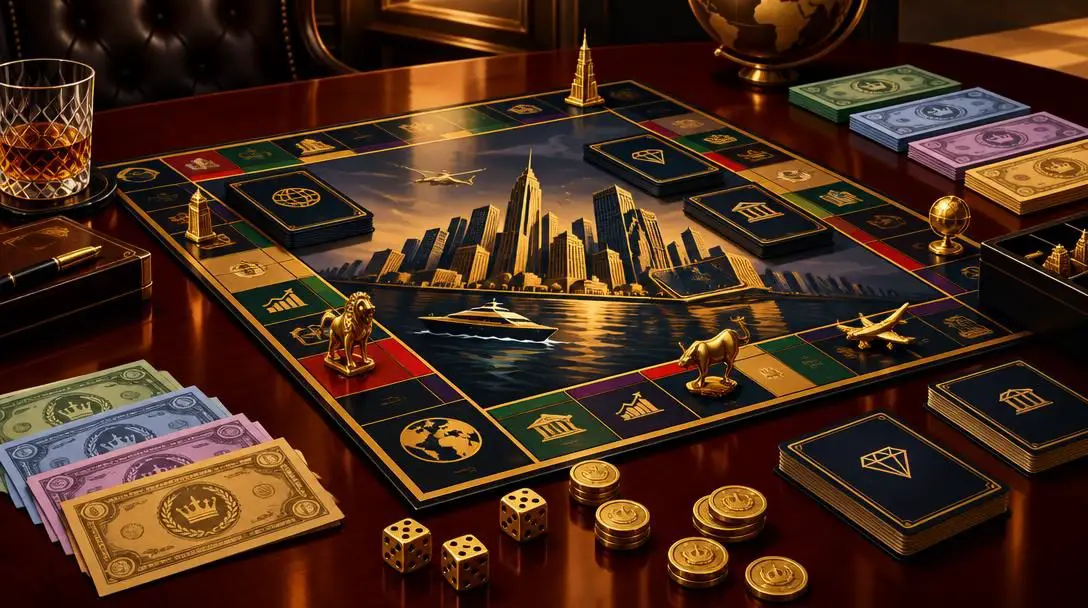
Throughout his career, Trump regularly licensed his personal name to a variety of retail goods, venturing into tabletop home entertainment in 1989 with the release of Milton Bradley’s Trump: The Game. The product mirrored real-world property trading, challenging players to outmaneuver one another in high-stakes corporate bidding wars.
The accompanying broadcast commercial adopted a dramatic tone. It featured a gathering of serious, sharp-suited corporate executives conferring inside upscale boardrooms, expressing curiosity and concern about what Trump was planning and seeking to uncover the nature of his new game. Trump appeared on screen to deliver the game's tagline and establish its competitive, high-finance atmosphere.
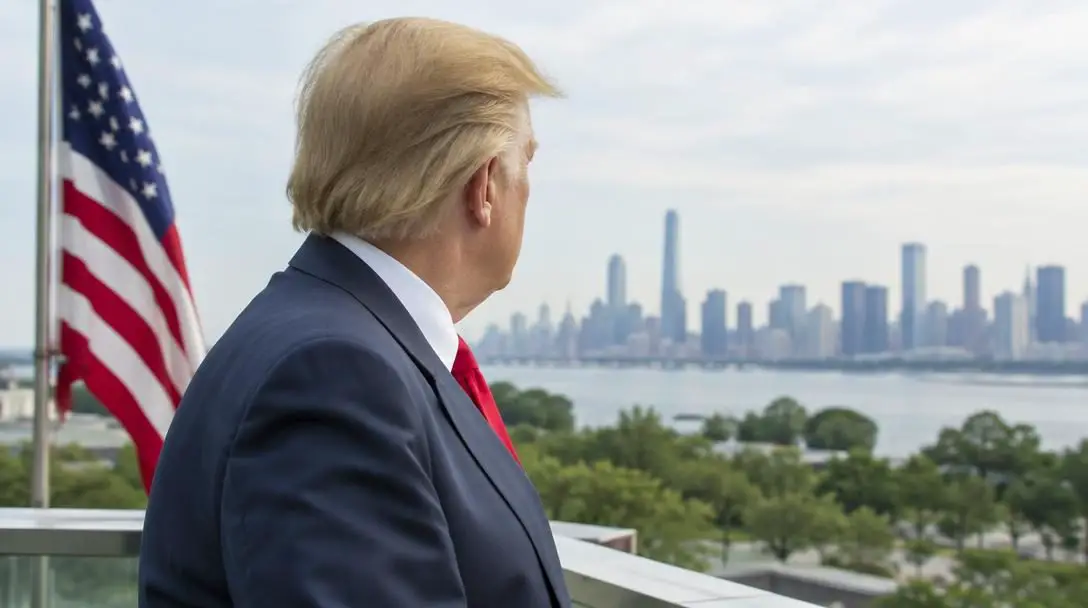
Despite heavy television rotation, the product encountered commercial resistance at retail counters. Milton Bradley had projected robust sales of roughly 2 million copies, but actual purchases totaled less than half of that ambitious figure. However, the property was revived fifteen years later. Following the widespread ratings success of Trump’s reality television series The Apprentice, Milton Bradley rereleased the tabletop title in 2004 to tap into renewed public interest.
Oreos

- Product featured: Oreo Double Stuf Gold
- Co-stars: Peyton Manning, Eli Manning
- Guest star: Darrell Hammond
Athletics and sports fandom have remained consistent interests in Trump's public persona. These themes collided in a lighthearted mid-2000s commercial campaign for Nabisco’s Oreo Double Stuf Gold cookies. The advertisements staged an athletic-style competition revolving around an Oreo-eating contest, pitting two distinct celebrity camps against one another.
On one side of the table stood two of the NFL's premier quarterbacks, brothers Peyton and Eli Manning. On the opposing side sat Trump, joined by an unexpected partner: comedian and actor Darrell Hammond. Hammond, widely celebrated for his recurring impression of Donald Trump on national sketch television, appeared in full costume as a duplicate Trump persona, doubling the presence of the real estate mogul.
The narrative treated the cookie-twisting contest with the intense seriousness of an NFL playoff matchup. Hammond and Trump traded exaggerated mannerisms while attempting to out-eat the football champions. Although the comedic storyline concluded with Peyton and Eli Manning defeating the two Trumps, the lighthearted commercial resonated strongly with television viewers and became a widespread fan favorite.
How to analyze historical celebrity commercials
Evaluating commercial advertisements from past decades provides researchers, media students, and popular culture historians with valuable insights into changing corporate priorities and public relations tactics. To analyze historical media artifacts systematically, follow these four analytical steps:
- Examine the historical context: Research the exact production year of the advertisement. Identify what personal, legal, or financial developments the celebrity was navigating during that specific window, such as how the timing of the Trump divorce shaped the humor in Pizza Hut’s 1995 campaign.
- Identify the target demographic: Determine the specific consumer group the sponsor was attempting to reach. When a luxury tycoon markets a $1 value burger or packaged snack cookies, assess how the messaging shifts to connect with ordinary households and working families.
- Analyze persona utilization: Evaluate whether the commercial presents the celebrity earnestly or relies on deliberate self-parody. Note whether the humor stems from applying serious executive behavior to absurd situations, such as negotiating with a mascot or competing in cookie eating.
- Track commercial performance and outcomes: Look beyond broadcast entertainment value to determine whether the campaign accomplished its business objectives. Compare products that sustained long-term consumer interest against those that fell well short of corporate retail projections.
Frequent pitfalls in evaluating vintage advertisements
When reviewing vintage commercials featuring individuals who later attained immense political power, modern observers often fall into analytical traps that distort the original intent of the media. Keep these frequent mistakes in mind:
- Superimposing contemporary politics onto past eras: Viewers frequently project modern political viewpoints onto marketing campaigns created thirty or forty years ago. At the time of broadcast, corporate sponsors engaged Trump strictly as a high-profile real estate tycoon, author, and entertainment figure.
- Assuming full celebrity creative control: Audiences often assume the on-screen talent wrote the entire commercial script. In reality, external advertising agencies pitch the concepts and write the lines, even if celebrities occasionally negotiate specific dialogue adjustments.
- Equating viral awareness with financial success: A commercial can become culturally ubiquitous without generating a profitable return for the manufacturer. The heavy broadcast rotation for Trump: The Game did not prevent Milton Bradley from selling fewer than half of its projected 2 million units.
- Ignoring the reciprocal nature of endorsements: Corporate sponsorships do not merely benefit the brand paying for the airtime. Frequent appearances on national network television gave Trump free, pervasive visibility that reinforced his personal brand across multiple decades.
Frequently asked questions
Did Donald Trump write his own lines in these commercial appearances?
Professional advertising agencies developed the creative premises, storyboards, and scripts for these campaigns. However, Trump occasionally influenced the material; during the 1995 Pizza Hut commercial, he successfully pushed to keep the closing joke about splitting the final slice in half despite Ivana Trump's preference to cut it.
Why did consumer food brands partner with a luxury real estate developer?
Ad agencies intentionally leaned on the contrast between Trump’s high-rolling real estate persona and everyday, low-cost consumer items like fast-food burgers and pizza. The juxtaposition created instant comedic intrigue and helped thirty-second commercials capture viewer attention in a crowded media landscape.
How successful was the Milton Bradley board game released in 1989?
Despite an expensive television campaign and prominent branding, Trump: The Game missed retail expectations. Milton Bradley originally projected sales of approximately 2 million copies, but consumers purchased less than half of that total, leading the company to shelf the property until its 2004 rerelease.
Who was the actor portraying a second Trump in the Oreo commercial?
The secondary Trump persona was played by comedian Darrell Hammond, an actor famous for his long-running, uncanny impression of Donald Trump on television. In the Oreo Double Stuf Gold advertisement, Hammond dressed in full Trump attire to challenge NFL quarterbacks Peyton and Eli Manning in a cookie-eating contest.
Which fast-food item did Trump promote alongside the Grimace?
In 2002, Trump appeared alongside McDonald's purple mascot, the Grimace, to promote the chain's Big N’ Tasty sandwich, which retailed at the time for just $1. Trump praised the value burger as an impressive negotiation feat that rivaled his own corporate business deals.
The bottom line
Donald Trump's pre-presidency commercial catalog highlights a transformative period in American advertising when executive fame, tabloid curiosity, and mass-market consumerism merged. By making light of his public life, participating in high-profile sports spectacles, and engaging with comedic mascots, Trump turned corporate promotional campaigns into an effective engine for sustaining his personal media presence. These archival commercials stand as notable time capsules of late-20th-century media strategy, showing how public figures successfully navigated the boundaries between high-stakes commerce and prime-time entertainment.