Why is Global Opinion So Divided Over the Russian Invasion of Ukraine
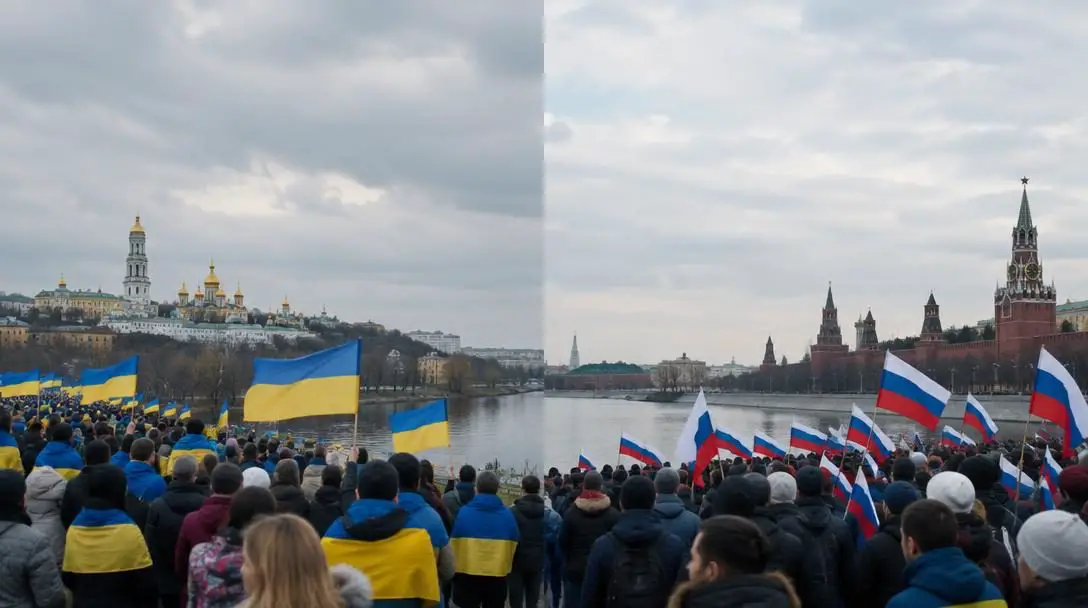
The conflict between Russia and Ukraine stands as one of the most consequential geopolitical crises of the twenty-first century. When the Soviet Union collapsed, Ukraine emerged as an independent state, embarking on a complex journey to define its sovereignty while balancing historical connections to Moscow against deepening ties with Western institutions. That balance fractured decisively in 2014 when Russia annexed Crimea, followed in 2022 by a full-scale military invasion of mainland Ukraine that forced governments across the globe to stake out diplomatic, economic, and strategic positions.
While an overwhelming majority of international governments condemned the military aggression and moved to support Ukraine, global reaction has been far from monolithic. A committed bloc of states has rallied behind Russian President Vladimir Putin, while an influential tier of nations throughout Asia, Africa, and Latin America has embraced strict neutrality. This fractured response reflects far more than immediate wartime politics; it highlights decades of Cold War history, post-Soviet transitions, shifting military compacts, and evolving priorities surrounding regional autonomy and national security.
Key takeaways
- The vast majority of nations support Ukraine based on the foundational international principles of sovereign integrity and unprovoked military defense.
- A committed group of countries, including Venezuela, Iran, and Syria, sides with Russia primarily to counter Western dominance and pursue mutual strategic goals.
- Major unaligned regional powers like China and India have refrained from choosing an explicit side due to their distinct geographic locations and regional security concerns.
- Many governments across Africa, Asia, and Latin America maintain neutrality to shield their domestic economies, preserve independence, and keep avenues open for future peace mediation.
Historical roots of the conflict and NATO alignment
To understand why international sentiment broke along such sharp fault lines, observers must examine Ukraine's post-Soviet trajectory and its long-standing relationship with the North Atlantic Treaty Organization (NATO). Following independence, Ukraine grappled with internal debates over its foreign orientation. During the late 2000s, Ukrainian leaders actively sought entry into NATO, and the nation appeared to be making steady progress toward alliance membership. However, that Western integration ground to a sudden halt with the election of President Viktor Yanukovych, who redirected the country's official policy away from NATO accession.
The strategic equation transformed again in 2014 when Yanukovych left power amid widespread unrest. Almost immediately following his departure, Russia executed its operation to reclaim Ukrainian territory by annexing Crimea. The annexation instantly revived dialogue between Ukrainian officials and NATO leadership. The diplomatic drive deepened under the administration of President Volodymyr Zelenskyy, ultimately making formal Western integration and sovereign defense central to Ukrainian state policy when Russia launched its full-scale invasion in 2022.
The broad coalition backing Ukrainian sovereignty
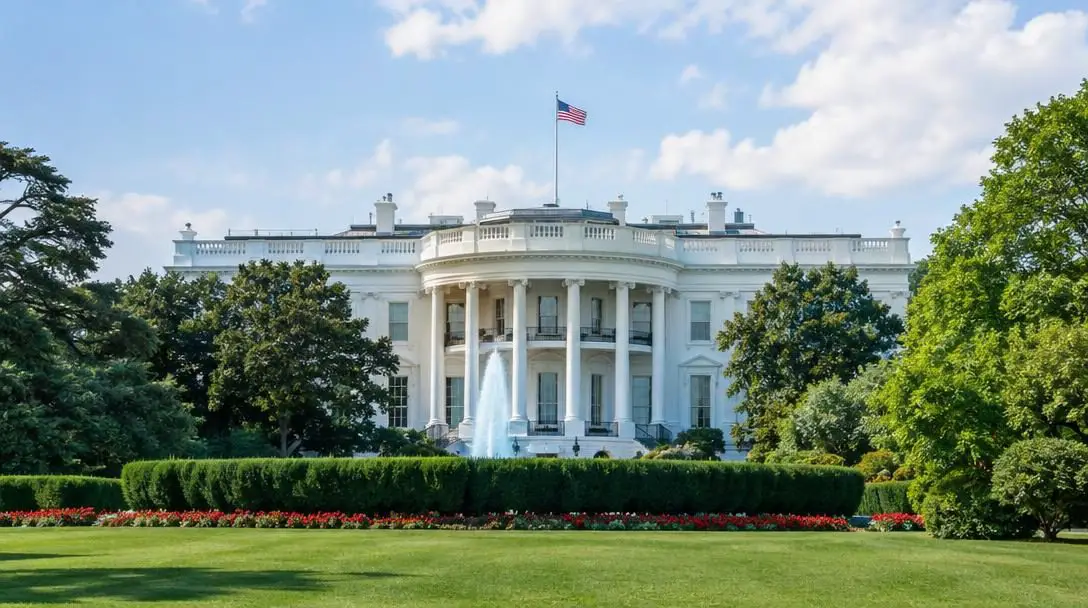
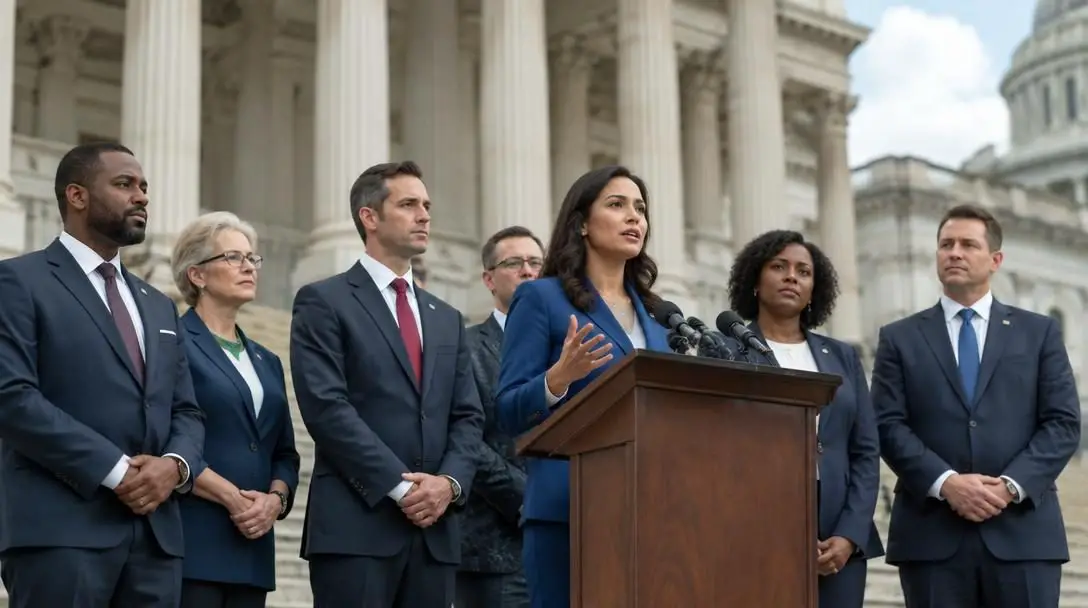
The sweeping coalition of nations that mobilised diplomatic, financial, and logistical support for Ukraine is anchored by a shared commitment to international law. For these states, Ukraine represents a sovereign, independent country that experienced an invasion without offering military provocation. Allowing internationally recognised borders to be redrawn through force poses an existential threat to the rules-based international order, creating an unacceptable precedent for smaller nations bordering aggressive regional powers.
Beyond formal NATO member states, several major global democracies with long-standing security arrangements with the United States and the United Kingdom quickly backed Ukraine. These relationships illustrate how historical defense patterns continue to guide contemporary foreign policy decisions across varied continents.
Japan
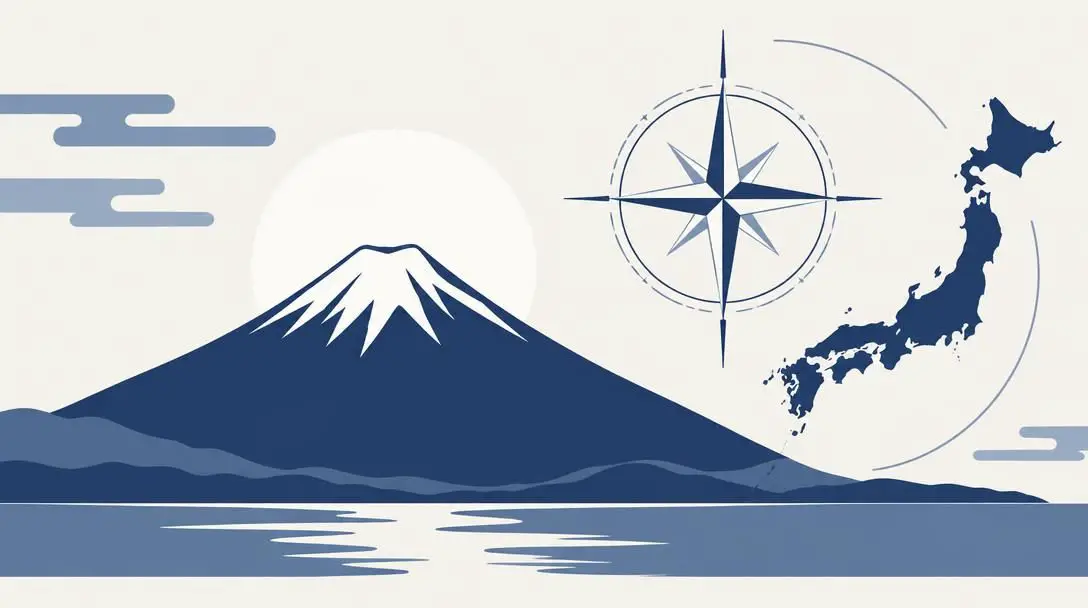
- Geographic Region: East Asia
- Key Alliances: United States, Western defense networks
- Diplomatic Stance: Firm support for Ukrainian territorial integrity
Japan has maintained a consistent modern diplomatic alignment with the United States and Great Britain, with its departure during World War II standing as the primary historical exception. In the contemporary era, Tokyo views the violation of national sovereignty in Europe through the prism of its own regional security dynamics. By taking a resolute stand against unprovoked military aggression, Japan has reinforced its commitment to international norms and Western strategic cooperation.
Australia

- Geographic Region: Oceania
- Key Alliances: United States, United Kingdom
- Diplomatic Stance: Extensive sanctions against Russia and backing for Ukraine
Australia has long operated in deep strategic lockstep with Western democratic powers, reflecting longstanding bilateral defense treaties and mutual security frameworks. Canberra’s reaction to the invasion was immediate, aligning its foreign policy directly with partners in North America and Western Europe to condemn territorial revisionism and uphold stability across maritime and continental corridors.
Brazil

- Geographic Region: South America
- Key Alliances: Historical partnership with the United States
- Diplomatic Stance: Support for sovereign borders with complex diplomatic balances
Brazil shares historic alignments with the United States and Western trading networks, supporting foundational tenets regarding national borders and sovereign non-intervention. While balancing complex domestic trade and diplomatic priorities common to major South American economies, Brazil's traditional diplomatic doctrine maintains respect for sovereign integrity and the prevention of unprovoked aggression.
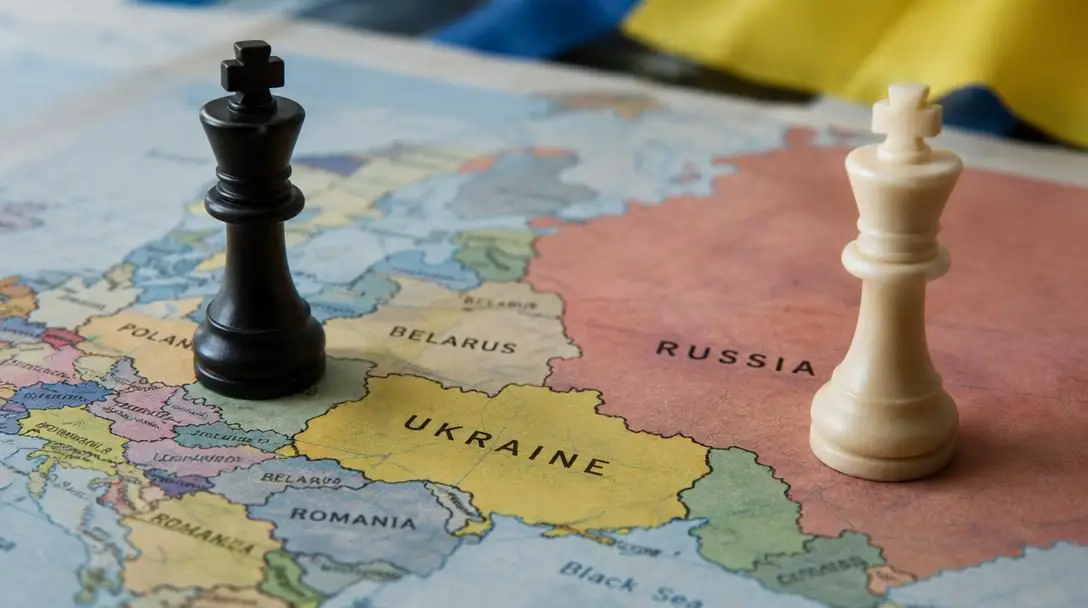
Respecting national borders and preserving sovereign integrity remain foundational requirements for maintaining global security.
The rationale behind nations supporting Russia
Although the coalition actively supporting Vladimir Putin and the Russian Federation is significantly smaller than the Western-backed bloc, it comprises several nations whose domestic doctrines and international postures are defined by explicit opposition to Western influence. Countries such as Myanmar and Eritrea have joined this group, but the most prominent backers remain Venezuela, Iran, and Syria.
Venezuela
- Geographic Region: South America
- Key Alignment: Russian Federation
- Historical Anchor: Bilateral partnership restored in 1972
Venezuela's backing of Moscow stems directly from its persistent ideological and diplomatic conflict with United States foreign policy. Following World War II, Caracas and Moscow cultivated strong bilateral ties, which experienced a brief disruption during the 1950s. The two governments officially restored relations in 1972, maintaining a robust economic, political, and strategic partnership ever since. For Venezuelan leadership, supporting Russia represents a continuation of this half-century alliance and an opportunity to challenge Western diplomatic hegemony.
Iran

- Geographic Region: Middle East
- Key Alignment: Russian Federation
- Primary Motivation: Opposition to NATO and recovery of international prestige
Iran coordinates its international posture around intense resistance to the foreign policy of the United States and the expansion of NATO. Decades of harsh economic measures and diplomatic isolation have substantially diminished Iran’s conventional military strength. By aligning closely with Moscow during the conflict, Iranian authorities seek to recover global standing, project influence on the world stage, and advance their long-term strategic objective of seeing the NATO alliance checked or degraded.
Syria

- Geographic Region: Middle East
- Key Alignment: Russian Federation
- Domestic Context: Post-civil war stabilization with Russian military support
Syria’s relationship with Moscow is shaped by its recent, devastating civil war, during which direct Russian military intervention proved crucial for the survival of the Syrian government. Consequently, state leadership refuses to criticise Russian operations. However, Syrian internal opinion remains heavily fractured: roughly half the population stands in support of Moscow out of gratitude for military backing, while the remaining half actively opposes Russian policy.
The spectrum of non-alignment and geographic neutrality
Beyond the states offering explicit support to either side, a significant group of countries across Africa, Asia, and Latin America has opted for formal neutrality. These non-aligned governments have avoided outright condemnation of Russia's invasion, pursuing a policy designed to safeguard their own populations from geopolitical crossfire while keeping open the option to serve as diplomatic mediators.
For these nations, entering complicated Eurasian territorial disputes carries minimal strategic benefit and threatens domestic stability, especially when managing severe local economic or security hurdles. Their refusal to endorse the Russian invasion, paired with their resistance to join Western sanctions, highlights an overriding dedication to national autonomy, domestic survival, and non-interventionism.
Geographical distance plays a crucial role in determining these national stances. Interestingly, countries located furthest from the physical battlefield frequently demonstrate the most vocal diplomatic and economic support for Ukraine. Conversely, several powerful regional players positioned closer to the Eurasian landmass have taken a more detached position, prioritizing their own neighborhood security environments over broad moral declarations.
China

- Geographic Region: East Asia
- Diplomatic Stance: Explicit neutrality and non-alignment
- Key Calculation: Regional security and independent foreign policy balance
China has chosen not to take an explicit public side in the war, crafting a detached posture that balances its complex commercial ties with the West against its strategic relationship with Moscow. Beijing's stance is deeply tied to its own immediate geographic neighborhood and sovereign defense goals, ensuring it avoids direct entanglement while observing broader geopolitical outcomes.
India
- Geographic Region: South Asia
- Diplomatic Stance: Strict non-alignment and diplomatic mediation readiness
- Key Calculation: Energy security, defense supply chains, and regional stability
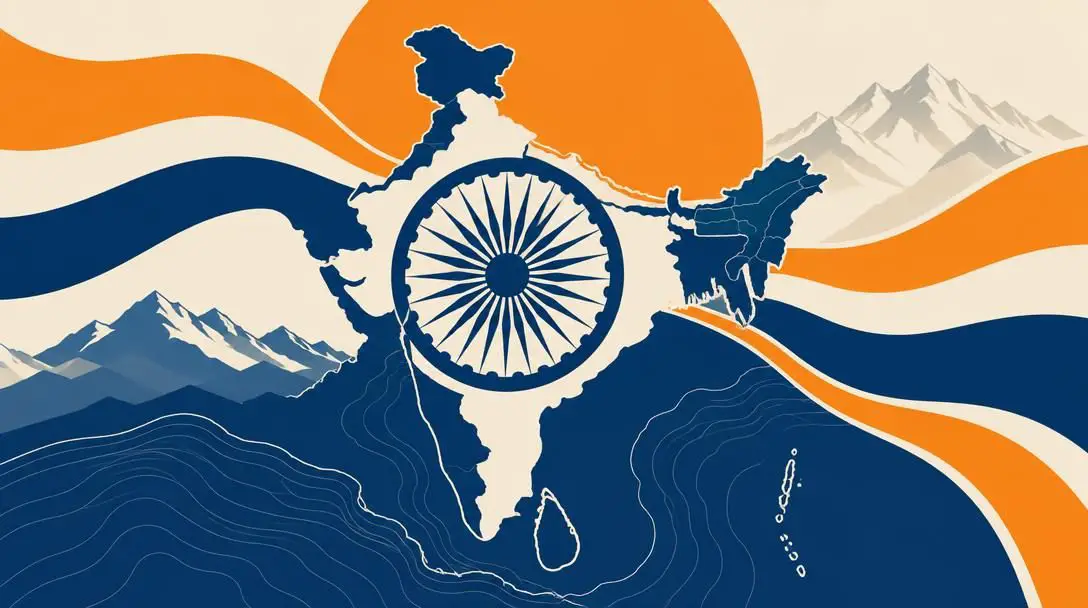
India has long adhered to a foreign policy rooted in non-alignment, choosing to avoid formal condemnation while urging an immediate cessation of hostilities. New Delhi's strategy is tightly bound to its local security architecture, historical defense procurement ties, and vital national energy requirements, underscoring how immediate regional realities routinely supersede distant continental disputes.
Global alignment at a glance
The complex positions taken by international powers reflect varying historical backgrounds, treaty obligations, and strategic calculation. The following comparison illustrates the differing approaches taken by prominent global players.
| Country | Primary Stance | Key Strategic Driver | Historical Context |
|---|---|---|---|
| Japan | Backing Ukraine | Defense of international sovereignty norms | Consistent modern alignment with US and UK |
| Australia | Backing Ukraine | Western treaty and security alliance ties | Historical partnership with Western democracies |
| Brazil | Backing Ukraine | Preservation of territorial integrity principles | Traditional diplomatic alignment with the US |
| Venezuela | Backing Russia | Opposition to United States foreign policy | Strong partnership restored with Moscow in 1972 |
| Iran | Backing Russia | Countering NATO and regaining global prestige | Decades of Western-imposed economic isolation |
| Syria | Backing Russia | State survival and reciprocal military loyalty | Direct Russian military involvement in civil war |
| China | Neutral / Unaligned | Regional security and foreign policy autonomy | Independent posture balancing East-West relations |
| India | Neutral / Unaligned | Domestic energy needs and regional defense | Foundational legacy of non-aligned movement |
How sovereign nations determine their foreign policy stance
When continental warfare erupts, states navigate a systematic risk-assessment process before declaring formal diplomatic policies. The internal deliberations that shape national alignment encompass five distinct evaluations:
- Assessing Bilateral Treaties: Diplomats scrutinize mutual defense agreements and legal pacts to verify whether their country is contractually bound to assist an ally.
- Analyzing Regional Proximity: Cabinets evaluate the geographic distance to the conflict zone, determining whether taking an aggressive stance risks spilling military tension across their own borders.
- Weighing Economic and Energy Dependencies: Leaders calculate how participating in sanctions, trade restrictions, or disrupted fuel supplies will impact household energy costs, agricultural production, and overall inflation.
- Evaluating Internal Stability: Governments managing domestic unrest or fragile economies avoid extraneous foreign entanglements to concentrate public resources on local preservation.
- Balancing Global Coalitions: Unaligned states analyze whether joining a major power bloc will compromise their long-term foreign policy independence or undermine their credibility as future mediators.
Structured steps for analyzing international reactions
Making sense of varying international reactions during a major conflict requires filtering official public rhetoric through an objective analytical lens. Observers can follow a clear five-part method to understand the underlying motives of foreign governments:
- Review Official Voting Records: Look past selective press statements and examine recorded roll-call votes on resolutions at international assemblies, which expose true diplomatic commitments.
- Examine Trade and Aid Flows: Track whether a state sustains commercial trading, ships humanitarian or defense supplies, or maintains financial transactions with either side.
- Contextualize Historical Relationships: Investigate post-World War II and post-Soviet diplomatic ties to uncover generational defense alignments or lingering grievances.
- Identify Domestic Challenges: Check the domestic political landscape of neutral nations to see if internal economic strains or regional conflicts explain their hesitance to participate.
- Track Shifts in Leadership: Follow national elections and executive leadership transitions, as new administrations can abruptly redirect defense priorities and international treaties.
Common analytical pitfalls in geopolitical reporting
Interpreting international reactions to the Russia-Ukraine conflict involves navigating dense diplomatic nuances. Observers frequently fall into several analytical traps:
- Assuming Universal Motivations: Presuming that all nations backing a particular side do so for identical reasons obscures specific national drivers like regional prestige, regime survival, or historical anti-Western sentiment.
- Viewing Neutrality as Indifference: Treating non-alignment as apathy ignores calculated foreign policy decisions aimed at domestic economic protection, regional stability, or maintaining mediation potential.
- Conflating Public Opinion with State Policy: Confusing the sentiments of private citizens with the formal policy of an authoritarian or fractured state creates a distorted picture of internal consensus.
- Ignoring Historical Transitions: Overlooking pivotal leadership changes—such as Ukraine's evolution from Viktor Yanukovych to Volodymyr Zelenskyy—erases the domestic milestones that redefined national foreign policy.
- Disregarding Geography: Overlooking physical distance makes it difficult to understand why distant countries can frequently take stronger diplomatic stances than immediate regional neighbors.
Frequently asked questions
Why did Ukraine's path toward NATO membership pause before 2014?
Although Ukraine actively sought entry into NATO during the late 2000s, the process was paused following the election of President Viktor Yanukovych, who chose not to pursue membership. NATO discussions were revived only after Yanukovych left power in 2014 and Russia subsequently annexed Crimea.
Which countries have actively supported Russia during the invasion?
Russia's most vocal supporters include Venezuela, Iran, and Syria, accompanied by nations such as Myanmar and Eritrea. These states view their alignment as a strategic alliance to counter Western dominance and advance their own regional security objectives.
Why do major countries like China and India remain neutral?
China and India have chosen not to take an explicit side due to their distinct geographic locations, domestic economic priorities, and regional security environments. Both nations balance critical trade and energy partnerships while protecting their foreign policy autonomy.
Why is public opinion divided inside Syria regarding the war?
Syria recently emerged from a devastating civil war where direct Russian military intervention helped sustain the government. While roughly half of the country supports Moscow due to past military assistance, the other half opposes Russian actions, creating a deeply divided public sentiment.
What role does geographic distance play in international alignment?
Countries situated furthest from Ukraine, such as Australia and Japan, often demonstrate some of the strongest diplomatic and economic support for the nation. In contrast, several nations located closer to the conflict region adopt more detached or neutral postures to avoid direct security blowback.
The bottom line
The international divide over the Russian invasion of Ukraine highlights the complex realities of modern diplomacy. Rather than reflecting a simple global consensus, national responses are rooted in decades of historical alliances, treaty commitments, and domestic calculations. While the vast majority of sovereign states stand behind Ukraine to defend international borders against unprovoked military aggression, smaller coalitions continue to back Russia to push back against Western influence, and a significant bloc of non-aligned nations prioritizes domestic resilience and diplomatic neutrality.
As the conflict progresses, the international landscape will hinge on whether sanctions can endure long-term economic friction, whether neutral powers in Africa, Asia, and Latin America can effectively facilitate mediation, and whether pivotal unaligned states like China and India modify their diplomatic postures. Any future shift by these major powers will recalibrate the global balance of power for decades to come.