5 Easy To Make, High Protein Vegetarian Dishes
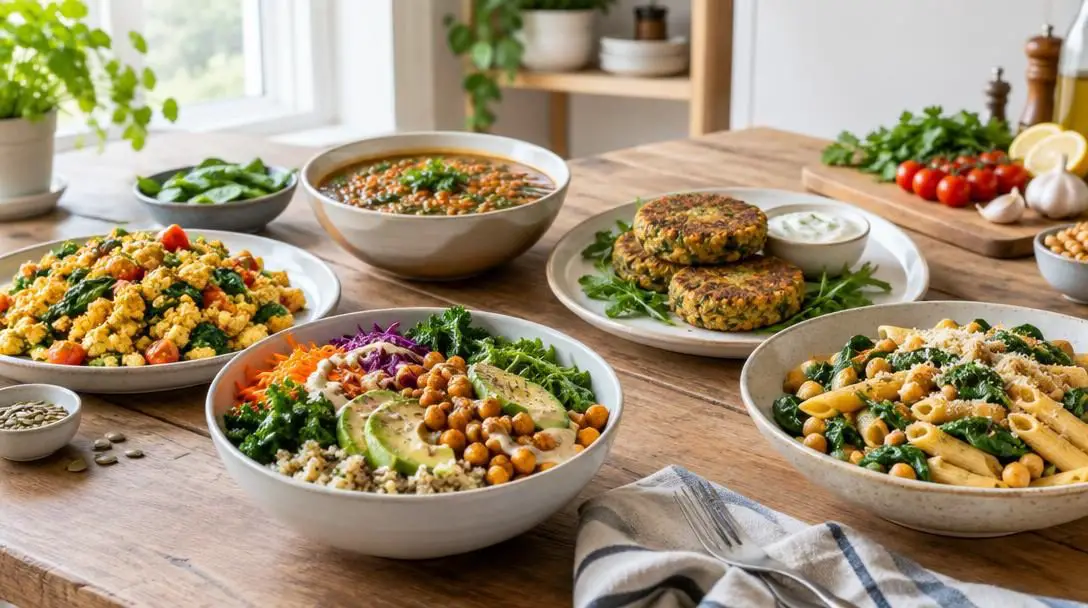
Ensuring you receive an adequate supply of protein can feel like an uphill battle when following a vegetarian diet. In traditional meal planning, animal meat serves as the primary protein anchor, leading many newcomers to believe that eliminating meat requires complicated supplement regimens or strict reliance on unfamiliar specialty foods. For those who lack extensive experience in the kitchen, building balanced meals without meat can seem especially daunting, as balancing nutrition, flavor, and preparation time is often perceived as requiring advanced culinary training.
Fortunately, preparing wholesome, protein-rich vegetarian meals does not require hours of labor over a hot stove or hard-to-find ingredients. By leaning into affordable, nutrient-dense kitchen staples such as whole grains, legumes, dairy products, and eggs, home cooks can prepare satisfying, high-protein meals with minimal fuss. Understanding how these accessible elements interact makes everyday meatless cooking both intuitive and rewarding.
Key takeaways
- Combining legumes, whole grains, dairy, and eggs allows vegetarians to easily meet their daily protein needs without relying on meat.
- Staples such as quinoa, lentils, black beans, and Greek yogurt offer both substantial protein and complex texture to everyday meals.
- Several high-protein meatless dishes, from sweet potato tacos to a 30-minute skillet breakfast, require minimal prep and beginner-friendly techniques.
- Meal preparation is streamlined when grains are cooked ahead and diverse protein sources are rotated across breakfast, lunch, and dinner.
The Building Blocks of Plant-Based Protein
Unlike conventional animal meats, which deliver high concentrations of protein within a single ingredient, meatless cooking excels through thoughtful ingredient combinations. By pairing complementary plant bases with eggs or dairy, you create dishes loaded with dietary fiber, complex carbohydrates, and high-quality protein that keep energy levels stable throughout the day.
Relying on nutrient-dense staples like legumes, whole grains, dairy products, and eggs makes it entirely possible to create hearty meals that fuel your body without requiring advanced culinary skills.
Every core vegetarian staple contributes distinct structural and nutritional benefits to a recipe:
- Quinoa: A versatile seed cooked like a grain that absorbs cooking liquids effortlessly, providing structure and protein to both baked casseroles and molded patties.
- Beans and lentils: Dense legumes packed with protein and dietary fiber, serving as hearty, substantial alternatives to ground meats.
- Greek yogurt and milk: Dairy elements that deliver smooth moisture and an elevated protein content to baked pans and smooth batters.
- Eggs: Essential structural binders for morning skillets and baked goods that contribute richness and reliable protein.
- Nuts: Ingredients like pecans introduce rich, healthy fats and a satisfying textural crunch to legume mixtures.
High-Protein Vegetarian Dishes at a Glance
| Dish | Primary Protein Source | Key Flavorings & Produce | Dietary Profile |
|---|---|---|---|
| Broccoli Casserole | Quinoa, Greek yogurt, milk | Broccoli florets, garlic, onion powder, pepper | Vegetarian |
| Bean and Potato Tacos | Black beans | Sweet potatoes, onions, peppers, salsa | Vegetarian / Plant-focused |
| Vegan Chickpea Meatballs | Chickpeas, quinoa, pecans | Bread crumbs, herbs, polenta, vegetable stock | Vegan & Dairy-Free |
| Lentil Pancakes | Lentils, Greek yogurt | Banana, fruit toppings | Vegetarian |
| Farmer’s Breakfast | Eggs, mozzarella cheese | Potatoes, onion, olive oil, rosemary, basil | Vegetarian |
Five Easy, Protein-Rich Vegetarian Recipes
Whether you need a quick morning meal before work or a double-batch dinner to feed the family throughout the week, these five straightforward recipes show how simple vegetarian cooking can be.
Broccoli Casserole
- Main Proteins: Quinoa, Greek yogurt, milk
- Key Vegetables: Broccoli florets
- Dietary Classification: Vegetarian (contains dairy)
- Portion Yield: Serves a family twice over
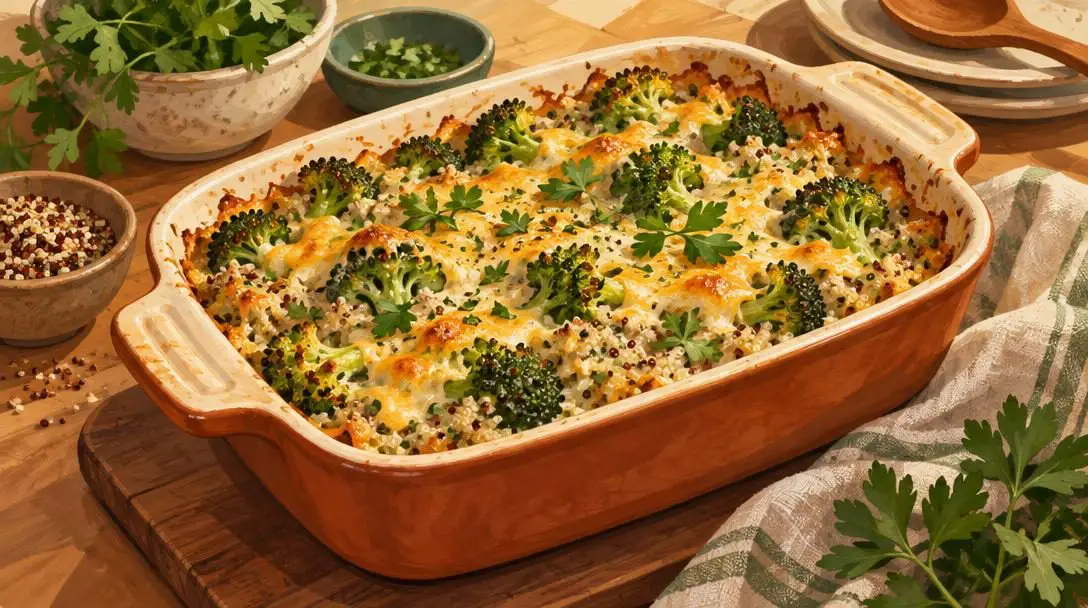
Casseroles are among the most convenient main dishes for home cooks because they require very little active preparation time while yielding generous quantities. This broccoli casserole is built to feed an entire family twice over, making it an outstanding candidate for batch cooking and stress-free weeknight dinners.
At the center of this recipe is a single cup of quinoa, which provides a sturdy, protein-rich foundation that perfectly complements tender broccoli florets. To bind the ingredients and create a velvety texture, the recipe incorporates Greek yogurt and milk seasoned with black pepper, garlic powder, and onion powder. This dairy-based sauce envelops the vegetables and grains, resulting in a rich, comforting meal. Because it relies heavily on milk and yogurt, this recipe is tailored specifically for vegetarians rather than strict vegans.
Bean and Potato Tacos
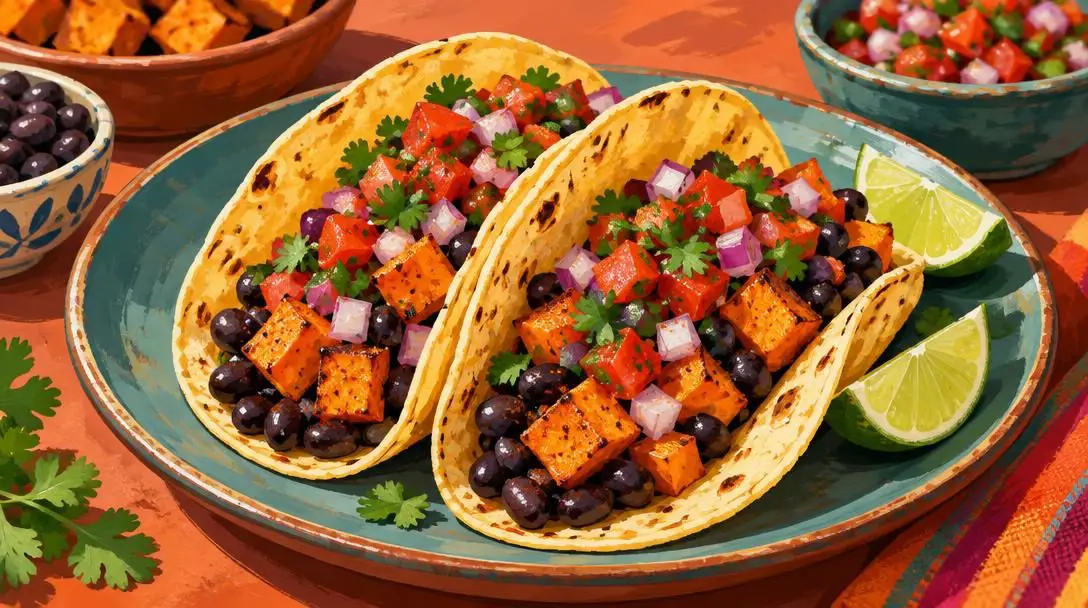
- Main Proteins: Black beans
- Key Vegetables: Sweet potatoes, onions, peppers
- Flavor Additions: Salsa
- Texture Profile: Soft, earthy, and hearty
Tacos are frequently cited as one of the hardest foods to give up when transitioning away from meat-heavy diets. However, you do not need to give up taco night or settle for bland, uninspired fillings to maintain your meatless routine. These tacos swap out greasy animal meats for a nourishing combination of black beans and sweet potatoes.
The culinary balance between these two ingredients is exceptional. The natural sweetness and soft bite of roasted or pan-cooked sweet potatoes counter the earthy, dense nature of the black beans. This dynamic duo packs both protein and dietary fiber into every tortilla, generating the long-lasting fullness expected from traditional tacos. You can customize the dish effortlessly by tossing in sautéed onions, fresh peppers, and your choice of salsa.
Vegan Chickpea Meatballs
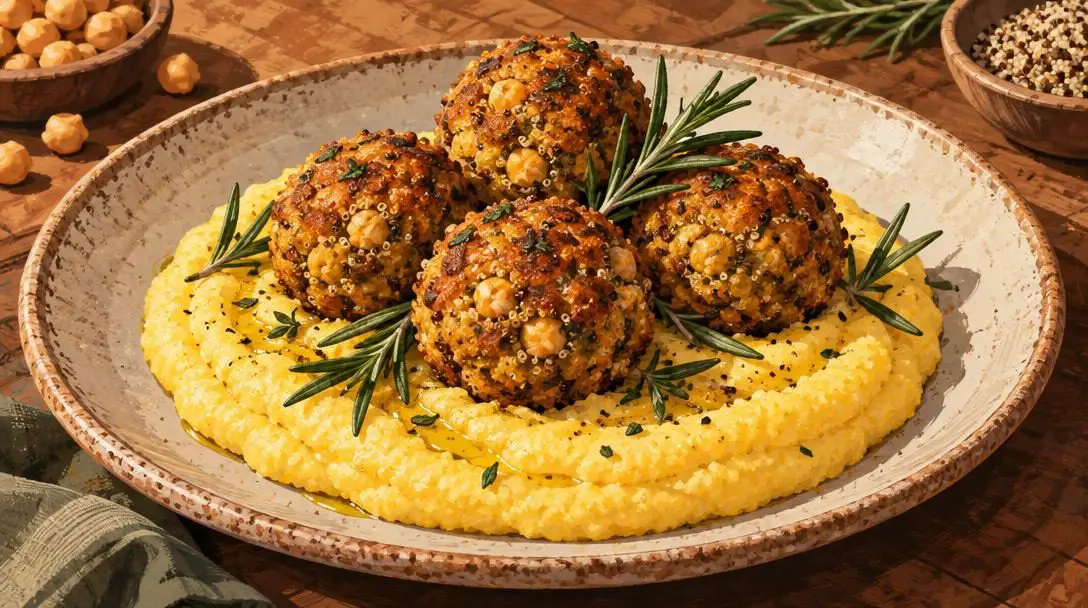
- Main Proteins: Chickpeas, quinoa, pecans
- Binding Agents: Bread crumbs
- Dietary Classification: 100% Vegan and dairy-free
- Suggested Pairing: Polenta with vegetable stock
If you want a high-protein recipe that is completely plant-based and contains no dairy products whatsoever, these vegan chickpea meatballs are an ideal option. They provide a dense, satisfying chew without relying on processed meat substitutes or animal binders.
The recipe calls for one can of chickpeas paired with one cup of cooked quinoa. To develop a robust texture that holds together during cooking, finely chopped pecans and bread crumbs are folded into the mixture along with your favorite savory seasonings. The pecans supply healthy fats and a nutty depth, while the bread crumbs lock in the mixture's structure. For a restaurant-quality presentation, serve these meatballs over a warm bed of creamy polenta prepared with vegetable stock, dairy-free cheese, and dairy-free butter.
Lentil Pancakes
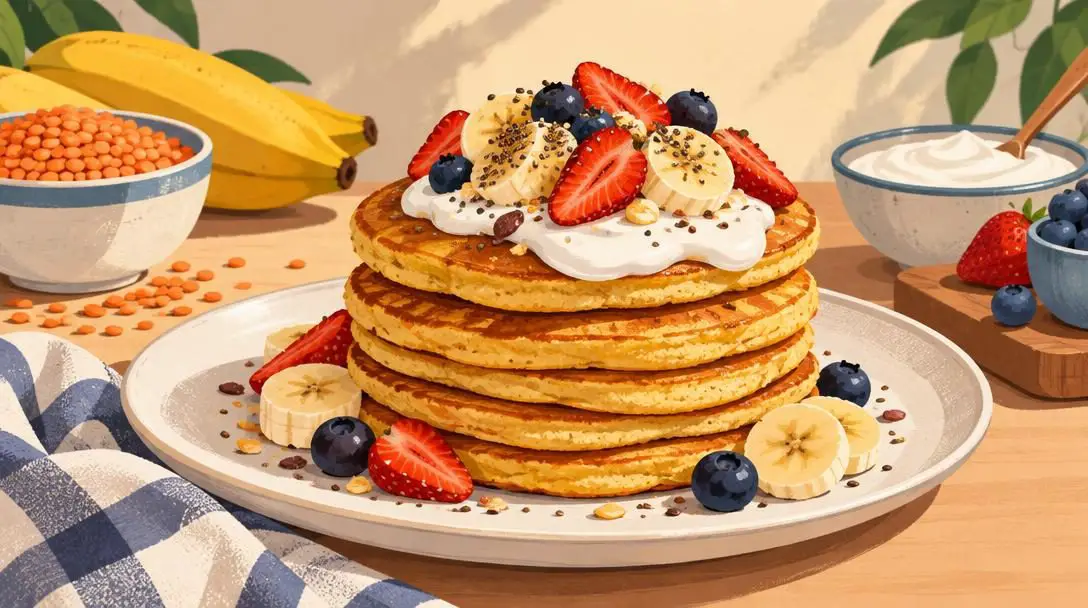
- Main Proteins: Lentils, Greek yogurt
- Sweetener Base: Whole banana
- Cooking Surface: Non-stick pan
- Meal Type: Sweet breakfast or brunch
Standard breakfast menus often rely almost exclusively on bacon and sausage to deliver morning protein. When you want to skip processed morning meats while still achieving an energizing breakfast, lentil pancakes offer an innovative, nutrient-dense solution.
To create the batter, simply blend a whole banana, a half cup of lentils, Greek yogurt, and a few basic pantry ingredients until completely smooth. The banana provides natural sweetness, while the lentils and Greek yogurt combine to form a smooth, protein-packed batter. Once blended, pour the mixture onto a heated non-stick pan and cook just like traditional pancakes. Finish the stack with a dollop of extra Greek yogurt or a handful of fresh fruit for a balanced, vibrant start to your day.
Farmer’s Breakfast
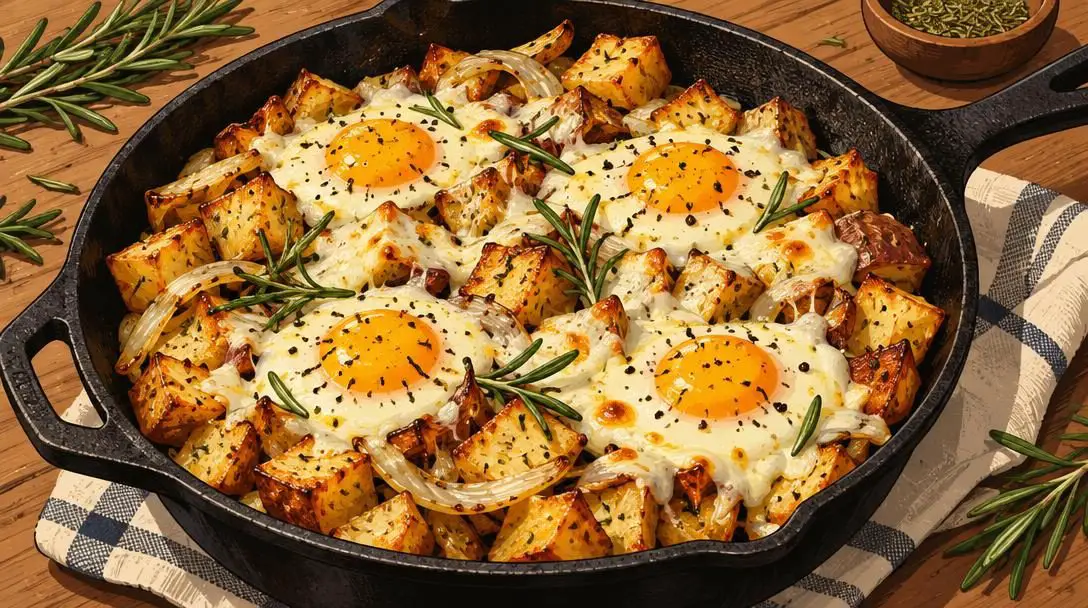
- Prep & Cook Time: Approximately 30 minutes
- Caloric Content: Roughly 540 calories
- Main Proteins: Whole eggs, 1/4 cup mozzarella
- Base Ingredients: 2 potatoes, onion, olive oil, rosemary, basil
For those who prefer a rustic, savory morning meal, the classic farmer’s breakfast brings substantial nourishment into a single skillet. It delivers high protein and bold flavor using common ingredients you likely already have in your pantry and refrigerator.
The dish starts with two potatoes cut and browned in olive oil alongside diced onion. The skillet is seasoned with fragrant rosemary, basil, salt, and pepper to build an earthy flavor profile. Once the potatoes are tender and crisp, eggs and a quarter cup of mozzarella cheese are incorporated until gently set and melted. Requiring only about 30 minutes from start to finish, this hearty breakfast provides roughly 540 calories and a significant protein payload to power you through demanding mornings.
Step-by-Step Guide to Efficient Vegetarian Prep
Executing vegetarian meals smoothly comes down to an organized cooking workflow. Following a structured preparation sequence ensures that ingredients cook evenly and meals come together without stress.
- Measure core bases: Set out measured quantities of key protein foundations, such as your one cup of quinoa, one can of chickpeas, or half cup of lentils, before heating any cooking surfaces.
- Cook whole grains ahead: Simmer and cool grains like quinoa early so they are easy to fold into vegetable casseroles or mold into patties without becoming mushy.
- Chop produce uniformly: Dice potatoes, sweet potatoes, onions, and bell peppers into uniform, bite-sized pieces to ensure they soften and brown at an identical rate in the skillet.
- Blend batters and purées smooth: Utilize a blender or food processor to process dense ingredients thoroughly, whether creating a silky batter for lentil pancakes or pulsing the chickpea and pecan base for meatballs.
- Preheat pans and skillets: Allow your cooking vessel to come to temperature over medium heat—warming olive oil for skillet potatoes or bringing a non-stick pan to heat for pancakes—to prevent sticking and ensure even searing.
- Prep garnishes and sides: Have your finishing touches ready, such as assembling fresh taco salsas, simmering vegetable stock for polenta, or slicing fruit toppings, before your hot food finishes cooking.
Common Vegetarian Cooking Mistakes to Avoid
Transitioning to vegetarian home cooking involves working with textures and moisture levels that behave differently than animal meats. Keeping these common pitfalls in mind will help you achieve the best results with every recipe:
- Under-seasoning grains and tubers: Ingredients like quinoa, canned beans, and potatoes naturally absorb high volumes of seasoning. Skipping generous additions of garlic powder, onion powder, rosemary, basil, salt, and black pepper can result in a bland dish.
- Disregarding binder proportions: When forming chickpea meatballs, failing to balance moisture against dry binders like bread crumbs and chopped pecans can cause the patties to crumble apart while heating.
- Rushing raw potatoes: Diced sweet potatoes and standard potatoes require adequate cooking time in the skillet or oven to break down starch. Cooking them too quickly over high heat will char the surface while leaving the interior hard.
- Overheating delicate batters: Lentil pancake batter is thicker and denser than flour-only batters. Setting your stove heat too high will scorch the outside of the pancake before the center cooks completely through.
- Overlooking dietary labels: While dairy-rich casseroles, Greek yogurt batters, and cheesy egg skillets fit standard vegetarian criteria, they do not accommodate guests or family members following a strictly vegan diet.
Frequently asked questions
Can you get sufficient protein on a vegetarian diet without supplements?
Yes. Combining protein-dense whole foods such as quinoa, lentils, black beans, chickpeas, Greek yogurt, mozzarella cheese, and whole eggs easily satisfies daily protein needs without requiring powders or artificial supplements.
Which of these dishes is suitable for a vegan diet?
The vegan chickpea meatballs, especially when served with polenta prepared using vegetable stock, dairy-free butter, and dairy-free cheese, are completely vegan. The bean and sweet potato tacos can also be prepared vegan by omitting any optional dairy toppings.
How can I make the farmer’s breakfast cook faster in the morning?
To reduce morning cook time, you can dice your potatoes and onions the evening before. Par-cooking the diced potatoes in advance also cuts skillet browning time significantly, keeping total prep well under the standard 30-minute window.
Why is quinoa used so frequently in vegetarian recipes?
Quinoa is highly valued because it acts as a nutrient-rich, versatile grain alternative that readily absorbs the flavors around it. It provides structural integrity to casseroles and formed patties while boosting the overall protein content of the meal.
Do lentil pancakes taste strongly of legumes?
No. When blended thoroughly with a ripe banana and Greek yogurt, the natural sweetness of the fruit and the tang of the yogurt mask the earthy flavor of the lentils, creating a pleasant, standard pancake flavor profile.
The bottom line
Adopting a high-protein vegetarian diet does not require complex culinary wizardry or endless hours in the kitchen. By centering your weekly menu on reliable staples like quinoa, lentils, chickpeas, eggs, and Greek yogurt, you can assemble satisfying, nutritionally balanced meals that rival any traditional meat-based spread. Whether you rely on a 30-minute skillet breakfast to start your morning or a double-batch broccoli casserole to simplify weeknight dinners, mastering these versatile dishes makes eating meatless both practical and flavorful.