5 Ecotourism Adventures
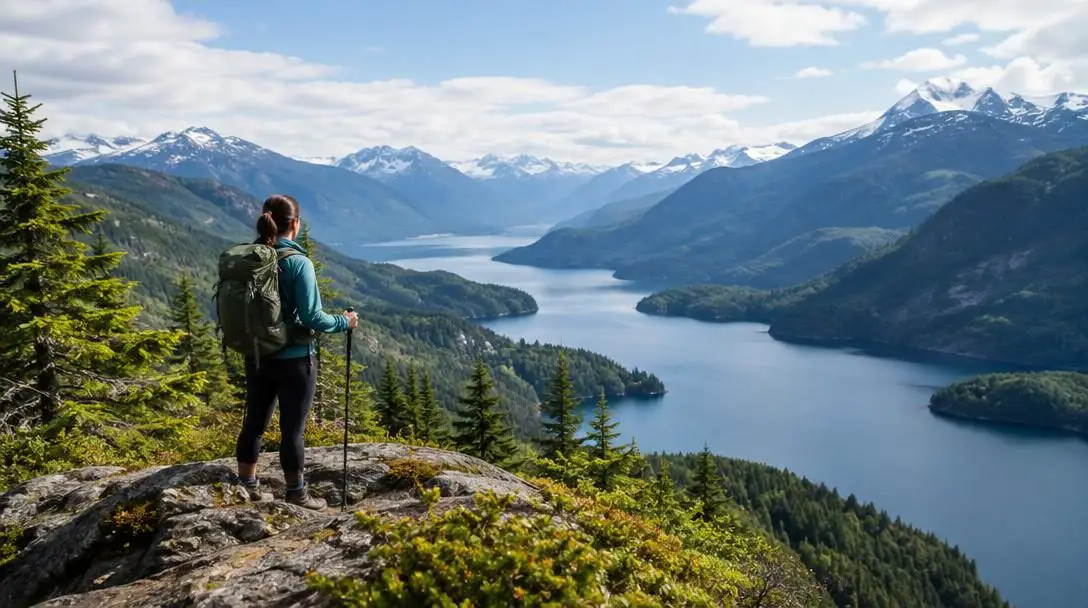
When most travelers envision a standard vacation, the immediate image is often a bustling global metropolis. In these sprawling urban environments, vacationers spend their days navigating between famous monuments via subways, taxicabs, and passenger trains, sampling crowded restaurants, and moving alongside millions of fellow sightseers. While city exploration holds an undeniable appeal, a rapidly growing demographic of modern travelers is seeking a fundamentally different experience. Instead of asphalt corridors and towering skyscrapers, these travelers are drawn toward the most pristine, tranquil, and biologically diverse natural spaces the planet has to offer.
Every continent harbors extraordinary ecological marvels, from ancient river basins and vast sedimentary mountain ranges to delicate marine habitats. The deliberate choice to journey into these destinations with the intention of observing nature while actively supporting its long-term preservation is known as ecotourism. Rather than demanding massive, resource-intensive infrastructure, ecotourism prioritizes the biological integrity of native ecosystems. This travel philosophy minimizes human impact, educates visitors on ecological vulnerability, and bolsters the social and economic welfare of host communities.
Key takeaways
- Ecotourism prioritizes low-impact exploration, environmental education, and direct economic support for local communities over resource-heavy commercial tourism.
- Vulnerable marine and island ecosystems rely on strict operational rules, single-use plastic bans, and localized supply chains to protect native biodiversity.
- National frameworks, such as Costa Rica protecting 25 percent of its territory and outlawing sport hunting, prove that conservation can power a robust national economy.
- Non-motorized exploration—including mindful swimming, alpine backpacking, and hiring resident guides—enables travelers to encounter wildlife without degrading native habitats.
The defining principles of conservation travel
Traditional mass tourism often alters natural environments to cater to the demands of large crowds and high-density hospitality chains. In sharp contrast, genuine ecotourism adapts human behavior to respect and sustain the land. By viewing wilderness areas as living classrooms and ecological sanctuaries rather than entertainment venues, ecotourists help safeguard the natural capital of their host regions.
Rather than altering natural environments to cater to crowds, genuine ecotourism adapts human behavior to respect and sustain the land.
At its foundation, conservation-minded travel operates on a balance of ecological protection, community partnership, and visitor education. When travel revenue directly benefits local residents, it creates a powerful incentive to preserve forests, protect coral reefs, and combat poaching or unlawful logging. When planned responsibly, ecotourism provides travelers with unforgettable encounters while leaving the destination ecologically intact for generations to come.
Five extraordinary ecotourism adventures around the globe
Around the world, a select group of destinations illustrates how travel and environmental stewardship can successfully reinforce one another. These five iconic adventures offer remarkable opportunities to observe rare wildlife and breathtaking landscapes while directly supporting vital conservation initiatives.
The Great Barrier Reef
- Location: Northeastern coast of Australia
- Size: Over 133,000 square miles across roughly 900 islands
- Biodiversity: Over 9,000 distinct species of aquatic life
- Annual visitors: Roughly 2 million tourists
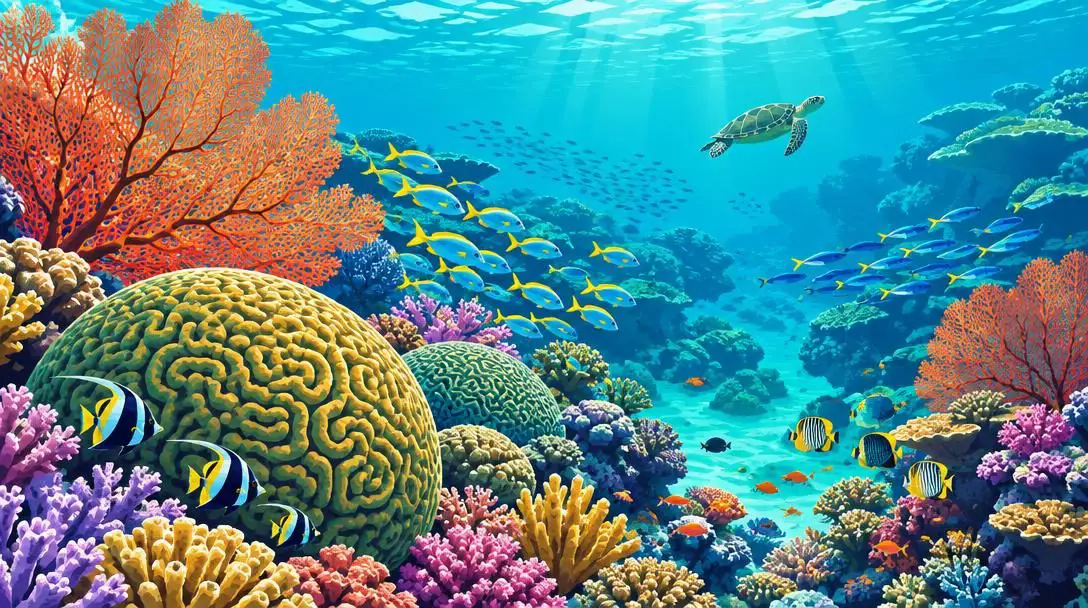
Situated directly off the northeastern coast of Australia, the Great Barrier Reef stands as one of the most recognized and awe-inspiring natural wonders on Earth. Stretching across more than 133,000 square miles and encompassing approximately 900 individual islands, this massive marine environment provides an essential home for over 9,000 distinct species of aquatic life. Given its breathtaking beauty and vibrant underwater topography, roughly 2 million tourists make the journey to the reef every single year.
However, the sheer volume of visitors has historically posed serious challenges for the reef's fragile marine life. Because many delicate species require an undisturbed underwater environment to thrive, unmanaged recreational tourism was often at odds with environmental preservation. In response, modern ecotourism has fundamentally reshaped how guests interact with this world wonder. Resorts and travel operators throughout the area have taken decisive measures, including comprehensive bans on single-use plastics and a wholesale transition toward sustainable and renewable energy sources to power their operations.
Beyond sustainable infrastructure, visitor education has become a core element of the reef experience. Hospitality staff and dive guides actively train ecotourists on responsible behavior before they ever step into the water. Guests are strictly instructed never to take, pick up, or touch any marine organism or coral structure. Furthermore, dive operators teach travelers mindful swimming techniques to ensure that visitors can observe this rich ecosystem up close without ever making accidental, destructive physical contact with fragile aquatic life.

The Galapagos Islands
- Location: Pacific Ocean, off the western coast of Ecuador
- Geography: Isolated archipelago of 21 islands (18 major landmasses)
- Human population: Approximately 33,000 permanent residents
- Discovery: First discovered in the 16th century
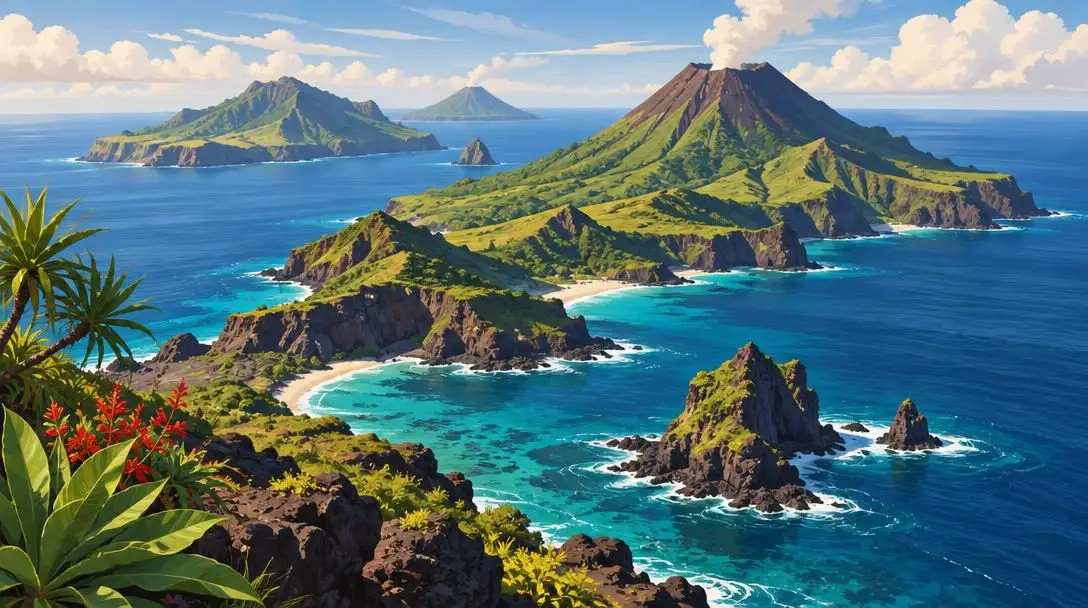
Located far off the western coast of Ecuador in the Pacific Ocean, the Galapagos Islands form an isolated archipelago consisting of 21 total islands, 18 of which are classified as major landmasses. First discovered in the 16th century, the archipelago today features a permanent human population of approximately 33,000 people. The Galapagos maintain an iconic status in scientific history, famously serving as the natural laboratory where Charles Darwin studied the variations of regional species, providing critical insights that led to his groundbreaking theory of evolution through natural selection.
Protecting the unique biological balance of these islands requires meticulous management and community commitment. One of the central pillars of local ecotourism is a widespread transition toward utilizing locally produced goods and food supplies. By prioritizing local agriculture and craftsmanship, the islands substantially reduce the need for large cargo and shipping vessels to continually transit back and forth from mainland Ecuador and neighboring nations, cutting emissions and eliminating pathways for invasive species.
The human element of conservation is equally robust. The individuals who welcome, guide, and support visitors are predominantly residents of the islands themselves. This community-centered framework is vigorously enforced by the Galapagos National Park Directorate. Through strict regulations and carefully managed visitation protocols, the Directorate ensures that every visitor journey functions as an organized, non-invasive educational experience, setting a benchmark for conscientious ecotourism across the globe.
The Canadian Rockies

- Geological composition: Sedimentary rock, primarily limestone and shale
- Terrain features: Sweeping, less jagged summit profiles
- Iconic wildlife: Bighorn sheep, moose, black bears, and grizzly bears
- Core activities: Long-distance backpacking and alpine hiking
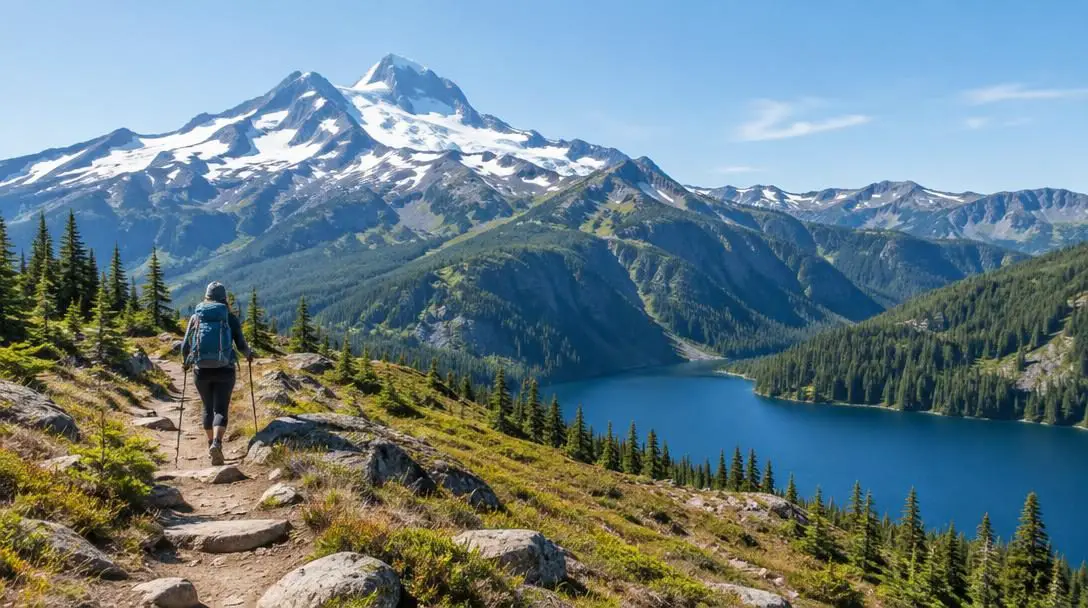
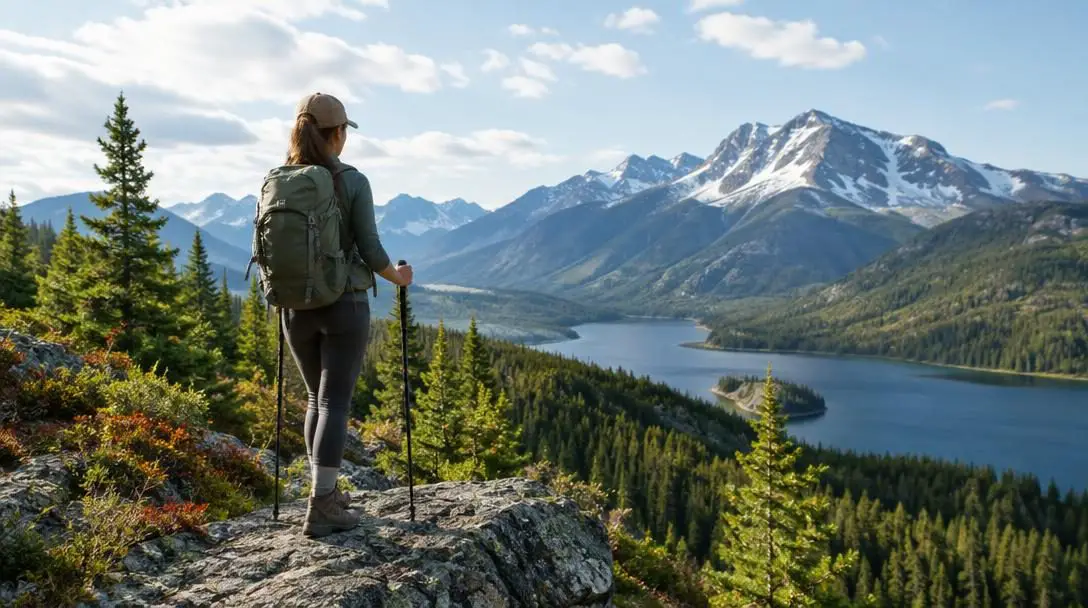
While a casual glance at a map might lead travelers to assume the Rocky Mountains present a uniform profile from the United States up through Canada, the Canadian Rockies feature striking geological characteristics that set them apart. Unlike the mountain ranges south of the border, the Canadian Rockies are composed predominantly of sedimentary rock, boasting immense layers of limestone and shale. Furthermore, the Canadian summits generally exhibit less sharp, jagged profiles compared to their southern counterparts, creating a sweeping, accessible landscape that beckons outdoor enthusiasts worldwide.
Because the region is built upon sensitive terrain and provides critical habitat for large wildlife, ecotourism in the Canadian Rockies has expanded around structured, low-impact exploration. Visitors can participate in an array of non-motorized recreational pursuits, such as long-distance backpacking, alpine hiking, and carefully supervised wildlife observation. These controlled activities allow guests to experience pristine mountain environments without degrading delicate alpine soil or fragmenting native wildlife corridors.
This careful management provides travelers with an authentic opportunity to spot the iconic megafauna of the north in their natural habitats. Ecotourists regularly encounter animals such as Bighorn sheep, solitary moose, and both black and grizzly bears. By maintaining strict guidelines regarding trail maintenance, waste disposal, and safe viewing distances, the region ensures that travelers can witness these magnificent creatures without leaving behind a detrimental environmental footprint.
The Amazon Rainforest
- Regional span: Extends across 8 South American nations
- Core geography: Majority of basin located within Brazil
- Ecotourism staging: 3 primary ecotourism hubs located in Peru
- Guiding model: Led by local residents using generational knowledge
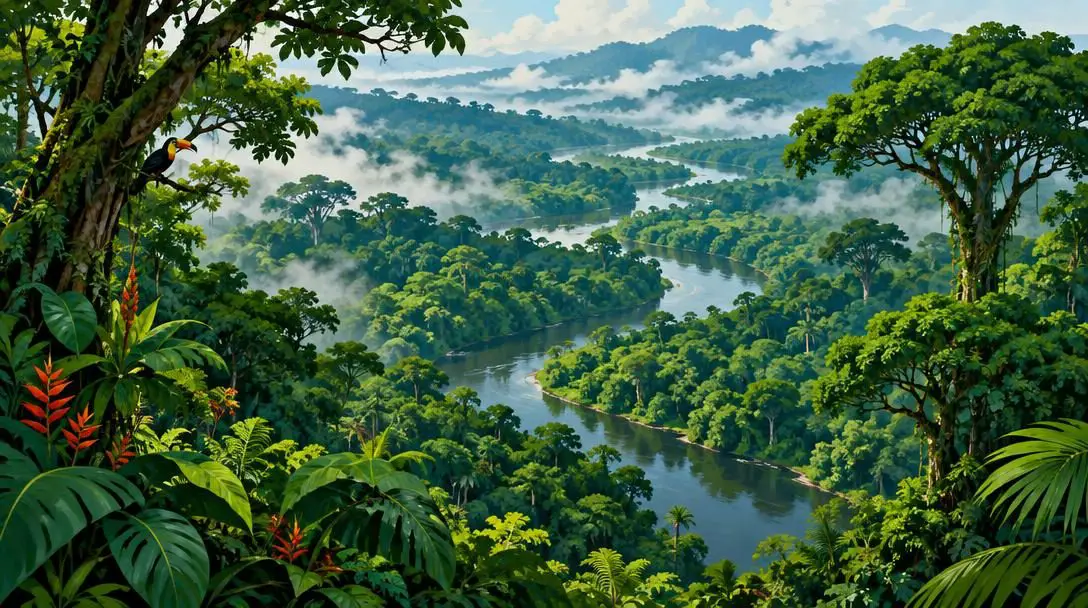
Revered as one of the most vital and famous ecosystems on the planet, the Amazon Rainforest occupies a prominent place in global education and environmental discourse. Extending across eight separate South American nations, the vast majority of this dense tropical forest sits within the boundaries of Brazil. For decades, the Amazon basin has contended with the devastating effects of widespread deforestation, an urgent ecological crisis that global and local conservation organizations are actively working to counteract.
For individuals seeking to explore this biodiversity hotspot in an ethical, non-destructive manner, three primary ecotourism hubs situated in Peru provide an exceptional alternative. By using these established Peruvian staging grounds, travelers can journey deep into the interior of the rainforest to encounter its legendary flora and fauna while strictly limiting their impact on the surrounding vegetation and wildlife.
This approach combines responsible travel with rich cultural engagement. The expeditions out of these hubs are led by local residents who act as experienced guides, utilizing their generational knowledge to guide visitors safely beneath the dense forest canopy. While guiding travelers through the jungle, these local naturalists provide firsthand insight into community-led conservation projects designed to halt logging and keep the forest canopy permanently intact, demonstrating how tourism revenue can directly empower rainforest defense.
Costa Rica
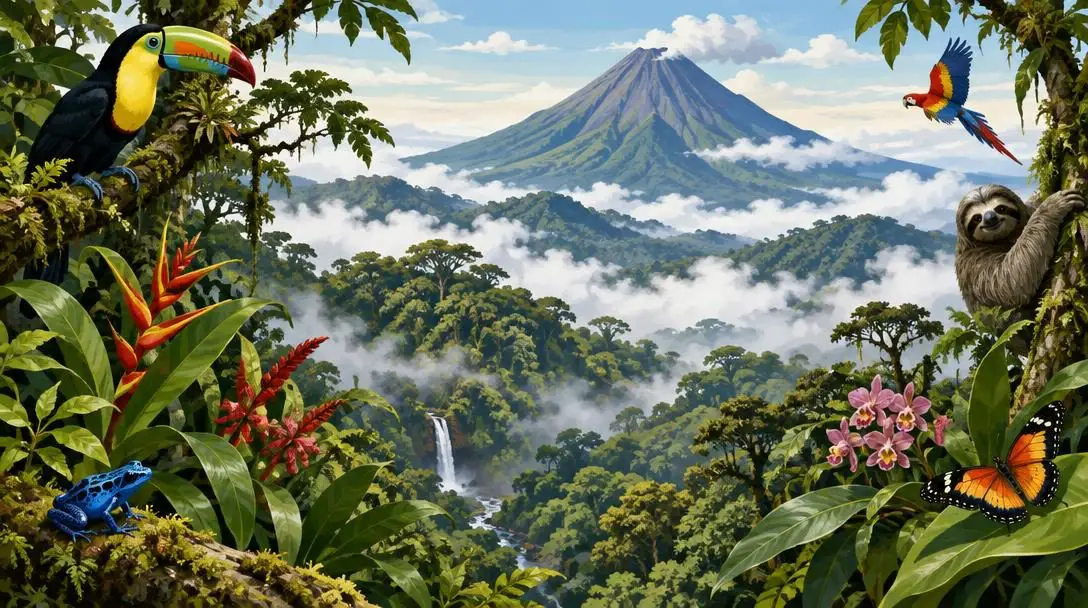
- Protected territory: 25 percent of total land area protected by law
- Key legislation: Early 2010s ban on all sport hunting
- Size and population: Under 20,000 square miles with over 5 million citizens
- Notable reserves: Arenal Volcano National Park and Ballena Marine National Park
Distinguished as the only complete country to earn a place on this list, Costa Rica represents a global model for environmental policy and sustainable tourism. Gaining its independence from Spain in 1821, this peaceful Central American country has undergone an extraordinary evolution. Today, Costa Rica is home to more than 5 million citizens and covers a modest geographical footprint of under 20,000 square miles, yet it contains one of the highest concentrations of biodiversity anywhere in the world.
Costa Rica's ecological richness is heavily guarded by some of the most comprehensive conservation statutes on the planet. A full 25 percent of the nation's total land area is protected by law from urban sprawl and commercial development, supported by an expansive system of national parks and wildlife reserves. In the early 2010s, the national government cemented its preservation legacy by passing a historic law that completely banned sport hunting, catapulting Costa Rica into the international spotlight as an undisputed leader in sustainable ecotourism.
Within this nationwide network, specific preserves showcase the country's diverse habitats. Arenal Volcano National Park invites travelers to explore geothermal zones, primary rainforests, and lush volcanic slopes, while Ballena Marine National Park safeguards crucial coastal systems and marine life off the Pacific coast. By prioritizing preservation above short-term industrial expansion, Costa Rica proves that an entire country can build a thriving economy centered on ecotourism.
At a glance: Comparing world-class ecotourism destinations
Each premier ecotourism region applies specialized conservation mechanisms tailored to its distinct ecological landscape and community needs. The table below illustrates how these five destinations balance tourism with environmental protection.
| Destination | Key Ecosystem | Primary Conservation Strategies | Visitor Experience Focus |
|---|---|---|---|
| The Great Barrier Reef | Marine coral reef | Single-use plastic bans, renewable energy adoption, no-touch marine rules | Mindful swimming, guided diving, and aquatic wildlife observation |
| The Galapagos Islands | Oceanic archipelago | Local food sourcing to curb cargo ships, Galapagos National Park Directorate rules | Resident-guided educational tours tracking evolutionary biology |
| The Canadian Rockies | Sedimentary alpine mountains | Strict trail maintenance, non-motorized recreation, viewing distance rules | Alpine hiking, backpacking, and megafauna observation |
| The Amazon Rainforest | Tropical rainforest basin | Community forest defense, counter-logging initiatives via ecotourism staging | Canopy exploration led by local resident guides from Peruvian hubs |
| Costa Rica | Tropical forests, volcanoes, and marine zones | 25% protected territory, nationwide ban on sport hunting passed in 2010s | Park-to-park nature travel across volcanic and coastal reserves |
How to prepare for an ethical wilderness expedition
Becoming an effective ecotourist requires deliberate preparation long before reaching your destination. To ensure your journey supports conservation rather than placing pressure on local ecosystems, follow these core planning steps:
- Research local management frameworks: Look for destinations and operators supervised by recognized governing authorities, such as the Galapagos National Park Directorate or national park services, to ensure transparent operational standards.
- Select resident-led tour operations: Choose excursions guided by local residents who possess deep cultural and biological knowledge. Directing your travel funds to community guides creates tangible economic incentives to halt deforestation and habitat loss.
- Audit your travel gear: Eliminate single-use plastics from your pack, invest in reef-safe sun protection, and bring durable personal containers to avoid contributing to waste streams in remote, fragile habitats.
- Familiarize yourself with wildlife etiquette: Review regional guidelines regarding safe observation distances and behavioral rules, such as zero-contact policies in marine habitats and non-intrusive wildlife viewing in bear territory.
Frequently asked questions
What makes ecotourism different from standard nature travel?
While standard nature travel simply involves spending time outdoors, ecotourism focuses specifically on minimizing environmental impact, fostering conservation education, and generating direct economic benefits for local communities. It enforces strict behavioral guidelines and supports habitat preservation rather than demanding resource-heavy tourist infrastructure.
Why do the Galapagos Islands emphasize using locally produced goods?
Relying on locally grown food and handmade goods sharply reduces the need for large shipping and cargo vessels to transit back and forth from the Ecuadorian mainland. This practice reduces fossil fuel emissions and significantly lowers the risk of accidentally introducing destructive invasive plant and animal species into the fragile archipelago.
How does Costa Rica protect its natural resources on a national scale?
Costa Rica safeguards its natural richness by legally protecting 25 percent of its entire territory from commercial development and urban sprawl. In addition, the country reinforced its commitment to biodiversity in the early 2010s by enacting comprehensive legislation that banned sport hunting nationwide.
Where can travelers ethically explore the Amazon Rainforest?
Travelers seeking an ethical journey into the Amazon can stage their expeditions from three primary ecotourism hubs located in Peru. These hubs provide access to pristine rainforest tracts and employ local residents who use their generational knowledge to guide visitors safely while funding local community efforts to halt logging.
What specific rules protect marine life on the Great Barrier Reef?
Tourists at the Great Barrier Reef are instructed never to touch, disturb, or take any marine organisms or coral formations. Dive and tour operators also enforce bans on single-use plastics, utilize renewable energy sources, and teach mindful swimming techniques to prevent accidental fin strikes on fragile coral beds.
The bottom line
Choosing an ecotourism adventure is more than just selecting a scenic vacation backdrop; it represents a meaningful vote for the future health of our planet. As destinations like the Great Barrier Reef, the Galapagos Islands, the Canadian Rockies, the Peruvian Amazon, and Costa Rica demonstrate, travel can serve as an active catalyst for environmental preservation. By respecting regional guidelines, hiring local guides, and traveling with a minimal physical footprint, visitors can experience the world's most breathtaking wilderness areas while ensuring that these irreplaceable ecosystems continue to flourish.