The Best Hiking Trails in the World: Stunning Views and Adventure Await
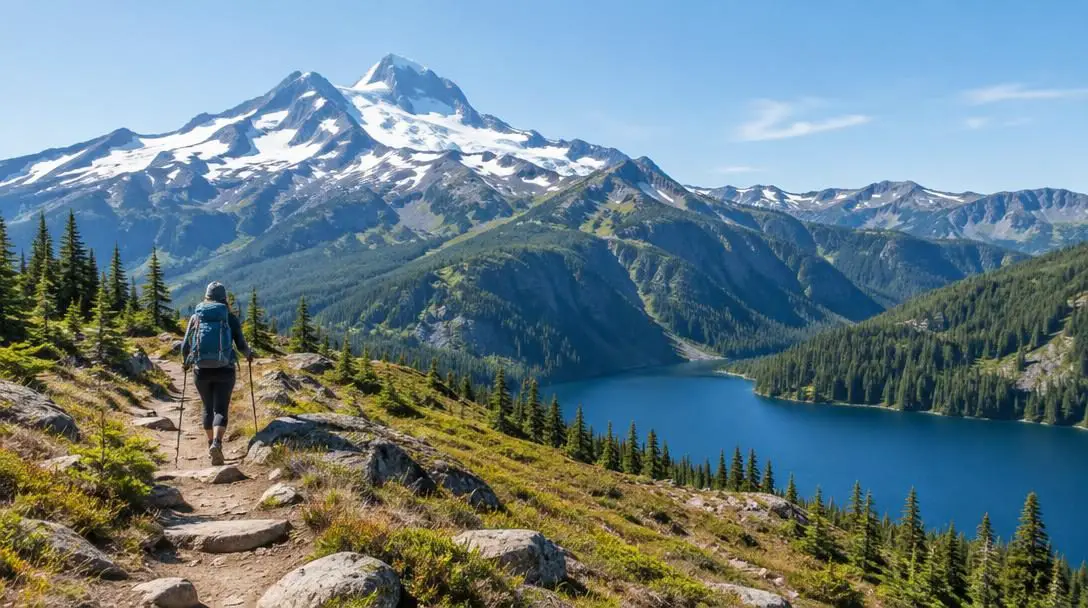
Long-distance hiking represents one of the most immersive ways to experience the world's most dramatic landscapes. By leaving motorized transport behind, trekkers encounter rugged alpine passes, dense rainforests, glacial valleys, and windswept plateaus that remain otherwise inaccessible. Beyond simple recreation, traversing these ancient paths and international mountain corridors offers a tangible link to cultural history, human endurance, and the delicate natural environments of our planet.
Whether navigating high-altitude Andean trails engineered by ancient empires, tracing glacial fiords in the Southern Hemisphere, or circling Western Europe's most famous massif, world-class trekking demands respect and preparation. Understanding the physical demands, regulatory frameworks, accommodation styles, and environmental dynamics of the planet's premier trails is the first step toward completing a transformative journey.
Key takeaways
- Iconic multi-day trails range from four-day cultural pilgrimages to multi-week alpine circuits across international borders.
- Regulations vary widely by region, with routes like the Inca Trail and Mount Kilimanjaro mandating licensed guides, while others depend on tightly capped independent permits.
- Logistical systems span fully supported porter expeditions, self-contained backcountry camping, and historic alpine hut networks.
- Thorough physical training, disciplined pacing at high elevation, and field-tested gear are essential to avoid injury, exhaustion, and altitude sickness.
- Responsible trekking requires strict adherence to Leave No Trace principles, awareness of seasonal weather shifts, and adequate search-and-rescue evacuation insurance.
At a glance: Comparing the world's top five routes
| Trail | Location | Distance | Typical duration | Permit and guide requirements |
|---|---|---|---|---|
| Inca Trail | Peru | 26 miles | 4 days | Permit required; licensed tour guide mandatory |
| Milford Track | New Zealand | 33 miles | 4 days | Permit required; advance hut bookings mandatory |
| Tour du Mont Blanc | France, Italy, Switzerland | 105 miles | 10 to 12 days | Permits and advance accommodation reservations required |
| Torres del Paine Circuit | Patagonia, Chile | 52 miles | 7 to 9 days | Permit required; advance campsite/refugio bookings mandatory |
| Mount Kilimanjaro | Tanzania | Varies by route | 6 to 9 days | Permit required; registered licensed guide mandatory |
Five iconic trails around the globe
Every major continent features routes that test human stamina while displaying extraordinary geographical wonders. Among these, five specific pathways stand apart for their unique balance of historical weight, biodiversity, and wilderness adventure.
Inca Trail
- Distance: 26 miles
- Duration: About 4 days
- Culminating destination: Machu Picchu
- Guide mandate: Licensed tour guide required
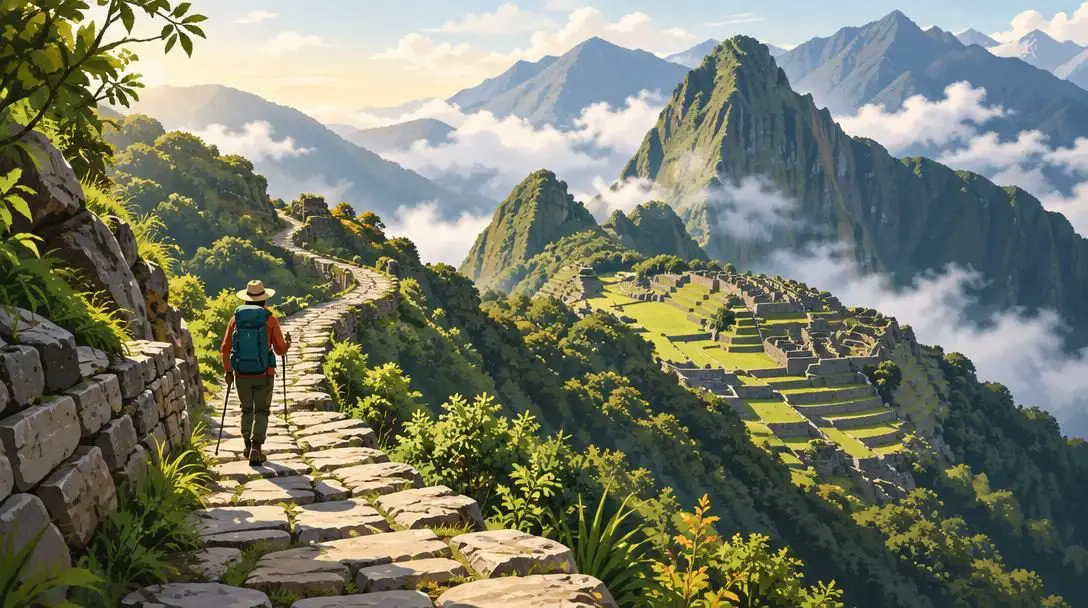
The Inca Trail in Peru is universally celebrated for pairing rugged mountain scenery with living archaeological heritage. Winding through the Andes, this 26-mile stone path leads hikers past terraced mountain ruins, misty cloud forests, and high-altitude mountain passes before culminating at the Sun Gate overlooking the historic citadel of Machu Picchu. Because the trail climbs to extreme elevations where oxygen is thin, completing the four-day trek requires deliberate cardiovascular endurance, mental resilience, and adequate time spent acclimatizing in regional centers before starting out.
Milford Track
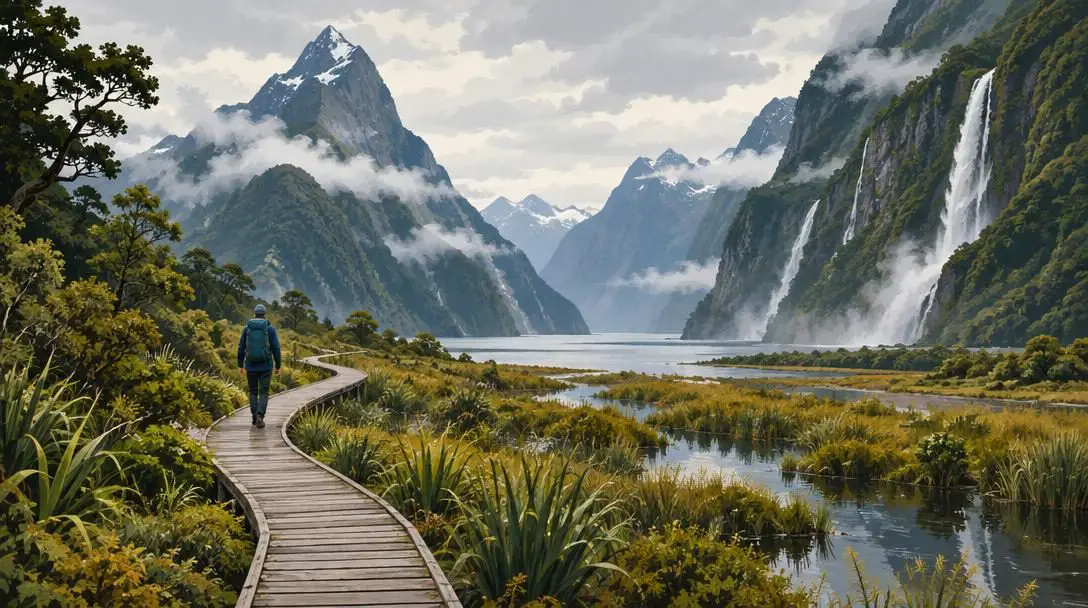
- Distance: 33 miles
- Duration: About 4 days
- Location: South Island, New Zealand
- Primary terrain: Valleys, wetlands, and fiords
Located in the heart of New Zealand's South Island, the Milford Track provides 33 miles of pristine temperate wilderness. Over four days, hikers follow glacially carved valleys, traverse elevated alpine boardwalks across fragile wetlands, and witness thundering waterfalls fed by some of the highest rainfall rates on Earth. The trail finishes at the dramatic waters of Milford Sound. Managed under strict conservation standards to protect native ecosystems, the route requires hikers to walk in a single direction and stay at pre-allocated public or private huts along the corridor.
Tour du Mont Blanc
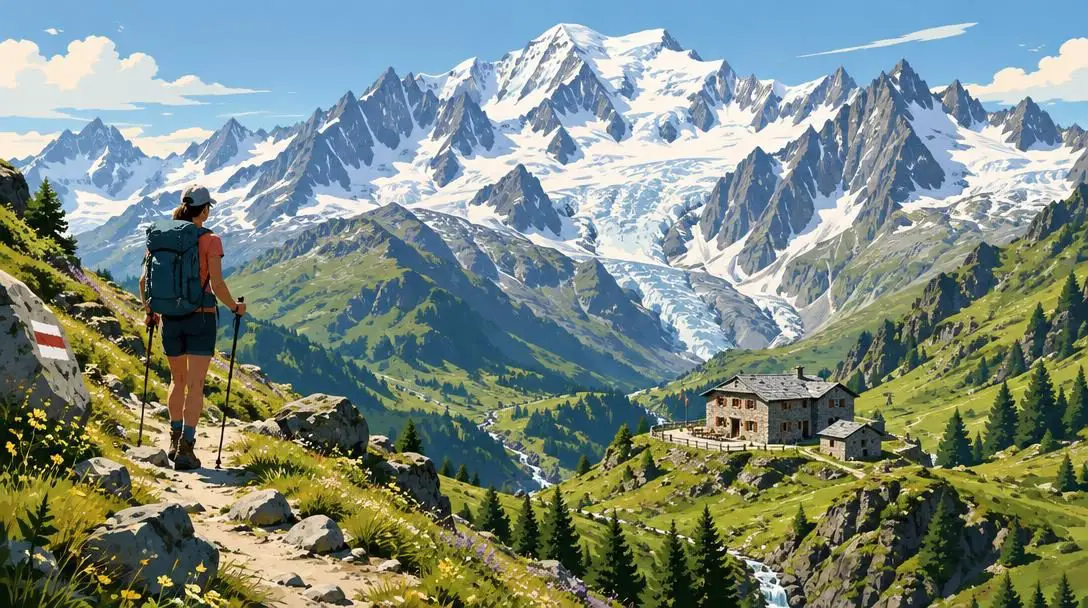
- Distance: 105 miles
- Duration: 10 to 12 days
- Countries crossed: France, Italy, and Switzerland
- Geographical feature: Mont Blanc massif
The Tour du Mont Blanc is Western Europe's premier long-distance footpath, encircling the Mont Blanc massif over a distance of approximately 105 miles. Trekkers cross international borders on foot between France, Italy, and Switzerland, ascending high mountain cols and descending into lush alpine valleys each day. Requiring 10 to 12 days of consistent effort, the trail rewards participants with sweeping views of vast hanging glaciers, sheer granite needles, and classic European mountain architecture. It is an exceptional test of sustained leg strength, as daily vertical gain and loss routinely exceed several thousand feet.
Traversing international borders on foot through high mountain cols demands immense physical endurance, yet it connects travelers directly to the living history of the landscape.
Torres del Paine Circuit
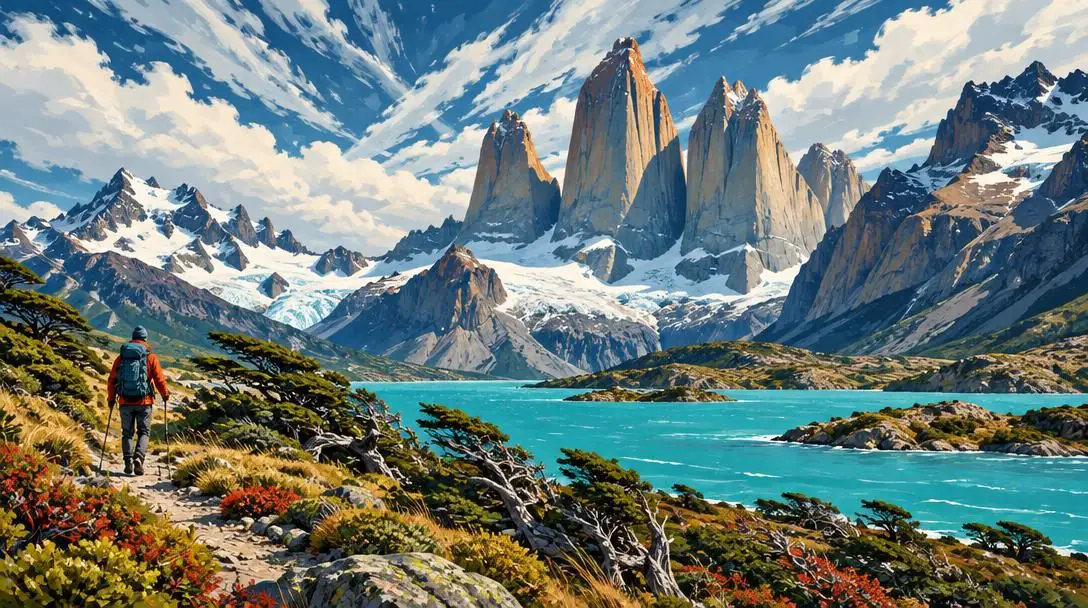
- Distance: 52 miles
- Duration: 7 to 9 days
- Location: Patagonia, Chile
- Landscape: Granite spires, glacial fields, and lakes
Known commonly as the "O Circuit," the Torres del Paine Circuit is a 52-mile loop through the Southern Andes within Chile's Patagonian wilderness. Taking between seven and nine days to negotiate, the trail circumnavigates the iconic Paine Massif. Hikers encounter immense fields of blue glacial ice, turquoise meltwater lakes, and the jagged vertical towers of granite that give the park its name. The route exposes adventurers to Patagonia's notoriously volatile weather systems, where high winds and rapid temperature swings can shift from calm sunlight to freezing squalls within minutes.
Mount Kilimanjaro
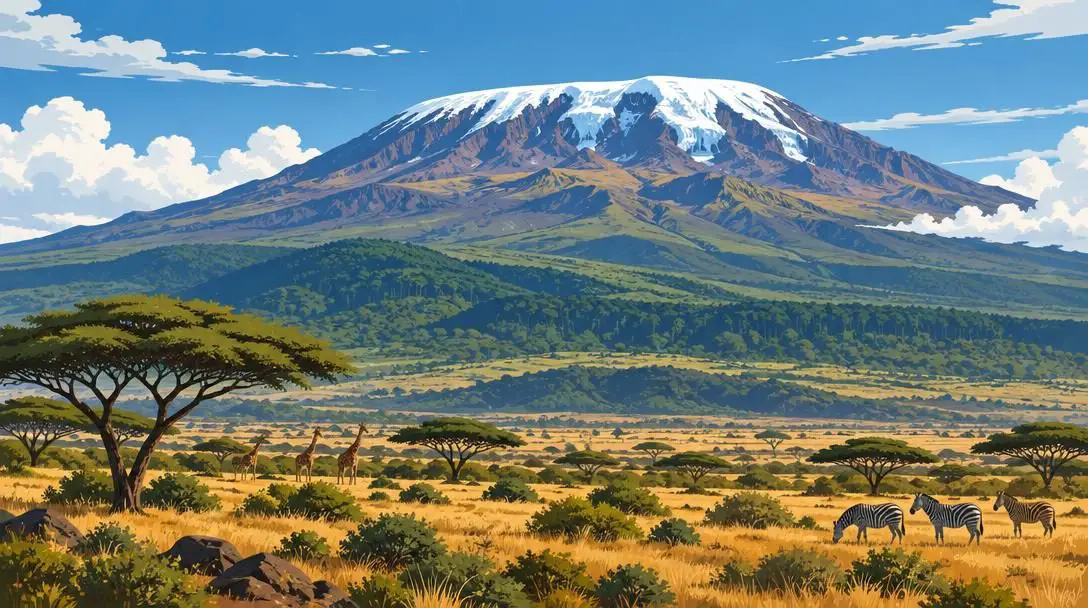
- Peak status: Highest freestanding mountain in Africa
- Duration: 6 to 9 days
- Ecological zones: Rainforest, moorland, alpine desert, arctic summit
- Expedition style: Fully supported guided trek
Rising above the plains of northeastern Tanzania, Mount Kilimanjaro offers one of the world's greatest non-technical mountaineering challenges. Reaching the summit takes between six and nine days depending on the chosen route, allowing the human body crucial time to adapt to extreme elevation. Over the course of the ascent, trekkers pass through five distinct ecological bands, starting in dense tropical rainforest before climbing through heath, moorland, high alpine desert, and finally an arctic landscape of glaciers and volcanic scree near the peak. The journey requires strong mental resolve, a licensed guiding crew, and strict attention to personal health as atmospheric pressure drops.
How multi-day trekking works: Logistics, shelters, and physical demands
Completing a multi-day wilderness trek requires far more planning than undertaking a series of disconnected day hikes. Long trails operate within delicate ecological, regulatory, and physical systems that dictate everything from how you carry your gear to where you are legally permitted to rest each evening.
Permits and regulatory oversight: Because iconic trails wind through national parks and sensitive conservation reserves, regulatory authorities limit foot traffic to prevent erosion, reduce waste, and protect wildlife. On the Inca Trail and Mount Kilimanjaro, independent trekking is strictly forbidden by law; visitors must register through licensed tour agencies and travel with certified local guides. On trails like the Milford Track and Torres del Paine Circuit, daily entry caps are enforced through mandatory reservations. Travelers must secure their permits months in advance before confirming transport.
Shelter models and trail logistics: The daily rhythm of a trek depends heavily on the lodging infrastructure established along the route:
- Regulated hut networks: The Milford Track uses serviced wilderness huts with shared bunkrooms and cooking facilities. Hikers carry their own sleeping bags and food but do not need to pack heavy tents. Similarly, the Tour du Mont Blanc features mountain refuges and valley auberges offering dormitory beds and communal dinners.
- Designated backcountry campsites: The Torres del Paine Circuit balances rustic full-service refugios with designated campsites. Hikers carrying full backpacks must pitch their tents strictly within marked perimeters to prevent damage to fragile subpolar vegetation.
- Fully supported porter expeditions: On Mount Kilimanjaro and the Inca Trail, local teams of porters, camp cooks, and guides transport the bulk of expedition supplies. Porters set up camp and prepare hot meals, meaning hikers carry only a lightweight daypack containing clothing layers, water, and personal trail essentials.
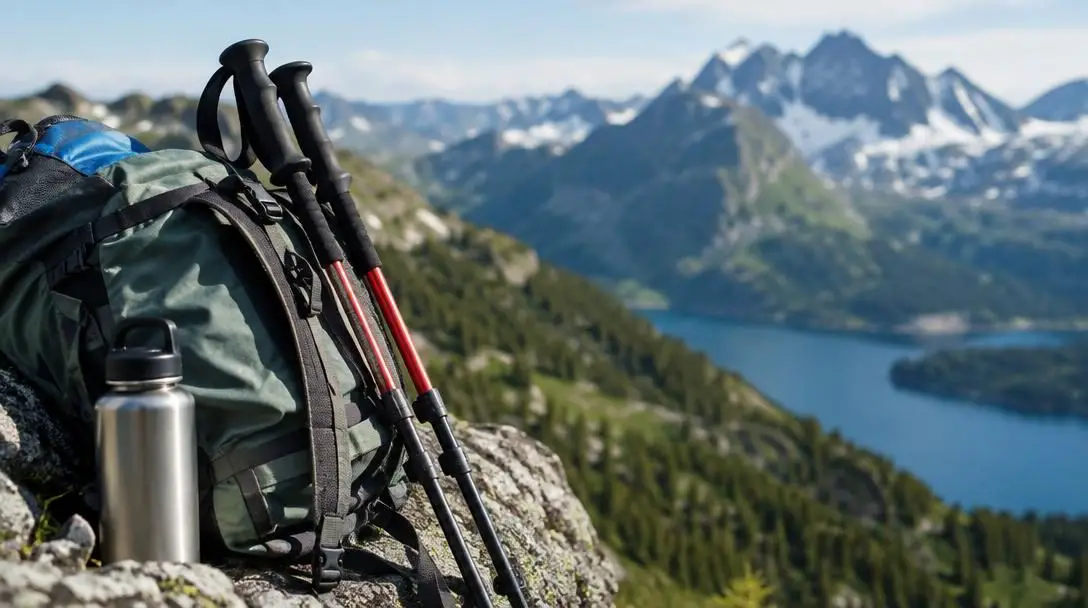
Physical demands and joint conservation: Multi-day hiking demands sustained exertion across rugged surfaces, including slick mud, loose scree, and hundreds of stone steps. Using trekking poles helps redistribute the mechanical load away from the knees and hips, providing crucial stability on steep downhills. High elevations create additional physiological stress. On routes rising thousands of feet above sea level, thin air reduces oxygen saturation, requiring hikers to slow their pace, breathe deeply, and consume significantly more fluids than they would at lower altitudes.
Step-by-step guide to planning an international expedition
Transitioning from an ambitious travel concept to the first step on an international trail requires a methodical, organized approach. Following a structured planning timeline prevents logistical oversights and physical setbacks.
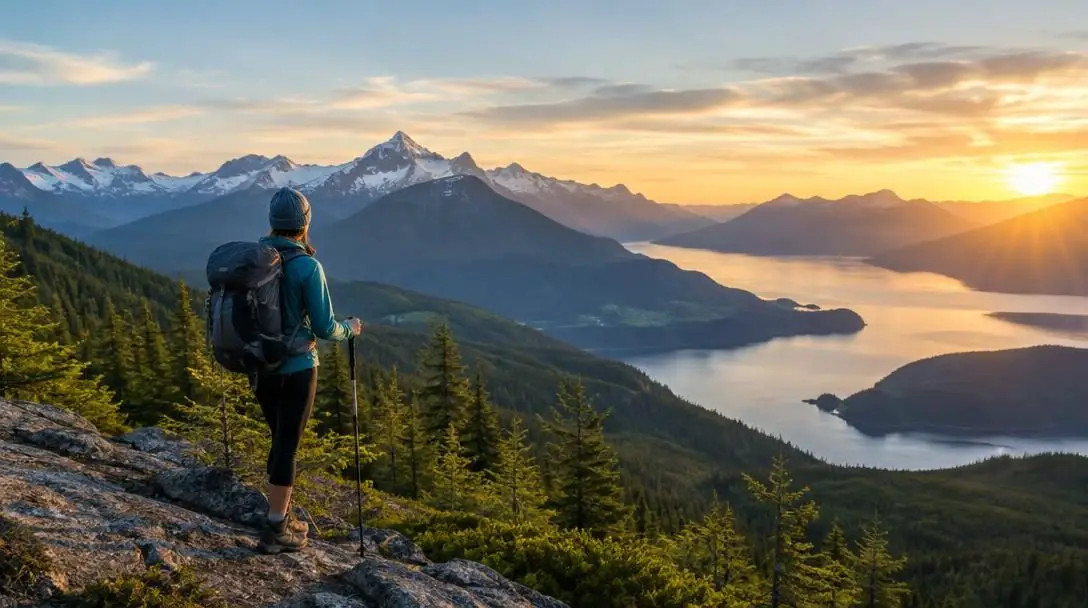
- Select the right route for your capabilities: Objectively evaluate your current baseline fitness, your comfort with primitive living conditions, and the amount of vacation time available. A four-day hut walk across New Zealand requires very different gear and stamina than a multi-week alpine trek across three European nations.
- Secure permits and registered guiding operators early: Identify the exact date when booking windows open for your intended destination. Permits for high-demand corridors like the Inca Trail or Milford Track frequently sell out within hours of release. If hiring a guiding company, research their safety record and compliance with local labor standards.
- Coordinate international transit and gateway logistics: Book flights, regional rail connections, and local bus shuttles to the trail's trailhead town. Factor in at least one or two rest days prior to beginning your hike to accommodate flight delays, lost luggage, and initial acclimatization.
- Follow a progressive physical training regimen: Begin training three to six months prior to departure. Focus on steady cardiovascular endurance, core stabilization, and leg strength. Complete weekly training hikes carrying a weighted backpack over variable inclines to condition your tendons and joints for sustained ascents.
- Acquire, inspect, and break in your gear: Purchase high-grade outdoor equipment designed for the specific climate you will encounter. Wear your hiking boots on numerous practice hikes to soften the leather, seat the insoles, and identify hot spots before setting foot on a remote trail.
- Finalize health requirements and international paperwork: Ensure your passport remains valid for at least six months past your return date. Review destination visa rules, visit a travel clinic for regional vaccinations, and obtain appropriate altitude medications if your route crosses high mountain passes.
Critical pitfalls to avoid on long-distance treks
Even seasoned outdoor enthusiasts can encounter serious difficulties when traveling across remote international terrain. Avoiding these common mistakes will safeguard your well-being and keep your expedition on schedule.
- Deploying unproven footwear and equipment: Wearing brand-new boots straight from the store is the fastest way to develop debilitating blisters that can prematurely end a multi-day trip. Similarly, untested rain shells or poorly fitted backpacks can turn bad weather into a severe hypothermia risk.
- Carrying an overloaded backpack: Bringing excessive non-essential clothing, heavy electronics, or unnecessary toiletries rapidly drains physical stamina. Every surplus pound increases stress on the ankles, knees, and back. Focus strictly on lightweight, quick-drying layering systems.
- Pacing too fast at high elevations: Pushing your speed on the lower sections of high-altitude routes depletes essential muscular glycogen and drastically spikes your risk of acute mountain sickness. Hikers must adopt a slow, rhythmic gait and drink plenty of water to give their bodies time to adapt to declining oxygen levels.
- Failing to confirm reservations in advance: Assuming that backcountry permits or mountain hut bunks can be purchased upon arrival is a major mistake. Popular national parks turn away travelers who arrive without valid documentation.
- Violating environmental Leave No Trace standards: Discarding organic food scraps, washing dishes directly in pristine alpine streams, straying off marked trails, or leaving waste degrades fragile wilderness corridors. Trekkers must pack out every piece of refuse they generate.
Broader considerations: Seasons, impact, and risk management
Before confirming your journey, take time to analyze the seasonal patterns, cultural responsibilities, and emergency protocols unique to global wilderness trekking.
Seasonal timing and climate patterns: High-altitude trails follow distinct seasonal cycles. In Patagonia, the primary trekking window runs during the Southern Hemisphere summer, though severe gale-force winds remain a daily reality. The European Alps offer accessible hiking conditions from mid-summer into early autumn when high mountain passes clear of snow. Meanwhile, Peru's Inca Trail closes entirely during the month of February for extensive conservation and trail maintenance. Verifying regional weather windows prevents you from arriving during monsoon rains or unpassable blizzards.
Cultural responsibility and local economic impact: World-class routes frequently traverse indigenous homelands and rural mountain communities. Approach these areas with humility and cultural sensitivity. Trekkers should patronize locally owned village supply shops, respect sacred historical landmarks, and pay fair wages and tips to local porters and mountain guides. Reducing single-use plastics by carrying reusable bottles and water-treatment systems prevents municipal waste problems in remote areas without trash infrastructure.
Specialized medical and evacuation insurance: Standard travel insurance policies almost universally exclude mountaineering, search-and-rescue operations, and trekking above specific altitude thresholds (often 9,000 to 10,000 feet). A medical emergency or severe weather stranding on Mount Kilimanjaro or in the Patagonian backcountry can result in astronomical costs for helicopter evacuation and hospital treatment. Read policy fine print carefully to guarantee that your emergency coverage covers high-elevation hiking and remote wilderness rescue.
Frequently asked questions
Do I need to be an experienced mountaineer to hike these trails?
No. None of these five classic routes require technical mountaineering skills, ropes, or ice axes under normal trekking season conditions. However, they do require high cardiovascular endurance, excellent leg strength, and the ability to walk for multiple consecutive days over steep, uneven terrain while carrying gear.
How far in advance should I book permits for these routes?
For strictly regulated corridors like the Inca Trail, the Milford Track, and the Torres del Paine Circuit, permits and hut reservations frequently open six to twelve months in advance and can sell out almost immediately. Plan your expedition at least six to nine months ahead to secure your desired dates.
Can I hike the Inca Trail or Mount Kilimanjaro without a guide?
No. Both the Peruvian government and the Tanzanian National Parks Authority require all trekkers on these specific routes to be accompanied by certified, registered local guides. This rule protects fragile archaeological and natural resources, maintains trekker safety, and supports local economies.
What should I do if I experience symptoms of altitude sickness?
If you experience headaches, nausea, dizziness, or fatigue at high elevations, inform your guide or trail companions immediately. Stop ascending, rest, drink fluids, and monitor your condition. If symptoms do not improve or begin to worsen, the only definitive remedy is immediate descent to a lower altitude.
Is drinking water readily available along multi-day trails?
Water sources are common along most routes, whether provided at mountain huts, gathered from natural streams, or boiled by camp cooks on supported expeditions. However, backcountry water must always be treated using microfiltration, chemical tablets, or rolling boils before drinking to eliminate harmful bacteria and parasites.
The bottom line
Stepping onto a world-class long-distance trail is an extraordinary investment in physical vitality and personal perspective. While navigating ancient stone ruins, alpine passes, and glacial valleys requires months of careful training, logistical precision, and financial commitment, the rewards are unmatched. By honoring local regulations, moving at a measured pace, and treading lightly upon the earth, you ensure that these breathtaking landscapes remain wild, protected, and inspiring for generations of adventurers to come.