The Secrets of Mountain Climbing: Tips for Conquering the Peaks
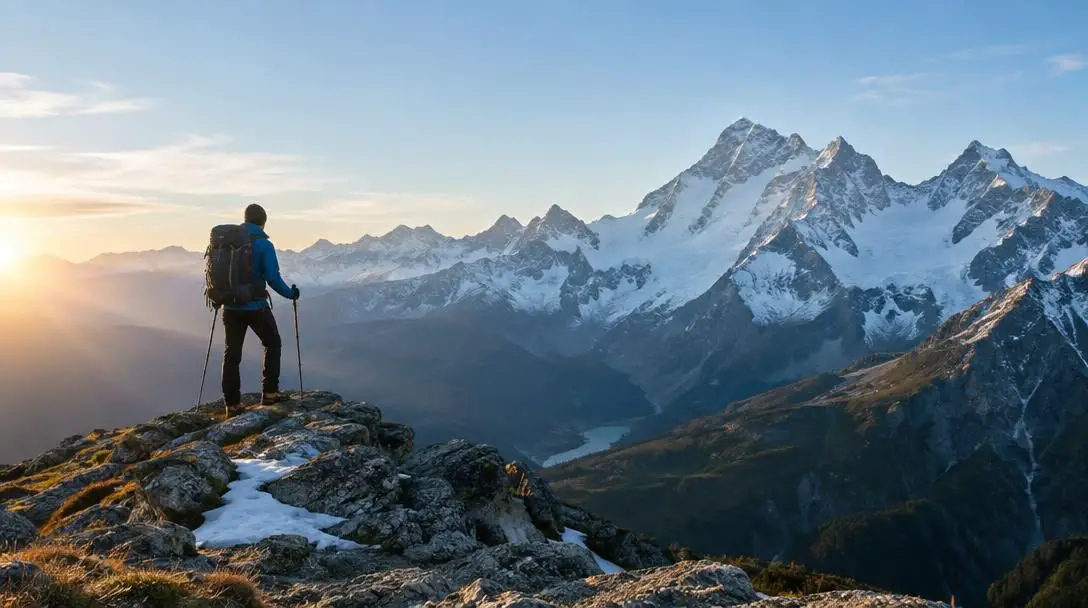
Mountain climbing offers a profound encounter with the wild world, testing physical endurance, mental resolve, and self-reliance well above the tree line. Standing atop a windswept summit delivers a rare perspective on natural landscapes, yet high-altitude peaks remain fundamentally unforgiving environments where steep terrain, loose stone, thin air, and volatile weather test every mountaineer.
Modern equipment and accessible training resources have made the high peaks more approachable than ever, but the intrinsic hazards of mountain environments remain entirely unchanged. Conquering a peak safely demands methodical preparation, disciplined physical training, reliable gear systems, and clearheaded decision-making at every stage of the journey.
Key takeaways
- Rigorous physical conditioning across cardiovascular endurance, leg strength, flexibility, and gradual acclimatization forms the baseline for safe high-altitude ascents.
- Mountaineering safety relies on a deliberate three-tier layering system, supportive footwear, dual navigation tools, and certified technical safety gear.
- Mental strategies such as micro-goal setting, visualization, and controlled breathing help climbers maintain situational awareness and calm under acute physical stress.
- Safe movement over rock requires deliberate foot placement, balanced body positioning, sound rope management, and transparent team communication.
- Disciplined planning, continuous weather monitoring, Leave No Trace environmental stewardship, and prompt turnaround times prevent common mountaineering emergencies.
Physical Conditioning: Building an Altitude-Ready Body
Ascending a mountain incline with a loaded pack places your heart, lungs, and skeletal muscles under continuous strain for hours at a time. Without dedicated conditioning, physical fatigue rapidly degrades coordination, impairs balance, and increases the risk of missteps on technical terrain. Developing an altitude-ready body requires a balanced fitness regimen targeting multiple physiological systems.
Cardiovascular fitness provides the foundational engine needed to move uphill steadily without premature exhaustion. Aerobic exercises such as distance running, road or stationary cycling, and lap swimming enhance stroke volume and pulmonary efficiency, enabling your cardiovascular system to transport limited oxygen more effectively throughout sustained ascents.
Muscular endurance replicates the specific, grinding workload of summit day. Long trail hikes, off-road trail runs, and repeated stair-climbing sessions with a weighted backpack condition the stabilizing muscles, tendons, and connective tissues of the lower body to endure repetitive impact across uneven slopes.
Lower-body strength directly dictates your ability to power through high steps, balance over shifting scree, and absorb shock while downclimbing. Incorporating squats, walking lunges, and calf raises builds the necessary power in your quadriceps, hamstrings, glutes, and calves while safeguarding delicate knee and ankle joints.
Flexibility and mobility allow climbers to reach awkward footholds, maneuver over rock ledges, and maintain agility when terrain turns vertical. Routine stretching and dedicated yoga sessions preserve range of motion in the hips, ankles, and spine while expediting muscular recovery between hard pushes.
In addition to baseline fitness, gradual acclimatization is an absolute operational requirement. As elevation climbs, atmospheric pressure drops, reducing the effective volume of oxygen delivered in every breath. Ascending in staged intervals allows the body to adapt to hypoxic conditions, drastically reducing the threat of debilitating altitude sickness.
Mental Toughness: Cultivating Alpine Fortitude
While physical stamina propels the body upward, psychological fortitude governs whether a climber pushes through discomfort or makes safe decisions under duress. High-altitude environments present isolation, bitter cold, heavy loads, and relentless inclines that wear away at cognitive sharpness. Fostering psychological resilience ensures you maintain clear judgment when fatigue sets in.
A key strategy involves breaking ambitious goals into manageable waypoints. Staring up at a towering summit ridge thousands of feet above can trigger mental paralysis and feelings of defeat. Segmenting the route into distinct intermediate milestones—such as a prominent boulder field, a rest ledge, or a distinct contour line—keeps your focus locked on the immediate task.
By focusing on intermediate waypoints rather than an intimidating summit miles away, climbers keep their attention grounded in the present moment.
Climbers also rely on structured mental training techniques to moderate psychological distress. Visualization exercises allow you to mentally walk through challenging sections, rehearse hand and foot placements, and plan responses to sudden rockfall or foul weather before stepping foot on the trail. Complementing visualization with focused meditation and constructive internal dialogue counteracts self-doubt during grueling, pre-dawn summit pushes.
When standing over severe exposure or navigating technical cruxes, your body naturally initiates a fight-or-flight stress reaction. Employing deliberate stress-management techniques, such as rhythmic deep breathing and progressive muscle relaxation, lowers the heart rate, halts panic, and restores fine motor control when composure matters most.
Essential Gear: Selecting Your Alpine Life-Support System
In the alpine zone, your gear serves as your personal life-support system against rapid temperature drops, driving precipitation, and sharp rock surfaces. Using substandard, damaged, or improperly fitted equipment invites hypothermia, blisters, and mechanical failure.
A dependable mountaineering kit centers on a versatile three-tier clothing system engineered to adapt to broad temperature swings:
- Base layer: Moisture-wicking synthetic or merino wool fabrics that sit directly against the skin to draw perspiration away and prevent chill during rest periods.
- Insulating layer: Fleece, synthetic fill, or down jackets that trap radiant body heat within an airy internal matrix without adding excessive bulk.
- Outer shell: Breathable, waterproof, and windproof technical jackets and pants designed to deflect torrential downpours, sleet, and gale-force alpine gusts.
Equally critical is trail-tested footwear. Dedicated mountain boots featuring rigid shanks, durable uppers, deep tread patterns, and robust ankle support provide the necessary purchase across wet slab, mud, scree, and hard snow. Pair your boots with a lightweight, ergonomic backpack that transfers weight securely to the pelvic girdle, stabilizing your center of mass across technical moves.
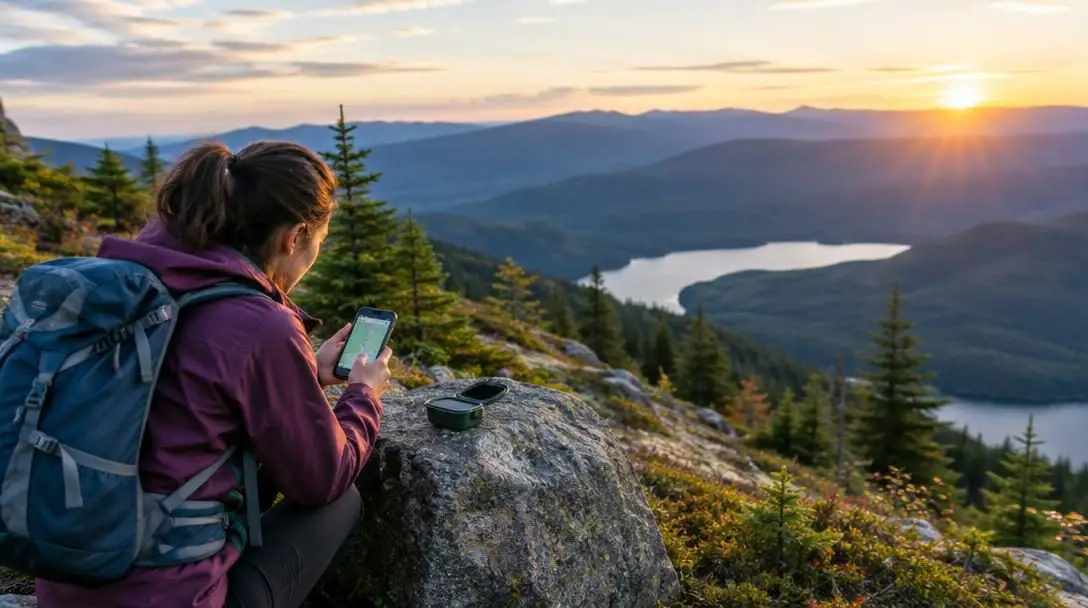
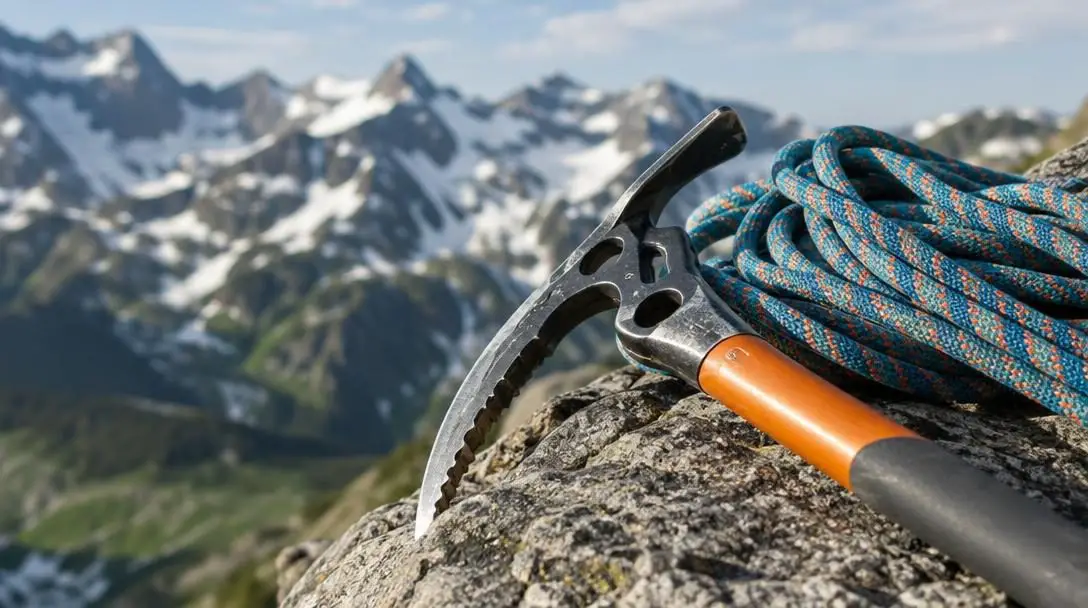
Technical security relies on certified safety equipment, including impact-rated climbing helmets that shield against rockfall kicked loose from above, dynamic ropes engineered to absorb fall forces, and rated carabiners. For route-finding, always maintain redundancy: carry both modern digital GPS tools and analog topographic paper maps accompanied by a reliable magnetic compass.
| Gear Category | Primary Mountain Function | Critical Features to Look For |
|---|---|---|
| Base Layer | Moisture and temperature regulation | Hydrophobic synthetic or merino wool fibers; zero cotton |
| Insulating Layer | Thermal retention around body core | High warmth-to-weight ratio; compressible down or damp-resistant synthetic fill |
| Outer Shell | Environmental protection | Durable waterproof membranes; windproof construction; sealed seams |
| Footwear | Traction, joint stability, and protection | Stiff soles; deep lug patterns; integrated ankle support; weatherproofing |
| Navigation Kit | Route tracking and situational orientation | Battery-independent topographic map and magnetic compass alongside satellite GPS |
| Technical Safety | Fall arrest and impact defense | UIAA- or CE-rated climbing helmets, dynamic climbing ropes, and locking carabiners |
Climbing Techniques and Rope Management
Raw strength cannot compensate for inefficient movement mechanics. Climbing efficiently requires an understanding of balance, gravity, and rock contact points, allowing you to ascend hundreds of vertical feet while expending minimal physical reserves.
Mastering efficient footwork and body positioning represents the core of technical mountain travel. Rather than pulling your torso upward with your arms, focus on placing the soles of your boots deliberately on stable rock edges, keeping your weight centered squarely over your feet. Keeping your hips close to the wall maintains an optimal center of gravity and maximizes friction against the rock face, preserving upper-body energy for necessary stability holds.
When crossing glaciated terrain, exposed ridges, or vertical pitches, competent rope management and anchor protocols are essential to party safety. Mountaineers must know how to tie reliable knots, construct redundant multi-point anchor systems, execute secure belays, and flake ropes cleanly to avoid debilitating snarls. Errors in rope handling can translate directly into catastrophic system failures.
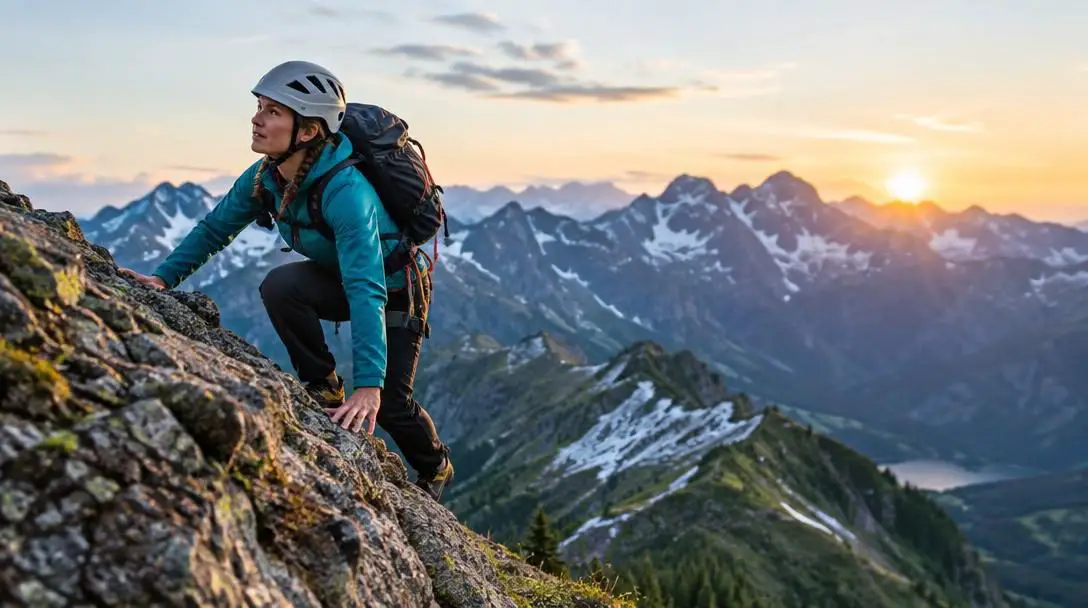
Before venturing into technical high-angle terrain, complete a formal course taught by certified mountain guides. Instructional environments allow you to practice self-arrest techniques with an ice axe, build confidence in belaying partners, and master crevasse rescue under controlled conditions.
Finally, safe rope teams rely on precise verbal communication. Wind, rushing water, and distance can swallow standard conversation. Establishing clear, standard verbal calls and secondary hand signals before leaving camp eliminates ambiguity regarding who is secured to an anchor, who is climbing, and when a belay is live.
Environmental Stewardship and Mountain Hazards
Alpine ecosystems exist in fragile balance, surviving short growing seasons and extreme cold. High visitor traffic can quickly degrade delicate meadows, erode unstable scree fields, and disrupt resident fauna. Practicing comprehensive Leave No Trace ethics ensures that these wild spaces remain pristine for generations to come.
- Pack out all waste: Carry every scrap of packaging, food remnants, and personal trash off the mountain; never bury refuse in shallow alpine soil.
- Minimize campfire impacts: Rely entirely on portable camp stoves for cooking to eliminate scorched ground and preserve scarce alpine brush and timber.
- Preserve designated trails: Walk directly along marked pathways rather than cutting switchbacks, preventing severe hillside erosion and protecting delicate alpine flora.
- Respect wildlife distance: Observe large fauna from a safe distance, never offer food, and store all scented items in secure bear-resistant canisters or designated hangs.
Beyond environmental stewardship, climbers must maintain vigilant awareness of volatile mountain weather. Sunny conditions at dawn can give way to blinding snow squalls, high winds, or severe electrical storms by early afternoon. Constantly observe cloud buildup, wind shifts, and barometric drops, and remain willing to alter your schedule the moment conditions deteriorate.
In regions inhabited by large predators, such as bears or mountain lions, carry accessible deterrents like bear spray and practice situational awareness by vocalizing along blind trail corners to avoid surprise encounters.
Step-by-Step Protocol: Planning and Executing the Ascent
Safe mountaineering outcomes are established days and weeks before arriving at the trailhead through methodical logistical planning and execution.
- Conduct comprehensive route research: Review detailed topographic maps, guidebook entries, technical pitch ratings, elevation profiles, and primary emergency escape routes off the peak.
- Inspect and organize equipment: Examine climbing ropes for internal core fraying, test headlamp batteries, clean boot lugs, and inspect protective shells for delamination or torn seams.
- Analyze short-term mountain forecasts: Check point forecasts focused on summit-level wind speeds, freezing levels, and incoming frontal systems rather than valley floor weather.
- File a detailed trip itinerary: Leave an exact route plan, vehicle description, roster of group members, and strict return deadline with a responsible contact off the mountain.
- Perform regular pacing and health assessments: Stop at pre-established intervals along the ascent to confirm all team members are eating, drinking fluids, moving well, and showing no symptoms of altitude sickness.
- Enforce turnaround times and descend promptly: Adhere strictly to a predetermined turnaround hour regardless of how close you are to the summit, ensuring sufficient daylight and energy for the descent.
Critical Mistakes to Avoid on the Mountain
Even seasoned mountaineers can place themselves in compromised situations when fundamental disciplines lapse. Being conscious of frequent alpine errors helps keep your party safe.
- Ignoring early altitude sickness symptoms: Brushing off mild headaches, nausea, or dizziness as minor fatigue can allow acute mountain sickness to progress into life-threatening pulmonary or cerebral edema.
- Succumbing to summit fever: Pushing past established turnaround times or climbing through clear warning signs of incoming storms due to emotional fixation on reaching the top.
- Underestimating the descent: Treating the summit as the finish line rather than the midpoint; the majority of mountaineering accidents occur on the way down due to fatigue, failing light, and reduced concentration.
- Relying exclusively on electronic navigation: Depending entirely on smartphones or battery-powered GPS devices that can suddenly die in freezing temperatures without carrying backup paper maps.
- Neglecting continuous caloric and fluid intake: Waiting until you feel parched or exhausted to consume energy, leading to sudden cognitive crashes and dehydration-induced hypothermia.
Frequently asked questions
How can I prevent altitude sickness when climbing high peaks?
Gradual acclimatization is the primary method to prevent altitude sickness. Plan your ascent schedule so that elevation gains are staged gradually, allowing your body time to adapt to lower oxygen pressures. Stay thoroughly hydrated, avoid overexertion on early stages, and descend immediately if you experience persistent headaches, nausea, or dizziness.
Why is cotton clothing discouraged in mountain environments?
Cotton absorbs moisture and holds it directly against your skin, losing all insulating value when wet. In alpine environments, damp cotton accelerates conductive heat loss, dramatically increasing your risk of hypothermia. Choose hydrophobic synthetics or merino wool instead.
Why do most mountain accidents occur during the descent?
Downclimbing places high eccentric strain on fatigued leg muscles, degrades fine balance, and demands high concentration when physical and mental reserves are already depleted. Furthermore, afternoon weather systems and melting snow bridges often compound descent hazards.
Do I need formal instruction before attempting a technical mountain climb?
Yes. Proper rope management, anchor building, belaying, and self-arrest techniques require supervised, hands-on practice. Enrolling in courses taught by certified mountain guides ensures you understand standardized safety protocols before applying them in remote alpine terrain.
What should I do if a thunderstorm catches my group on an exposed ridge?
Descend from ridges, summits, and isolated high points immediately. Avoid shallow caves or overhanging rock faces, separate group members by several yards to minimize secondary strike hazards, and crouch on an insulating surface, such as your foam pack, with your feet together.
The bottom line
Reaching an alpine summit represents one of the most rewarding pursuits in outdoor recreation, combining physical athleticism with the quiet beauty of wild mountain landscapes. Yet successful mountaineering is fundamentally built on humility, rigorous preparation, and disciplined decision-making. By conditioning your body, mastering technical skills, carrying reliable gear, and respecting environmental conditions, you ensure that every venture into high country ends with a safe journey home.