A Journey into the World of Scuba Diving: Tips for Beginners
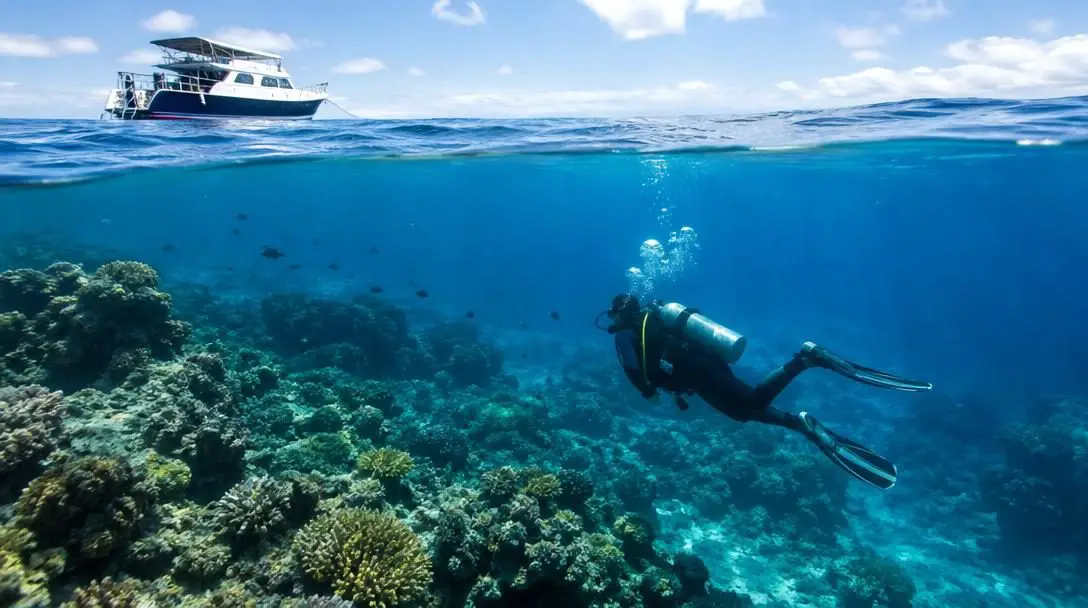
Scuba diving is an extraordinary activity that opens a portal into the underwater world, offering a sense of freedom, peace, and weightlessness that is virtually impossible to replicate on land. Gliding beneath the surface introduces divers to vibrant marine ecosystems, dramatic undersea topographies, and a quiet realm observed by only a small fraction of travelers. However, entering an environment incapable of naturally sustaining human life demands rigorous preparation, specialized technical knowledge, and an unwavering commitment to personal safety.
For beginners, taking the first plunge can feel both exhilarating and intimidating. Translating basic curiosity into a safe, sustainable lifelong pastime requires deliberate training, steady habits, and respect for aquatic conditions. By understanding the core mechanics of your life-support equipment, preparing your body and mind before stepping into the water, and mastering foundational underwater techniques, you can explore the depths with confidence and composure.
Key takeaways
- Scuba diving relies on a self-contained apparatus that balances ambient water pressure to allow steady breathing underwater.
- A certified medical check-up, thorough gear inspections, and clear dive buddy communication form the non-negotiable foundation of dive safety.
- Beginners should always prioritize dive sites that feature calm waters, gentle conditions, minimal currents, and high visibility.
- Maintaining neutral buoyancy and moving at a relaxed pace prevents physical exhaustion and significantly conserves your breathing gas supply.
- Renting dive gear allows novices to explore the sport affordably before investing in custom-fitted personal equipment.
What Is Scuba Diving and How Does It Work?
The word scuba originated as an acronym for self-contained underwater breathing apparatus. Unlike breath-hold freediving, which limits underwater duration to what a single breath can support, or surface-supplied diving, where an air hose connects the diver to a boat, scuba divers carry their complete gas supply directly on their backs. This self-contained setup provides the freedom to swim, navigate, and hover within aquatic environments for extended periods without immediate surface intervention.
Recreational diving developed over decades by combining precision engineering with structured instructional curriculums. The core principle of scuba relies on delivering air at a pressure that matches the surrounding water pressure, known as ambient pressure. Because water is significantly denser than air, pressure increases steadily as a diver descends. Scuba equipment automatically compensates for these shifts, allowing your lungs to expand and contract naturally without fighting the surrounding hydrostatic force.
Essential Equipment for Beginner Divers
Because scuba takes place in an alien environment, equipment is not merely an accessory; it is your personal life-support and propulsion system. While comprehensive gear setups can be costly to purchase outright, renting gear at the start of your training is an economical way to discover what fits best before committing to significant expenses. Every beginner must become intimately familiar with six core pieces of equipment.
Scuba Mask
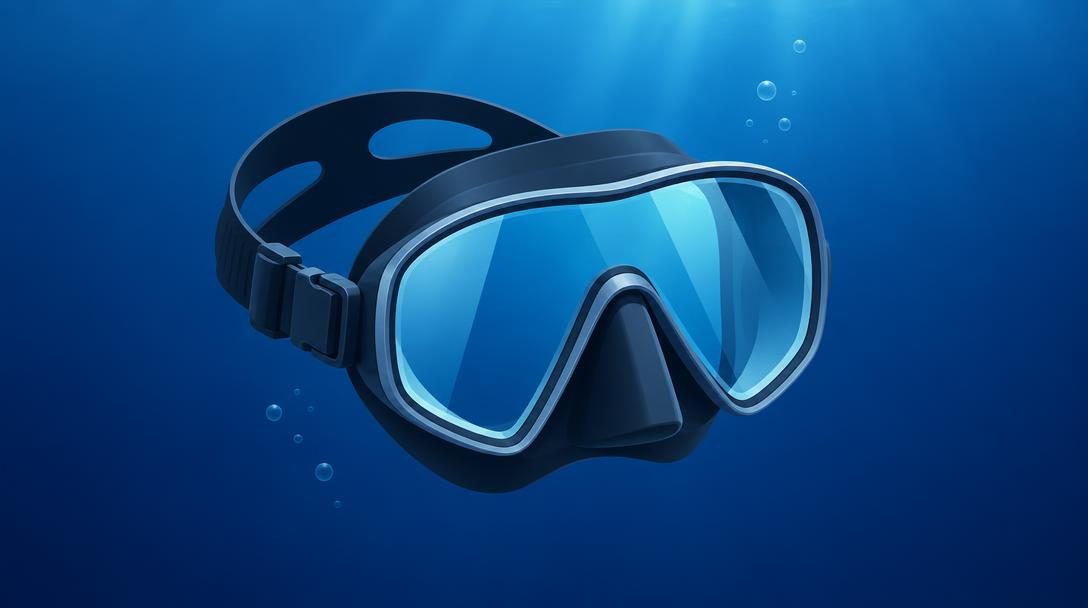
The human eye is biologically adapted to refract light through air, which makes underwater vision blurry when exposed directly to water. A scuba mask creates an air pocket in front of your eyes so that light can refract properly, allowing you to view marine surroundings clearly. Unlike a swimming goggle, a dive mask encloses your nose, which enables you to equalize the air pocket as you descend to prevent mask squeeze.
Diving Fins
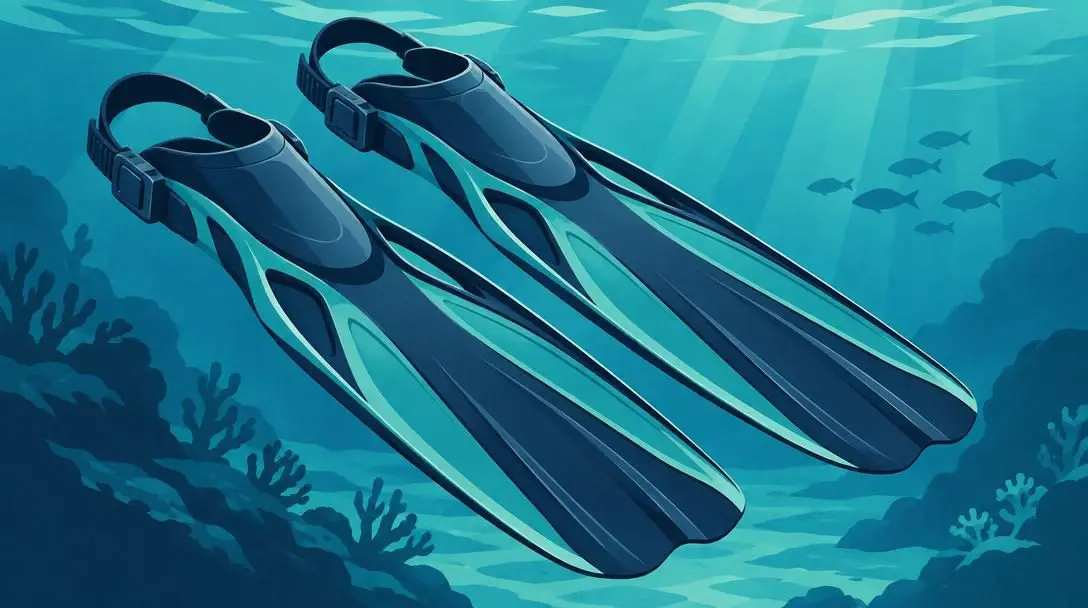
Human feet are relatively ineffective at generating forward thrust in water. Diving fins provide the necessary surface area and hydrodynamic propulsion to move smoothly through the water column using the large muscle groups of your legs. Using fins correctly prevents you from overexerting yourself or relying on arm movements, which waste precious energy and deplete your air supply.
Regulator
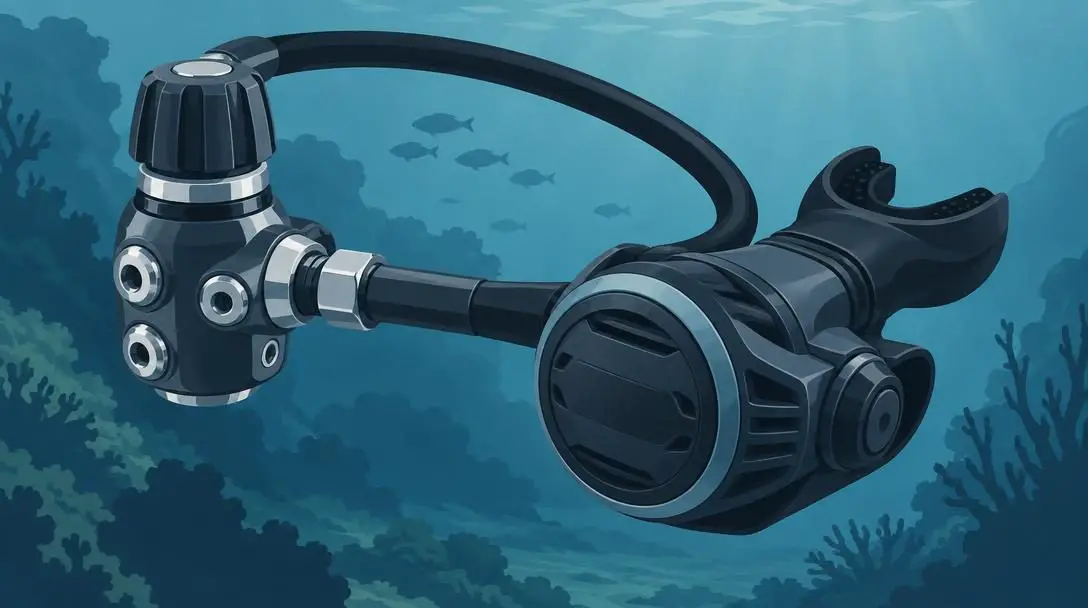
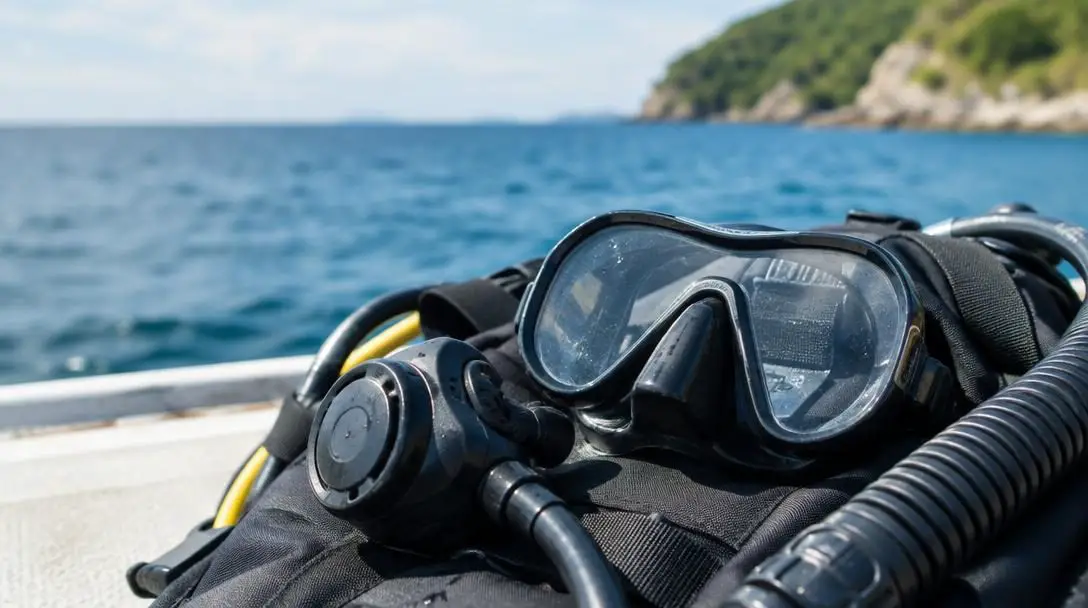
A scuba cylinder stores gas at pressures far too high for direct human inhalation. The regulator serves as the mechanical bridge between that pressurized tank and your lungs. It reduces the cylinder's high pressure in two distinct stages, delivering breathable air at ambient environmental pressure smoothly through a comfortable mouthpiece whenever you inhale.
Scuba Tank
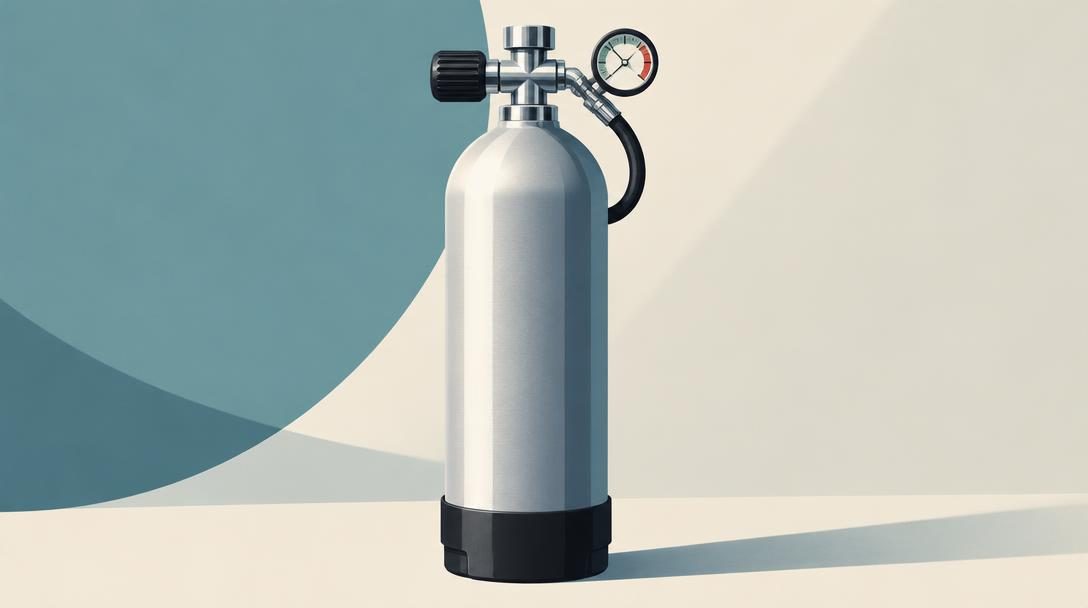
The scuba tank, or cylinder, is a heavy-duty vessel engineered from aluminum or steel that safely stores compressed breathing gas. Built to withstand immense internal pressure, the tank acts as your mobile reservoir of air throughout the dive, securely mounted to your harness and linked directly to your regulator system.
Buoyancy Control Device (BCD)
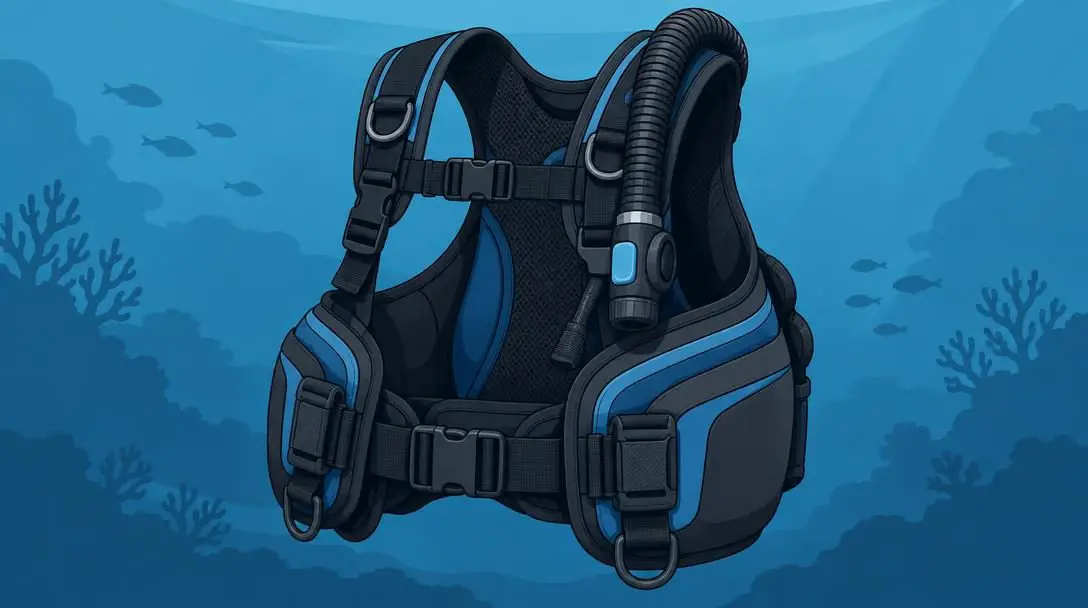
The buoyancy control device (BCD) is an inflatable vest worn around your torso that holds your tank and integrates your weight system. By adding or venting air from the internal bladder, you can alter your displacement to become positively buoyant at the surface, negatively buoyant to begin your descent, or neutrally buoyant while cruising underwater.
Wetsuit
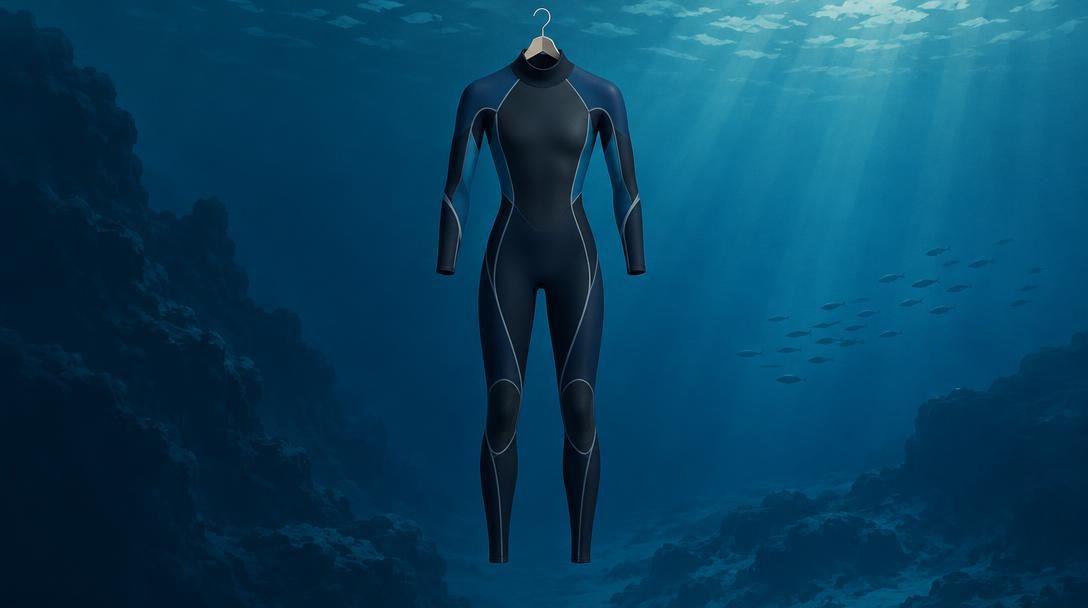
Water draws heat away from the human body considerably faster than air does. A wetsuit made of closed-cell neoprene traps a thin layer of water against your skin, which your body warms up to provide thermal insulation. In addition to thermal protection, a wetsuit shields your skin from incidental scrapes and marine stings.
| Equipment Piece | Primary Function | Beginner Consideration |
|---|---|---|
| Scuba Mask | Air pocket for sharp underwater vision | Must fit facial contours without leaking |
| Diving Fins | Hydrodynamic propulsion via leg power | Eliminates unnecessary arm flailing |
| Regulator | Reduces high-pressure gas to ambient pressure | Must be inspected for leaks and clean airflow |
| Scuba Tank | Stores compressed breathing gas | Rented locally based on dive profile |
| Buoyancy Control Device (BCD) | Adjusts displacement to control depth and trim | Essential for achieving neutral buoyancy |
| Wetsuit | Provides thermal insulation and skin protection | Must fit snugly without restricting breathing |
Pre-Dive Preparation: Physical Health, Mental Calm, and Teamwork
A safe, seamless dive begins long before you arrive at the water's edge. Diving places unique physiological and mental demands on your body, making methodical preparation a critical step in your routine.
Physical fitness is a foundational requirement for any water sport. It is essential to get a medical check-up before your first dive to confirm that your cardiovascular health and respiratory pathways can handle physical exertion underwater. Moving through water creates dense resistance, and swimming against surface chop or carrying equipment requires adequate stamina and endurance. A doctor certified in dive medicine can verify that you have clear sinuses and healthy lungs, avoiding dangerous barotrauma during pressure shifts.
Mental preparation is just as significant as physical conditioning. Sensory inputs in the underwater world are unfamiliar: sounds travel differently, your field of view is framed by a mask, and you must consciously breathe through your mouth. Remaining calm and composed is necessary throughout your dive. If you encounter unexpected nerves or sensory overload, the best response is to pause your movement, take steady, deep breaths, and relax your mind.
Scuba diving is inherently a team discipline built around the dive buddy system. Never dive without establishing clear, direct communication with your partner. Before stepping into the water, review your dive plan, confirm hand signals, check each other's equipment, and walk through emergency procedures so both divers act in unison if complications arise.
The Step-by-Step Operational Progression for New Divers
Structuring your dive experience into methodical steps helps turn theoretical safety rules into second nature. From planning on land to returning to the surface, following an orderly sequence guarantees a safe, organized descent.
- Schedule a comprehensive medical examination to confirm your physical fitness and respiratory readiness for pressurized underwater environments.
- Enroll in an accredited scuba diving certification course to learn essential safety theory, supervised pool skills, and open-water maneuvers.
- Inspect all rented or owned gear during assembly, verifying that the regulator breathes cleanly, the tank has adequate pressure, hoses do not hiss, and weights are balanced.
- Conduct a pre-dive buddy check, reviewing entry methods, maximum depth targets, turnaround air pressures, hand signals, and emergency steps.
- Enter the water carefully, clear your regulator, orient yourself to your buddy and dive leader, and take a moment to regulate your breathing.
- Begin a slow, controlled descent, continuously equalizing your ears every meter while adjusting air in your BCD to establish neutral buoyancy.
- Maintain horizontal trim as you swim, propelling yourself with relaxed fin strokes while regularly checking your submersible pressure gauge and monitoring your buddy.
- Conclude your dive according to the prearranged plan, ascend gradually at a controlled rate, complete any recommended safety stops, and surface together.
Achieving neutral buoyancy transforms a diver from an awkward visitor fighting gravity into an effortless observer floating in complete harmony with the sea.
Choosing Your Dive Site
Where you complete your first underwater excursions plays an immense role in shaping your confidence and safety. For a novice, entering turbulent, unpredictable waters can quickly transform an exciting outing into an overwhelming, stressful ordeal.
When choosing a dive site, evaluate the local weather conditions, currents, and visibility. Beginners should deliberately seek out locations characterized by high visibility, calm surface waters, and minimal or non-existent currents. High visibility allows you to keep your dive buddy in sight effortlessly and maintain spatial awareness, while calm conditions eliminate the need to fight against heavy surge or drift.
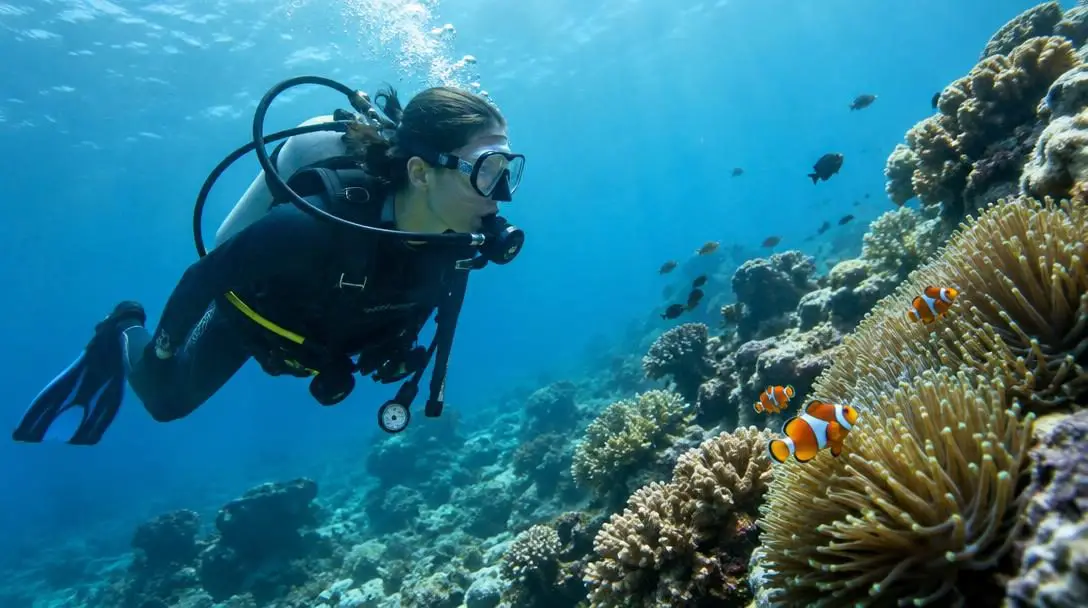
A tranquil dive site does not mean a dull experience. Sheltered bays, gentle shallow coral reefs, and protected marine parks offer ideal environments where beginners can admire rich aquatic life and complex rock formations without facing deep drops or unpredictable ocean currents.
Essential In-Water Scuba Techniques
Once you descend beneath the surface, your safety, air consumption, and enjoyment hinge on three foundational mechanics:
- Regulator breathing techniques: Breathing through a regulator must be smooth, slow, and continuous. Divers must never hold their breath while scuba diving, as changing water pressures can expand the gas inside the lungs. Deep, rhythmic inhalations and exhalations maximize oxygen absorption and prevent the rapid exhaustion of your tank.
- In-water communication: Human vocal cords cannot transmit intelligible words underwater through a regulator mouthpiece. Divers must master standardized underwater hand signals to convey air supply levels, confirm safety, point out marine life, and indicate the need to ascend or resolve a problem.
- Body positioning and buoyancy: Divers aim for a streamlined, horizontal posture known as trim. By adjusting the air inside your BCD and pairing it with correct lead weight placement, you achieve neutral buoyancy—a state where you neither float upward nor sink downward. This balance preserves energy and prevents you from striking delicate corals or stirring up ocean silt.
Common Beginner Mistakes and How to Avoid Them
Acclimating to a submerged environment can lead to intuitive reactions that are actually counterproductive underwater. Knowing these common beginner errors allows you to correct them before they cause trouble.
- Swimming too quickly: Novices often attempt to swim with rapid kicks and active arm strokes. Flailing arms and fast kicking create severe hydro-drag, cause rapid muscle fatigue, and drain your air tank in minutes. Slow, broad kicks from the hips are vastly more efficient.
- Descending too quickly: Dropping rapidly through the water column prevents timely ear equalization and makes buoyancy control difficult. Descents should always be gradual, controlled, and synchronized with your buddy.
- Carrying too much weight: Divers often assume that carrying extra lead weights will make staying submerged easier. In reality, excess weight forces you to overinflate your BCD, creates poor vertical trim, increases drag, and wastes breathing gas.
- Panicking when facing surprises: Getting water in your mask or having a regulator briefly dislodged can trigger immediate anxiety. Panicking impairs critical thinking and can lead to dangerous, uncontrolled ascents. Pausing, breathing, and methodically applying training skills solves nearly every underwater issue.
- Skipping structured education: Attempting to dive without formal certification from an accredited agency exposes individuals to severe risks. Comprehensive training provides the muscle memory and theoretical knowledge necessary to manage emergencies calmly.
Renting vs. Owning Scuba Gear
As you progress from an introductory student to an active recreational diver, your approach to equipment will evolve. While renting is the most practical choice for absolute beginners, owning personal gear provides distinct advantages over time.
The primary benefits of owning your equipment are comfort, fit, and familiarity. Rental gear comes in standard shapes and sizes that may not fit your specific body contours, potentially causing mask leaks, foot blisters, or awkward harness positioning. When you own your gear, you know precisely how your BCD vents, how your regulator breathes, and exactly how much lead weight you require to achieve neutral buoyancy.
Additionally, frequent divers find that purchasing gear eliminates recurring rental charges, turning personal ownership into an economical choice over dozens of dives. Having your own gear stored and serviced at home also makes planning spontaneous weekend dive excursions far more convenient.
Advancing Your Diving Journey
Completing your initial open-water training is only the first milestone in a sport characterized by lifelong learning. Once you master the fundamentals, you can begin expanding your horizons by evaluating how often and in what environments you wish to dive.
If you plan to dive primarily during tropical vacations, taking a brief pool refresher course with an instructor before departing is an excellent way to reacquaint yourself with buoyancy checks and regulator recovery. If you wish to dive locally year-round, you may choose to explore specialized thermal gear suitable for colder, seasonal waters.
Continuing your formal dive education opens doors to exciting new underwater realms. Advanced certification programs teach specialized disciplines such as deep diving, compass-based underwater navigation, night diving, and marine ecology identification. Each advanced course reinforces core safety habits while equipping you to explore more diverse underwater environments across the globe.
Frequently asked questions
What does the term SCUBA stand for?
SCUBA stands for Self-Contained Underwater Breathing Apparatus, describing equipment that allows a diver to carry an independent gas supply beneath the surface.
Why is neutral buoyancy so important for beginners?
Neutral buoyancy keeps you suspended weightlessly in the water column, preventing you from floating unintentionally to the surface, sinking into the seabed, or damaging fragile marine life.
Should beginners buy all their diving gear immediately?
No, beginner divers should rent major equipment like regulators, tanks, and BCDs initially to test different models and avoid large upfront costs before committing to the sport.
What should you do if you feel anxious or panic while diving?
If you experience anxiety underwater, stop swimming, signal your dive buddy, take slow and deep breaths through your regulator, and allow your mind and body to relax before proceeding.
How do divers communicate with each other underwater?
Because speech cannot be understood through a regulator, divers communicate using standardized underwater hand signals to indicate air levels, direction, depth changes, and safety status.
The bottom line
Scuba diving opens an extraordinary frontier of exploration, relaxation, and wildlife discovery that few land-based pursuits can match. By investing in accredited instruction, honoring pre-dive medical and equipment checks, choosing calm dive sites, and respecting the fundamentals of buoyancy and breathing, beginner divers can build a safe foundation for years of underwater exploration.