A Beginner’s Guide to Breaking into Backpacking
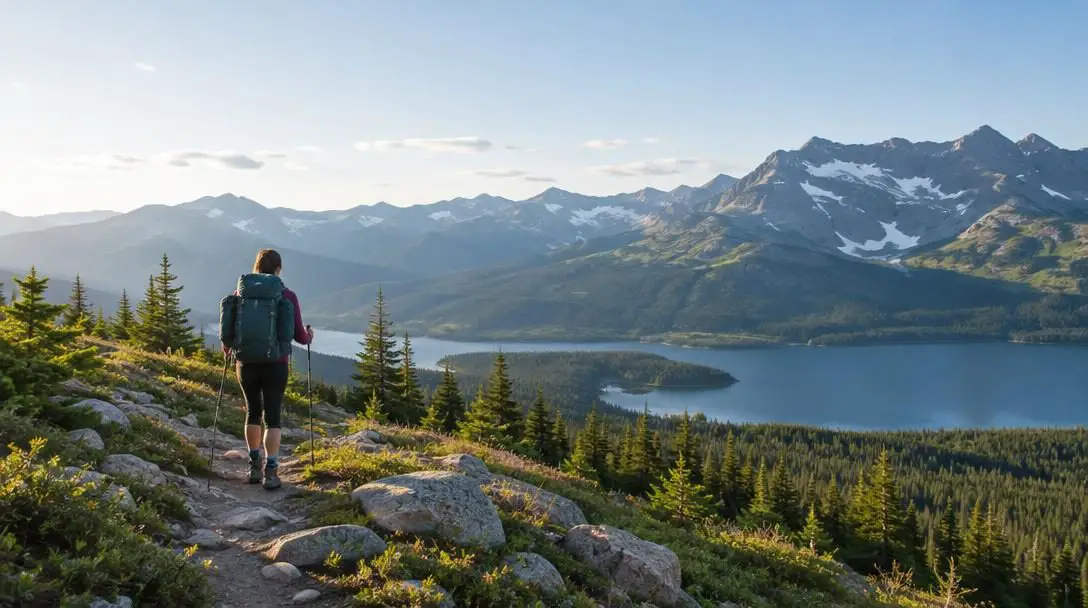
Do you enjoy the outdoors and find yourself searching for a fresh adventure, or are you simply looking for a compelling reason to spend more intentional time immersed in nature? Backpacking bridges the gap between casual outdoor recreation and wilderness immersion. Moving through the woods under your own power, pitching a temporary shelter in a remote setting, and disconnecting from everyday digital distractions offers a profound sense of self-reliance, calm, and accomplishment.
Before you strap on a pack and head into the wild, stepping onto the trail requires deliberate preparation, specialized gear awareness, and respect for the natural environment. Backpacking is inherently different from taking a stroll in a city park or heading out for a brisk afternoon walk. Understanding the fundamental mechanics of self-sufficiency will ensure your maiden voyage into the backcountry remains safe, rewarding, and memorable.
Key takeaways
- Backpacking requires complete self-sufficiency because you leave behind motorized transport, stores, structures, medical infrastructure, and cellular service.
- A fully loaded backpack should never exceed 20 percent of your total body weight to protect your joints and prevent exhaustion.
- Properly fitted footwear and a backpack adjusted to transfer weight directly to your hips are the two most critical gear investments.
- Beginners should start with a short, single-night trip close to home to test gear and routines in a low-stakes environment.
- Always establish a safety itinerary, verify water sources, obtain required permits, and carry physical navigation tools rather than relying on a smartphone.
Understanding the Shift: Day Hiking, Car Camping, and Backpacking
To grasp why backpacking demands careful forethought, it helps to analyze how it differs from traditional outdoor recreation. When you embark on a day hike, you carry minimal gear: a water bottle, a light snack, and perhaps an extra layer or rain jacket. If the weather deteriorates or you tire out, your vehicle or a warm bed is never far away. Car camping allows for considerable luxury because your vehicle bears the burden of transport. You can haul heavy multi-room tents, massive coolers filled with fresh food and ice, folding camp chairs, and thick air mattresses directly to an established campsite.
Backpacking merges the physical movement of hiking with the overnight survival elements of camping into an entirely unsupported pursuit. When you walk into the backcountry, you carry your entire living arrangement on your shoulders, voluntarily stepping away from the daily conveniences that society provides.
| Activity | Primary Gear Burden | Proximity to Safety Nets | Permitted Luxuries | Self-Sufficiency Level |
|---|---|---|---|---|
| Day Hiking | Minimal daypack with water, light layers, and snacks | Immediate access to personal vehicle and emergency services | Return to indoor plumbing, climate control, and home cooking | Low; relies on quick return to civilization |
| Car Camping | Heavy, bulky gear transported entirely by vehicle | Vehicle parked directly adjacent to the designated site | Coolers, camp furniture, expansive tents, and cookware | Moderate; vehicle serves as a structural safety backup |
| Backpacking | Lightweight shelter, sleep system, fuel, food, and water carried on foot | Remote; miles away from roads, cell towers, and rapid rescue | Only what can be justified by weight and utility on your back | High; complete reliance on carried supplies and outdoor skills |
When you cross into the backcountry, you leave behind reliable cellular connectivity, rapid emergency medical services, grocery stores, restaurants, personal vehicles, and climate-controlled houses. Because you leave these safety nets behind, wilderness travel comes with an inherent baseline of risk. Acknowledging these realities is not meant to frighten aspiring hikers; rather, it cultivates the healthy respect for nature that keeps backpackers safe.
The Physics of Pack Weight and Critical Gear
The core mechanic of backpacking involves loading an internal-frame or external-frame pack with your shelter, sleeping bag, sleeping pad, water, food, stove, extra clothing, and safety essentials, then hiking across natural terrain. You may walk for miles over rocky ascents, uneven roots, and exposed ridgelines through unpredictable weather conditions. Once you reach your objective, you set up camp, prepare a hot meal, sleep overnight, and either push forward along a multi-day route or pack everything back up to hike out.
Because every ounce travels directly on your spine, knees, and ankles, weight management is the defining puzzle of backpacking. Gear, food, and water add up rapidly. A standard rule of thumb for beginner backpackers is to keep your fully loaded pack at or below 20 percent of your body weight. Exceeding this benchmark increases fatigue, raises the likelihood of joint strain, and turns an exciting journey into a punishing chore.
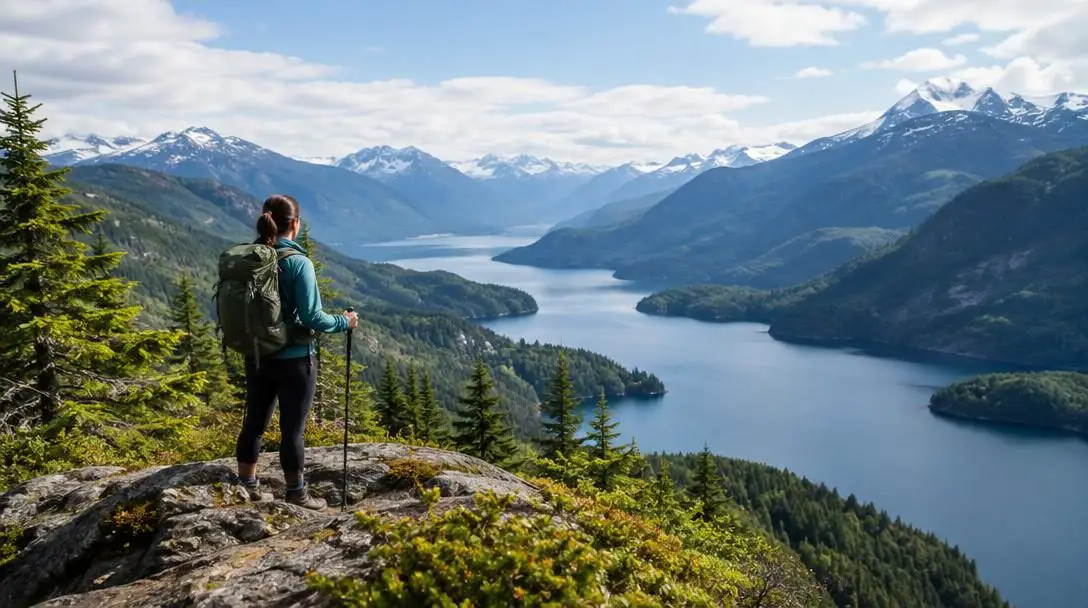
Carrying your life on your back means weight and utility are constant considerations on every single mile of the trail.
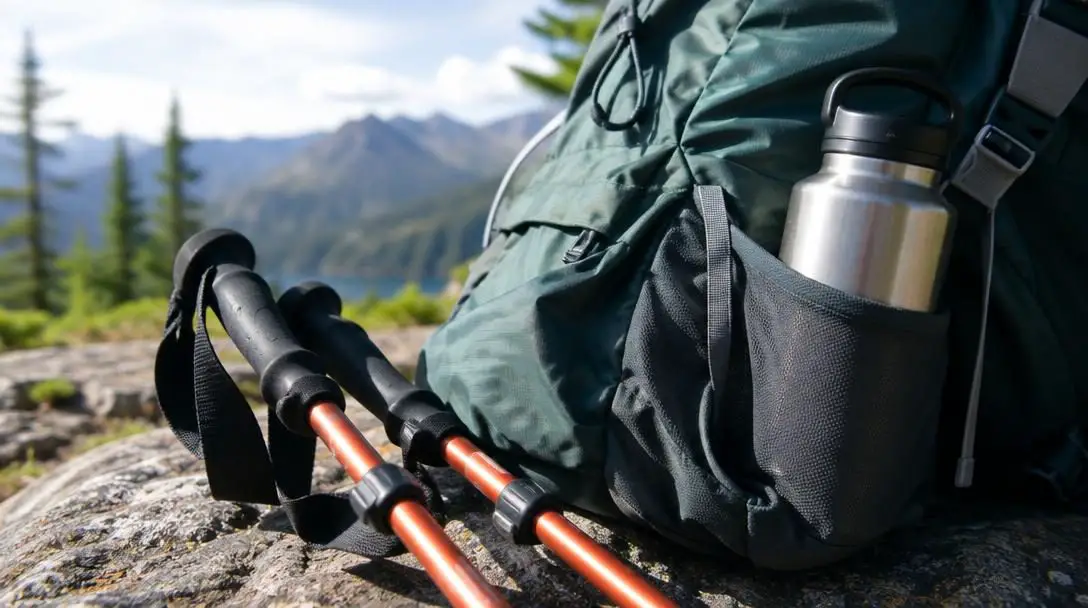
Two gear investments will influence your comfort more than anything else: your backpack and your footwear. A properly fitted backpack must match your specific torso length, allowing the padded hip belt to support the majority of the pack's weight rather than letting the shoulder straps pull down on your collarbones. Your trail shoes or hiking boots must offer reliable traction, structural stability, and a comfortable fit that prevents painful hotspots and blisters during continuous multi-mile efforts.
Seven Steps to Plan Your First Backcountry Trip
Transitioning from an armchair enthusiast to a self-assured backpacker requires a methodical approach to trip logistics. Organizing your trip step by step eliminates confusion and builds self-reliance.
- Select an accessible, short-distance destination for a single-night overnight trip to create a low-stakes learning environment close to home.
- Research gear requirements and leverage expert advice from experienced outdoors people and specialty outfitters before buying equipment.
- Map out your daily mileage, locate trailheads, and verify whether local land managers require designated backcountry permits.
- Pinpoint reliable, flowing water sources across your entire route and pack appropriate water purification tools.
- Calculate daily caloric needs and assemble a simple camp cooking setup featuring a lightweight backpacking stove.
- Acquire an up-to-date physical topographic map of the area to guarantee navigation without battery power.
- Share a detailed travel itinerary with a trusted contact at home, establishing explicit check-in expectations before departure.
Choose an Approachable Overnight Destination
When planning your inaugural trip, resist the temptation to conquer a demanding multi-day trail deep in an isolated wilderness. Instead, select a scenic route close to home and plan for just a single overnight stay. A trail with modest elevation gain and a total distance of just a few miles allows you to test your gear, evaluate your physical conditioning, and experience camp life without exposing yourself to unnecessary hazards. If a piece of equipment fails or the weather turns sour, you remain within easy walking distance of your vehicle.
Consult Experienced Backcountry Resources
The modern backpacking community offers a massive repository of shared expertise. Take advantage of established how-to guides, trail blogs, and comprehensive gear reviews. Specialty outdoor retailers like REI provide access to experienced floor staff who can measure your torso, demonstrate how to adjust pack suspension systems, and help you select gear suited to your fitness and budget. Do not hesitate to ask fundamental questions about pack fit, fabric performance, and cold-weather ratings.
Navigate Permit Regulations and Land Management
Backcountry travel is regulated to preserve sensitive ecosystems and manage human impact. Before setting out, contact the governing land agency for your chosen route, such as the National Park Service or state forestry departments. Popular protected areas, such as Yellowstone National Park, strictly limit the number of backcountry camping permits issued each season for user safety and wildlife tracking. Assuming you can pitch a tent anywhere without prior authorization can lead to safety interventions, costly fines, or ruined plans.
Identify and Verify Natural Water Sources
Water is heavy, weighing roughly 2.2 pounds per liter, meaning you cannot realistically carry all the water you will need for multiple days. You must plan your journey around dependable water sources along the trail. Study recent trail conditions and contact local ranger stations to ensure that seasonal creeks, springs, or lakes are actively flowing. In addition to locating sources, carry a reliable water treatment system—such as a hollow-fiber filter, chemical treatment tablets, or ultraviolet purifier—to eliminate biological pathogens from every drop you drink.
Organize a Compact Camp Kitchen
Backcountry meal planning is about maximizing nutritional value, caloric density, and packability. Because hiking with a heavy pack expends tremendous energy, prioritize lightweight, non-perishable foods that rehydrate quickly. Pair your meals with a compact backpacking stove and fuel canister. Attempting to cook complex raw ingredients over an open campfire is impractical and often prohibited by local fire restrictions; a dedicated camp stove provides a fast, wind-resistant heat source for boiling water and cooking meals.
Secure Physical Maps and Navigation Tools
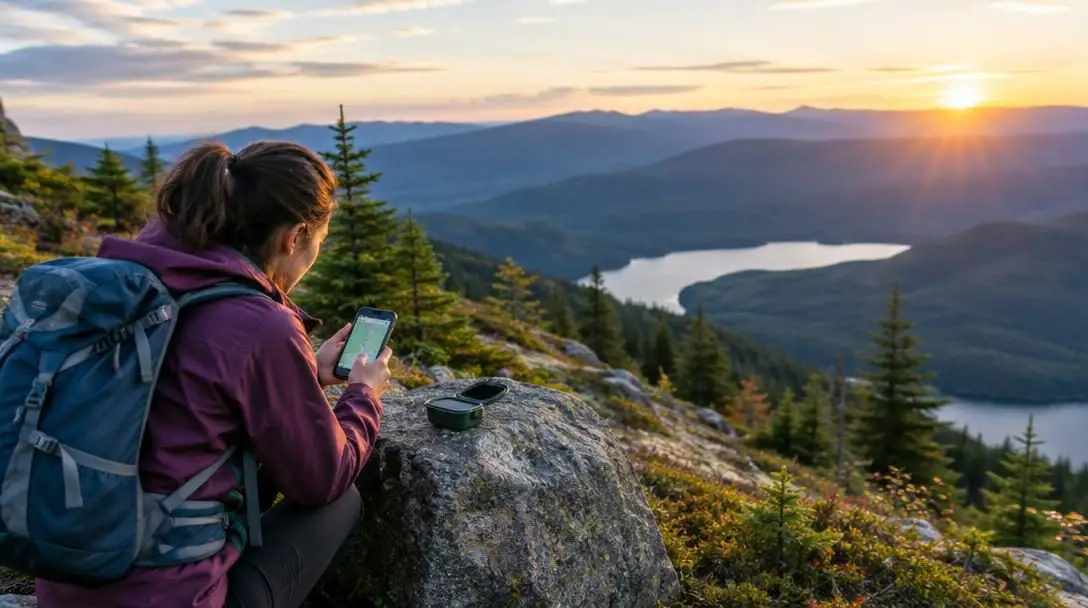
Digital navigation apps provide convenient GPS tracking, but electronic screens should only ever serve as a supplement, never your sole navigation method. Cold weather, accidental drops, and prolonged GPS pinging will drain your battery far faster than normal. Always purchase a physical, waterproof paper topographic map and carry a magnetic compass. Familiarizing yourself with the landmarks, contours, and trail intersections on a physical map guarantees you can orient yourself and navigate back to safety regardless of battery status.
Create a Strict Check-In Communication Plan
Solo backpacking requires advanced safety protocols, and even hiking with a companion demands clear communication with people off the trail. Before leaving, draft a comprehensive itinerary detailing your exact route, where your car is parked, your intended campsite location, and your projected exit time. Leave this plan with a trusted friend or family member. Send a final confirmation text when you arrive at the trailhead, and check in again the moment you return safely to your car. Instruct your emergency contact on when to alert search-and-rescue services if you fail to check in by your predetermined cutoff time.
Common Beginner Mistakes to Avoid
Many novice backpackers run into trouble not from lack of enthusiasm, but from preventable tactical oversights. Keeping these frequent missteps in mind will save energy, money, and discomfort on the trail:
- Overpacking the load: Tossing in duplicate outfits, excessive electronics, and heavy "just-in-case" comfort items rapidly pushes a pack past the 20 percent body-weight limit, leading to premature fatigue and sore joints.
- Neglecting regional permit rules: Venturing into national parks or protected wilderness zones without securing necessary backcountry permits disrupts wildlife management and can result in eviction from the park.
- Relying exclusively on smartphones: Depending solely on digital screens for navigation, emergency signaling, and trip notes leaves you vulnerable to dead batteries, screen damage, and the absence of cell reception.
- Assuming mapped water is flowing: Failing to verify whether seasonal creeks or alpine springs have dried up can leave you stranded in the wilderness without clean drinking water.
- Breaking in footwear on the trail: Taking brand-new, stiff boots or trail shoes straight onto a rocky backcountry route almost guarantees painful hotspots and debilitating blisters miles from help.
- Departing without an emergency contact: Disappearing into the backcountry without leaving an exact itinerary makes it impossible for emergency personnel to locate you quickly if an injury or delay occurs.
Pre-Departure Drills: Testing Systems at Home
The most effective way to guarantee a smooth maiden voyage is to stage a complete trial run at home. Practicing in a controlled setting eliminates uncertainty and allows you to master your gear without the added pressure of weather or physical exhaustion.
Begin by setting up your tent or shelter in your backyard or living room. Practice rolling out the footprint, assembling the shock-corded poles, staking out guy lines, and tensioning the rainfly. Going through this process several times ensures that if you arrive at a backcountry campsite in dusk, heavy wind, or pouring rain, pitching your shelter will be second nature rather than a confusing battle with an instruction manual.
Next, assemble your complete kit—including full water bottles, food rations, clothing layers, and fuel—and load it into your backpack. Use a home scale to weigh the loaded pack. If the total weight exceeds 20 percent of your body weight, unpack your gear and ruthlessly eliminate non-essential luxuries until you meet your target threshold. Once adjusted, strap on the pack and take a brisk 45-minute walk around your neighborhood. Pay close attention to how the suspension system feels. If the shoulder straps dig into your neck or the pack sways uncontrollably, re-adjust the hip belt and load lifter straps until the weight rests securely and comfortably on your pelvis.
Frequently asked questions
How heavy should my backpack be for my first trip?
A general rule of thumb for beginners is that a fully loaded backpack—including food, water, fuel, shelter, and clothing—should not exceed 20 percent of your total body weight. Keeping your gear within this limit conserves physical energy and protects your hips, knees, and back from excessive strain.
Do I always need a permit to go backpacking?
Permit rules vary depending on land jurisdiction. While some national forests and public lands permit dispersed camping without reservations, major parks such as Yellowstone National Park track backcountry users and strictly limit permits for safety and conservation. Always contact the managing agency before your trip to review requirements.
Can I just drink water directly from mountain streams?
No. Even pristine-looking wilderness water can harbor microscopic bacteria, parasites, and protozoa that cause severe illness. Always treat natural water using a portable filter, chemical purification tablets, or a backpacking stove to boil the water before consumption.
What should I do if my phone battery dies on the trail?
You should always carry a physical, waterproof topographic map and a magnetic compass as your primary navigation tools. If your phone battery dies, switch immediately to paper navigation and reference prominent geographical terrain features to remain on course.
Why is it important to start with just an overnight trip?
A short, single-night outing close to civilization creates a low-stakes learning environment. It allows you to test your gear, evaluate your physical condition, and practice camp chores without exposing yourself to the higher risks of prolonged wilderness travel.
The Bottom Line
Backpacking is one of the most fulfilling ways to experience the natural world. By carrying everything necessary for survival on your back, you earn an unmatched level of intimacy with the wilderness, along with the deep satisfaction that comes from total self-reliance. While stepping away from modern amenities introduces real logistical challenges, thorough preparation transforms potential hazards into manageable tasks.
Start small, focus on dialling in your footwear and pack fit, respect the 20 percent weight limit, and leave detailed itineraries with loved ones. As you gain practical experience over a series of short overnight trips, your confidence will grow, opening the door to longer trails, rugged mountain passes, and a lifetime of self-supported backcountry exploration.