5 Best Games You Can Only Play In The Snow
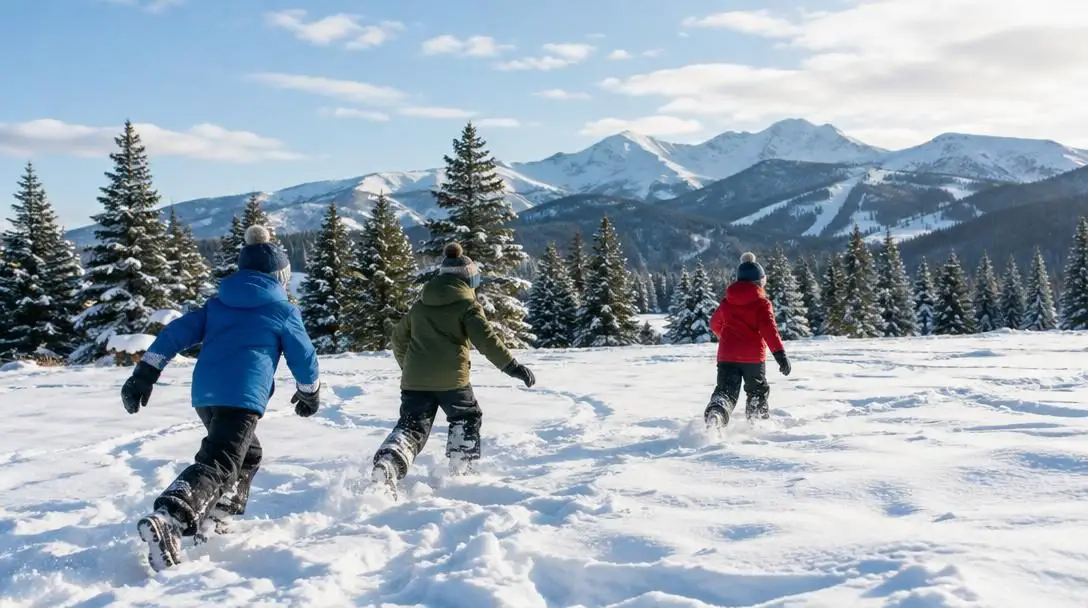
For many outdoor enthusiasts, summer is traditionally viewed as the undisputed peak season for open-air sports and recreation. Warmer months bring endless opportunities to hit local hiking trails, dive into swimming pools, and rally on baseball diamonds or tennis courts under bright sunshine. However, the arrival of subfreezing temperatures and heavy precipitation does not mean active recreation must go into hibernation until spring arrives. In reality, a fresh blanket of thick snow completely alters the natural landscape, turning backyards, public parks, and neighborhood slopes into an entirely new, temporary playground.
Embracing outdoor games during the colder months provides an invigorating physical outlet that helps combat seasonal winter blues and cabin fever. Snow transforms familiar surfaces into low-friction raceways and moldable building material, opening the door to athletic challenges and architectural projects that are physically impossible during the summer. Whether you are revisiting fond childhood pastimes or introducing brand-new cold-weather traditions to your community, understanding the mechanics of winter recreation ensures you get the most out of every major storm.
Key takeaways
- Snow completely transforms ordinary terrain by reducing surface friction and providing pliable structural material for games impossible in warm weather.
- Moisture content and air temperature dictate whether snow behaves as slick powder or cohesive, moldable packing snow suitable for forts, tunnels, and snowmen.
- Staggering sled descents with a stopwatch turns a chaotic hill into a fair, structured race while preventing dangerous mid-slope collisions.
- Natural ice rinks in cold climates offer a low-barrier sporting venue for pond hockey without requiring commercial rink facilities or rigid goal nets.
- Safety in winter play hinges on verifying ice stability, keeping tunnel roofs only a couple of inches thick, and dressing in moisture-wicking layers.
At a glance: The top games of winter
Because each snow pastime relies on distinct conditions, matching your activity to the day's snowfall and temperature ensures the best possible experience outdoors.
| Game | Primary Surface | Key Equipment | Optimal Play Style |
|---|---|---|---|
| Sled Racing | Snow-covered hill or slope | Sleds, inflatable tubes, stopwatch | Individual timed descents |
| Snowball Fight | Open yard, park, or snowfield | Moist snow, defensive forts, trenches | Team-based tactical skirmish |
| Snowman Building | Flat snowpack or empty stands | Packing snow, sculpting accessories | Creative individual or team build |
| Tunnel Building | Deep snowdrifts | Hands, small shovels, compact snow | Cautious hollow carving |
| Pond Hockey | Frozen lake or pond | Skates, hockey sticks, puck | Casual non-checking scrimmage |
The 5 best games you can only play in the snow
Certain competitive pastimes require the unique physical qualities of frozen precipitation to exist. These five winter games take full advantage of snow and ice to deliver unmatched outdoor excitement.
Sled Racing
- Terrain: Slick, snow-blanketed downward slopes
- Core Gear: Rigid sleds, inflatable tubes, and a stopwatch
- Scoring Format: Timed individual descents recorded for lowest elapsed time
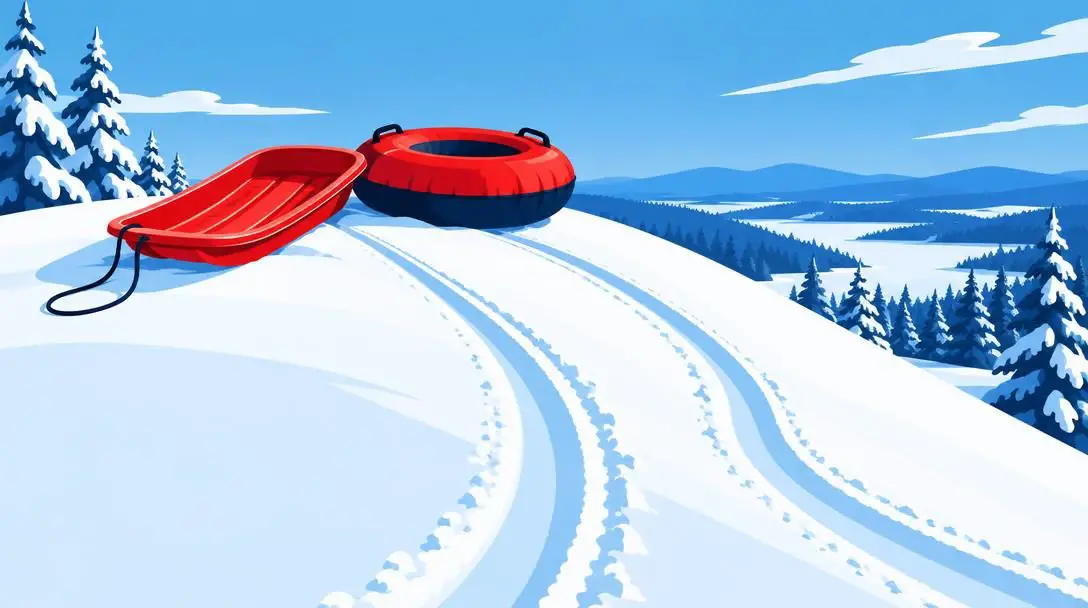
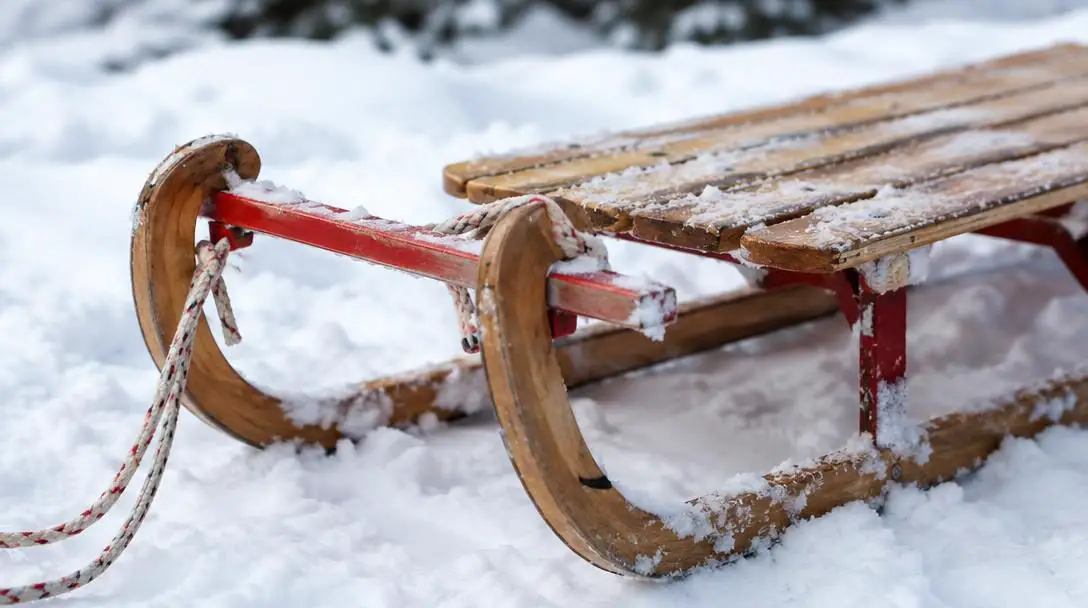
If you were to drag a traditional sled onto a grassy park hillside in the middle of July, you would achieve virtually no speed at all. Instead of gliding effortlessly, friction would halt your momentum, and the runners would likely stick deep in summer mud. During the winter, however, that same hillside becomes a slick runway for high-velocity racing. Sledding downhill transforms a passive snowy landscape into a thrilling speed track where participants can challenge friends and family to see who can reach the bottom fastest.
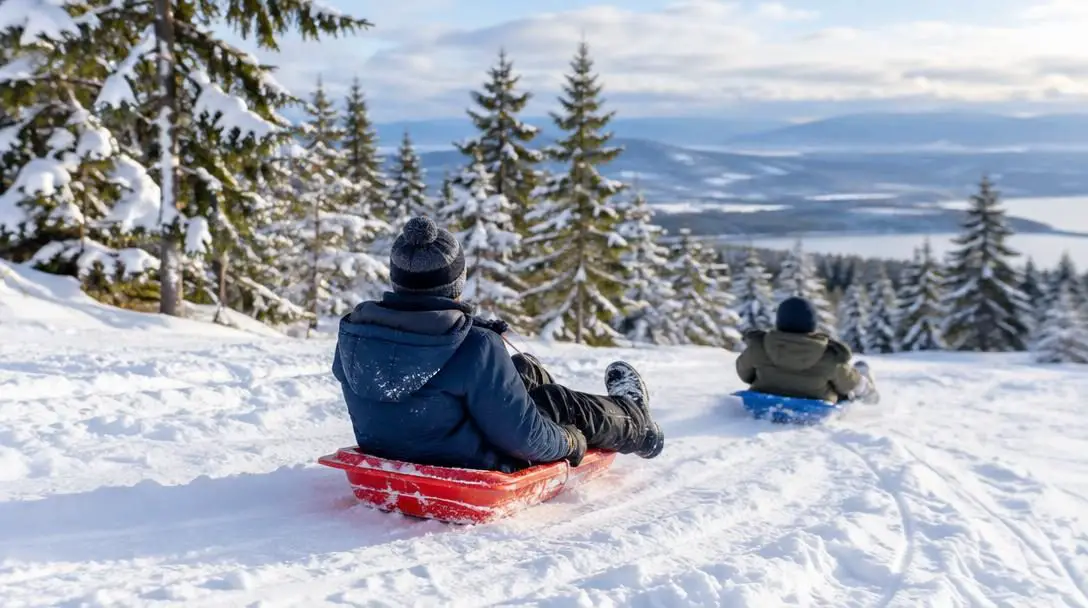
The experience is not limited to traditional rigid runners or plastic toboggans. Inflatable snow tubes provide an entirely different sensation because their rounded, trackless bottoms have a natural tendency to spin unpredictably during a run. To elevate the competitive stakes while significantly improving safety, participants should run their descents one at a time while a designated official records finishing times using a stopwatch. This turns a potentially chaotic hill into an organized trial, and families can establish lasting traditions by presenting an official seasonal trophy to the household's fastest sledder.
Snowball Fight
- Terrain: Open snowfields, neighborhood yards, and parks
- Core Gear: Fresh packing snow, defensive walls, and dug trenches
- Scoring Format: Elimination rounds or territory control between rival teams
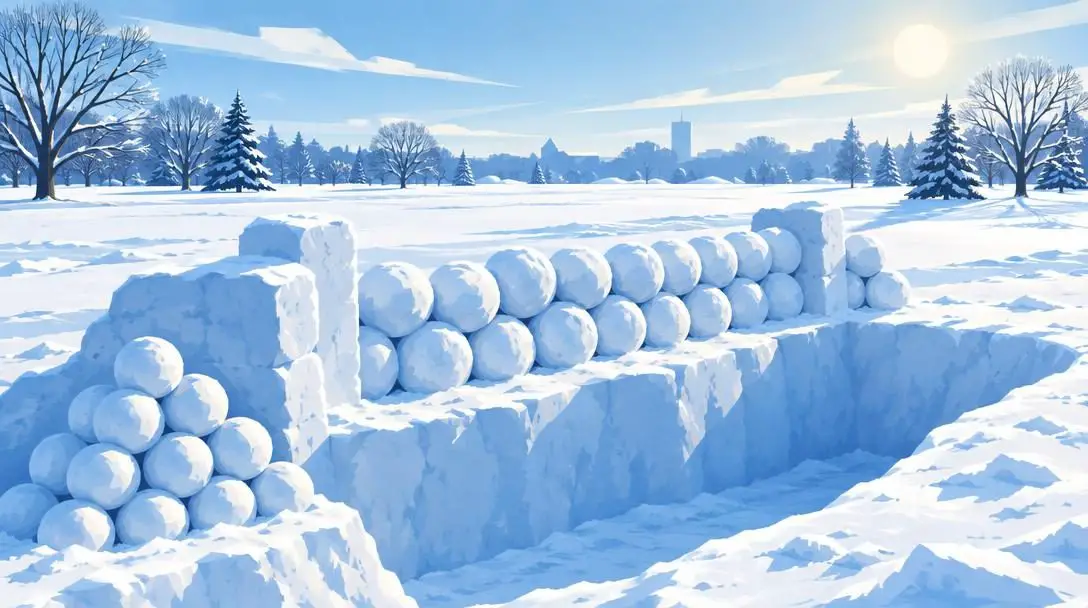
A quintessential winter season is rarely complete without an energetic snowball war erupting between rival sides. What frequently starts as a casual, spontaneous toss between two friends can rapidly evolve into an elaborate, organized tactical contest. As competitive intensity builds, teams often step back to erect formidable defensive structures, packing snow into reinforced barricades or digging deep trenches directly into surrounding drifts to create realistic field fortifications.
The strategic possibilities in a structured snowball fight are virtually limitless. Players can divide responsibilities between frontline throwers, defensive sentries, and dedicated ammunition stockpilers who shape cohesive snowballs behind the safety of their walls. In many communities, casual skirmishes attract the attention of passersby and neighbors, steadily expanding into massive, multi-team spectacles where dozens of competitors work together to defend their zone across wide snowfields.
Winter alters the terrain in a way that encourages movement, creativity, and friendly competition rather than keeping everyone cooped up indoors.
Snowman Building Competition

- Terrain: Flat yards, neighborhood commons, or empty outdoor seating
- Core Gear: Moist packing snow, natural decorative items, shaping tools
- Scoring Format: Judged by height, structural balance, and creative design
Crafting a snowman is a timeless winter staple that appeals to participants of all ages. When a heavy storm blankets an area, it supplies an abundance of free, moldable construction material that allows builders to produce monumental sculptures on a grand scale. Because cold precipitation binds tightly under manual compression, creators can move far beyond elementary three-sphere designs, carving expressive facial features, lifelike postures, and themed tableaus directly into the snow.
The appeal of building snowmen occasionally spills into unexpected public venues. During outdoor sporting matches played in the teeth of major snowstorms, regular stadium seats often empty out as spectators head home early to escape blizzard conditions. Rather than leaving the bleachers barren, loyal fans who stay until the final whistle have frequently passed the time by rolling snowmen directly in the vacated seats, filling entire rows with frozen spectators to cheer on their team through the storm.
Tunnel Building
- Terrain: Deep, settled snowdrifts and accumulated banks
- Core Gear: Warm gloves, small hand trowels, or carved snow blocks
- Scoring Format: Architectural endurance and navigable tunnel length
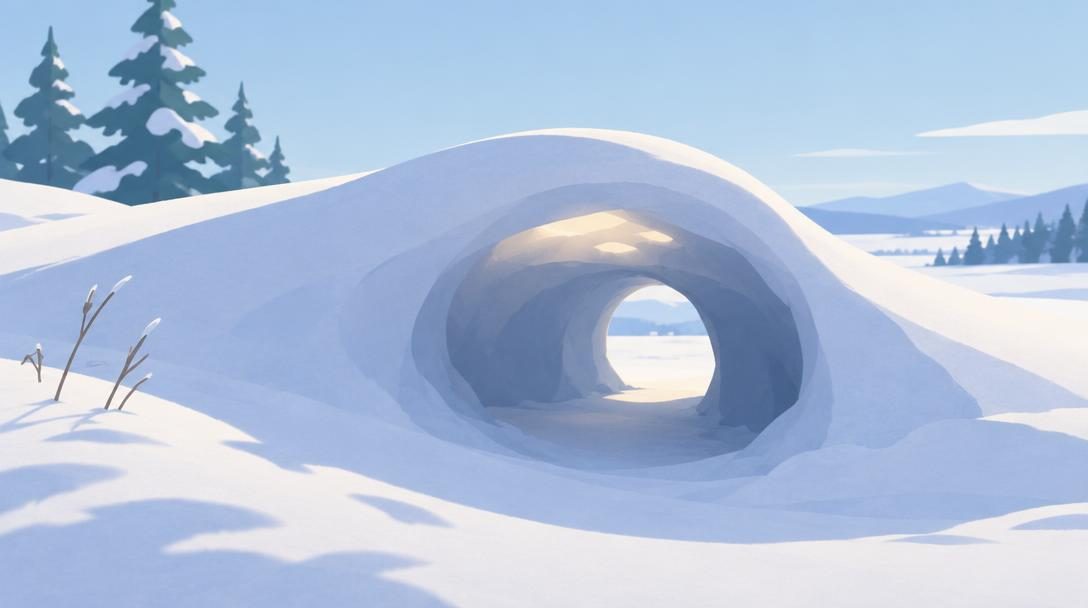
While people often attempt to carve out elaborate tunnel systems in beach sand during summer vacations, sand persistently collapses unless thoroughly saturated with water. Snow, by contrast, naturally retains its structural integrity when compressed, making it a vastly superior and far more reliable medium for carving out subterranean pathways. As long as the snow possesses adequate moisture, you can shape cozy, winding igloo-style passages that weave directly through substantial snowbanks.
Snow is also a much more forgiving building material when proper structural parameters are observed. By deliberately keeping the overhead roof of a snow tunnel to just a couple of inches thick, builders eliminate the hazard of heavy weight overhead. If a thin roof does give way during construction, it simply results in a light shower of cold, wet snow rather than a hazardous cave-in. With attentive supervision and gentle hands, burrowing through fresh drifts delivers a unique architectural challenge.
Pond Hockey
- Terrain: Naturally frozen ponds, retention basins, and shallow lakes
- Core Gear: Ice skates, hockey sticks, and a vulcanized rubber puck
- Scoring Format: Casual scrimmages with imaginary goals or low-profile nets
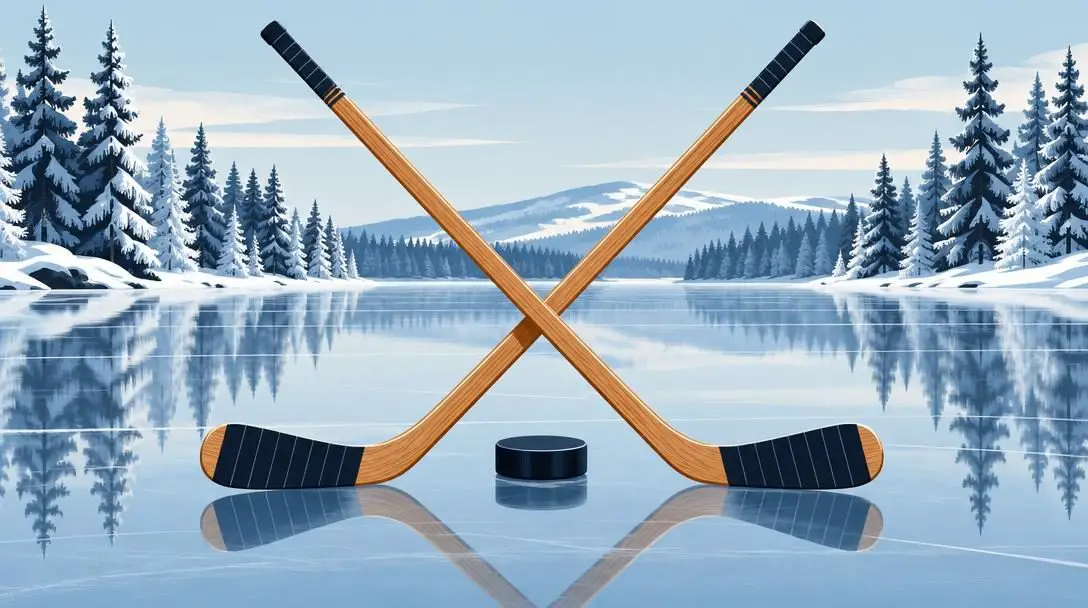
Pond hockey holds a deeply revered cultural standing across cold-weather regions, particularly throughout Canada and northern American states such as Minnesota, Michigan, and Wisconsin. When sustained subfreezing weather locks regional waterways under solid sheets of ice, nature creates an open-air rink that rivals any indoor facility. Unlike formal leagues, pond hockey requires zero complex infrastructure or elite athletic credentials; any group of friends with skates, sticks, and a single rubber puck can immediately start a game.
Part of pond hockey's enduring charm lies in its minimalist, unpretentious atmosphere. If genuine goal nets are unavailable, players regularly mark off imaginary targets on the ice using boots, snow piles, or wooden blocks. Furthermore, playing on a wide sheet of ice presents unique perks compared to warm-weather diamond sports like baseball. Errant passes and missed shots merely slide across the smooth surface instead of sailing over high outfield fences, allowing players to retrieve the puck quickly without interrupting the game's tempo.
The science of winter play: How snow and ice behave
The performance, safety, and enjoyment of any cold-weather game depend directly on the physical properties of the snowpack and underlying ice. Snow is an ever-shifting material whose density, cohesion, and friction coefficients fluctuate depending on ambient air temperature and humidity.
Moisture content and packing capability: Crafting durable snowballs, fortified trench walls, artistic snowmen, and stable tunnels requires cohesive "packing snow." This condition occurs when the outdoor temperature hovers right around or slightly below the freezing mark (32°F / 0°C). At this threshold, a minute amount of liquid water coats the individual ice crystals, enabling them to bind together under manual pressure. Conversely, during bitter cold snaps featuring very dry air, precipitation falls as light, powdery crystals. Powder lacks the moisture necessary to adhere, causing it to crumble when compressed and blow away in the wind.
Friction reduction along slope runs: Sleds, toboggans, and inflatable tubes glide rapidly down hills because the contact area between the runner and the snow generates negligible friction. As the sled passes over the snowpack, the combination of downward pressure and kinetic friction melts a microscopic layer of water along the runners. This ultra-thin fluid film acts as a natural lubricant, allowing riders to achieve high velocities. Round inflatable tubes lack directional tracking grooves, which causes them to rotate freely across this slick plane and introduces an unpredictable spinning descent.
Structural ice formation: Sustained subfreezing temperatures are mandatory to transform open water into a safe skating surface for pond hockey. Water freezes from the top downward, forming an initial skim that steadily thickens into clear or "black" ice. Clear ice is structurally sound and capable of supporting human weight once it reaches appropriate thickness. Its mirror-smooth surface creates minimal mechanical friction, allowing skate blades to slice cleanly along the top while pucks glide unobstructed over dozens of yards.
How to organize a neighborhood winter games day
Taking full advantage of a fresh snowfall requires a touch of forethought. Following these steps helps turn an ordinary snowy afternoon into a structured, entertaining day of games for friends and neighbors.
- Select and clear the venue: Scout a location that matches your chosen activity. For sledding, choose a hill with a wide, obstacle-free run-out zone at the bottom that terminates well away from roads, trees, and fences. For pond hockey, clear accumulated drifts off the natural ice using broad snow shovels to open a clean rink surface.
- Define playing boundaries and team rules: Establish explicit physical perimeters before the games commence. In a snowball match, mark boundary lines for each team's zone and define what constitutes an elimination. For snowman competitions, assign equal building plots so teams do not accidentally compete for the same snow patches.
- Establish structured time limits: Cold temperatures can sap stamina and chill extremities quickly. Set a firm duration for creative events, such as thirty to forty-five minutes for a snowman sculpting duel. For sled racing, time individual descents sequentially rather than running an open, unmonitored hill.
- Stage equipment and ammunition early: Gather all necessary sleds, tubes, hockey gear, and shovels prior to starting. If hosting a snowball competition, give both squads a ten-minute preparation window solely dedicated to rolling ammunition reserves and erecting defensive snow shields before gameplay begins.
- Conclude with lighthearted awards: Finish the games by gathering everyone to celebrate top efforts. Award a rotating neighborhood trophy or small winter treat to the fastest timed sledder down the slope or the team with the most original snowman design to build enthusiasm for future snowfalls.
Common mistakes to avoid during snow play
While winter pastimes provide unmatched thrills, poor planning or careless technique can quickly cut short an enjoyable afternoon. Avoid these frequent missteps to ensure everyone stays safe and warm:
- Launching multiple sleds simultaneously: Sending several sledders down a narrow slope at the same moment regularly leads to high-speed mid-hill collisions or tangled pileups at the bottom. Always send riders down one at a time and clear the run-out zone before the next descent begins.
- Constructing tunnels with thick overhead roofs: Burrowing deep under heavy, densely packed snowdrifts creates a serious collapse risk. Keep tunnel ceilings limited to roughly two inches thick so any structural failure produces only a harmless spill of light snow.
- Packing icy or rock-hard snowballs: In the heat of competition, rolling snowballs from hard ice crusts or compressing them into dense projectiles can cause painful bruises or facial injuries. Use only soft, fresh packing snow, and establish rules prohibiting throws targeted at the head or face.
- Stepping onto untested natural ice: Venturing onto a frozen pond or lake without measuring ice thickness is an extremely dangerous error. Natural ice depth varies widely across a single body of water due to hidden springs, moving currents, and shifting temperatures.
- Wearing inadequate or moisture-trapping clothing: High-energy games like hockey and snowball fights cause heavy perspiration. Wearing cotton or failing to wear moisture-wicking underlayers beneath waterproof outer shells causes sweat to cool rapidly, resulting in sudden, uncomfortable chills.
Frequently asked questions
What type of snow works best for building snowmen and forts?
Wet, cohesive "packing snow" is ideal for structural building. This consistency occurs when the outdoor temperature sits right near the freezing mark (around 32°F or 0°C), creating enough ambient moisture to allow ice crystals to bind tightly when compressed by hand.
Why are inflatable tubes more unpredictable than traditional sleds?
Traditional sleds feature directional runners or channeled plastic bottoms that guide them straight down a slope. Inflatable tubes have smooth, circular bottoms that lack tracking grooves, which causes them to spin naturally as they slide across the slick surface.
How can you make a snow tunnel structurally safe?
To keep snow tunneling safe, maintain a ceiling thickness of only a couple of inches overhead. A thin ceiling guarantees that if the structure does give way, the digger experiences nothing worse than a mild spill of cold snow rather than an overhead collapse of heavy, compacted drifts.
What equipment do you actually need to play pond hockey?
Pond hockey is famous for its minimalist requirements. You only need a pair of ice skates, a hockey stick, and a rubber puck. If standard goal nets are unavailable, boots, blocks of wood, or piles of snow can serve as designated goal markers on the natural ice.
How can you fairly judge a multi-participant sled race?
The safest and most accurate method is running individual time trials down the hill. Have one participant descend at a time while an official records their run from start to finish using a stopwatch, preventing crowded hill collisions while determining an undisputed winner.
The bottom line
Rather than retreating indoors when temperatures plunge, winter should be embraced as an entirely separate season of active outdoor play. Snow changes the physical laws of our everyday environment, lowering surface friction for sleds and pucks while turning the ground into moldable building material for fortresses, sculptures, and winding tunnels. By dressing in proper weather-resistant layers, respecting natural ice conditions, and organizing games with clear safety rules, you can transform subfreezing temperatures into an invigorating season filled with high-speed races, creative community builds, and friendly competition.