5 Best Mountain Biking Trails in the World
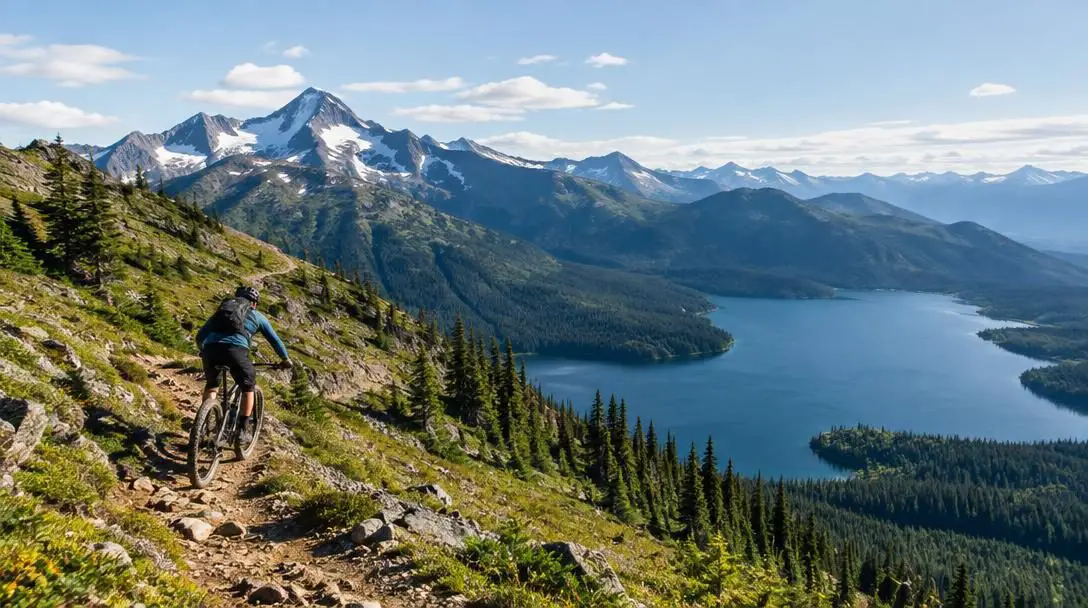
Mountain biking combines cardiovascular conditioning, physical balance, and intense mental focus, making it one of the most rewarding outdoor sports in the world. Whether weaving through dense hardwood canopies or rolling over sweeping slickrock expanses, the sport provides an unmatched way to explore diverse landscapes while testing your bike handling capabilities. Because trail systems can vary from gentle, rolling dirt tracks to highly technical downhill descents, choosing the right geographic location is critical to matching your fitness level and technical goals.
Across the United States, several legendary destinations have set the global standard for trail stewardship, design diversity, and natural beauty. From the rocky Appalachian ridges of North Carolina to the high-alpine mountain passes of the Rocky Mountains, these premier trail hubs accommodate everyone from novice riders navigating their first singletrack to seasoned athletes tackling 500-mile endurance traverses.
Key takeaways
- World-class mountain biking destinations feature varied terrain ranging from high-altitude alpine traverses to desert slickrock and dense Appalachian forests.
- Networks like Moab and Copper Harbor offer balanced trail portfolios that cater to complete beginners and seasoned technical experts alike.
- Community collaboration and private landowner partnerships are essential to maintaining iconic trail systems like Vermont's Kingdom Trails.
- Tackling demanding routes such as the 500-mile Colorado Trail requires thorough seasonal timing, advanced physical conditioning, and comprehensive backcountry self-sufficiency.
At a glance: Premier riding destinations
Understanding the unique character, scope, and difficulty of each hub helps riders select the destination best suited to their ambitions. The table below outlines key attributes of these five world-renowned riding areas.
| Destination | Location | Primary Terrain | Key Features & Routes |
|---|---|---|---|
| Copper Harbor Trails | Copper Harbor, Michigan | Lush northern forest singletrack | Little Loon, Moose on the Loose, Chipmunk Run, Black Diamond |
| The Colorado Trail | Durango to Littleton, Colorado | High-altitude alpine backcountry | 500 miles, 9/10 difficulty, national forests, river crossings |
| Kingdom Trails | East Burke, Vermont | Classic New England woods | Over 100 miles across generous private landowner parcels |
| Moab | Moab, Utah | Red rock and desert slickrock | Over 100 tracks, National Ability Center adaptive access |
| Pisgah | Transylvania County, North Carolina | Dense Appalachian forest | Technical mountain riding, Pisgah Mountain Bike Adventures |
Top mountain biking destinations across the country
Each premier destination offers a unique environment that shapes trail construction and riding style. Whether navigating roots in the humid East or managing exposure on high western peaks, these five destinations stand as iconic landmarks in the global mountain biking community.
Copper Harbor Trails
- Location: Copper Harbor, Michigan
- Riding Styles: Downhill, flow trails, cross-country, technical routes
- Notable Beginner Trails: Little Loon, Moose on the Loose, Chipmunk Run
- Advanced Route: Black Diamond
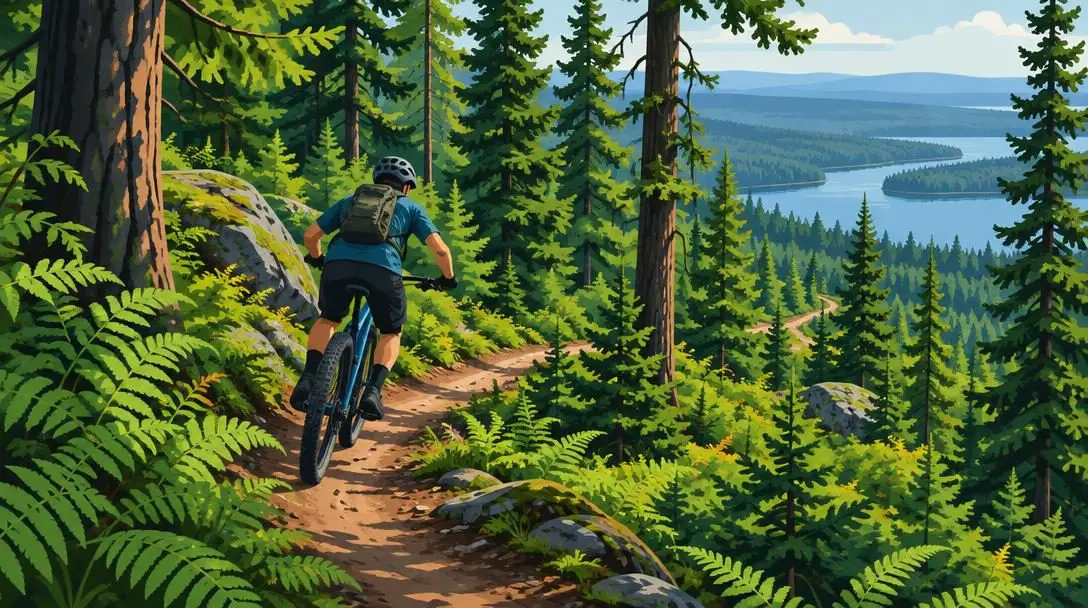
Tucked away in the northernmost reaches of Michigan's Upper Peninsula, the Copper Harbor Trails offer an extraordinary escape surrounded by lush Midwest forest scenery. The network caters to all varieties of cyclists by integrating dedicated downhill runs, smooth flow trails, cross-country singletrack, and demanding technical routes. Casual riders and families can build confidence on accessible beginner tracks like Little Loon, Moose on the Loose, and Chipmunk Run, while advanced riders can test their limits on expert-level Black Diamond lines.
In addition to riding, Copper Harbor functions as a year-round recreation hub. During the snowy months, the trails convert into routes for winter sports like skiing, while hiking paths offer alternate ways to take in the serene northern wilderness during the summer and autumn months.
The Colorado Trail
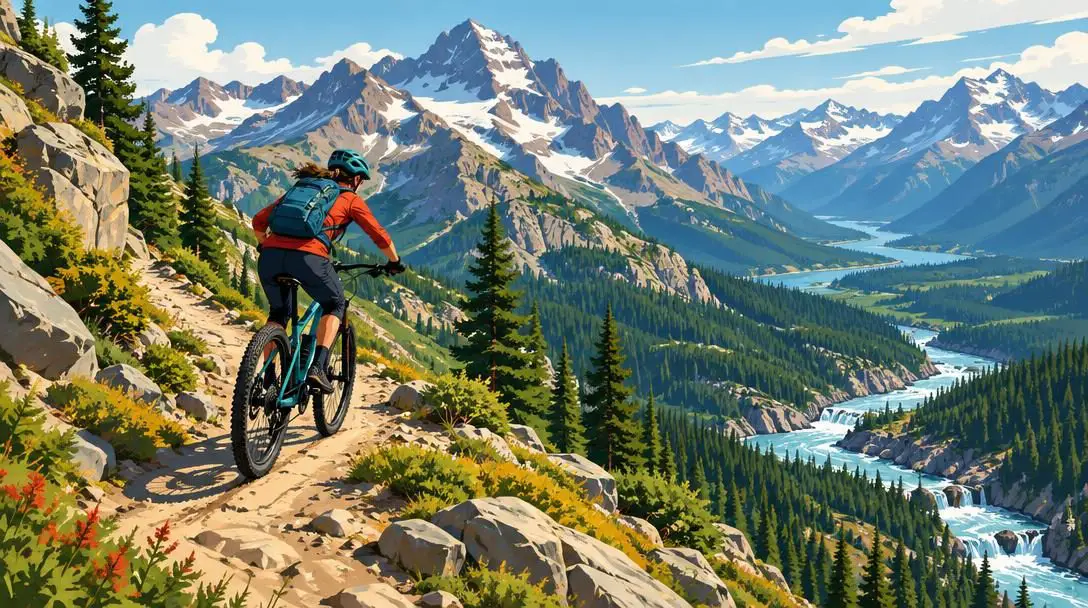
- Length: Approximately 500 miles
- Termini: Durango, Colorado to Littleton, Colorado
- Difficulty Rating: 9 out of 10
- Optimal Window: Mid-to-late summer (post-snowmelt)
The Colorado Trail represents the pinnacle of long-distance backcountry endurance riding. Stretching roughly 500 miles between Durango and Littleton (near Denver), the route cuts directly across the spine of the Rocky Mountains. Cyclists encounter towering alpine peaks, rushing mountain streams, and expansive tracts of pristine national forest. This is not a trail for novices: holding an official difficulty rating of 9/10, it demands high physical stamina, backcountry competence, and seasoned bike-handling technique.
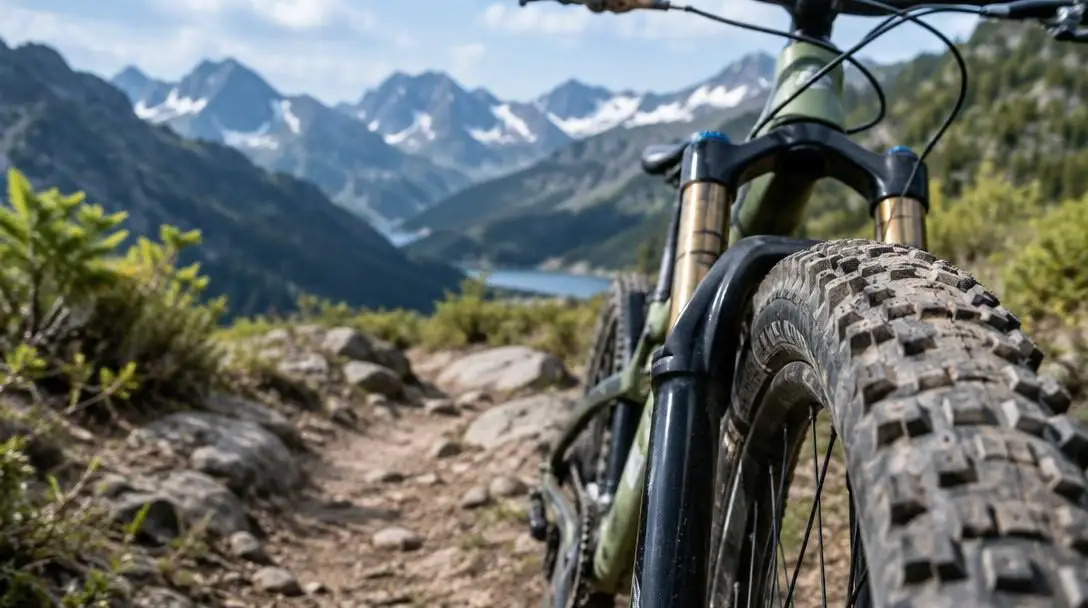
Due to heavy winter snowpacks, access along the trail is strictly dictated by the seasons. The snowpack melts away only during a brief window in the summer months, leaving a narrow opportunity for riders to complete the traverse before freezing conditions and autumn storms return to high elevations.
Kingdom Trails
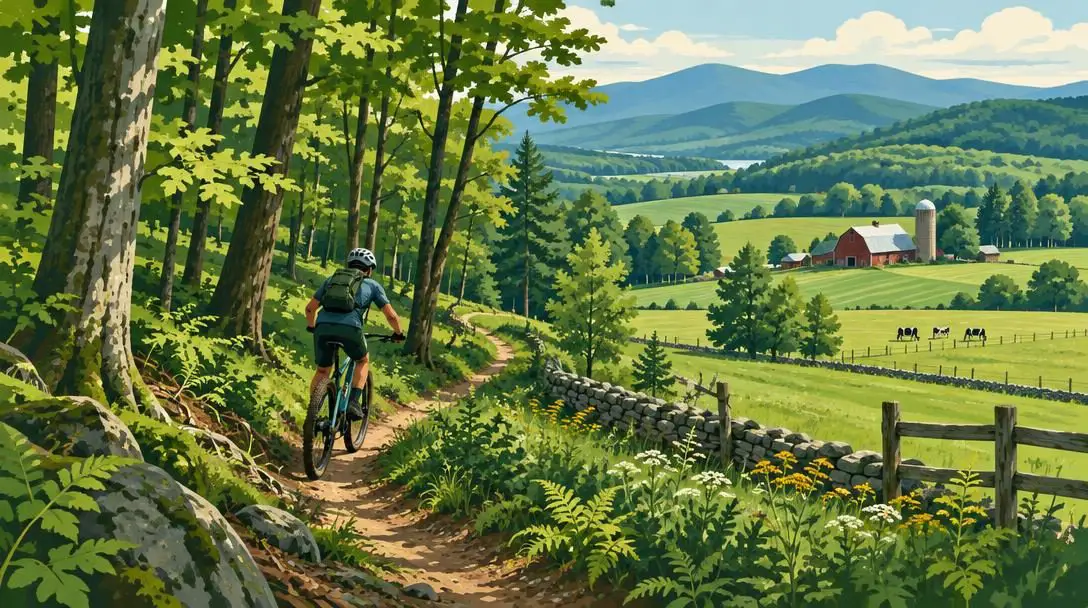
- Location: East Burke, Vermont
- Network Size: Over 100 miles of trails
- History: Active development for more than 25 years
- Land Access: Multi-parcel private landowner permissions
Situated in East Burke, Vermont, Kingdom Trails stands out as one of the earliest trail systems designed and excavated specifically for mountain biking. Spanning more than a century of miles across traditional New England woods, the network combines smooth rolling pathways with technical forest trails. The standout feature of Kingdom Trails is its unique community structure: much of the extensive network exists through the generosity of local residents who grant riders permission to cross their private lands.
This enduring relationship between trail planners and local landowners has sustained the network for over a quarter-century. The system remains celebrated not only for its trail quality and visual charm, but also as an inspiring model of sustainable outdoor recreation built on mutual trust and community support.
Moab
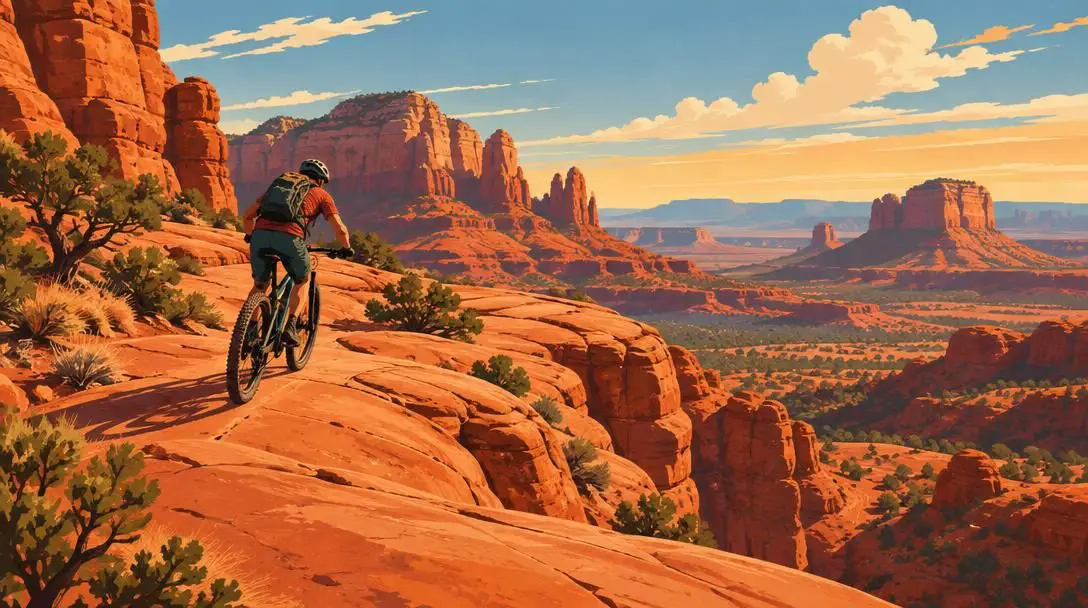
- Location: Moab, Utah
- Trail System: More than 100 individual tracks
- Landscape: Iconic red rock sandstone and desert plateaus
- Adaptive Access: Supported by the National Ability Center
Widely regarded as the top mountain biking destination in the world, Moab is synonymous with extraordinary red rock landscapes and premier desert riding. The region boasts over 100 distinct tracks, offering an array of riding experiences that encompass everything from beginner-friendly paths to high-consequence slickrock ledges that test elite professionals. Beyond cycling, Moab is a world-class adventure capital hosting activities like four-wheeling, scenic hot air ballooning, hiking, bird watching, horseback riding, and fishing along regional waterways.
Accessibility is another cornerstone of Moab's outdoor culture. Organizations such as the National Ability Center operate in the area to provide adaptive equipment and instruction, ensuring that visitors with limited mobility can experience the region's unique desert environment alongside fellow outdoor enthusiasts.
Moab stands as the ultimate desert cycling proving ground, pairing legendary red rock scenery with more than one hundred distinct routes.
Pisgah
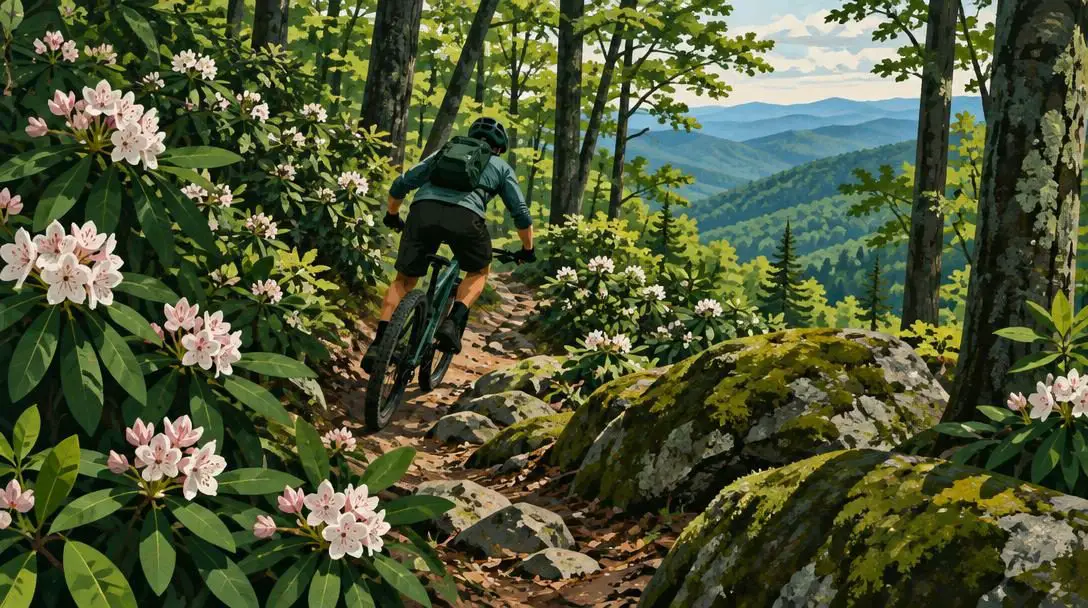
- Location: Pisgah Forest, Transylvania County, North Carolina
- Regional Landscape: Dense Appalachian forest
- Local Guide Resource: Pisgah Mountain Bike Adventures
Deep within Transylvania County, North Carolina, the Pisgah Forest contains some of the most challenging and rewarding mountain biking in the eastern United States. Known for its steep topography, dense forest canopy, and rugged Appalachian surfaces, navigating the backcountry trails here can quickly become overwhelming for unassisted newcomers. Riders must negotiate slick roots, loose loam, and unpredictable weather shifts deep within the backcountry.
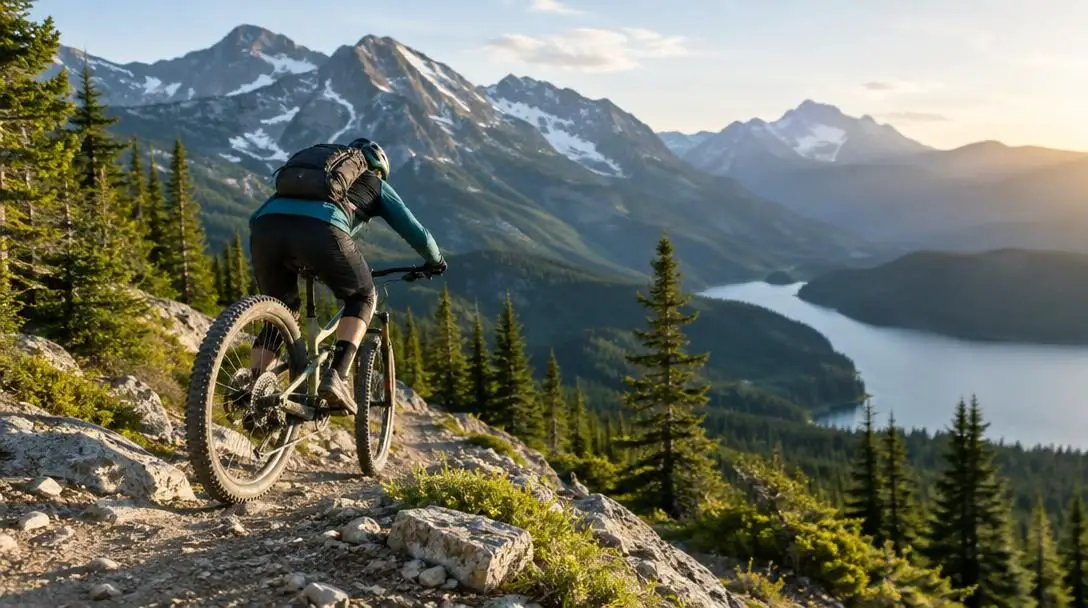
To safely unlock the area's potential, many cyclists rely on Pisgah Mountain Bike Adventures. As a locally owned guide company, they coordinate private, personalized guided excursions. These guided tours allow riders to experience Pisgah's premier singletrack routes safely, relying on experienced navigators to manage route finding and trail etiquette while cyclists focus entirely on the ride.
Understanding trail categories and technical ratings
Navigating modern trail networks requires a firm grasp of terrain styles and trail grading systems. Knowing how trail designers categorize paths helps prevent dangerous mismatches between a rider's capability and the demands of the terrain.
- Cross-Country (XC): Emphasizes pedaling efficiency, endurance, and natural terrain contours. Cross-country trails balance sustained climbs with gradual descents, winding through natural forest floors, meadows, and open countryside.
- Flow Trails: Designed using engineered berms, rollers, and gentle banking to preserve momentum. These paths minimize sudden braking and frantic pedaling, enabling cyclists to ride smoothly using gravity and rhythm.
- Downhill Tracks: Point downward with severe grade drops, built specifically for high speeds and gravity-driven descents. These routes frequently incorporate steep rock faces, drops, and jump features best tackled with full-suspension bikes.
- Technical Trails: Prioritize deliberate bike handling over raw speed. Features include exposed root systems, boulder gardens, off-camber rock slabs, and tight switchbacks that demand precise line selection.
Trail networks use standardized difficulty markers to safeguard visitors. Beginner routes provide wide tread surfaces, minimal slope, and few natural obstacles, allowing newer cyclists to build balance and cadence. Intermediate tracks incorporate moderate elevation changes, tighter turns, and scattered obstacles like loose stones or minor roots. Advanced and expert routes—frequently marked as Black Diamond trails—feature high-consequence terrain, severe drops, mandatory obstacles, and steep gradients that require refined reflex control and expert handling.
How to plan a destination riding trip
A successful trip to a premier mountain biking destination requires careful planning, gear maintenance, and destination research. Follow these practical steps to build a safe, rewarding itinerary:
- Assess your group's collective ability: Review the technical skills and fitness of every rider in your party. Select versatile destinations like Moab or Copper Harbor if traveling with mixed abilities, ensuring easy access to beginner loops alongside advanced tracks.
- Verify the seasonal operating window: Confirm that your travel window aligns with clear trail conditions. High-alpine routes like the Colorado Trail are clear of snowpack only during a small portion of the summer, while northern networks may transition to winter ski operations during colder months.
- Book specialized local guides when necessary: For complex, dense backcountry like North Carolina's Pisgah Forest, hire local services such as Pisgah Mountain Bike Adventures to navigate routes safely and avoid getting lost in remote woods.
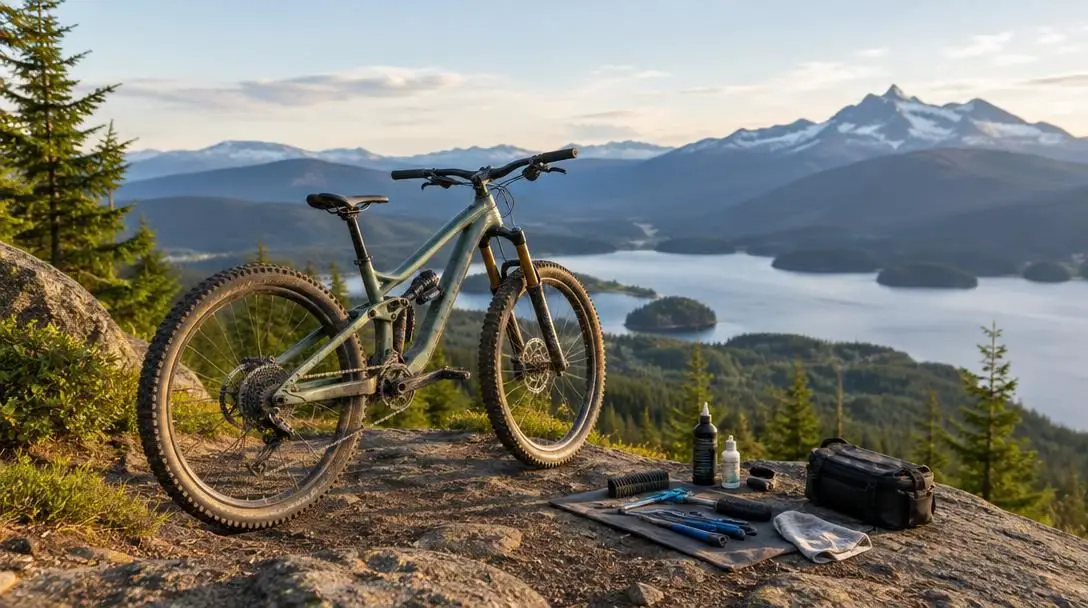
- Perform a thorough mechanical check: Inspect tires, brakes, drivetrain components, and suspension before traveling. Pack an on-trail repair kit containing tire levers, a hand pump, spare tubes or tubeless plugs, and a multi-tool.
- Review local land-use agreements: Familiarize yourself with trail regulations, fee requirements, and private property boundaries. In community-supported hubs like Kingdom Trails, respecting marked trail corridors protects essential private landowner partnerships.
- Equip for self-sufficient riding: Ensure you carry adequate water, energy-dense nutrition, navigation devices, sun protection, and emergency layers, especially when venturing into remote desert or high-altitude environments.
Frequent mistakes that can spoil a riding trip
Even fit athletes encounter serious challenges when riding in unfamiliar territory. Avoiding these common mistakes will ensure your trip remains safe, fun, and respectful of local trail ecosystems:
- Overestimating technical competence: Attempting expert-level Black Diamond lines or high-difficulty backcountry routes before mastering fundamental braking and balance significantly raises the risk of severe crashes and injury.
- Riding on wet or thawing tread: Biking through saturated dirt leaves deep ruts, accelerates tread erosion, and damages the trail surface. Always respect local trail closures following heavy rain or spring thaws.
- Trespassing beyond authorized trail boundaries: Straying off marked singletrack into private properties—particularly in sensitive networks like Kingdom Trails—threatens land-use agreements that the entire cycling community depends upon.
- Failing to acclimate to altitude and climate: Desert environments like Moab and alpine peaks along the Colorado Trail feature low humidity, thin air, and high UV exposure. Underestimating fluid requirements leads quickly to dehydration and exhaustion.
- Neglecting non-cycling regional highlights: Focusing exclusively on bike riding means missing out on the broader cultural and natural attractions of these destinations, such as Moab's hot air ballooning, hiking, and river fishing.
Frequently asked questions
Can beginners find enjoyable riding in top destinations like Moab and Copper Harbor?
Yes. Both destinations feature extensive trail networks that include beginner-level paths alongside advanced routes. Copper Harbor offers friendly beginner loops like Little Loon, Moose on the Loose, and Chipmunk Run, while Moab boasts dozens of gentle desert tracks among its more than 100 routes.
What makes Kingdom Trails unique compared to other trail systems?
Kingdom Trails in East Burke, Vermont, is celebrated for its community-based model. Established more than 25 years ago, much of its 100-plus-mile network crosses parcels owned by private local residents who generously grant permission for cyclists to pass through their lands.
Why is the riding window for the Colorado Trail so short?
Because the Colorado Trail traverses high Rocky Mountain elevations between Durango and Littleton, heavy winter snowpack lingers well into early summer. The trail is generally rideable only during a small portion of mid-to-late summer once the high-altitude snow completely melts.
Why should riders consider hiring a guide in Pisgah Forest?
Pisgah Forest in Transylvania County, North Carolina, features dense Appalachian terrain with complex, rugged trails. Booking a local service like Pisgah Mountain Bike Adventures provides personalized guidance, preventing riders from getting lost or overwhelmed in remote backcountry areas.
What outdoor activities can non-riders enjoy in Moab?
Moab is a multi-sport destination offering four-wheeling, hiking, scenic hot air ballooning, horseback riding, bird watching, and fishing, along with adaptive recreation opportunities through the National Ability Center.
The bottom line
The world's premier mountain biking destinations offer far more than just dirt paths—they deliver deep connections to striking natural environments and vibrant regional communities. Whether your ambition is tackling technical rock gardens in Pisgah, soaking in the red rock panoramas of Moab, or testing your physical limits on the 500-mile Colorado Trail, preparation and respect are fundamental. Match your journey to your group's current skill set, honor private land partnerships, practice low-impact trail ethics, and take full advantage of the incredible landscapes these legendary networks have to offer.