5 Ways To Make The Most Of The Sunset/Sunrise
Every single day presents two guaranteed spectacles: the arrival of dawn and the descent of dusk. Marking the continuous, rhythmic transitions between day and night, these brief intervals are among the most visually captivating natural occurrences on Earth. Yet in modern everyday life, early morning alarm clocks are silenced in favor of staying asleep, while evening hours are spent indoors under artificial office lights or glued to computer screens. Allowing these daily transitions to slip by unnoticed means forfeiting built-in natural pauses that can dramatically elevate physical health, personal happiness, and emotional well-being.
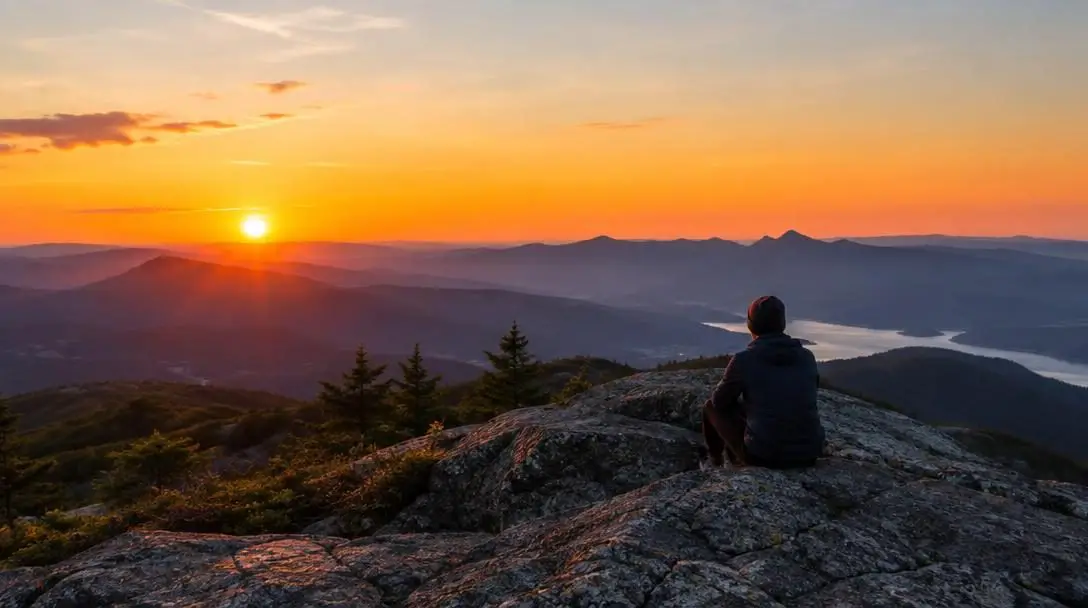
The visual drama of dawn and twilight is rooted in atmospheric physics. When the sun sits low along the horizon, its rays must travel through a considerably thicker layer of the atmosphere. This atmospheric journey scatters shorter wavelengths of light, opening the sky to rich, warm hues like fiery red, bright orange, soft gold, and deep purple. Whether mirrored across wide coastal waters, sweeping over open meadows, or illuminating a modest backyard, the shifting light transforms ordinary environments into breathtaking vistas. Reconnecting with these fleeting moments provides a reliable anchor in the daily cycle, encouraging people to slow down, embrace the outdoors, and discover profound daily renewal.
Key takeaways
- Sunlight passing through a thicker atmospheric layer scatters shorter wavelengths, producing the vivid warm colors characteristic of dawn and dusk.
- Early exposure to natural morning light helps align your circadian rhythm, fostering healthier sleep patterns and enhanced mental focus.
- Approaching sunrise and sunset with intention turns daily environmental transitions into restorative pauses for creative expression, physical movement, and social connection.
- Planning ahead by scouting unobstructed viewpoints and arriving fifteen to twenty minutes before the sun hits the horizon ensures you witness the most vibrant color shifts.
The biological and psychological impact of dawn and dusk
The natural 24-hour cycle of light and darkness directly governs human physiology, vitality, and emotional resilience. At the core of this biological relationship is the circadian rhythm, an internal timing mechanism that manages critical physical, behavioral, and cognitive fluctuations throughout every day. Human biology has developed to depend upon clear environmental cues of illumination and darkness to function at its peak.
When you synchronize your morning wake-up with the rising sun, early daylight hits the eyes and delivers an immediate hormonal cue to the brain. This signal helps set your sleep-wake schedule on an even keel, allowing bodily systems to operate with steady focus and balanced energy throughout the afternoon. Rising with the dawn honors an ancient physical impulse to match active waking hours directly with the available daylight.
Pausing to witness the rapid shifts of dawn and dusk provides a natural mental reset that cuts through daily clutter and restores presence.
Beyond regulating your internal biological clock, twilight offers distinct psychological perks. The swift, dynamic color progression of sunrise and sunset demands intentional focus. Pausing your tasks to observe these rapid skyward shifts creates an immediate mental break, lifting your mood and clearing mental exhaustion. In the morning, pairing daybreak with gentle physical motion wakes up the joints and clears morning brain fog. Come evening, watching the sun dip past the horizon provides a reliable visual stop sign, nudging your mind to drop daytime stressors and ease gracefully toward nighttime rest.
Five distinct ways to experience daybreak and dusk
Turning these everyday horizon changes into truly memorable rituals is easy when you adopt purposeful activities suited to dawn and dusk. Here are five practical approaches to experiencing sunrise and sunset to their fullest potential.

| Activity | Ideal timing | Setting | Primary benefit |
|---|---|---|---|
| Photography and Art | Dawn or dusk | Any scenic or everyday view | Creative inspiration and visual mindfulness |
| Get Romantic | Dawn or dusk | Beaches, balconies, patios, fireside | Intentional connection in an intimate atmosphere |
| Correct Your Circadian Rhythm and Exercise | Sunrise | Outdoor trails, parks, neighborhood paths | Biological clock alignment and physical alertness |
| Enjoy Them by the Beach | Dawn or dusk | Coastlines, lakefronts, large bodies of water | Panoramic visual scale amplified by water reflections |
| Have a Bonfire | Sunset | Backyards, fire pits, open beaches | Communal unwinding, comfort food, and evening joy |
Photography and Art
Harnessing dawn and dusk as sources of creative inspiration is one of the most rewarding ways to experience them. You do not have to be an accomplished professional photographer to document the shifting sky. While high-end camera bodies and sharp lenses can yield striking image definition, even standard everyday cameras and mobile devices produce wonderful captures thanks to the soft, diffused natural lighting of golden hour. The unique angle of low-horizon sunlight has an uncanny ability to turn unexceptional neighborhoods into warm scenes while elevating dramatic natural landmarks into extraordinary images. For individuals who prefer tactile, traditional mediums over digital displays, setting up an easel, sketchbook, and paints provides an immersive outlet. Painting the sky as it transitions forces you to closely study the subtle gradients of amber, crimson, and lavender as the light shifts in real time.
Get Romantic
Because sunrises and sunsets unfold within relatively narrow timeframes, they offer built-in opportunities to share exclusive, meaningful moments with a partner. Making the most of these transient windows requires forethought so you are settled and comfortable when the colors peak. Sunrises lend themselves to quiet, private morning dates. You might carry a fresh breakfast basket directly onto the shoreline, find a table at an open-air breakfast patio, or share coffee on an elevated hotel balcony during a weekend getaway. Sunsets supply natural warmth and soft ambiance, creating a classic backdrop for sitting beside a crackling outdoor fire pit, booking a dinner table along the water, or wrapping up in blankets on a quiet backyard patio to watch the day gently fade.
Correct Your Circadian Rhythm and Exercise
Choosing to wake up alongside the dawn helps satisfy your body's innate biological drive to follow the arc of the sun. Experiencing direct morning light right after waking aids in recalibrating your circadian cycle, which directly supports more restful nighttime sleep and steadier energy during daylight hours. Pairing this early wake-up with light-to-moderate physical movement turns twilight into an energizing health routine. Stepping outside to stretch, jog, or power walk while the world is quiet limbers up tight muscles, gets blood circulating, and primes your focus for the tasks on your schedule. Exercising amidst the stillness of daybreak establishes an upbeat, disciplined tone that sustains you through the rest of the day.
Enjoy Them by the Beach
While low-angle sunlight beautifies almost any landscape, its visual impact is magnified when observed beside a large body of water. Coastal shorelines and lakefronts act as giant liquid mirrors, catching the warm gradients of the sky and bouncing them across the water's surface to create an immersive panoramic view. Shoreline viewing works remarkably well across all seasons of the year, provided you dress for the prevailing weather. You can reserve an overnight waterside room to view the horizon without leaving the warmth of your lodging, or pack up early for a crisp morning walk to see the dew sparkle as the sun breaches the open horizon. Watching an evening descent across water offers an equally theatrical show as fiery reflections gradually surrender to cool twilight blue.
Have a Bonfire
Organizing a bonfire offers a relaxed, comforting way to bring any evening to a close. Gathering around an open flame does not need to wait for a major holiday or a formal celebration; it can easily become a regular social ritual across spring, summer, and autumn. You can host an informal summer cookout, gather around a backyard fire ring on a crisp autumn evening, or mark the welcome warmth of spring after months of being cooped up indoors. Invite family, bring friends together, and encourage children to take part. Roasting marshmallows for s'mores, swapping stories, and relaxing beside a warm fire while the horizon glows orange and indigo produces lasting memories. It also provides the perfect setting to snap candid group photos with the brilliant evening colors framing the background.

Practical steps to build a daily viewing habit
Transitioning from occasionally noticing a pretty sky to purposefully building dawn and dusk appreciation into your lifestyle requires simple, intentional adjustments. Following these structured steps will help you establish a dependable routine.
- Track exact horizon times in advance. Solar times change by minutes each day throughout the year. Consult your standard weather forecast or a simple mobile app to learn the exact moment the sun will rise or set so you are never left guessing.
- Scout your viewpoints ahead of time. Seek out local parks, hilltops, west-facing overlooks for dusk, and east-facing clearings for daybreak. Finding places with minimal obstructions ensures your line of sight is unobstructed when you arrive.
- Establish an early bedtime routine. Waking early enough to greet the dawn without fatigue requires backing up your sleep schedule. Gradually shift your evening bedtime earlier in fifteen-minute increments until waking up early feels comfortable.
- Prepare your gear the night before. Place walking shoes, coats, art materials, or camera gear right by the front door. Removing morning friction makes it much easier to step out into the early air before the initial color shift fades.
- Designate sunset as your mental finish line. Treat the evening twilight as an intentional stopping point for your workday. When the evening hues begin to spread, let that serve as your cue to close work tabs, step away from screens, and shift into personal rest.
Common mistakes to avoid
When heading out to catch the morning or evening light, several common blunders can undermine an otherwise serene experience. Keep these potential pitfalls in mind to get the most out of your time outdoors:
- Showing up right at the posted horizon time: The richest atmospheric scattering occurs during civil twilight—before the disk of the sun emerges at dawn and after it dips beneath the horizon at dusk. Arriving at the exact minute listed on your weather app often means missing the most saturated display.
- Overcomplicating your setup: Hauling bulky tripods, numerous heavy lenses, or elaborate supplies turns a peaceful moment into an exhausting logistical exercise. Keep your gear minimal so your focus stays on the natural display.
- Neglecting seasonal layers: Dawn often brings the coldest temperatures of a 24-hour cycle, and evening warmth dissipates rapidly once the sun slips below the tree line. Failing to bring a warm jacket, beanie, or lap blanket can force you inside long before the color show concludes.
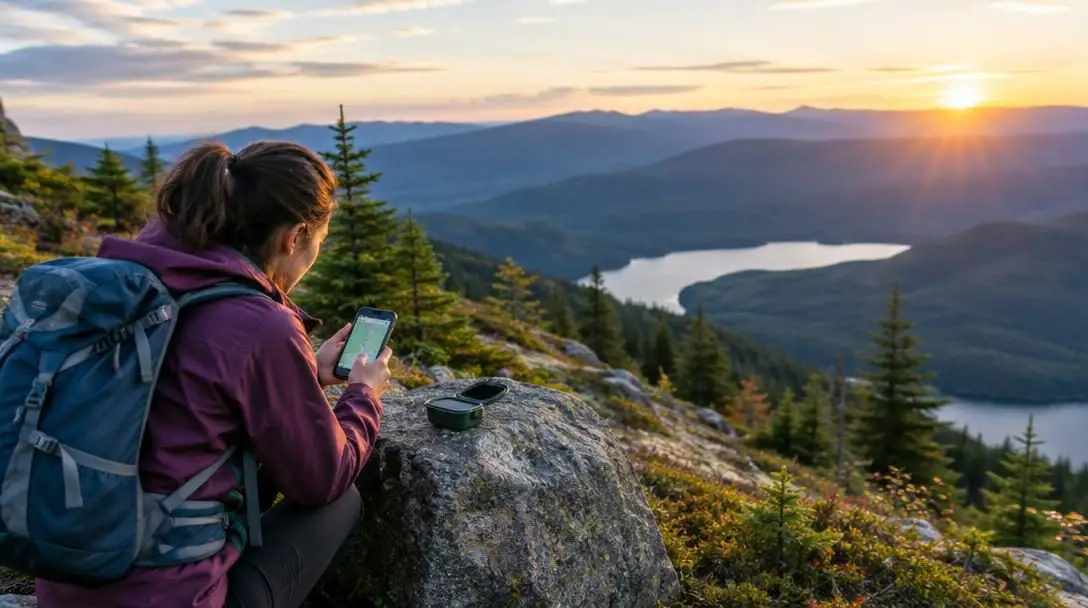
- Focusing entirely on a screen: Snapping a photograph or short video is a wonderful keepsake, but remaining glued to a tiny monitor or smartphone camera detaches you from the ambient sounds, fresh air, and shifting light. Capture your photo, put your device away, and watch the event with your own eyes.
- Ignoring the sky forecast: Heavy, impenetrable cloud blankets or sudden rainfall will completely obscure the low-angled sun. Check local cloud cover forecasts so you can calibrate your expectations before making a long trip to an overlook.
How to deepen your sunrise and sunset practice
After you have successfully integrated dawn and dusk into your daily rhythm, there are several enjoyable ways to expand your appreciation over time:
- Observe all four seasons: Dawn and dusk shift dramatically depending on the time of year. Crisp winter air often provides remarkable horizon clarity, while warm summer evenings yield long, lingering twilights. Watching these changes month by month offers deep insight into your local seasonal rhythm.
- Map scenic viewpoints into your travels: Whenever you travel to a new town, national park, or coastal destination, research premier lookout points in advance. Setting aside time for an early morning harbor walk or an evening clifftop viewing allows you to experience unfamiliar places at their most magical hours.
- Keep a dedicated visual journal: If you paint, sketch, or take pictures, compile your morning and evening work into a dedicated notebook or visual album. Reviewing your entries over time serves as a rewarding chronicle of changing seasons and creative growth.
- Establish shared rituals with loved ones: Transform twilight into a shared tradition by planning recurring outings, like a quiet Sunday morning dawn hike with a friend or a bi-weekly Friday night patio gathering with your family. Shared outdoor pauses strengthen relationships while keeping you anchored in natural cycles.
Frequently asked questions
Why are sunrises and sunsets colorful instead of just bright white?
When the sun is low on the horizon, its light must pass through a much thicker slice of Earth's atmosphere than it does at midday. This extra air scatters shorter wavelengths of light, such as blue and violet, allowing longer wavelengths—like reds, oranges, and deep golds—to pass through and illuminate the sky.
How early should I arrive to see the best colors?
Plan to arrive at your viewing location at least fifteen to twenty minutes before the officially listed sunrise or sunset time. The most intense pinks, purples, and warm glows regularly occur during twilight, just before the sun's upper edge breaks the horizon at dawn and just after it drops out of sight at dusk.
Does viewing the sunrise really improve sleep quality?
Yes. Early exposure to natural daylight delivers an essential environmental cue to the brain, signaling that it is time to be awake. This immediate light exposure helps set and stabilize your circadian rhythm, which in turn promotes steadier daytime alertness and facilitates smoother, more restful sleep at night.
Do clouds ruin a sunrise or sunset?
Not necessarily. While thick, low-hanging overcast can block the sun entirely and produce flat gray light, high, scattered, or broken clouds often make the view much more spectacular. These clouds catch the low-angle sunlight from beneath, reflecting vibrant crimson, orange, and purple hues across the entire sky.
What equipment do I need to enjoy dawn and dusk photography?
You do not need costly professional cameras or specialized glass. Thanks to the soft, flattering illumination characteristic of golden hour, modern smartphones and basic digital cameras can capture stunning, high-contrast imagery without complex setups.
The bottom line
In an increasingly fast-paced and screen-dominated culture, the rising and setting of the sun stand as reliable, magnificent reminders to pause. These brief daily events offer far more than pretty scenery; they provide proven biological benefits for your circadian rhythm, foster creative inspiration through photography and painting, and create natural, intimate spaces for romance and social connection.
By learning exact solar times, scouting local viewpoints, and showing up a few minutes early with an open mind, you can turn ordinary morning and evening hours into meaningful daily rituals. Making a habit of stepping outside to watch the sky transition helps you shed everyday stress, attune your biological clock to the natural world, and rediscover wonder right in your own backyard.