5 Most Extreme Escape Rooms For Hardcore Fans
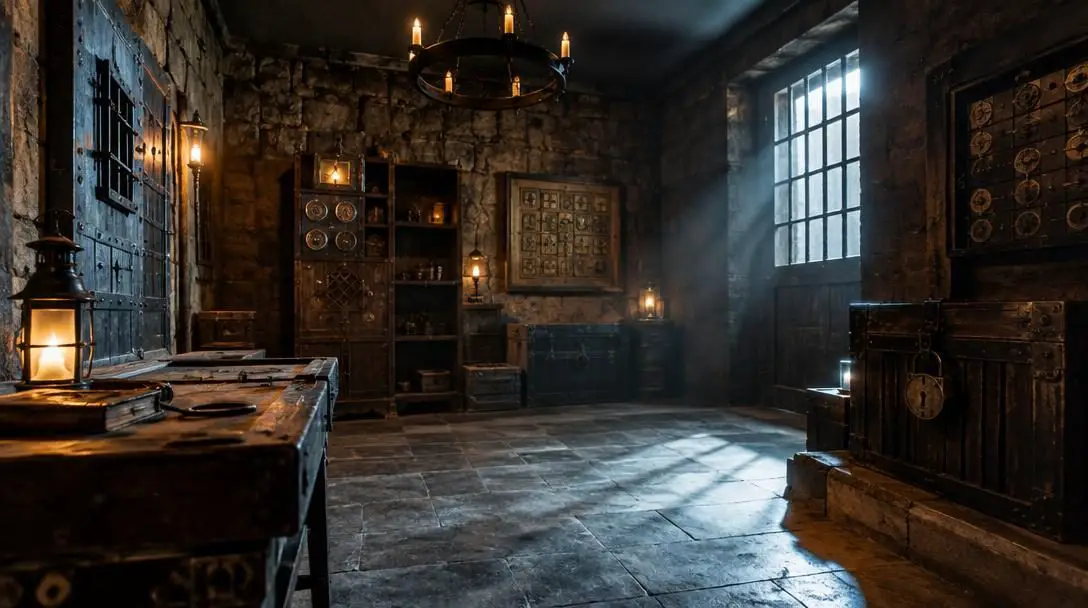
Escape rooms have traveled a dramatic path from their origins as casual mental pastimes. In their earliest format, these venues offered modest cooperative puzzles where friends or colleagues tackled standard combination locks, opened hidden drawers, and resolved paper logic games inside carpeted office suites. Today, an elite tier of attraction design has moved in a radically darker direction, trading cheerful corporate icebreakers for raw psychological endurance tests known as extreme escape rooms.
These grueling installations drop participants into visceral survival simulations governed by high-stakes storytelling, sensory disorientation, and intense physical theater. Designed specifically for veteran players who find standard clue hunts unchallenging, extreme escape rooms introduce aggressive psychological pressure, low success rates, and themes so intense that players must sign formal liability waivers before crossing the threshold.
Key takeaways
- Extreme escape rooms trade casual logic riddles for relentless psychological stress, sensory manipulation, and survival-themed storylines.
- Iconic venues across California, Louisiana, and Pennsylvania challenge players with low success rates, including an unforgiving 12.5% clear rate at The Basement.
- Many advanced rooms introduce live actors and physical entities inside the game space, testing communication while adrenaline spikes.
- Success in horror escape scenarios demands disciplined organization, immediate room sweeps, centralized item collection, and avoiding common pitfalls like pocket hoarding.
At a glance: America's premier extreme escape challenges
While traditional facilities focus on accessible family entertainment, extreme destinations cater to dedicated travelers seeking pure adrenaline. The table below outlines how top-tier installations compare across geography, narrative themes, and key gameplay parameters.
| Venue | Location | Narrative Theme | Key Attribute / Success Rate |
|---|---|---|---|
| The Basement | Los Angeles, California | Serial killer's maternal home | 12.5% success rate; cryptic scavenger puzzles |
| The Torture Chamber | Elk Grove, California | Lair of the American River Killer | 60-minute window; clues left by previous victim |
| The 13th Gate Escape | Baton Rouge, Louisiana | Avery Island Asylum medical horror | Voted #1 in the US; intermediate puzzle difficulty with extreme fear |
| Bates Motel Escape Rooms | West Chester, Pennsylvania | Cinematic suspense and psychological terror | 60 minutes; CGI, custom lighting, and engineered audio |
| Fear The Bogeyman | Bartonsville, Pennsylvania | Paranormal search for missing children | 60 minutes; active physical entity shares the space |
Five extreme escape rooms testing player sanity
For dedicated escape enthusiasts who have mastered their local circuits, standard rooms no longer provide the necessary thrill. The following five locations have earned national reputations by pushing environmental immersion, fear factors, and puzzle complexity to their utmost limits.
The Basement
- Location: Los Angeles, California
- Antagonist: Edward Tandy
- Success Rate: 12.5%
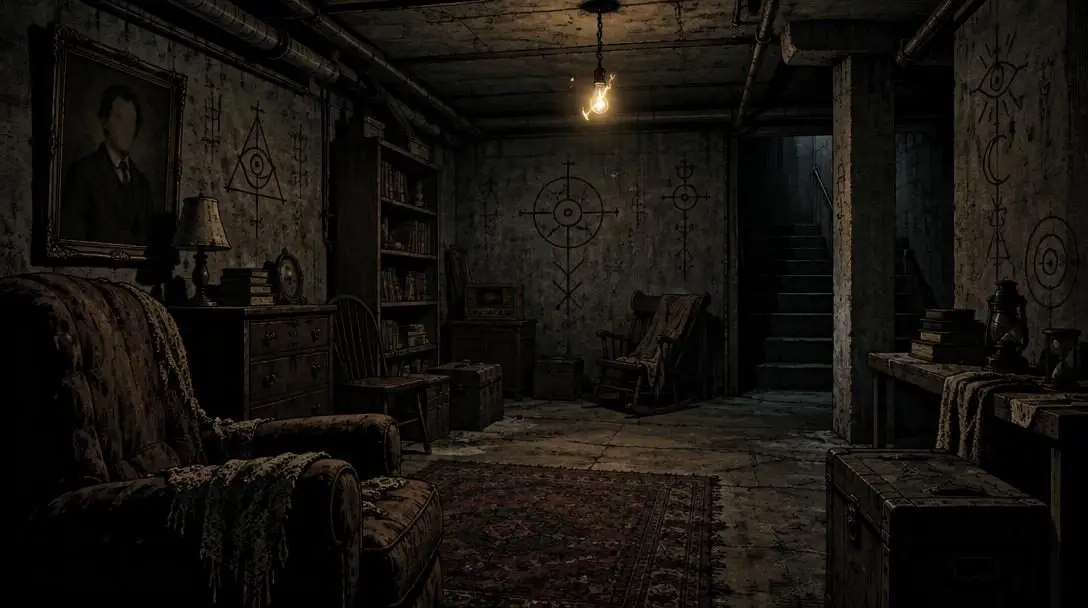
Widely regarded as one of the most punishing and atmospheric horror experiences in the country, The Basement drops visitors directly into a living nightmare. The narrative casts your group as captives of Edward Tandy, a psychotic, flesh-hungry, cannibalistic serial killer who has locked you inside the home of his deceased mother. Rather than simply leaving you to rot, Tandy plays a cruel psychological game by leaving behind a trail of clues structured like a twisted scavenger hunt to test whether you are worthy of freedom.
Escaping this grim subterranean space demands exceptional mental stamina. The puzzles are notoriously cryptic, refusing to hold players' hands or follow standard linear logic. With an unforgiving success rate of only 12.5%, the overwhelming majority of teams succumb to the clock and the mounting dread. Surviving requires participants to maintain clear communication, piece together scattered fragments of Tandy's deranged world, and solve obscure mechanisms before the killer returns.
The Torture Chamber
- Location: Elk Grove, California
- Antagonist: American River Killer
- Time Limit: 60 minutes
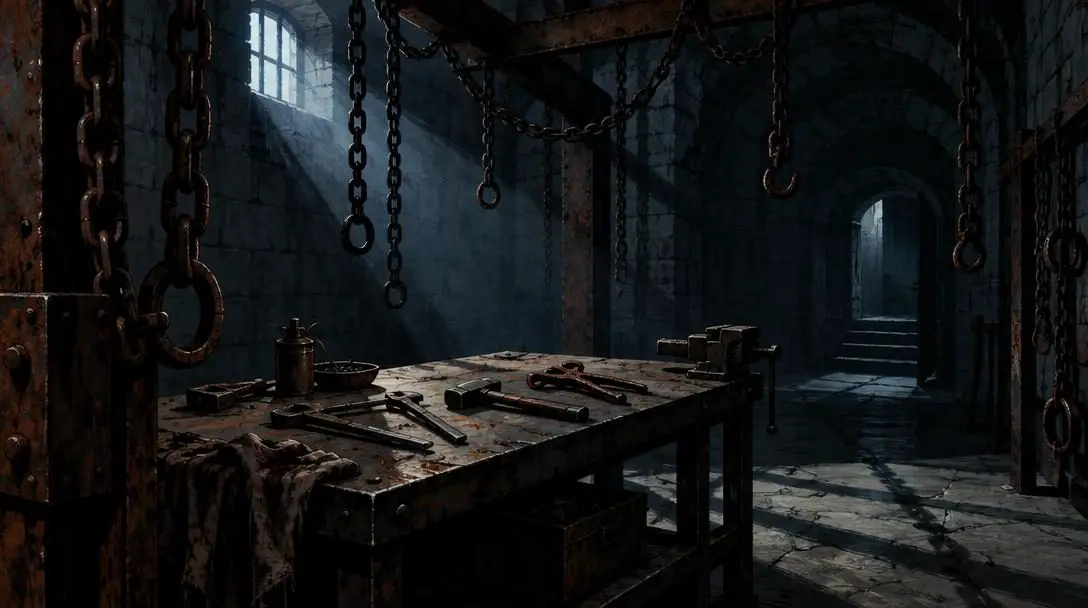
Situated in Northern California, The Torture Chamber delivers an uncompromising scenario stripped of comfort or safety nets. Players awaken trapped inside the private slaughterhouse of the notorious American River Killer, an elusive predator who has already claimed countless lives and plans to add your team to his tally. The narrative establishes an immediate, ticking deadline: the killer has stepped out of the facility for exactly 60 minutes, leaving behind an agonizingly brief window of opportunity to break free.
The room offers a solitary glimmer of hope. Before her death, the killer’s most recent victim gathered her final reserves of physical and mental energy to hide clues, keys, and subtle guides throughout the chamber. To survive, players must conduct a meticulous search of the gruesome environment. Even the most mundane, unassuming, or tarnished tool resting on a shelf could be the exact instrument needed to bypass a lock and avert a grim fate.

The 13th Gate Escape
- Location: Baton Rouge, Louisiana
- Signature Room: The Asylum Room
- Accolade: Voted #1 escape room in the United States
Holding the distinction of being voted the top escape facility in the country, The 13th Gate Escape is renowned for massive scenic installations that rival Hollywood movie sets. While the venue features diverse scenarios such as the ancient Tomb of Anubis, the pirate-themed Cutthroat Cavern, and the grim confines of Death Row, its most notorious offering remains the terrifying Asylum Room.
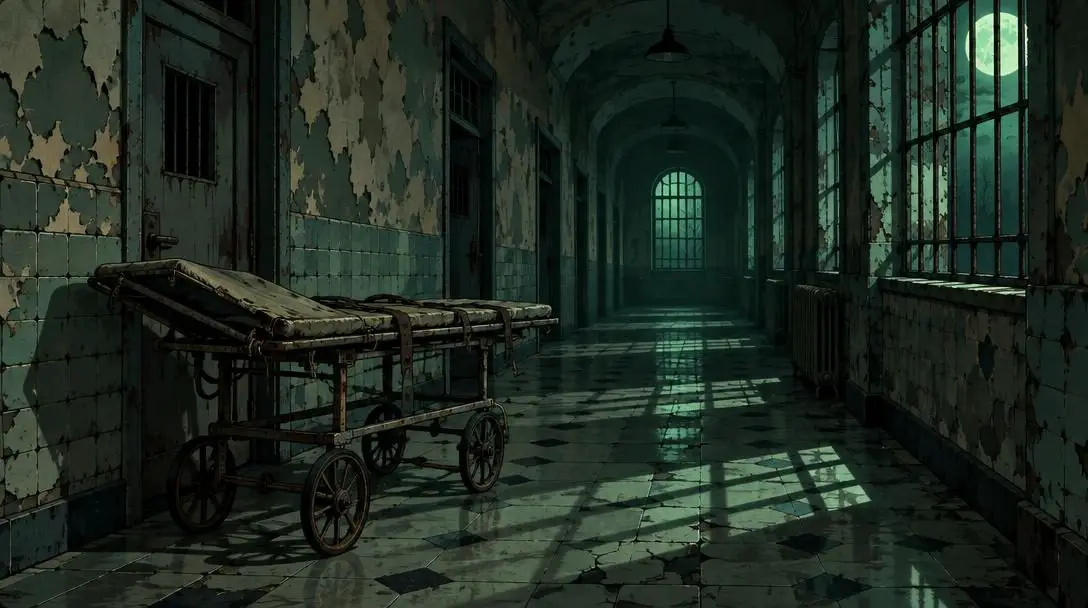
The Asylum Room marries intermediate puzzle complexity with an unrelenting, visceral fear factor. The plot centers on the historical Avery Island Asylum, a former tuberculosis hospital in the early 1900s where the deranged administrator, Dr. Victor Delacroix, carried out horrifying medical experiments on his patients. Although the hospital was shuttered and abandoned after Delacroix died, unexplained, haunting phenomena still plague its decaying hallways. Players enter as an investigative team only to become trapped, leaving them precisely one hour to navigate the facility's twisted legacy and escape intact.
Surviving an extreme escape room is rarely about pure intellectual horsepower; it is about keeping your head when fear actively dismantles your ability to think.
Bates Motel Escape Rooms
- Location: West Chester, Pennsylvania
- Inspiration: Bates Motel fictional franchise
- Time Limit: 60 minutes
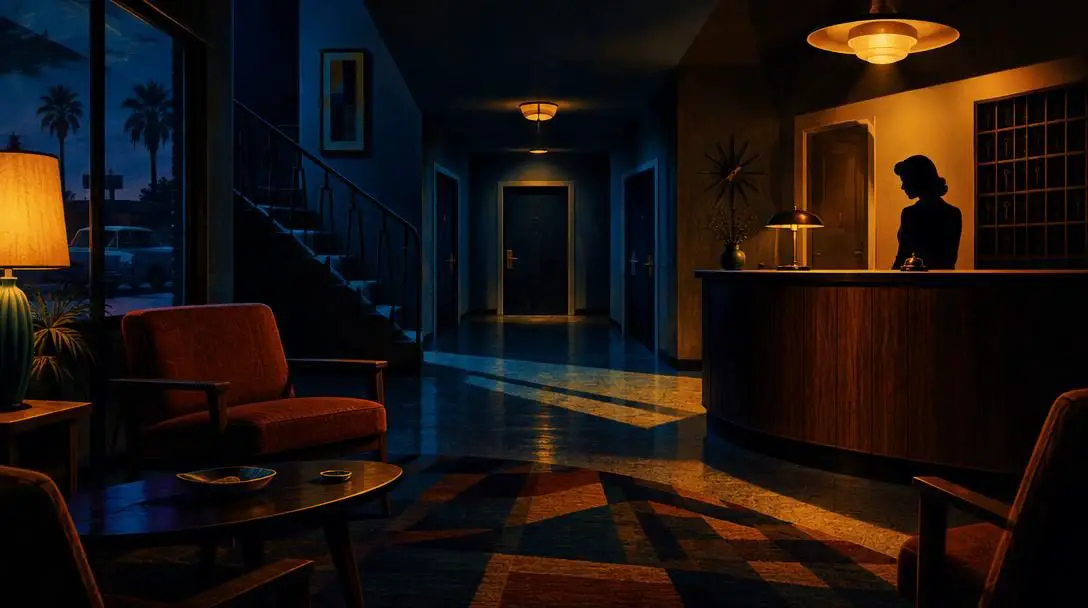
Taking cinematic terror and translating it into a physical environment, the Bates Motel Escape Rooms in West Chester present an exceptional standard of technical execution. Drawing inspiration from the suspenseful fictional universe of the Bates Motel series, this attraction relies heavily on deep environmental realism to build an escalating sense of dread rather than depending solely on basic jump scares.
To keep participants completely immersed, the facility incorporates cutting-edge computer-generated imagery (CGI), custom architectural lighting, and engineered soundscapes designed to elevate heart rates. The gameplay requires keen spatial awareness and critical thinking, challenging teams to discover concealed doorways, read subtle environmental anomalies, and crack multilayered puzzles. Players have 60 minutes to dissect the layout, unlock secret passages, and emerge unscathed.
Trap Door Escape Room’s ‘Fear The Bogeyman’
- Location: Bartonsville, Pennsylvania
- Premise: Abducted children investigation
- Unique Mechanic: Active physical entity present in the room
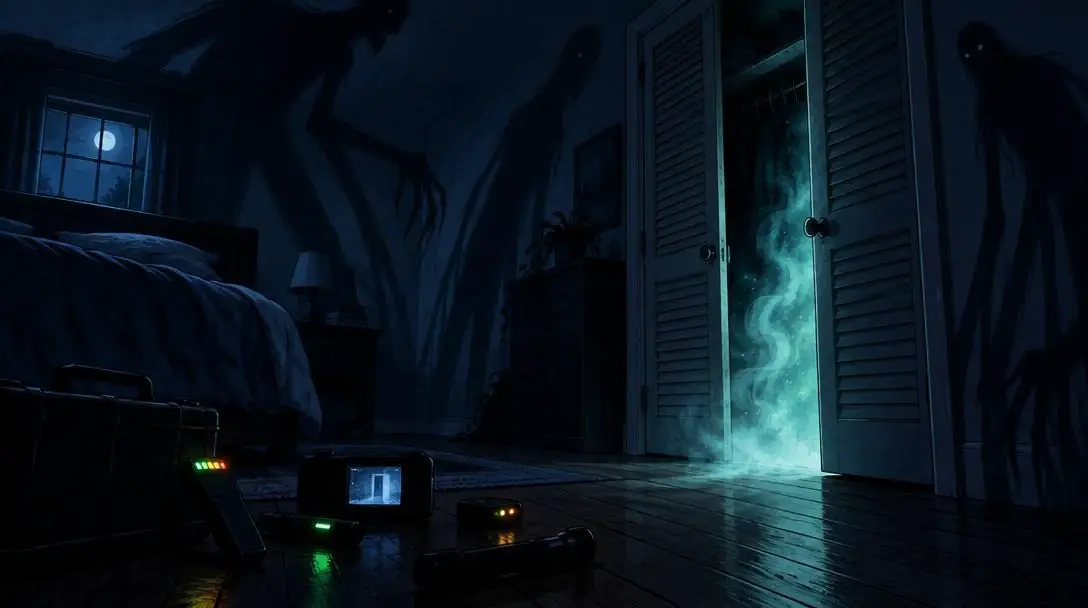
In Bartonsville, Pennsylvania, Trap Door Escape Room flips traditional room design on its head with Fear The Bogeyman. Instead of placing players in a static room where danger is merely implied through decor, this experience casts teams as paranormal investigators tasked with discovering the fate of children stolen by the legendary, shadowy Bogeyman.
The primary element that sets this experience apart from standard puzzle rooms is immediate, active danger: the mysterious entity is physically present inside the space alongside the players. As you search for clues to rescue the stolen souls, you must manage your fear, solve complex mechanical puzzles, and outmaneuver the predatory presence sharing the dark corridors. You are given a strict 60-minute window to accomplish the mission and escape before becoming permanent victims yourself.
How extreme escape rooms engineer psychological terror
To master high-stress escape rooms, players must understand the design mechanisms working against them. Unlike mainstream puzzle games that rely primarily on math riddles and logic grids, extreme attractions use specific sensory and psychological systems to systematically undermine a team's problem-solving efficiency.
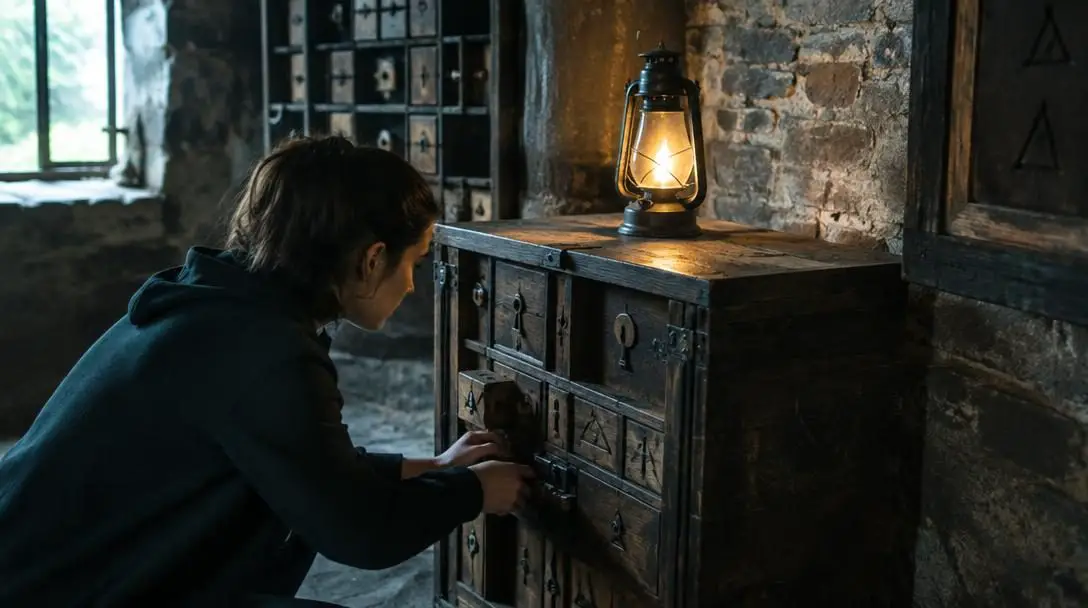
- Sensory deprivation and sensory overload: Designers weaponize environmental extremes. Complete darkness, dense fog, strobing flashes, and sudden deafening audio spikes shatter focus, making basic tasks like reading a code or turning a dial feel monumentally difficult.
- Cryptic scavenger hunts: Rather than presenting clean, linear chains of clues, horror rooms scatter essential mechanical items throughout grim set pieces. Players must overcome natural revulsion to inspect gruesome props, tight crawlspaces, and grimy containers.
- Live performers and predatory entities: The introduction of living actors or costumed entities destroys the safety bubble of a standard puzzle room. Knowing that an antagonist is sharing the room or stalking the perimeter triggers instinctive fight-or-flight responses.
- The pressure of the 60-minute countdown: While an hour is plenty of time for calm analytical thinking, adrenaline accelerates subjective time perception. When team members panic, minutes vanish rapidly with zero tangible progress.
- Physical waivers and panic boundaries: The very presence of legal waivers and illuminated emergency panic buttons introduces a persistent psychological weight, reminding players that they have voluntarily entered a genuinely threatening simulation.
Step-by-step strategy for beating high-difficulty rooms
When entering a room with an 87.5% failure rate like The Basement, enthusiasm alone will not suffice. A systematic operational approach is mandatory to prevent panic from derailing your attempt.
- Execute an immediate spatial sweep: The moment the countdown begins, split your team across different zones. Inspect beneath furniture, sweep along baseboards, feel behind wall decor, and catalog every closed cabinet. Treat every mundane item as a potential puzzle component.
- Designate a central evidence station: Select a clear, accessible surface in the most visible area of the room. Place all discovered items, strange markings, unlocked padlocks, and discarded props in this central location so any teammate can assess the available inventory.
- Broadcast all discoveries verbally: Never work in silence. When you find a three-digit sequence, an unusual keyhole, or an odd scrap of writing, call it out clearly to the room. The piece of information you just uncovered often connects directly to a lock someone else is examining across the set.
- Enforce a strict handoff rotation: If a player works on a single combination, lock, or mechanism for more than three to four minutes without making progress, step away immediately. Pass the puzzle to a teammate with fresh eyes who may immediately see the pattern you missed.
- Regulate physical breathing during jump scares: Extreme rooms are engineered to startle you into halting your workflow. When an actor lunges or a loud noise occurs, take a deliberate, deep breath, reset your composure, and redirect your focus back to the physical puzzles.
Mistakes that doom high-stress escape attempts
Even seasoned escape room enthusiasts regularly fail extreme horror installations. In the majority of cases, failure is caused not by impossible puzzles, but by self-inflicted tactical breakdowns under pressure.
- Swarming a single lock: Having four or five players gather around a single puzzle box creates a bottleneck. While everyone watches one person manipulate a dial, the rest of the room sits uninvestigated, bleeding valuable minutes off the clock.
- Ignoring everyday room decor: In deeply realistic narrative settings like The Torture Chamber, critical survival tools do not glow or feature colorful labels. Teams often look right past essential keys because they resemble authentic, rusted scrap metal or plain domestic objects.
- Freezing when actors appear: Allowing a jump scare or live actor interaction to halt puzzle-solving entirely plays right into the designer's hands. Scream if you must, but keep searching and communicating while doing so.
- Hoarding clues in personal pockets: One of the most destructive habits is slipping a small key, written scrap, or tool into your pants pocket and forgetting about it. Teammates will waste precious minutes searching for an item that has already been found.
- Discarding the narrative backstory: The introduction video or written briefing is not mere flavor text. Stories provide essential hints about your captor's psychology, such as Edward Tandy's maternal fixation or clues deliberately left behind by earlier victims.
What to consider before booking an extreme room
Planning an expedition to tackle America's most challenging escape rooms requires more preparation than booking a local movie ticket. Before reserving your slot, evaluate your group's readiness across several essential criteria.
First, honestly assess the emotional tolerance of every team member. Themes centered around medical experimentation, psychotic cannibals, torture, and claustrophobic spaces can trigger genuine distress. Confirming that everyone in your group is enthusiastic about psychological horror avoids awkward early walkouts via the emergency panic button.
Second, assemble a balanced team roster. A group composed solely of easily frightened players will quickly grind to a halt in the dark, while a squad of only stubborn puzzle-solvers may fail to communicate efficiently. The ideal roster blends calm analytical thinkers, meticulous searchers who leave no stone unturned, and decisive communicators who keep the team moving forward.
Finally, confirm all venue logistical requirements. Read the facility's waiver fine print, review minimum age restrictions, check physical mobility requirements for tight crawlspaces, and ensure your travel schedule leaves plenty of buffer time to arrive early for preliminary safety briefings.
Frequently asked questions
What makes an extreme escape room different from a traditional room?
Extreme escape rooms incorporate dark, graphic narratives, intense psychological pressure, sensory manipulation like strobes and complete darkness, lower success rates, and often live actors who share the space. Many also require participants to sign liability waivers.
Are players actually trapped inside with no way out?
No. While the storyline dictates that you are trapped by a killer, entity, or mad scientist, all venues provide accessible emergency panic buttons or unlocked exit doors to ensure player safety in accordance with building codes.
Why is the success rate at The Basement so low?
The Basement in Los Angeles features an unforgiving 12.5% success rate due to its deeply cryptic, non-linear scavenger-hunt puzzles, combined with overwhelming psychological dread created by its cannibalistic storyline and tense environment.
Do these extreme rooms feature physical contact from live actors?
While venues like Trap Door's Fear The Bogeyman place entities and actors directly inside the game space alongside players, rules regarding physical contact depend on specific venue guidelines and waivers. In most rooms, actors interact to intimidate, distract, and heighten tension without causing physical harm.
How much time do players have to escape these venues?
The universal standard across these premier locations—including The Torture Chamber, The 13th Gate's Asylum Room, Bates Motel, and Fear The Bogeyman—is a strict 60-minute countdown.
The bottom line
Extreme escape rooms represent the pinnacle of immersive horror gaming, transforming passive movie fans into active protagonists fighting against the clock. By taking cinematic set design, intense psychological storytelling, and uncompromising difficulty, venues like The Basement, The Torture Chamber, The 13th Gate, Bates Motel, and Fear The Bogeyman deliver unforgettable tests of courage. Surviving them demands more than puzzle smarts; it requires cool heads, impeccable teamwork, and the ability to focus when every instinct is screaming at you to run.