Singletrack Mountain Biking – What Are The Pros And Cons?
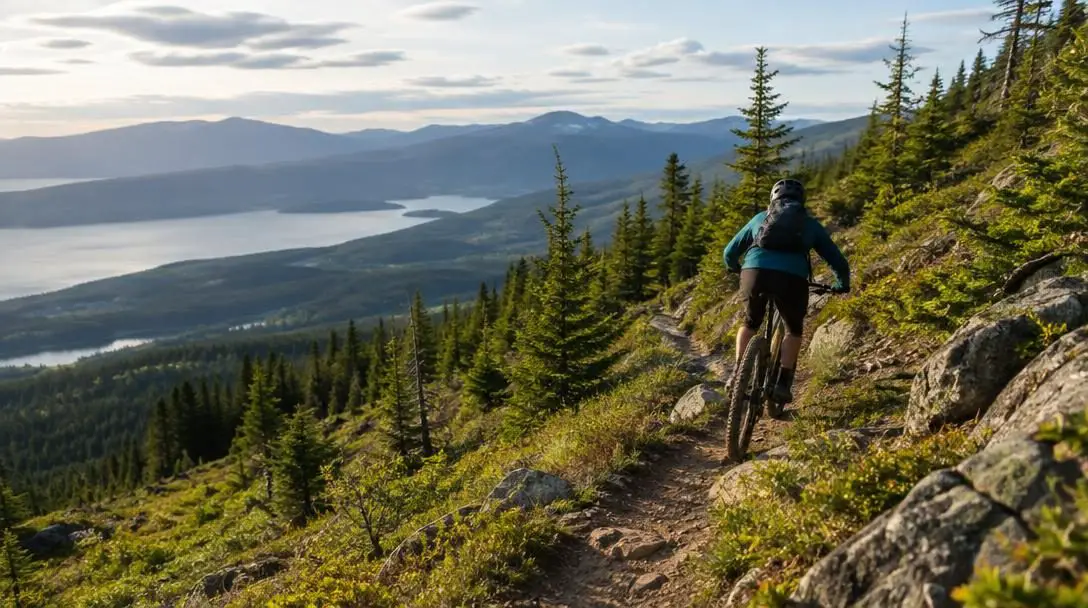
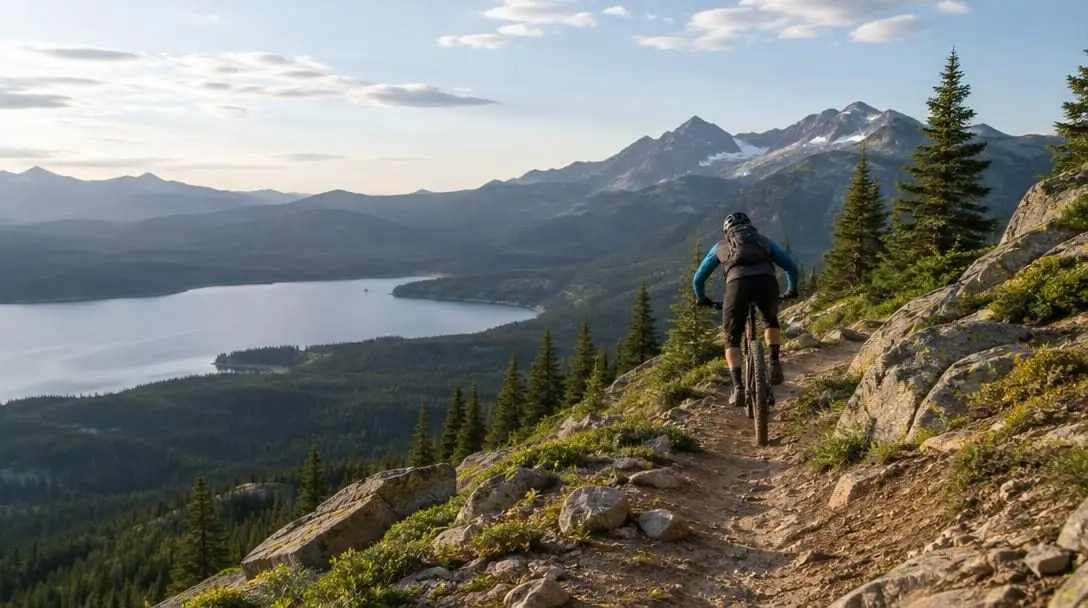
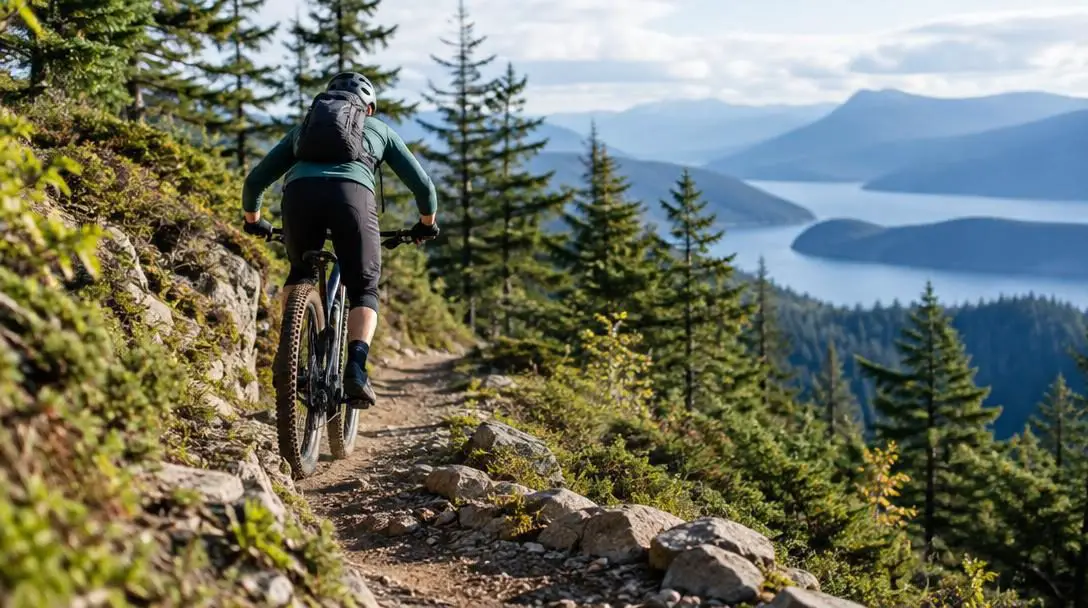
When outdoor enthusiasts think about mountain biking in its purest, most traditional form, singletrack riding is inevitably the image that comes to mind. This time-honored discipline involves riding along a trail roughly the width of a bicycle, where the path looks as though a single tire has rolled through the forest floor or carved into a steep hillside time and time again. Originating from natural game paths, hiking routes, and rugged wilderness access tracks, singletrack offers riders an intimate escape from wide fire roads and paved paths, pulling them straight into direct contact with the topography of the earth.
Yet, the very qualities that make singletrack riding an exhilarating escape—its narrow margins, remote natural corridors, and unpredictable landscape—also demand tremendous skill and preparation. Because riders must react instantly to changing surfaces while coexisting with other trail users and delicate forest ecosystems, tackling narrow paths presents a distinct blend of rewards and trade-offs. Understanding both the physical perks and logistical hurdles is essential before gearing up and pointing your front wheel into the trees.
Key takeaways
- Singletrack trails demand intense mental focus and rapid physical adaptation due to an unforgiving, bike-width corridor.
- Following International Mountain Bicycling Association (IMBA) guidelines preserves delicate ecosystems through strict adherence to Leave No Trace principles.
- Constant elevation shifts, dynamic bike handling, and carrying gear over natural obstacles deliver a comprehensive full-body workout.
- Tight trail clearances heighten the risk of mechanical breakdowns, blind-corner collisions, and painful impacts with trailside trees or drop-offs.
The Mechanics of Riding Bike-Width Paths
Operating a mountain bike along a narrow ribbon of dirt requires a completely different approach than cruising along broad fire roads or smooth greenways. Because the usable surface is often only 12 to 24 inches wide, line choice becomes the deciding factor between clearing a technical section cleanly or stalling out. Front wheels must track a precise path through exposed roots, loose soil, embedded rock gardens, and abrupt rises, leaving virtually zero margin for handling errors.
Momentum and dynamic body positioning are the cornerstones of successful singletrack riding. Cyclists cannot remain seated and pedal with a steady rhythm; instead, they must stand on the pedals with level cranks, keeping their elbows and knees flexed to absorb trail chatter and unexpected bumps. Turning on a narrow path relies heavily on leaning the frame beneath the body and weighting the outside pedal rather than simply swinging the handlebars, which can cause the front tire to wash out on loose dirt.
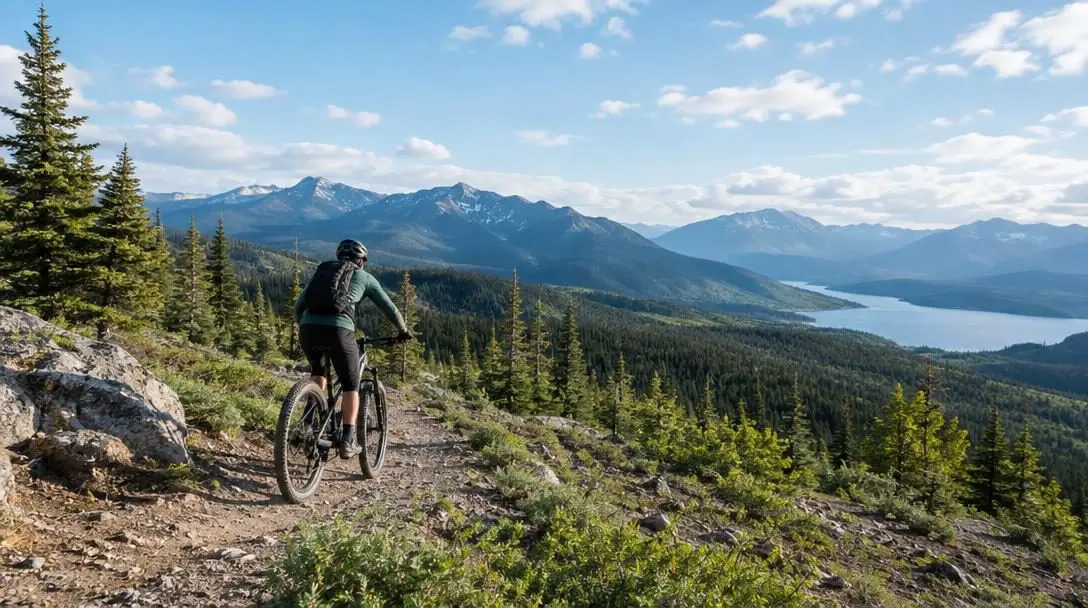
Because the riding surface is only about as wide as a bicycle, line choice dictates whether you glide through a section smoothly or lose momentum entirely.
Furthermore, riders must process visual information at high speeds. Rather than staring down at the front tire, seasoned riders scan several yards ahead to anticipate upcoming trail features, shifting their weight back over the rear wheel on steep descents or leaning forward over the cockpit to maintain front-wheel traction on punchy climbs. This continuous interplay of rapid mental calculations and physical agility makes singletrack uniquely engaging.
Key Advantages of Singletrack Mountain Biking
Choosing singletrack over wide dirt paths or paved corridors yields substantial athletic and personal benefits. Riders who venture onto narrow trails quickly discover why this discipline remains the gold standard for off-road cycling enthusiasts worldwide.
A Complete Test for Advanced Riding Skills
There is perhaps no better proving ground for a cyclist's bike-handling ability than navigating singletrack. The constant technical demands require immediate, instinctive reactions. Riders must judge clearance between tight trees, carry momentum through off-camber corners, and hop small obstacles without losing forward drive. Because the trail demands sustained, intense concentration, it serves as the ultimate mental test, pulling cyclists into a state of total focus where distractions fade away. Moreover, sharing the trail with skilled peers pushes riders to refine their rhythm, adapt to different lines, and continually elevate their overall riding proficiency.
Eco-Friendly Connection to the Natural World
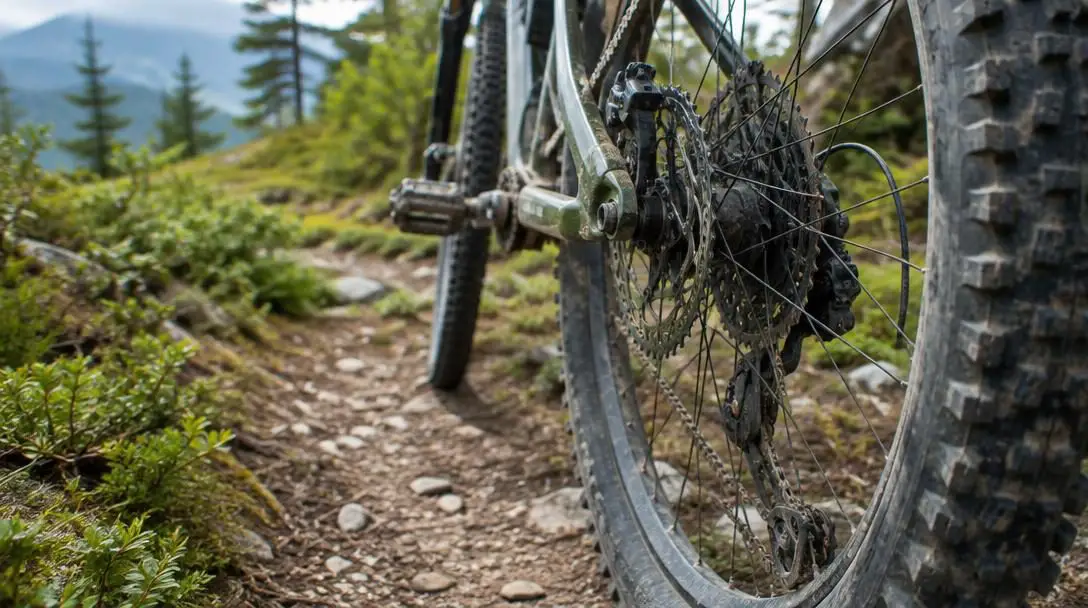
Singletrack culture is rooted in a deep respect for the environments through which these trails wind. Organizations like the International Mountain Bicycling Association (IMBA) have developed the "rules of the trail" to ensure cycling recreation works in harmony with land conservation. Embracing the Leave No Trace ethic, singletrack cyclists prioritize tread preservation by selecting specialized mountain bike tires that minimize soil disturbance. Riders are taught to pass directly through muddy spots or puddle-filled troughs rather than riding around them, preventing trail widening and preserving fragile native plants bordering the corridor.
An Intense Full-Body Physical Conditioning Session
While road cycling and flat gravel riding primarily tax the lower body and cardiovascular system, singletrack cycling requires relentless full-body engagement. Constant elevation fluctuations create interval-style cardiovascular efforts, demanding sudden bursts of explosive power to scramble up technical climbs. Beyond pedaling, riders repeatedly use their core, shoulders, and back to lift the front wheel, pump through natural rollers, and hold aggressive body positions. When fallen logs or impassable rock shelves block the path, riders frequently dismount to lift, carry, and hike their bicycles through rugged sections, transforming an ordinary ride into a demanding cross-training workout.
Inherent Challenges and Disadvantages
While the rewards of singletrack riding are significant, the discipline poses clear difficulties. The very physical attributes that make narrow trails attractive also introduce safety risks and logistical bottlenecks that riders must navigate responsibly.
Sharing Constrained Corridors and Traffic Bottlenecks
Because singletrack trails are engineered for a single line of travel, accommodating two-way traffic or varying rider speeds can be difficult. On popular two-way trails, meeting oncoming riders requires one party to yield and step aside, interrupting the fluid rhythm of the descent or climb. Even on designated one-way routes, performance disparities can cause frustration. Slower or less experienced riders can inadvertently create trail congestion, while faster riders approaching from behind must exercise patience until an appropriate, wide passing zone appears.
Severe Consequences of Trailside Hazards
Singletrack paths frequently bring riders into direct contact with hazardous natural obstacles. Mature trees often stand mere inches from wide mountain bike handlebars, where a minor clip can trigger an instantaneous crash. Overhanging brush and loose branches can tangle in spokes, snag brake levers, or cause painful scratches. Additionally, singletrack trails traversing steep mountainsides often trace narrow benches cut into hill faces; sliding off the downhill edge can lead to a dangerous tumble down steep embankments, resulting in personal injury or damaged equipment.
Devastating Impact of Mechanical Breakdowns
Singletrack trails inherently reach deeper into remote wilderness areas than paved pathways or doubletrack fire roads. When a critical mechanical failure strikes—such as a torn tire sidewall, a snapped chain, or a compromised steering assembly—there is no vehicle access for quick extraction. A stranded cyclist faces an arduous trek back to the trailhead on foot, pushing or carrying a heavy bicycle along a narrow path while remaining vigilant for descending riders who may not have enough stopping distance to avoid an unexpected pedestrian.
Comparing Trail Disciplines: Singletrack vs. Wide Paths
To understand the unique nature of singletrack, it helps to examine how it stacks up against alternative off-road surfaces such as doubletrack utility roads and paved park greenways.
| Trail Classification | Average Tread Width | Primary Technical Obstacles | Traffic Navigation | Physical & Mental Demand |
|---|---|---|---|---|
| Singletrack | 12 to 24 inches | Roots, rocks, tight trees, drop-offs | Single file; mandatory yield stops | High; requires constant active balance |
| Doubletrack / Fire Roads | 6 to 10 feet | Loose gravel, ruts, steady incline | Side-by-side riding; simple passing | Moderate; steady cardiovascular pacing |
| Paved Greenways | 8 to 12 feet | Curbs, pedestrians, road debris | Bidirectional lanes with clear sightlines | Low; predictable traction and surfaces |
Practical Steps for Riding Singletrack Safely and Responsibly
To safely navigate narrow trails while protecting natural ecosystems, every rider should follow a structured routine before, during, and after hitting the trailhead.
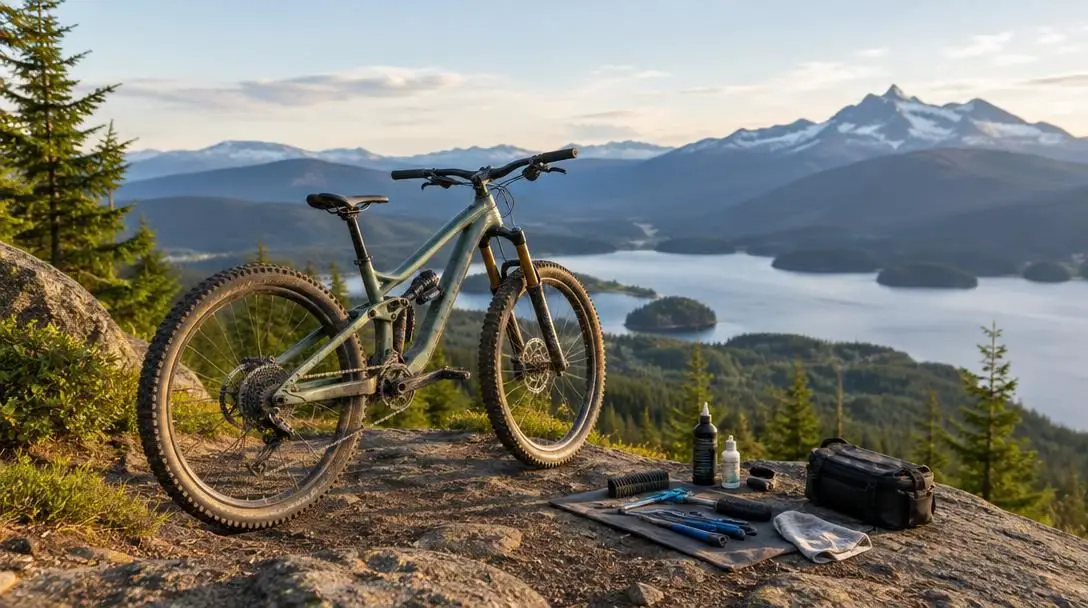
- Conduct a pre-ride safety inspection: Before leaving home, check your bicycle thoroughly. Confirm that front and rear brakes bite firmly, the handlebar and stem bolts are torqued properly, the drivetrain is clean and lubricated, and tire pressures are set to provide traction without risking rim strikes on hidden rocks.
- Assemble a trailside repair kit: Pack self-sufficiency essentials inside a saddlebag or backpack. Bring a mountain-bike-specific multi-tool, tire levers, a mini-pump or CO2 inflator, tubeless plug inserts or spare tubes, and a quick-link for chain repairs.
- Select appropriate protective gear: Wear a certified helmet with adequate temple and rear coverage. Add full-finger cycling gloves to shield your palms and fingers from trailside branches, along with clear or tinted eye protection to block dirt spray and low-hanging twigs.
- Establish a centered body position: Start every descent in the athletic "ready" position: out of the saddle, hips centered over the bottom bracket, knees slightly bent, and elbows flared outward. This stance lets your body absorb trail impacts naturally.
- Direct your vision far down the trail: Resist the urge to stare at the ground directly beneath your front tire. Keep your chin up and focus several yards down the corridor to identify oncoming riders, sharp turns, and technical terrain early.
- Uphold Leave No Trace rules: If you encounter standing mud or water, ride straight through the center of the wet patch. Never swing wide into the pristine brush, as this widens the path and accelerates soil erosion. Pack out all food wrappers and trash.
- Practice courteous yielding etiquette: When you encounter oncoming traffic or catch up to a slower rider, communicate politely. Downhill riders should yield to climbing riders, and overtaking riders should wait patiently until a stable clearing allows for a safe pass.
Critical Mistakes to Avoid on Narrow Trails
New and experienced riders alike often run into trouble on singletrack trails by falling victim to common handling and decision-making pitfalls. Steering clear of these habits keeps trail networks healthy and prevents unnecessary injuries.
- Target fixation on trail hazards: The bicycle naturally travels wherever the rider looks. If your eyes lock onto a protruding boulder, an exposed tree root, or a steep drop-off, you will likely steer straight toward it. Keep your gaze locked onto the clear line of travel around the obstacle.
- Riding around puddles and mud holes: Skirting muddy sections damages fragile trailside root networks and destroys border vegetation. Over time, this behavior expands narrow singletrack into wide, degraded mud bogs. Either ride directly through the center of the puddle or walk straight through it.
- Skidding through corners: Grabbing a fistful of rear brake and sliding the back tire around corners tears up loose topsoil, creating washboard ripples and degrading the trail tread for everyone else. Practice braking before the turn, releasing the brakes, and rolling smoothly through the corner.
- Misjudging hydration and energy reserves: The continuous physical demands of singletrack riding consume calories and fluids much faster than road cycling. Exhaustion degrades mental sharpness, leaving riders prone to severe errors late in a ride. Always carry ample water and dense nutrition.
- Neglecting bike maintenance before entering remote zones: A skipping chain, loose caliper bolt, or slow tire leak that is ignored in the parking lot can quickly turn into a full breakdown deep in the backcountry, leaving you stranded miles from help.
Trail Etiquette, Maintenance, and Progression
Progressing safely into advanced singletrack riding requires more than physical fitness and technical handling; it requires active engagement with the local trail community. Trail stewardship plays a vital role in keeping these delicate networks open and rideable.
Before testing yourself on steep, rock-strewn singletrack, evaluate local trail systems through trail mapping apps or regional biking associations. Most trail networks classify singletrack routes by difficulty, utilizing green, blue, and black diamond markers similar to ski resorts. Beginners should spend significant time on gentle, rolling green trails to build balance, cultivate cornering confidence, and develop instinctive line selection before venturing onto high-consequence terrain.
Riders should also consider volunteering with local trail advocacy clubs and the International Mountain Bicycling Association. Participating in trail-dig days offers an invaluable education on how trail grading, water drainage, and soil compaction work. Understanding how singletrack paths are built and sustained deepens your respect for the environment, reinforcing why responsible riding habits are essential for preserving singletrack access for future generations.
Frequently asked questions
What makes a trail qualify as singletrack?
A trail is defined as singletrack when its tread width is roughly the width of a bicycle, generally ranging between 12 and 24 inches wide. It features a single line of travel designed for one cyclist at a time, winding naturally through native landscape features.
Why is singletrack riding considered a full-body workout?
Unlike flat or paved cycling, singletrack requires constant active maneuvering. Riders must stand on their pedals, flex their arms and legs to absorb terrain impacts, pull on the handlebars to loft over obstacles, and frequently dismount to carry the bike over fallen timber or rough rocky ledges.
What should I do if I encounter a puddle on a singletrack trail?
According to Leave No Trace principles, riders should cycle or walk directly through the center of the puddle rather than skirting around the edge. Riding around water widens the trail footprint, destroys border vegetation, and accelerates trail erosion.
Who has the right-of-way when two cyclists meet on singletrack?
By standard trail etiquette, downhill riders yield to uphill riders. Climbing uphill requires significant momentum and physical balance that is difficult to regain once lost, whereas a descending rider can stop and restart much more easily.
What tools should I always carry on a singletrack ride?
Because singletrack often leads into isolated areas, always carry a multi-tool with chain-breaking capabilities, tire levers, a hand pump or CO2 inflator, tubeless plugs or a spare tube, and a quick-connect chain master link.
The bottom line
Singletrack mountain biking remains one of the purest, most rewarding ways to experience the outdoors on two wheels. By weaving through narrow forest corridors and tracing natural contours, riders achieve an immersive physical and mental workout that few other sports can match. However, the narrow margins, remote terrain, and potential hazards require riders to invest in reliable bike maintenance, safety equipment, and deliberate bike-handling skills. By committing to Leave No Trace principles, yielding with courtesy, and riding within your personal limits, you can savor the thrills of singletrack riding while preserving these remarkable pathways for years to come.