The 5 Most Amazing Summits in the World for Non-Experts
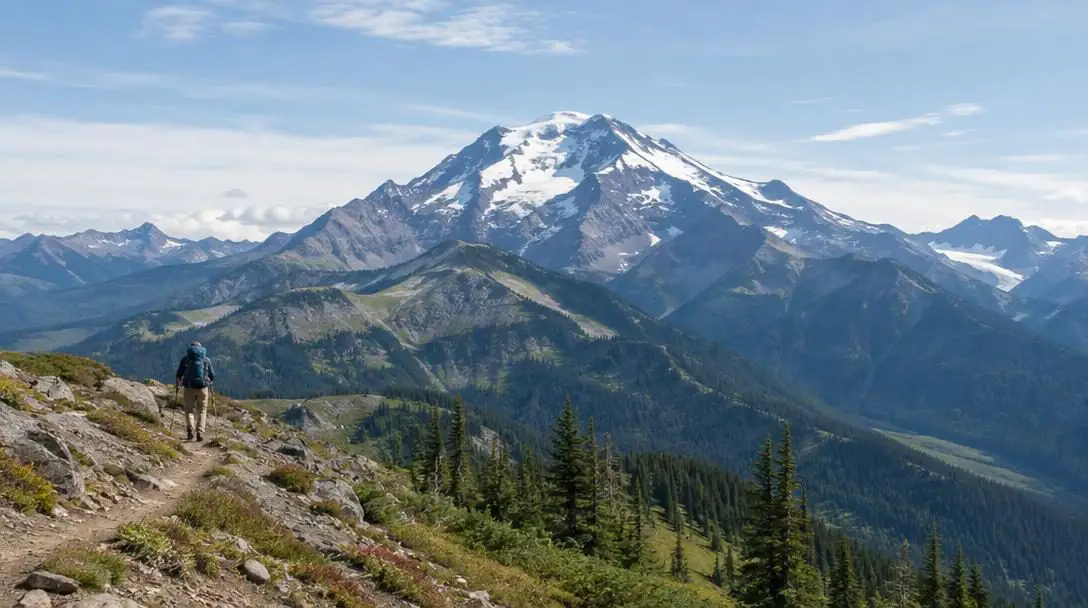
Standing on a major mountain summit is an experience many people assume is reserved strictly for elite mountaineers with ice axes, climbing harnesses, and years of technical alpine training. Yet across the globe, some of the most dramatic and celebrated peaks require no ropes, technical climbing mastery, or crevasse navigation. With the right footwear, dependable clothing layers, steady physical stamina, adequate nutrition, and a deep respect for mountain weather, everyday hikers can stand atop world-famous summits.
From the sweeping volcanic slopes of East Africa to historic rocky tracks in the Scottish Highlands, accessible routes allow non-experts to experience serious elevation gains and panoramic vistas. Understanding the demands of each trail, knowing how to pace yourself, and preparing for shifting mountain conditions are all it takes to turn an ambitious hiking goal into a safe, transformative summit day.
Key takeaways
- Technical climbing skills, ropes, and ice axes are not required to reach famous worldwide summits like Mount Kilimanjaro or Pikes Peak.
- Elevation gain and decreasing oxygen levels demand disciplined pacing, acclimatization, and deliberate physical preparation.
- Established routes vary widely, ranging from six-hour day ascents to multi-day guided wilderness expeditions.
- Safety hinges on listening to your body, carrying sufficient food and water, dressing in adaptive layers, and respecting sudden mountain weather changes.
Iconic summits for everyday hikers at a glance
While each of these world-class peaks can be summited without technical climbing expertise, their elevation, trail duration, and physical demands differ substantially. Reviewing their key characteristics side by side provides a clear starting point for choosing the route that best fits your fitness and schedule.
| Peak | Location | Elevation | Estimated time | Notable route feature |
|---|---|---|---|---|
| Pikes Peak | Colorado, United States | 14,115 feet | 6 to 8 hours | High-altitude trails above the alpine tree line |
| Mount Kilimanjaro | Tanzania, Africa | 19,341 feet | 5 to 8 days | Multi-day trek across distinct ecological zones |
| Ben Nevis | Scotland, United Kingdom | 4,413 feet | 7 to 9 hours | Stony path passing historic observatory ruins |
| Mount Fuji | Honshu, Japan | Tallest in Japan | 5 to 10 hours | Volcanic switchbacks with mountain huts |
| Tofana di Rozes | Dolomites, Italy | 3,600-foot gain | Around 6 hours | Fixed iron ladders, cables, and rungs |
The 5 most amazing summits in the world for non-experts
These five mountains prove that non-specialists can experience high-altitude majesty and rugged alpine terrain without specialized rope systems. Each peak provides established trails, distinct natural beauty, and a memorable summit challenge.
Pikes Peak

- Location: Colorado, United States
- Summit elevation: 14,115 feet
- Annual visitors: Over 500,000
- Standard hike time: 6 to 8 hours
Arguably known as America's most famous mountain, Pikes Peak rises fifteen miles outside Colorado Springs and serves as an accessible introduction to high-altitude hiking. The peak features two primary paths for hikers: the Barr Trail and the Crags Trail. Both trails are out-and-back journeys that take the average hiker between six and eight hours to complete.
Hiking to an altitude of 14,115 feet means leaving the forested lower elevations behind and venturing above the tree line into thin alpine air. Because Colorado alone is home to 58 summits standing at 14,000 feet or higher, Pikes Peak serves as a renowned testing ground for everyday outdoor enthusiasts aiming to evaluate their stamina on high North American peaks. The heavy volume of visitors ensures that trail tread is distinct and well defined, allowing non-experts to focus their energy on pacing and elevation adaptation.
Mount Kilimanjaro

- Location: Northeastern Tanzania, Africa
- Summit elevation: 19,341 feet
- Expedition length: 5 to 8 days
- Climbing status: Guided Seven Summits peak
Known across the world as the "Roof of Africa," Mount Kilimanjaro is a massive, free-standing volcanic mountain rising directly from the sweeping plains of northeastern Tanzania. Despite its towering elevation of 19,341 feet, it stands out as one of the legendary Seven Summits that non-experts can realistically complete with proper physical training and mental determination.
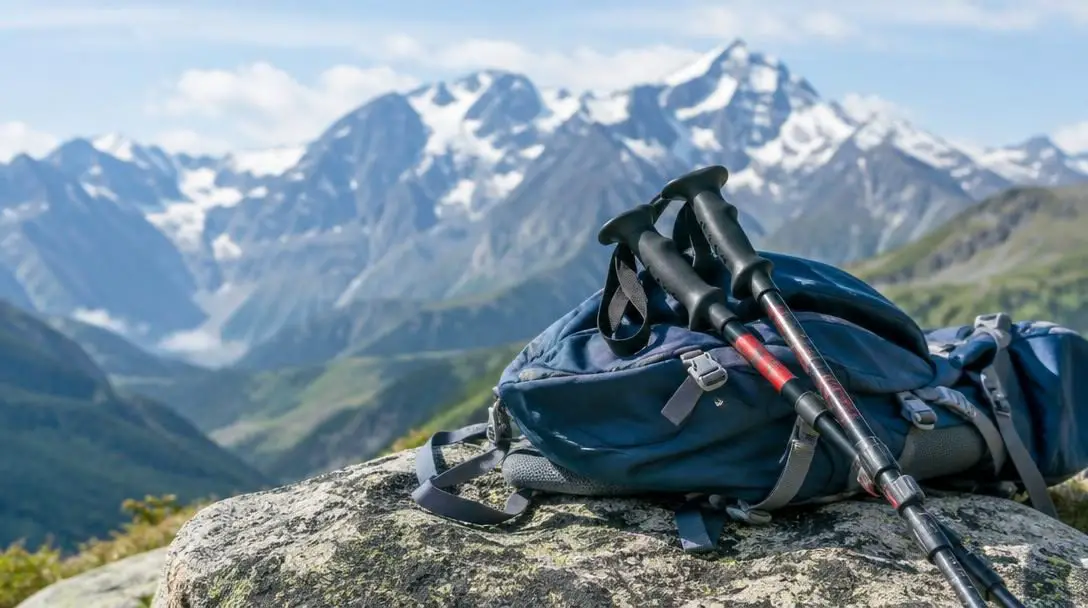
Reaching the summit does not require ropes, technical ice climbing, or complex gear, but it does require careful planning. Hikers choose among seven distinct summit routes, each requiring a licensed guide or participation in an organized expedition group. The journey takes between five and eight days, giving hikers time to adapt to declining oxygen levels as they move through lush rainforests, moorlands, and alpine deserts before reaching the glaciated crater rim. Pacing and bodily acclimation are the central challenges on this prolonged endurance trek.
You do not need decades of technical climbing mastery to access some of the most remarkable viewpoints on the planet.
Ben Nevis
- Location: Fort William, Scotland
- Summit elevation: 4,413 feet
- Annual hikers: Over 125,000
- Standard hike time: 7 to 9 hours
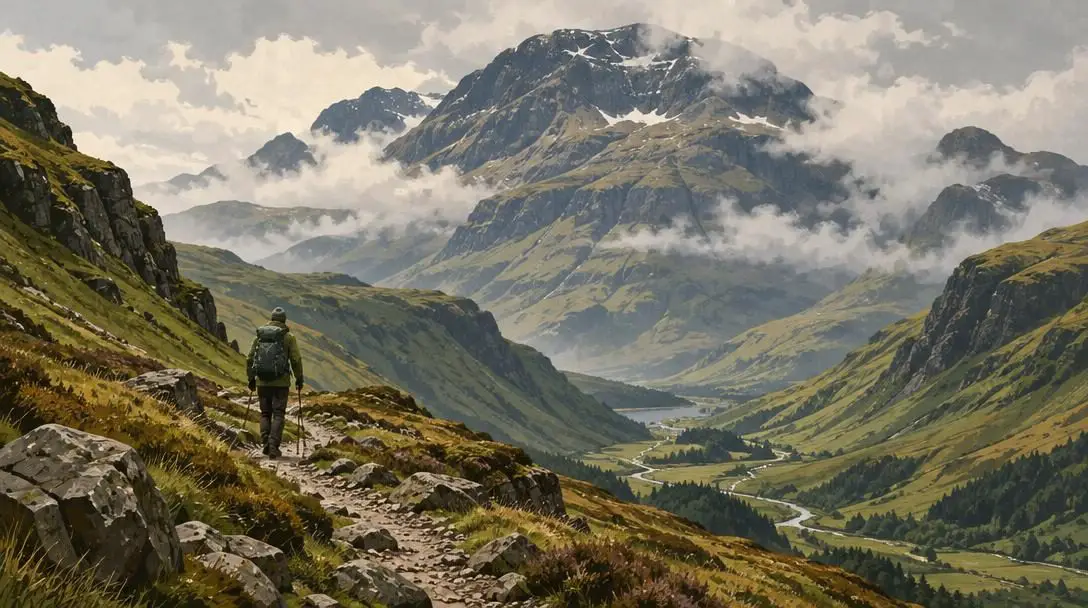
Situated just outside the Highland town of Fort William, Ben Nevis is the highest point in the British Isles. Welcoming more than 125,000 hikers every year, this storied peak gives hikers a genuine highland ascent that can easily be completed within a single day.
The standard route for non-experts is The Mountain Track, historically known as The Pony Track. Hikers generally require seven to nine hours to complete the round trip, leaving ample daylight to return to town for a celebratory evening meal. The trail climbs continuously through scenic glens and follows wide, rocky switchbacks up to an expansive summit plateau. At the top, hikers discover the stone remains of a historic meteorological observatory and sweeping panoramic views across the rugged Scottish Highlands.
Mount Fuji

- Location: Honshu, Japan
- Hiking window: July through September
- Annual hikers: More than 300,000
- Standard hike time: 5 to 10 hours
Recognized internationally for its symmetrical volcanic cone, Mount Fuji is the tallest peak in Japan and holds deep cultural and spiritual significance as one of the country's sacred mountains. Every year, over 300,000 travelers and pilgrims make the trek to its volcanic rim.
Due to winter snow accumulation, the official hiking season runs exclusively from July through September. Trekkers can pick from four well-marked summit trails, each lined with basic mountain huts that offer refreshments and rest stops for overnight ascents. The round-trip hike typically takes between five and ten hours. Ascending over volcanic gravel and stone pathways, hikers often time their journey to witness the sunrise breaking over a sea of clouds before circling the dormant crater rim.
Tofana di Rozes
- Location: Dolomites, Northern Italy
- Elevation gain: Approximately 3,600 feet
- Standard hike time: Around 6 hours
- Route style: Pathway with fixed iron cables and ladders
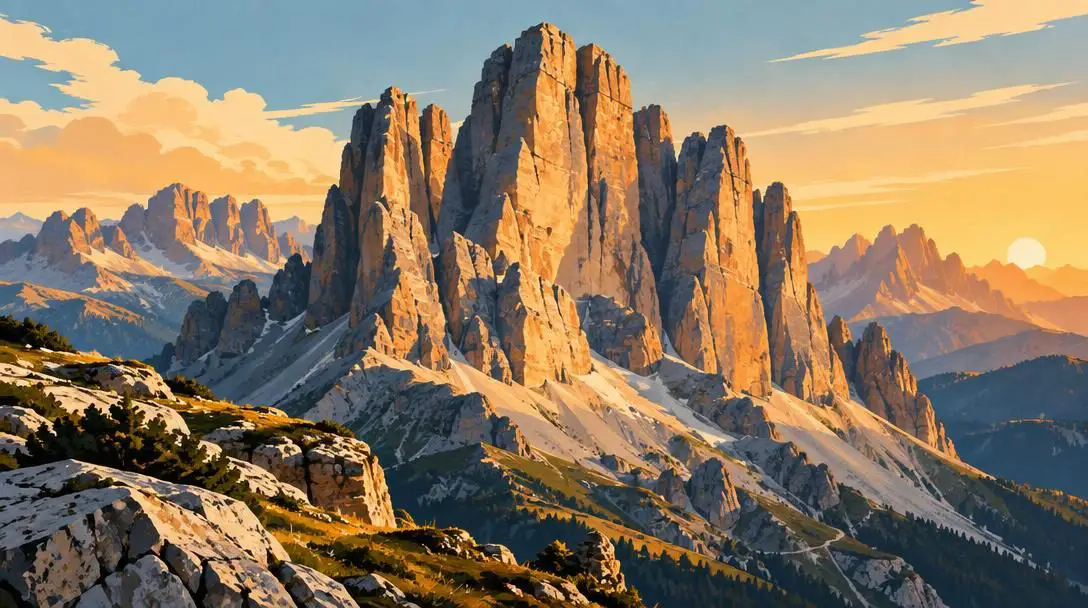
Tucked into the dramatic limestone spires of the Italian Dolomites, Tofana di Rozes offers everyday hikers an accessible taste of rugged alpine rock scenery. With roughly 3,600 feet of total elevation gain and an average duration of around six hours, it provides a compact yet intensely scenic day in the mountains.
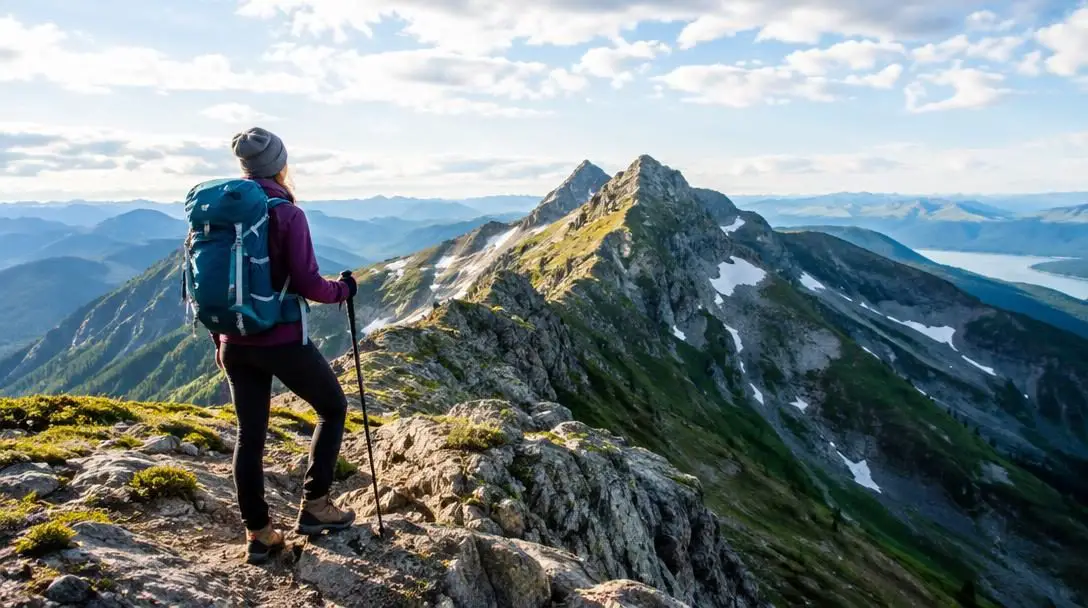
What makes Tofana di Rozes distinctive is its incorporation of fixed iron cables, rungs, and metal ladders along sections of the path. While it does not require technical free-climbing gear or specialized rope skills, these installed fixtures allow non-experts to safely navigate steep rock bands and narrow cliff ledges. It is an ideal outing for walkers looking to experience the vertical exposure of the European Alps without taking on a full mountaineering course.
What sets non-technical peaks apart from mountaineering routes
Understanding why these summits are manageable for everyday walkers helps clarify how to approach them safely. A non-technical mountain ascent relies on physical stamina rather than specialized ropework, but it still demands serious focus and physical endurance.
- Navigating established paths: Unlike mountaineering expeditions that cross crevasse-laden glaciers or vertical headwalls requiring rock protection, non-technical summits follow designated walking trails, clear gravel footpaths, or pre-installed iron fixtures like those found on Tofana di Rozes.
- Sustained cardiovascular workload: Even when footing is straightforward, climbing thousands of vertical feet requires hours of constant muscular work. Your legs and cardiovascular system must support your pack and body weight on unrelenting inclines.
- High-altitude physiology: When ascending peaks like Pikes Peak at 14,115 feet or Mount Kilimanjaro at 19,341 feet, atmospheric pressure drops, meaning fewer oxygen molecules are absorbed with each breath. Hikers must slow their pace to help their bodies adapt to the thinner atmosphere.
- Unpredictable microclimates: High summits create their own weather patterns. Mild, clear conditions at the valley trailhead can transform into gale-force winds, dropping temperatures, dense fog, or sudden precipitation higher up the mountain.
How to prepare for a non-technical summit hike
Completing a challenging peak safely requires deliberate preparation long before stepping onto the trailhead. Following structured preparation steps ensures your body and equipment are ready for the vertical miles ahead.
- Build endurance weeks in advance: Focus on progressive cardiovascular workouts, including brisk hill walking, running, cycling, and stair training, to build the aerobic capacity needed for long trail days.
- Break in your footwear thoroughly: Wear sturdy hiking boots or trail shoes with reliable tread on multiple long training walks to soften materials and prevent painful blisters on summit day.
- Organize an adaptable layering system: Pack moisture-wicking base layers, an insulating mid-layer such as fleece or down, and a protective outer shell that blocks wind and rain as temperatures shift.
- Calculate your fuel and hydration needs: Carry plenty of water along with energy-rich, easy-to-digest food to maintain steady blood sugar and prevent physical crashes during steep ascents.
- Study the specific route and local weather: Review elevation profiles, trail junctions, and descent routes before you leave, and monitor mountain-specific weather forecasts on the morning of your hike.
Mistakes non-experts should avoid on the trail
Most difficulties encountered on accessible summits stem from avoidable judgment errors rather than sudden trail hazards. Staying aware of these frequent missteps will keep your adventure safe and enjoyable.
- Starting the hike too late: Setting off late in the morning reduces daylight buffers and increases the risk of being caught on exposed ridges during typical afternoon weather shifts.
- Setting an unsustainable pace: Pushing too hard in the opening miles quickly exhausts energy reserves and can trigger altitude-related sickness on high-elevation peaks.
- Neglecting consistent nutrition: Cool mountain air can suppress thirst and hunger cues, leading hikers to become dehydrated and calorie-depleted without realizing it.
- Refusing to listen to physical warnings: Continuing upward through severe dizziness, extreme fatigue, or nauseous exhaustion compromises safety; knowing when to turn around is an essential mountain skill.
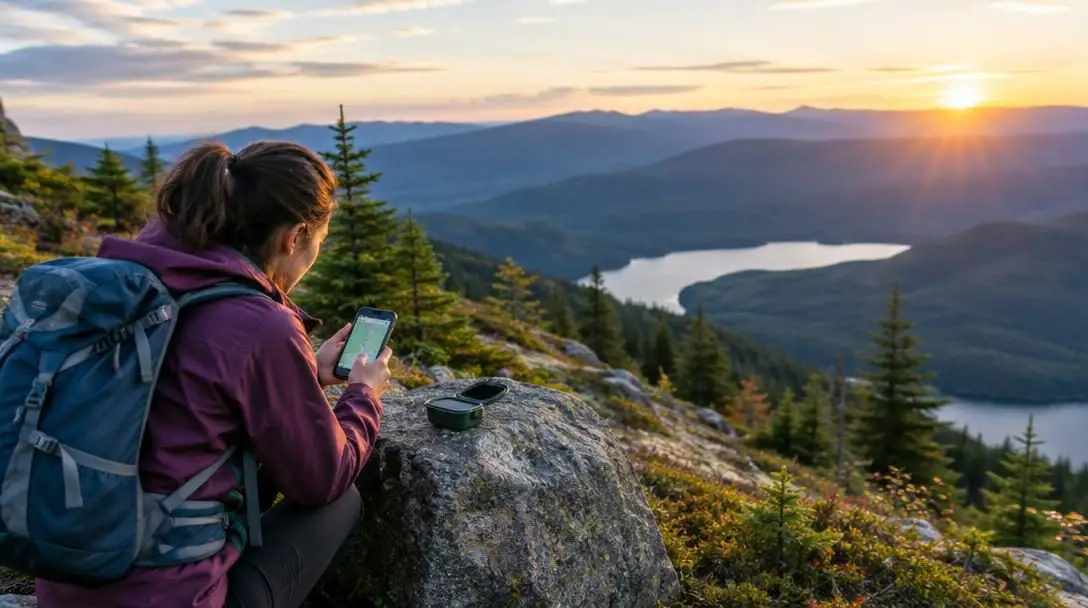
- Relying entirely on electronic devices: Cold alpine air drains mobile phone and GPS batteries rapidly, making basic route familiarity and physical awareness essential.
Frequently asked questions
Do I need to hire a guide to hike Mount Kilimanjaro?
Yes. Regulations require all climbers on Mount Kilimanjaro to be accompanied by a licensed guide or to participate in an organized expedition group. The trek takes between five and eight days across one of seven designated routes.
When is the best time of year to hike Mount Fuji?
The official hiking season on Mount Fuji runs from July through September. During the remainder of the year, significant snow accumulation and harsh winter conditions make the mountain hazardous for non-expert hikers.
How long does it take to hike to the top of Ben Nevis?
Most hikers using The Mountain Track (also known as The Pony Track) take between seven and nine hours to complete the entire out-and-back journey from the base to the summit plateau and back down.
What equipment do I need for Tofana di Rozes?
Tofana di Rozes does not require specialized technical rock-climbing gear, ropes, or ice equipment, but hikers navigate the route using permanently installed iron rungs, cables, and ladders alongside standard sturdy hiking apparel.
How many 14,000-foot peaks are there in Colorado?
Colorado contains 58 mountain summits that reach or exceed an elevation of 14,000 feet, with Pikes Peak being one of the most famous and frequently visited among them.
The bottom line
You do not need to be a seasoned mountaineer to stand on top of some of the most spectacular peaks on Earth. Mountains like Pikes Peak, Mount Kilimanjaro, Ben Nevis, Mount Fuji, and Tofana di Rozes provide accessible footpaths, well-established infrastructure, and world-class views for motivated hikers.
The secret to reaching these heights lies in deliberate preparation, proper footwear, layered clothing, adequate hydration, and a healthy respect for shifting mountain conditions. By listening to your body and maintaining a steady pace, you can conquer serious elevation gains and enjoy unforgettable summit views safely.