Discovering the Benefits of Hiking: Exploring Trails Near You

In an era when daily life is increasingly anchored to indoor workstations and digital screens, prioritizing personal health and wellness has become a pressing necessity. Sedentary routines often leave individuals drained, prompting a collective search for restorative activities that offer respite from artificial environments. Outdoor recreation presents an accessible, invigorating alternative to traditional fitness centers, allowing people of all fitness levels to reconnect with the natural world while simultaneously strengthening their bodies.
Among the countless ways to engage with the outdoors, hiking is one of the most practical and rewarding pastimes available. The activity requires no expensive gym contracts or specialized sports facilities, making it adaptable to virtually any routine. Across rural regions and bustling metropolitan centers alike, trail networks are widely available, ranging from gentle greenway corridors within local urban parks to rugged backcountry pathways winding through sprawling national parks. Exploring these routes transforms a simple walk into an integrated wellness practice supporting both physical vitality and mental calm.
Key takeaways
- Hiking combines aerobic conditioning with resistance training to boost cardiovascular efficiency, build lower-body strength, and aid weight management.
- Immersion in natural surroundings significantly lowers cortisol levels to alleviate stress, while sustained movement stimulates endorphin release to brighten mood.
- Online platforms like AllTrails, TrailRunProject, and HikingProject offer critical trail maps, difficulty ratings, recent photos, and community condition reports.
- Careful preparation—including packing hydration and first-aid supplies, monitoring the weather forecast, and informing a contact—ensures safe trail exploration.
- Protecting natural spaces relies on strict adherence to trail etiquette, such as packing out waste, yielding to others, and remaining on marked paths.
The physiological benefits of trail walking
At its core, hiking functions as a simultaneous aerobic and resistance workout. Walking along flat asphalt or exercising on a motorized treadmill forces the body into repetitive, linear movement patterns. In contrast, natural trails present ever-changing, irregular topography that demands continuous physical adaptation. Moving over slopes, tree roots, loose gravel, and switchbacks stimulates several bodily systems at once, delivering comprehensive advantages for cardiovascular fitness, muscular endurance, and metabolic regulation.
Cardiovascular conditioning is among the most profound physical rewards of regular trail excursions. As a hiker climbs inclines and negotiates unpaved paths, the heart must pump more vigorously to supply oxygenated blood to active muscle groups. This exertion enhances systemic circulation, strengthens the cardiac muscle, and lowers resting blood pressure over time. By maintaining a consistent schedule of trail outings, hikers build long-term cardiovascular resilience that reduces the chronic risk of heart disease and stroke.
Muscular development and functional stamina also improve significantly on the trail. Traversing uneven ground activates the primary muscle groups of the lower body, specifically the quadriceps, hamstrings, gluteals, and calves. Because the surface beneath each step shifts subtly, smaller stabilizing muscles around the ankles, knees, and hips must constantly fire to maintain equilibrium. Furthermore, carrying a light backpack introduces an external load that engages the abdominal core and upper back, building functional strength that translates directly into everyday activities.
For individuals pursuing weight loss or long-term weight management, hiking offers a natural, sustainable method for expending energy. Propelling body mass upward against gravity over natural barriers burns substantial calories without the monotony often associated with stationary gym equipment. Even short, modest hikes completed on a regular basis produce tangible health dividends, making trail walking an inviting exercise choice for sustainable lifestyle changes.
Mental well-being and cognitive restoration in nature
While the physical advantages of trail walking are extensive, the emotional and mental transformations are equally striking. Modern living surrounds people with rapid notifications, artificial lighting, and relentless multitasking, which can leave the central nervous system in a state of chronic arousal. Hiking immerses the human senses in an organic environment, offering an essential pause from technological demands, screen fatigue, and routine domestic stressors.

One of the primary psychological benefits of spending time outdoors is the tangible reduction of stress and anxiety. Immersing oneself in quiet forests, open meadows, or mountain valleys helps diminish circulating cortisol, the primary stress hormone. As systemic cortisol drops, feelings of nervous tension subside, fostering an internal sense of emotional calm and relaxation. The natural sights, aromas, and acoustic textures of the outdoors provide a soothing backdrop that counteracts daily mental strain.
Regular trail walking also encourages an elevated emotional state and promotes an optimistic outlook. Sustained physical movement prompts the brain to release endorphins, the body's natural chemical messengers associated with positive mood and discomfort relief. These biochemical signals combat cognitive fatigue and generate feelings of joy. Reaching a scenic summit, completing a challenging loop, or successfully navigating rough terrain provides an authentic sense of personal achievement that renews one's perspective on daily challenges.
Taking intentional steps into nature provides a proven path toward sustained physical vigor, renewed mental perspective, and a lifelong appreciation for the wilderness around us.
Cognitive performance and attention span receive a noticeable boost from trail outings. Urban environments demand constant, intense focus to filter out traffic noise, digital advertisements, and crowded sidewalks, causing sensory fatigue. Natural landscapes invite effortless attention, allowing overloaded mental faculties to rest and recharge. This mental refresh restores cognitive focus, stimulates imaginative problem-solving, and sharpens clarity. Additionally, remaining mindful of foot placement and soaking in sweeping views trains the mind to stay firmly anchored in the present moment.
Digital platforms for discovering nearby routes
Modern outdoor recreation is greatly simplified by dedicated digital platforms that catalog trail systems. Whether you are searching for a peaceful loop inside an urban municipal park or a challenging route in a national park, these specialized databases provide the practical intelligence required to plan a safe and satisfying journey.
AllTrails

AllTrails is an expansive trail navigation platform designed to help outdoor enthusiasts discover walking, running, and hiking routes based on geographic location. The application provides detailed topographical trail maps, community-submitted reviews from recent visitors, updated photographic galleries, and essential statistics detailing trail length, overall elevation gain, and estimated completion times. Hikers can also review current trail conditions to learn about seasonal obstacles such as mud, fallen trees, or seasonal stream crossings.
TrailRunProject

TrailRunProject offers an interactive, crowd-sourced directory highlighting dirt pathways, multi-use greenways, and backcountry routes across diverse regions. The platform delivers precise route mapping, high-resolution elevation profiles, and detailed descriptions contributed by active trail users. By reviewing user feedback and descriptive ratings, individuals can gauge technical difficulty, surface composition, and ascent profiles before committing to a route.
HikingProject
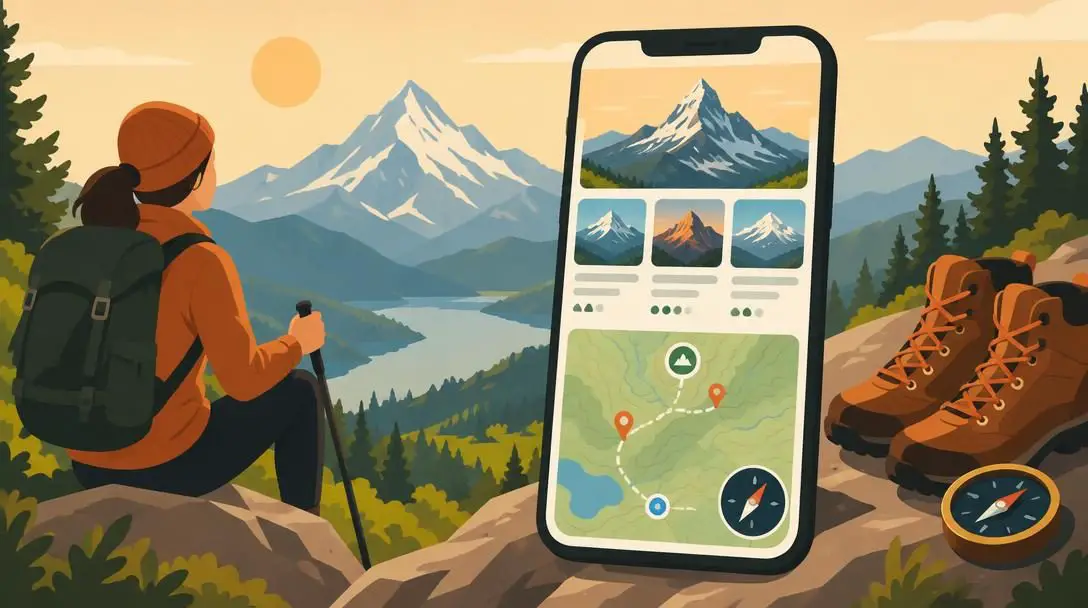
HikingProject delivers a comprehensive digital guidebook focused on footpaths and hiking networks. Supported by an engaged community of outdoor travelers, it outlines specific route data, comprehensive trail overviews, condition alerts, and scenic highlights. The platform is especially useful for understanding seasonal access, finding designated trailheads, and assessing whether a specific pathway matches an individual's physical abilities and gear preparations.

| Platform Name | Accurate Trail Maps | Firsthand Reviews | Community Photos | Difficulty & Condition Details |
|---|---|---|---|---|
| AllTrails | Available | Available | Available | Available |
| TrailRunProject | Available | Available | Available | Available |
| HikingProject | Available | Available | Available | Available |
Practical steps for planning a safe hike
Although hiking is an accessible activity, stepping into unfamiliar natural areas without forethought can lead to unnecessary complications. Adopting a methodical, step-by-step approach ensures that every excursion remains safe, manageable, and thoroughly enjoyable.
- Evaluate personal fitness: Conduct an honest assessment of your current physical conditioning and endurance. Examine trail metrics closely, focusing on total distance, overall elevation gain, and whether the ground is smooth or rugged, selecting an excursion that matches your baseline capability.
- Select an accessible location: Choose a trail network that does not require an exhausting commute. Lengthy drives can drain your energy reserves before the hike even begins, while sudden changes in weather during a long journey can complicate travel logistics.
- Consult digital trail platforms: Use resources like AllTrails, TrailRunProject, or HikingProject to inspect route outlines, read recent visitor commentary, check difficulty grades, and study trail features.
- Engage with local outdoor organizations: Connect with regional hiking clubs, park conservancies, or community trail groups via social media. These organizations frequently post timely updates regarding unexpected trail closures, scheduled maintenance, and season-specific conditions.
- Monitor the local weather forecast: Review atmospheric forecasts right up until your departure. Elevated and open environments can experience sudden meteorological shifts, and staying aware prevents surprise rainstorms or unexpected drops in temperature from turning dangerous.
- Dress in appropriate apparel: Wear moisture-wicking layers that draw perspiration away from the skin to help regulate body temperature. Equip yourself with supportive hiking boots that offer dependable traction, pack a waterproof jacket in case of sudden rain, and use a hat and sunscreen for ultraviolet protection.
- Pack the trail essentials: Carry a comfortable, well-fitted backpack loaded with adequate drinking water, nutrient-rich snacks to replenish expended calories, and a fully stocked first-aid kit to manage minor abrasions, cuts, or blisters.
- Establish safety communications: Share your planned trail itinerary, route direction, and anticipated return window with a trusted friend or family member. Fully charge your cell phone prior to departing, and consider walking with a hiking buddy or your dog for added security and companionship.
- Study regional flora and fauna: Familiarize yourself with the native wildlife, venomous animals, biting insects, and toxic plants native to the park or forest you plan to visit, ensuring you can recognize hazards and avoid disturbing local habitats.
- Practice strict trail etiquette: Remain on marked paths to prevent soil erosion and fragile plant destruction. Carry out all trash, yield the trail appropriately to other travelers, maintain a moderate, respectful pace, and leave the landscape completely undisturbed.
Common trail mistakes to avoid
Even though hiking has a very low barrier to entry, both novices and experienced outdoors enthusiasts can fall victim to common oversights. Identifying these frequent miscalculations before you set out will protect your physical comfort and personal safety.
- Overestimating physical endurance: Choosing a steep, highly technical route without sufficient physical conditioning can lead to muscle exhaustion, dehydration, and potential injury miles away from help.
- Wearing casual footwear or heavy cotton fabrics: Walking in slick-soled sneakers or running shoes lacking traction invites slips and ankle sprains. Similarly, heavy cotton garments absorb moisture and trap cold sweat against the body, whereas moisture-wicking synthetic or wool layers keep the skin dry and warm.
- Disregarding weather predictions: Neglecting to check the daily forecast or leaving a waterproof jacket behind leaves hikers vulnerable to hypothermia, cold downpours, or heat exhaustion.
- Underestimating hydration and nutritional needs: Propelling the body across rugged terrain burns significant energy. Carrying too little water or failing to bring sustaining snacks can cause acute fatigue, debilitating headaches, and heat-related illness.
- Failing to share your itinerary: Venturing into forested or mountainous terrain without leaving specific route details and an expected return time with someone off the trail creates severe hazards in the event of an accident or unexpected delay.
- Stepping off designated paths: Cutting corners or wandering off marked routes damages fragile ecosystems, accelerates soil erosion, and dramatically increases the likelihood of becoming lost or encountering dangerous plants and wildlife.
- Neglecting trail etiquette: Leaving food wrappers, playing loud music through speakers, or refusing to yield right-of-way to ascending hikers ruins the tranquility of the outdoor environment for other visitors.
Sustaining and progressing your outdoor journey
Developing a lasting hiking habit is an evolving journey that grows alongside your physical capacity and outdoor confidence. Once short, familiar greenway loops in urban parks become easy, you can begin expanding your horizons by gradually tackling longer loops with moderate elevation changes and rocky terrain. Monitoring your ongoing progress through platforms such as AllTrails, TrailRunProject, or HikingProject allows you to select trails that mirror your expanding stamina without causing overexertion.
Broadening your participation in the wider hiking community is another meaningful way to sustain momentum. Participating in group excursions organized by regional clubs or connecting with fellow enthusiasts through social media groups introduces accountability and camaraderie. Traveling in groups also provides an added layer of safety when exploring more remote or challenging wilderness paths.
Ultimately, becoming a confident trail user brings an ethical responsibility to protect wild environments. Educating yourself on wildlife interactions, regional ecology, and conservation principles ensures that the natural beauty you enjoy remains intact. By practicing low-impact recreation and treating public lands with respect, hikers help safeguard these restorative landscapes for future generations to explore.
Frequently asked questions
How do I know if a trail is suitable for my fitness level?
Review the total trail length, estimated completion time, and elevation gain before setting out. Digital resources like AllTrails, TrailRunProject, and HikingProject classify paths by difficulty and provide user reviews that describe trail obstacles, helping you pick a route that matches your current conditioning.
Why is hiking better for the body than walking on a flat pavement or treadmill?
Unlike flat, uniform surfaces, hiking takes you across unpaved ground, switchbacks, and slopes. This varied terrain blends aerobic exercise with resistance training, engaging multiple stabilizing muscles in the calves, quadriceps, hamstrings, and glutes, while carrying a pack strengthens your core and back.
What fundamental gear should a beginner bring on a day hike?
Beginners should wear supportive hiking boots with dependable tread and moisture-wicking clothing. Essential gear includes a sturdy backpack, plenty of drinking water, energy-dense snacks, a waterproof rain jacket, sun protection, and a well-stocked first-aid kit to address scrapes, cuts, and blisters.
How does hiking help lower daily stress and anxiety?
Spending quiet time in natural outdoor settings removes you from digital sensory overload and everyday stressors, directly lowering cortisol levels in the body. Concurrently, sustained physical exertion triggers the release of mood-boosting endorphins that enhance relaxation and emotional well-being.
Why is it essential to notify someone before heading out on a hike?
Sharing your exact route, planned destination, and anticipated return time ensures that someone can alert emergency services if you do not return on schedule. Even with a charged cell phone, outdoor areas may experience poor mobile reception, making an off-trail contact critical for personal safety.
The bottom line
Hiking is far more than a leisure pursuit; it is a holistic, accessible gateway to enhanced physical resilience and emotional well-being. By blending aerobic exertion with natural resistance training, trail walking strengthens the heart, builds lower-body and core stability, and clears the mind of daily digital overload. With convenient mobile platforms, accessible local greenways, and expansive national parks waiting to be explored, anyone can lace up supportive footwear, pack a few essentials, and step out onto a nearby trail today.