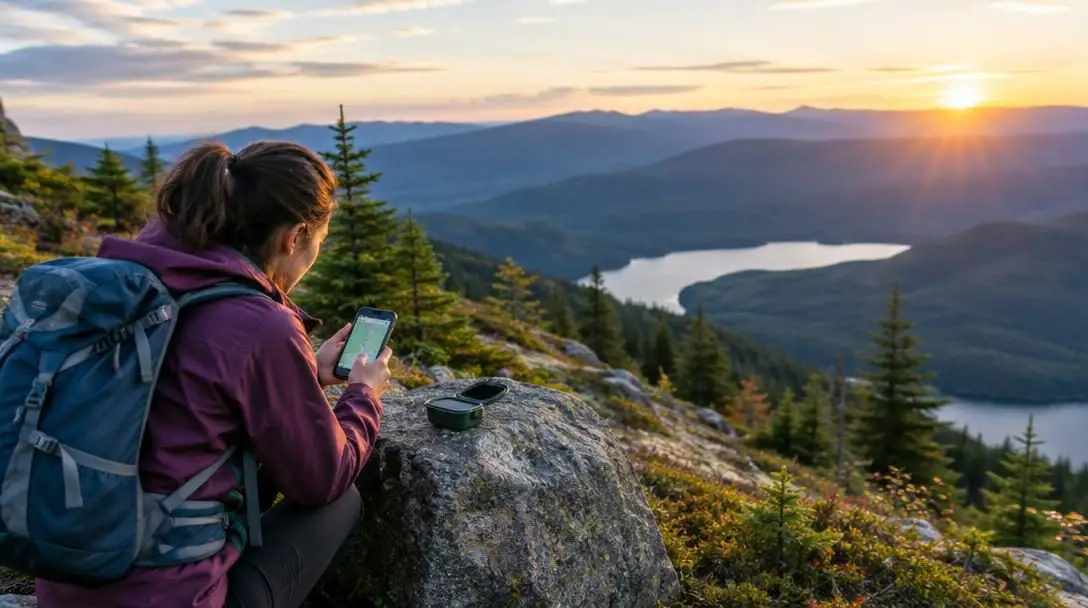
5 Full Moon Hiking Tips for the Best Nighttime Adventure
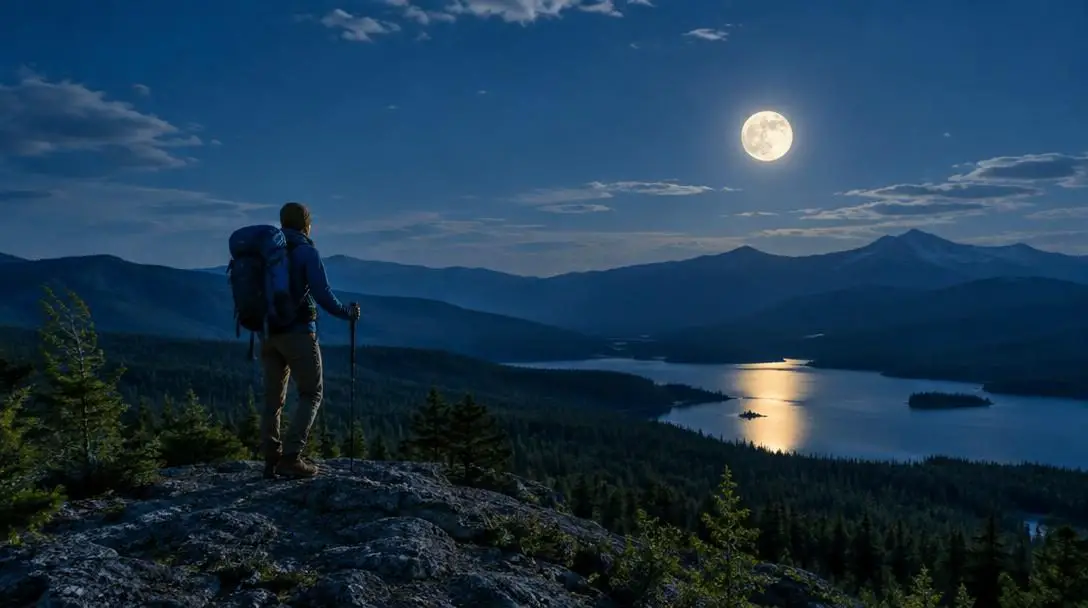
A full moon hike transforms familiar outdoor pathways into an entirely new world. Trails that are infamous during midday hours for being dusty, scorching, and overcrowded with foot traffic shed their chaotic atmosphere as dusk settles over the landscape. Under the gentle, silvery radiance of a full moon, rugged ground softens into a peaceful, meditative walking corridor that offers hikers a tranquil escape from daytime heat and daily noise.
Venturing out into the evening wilderness is not merely about escaping crowds; it is an immersive sensory shift that broadens your perception of the outdoors. With cooler evening temperatures, heightened auditory cues, and the subtle beauty of lunar illumination, nocturnal trekking delivers an unforgettable adventure for outdoor lovers seeking personal reflection, mindful movement, and unique encounters with nocturnal wildlife.
Key takeaways
- Natural moonlight provides sufficient illumination for night vision to adapt, though shaded trails still require backup light sources.
- Trekking in a group of two or more friends mitigates the elevated safety hazards of nighttime injuries and remote terrain.
- Post-sunset temperatures can plummet rapidly, making versatile clothing layers and a prepared backpack essential.
- A deliberately slow, leisurely pace prevents dangerous trips on roots and rocks while allowing hikers to tune in to nocturnal nature.
- Researching active local wildlife, including nighttime predators, ensures an exciting yet safe wildlife viewing experience.
The Science and Sensation of Moonlit Navigation
Hiking under a full moon works because the lunar cycle delivers a noticeable surge in ambient natural light. On clear nights, the moon reflects enough sunlight to illuminate open ridgelines, bare dirt tracks, and wide forest clearings, enabling the human eye to rely on its inherent capacity for night vision adjustment. Rather than depending on a sharp beam of artificial illumination that narrows your visual field to a small cone, your pupils dilate and your peripheral awareness expands across the broader environment.
This biological shift alters your entire sensory relationship with the wild. Without intense daylight colors commanding your attention, your hearing sharpens to detect subtle rustling in the undergrowth, distant animal calls, and the crunch of gravel beneath your boots. Silhouettes become more pronounced, and the evening breeze feels distinct against your skin. However, lunar light has clear limits. Dense forest canopies, deep ravines, and overhanging rock faces can cast impenetrable shadows across the trail, making it vital to balance your reliance on natural moonlight with proactive safety measures.
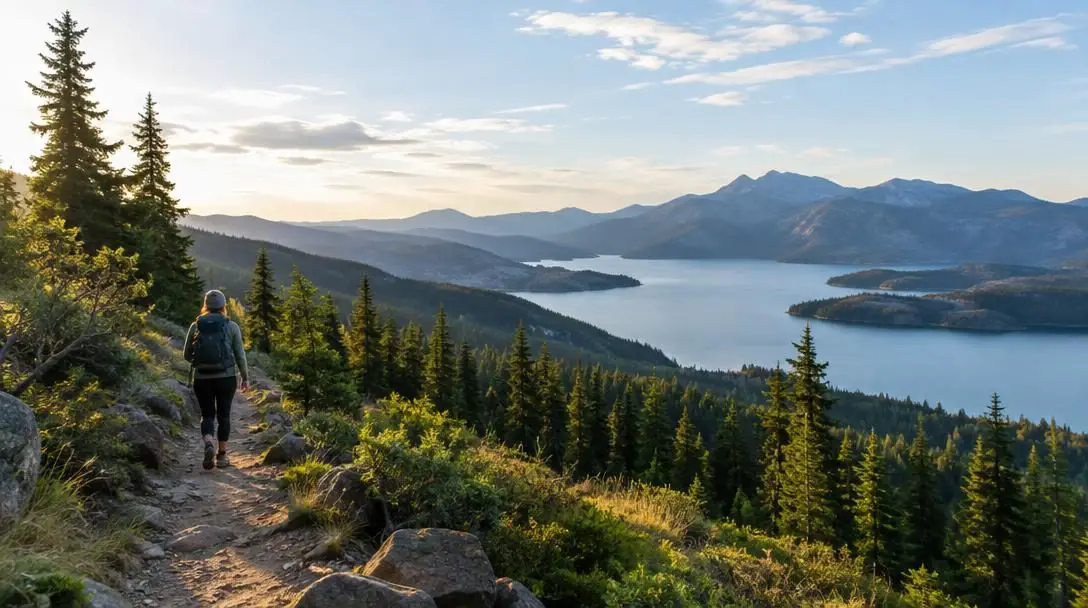
Under the gentle, silvery illumination of a full moon, harsh daytime paths turn into quiet, meditative corridors of discovery.
5 Core Tips for the Best Nighttime Adventure
Safely navigating the wilderness after dark requires a balance of curiosity and caution. Whether you are stepping onto a familiar trail or heading to an open plateau, following these foundational guidelines guarantees a smooth, secure, and rewarding night trek.
Learn About Local Wildlife
Venturing out at night offers a rare window into the lives of animals that stay hidden throughout the blazing heat of daytime. Tuning your senses to the landscape allows you to hear and see a diverse spectrum of species depending on where your hike takes place. Along trails worldwide, moonlit walkers may encounter or listen to owls hooting in the canopy, bats darting through the air, raccoons foraging near streams, buzzing crickets, flashing fireflies, scurrying opossums, burrowing wombats, inquisitive lemurs, and grazing white-tailed deer. In coastal areas, you might spot nocturnal hermit crabs emerging along the shoreline.
While encountering these fascinating creatures is a primary highlight of night hiking, it is equally critical to understand that many animal species hunt under the cover of darkness. Before heading out, conduct thorough research on potential predators native to the region. Although the vast majority of wild carnivores naturally steer clear of humans, predatory encounters are inherently more dangerous in low-light settings. Never assume the trail is completely harmless; remain respectful, observant, and knowledgeable about local fauna.
Bring Two or More Friends
The quiet seclusion of a moonlit trail provides an idyllic backdrop for quiet contemplation, rhythmic breathing, and personal meditation. Because nighttime trail traffic is virtually non-existent, you can experience a deep sense of solitude that daytime excursions rarely provide. However, that exact isolation makes solo night trekking an unnecessary and serious safety hazard.
Even when bathed in full lunar illumination, nighttime terrain conceals sudden drops, loose rocks, and exposed tree roots. If you misjudge a step and twist an ankle or break a bone, it could take hours—or even days—before another hiker walks past your location. Always hike with at least one or two trusted companions. Additionally, ensure that someone in your group carries a fully charged mobile phone. If cellular coverage is available, keep the phone secured and set to silent mode so it stays ready for emergency communication without disrupting the quiet ambiance of the outing.
Dress Appropriately
A daytime hike might begin in balmy warmth, but post-sunset conditions can shift drastically in a matter of minutes. Thermal shifts occur across virtually all environments, but they are especially severe in arid or high-elevation zones. Desert settings, for example, can experience sudden drops from scorching daytime heat to near-freezing temperatures once the sun disappears below the horizon.
To avoid hypothermia or uncomfortable shivering, research the specific microclimate and historical nighttime temperatures of your hiking area. Dress in versatile, moisture-wicking layers that allow you to adjust your clothing as the night progresses. Pack a lightweight backpack containing a windbreaker, warm mid-layers, and water-resistant outer gear to handle unexpected cold gusts or sudden cloudbursts, keeping you comfortable throughout the trek.
Bring a Flashlight, Just in Case
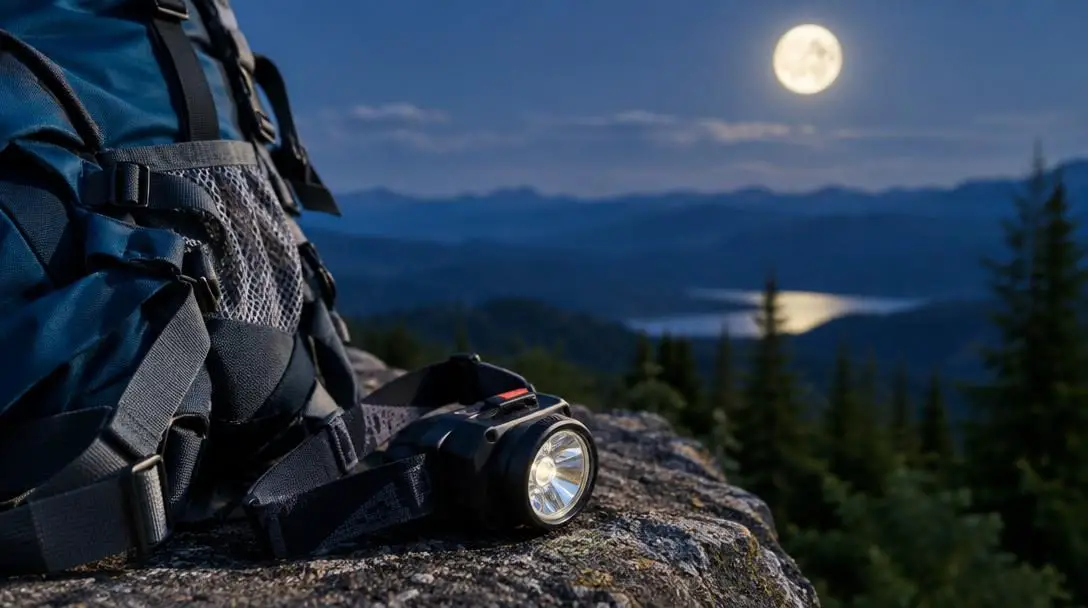
While the goal of a full moon hike is to enjoy the natural, unassisted glow of the night sky, carrying a reliable artificial light source is a non-negotiable safety practice. Dense tree branches, high canyon walls, and rugged boulders can block lunar beams completely, plunging sections of the trail into pitch-black obscurity. While seasoned hikers who know a trail intimately might step through short shadowed stretches, unexpected trail erosion or downed branches demand focused lighting.
Every member of your group should carry a compact handheld flashlight, an adjustable headlamp, or an emergency torch. A modern smartphone equipped with an integrated flashlight can serve as an accessible emergency backup, provided its battery is fully charged before setting out and capable of maintaining its charge in cold air. Having direct access to clear artificial light ensures you can inspect tricky ground obstacles, signal companions, or handle medical emergencies without delay.
Keep a Leisurely Pace
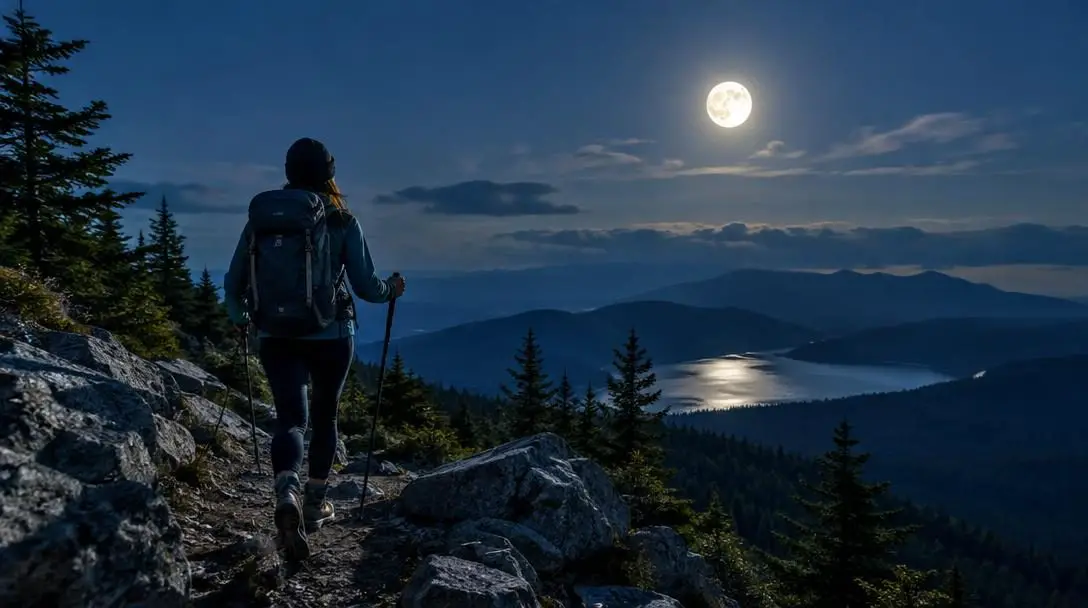
Night hiking is fundamentally different from daytime trekking; it is not the time to chase speed records or complete high-intensity training splits. Walking through the dark requires extra mental focus and careful footing to prevent missteps, stumbles, and collisions with unseen trail hazards.
Adopt a slow, measured, and deliberate pace. Give your eyes ample time to scan the terrain ahead and adjust to shifting shadows. Slowing down not only preserves your physical safety, but it also allows your senses to fully absorb the ambient magic of the night—from the cool breeze and moonlit vistas to the subtle calls of nocturnal wildlife echoing through the trees.
Full Moon Hiking Essentials at a Glance
Preparing for a nighttime expedition involves balancing sensory enjoyment with preventative safety measures. The following table provides an overview of each core tip, its main safety objective, and practical field actions.
| Hiking Tip | Primary Objective | Essential Action or Gear | Key Hazard Avoided |
|---|---|---|---|
| Local Wildlife Awareness | Safe animal observation | Research native predators and nocturnal species | Surprise wildlife encounters and predator risks |
| Hiking With Companions | Emergency group support | Trek with two or more friends; carry a charged phone | Stranded injuries on empty, unmonitored trails |
| Appropriate Layering | Thermal regulation | Pack warm, versatile layers and rain protection | Rapid post-sunset hypothermia and chill |
| Carrying Backup Lights | Trail navigation in shadows | Pack a reliable headlamp, flashlight, or torch | Tripping over unseen obstacles under canopy shadows |
| Maintaining a Leisurely Pace | Deliberate movement and focus | Walk slowly, scan the path, and stay observant | Falls and stumbles caused by rushed footsteps |
Step-by-Step Practical Preparation
A seamless full-moon excursion relies heavily on thoughtful preparation long before you arrive at the trailhead. Organizing your trip through structured phases prevents confusion and keeps your entire hiking party synchronized.
- Select a familiar route: For your first series of nighttime hikes, pick a trail that you and your companions have navigated multiple times during daylight hours. Having an intuitive mental map of landmark turns, rocky outcrops, and elevation shifts makes navigating by dim moonlight significantly safer.
- Monitor the moon phase and cloud cover: Consult local lunar tables to ensure your outing falls directly on or within a night of the full moon. Simultaneously monitor local meteorological forecasts for heavy cloud cover, as thick storm fronts can entirely block lunar visibility.
- Check and charge your gear: Before departing home, plug in your mobile phone to guarantee a full charge. Test your headlamps, flashlights, and torches to confirm the batteries are fresh, fully charged, and functioning at maximum brightness.
- Pack your layers and supplies: Load your daypack with warm extra clothing, windproof garments, basic first-aid supplies, and plenty of drinking water to maintain proper hydration during physical exertion in cool air.
- Brief your companions: Gather your hiking party at the trailhead before taking your first steps. Agree on maintaining a collective, leisurely pace, keeping eyes on one another, and voicing any hesitation or need for a rest break immediately.
Common Mistakes to Avoid on Night Trails
Venturing onto wilderness trails after dark introduces distinct environmental factors that do not exist during typical midday excursions. Eliminating these frequent oversights will protect your hiking party from unnecessary hazards:
- Hiking entirely solo: Undertaking a night hike alone strips away your primary safety net. If you twist an ankle, drop your light source, or lose the trail in the dark, you cannot count on passing strangers for immediate assistance.
- Relying solely on unchecked smartphone batteries: Using your mobile device as your sole flashlight, compass, and camera can drain its power rapidly, especially when exposed to chilly evening temperatures. Always carry a dedicated flashlight or headlamp with fresh batteries.
- Underestimating post-sunset temperature plummets: Leaving jackets or protective shells behind because the evening started out pleasant is a common miscalculation. Night air cools down continuously until dawn, particularly in mountainous or desert areas.
- Rushing along the path: Attempting to match your daytime hiking split on a dark, unlit trail dramatically increases the odds of tripping over concealed roots or rolling rocks. Maintain a steady, calm stride.
- Ignoring nocturnal predator presence: Assuming that the darkness belongs exclusively to harmless woodland creatures can invite danger. Learn which carnivores hunt at night in your destination and exercise situational awareness at all times.
Expanding Your Horizons for Future Night Hikes
Once you have mastered your first full-moon excursion, night hiking can become a regular, rewarding element of your outdoor lifestyle. As your comfort with the dark grows, you can expand your outings to explore how different terrains and changing seasons transform under lunar rays.
A trail walked in early summer feels starkly different when revisited during autumn or crisp winter evenings, bringing seasonal shifts in temperature, vegetation density, and animal calls. You can also explore varied geological environments. Coastal trails provide prime opportunities to spot hermit crabs navigating wet tidal flats, while wide desert plateaus and expansive grassy plains offer unobstructed, 360-degree panoramas of the glowing moon and stars without dense canopies blocking your view. Each nighttime setting offers a peaceful space to practice mindful breathing, recharge your mental well-being, and connect with nature on its own quiet terms.
Frequently asked questions
Can you hike under a full moon without using a flashlight?
Yes, on clear nights along open trails, moonlight is often bright enough for your eyes to adjust and navigate safely without artificial light. However, you must always carry a functioning flashlight or headlamp in your pack for heavily shaded sections, emergency signaling, and unexpected obstacles.
Why do temperatures drop so dramatically during night hikes?
Once the sun sets, the earth rapidly loses stored surface heat to the atmosphere, a process known as radiative cooling. This temperature plunge is especially severe in desert environments and high-elevation regions where dry air and sparse vegetation provide minimal thermal insulation.
What types of wildlife are most active during a full moon hike?
Depending on your region, you may hear or observe nocturnal creatures such as owls, bats, raccoons, crickets, fireflies, opossums, wombats, lemurs, and white-tailed deer, as well as coastal hermit crabs. Always research local nocturnal predators before heading out.
Why is hiking with a partner or group so important at night?
Trail traffic after sunset is practically nonexistent. If you suffer an injury such as a sprained ankle, fall down an embankment, or lose trail markers in the dark, having two or more companions ensures that someone can provide immediate first aid or call for emergency assistance.
How should beginners choose their first night hiking trail?
Beginners should select a trail they have already walked multiple times during daylight hours. A familiar route ensures you already possess an accurate mental map of turns, elevation shifts, and potential tripping hazards before navigating them under dim moonlight.
The bottom line
A full moon hike provides a rare and captivating way to experience the outdoors, transforming scorching, crowded trails into quiet pathways filled with gentle silver light and nocturnal wildlife. By assembling a small group of friends, dressing in adaptable layers, carrying dedicated backup lighting, and moving at a relaxed pace, you can safely embrace the peace, solitude, and meditation of the night trail.