5 Exotic Breads That Are Easy to Bake At Home
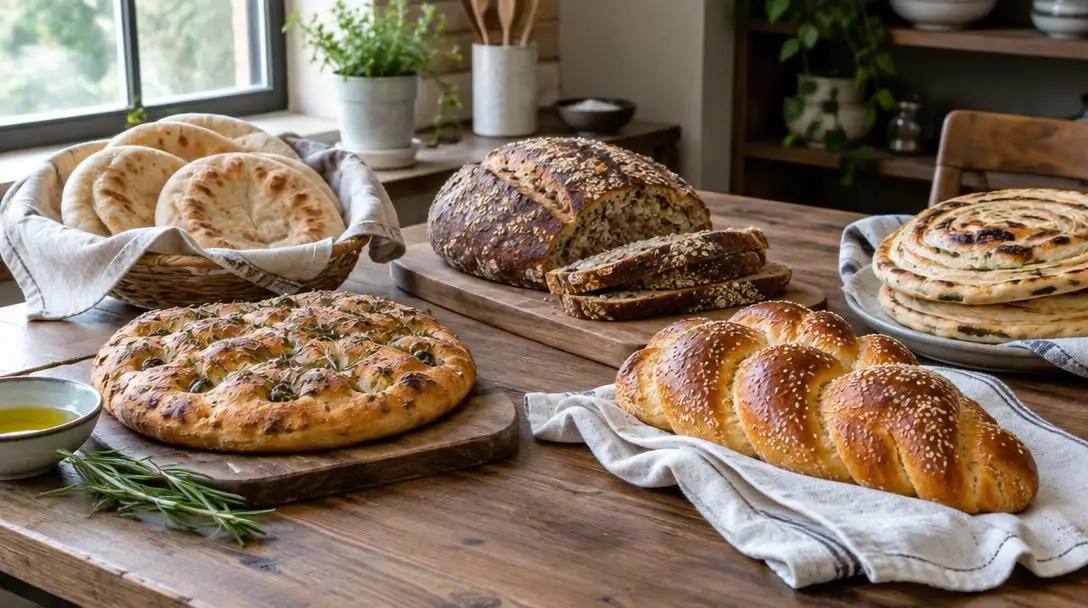
Baking bread at home is widely regarded as one of the most rewarding culinary projects you can undertake in your kitchen. While supermarket aisles are routinely packed with uniform, pre-sliced sandwich loaves, culinary traditions across the globe have spent centuries developing their own flavorful, textured, and deeply aromatic breads. Many home cooks assume that international baking demands finicky sourdough starters, specialized machinery, or years of professional training, but exceptional global loaves can easily be achieved with standard equipment.
Venturing beyond basic sandwich bread expands your daily menu, sharpens your technique, and delivers the incomparable satisfaction of eating warm, fresh-baked goods straight from your oven or stovetop. By learning how everyday staples such as flour, water, yeast, and fat interact, you can effortlessly recreate beloved international specialties ranging from festive enriched loaves to quick, flame-blistered flatbreads.
Key takeaways
- Baking distinct international breads does not require commercial equipment, rare ingredients, or cultivated sourdough starters.
- Understanding how gluten develops and how leavening agents function demystifies the difference between tender flatbreads and chewy, airy loaves.
- Enriched breads such as challah and Portuguese sweet bread rely on eggs, butter, and milk to produce an exceptionally soft crumb.
- Quick flatbreads like naan and flour tortillas offer rapid stovetop alternatives to slow-rising, oven-baked artisan breads.
The Science of Dough: Gluten and Leavening
To master diverse bread recipes, bakers benefit from understanding the underlying mechanics of dough. Nearly every traditional bread relies on two fundamental processes: gluten development and leavening. When flour mixes with water or milk, two key plant proteins—glutenin and gliadin—bind together to produce gluten, an elastic structural network. Kneading or prolonged resting strengthens these protein strands, creating an internal framework capable of trapping expanding gases during baking.
Breads that demand a distinct chew and open, bubbly interior—such as Italian focaccia—depend heavily on high gluten development. Conversely, flatbreads like Latin American flour tortillas require minimal manipulation, ensuring the dough remains pliable, soft, and easy to roll out rather than tough and rubbery.
Leavening determines how the dough expands. Baker's yeast, used in breads like Portuguese sweet bread, challah, focaccia, and naan, is a living organism that feeds on sugars within the flour, releasing carbon dioxide gas and alcohol. In contrast, flour tortillas utilize a chemical leavener—baking powder—which reacts instantly to heat and moisture, bypassing hours of proofing entirely.
Exploring international breads reveals how basic pantry staples interact to create completely different textures, shapes, and flavors.
Five Distinct Global Breads at a Glance
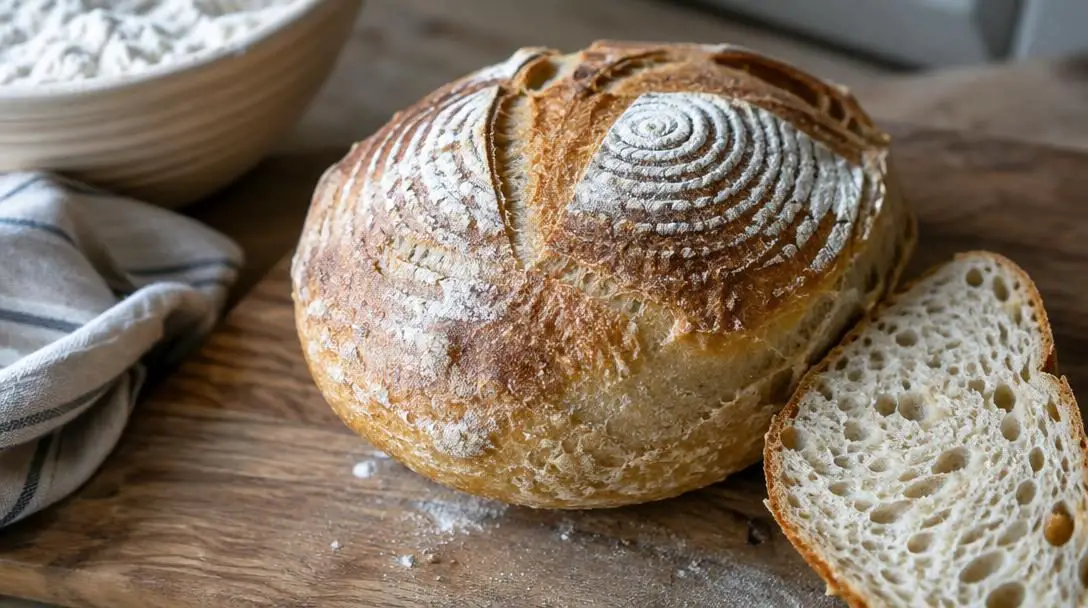
The following table outlines the foundational differences in leavening, cooking styles, and textures across these five approachable global recipes.
| Bread | Origin / Tradition | Leavening Agent | Primary Cooking Method | Signature Texture |
|---|---|---|---|---|
| Portuguese Sweet Bread | Portugal | Baker's yeast | Oven baked | Tender, soft crumb with subtle sweetness |
| Challah | Ashkenazi Jewish | Baker's yeast | Oven baked | Airy interior with a glossy, golden crust |
| Focaccia | Italy | Baker's yeast | Oven baked in an oiled pan | Chewy, airy crumb with a crunchy bottom |
| Naan | India / South Asia | Baker's yeast | Cast iron stovetop skillet | Pillow-soft with smoky, charred bubbles |
| Flour Tortillas | Latin America | Baking powder | Dry stovetop skillet or griddle | Thin, tender, and pliable |
Five Global Breads You Can Bake at Home
Each of these five breads introduces distinct shaping methods, ingredient balances, and cooking techniques that broaden your kitchen repertoire without requiring exotic tools.
Portuguese Sweet Bread
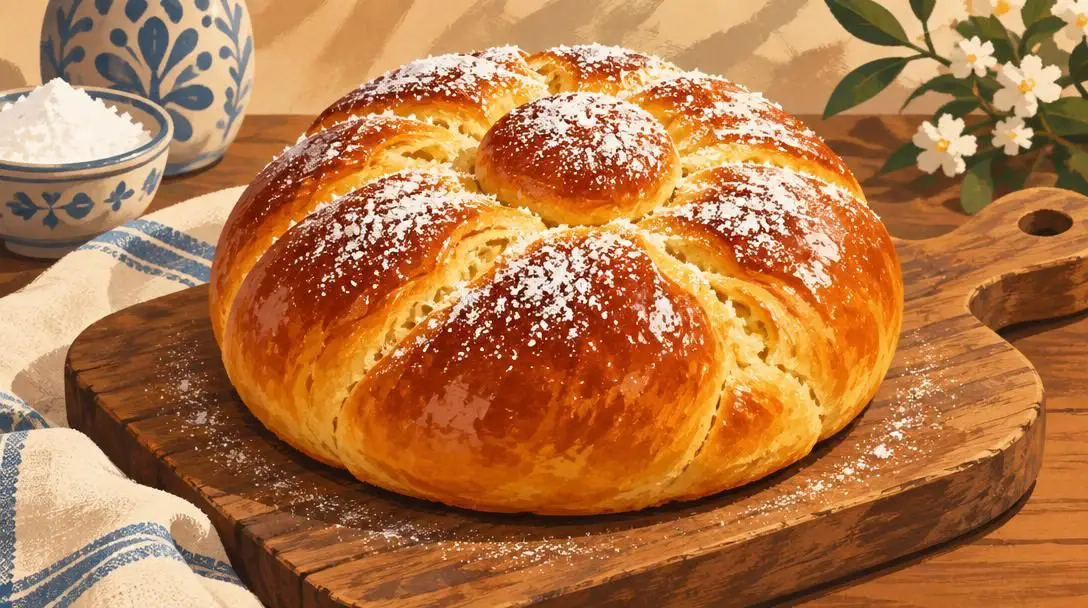
- Origin: Portugal
- Leavening: Baker's yeast
- Enrichments: Milk, sugar, and softened butter
- Traditional Shapes: Individual rolls, round loaves, or braids
Known for its tender crumb and subtle sweetness, Portuguese sweet bread is an enriched staple in Portuguese cuisine that has gained international acclaim as a dessert loaf. The addition of dairy and sugar alters the dough structure, yielding an ultra-soft texture that melts on the tongue. It offers tremendous versatility in presentation, as it can be baked as rustic round loaves, braided into festive shapes, or portioned into individual rolls.
- Activate the baker's yeast in a small bowl with warm liquid until it becomes visibly frothy.
- Combine the activated yeast with your enriched wet ingredients, specifically milk, sugar, and softened butter.
- Incorporate the dry ingredients and knead the mixture on a work surface until the dough is smooth, supple, and elastic.
- Place the dough in a covered bowl to rise until noticeably puffed.
- Shape the dough into rolls, a large round loaf, or an intricate braid, then bake in a preheated oven until the crust turns a deep, warm golden color.
Challah
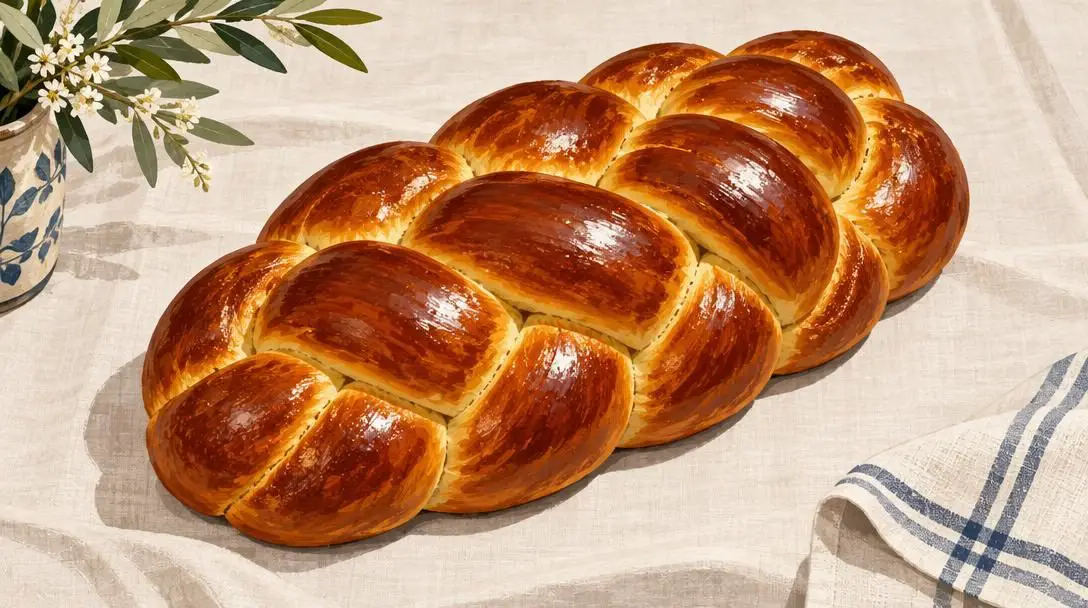
- Origin: Ashkenazi Jewish community
- Leavening: Baker's yeast
- Primary Enrichment: Generous addition of eggs
- Occasion: Shabbat, Passover, and celebrations
Prized for its deep cultural symbolism and striking visual appeal, challah holds a central role at the table during Shabbat, Passover, and other celebratory occasions. Prepared with a generous portion of eggs, this Ashkenazi Jewish bread features a sunny, golden interior and an airy, tender texture. Before baking, the braided dough is coated thoroughly with an egg wash, creating a lustrous, mahogany crust that serves as the centerpiece of festive dinners.
- Activate the dry yeast in warm sugar water until a layer of foam surfaces.
- Whisk in a generous quantity of eggs to supply the dough's signature rich flavor and yellow crumb.
- Add dry ingredients and knead thoroughly until the dough feels smooth, stretchy, and pliable.
- Transfer to a greased bowl, cover, and let the dough rise until doubled in size.
- Divide the dough into six equal pieces, roll each into an even strand, braid the six strands together, brush generously with an egg wash, and bake until rich golden brown.
Focaccia
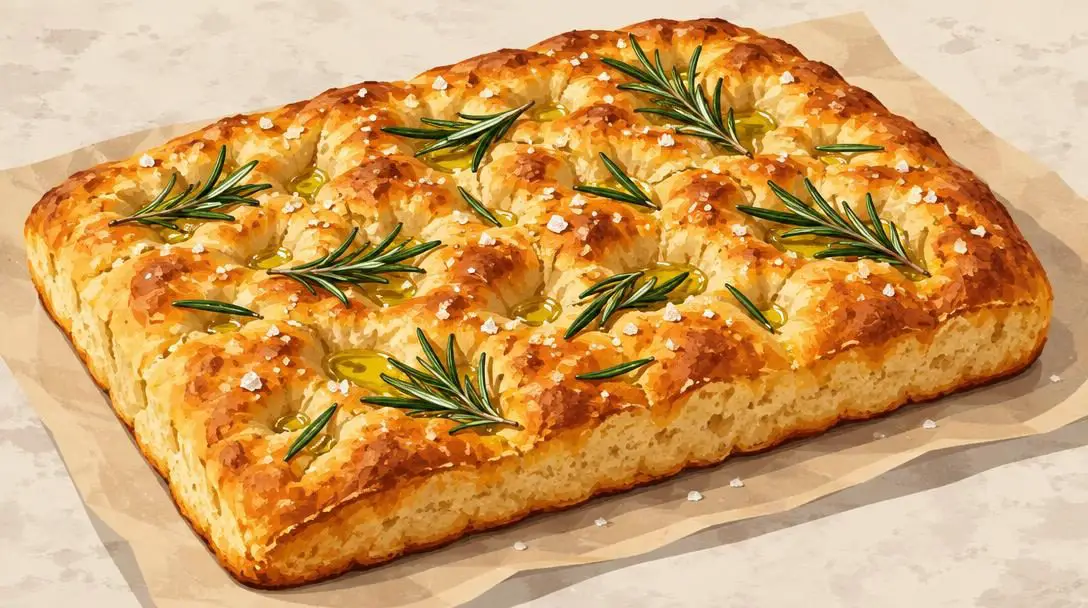
- Origin: Italy
- Leavening: Baker's yeast
- Dough Characteristic: Wet, high-gluten hydration
- Essential Element: Plentiful olive oil
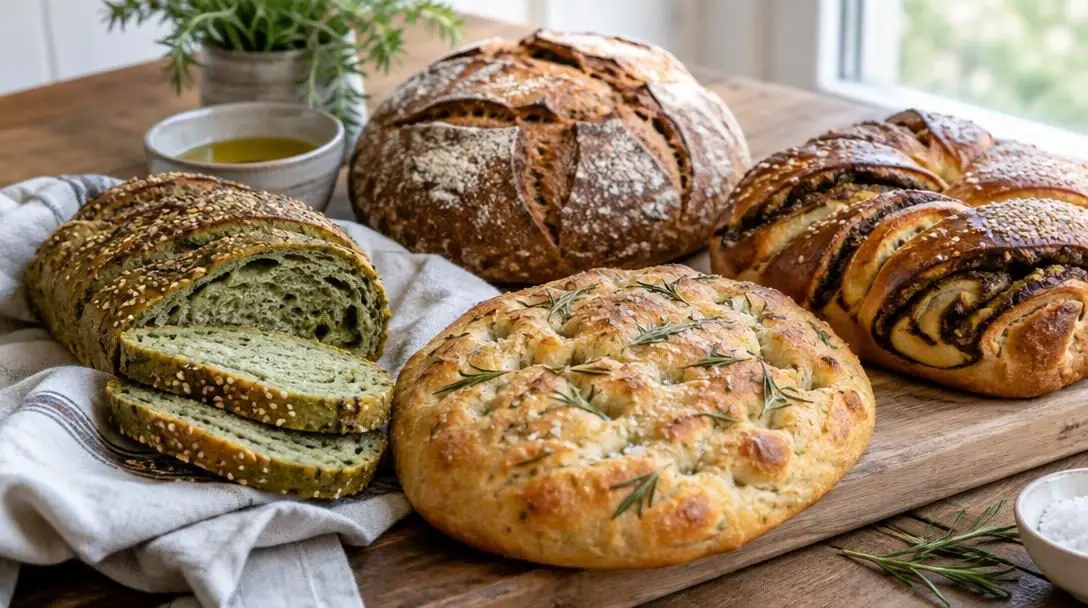
Often mischaracterized as ordinary pizza dough, Italian focaccia is an extraordinary flat loaf celebrated for its contrast of textures. High gluten development and high hydration trap expanding gas bubbles, creating a pillowy, chewy interior. Generous amounts of olive oil in the baking pan effectively fry the bottom of the dough while it bakes, producing a golden-brown, crunchy crust that balances the soft interior.
- Activate yeast in warm water according to standard practice.
- Combine the yeast mixture with dry ingredients to form a wet, high-gluten dough, either kneading it or leaving it unkneaded to develop naturally.
- Allow the dough to undergo its primary rise in an oiled container until it is light, bubbly, and airy.
- Pour the dough into a baking pan generously coated in oil, gently stretching it toward the edges.
- Press your fingertips firmly into the dough to create signature dimples, decorate with fragrant herbs, vibrant vegetables, and seasonings, then bake until the bottom is crisp and golden.
Naan
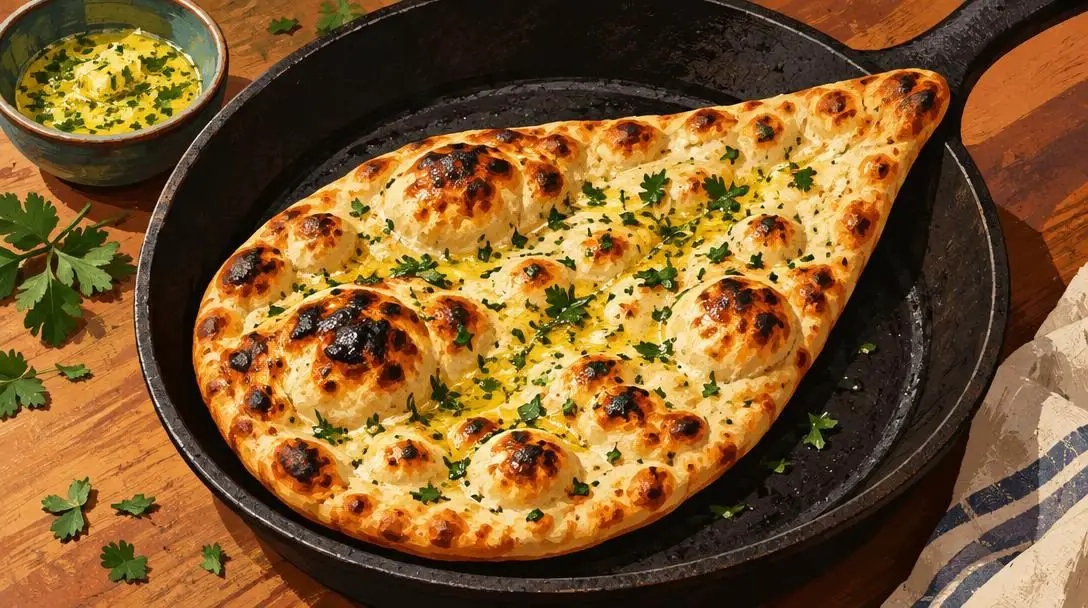
- Origin: India and South Asia
- Leavening: Baker's yeast
- Cooking Surface: Heavy cast iron skillet
- Classic Finish: Melted salted butter, minced garlic, and fresh herbs
An essential accompaniment across South Asian cuisines, naan functions as an edible utensil designed to scoop up spiced meats, aromatic curries, and rich masalas. While traditionally slapped against the fiery clay walls of an earthen tandoor oven, home cooks can achieve authentic blistered bubbles and smoky char right on the stovetop using a smoking-hot cast iron pan.
- Activate baker's yeast in warm liquid until completely foamy.
- Mix with the remaining wet and dry ingredients, kneading briefly on a floured surface while incorporating minced garlic or fresh herbs if desired.
- Let the dough rest so the gluten network relaxes and flavors meld.
- Divide the dough into small portions and roll each piece thin using a rolling pin.
- Lay the dough onto a dry, smoking-hot cast iron skillet, cooking briefly on both sides until blistered with charred spots, then finish immediately with salted butter and herbs.
Flour Tortillas
- Origin: Latin America
- Leavening: Baking powder (chemical)
- Core Ingredients: Flour, salt, baking powder, water, and oil
- Preparation Time: Rapid (no yeast fermentation)
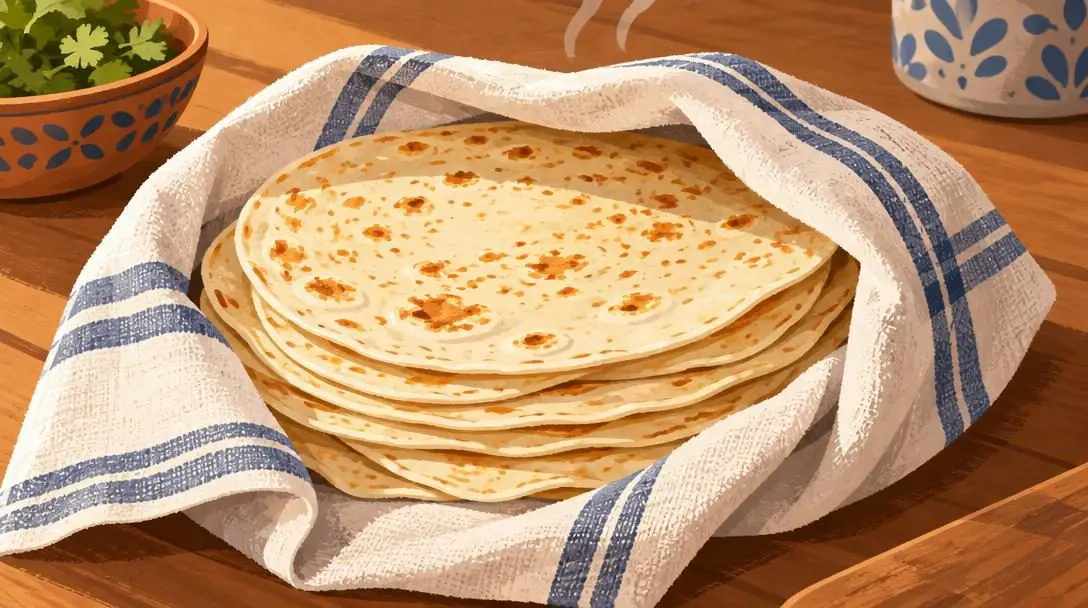
A foundational element of Latin American cooking, homemade flour tortillas easily outperform store-bought packaged versions in both flavor and texture. Because tortillas rely on baking powder rather than biological yeast, they require no lengthy proofing periods or complex fermentation schedules. A quick mix, brief rest, and fast sear on a dry pan yield tender, flexible flatbreads in under thirty minutes.
- Combine all-purpose flour, salt, and baking powder in a large bowl.
- Pour in water and oil, stirring until a cohesive, soft dough forms.
- Knead the mixture very briefly just until smooth, avoiding excessive gluten development.
- Divide the dough into golf-ball-sized portions and rest them for several minutes to relax the proteins.
- Flatten each ball into a thin, translucent circle using a rolling pin or tortilla press, then cook on a medium-high dry griddle until blistered with light brown spots on both sides.
Common Baking Mistakes and How to Avoid Them
Even simple bread recipes can falter if key mechanical steps are overlooked. Keep these critical pitfalls in mind when working with these distinct doughs:
- Overheating yeast activation liquid: Yeast organisms perish if exposed to liquids that are too hot. Keep your water or milk comfortably warm to the touch; if no foam develops after several minutes, discard the mixture and start fresh.
- Letting Portuguese sweet bread sit exposed: Due to its specific balance of sugar and enriching fats, sweet bread loses its moisture rapidly and can turn stale within a single day. Eat it fresh, wrap it tightly, or slice and freeze it immediately.
- Underheating the pan for naan: Naan demands intense, direct stovetop heat to rapidly vaporize moisture inside the dough, creating its signature blistered pockets. A lukewarm pan will slowly dry out the flatbread, leaving it tough and leathery.
- Overworking tortilla dough: Because tortillas are unleavened by yeast and meant to remain flexible, excessive kneading builds too much elasticity. Overworked dough shrinks when rolled out and cooks into a stiff disk rather than a soft wrap.
- Under-oiling the focaccia pan: The hallmark of excellent focaccia is a crusty, almost fried lower surface. Do not skimp on the oil coating the bottom of your baking pan.
Creative Serving and Meal Pairing Ideas
Once your loaves and flatbreads come off the heat, pairing them with the right dishes elevates the entire meal experience:
- Breakfast treats: Slice warm Portuguese sweet bread to accompany morning coffee or tea, letting its subtle sweetness shine alongside butter or fruit preserves.
- Centerpiece dining: Place whole, braided challah directly on the holiday or dinner table to let guests admire the intricate six-strand weave before tearing or slicing it into thick, pillowy slabs.
- Dips and charcuterie spreads: Slice focaccia into long batons or neat squares, serving it alongside bowls of extra-virgin olive oil, aged balsamic vinegar, or warm marinara sauce for dipping.
- Curry nights: Serve freshly blistered naan straight from the skillet to the dinner plate, using its charred, buttered surface to scoop up fragrant butter chicken, rich lentils, and savory sauces.
- Taco and wrap assembly: Keep homemade flour tortillas stacked warm inside a clean kitchen towel, filling them immediately with grilled meats, seasoned beans, and melted cheeses.
Frequently asked questions
Why did my yeast fail to froth when activated?
Yeast fails to froth if the liquid used was too hot, which kills the living yeast cells, or if the water was too cold to activate them. Alternatively, the packet of yeast may be expired or damaged by moisture.
Can I make authentic naan without a tandoor oven?
Yes. A dry, smoking-hot cast iron skillet placed over high heat on a standard stovetop effectively mimics the intense heat of a tandoor, causing the dough to rapidly puff and char within minutes.
Why do my homemade flour tortillas turn stiff or rubbery?
Tortillas become stiff if the dough is kneaded too aggressively, which builds excess gluten, or if they are cooked over low heat for too long, which dehydrates the dough instead of searing it quickly.
How can I keep Portuguese sweet bread from drying out?
Because its delicate balance of sugar and fat causes it to go stale within a day, store the bread in an airtight container immediately once cooled, or slice the loaf and store it in the freezer.
Why are deep dimples pressed into focaccia before baking?
Pressing your fingers into focaccia dough distributes gas pockets evenly across the pan and creates valleys that hold pools of olive oil, herbs, and toppings throughout the baking process.
The bottom line
Baking exceptional bread at home does not require professional pastry gear or weeks spent nursing a finicky sourdough culture. By embracing the diverse traditions of international baking—from enriched European holiday loaves to quick stovetop flatbreads—you can master foundational culinary techniques while enjoying unmatched freshness. With simple pantry ingredients, proper heat management, and an understanding of dough mechanics, any home baker can bring the rich flavors of global bakeries directly to their own kitchen.