5 Menu Items McDonald’s Should Bring Back
As the largest fast food chain on the planet, McDonald’s serves millions of diners each day with globally recognized staples like burgers and fries. Yet behind its familiar golden arches lies a menu that shifts frequently, often leaving devoted customers confused when beloved favorites abruptly vanish from the drive-thru board.
While dynamic adjustments help restaurant operators streamline operations and respond to evolving market forces, dropped items often trigger passionate public debate. When long-standing staples disappear without a clear timeline for return, dedicated diners turn to online campaigns and petitions in hopes of seeing their go-to orders restored.
Key takeaways
- Beloved items like the Snack Wrap and Salads vanished from United States locations during corporate menu simplifications, despite sustained consumer demand.
- Operational burdens, including intricate hand assembly and dedicated packaging, heavily influence which menu items get retired.
- Several discontinued American favorites, such as the Snack Wrap and the McWrap, remain regular menu staples across international markets.
- Customer satisfaction is shaped not only by food recipes, but also by experiential elements like Happy Meal toy quality and cooking methods.
At a glance: Five discontinued fan favorites
Over the decades, McDonald’s has launched numerous regional concepts, seasonal promotions, and healthier alternatives. The table below compares the five items diners most frequently hope to see return to restaurant menus.
tbody| Menu item | Debut year | U.S. discontinuation | Key ingredients or features | Current international status |
|---|---|---|---|---|
| The Snack Wrap | 2005 | 2020 | Chicken Select tender, flour tortilla, shredded cheese, lettuce, sauce | Available in Canada and the UK |
| Salads and Salad Shakers | 1980s (Shakers in 2000) | 2020 | Greens, assorted toppings, protein, cup or bowl packaging | Select regional variations exist |
| The Premium McWrap | 2013 | Mid-2010s | Sliced chicken, bacon, tomato, lettuce, tear-top cylinder box | Widely available abroad |
| Better Happy Meal Toys | Historic eras | Gradual decline | Detailed plastic figurines, moving mechanisms, licensed pop culture toys | Subject to global market standards |
| The Original Fried Apple Pie | Legacy recipe | Replaced by baked pie | Bubbly fried crust, warm apple filling, cooked-to-order texture | Available in select international locations |
Five menu items McDonald’s should bring back
Among the hundreds of discontinued items in fast food history, certain dishes developed loyal followings that outlasted their operational lifespan. These five selections remain at the top of customer wish lists.
The Snack Wrap
- Debut year: 2005
- U.S. retirement year: 2020
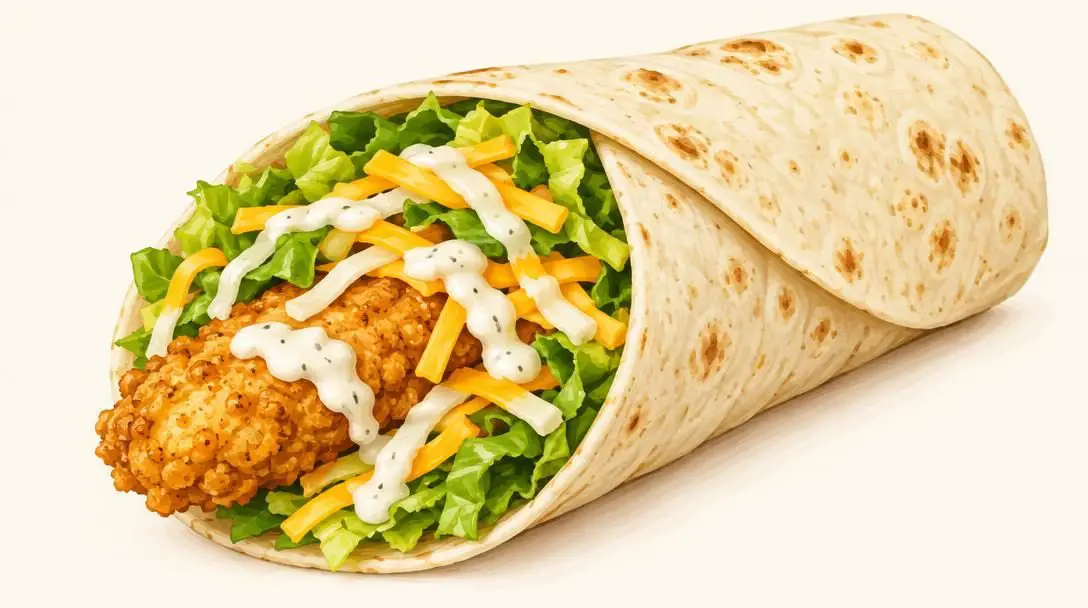
- Core components: Flour tortilla, chicken tender, shredded lettuce, shredded cheese, sauce
Introduced in 2005, the Snack Wrap was engineered specifically for on-the-go snacking between traditional meal hours. Sized as a portable, lighter bite compared to double-patty burgers, the wrap combined a soft flour tortilla with a single Chicken Select tender, crisp shredded lettuce, shredded cheddar-jack cheese, and ranch dressing. Customers could customize their wraps with grilled chicken or alternate sauces, making it an adaptable favorite across demographic groups.
Despite strong customer enthusiasm, the chain began curtailing Snack Wrap marketing in 2016 before completely discontinuing the line across the United States in 2020. Kitchen crews found that wrapping individual tortillas slowed drive-thru operations during peak lunch rushes. While American diners continue to petition for its reinstatement, branches in Canada and the United Kingdom still carry the item as a regular menu fixture.
Salads and Salad Shakers
- Salad debut: 1980s
- Shaker release: 2000
- Discontinuation: 2020
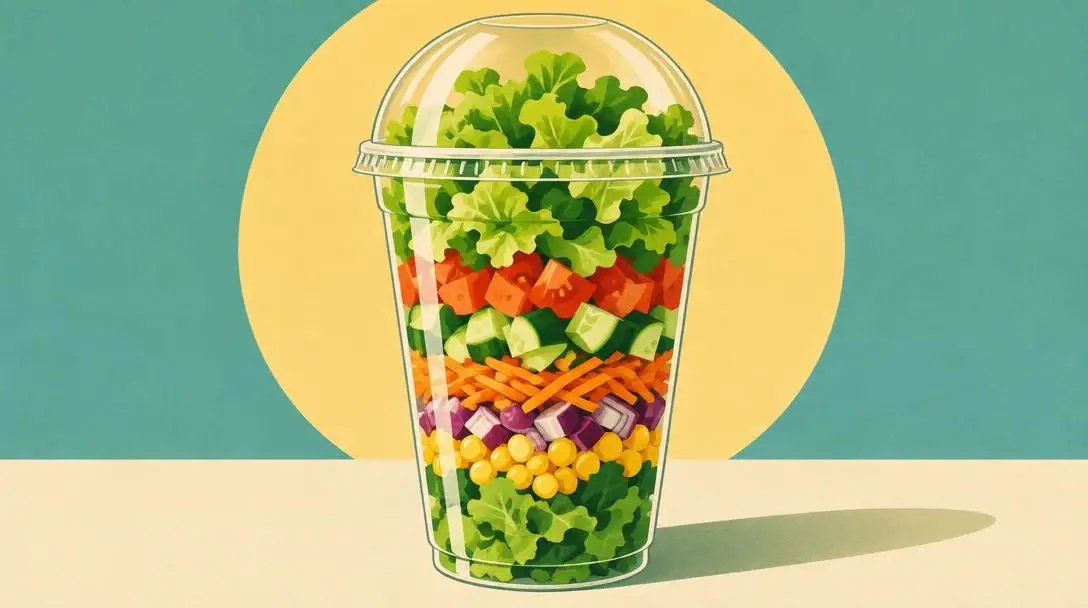
McDonald’s first introduced entrée salads in the 1980s to provide lighter, vegetable-forward options for health-conscious diners. In 2000, the brand modernized the format by launching Salad Shakers. These items were served in tall plastic cups designed to fit inside standard car cup holders. Diners poured dressing into the top, replaced the dome lid, and shook the container vigorously to coat the greens and toppings without needing a flat surface, fork, or knife.
Although the cup design was eventually phased out in favor of traditional plastic bowls with grilled or crispy chicken toppings, salads remained a reliable choice for customers seeking alternatives to fried entrees. However, the onset of the 2020 pandemic prompted corporate leadership to drastically reduce menu complexity, leading to the nationwide removal of salads. Their prolonged absence leaves a noticeable void for patrons wanting fresh leafy greens.
The Premium McWrap
- Debut year: 2013
- Primary format: Full-sized entrée wrap
- Packaging design: Two-piece tear-away cardboard carton
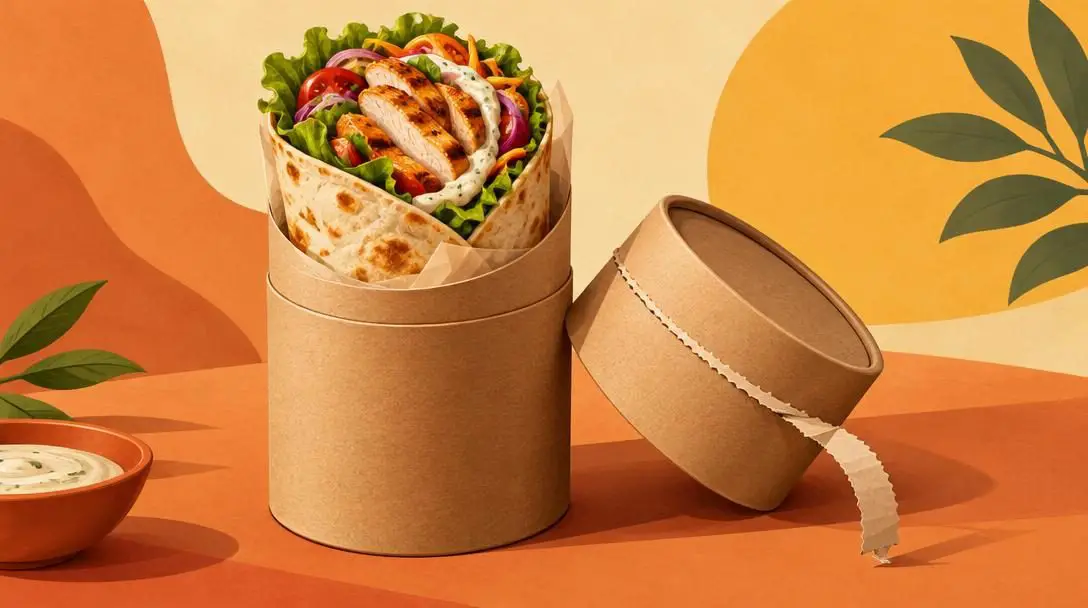
Arriving in 2013, the Premium McWrap was built as a full-sized entrée rather than an afternoon snack. Developed to compete directly with fast-casual restaurants specializing in specialty wraps, the McWrap featured sliced crispy or grilled chicken breast, smoky bacon, fresh sliced tomatoes, shredded lettuce, cheddar-jack cheese, and creamy ranch dressing wrapped inside a large flour tortilla.
A notable feature of the McWrap was its engineered cardboard sleeve. Diners pulled a perforated strip around the center of the cylinder, removing the upper cardboard half while retaining the lower cup to hold the wrap upright. This container kept hands clean and prevented ingredients from spilling during car travel. While domestic kitchens phased the entrée out due to assembly complexity, international franchises continue to offer several variations, including specialty breakfast wraps.
Better Happy Meal Toys
- Era of peak popularity: 1980s through 2000s
- Key characteristics: Durable molded plastics, moving parts, licensed pop-culture tie-ins
- Modern state: Simplified assemblies and paper-based novelties
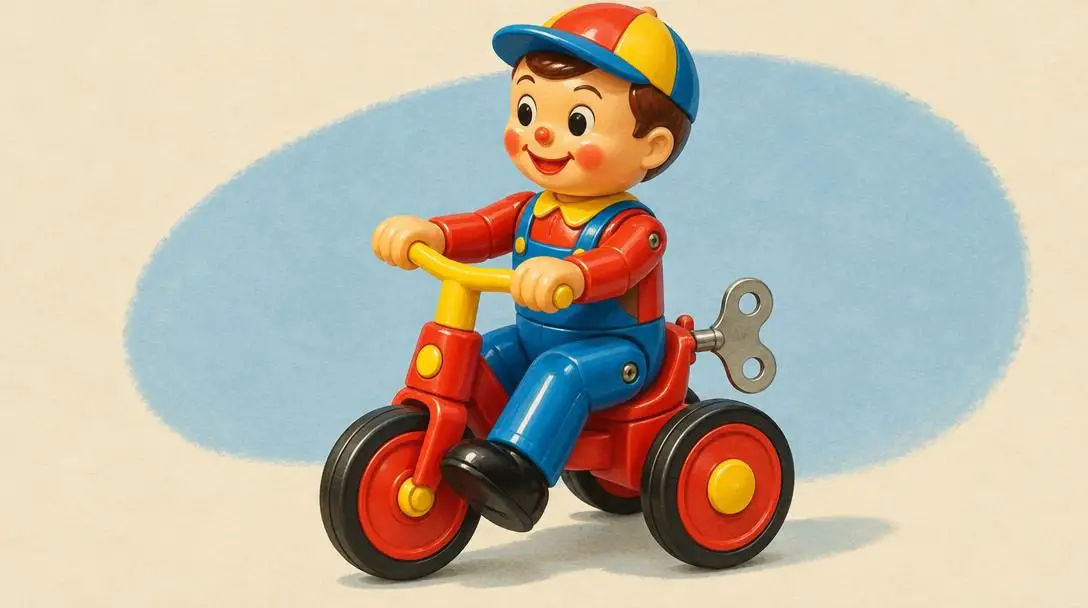
While the Happy Meal itself remains a permanent staple on the menu board, the quality of Happy Meal toys has undergone significant transformation. During the late twentieth century and early 2000s, the chain gained a reputation for distributing detailed plastic figurines, wind-up vehicles, and licensed pop-culture collectibles that became cherished keepsakes for generations of children.
In recent years, the restaurant has moved away from durable plastic mechanisms in favor of simplified novelties, stickers, and paper-based activities, along with frequent re-releases of older concepts. While modern manufacturing and material adjustments address operational goals, many long-time customers argue that the simplified toys fail to deliver the memorable charm and durability that made opening a Happy Meal an iconic childhood ritual.
The Original Fried Apple Pie
- Classic format: Deep-fried hand turnover
- Current format: Pre-baked turnover
- Signature trait: Blistered, crispy pastry shell
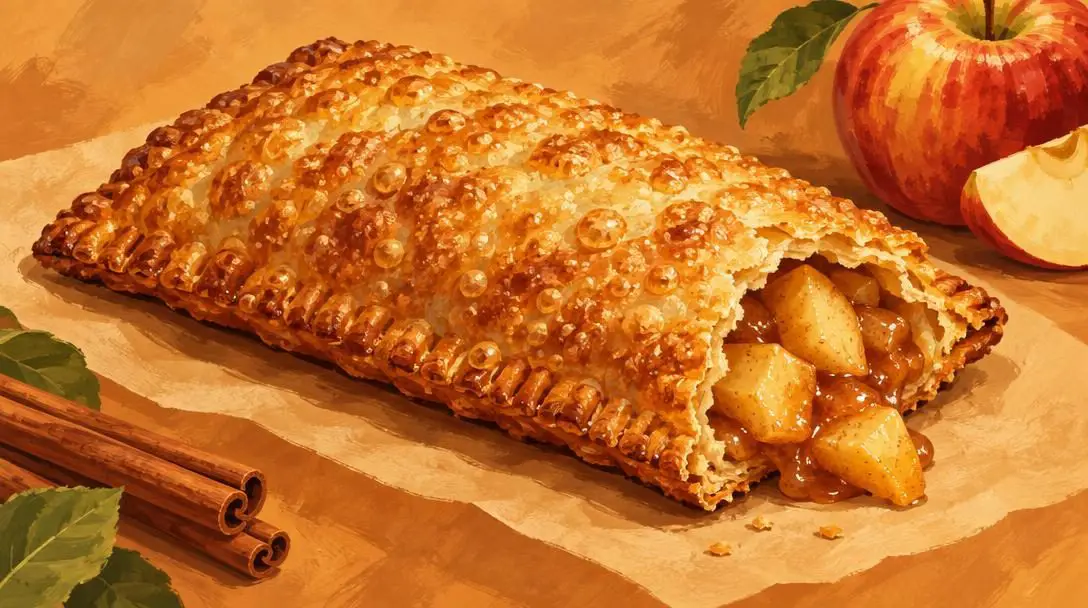
The apple pie is one of the oldest sweet desserts on the McDonald’s menu, but its recipe and preparation underwent a major shift. The original turnover was deep-fried in dedicated vats, yielding an intensely crisp, bubbly crust filled with spiced, molten apple compote. The pastry was served hot and cooked to order, creating a distinct textural contrast between the crunchy exterior and soft fruit filling.
In response to evolving dietary trends and internal nutrition benchmarks, the chain phased out the deep-fried turnover in favor of a lower-calorie baked alternative. Baked pies are often prepared in batches and held in warming cabinets, which can cause the pastry to soften or dry out over time. While the baked pie remains on the dessert board, many nostalgic diners miss the crunchy, blistered mouthfeel of the original fried recipe.
When an item demands complex, hands-on assembly, operational speed often wins out over customer nostalgia.
Behind the counter: How fast food menu lifecycles work
Fast food operations rely on strict uniformity and speed. Every second added to drive-thru fulfillment directly impacts revenue across thousands of locations. When deciding whether to preserve, alter, or retire a dish, corporate culinary teams and franchise boards weigh multiple operational metrics:
- Preparation and holding times: Items that require custom rolling, intricate packaging, or dedicated cooking equipment slow down assembly lines during peak hours.
- Shared ingredient inventory: Products that rely on unique ingredients, such as specific tortillas, specialized dressings, or proprietary cartons, increase storage costs and risk food waste.
- Equipment limitations: Dedicated frying vats, warming drawers, and preparation stations must be shared efficiently without causing kitchen bottlenecks.
- Margin and profitability: Fresh produce, such as whole salad vegetables and fresh tomatoes, carries shorter shelf lives and higher handling costs than shelf-stable ingredients.
The multi-stage process of menu discontinuation and comebacks
Menu changes rarely happen by accident. Corporate restaurant chains use structured operational phases to test, deploy, and evaluate their food offerings.
- Test market release: The item appears in select regional markets to evaluate crew assembly speeds, supply logistics, and customer interest.
- Systemwide launch: If regional metrics meet corporate goals, the product enters national distribution supported by extensive advertising campaigns.
- Performance and complexity audit: Operations teams monitor drive-thru wait times, food waste, and franchisee feedback to identify workflow bottlenecks.
- Phased operational removal: Distribution slows, regional cooperatives gain permission to drop the offering, and corporate management issues retirement notices.
- Sentiment tracking and revival windows: Brand marketing divisions track customer sentiment online, occasionally arranging limited-time reintroductions to spark nostalgia without altering kitchen layouts permanently.
Steps diners can take when a beloved item disappears
While customer preference alone cannot overturn corporate supply chains, diners have several practical paths when navigating the loss of favorite menu items:
- Submit feedback through official surveys: Complete the digital survey printed on the bottom of store receipts; these metrics are regularly aggregated and reviewed by corporate marketing teams.
- Support organized consumer petitions: Join organized social media communities and online campaigns that show ongoing consumer interest for specific discontinued recipes.
- Sample regional menus when traveling abroad: Check menu boards when visiting international markets, as items like the Snack Wrap and Premium McWrap remain active in several foreign countries.
- Order available customization hacks: Construct close approximations using existing menu components, such as pairing chicken tenders with tortillas, side salads, or specific dipping sauces.
- Recreate recipes at home: Use grocery staples to replicate classic dressings, hand pies, and chicken wraps in a home kitchen without commercial limitations.
Common mistakes to avoid at the counter and drive-thru
When searching for discontinued or altered menu items, diners often run into frustrating misunderstandings. Avoiding these common mistakes helps ensure a smoother ordering experience:
- Arguing with store crew members: Front-line restaurant staff do not set brand recipes, supply chain selections, or corporate menu eliminations.
- Assuming universal availability: Menu selections vary significantly across regional co-ops and international borders; what is sold in the UK or Canada may not be authorized in the US.
- Relying on outdated digital coupons: Third-party promotional websites and archived links may display outdated menu items that current kitchen systems cannot process.
- Mistaking regional tests for permanent rollouts: A temporary test run in a single city does not confirm that a product has returned to nationwide distribution.
What to watch for in future menu rollouts
As national fast food chains emphasize automated ordering, mobile apps, and streamlined kitchen footprints, the likelihood of complex, labor-intensive items returning permanently remains slim. Products that require intricate hand-rolling or delicate handling challenge speed-of-service targets.
However, the industry frequently relies on nostalgia marketing to generate excitement. Limited-time promotional drops, retro toy packaging, and temporary regional rollouts offer brands a way to satisfy devoted fans without permanently disrupting day-to-day operations. Watching corporate shareholder disclosures and international promotional calendars often provides the earliest hints about which classic favorites might return next.
Frequently asked questions
Why did McDonald's discontinue the Snack Wrap in the United States?
The Snack Wrap was phased out primarily because of kitchen complexity. Assembling and rolling individual tortillas by hand slowed down preparation lines and extended drive-thru wait times during high-volume periods.
Can you still get McDonald's salads anywhere in the U.S.?
Following the widespread menu simplifications enacted in 2020, salads were removed nationwide from American menus, and corporate leadership has not announced plans for a nationwide return.
Are McDonald's fried apple pies still available in other countries?
Yes. While American restaurants transitioned to baked turnovers to meet nutritional benchmarks, certain international markets still prepare the classic fried version with its signature blistered crust.
What made the Premium McWrap packaging unique?
The Premium McWrap came in a cylindrical cardboard carton with a perforated center strip. Diners tore off the top portion of the container, leaving the bottom half as a sturdy cup that kept the wrap intact and caught drips while eating.
Why have Happy Meal toys shifted away from complex plastic figurines?
The shift reflects changes in manufacturing costs, corporate sustainability goals, and supply chain choices, resulting in lighter plastic pieces, stickers, and paper-based novelties replacing older mechanical toys.
The bottom line
Fast food menus represent a delicate balance between customer cravings and operational efficiency. While beloved dishes like the Snack Wrap, original fried pies, and fresh salads may leave an enduring impression on loyal customers, their future depends on whether restaurant chains can reconcile kitchen complexity with the speed demanded by modern fast food operations.