5 Healthiest Menu Options At American McDonald’s Restaurants
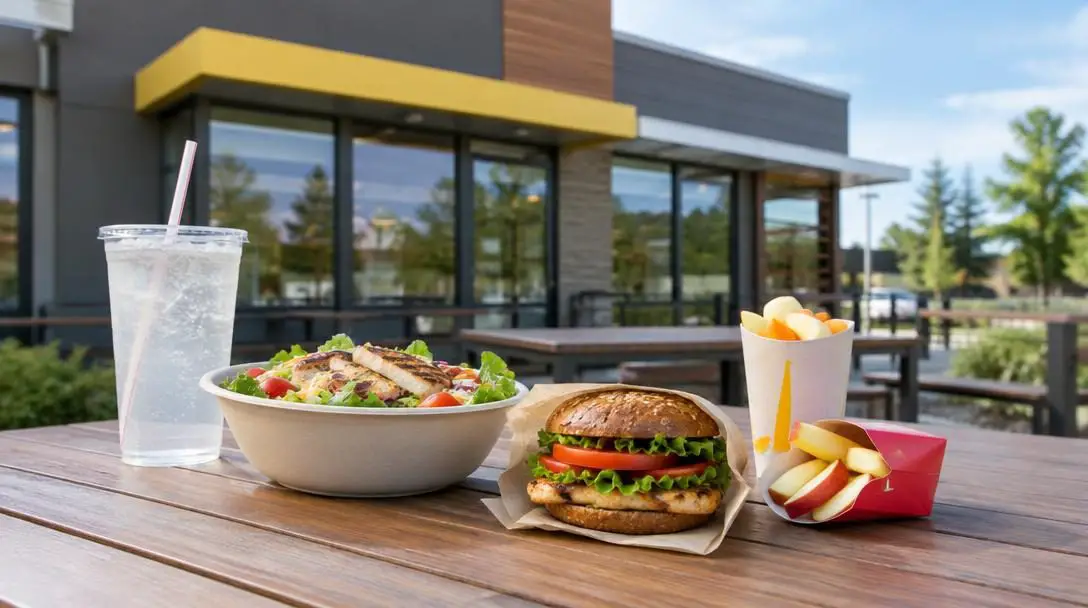
Fast food is deeply rooted in modern dining culture, offering unmatched speed, convenience, and affordability for millions of people on the move. For decades, however, drive-thru fare has carried a persistent reputation for nutritional imbalance, frequently associated with elevated levels of calories, saturated fats, sodium, and refined carbohydrates. Because McDonald's stands as the undisputed top dog among global fast-food brands, its golden arches often serve as the primary symbol of the industry's dietary shortcomings—a status reinforced in pop culture by the documentary Super Size Me.
Despite this enduring image, navigating the modern McDonald's menu is more nuanced than many diners assume. While multi-patty burgers, oversized combo meals, and deep-fried sides can easily provide an entire day's worth of calories in a single bag, the standard menu also houses selections with moderate energy counts and respectable amounts of protein. Identifying these items allows health-conscious customers to grab a quick, satisfying meal without derailing their broader nutritional goals.
Key takeaways
- Smart ordering at fast-food restaurants hinges on choosing lean proteins and managing rich, fat-heavy sauces.
- Breakfast items like the Egg McMuffin and Sausage Egg Burrito provide strong protein-to-calorie efficiency for busy mornings.
- The Fruit and Maple Oatmeal offers a low-fat, vegetarian whole-grain option, though it is notably high in simple sugars.
- Since 2020, menu adjustments have removed salads and grilled chicken, making single-patty or single-fillet sandwiches the premier lighter alternatives.
At a glance: Comparing the top balanced menu items
When assessing quick-service food, the relationship between total calories, dietary fat, and satiating protein determines how well an item sustains energy without overburdening daily targets. The following five items represent the most balanced regular and breakfast offerings currently available at American locations.
| Menu Item | Calories | Fat (g) | Protein (g) | Key Nutritional Highlight |
|---|---|---|---|---|
| Egg McMuffin | 290 | 11 | 16 | High protein-to-calorie ratio; lean Canadian bacon |
| Sausage Egg Burrito | 310 | 17 | 13 | Portable morning meal with scrambled eggs and veggies |
| Fruit and Maple Oatmeal | 320 | 4.5 | 6 | Low dietary fat and two servings of whole-grain oats |
| Filet-O-Fish | 390 | 19 | 16 | Pescatarian option featuring wild-caught Alaskan Pollock |
| Crispy Chicken Sandwich | 470 | 20 | 26 | Substantial poultry protein serving as an alternative to beef |
The 5 healthiest menu choices at American McDonald's
These selections span morning and afternoon dining, providing practical solutions whether you are looking for a hot breakfast, a meatless Friday alternative, or a protein-dense lunch.
The Egg McMuffin
- Debut: Early 1970s
- Calories: 290
- Protein: 16 grams
- Fat: 11 grams
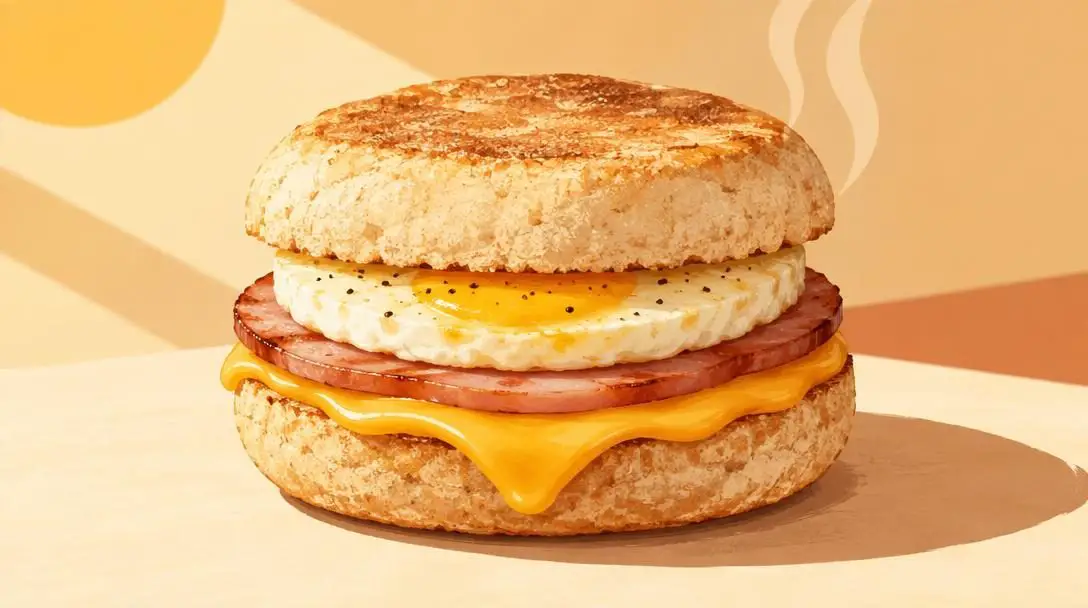
An anchor of the morning lineup since the early 1970s, the Egg McMuffin remains widely ordered for good reason. Built on two buttered halves of a toasted English muffin, the sandwich contains a freshly cracked round egg, a slice of Canadian bacon, and a single slice of American cheese. From a macronutrient standpoint, it delivers 16 grams of dietary protein for just 290 calories, making it one of the most efficient warm breakfast items under the golden arches. Because Canadian bacon is naturally leaner than traditional streaky bacon or pork sausage patties, this classic sandwich keeps saturated fat lower while providing lasting morning satiety.
The Sausage Egg Burrito
- Debut: January 1, 2015
- Calories: 310
- Protein: 13 grams
- Fat: 17 grams
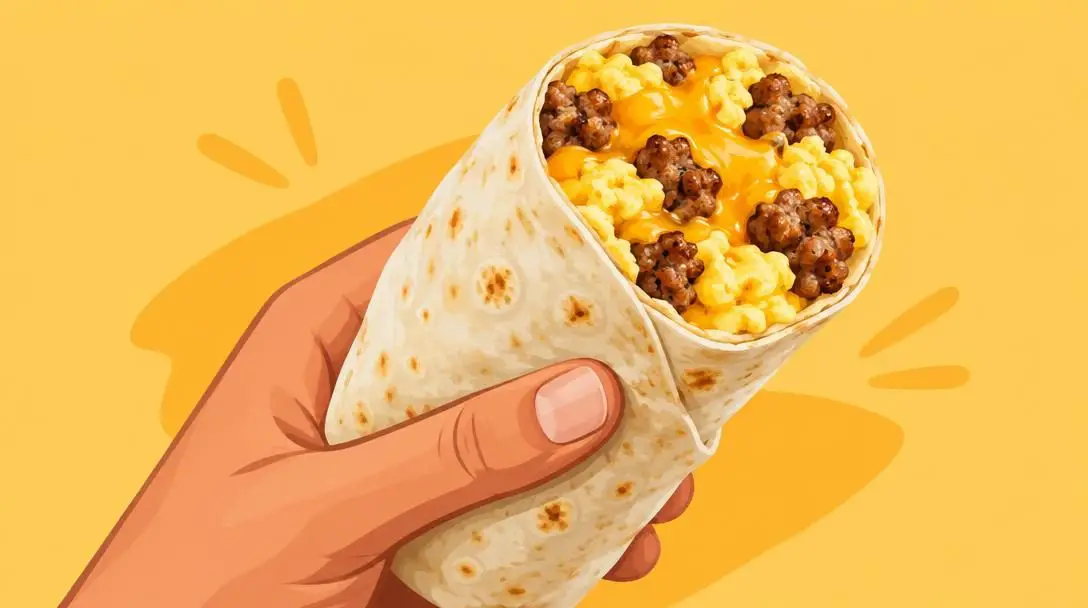
Officially rolled out to ring in the new year on January 1, 2015, the Sausage Egg Burrito quickly built a dedicated following among customers needing a warm, handheld morning option. The recipe wraps fluffy scrambled eggs, pork breakfast sausage crumbles, melted American cheese, and a flavorful blend of cooked green chiles and onions inside a soft, warm flour tortilla. At 310 calories and 13 grams of protein, it serves as an approachable, protein-forward breakfast that avoids the massive caloric footprint typical of larger morning platters.
Fruit and Maple Oatmeal
- Debut: 2011
- Calories: 320
- Fat: 4.5 grams
- Sugar: 31 grams
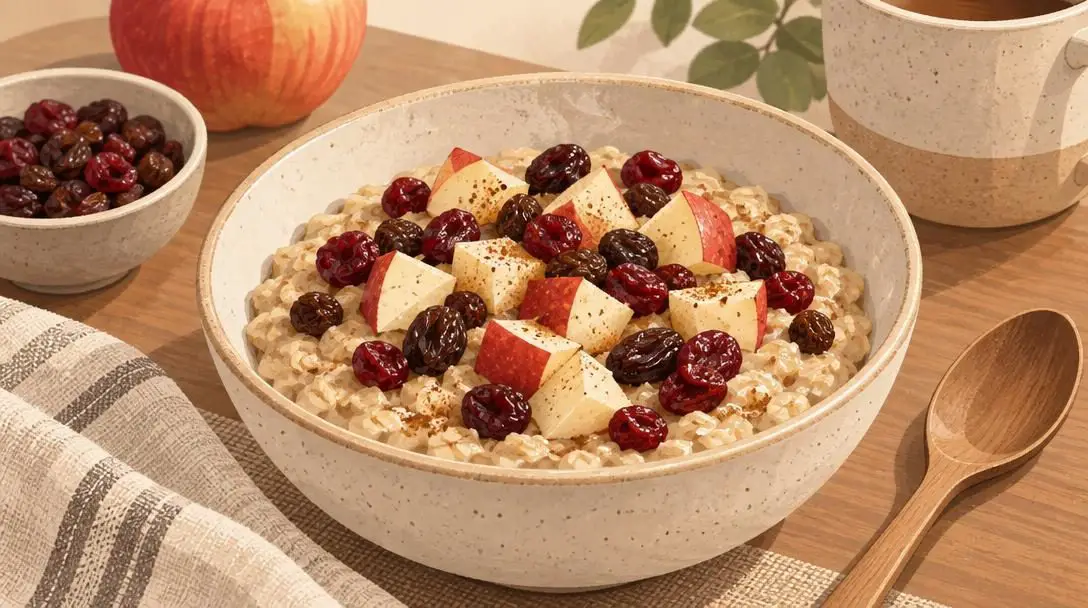
Introduced in 2011 to cater to diners seeking a sweet, meat-free breakfast, the Fruit and Maple Oatmeal combines two full servings of whole-grain oats with cream and brown sugar. The bowl is topped with diced fresh apple chunks, craisins, and two distinct varieties of raisins. With only 4.5 grams of fat and 6 grams of protein, it is an exceptionally low-fat, vegetarian-friendly choice. However, diners tracking their carbohydrate intake must consider its 31 grams of sugar, which stem from both natural fruit sugars and added sweeteners.
The Crispy Chicken Sandwich
- Debut: Early 2021
- Calories: 470
- Protein: 26 grams
- Fat: 20 grams
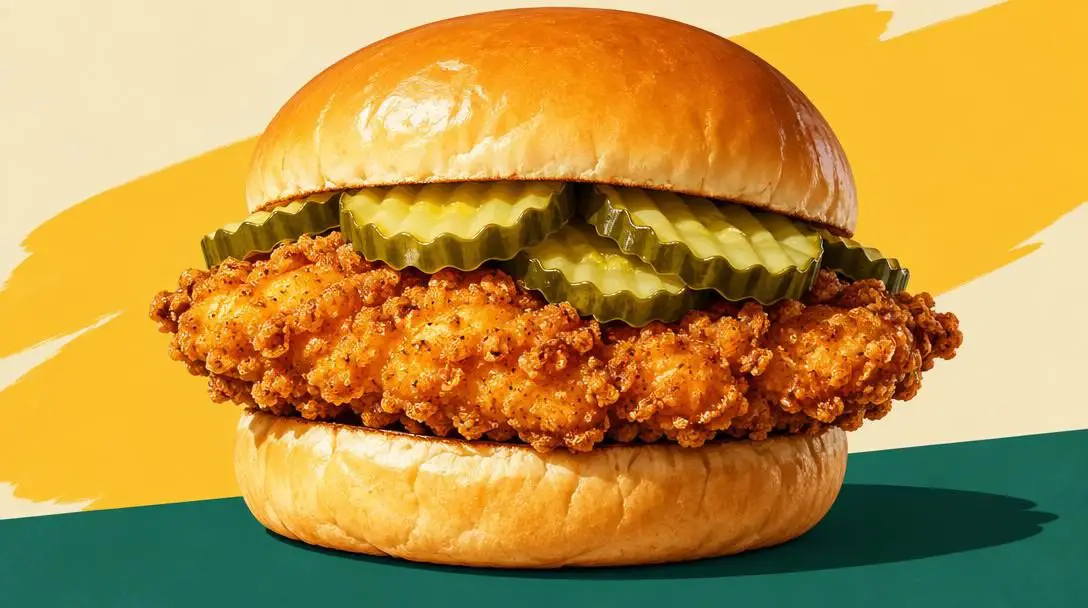
Launched in early 2021 during the nationwide fast-food chicken sandwich wars, the Crispy Chicken Sandwich quickly established itself as a customer favorite. It features a lightly breaded, fried chicken cutlet, crinkle-cut pickles, and mayonnaise served on two buttered halves of a soft potato roll. Supplying 26 grams of lean poultry protein, it clocks in at 470 calories and 20 grams of fat. While higher in energy than the breakfast options, its substantial protein density makes it an effective, filling substitute for heavy multi-patty beef burgers.
The Filet-O-Fish
- Debut: 1962
- Creator: Lou Groen
- Calories: 390
- Protein: 16 grams
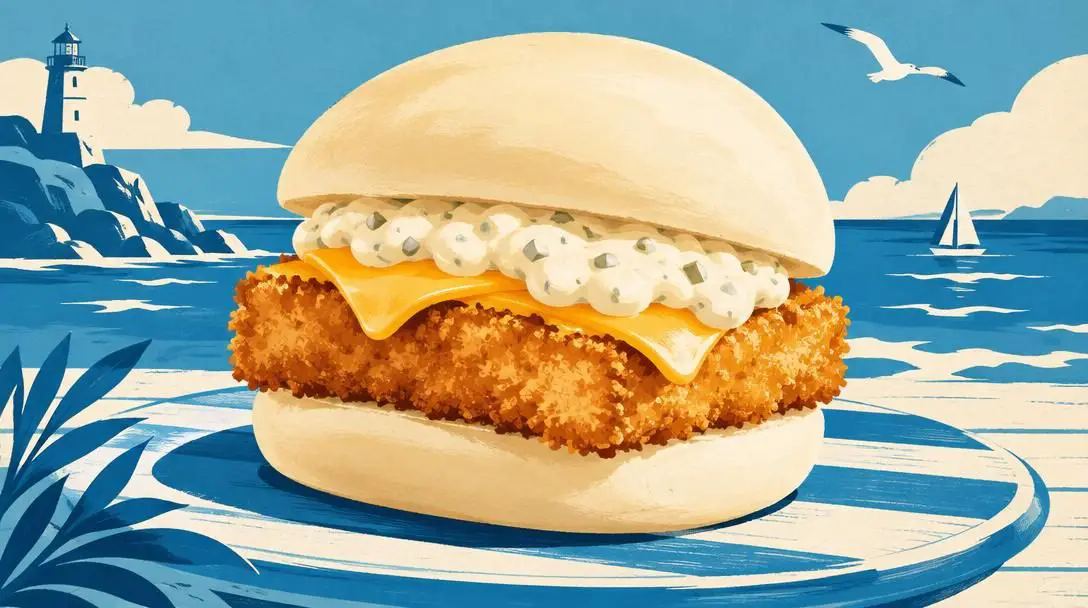
The Filet-O-Fish carries a long, storied history within the company. Created in 1962 by Ohio franchise owner Lou Groen, it was originally designed to serve Catholic customer bases observing meatless Fridays as well as diners looking for pescatarian alternatives to red meat. The sandwich consists of a crispy fried square of wild-caught Alaskan Pollock, a dollop of creamy tartar sauce, and a half-slice of American cheese on a soft, steamed hamburger bun. Totaling 390 calories, 19 grams of fat, and 16 grams of protein, it remains the sole seafood-centered sandwich on the permanent roster.
Balancing quick-service dining relies not on total deprivation, but on prioritizing lean proteins while keeping fried coatings and heavy sauces in check.
How fast-food nutrition mechanics influence your meal
Understanding quick-service nutrition requires recognizing how fast-food recipes leverage three core palatability drivers: fats, sugars, and salt. These elements make meals deeply satisfying to human taste buds, but they also accelerate calorie accumulation when left unmonitored.
Dietary fat is the primary driver of calorie density in the drive-thru lane. Pure fat provides nine calories per gram, more than double the four calories per gram supplied by either pure dietary protein or carbohydrates. Consequently, menu items that incorporate deep-fried preparation, breaded coatings, buttered bread, or emulsified oil sauces like mayonnaise and tartar sauce see their caloric totals rise rapidly. In sandwiches like the Crispy Chicken Sandwich and Filet-O-Fish, an appreciable percentage of total calories stems not from the poultry or pollock itself, but from the frying oil absorbed by the breading and the accompanying creamy spreads.
Dietary protein functions as the primary tool for lasting satiety. Lean proteins take longer to digest, stabilizing appetite and helping you feel full well after eating. Choosing an item with high nutritional efficiency—such as the Egg McMuffin providing 16 grams of protein for under 300 calories—supplies necessary energy without forcing you into an excessive calorie surplus.
Carbohydrates in standard fast food typically consist of refined starches, such as white flour buns, potato rolls, and tortillas. These digest quickly and can trigger short-term energy spikes followed by sudden hunger crashes unless they are paired with adequate protein and fiber. The Fruit and Maple Oatmeal stands apart by utilizing whole-grain oats, which supply valuable dietary fiber, even though this benefit is partially counterbalanced by the brown sugar and sweetened dried fruit.
Practical steps for ordering smarter at the counter
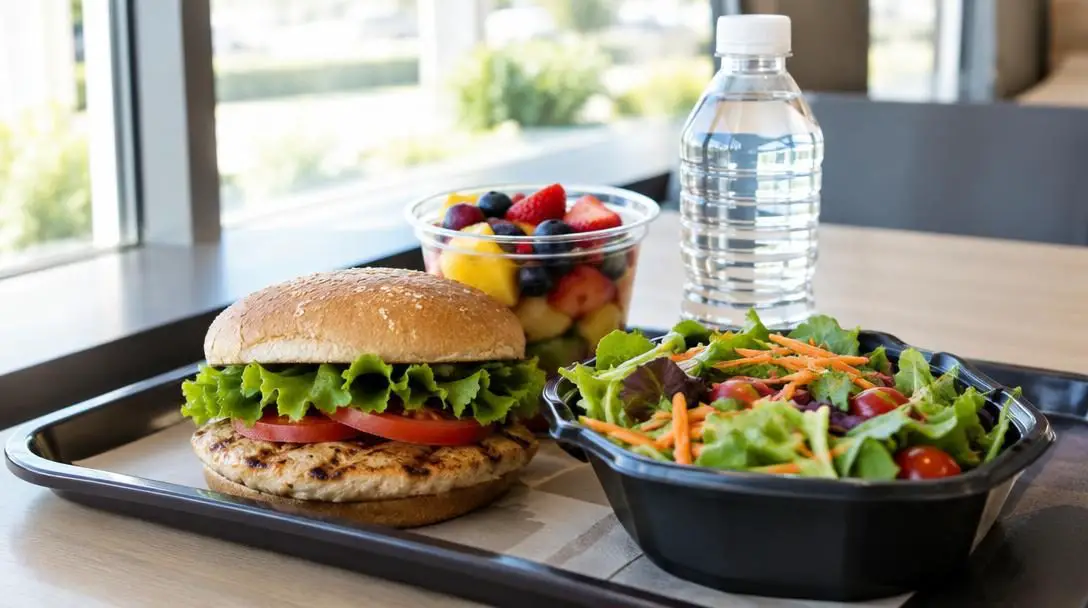
Making a balanced meal at McDonald's requires active ordering strategies rather than simply taking items as default builds. A few intentional modifications can dramatically improve the nutritional profile of your order.
- Consult nutritional resources: Use the mobile app or in-store materials to check exact calorie, sodium, and macronutrient metrics before placing your order.
- Control creamy spreads: Ask for condiments like tartar sauce or mayonnaise on the side, or request light sauce, to eliminate tens of unnecessary fat calories.
- Adjust cheese portions: Request your sandwich without cheese, or skip the extra slice on double items, shaving off saturated fat and sodium.
- Choose calorie-free drinks: Pair your sandwich with water, unsweetened iced tea, or black coffee rather than full-sugar sodas or sweet specialty beverages.
- Stick to single portions: Select single-fillet or single-patty builds instead of large combo upgrades or double-sized sandwiches.
- Skip the deep-fried sides: Forego hash browns or large french fries if your main sandwich already contains enough calories to meet your energy requirements.
Common ordering mistakes to avoid
Even mindful eaters can fall into common nutritional traps when visiting quick-service franchises. Staying vigilant against these everyday missteps will keep your meal aligned with your health targets.
- Equating oatmeal with low sugar: Assuming the Fruit and Maple Oatmeal is an entirely low-sugar meal without recognizing that brown sugar, craisins, and raisins add up to 31 grams of sugar.
- Assuming fish and poultry are always low-fat: Overlooking how battered breading, deep frying, and mayonnaise-based sauces dramatically raise the overall fat content of chicken cutlets and fish fillets.
- Falling for the combo value trap: Upgrading a modest, single-sandwich order into a bundled value meal that adds hundreds of extra calories through deep-fried sides and sugary soft drinks.
- Underestimating liquid calories: Failing to account for morning orange juices, blended frappes, or milkshakes, which provide concentrated calories with minimal satiety.
- Relying on multiple small snacks: Assuming small value items have negligible caloric impact, resulting in an order of two or three items that collectively surpass a full meal.
The evolving fast-food landscape
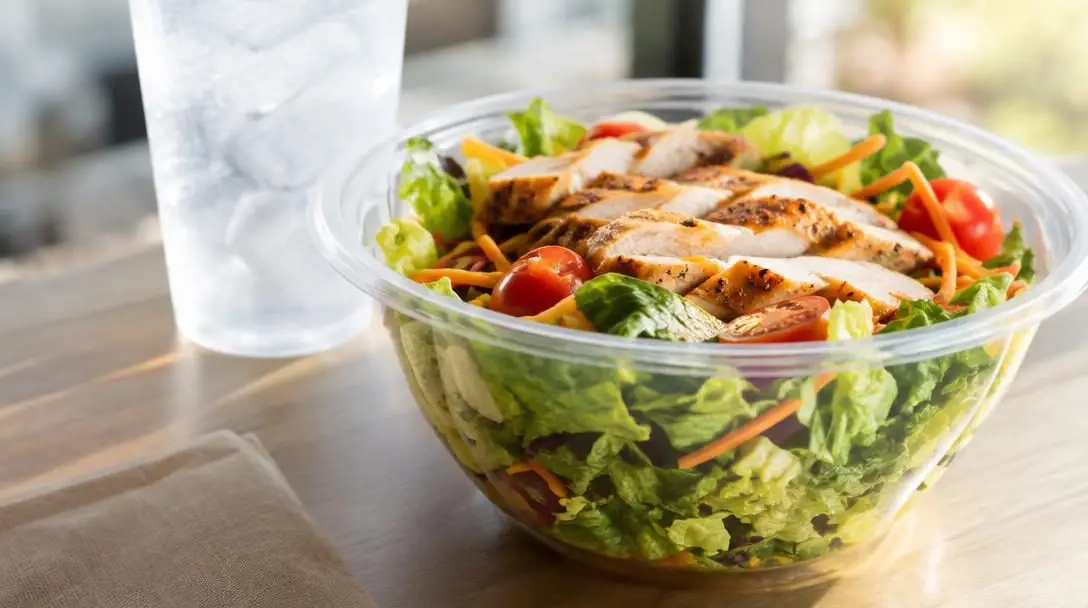
The selection of lighter fare in the quick-service industry has shifted significantly over the past several years. Following operational adjustments during the 2020 pandemic, McDonald's permanently eliminated its salad lines and grilled chicken wraps across American stores to prioritize kitchen speed and reduce inventory complexity. As a result, diners can no longer rely on traditional leafy green salads as a baseline healthy fallback.
This operational shift places greater importance on evaluating the core menu. Instead of hunting for specialized diet items, consumers are better served by mastering portion control and choosing single-portion entrees made from whole protein sources like eggs, poultry, and fish. When combined with smart sauce choices and calorie-free beverages, these standard menu fixtures fit easily into a modern, health-conscious lifestyle.
Frequently asked questions
Can I still order a salad at American McDonald's locations?
No. McDonald's removed salads from its nationwide menu in 2020 during the COVID-19 pandemic to simplify kitchen operations, and the chain has not reintroduced them to standard U.S. menus.
What is the lowest-calorie hot breakfast sandwich available?
The Egg McMuffin is among the lowest-calorie warm breakfast sandwiches on the menu, delivering 16 grams of protein for 290 total calories due to its lean Canadian bacon and freshly cracked egg.
Is the oatmeal a good choice for people managing blood sugar?
While the Fruit and Maple Oatmeal provides two servings of whole-grain oats, it also contains 31 grams of sugar from brown sugar, craisins, raisins, and diced apples, making it less ideal for strict low-sugar diets unless modified.
How can I lower the calories in the Crispy Chicken Sandwich or Filet-O-Fish?
The easiest way to lower calories is to request them without mayonnaise or tartar sauce, or to ask for the sauce on the side so you can use a smaller amount. Both sauces are oil-based and add significant fat calories.
Who invented the Filet-O-Fish and why?
The Filet-O-Fish was invented in 1962 by Ohio franchise owner Lou Groen. He created the sandwich to cater to local Catholic customers who abstained from eating warm-blooded meat on Fridays.
The bottom line
Maintaining a balanced, health-conscious diet does not mean you must completely swear off fast food. While the golden arches continue to serve indulgent, calorie-dense burgers and deep-fried sides, the menu also provides reliable, protein-packed staples like the Egg McMuffin, Sausage Egg Burrito, and Filet-O-Fish. By reviewing nutritional metrics, requesting customized condiments, avoiding high-sugar beverages, and practicing portion moderation, you can easily turn a drive-thru stop into a practical, satisfying component of your wellness routine.