The Simplest Food Is The Most Delicious? 5 Awesome Staple Foods From Around The World
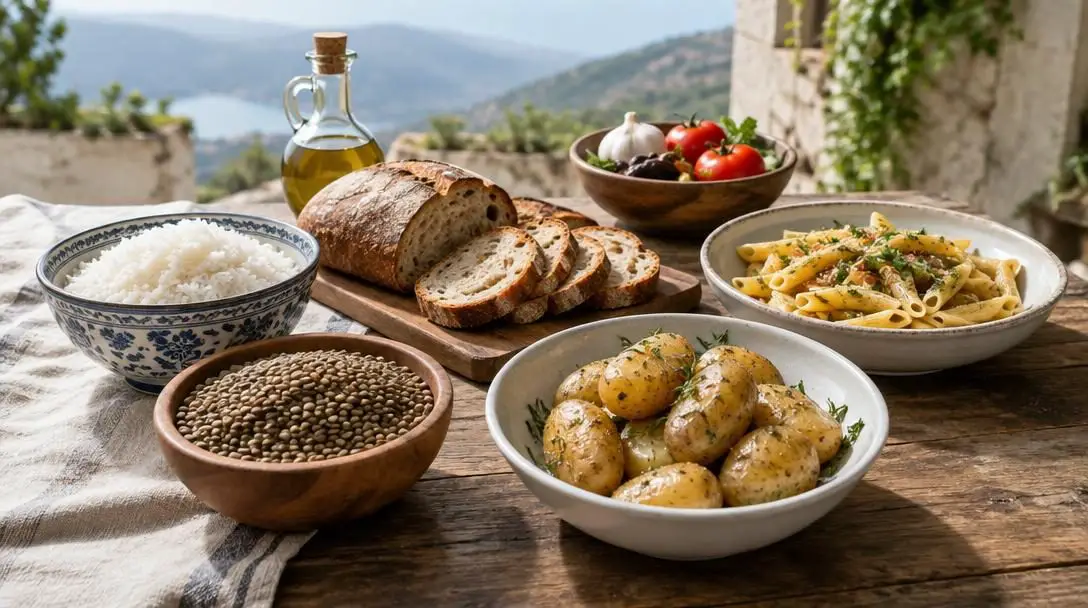
While an elaborate, three-course meal at an expensive, Michelin-starred restaurant is an exceptional experience that few would turn down, the most delicious meals encountered across human history are very often the simplest. Everyday home cooking that is frequently taken for granted in its country of origin offers rich flavors and deep nourishment. These meals are built around foundational food items, widely referred to as staple foods, that communities have relied on for generations to sustain everyday life without requiring complex machinery or expensive culinary additions.
Modern consumers have unprecedented access to ingredients and culinary traditions from across the globe, yet many households fall into repetitive cooking routines centered around ultra-processed products or overly complicated recipes. By turning back to simple, time-tested staples from different corners of the earth, anyone interested in expanding their palate or improving their diet can discover new, affordable ways to enjoy nourishing meals. The dishes explored here—ranging from legume stews to root-rich soups, fried fruits, and hand-crafted flatbreads—illustrate how basic, unpretentious ingredients can yield extraordinary results.
Key takeaways
- Traditional global staples deliver rich flavor and high nutritional value using minimal, accessible ingredients.
- Legume-based dishes like dahl and lentil soup rely on soaking and natural disintegration rather than commercial thickeners.
- Plantains require cooking rather than being eaten raw, offering distinct culinary profiles whether fried thin or boiled in thick chunks.
- Authentic flatbreads such as chapatis need only three basic pantry items—finely ground wheat flour, salt, and water—to create a versatile side.
Global culinary staples at a glance
Across continents, home cooks have perfected distinct methods for transforming inexpensive harvest goods into deeply satisfying meals. The table below outlines how these five iconic staples compare in their regions of origin, core ingredient bases, and foundational preparation methods.
| Staple Food | Primary Regions | Key Ingredients | Primary Preparation Technique |
|---|---|---|---|
| Dahl | India (Northern and Southern regions) | Beans or pulses (mung beans, yellow split peas), aromatics | Overnight soaking followed by gentle simmering |
| Borscht | Eastern Europe (Ukraine, Poland) | Beets, potatoes, beans, cabbage | Layered boiling and simmering of roots and vegetables |
| Lentil Soup | Europe, South America, Middle East | Dehulled lentils, carrots, potatoes, onions | Simmering lentils until they break down into a smooth base |
| Boiled or Fried Plantains | West & Central Africa, Caribbean, South America | Plantains, cooking oil or water, hot sauce | Frying thin slices in hot oil or boiling thick pieces in water |
| Chapatis | East Africa, Arabian Peninsula, Indian subcontinent | Finely ground wheat flour, salt, water | Kneading dough, rolling thin rounds, and cooking dry on heat |
Five foundational staple foods from around the globe
To understand the enduring power of simple home cooking, it helps to examine specific dishes that have sustained large populations across diverse geographic landscapes. Each of these five staples highlights a different set of ingredients, culinary traditions, and regional variations.
Dahl
- Origin: India
- Core Ingredient: Beans and pulses (such as mung beans or yellow split peas)
- Key Seasonings: Cumin, turmeric, ginger, chilly oil, coriander
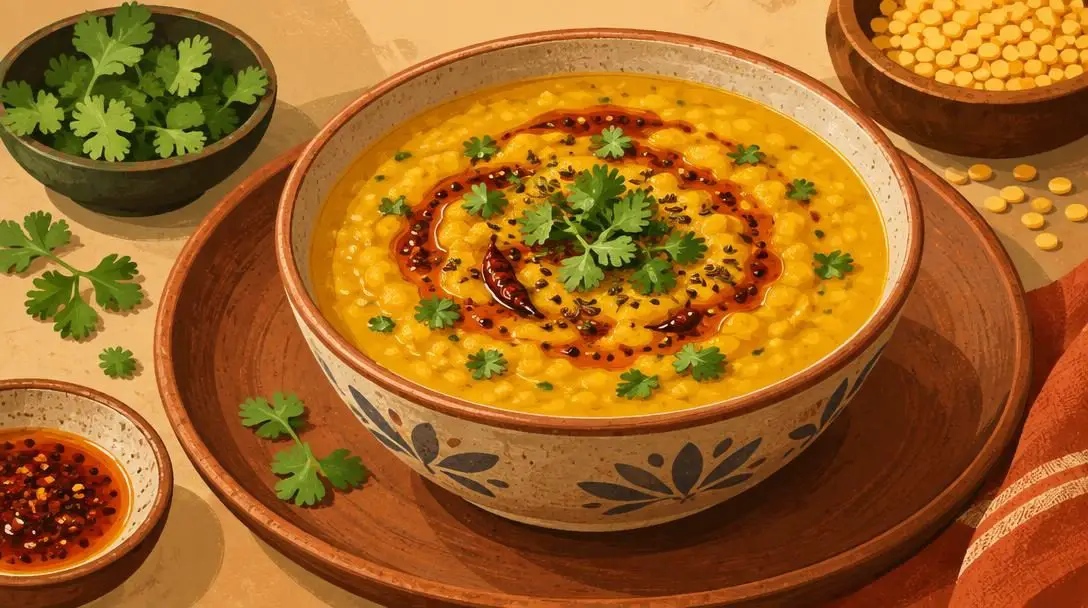
Dahl, which is also commonly spelled dal, is a fundamental dish throughout India. It is made from different types of beans and pulses, with countless variations depending upon which region of the country a specific recipe originates from. For instance, in the southern parts of India, cooks frequently use mung beans to make what is known as Mung dal. In northern India, recipes more commonly feature yellow split peas to prepare Chana dal.
The standard method for preparing dahl involves soaking the dried pulses overnight and then simmering them gently in water until they become completely tender and break down into a comforting consistency. Once the legume base is soft and rich, the dish is mixed with aromatic seasonings, which can include cumin, turmeric, ginger, chilly oil, or coriander. The end result is a warm, deeply comforting dish that serves as both a healthy everyday food and a cornerstone of Indian culinary culture.
Borscht
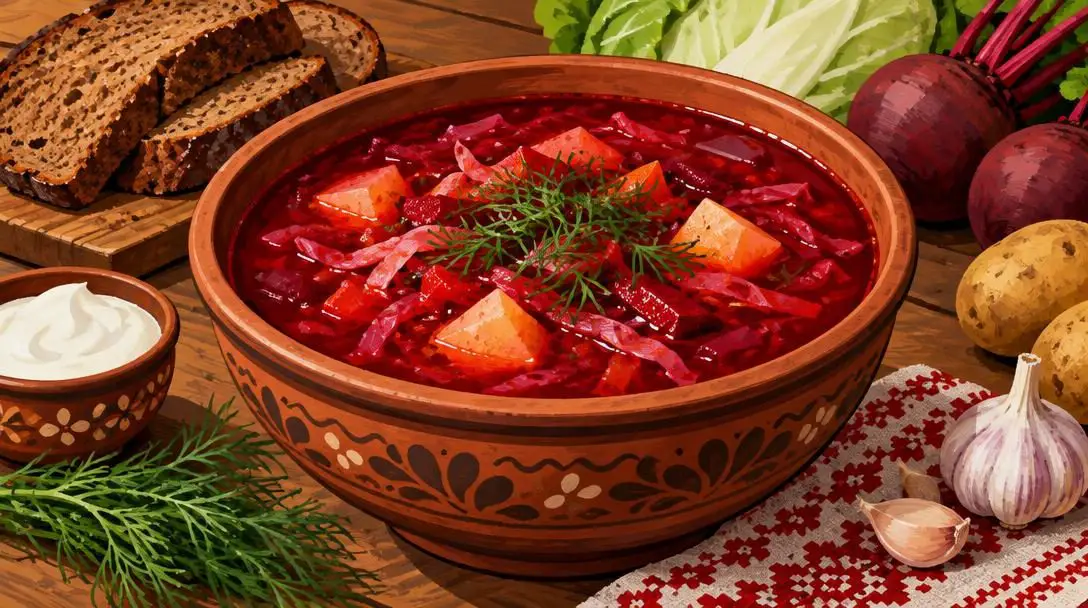
- Origin: Eastern Europe (including Ukraine and Poland)
- Core Ingredient: Nutrient-rich beets
- Key Additions: Potatoes, beans, cabbage
Borscht is a classic soup that comes to us from Eastern Europe, where it has been prepared and eaten for generations across areas such as Ukraine and Poland. The foundation of this celebrated soup combines nutrient-rich beets, hearty potatoes, tender beans, and finely sliced cabbage, alongside various other staples depending upon the precise regional or family recipe in use.
The combination of root vegetables and hearty ingredients gives borscht a delightful flavor profile and an unmistakable, vibrant deep red color. Because of its wholesome, nutrient-rich contents and deeply satisfying taste, it makes a fantastic vegetable-packed soup to add to any modern meal rotation, bringing long-simmered comfort to cool-weather dining.
Lentil Soup
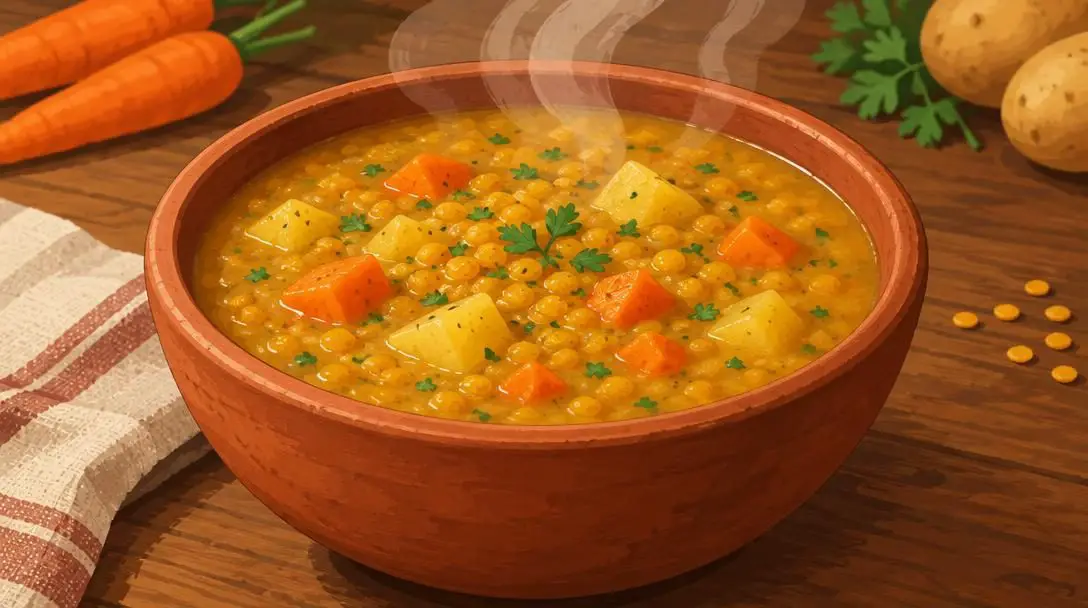
- Origin: Europe, South America, and the Middle East
- Core Ingredient: Dehulled lentils of any color
- Common Vegetables: Carrots, potatoes, and onions
Lentil soup is a universal comfort food that originates in countless cultures and geographical regions across Europe, South America, and the Middle East. While specific recipes vary from country to country, the foundational preparation generally calls for any colored dehulled lentil that will disintegrate naturally while cooking. This characteristic is essential, as the dissolving pulses create a naturally rich base without the need for artificial additives.
As the dehulled lentils break down, they create a thick, naturally smooth base for the soup. This base can then be combined with a variety of other chopped vegetables, such as carrots, potatoes, and onions, along with regional seasonings specified by the recipe. Lentil soup is an inexpensive, highly versatile dish to add to your home cooking routine, serving as an especially comforting meal in the winter on cold evenings.
Boiled or Fried Plantains
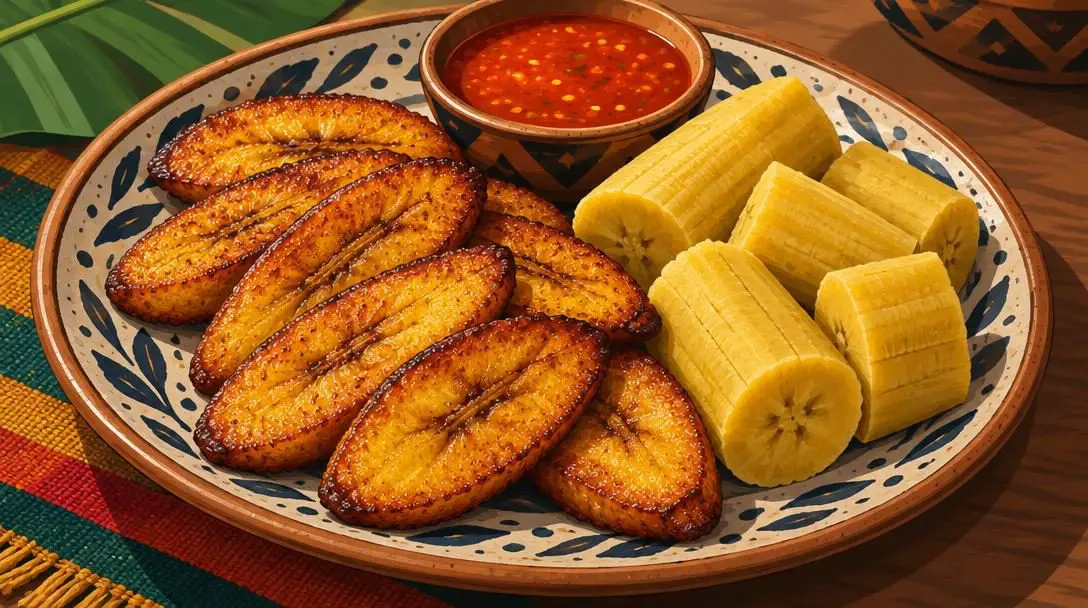
- Origin: West and Central Africa, Caribbean coast, South America
- Botanical Relation: Same plant genus as standard bananas
- Primary Serving Style: Fried thin rounds or boiled thick sections
Plantains bear a noticeable resemblance to bananas because they belong to the very same plant genus. However, unlike standard sweet bananas that are commonly peeled and eaten raw, people consume cooked plantains. This versatile staple is widely popular across West and Central Africa, as well as along the coast of the Caribbean and South America, serving as an essential daily starch.
Plantains can be enjoyed in two primary ways: either fried or boiled. When preparing fried plantains, the fruit is sliced into thin rounds or diagonal pieces, placed into heated oil in a pan, and fried until golden. For boiled plantains, the fruit is cut slightly thicker—typically yielding about three pieces per whole plantain—and boiled in water until tender throughout. In either preparation, the cooked plantains can be seasoned with hot sauce as desired for a lively kick of heat.
Chapatis
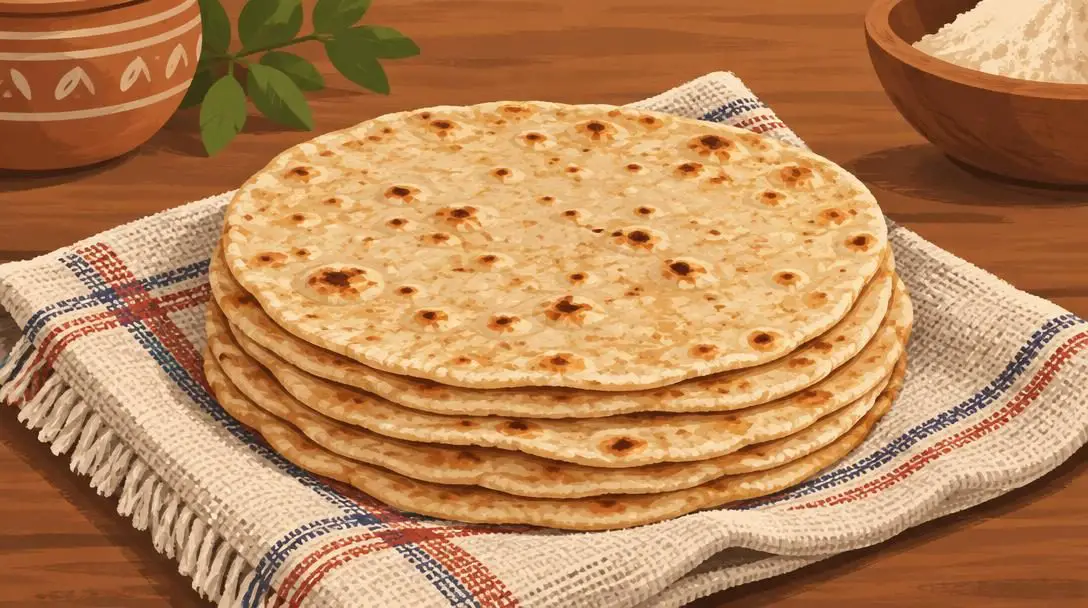
- Origin: East Africa, Arabian Peninsula, Indian subcontinent
- Ingredients: Finely ground wheat flour, salt, water
- Cooking Surface: Dry, heated pan or flat griddle
The flatbread known as chapatis features a vast traditional footprint that stretches across East Africa, throughout the Arabian Peninsula, and across the Indian subcontinent. These delicious circular flatbreads are remarkable for their minimal ingredient list, requiring only finely ground wheat flour, salt, and water. By skipping commercial leaveners entirely, they can be prepared quickly whenever a fresh bread is needed.
To make them, the simple dough is mixed and shaped into small, round balls, flattened out into thin rounds, and cooked on both sides on a hot surface until lightly browned and cooked through. Once finished, warm chapatis can be served alongside various dishes, gravies, and toppings to assemble a complete, satisfying meal that doubles as an edible utensil.
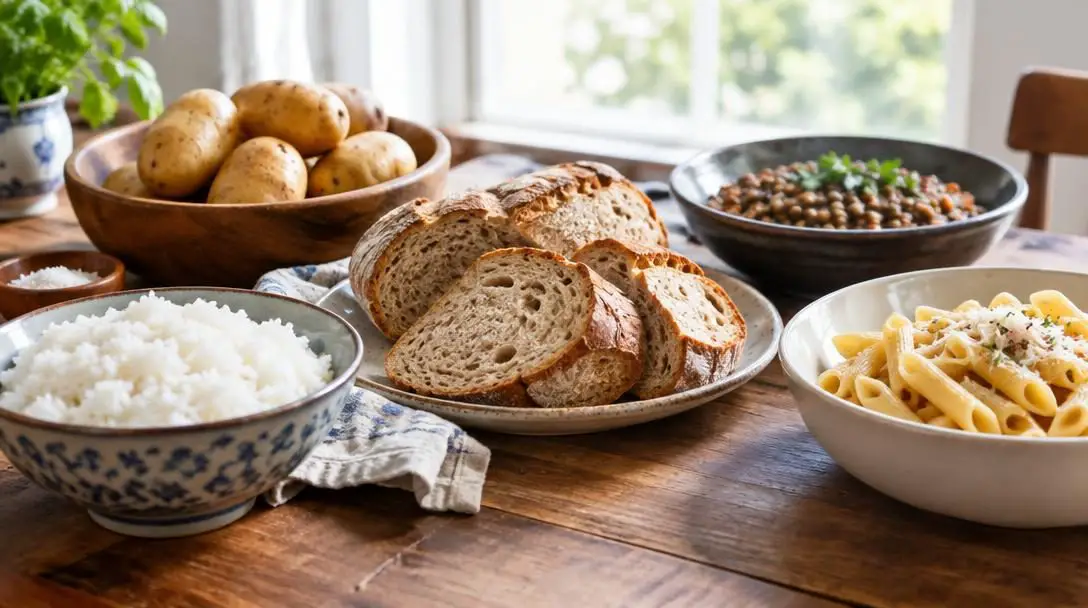
Everyday home cooking that is frequently taken for granted in its country of origin offers rich flavors and deep nourishment built on simple staples.
The culinary mechanics of traditional staples
The enduring popularity of these five foods lies in their functional simplicity. Rather than depending on elaborate cooking equipment, difficult culinary maneuvers, or artificial preservatives, these dishes rely on fundamental principles of moisture, heat, and time to transform dry goods and whole produce into hearty meals.
- Hydration and starch breakdown: Legume dishes like dahl and lentil soup rely on the breakdown of dry seeds through soaking and simmering. Dehulled lentils disintegrate directly into the broth, thickening the liquid naturally without requiring commercial thickeners, while soaked whole beans soften to create a rich, dense consistency.
- Mechanical dough structure: Breads like chapatis bypass the need for yeast, baking powder, or lengthy rising stages. By combining simple wheat flour, salt, and water, kneading the mixture into balls, and flattening them, cooks create an instant flatbread that cooks quickly on both sides over direct heat.
- Thermal transformation of starches: Plantains contain high levels of starch when firm, which soften completely upon boiling or caramelize into a crisp, golden exterior when sliced thin and fried in oil. This makes them adaptable as either a boiled starch base or a crisp, hot-sauce-seasoned side dish.
- Layered vegetable boiling: Eastern European borscht builds depth by combining sturdy root crops like beets and potatoes with leafy cabbage and protein-packed beans. As these ingredients simmer together, their flavors meld into a balanced, complex broth with an unmistakable natural hue.
Step-by-step guides for preparing global staples at home
Bringing these international staples into your own kitchen does not require professional training or specialized gear. The following step-by-step instructions outline how to successfully prepare and serve each dish at home.
How to prepare authentic dahl
- Select your base bean according to the style you prefer, choosing mung beans for a southern Indian Mung dal or yellow split peas for a northern Indian Chana dal.
- Place the beans in a bowl, cover them generously with water, and let them soak overnight.
- Drain the soaking liquid, place the soaked beans into a pot with fresh water, and bring to a simmer.
- Simmer gently until the beans are completely tender and soft.
- Incorporate seasonings such as cumin, turmeric, ginger, chilly oil, or coriander to finish the dish before serving warm.
How to make hearty lentil soup
- Choose any colored dehulled lentil that will easily disintegrate while cooking.
- Chop your accompanying vegetables, focusing on classic additions like onions, carrots, and potatoes.
- Add the dehulled lentils, chopped vegetables, water or broth, and regional seasonings into a soup pot.
- Simmer the mixture until the lentils have disintegrated into a thick, cohesive base and the vegetables are tender.
- Ladle into bowls and serve warm, particularly as an affordable, hearty meal during cold winter evenings.
How to prepare boiled or fried plantains
- Peel the plantains, keeping in mind that they are cooked rather than eaten raw like standard bananas.
- Choose your preparation method: for frying, slice the fruit into thin rounds or diagonal pieces; for boiling, cut the plantain thicker, aiming for roughly three pieces per fruit.
- If frying, heat cooking oil in a pan, add the thin slices, and fry until they achieve a golden color.
- If boiling, place the thick sections into a pot of water and boil until tender throughout.
- Drain if boiled, remove from oil if fried, and season with your favorite hot sauce as desired.
How to make homemade chapatis
- Combine finely ground wheat flour, a pinch of salt, and water in a mixing bowl.
- Knead the mixture thoroughly until it comes together into a workable, smooth dough.
- Divide the dough and roll it into small, round balls.
- Flatten each ball into a thin, circular shape using a rolling pin or by hand.
- Place the flattened dough onto a hot pan or skillet and cook thoroughly on both sides until lightly browned.
- Serve warm alongside your choice of main dishes, gravies, or toppings.
Common cooking mistakes to avoid
Even though these five foods are known for their accessibility, overlooking foundational culinary details can alter their flavor, texture, or consistency. Be mindful of these common pitfalls when preparing global staples:
- Skipping the overnight soak for dahl: When making dahl, failing to soak the beans overnight can lead to prolonged cooking times and unevenly cooked pulses. Allowing them ample time to absorb water ensures they simmer down to the desired tender texture.
- Using whole lentils instead of dehulled lentils for quick soup: Traditional lentil soup recipes that call for a naturally thick base depend specifically on dehulled lentils that disintegrate as they simmer. Whole, hulled lentils will maintain their shape and will not produce the same cohesive texture.
- Cutting plantains to the wrong thickness: Slicing plantains too thick when frying can leave them undercooked or unevenly browned, while cutting them too thin for boiling can cause them to break apart in the water. Remember to slice thinly for frying until golden, and cut into larger sections—about three pieces per fruit—for boiling.
- Treating plantains like sweet bananas: Because plantains belong to the same genus as bananas, beginners sometimes attempt to eat them raw. Plantains are intended to be consumed cooked, whether boiled until soft or fried in oil.
- Overcomplicating the chapati dough: Traditional chapatis require only finely ground wheat flour, salt, and water. Adding leaveners or unnecessary binders moves the recipe away from its classic form and alters the texture of the bread.
How to pair and expand your staple rotation
Once you feel comfortable preparing these staples in their basic forms, there are several ways to expand your home cooking rotation and adapt them to your household's needs. First, explore how these dishes can be paired together to create balanced, culturally authentic spreads. A batch of freshly cooked, warm chapatis makes an ideal accompaniment to a bowl of spiced dahl or a thick vegetable and lentil soup. The bread can be used to scoop up the legumes, creating a complete and satisfying meal that reflects shared culinary traditions spanning from East Africa across the Arabian Peninsula to the Indian subcontinent.
Second, consider experimenting with regional variations of the same staple. If you have mastered a southern Indian-style Mung dal, try sourcing yellow split peas to prepare northern Indian-style Chana dal. When making Eastern European borscht, try adjusting the proportions of beets, potatoes, beans, and cabbage to explore the differences between Polish and Ukrainian styles. For plantains, alternating between boiling them for a mild starch side or frying them thin for a golden, crispy treat seasoned with hot sauce allows you to enjoy the same fruit in two completely different ways.
Frequently asked questions
Can plantains be eaten raw like regular bananas?
No. While plantains belong to the same genus as bananas, they are starchier and are meant to be cooked before eating. They should be boiled in water until tender or sliced thin and fried in oil until golden.
What makes lentil soup thicken without adding flour or starch?
Lentil soup thickens naturally when prepared with dehulled lentils. Because the outer hull has been removed, the lentils disintegrate during the simmering process, creating a thick, smooth base on their own.
What is the difference between Chana dal and Mung dal?
The difference comes down to the regional pulse used. In northern India, cooks commonly use yellow split peas to make Chana dal, whereas in southern India, mung beans are frequently used to make Mung dal.
What ingredients are needed to make traditional chapatis?
Traditional chapatis require only three simple ingredients: finely ground wheat flour, salt, and water. They do not use yeast, baking powder, or other leavening agents.
What vegetables are traditionally used in Eastern European borscht?
Borscht features nutrient-rich beets as its primary ingredient, which give the soup its distinctive deep color. It also incorporates potatoes, beans, and cabbage, along with other regional staples.
The bottom line
The enduring appeal of global staple foods proves that eating delicious, nutrient-rich food does not require complex culinary tricks or heavy spending. By turning to time-honored preparations like dahl, borscht, lentil soup, cooked plantains, and chapatis, anyone can assemble flavorful, hearty meals from basic pantry provisions. Welcoming these simple traditions into your kitchen offers a direct connection to the nourishing home cooking that has sustained cultures around the world for generations.