5 Fastest BMWs Ever Made
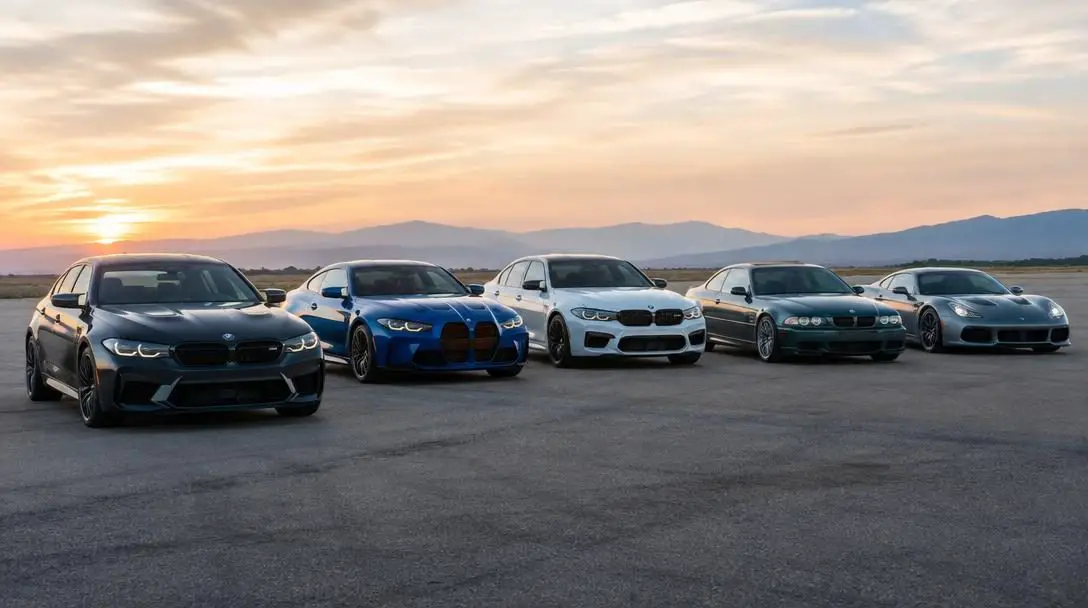
BMW holds a distinct position in the automotive world by combining executive comfort with track-proven engineering. While standard luxury sedans and coupes are built for supple ride comfort, cabin insulation, and daily driving ease, the company's dedicated performance skunkworks has consistently engineered street-legal machines capable of blistering track lap times and incredible straight-line speeds.
Through decades of competition and continuous mechanical refinement, BMW has periodically released hardcore, limited-production variants that shed unnecessary weight and squeeze maximum power from their powertrains. These specialized track weapons push the boundaries of velocity, handling, and endurance, representing the pinnacle of German performance engineering.
Key takeaways
- The 2022 BMW M4 CSL stands as the fastest road-going production vehicle BMW has ever built, achieving a top speed of 191 mph.
- Lightweight track variants such as the M4 GTS, M4 DTM Champion Edition, and M3 GTS all reach a blistering top speed of 190 mph.
- Extensive weight reduction and race-derived aerodynamics play as crucial a role in attaining peak velocity as raw engine output.
- Strictly capped production numbers and historical motorsport ties have turned these specialized models into valuable modern collector cars.
At a glance: The fastest production BMW models
To understand how these ultra-fast models stack up against one another, it helps to examine their top speeds, relative power levels, production exclusivity, and original prices side by side.
| Model | Top Speed | Power Output | Production Volume | Original Price |
|---|---|---|---|---|
| BMW M4 CSL (G82) | 191 mph | 473 hp | 1,000 units | $140,000 |
| BMW M4 GTS (F82) | 190 mph | Increased over base M4 | 700 units | $134,000 |
| BMW M3 GTS (E92) | 190 mph | 444 hp | Limited run | $200,000 – $280,000 |
| BMW M4 DTM Champion Edition (F82) | 190 mph | +69 hp over base M4 | 200 units | Over $163,000 |
| BMW M5 CS (F90) | 189 mph | Increased over base M5 | Limited run | $142,000 |
The five fastest production BMWs ever assembled
Over several generations of vehicle architecture, BMW has engineered specialized models that approach and eclipse the 190 mph threshold. These five machines represent the company's highest velocity production achievements to date.
BMW M4 CSL (G82)
- Top Speed: 191 mph
- Engine Output: 473 horsepower and 479 lb/ft of torque
- Curb Weight: 3,583 pounds
- Production Limit: 1,000 units
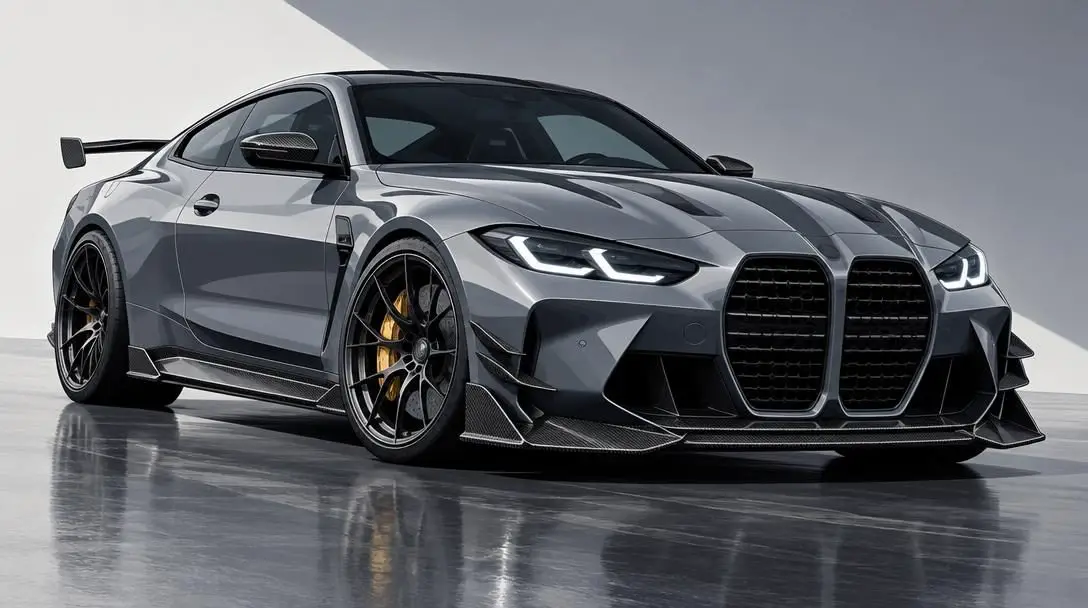
Sitting at the absolute top of the Bavarian performance hierarchy is the BMW M4 CSL. Recognized as the fastest series production vehicle in the history of the brand, this track weapon attains an astonishing top speed of 191 miles per hour. While the core M4 lineup first arrived on the automotive scene in 2014, the specialized CSL designation was previewed at the 2017 Frankfurt Auto Show before entering production in 2022.
The engineering specifications of the G82 M4 CSL are defined by an uncompromising commitment to track capability. Powered by a 473-horsepower engine generating 479 lb/ft of torque, this rear-wheel drive coupe operates with a lean curb weight of 3,583 pounds. BMW designed this model to be more stripped down than prior lightweight editions such as the M2 CS and M5 CS, systematically discarding sound deadening and non-essential hardware to allow the coupe to reach terminal velocities that outshine all predecessor models.
BMW M4 GTS (F82)
- Top Speed: 190 mph
- Production Volume: 700 units worldwide
- Nurburgring Record: 24 seconds faster than standard M4
- Original MSRP: $134,000
The F82 chassis served as the foundation for significant high-speed experimentation, reaching an early peak with the introduction of the BMW M4 GTS. First revealed to the public at Pebble Beach Golf Links in 2015, the coupe moved into limited series production for the 2016 model year. Total manufacturing was restricted to exactly 700 units, making it an instant rarity.
Under the hood, the GTS utilizes the foundational engine architecture from the standard M4 but incorporates mechanical tuning and water injection technology to produce a notable increase in horsepower. Matched with systematic weight reduction, the M4 GTS showcased its mechanical prowess on the Nurburgring Nordschleife, besting the standard M4 lap time by 24 seconds and recording an outright top speed of 190 miles per hour.
BMW M3 GTS (E92)
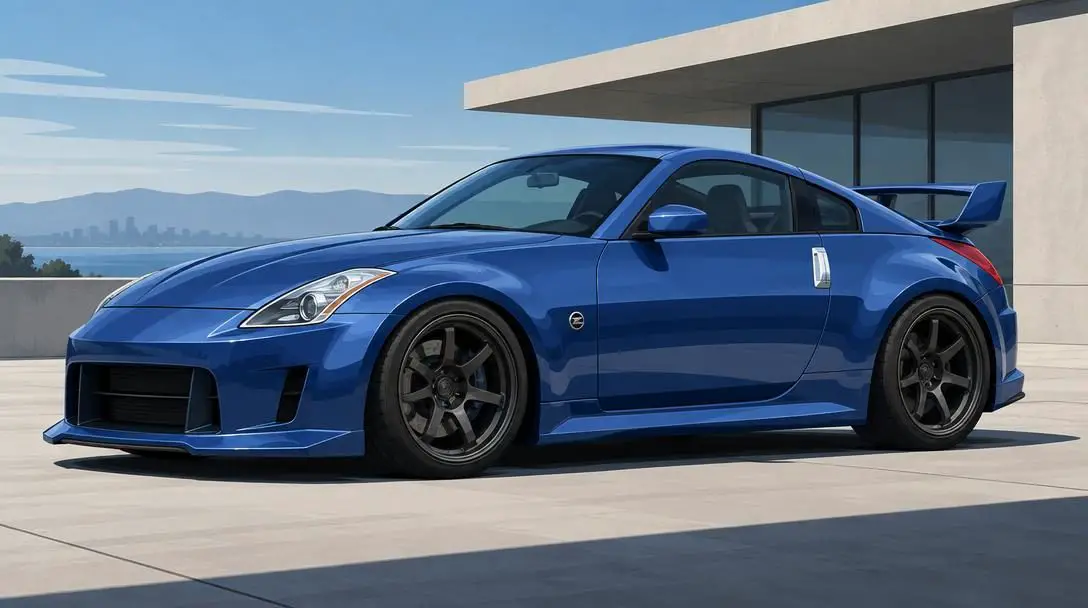
- Top Speed: 190 mph
- Engine Output: 444 horsepower
- Introduction Year: 2009
- Original Price: $200,000 to $280,000
The M3 lineage remains one of the most widely celebrated badges in automotive history. Originating in 1986, the model remained in continuous production across multiple generations, interrupted only briefly in 2019 and 2020. In 2009, BMW introduced the striking BMW M3 GTS, a high-revving, track-dedicated coupe that delivered 444 horsepower.
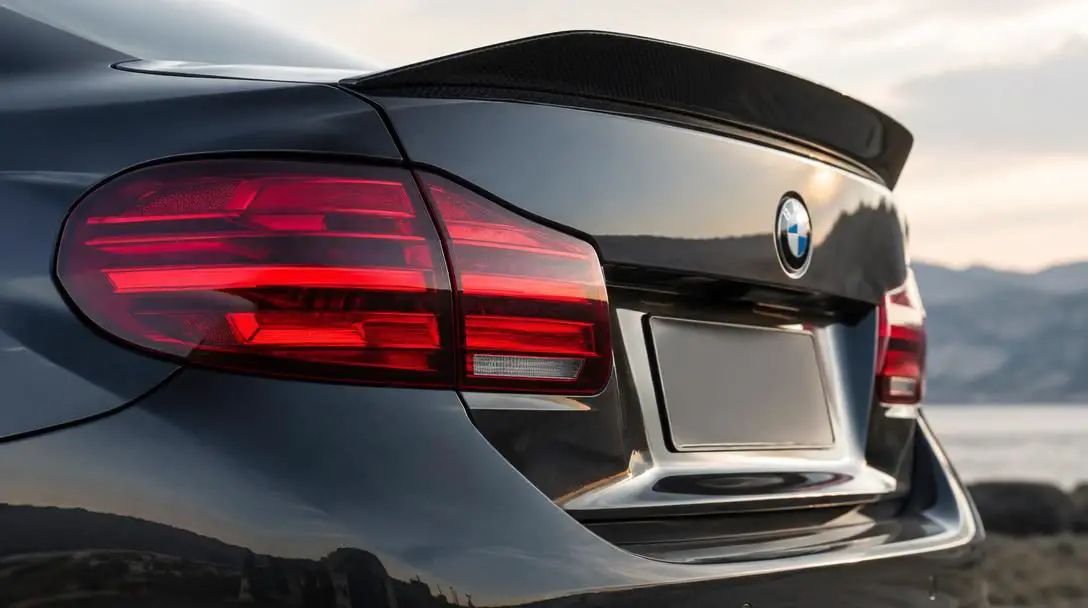
Engineers adhered to an aggressive diet when crafting the GTS, shedding significant mass compared to the standard E92 coupe. This weight-saving focus allowed the car to achieve an impressive 190 mph top speed. Notably, the M3 GTS holds the distinction of being the most expensive vehicle among BMW's top five speed champions, originally demanding between $200,000 and $280,000 depending on specification tier.
BMW M4 DTM Champion Edition (F82)
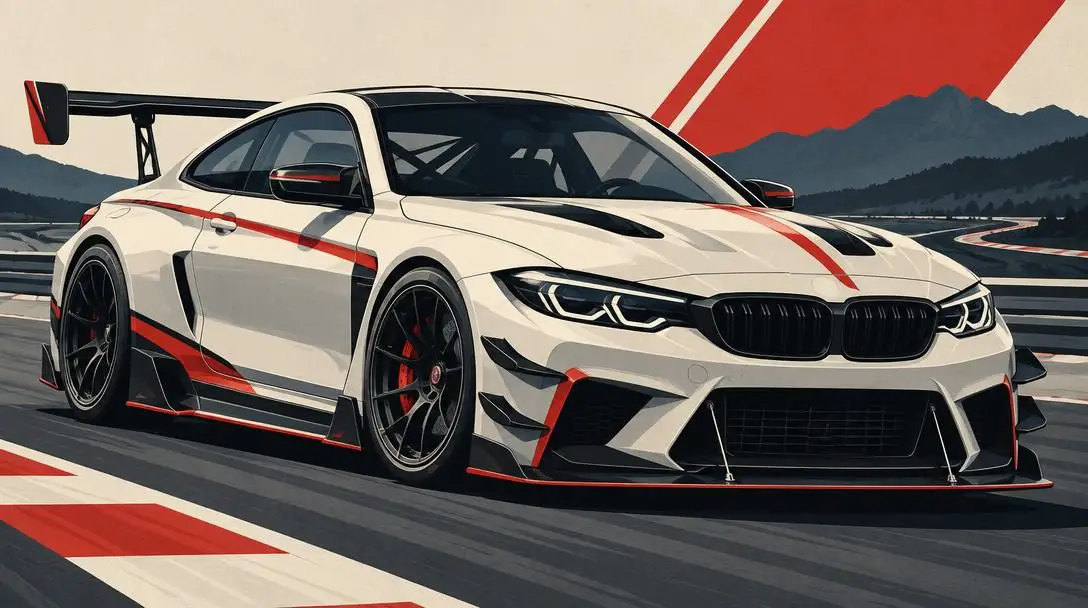
- Top Speed: 190 mph
- Production Volume: 200 units worldwide
- Torque Output: 600 Nm
- Original MSRP: Over $163,000
The origin of the BMW M4 DTM Champion Edition stems directly from professional touring car racing success. At the 2016 DMSB Deutsche Tourenwagen Masters Championship, German driver Marco Wittmann captured the overall driver's title while competing behind the wheel of an M4. To celebrate this landmark motorsport achievement, BMW released a celebratory road-legal tribute incorporating genuine racing technology.
The mechanical package delivered an increase of 69 horsepower over the standard production model, alongside an elevation in maximum torque output to 600 Nm. Highlighting its competition bloodline, BMW M Ltd CEO Frank van Meel stated, "Up to now, none of our editions has been more directly inspired by sports racing." Just 200 units were manufactured globally, each capable of reaching a maximum speed of 190 miles per hour.
BMW M5 CS (F90)
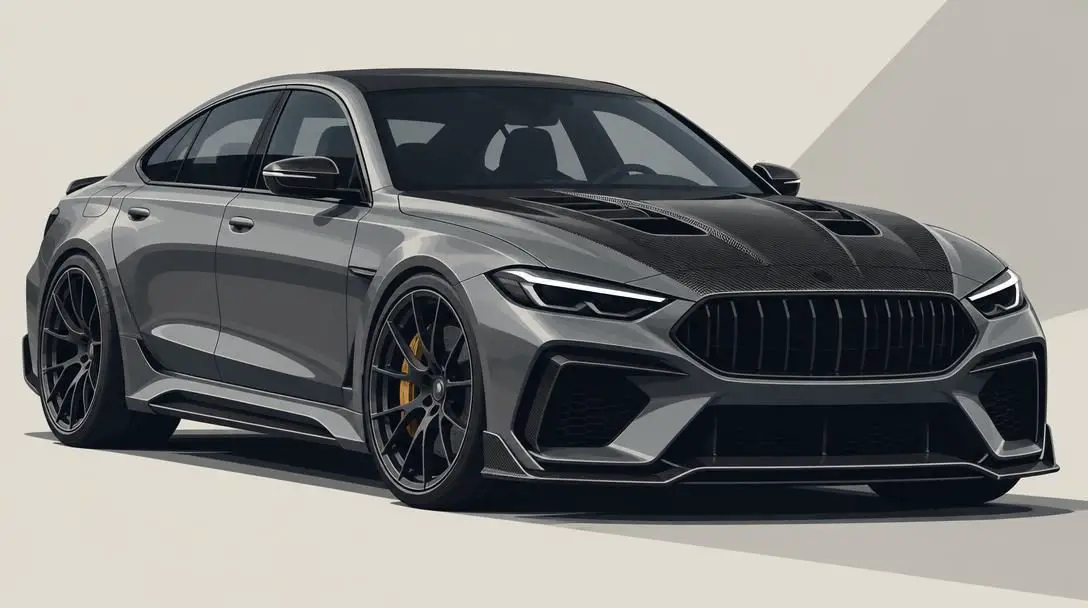
- Top Speed: 189 mph
- Debut Date: March 2021
- Seating Layout: Four individual bucket seats
- Original MSRP: $142,000
The original BMW M5 established the template for executive performance sedans when it first entered production in 1984. That historic formula reached its highest performance threshold in March 2021 with the debut of the BMW M5 CS. Engineered with extensive weight-saving measures and an increase in total engine output, the executive super-sedan demonstrated astonishing poise on the German Autobahn, recording a verified top speed of 189 miles per hour.
Visually and structurally distinctive, the M5 CS features a lightweight interior configured with four individual racing bucket seats, alongside a pair of functional heat extractor vents cut directly into the carbon-fiber hood. When introduced at an asking price of $142,000, it held the distinction of being the most powerful BMW ever produced until the arrival of the M4 CSL.
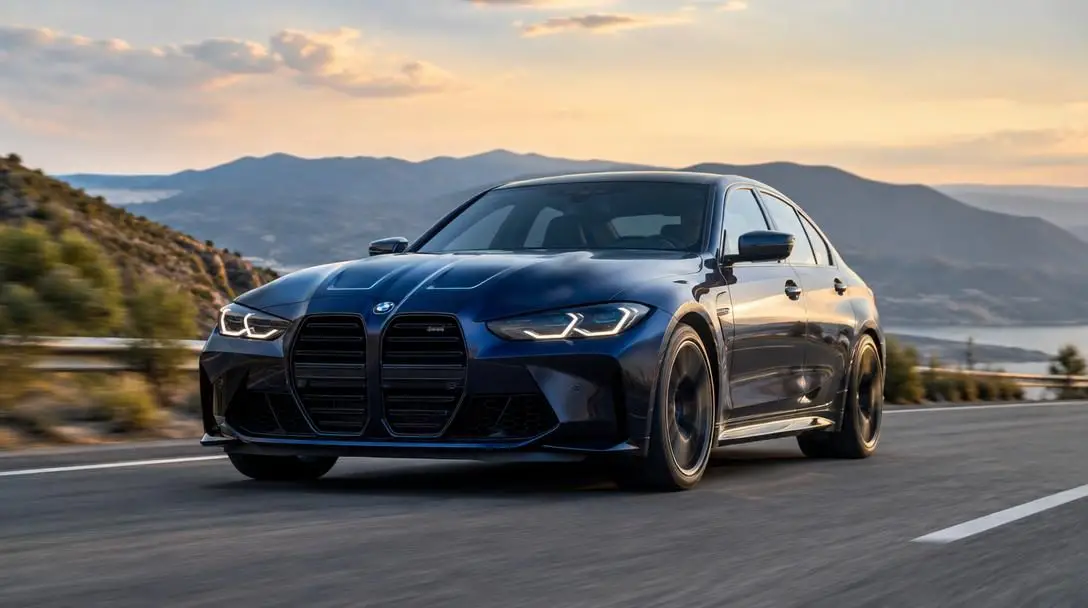
Attaining sustained speeds in excess of 190 miles per hour requires an uncompromising balance between aerodynamic downforce, drag reduction, and chassis mass elimination.
How track-focused engineering creates top speed
Achieving terminal speeds that approach 190 miles per hour requires far more than dropping a high-output engine into a conventional road car. To achieve the velocity demonstrated by vehicles like the M4 CSL and M5 CS, automotive engineers must overcome severe physical challenges related to air resistance, thermal buildup, and aerodynamic balance.
The primary physical barrier to high-speed stability is aerodynamic drag. As a car accelerates, aerodynamic resistance increases exponentially relative to forward momentum. To combat this resistance, engineers incorporate specialized front splitters, rear diffusers, sculpted underbody trays, and adjustable wings. In addition, functional vents—such as the hood heat extractors found on the M5 CS—serve a dual purpose: they extract excessive heat away from high-stress mechanical components while managing internal airflow to reduce high-speed front-end lift.
The second pillar of velocity is chassis mass reduction. Lower vehicle weight drastically improves the power-to-weight ratio, allowing the available horsepower and torque to propel the car toward its mechanical limit more rapidly. By stripping away heavy soundproofing insulation, swapping conventional power-adjustable seating for lightweight carbon-fiber shell buckets, and utilizing carbon-reinforced polymers for body panels, BMW engineers maximize the kinetic efficiency of every unit of horsepower produced.
Essential protocols for operating high-speed performance cars
Managing vehicles engineered to reach speeds between 189 and 191 miles per hour requires rigorous maintenance standards and disciplined vehicle preparation. Drivers must follow systematic procedures to maintain safety and mechanical health.
- Inspect tire speed ratings and physical condition: Standard highway tires cannot tolerate the heat and centrifugal forces generated beyond 150 mph. Verify that all tires carry the proper factory-specified high-speed load and velocity rating, check cold inflation pressures precisely, and thoroughly inspect tread depth and sidewalls for cracks or blisters.
- Perform a comprehensive fluids check: Operating near top speed causes transmission fluid, engine oil, coolant, and brake fluid to experience peak thermal loads. Ensure all fluids are clean, properly topped off, and rated for high-temperature track conditions before embarking on performance driving.
- Utilize closed-course testing facilities: While select sections of the German Autobahn permit unlimited speeds, public highways elsewhere present uncontrollable hazards such as unexpected traffic, debris, and surface changes. Book track sessions at sanctioned road courses or high-speed proving grounds with adequate safety runoff zones.
- Undergo advanced performance driver instruction: Commanding high-horsepower, rear-wheel drive machines at their mechanical limits demands delicate throttle management and deep understanding of vehicle dynamics. Enrolling in advanced driving clinics helps drivers master threshold braking and high-speed car control.
Critical mistakes to avoid with track-focused vehicles
Given the narrow mechanical tolerances of ultra-fast performance cars, minor oversights can result in compromised vehicle handling or expensive mechanical damage. Drivers and owners should steer clear of these common pitfalls:
- Altering aerodynamic components without wind-tunnel testing: Specialized splitters and rear wings on cars like the M4 GTS and M4 DTM Champion Edition are calibrated to deliver precise front-to-rear aerodynamic balance. Making arbitrary adjustments can induce high-speed instability and reduce rear axle grip.
- Overlooking brake thermal management: Repeatedly decelerating from triple-digit velocities generates extreme kinetic heat. Skipping proper cool-down laps or failing to monitor brake pad wear can lead to fluid boiling, severe brake fade, and rotor warping.
- Disabling stability systems on public roadways: Advanced stability and traction control software is finely tuned to catch minor vehicle slips before they escalate. Disabling these digital safety nets outside of a closed circuit drastically increases the risk of loss of control.
- Neglecting specialized storage needs: Low-production collector cars equipped with carbon-ceramic brakes and specialized tire compounds require climate-controlled storage to prevent premature rubber degradation and moisture buildup in specialized fluids.
Collector dynamics and ownership realities
For collectors and automotive enthusiasts interested in these high-velocity models, ownership entails navigating unique market dynamics that go far beyond standard vehicle purchases. Limited manufacturing runs define the value curve for these vehicles. Because BMW capped production at just 200 units for the M4 DTM Champion Edition, 700 units for the M4 GTS, and 1,000 units for the M4 CSL, these models rarely depreciate in the same manner as standard production M cars.
Prospective buyers must pay close attention to complete maintenance records, factory delivery documentation, and original paint condition. Any aftermarket modifications—especially alterations to the powertrain or suspension—can significantly diminish resale value among serious collectors who prize pristine, factory-original examples.
Furthermore, daily ergonomics must be considered. Models like the M4 CSL and M3 GTS feature firm suspension setups, track-focused carbon-fiber bucket seats, and minimal acoustic deadening. While these traits make them formidable weapons on a racing circuit, they can result in a harsh, fatiguing ride during long highway commutes or around city streets. Understanding the balance between an active track machine and a climate-controlled collector investment is crucial before acquiring one of these ultra-fast Bavarian icons.
Frequently asked questions
What is the absolute fastest BMW ever produced?
The fastest road-going series production car in BMW's history is the 2022 BMW M4 CSL (G82), which reaches a factory-rated top speed of 191 miles per hour.
Which of the fastest BMWs was the most expensive when new?
The E92 BMW M3 GTS holds the title of the most expensive vehicle among the top five, with original pricing ranging from $200,000 at the base tier up to $280,000.
Why did BMW build the M4 DTM Champion Edition?
BMW built the M4 DTM Champion Edition to celebrate German racing driver Marco Wittmann winning the 2016 DMSB Deutsche Tourenwagen Masters driver's title behind the wheel of an M4. Production was strictly limited to 200 units.
How much faster was the M4 GTS on the Nurburgring than the standard M4?
Thanks to water injection technology, increased horsepower, and aggressive weight reduction, the M4 GTS beat the standard production M4's lap time by 24 seconds on the Nurburgring Nordschleife.
Can these track-focused BMW models be comfortably driven every day?
While street legal, these vehicles feature firm suspension setups, minimal sound insulation, and fixed-back carbon bucket seats, making them significantly harsher and less practical for regular daily commuting than standard BMW road cars.
The bottom line
BMW's journey to engineering vehicles capable of exceeding 190 miles per hour highlights the company's commitment to translating motorsport technology into road-going machines. From the race-winning pedigree of the M4 DTM Champion Edition to the lightweight, 191-mph achievement of the modern M4 CSL, these vehicles represent the outer boundary of what is mechanically possible within a production coupe and sedan chassis.
For enthusiasts and collectors alike, these five models showcase how weight elimination, focused aerodynamics, and high-strung engine development converge to create automotive milestones. Whether viewed as historical artifacts of modern touring car racing or celebrated as peak drivers' cars on a race circuit, BMW's fastest production cars remain benchmark achievements in high-speed engineering.