5 Fermented Foods For Your Culinary Bucket List
Fermentation is one of humanity's oldest and most ingenious food preservation strategies. Long before industrial canning, chemical additives, or mechanical refrigeration existed, communities around the world relied on microscopic organisms to safeguard seasonal harvests, preserve animal proteins, and survive harsh environmental extremes. Over thousands of years, these functional survival techniques evolved into foundational food traditions celebrated for their complex, tangy, and deeply savory flavors.
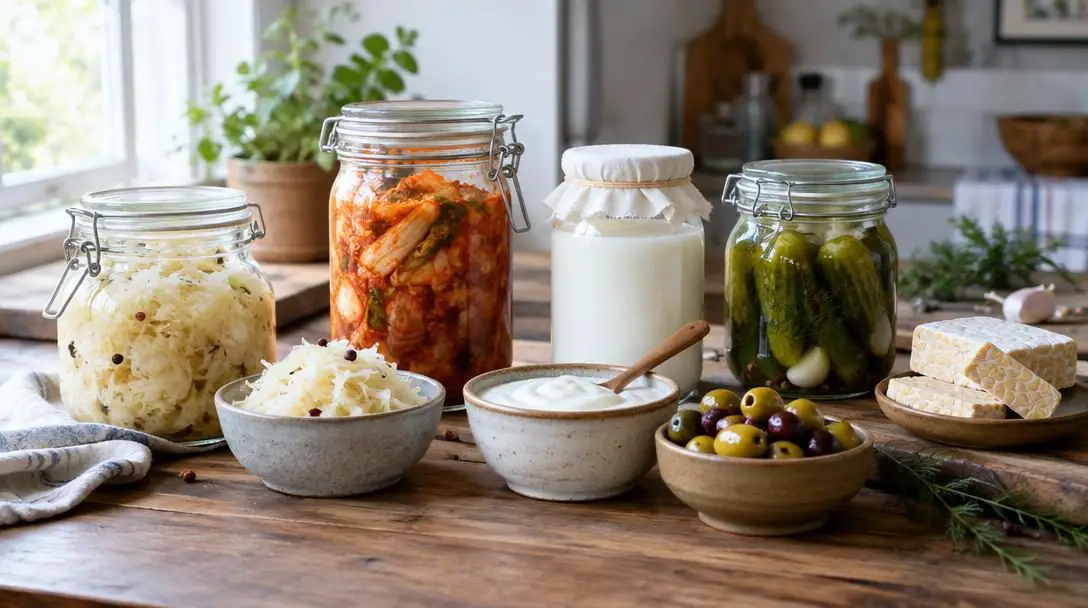
While supermarket staples like kimchi, kombucha, sauerkraut, and kefir have earned widespread acclaim for their digestive probiotics and bright acidity, they represent only a tiny fraction of global fermentative traditions. Venturing beyond familiar grocery aisles reveals a remarkable landscape of regional delicacies that use ancient vessels, unusual animal products, and wild microbes to create unforgettable culinary experiences.
Key takeaways
- Traditional fermentation developed worldwide as an essential survival strategy to extend shelf life without modern refrigeration.
- Microorganisms convert raw sugars, starches, and proteins into organic acids, natural effervescence, and potent umami compounds.
- Distinctive regional specialties transform unconventional ingredients, including camel milk, sleeper shark, whole sea birds, and animal vertebrae.
- Sampling potent wild ferments requires an open mind, proper ventilation techniques, and deep respect for indigenous foodways.
An overview of ancient bucket-list ferments
From the arid steppes of Central Asia to the frozen coasts of the Arctic, diverse biomes have fostered wildly inventive preservation methods. The following comparative breakdown highlights how distinct cultures employ specialized microbial environments to transform everyday animal and agricultural products into durable culinary staples.
| Delicacy | Region of Origin | Primary Ingredient | Fermentation Method & Vessel | Key Flavor Profile |
|---|---|---|---|---|
| Chal | Turkmenistan & Kazakhstan | Camel milk | Skin bag or ceramic vessel with yeast | Sparkling, sour, pungent |
| Hákarl | Iceland | Sleeper shark | Gravel-covered earth pit, then hung to dry | Intense ammonia, cured, savory |
| Jiang Dou Fu | China & East Asia | Soybean curd | Brining, occasionally with red rice yeast | Rich, salty, blue-cheese-like umami |
| Kaidu-Digla | Sudan | Animal vertebrae | Sun-dried, stone-pounded bone paste with salt | Concentrated, savory, earthy |
| Kiviak | Greenland | Whole sea birds | Disemboweled seal skin under a heavy rock | Pungent, deeply aged, gamey |
Five extraordinary fermented foods from across the globe
Each of these historic preparations highlights the ingenuity of pastoralists, hunters, and agriculturalists adapting to challenging landscapes. Tasting them offers an intimate connection to centuries of ancestral food management.
Chal

- Alternative Name: Shubat
- Geographic Focus: Turkmenistan and Kazakhstan
- Core Ingredients: Fresh and sour camel milk, yeast, splash of alcohol
- Aging Time: Several days
In the arid steppes and desert landscapes of Central Asia, dairy animals are vital to sustenance, and camel milk holds a place of special honor. Chal, widely known in Kazakhstan as shubat, is a traditional sparkling beverage crafted by blending fresh camel milk with sour camel milk. To stimulate lively microbiological activity, makers introduce a small amount of yeast and a touch of alcohol into the liquid.
The mixture is poured into a traditional animal skin bag or a sturdy ceramic vessel, where it rests to ferment over the course of several days. As the wild cultures consume the natural sugars in the milk, they generate carbon dioxide and organic acids. The resulting drink is fizzy, sour, and pungently aromatic. Highly regarded for its rich probiotic content, chal serves as both an invigorating thirst-quencher in hot climates and a prime example of nomadic pastoral preservation.
Hákarl

- Geographic Focus: Iceland
- Core Ingredient: Sleeper shark
- Curing Method: Underground gravel press followed by air drying
- Aging Time: Three months subterranean cure, followed by months of drying
Iceland's harsh maritime history necessitated culinary practices that could transform challenging resources into shelf-stable protein. Hákarl is perhaps the country's most notorious traditional delicacy, made from the meat of the northern sleeper shark. In its fresh state, sleeper shark meat contains high levels of urea and compounds that make it unpalatable and toxic to consume without processing.
To render the shark safe and edible, artisans decapitate and thoroughly gut the fish before burying it in a shallow pit dug directly into the earth. The carcass is buried beneath gravel and pressed with heavy stones for approximately three months, during which the fluids are expelled and the flesh cures through deliberate bacterial decomposition. After excavation, the shark is hung up in curing sheds to dry in the cold ocean winds before being cut into small, bite-sized cubes. The finished meat carries a profound aroma and taste of ammonia. Anthony Bourdain famously named hákarl among his least favorite foods, though it remains a cherished national treasure celebrated during midwinter festivals.
Jiang Dou Fu
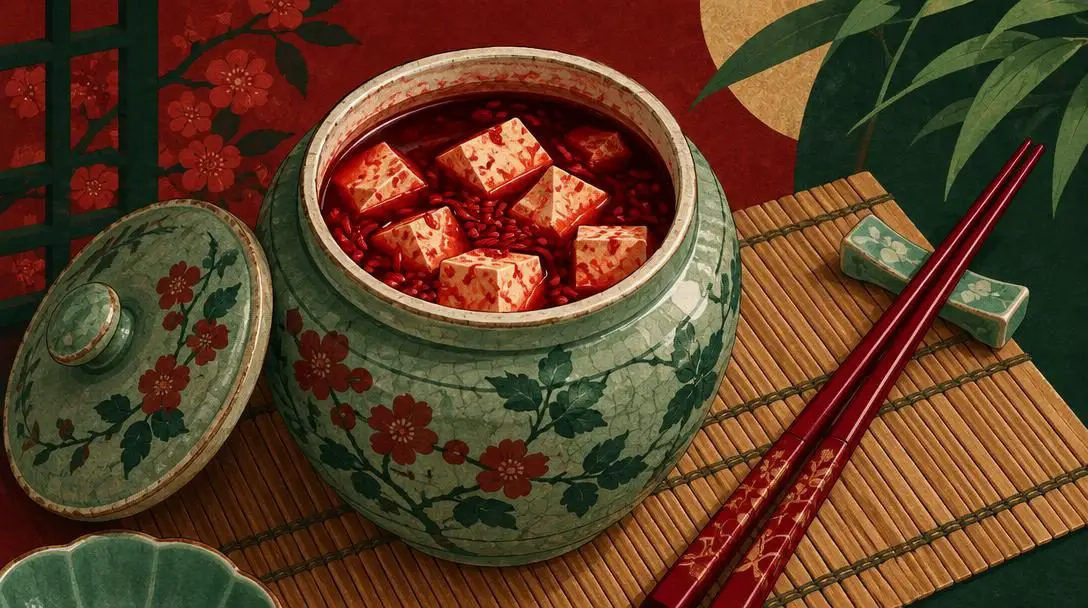
- Alternative Preparation: Hong fu ru (cured with red rice yeast)
- Geographic Focus: China, Hong Kong, Taiwan, Singapore, Malaysia
- Core Ingredient: Fermented soybean curd
- Culinary Function: Condiment, seasoning agent, flavor base
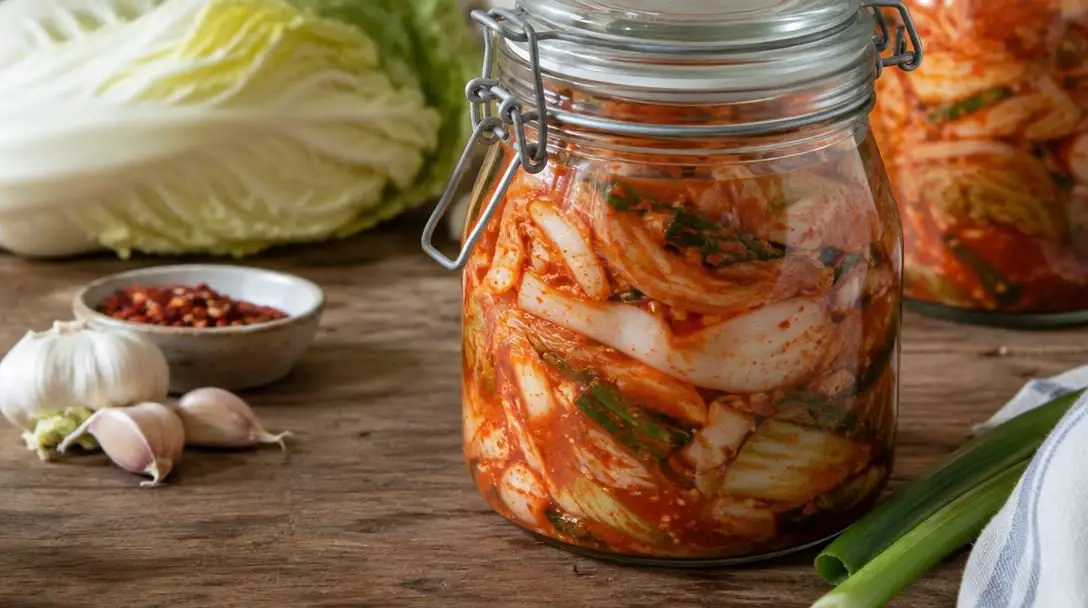
Western diners frequently associate aged funk and creamy umami with European dairy cheeses, an ingredient historically rare in classic Chinese cooking. However, jiang dou fu provides that exact style of intense, mouth-coating savoriness using plant-based ingredients. Made from cubes of soybean curd inoculated and preserved in seasoned brine, this pungent condiment is a regular fixture in home pantries and casual eateries throughout China, Hong Kong, Taiwan, Singapore, and Malaysia.
During the aging process, microbial enzymes break down the dense soy proteins into free glutamates, producing a spreadable texture and a deeply savory flavor that eaters frequently compare to sharp blue cheese or aged parmesan. A prized variation, hong fu ru, cures the bean curd cubes alongside fermented red rice yeast. This addition gives the tofu a striking crimson hue and imparts a nuanced, wine-like aroma that enhances braised meats, rice porridges, and stir-fried greens.
Jiang dou fu provides that exact type of rich, parmesan-like hit of umami without relying on dairy cheese.
Kaidu-Digla
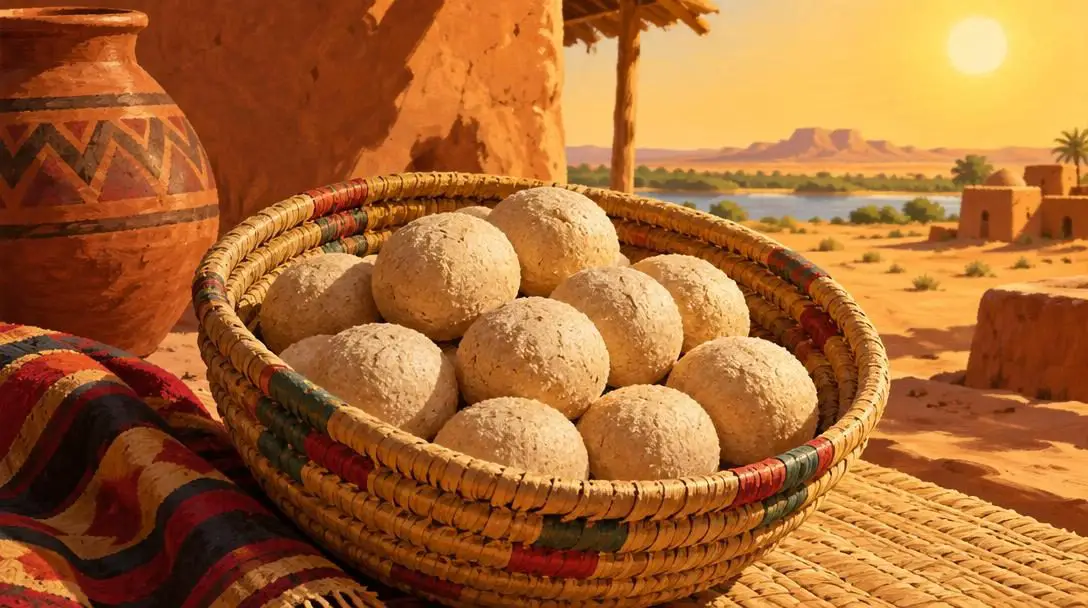
- Common Name: Bone balls
- Geographic Focus: Sudan
- Core Ingredient: Leftover animal vertebrae
- Aging Method: Stone-pounded paste with salt, molded and fermented
In the challenging, arid climates of Sudan, absolute resourcefulness has long guided cooking traditions. Food preservation strategies in these communities demonstrate that virtually every part of a slaughtered animal can yield sustained nourishment. Kaidu-digla, commonly referred to as bone balls, is an ingenious preparation made by utilizing leftover pieces of animal vertebrae that would otherwise go to waste.
The preparation begins by sun-drying the bones under the hot desert sun to remove residual moisture. Once desiccated, the vertebrae are crushed and pounded with heavy stones until they disintegrate into a coarse, thick paste. The bone mixture is blended thoroughly with salt to manage bacterial activity, hand-shaped into small spheres, and set aside to undergo fermentation. This prolonged breakdown softens the mineral-rich material, yielding a concentrated, highly shelf-stable source of protein and fat packed with savory depth that pastoral families can tap whenever food supplies dwindle.
Kiviak

- Geographic Focus: Greenland (Inuit tradition)
- Core Ingredients: Whole little auks (sea birds) and seal carcass
- Aging Method: Subterranean fermentation under rock weight
- Aging Time: Approximately six months
For dedicated culinary adventurers seeking the pinnacle of historic preservation, few preparations rival kiviak. Developed by the Inuit people of Greenland, this cold-weather winter food transforms seasonal sea birds into an indispensable source of nutrition during the dark, freezing months when hunting is severely restricted.
The elaborate process begins by capturing hundreds of whole sea birds, which are packed intact—complete with feathers, beaks, and feet—into the hollowed-out carcass of a freshly disemboweled seal. Once filled to capacity, the seal pelt is sewn tightly shut to create a durable, airtight casing. The parcel is placed under a large, flat rock with the sewn seam positioned upward, an essential detail that allows fermentative gases to vent safely during the curing period. After resting undisturbed beneath the stones for roughly six months, the seal is opened, and the tender, fermented birds are harvested for celebratory winter feasts.
The biological mechanics of traditional fermentation
While the ingredients across these dishes vary from soybean proteins to aquatic mammals and avian game, they all obey the universal rules of biochemical transformation. Understanding how microscopic organisms alter raw foodstuffs reveals why these dishes achieve such unique sensory characteristics.
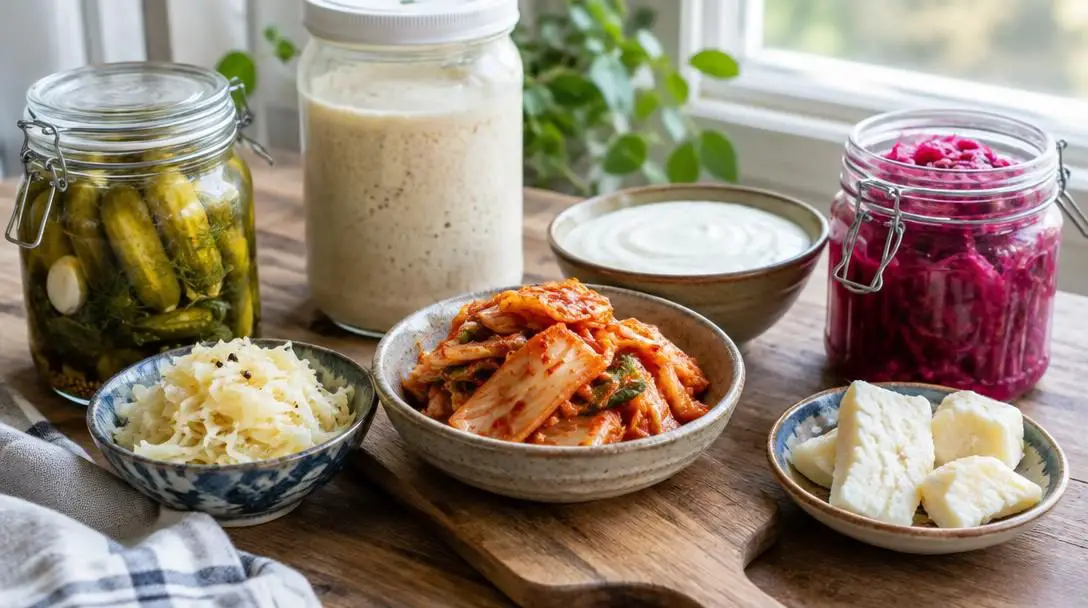
Microbial conversion serves as the first engine of change. Naturally occurring bacteria, yeasts, and molds consume the baseline carbohydrates, moisture, and starches present in the starting ingredients. In fermented milks such as chal, lactic acid bacteria digest lactose while wild yeasts produce small amounts of alcohol and fizzy carbonation, yielding a bright, acidic, and protective liquid medium.
Following conversion, chemical stabilization safeguards the food from dangerous rot. Beneficial microbes saturate their environment with protective byproducts like lactic acid, acetic acid, or ammonia. In the subterranean curing of hákarl, high ammonia concentrations create an inhospitable zone for dangerous putrefactive organisms, curing the meat despite the absence of artificial heat or refrigeration.
Simultaneously, enzymatic tenderization alters the structural integrity of the food. Over months of aging, endogenous enzymes within the ingredients work alongside microbial enzymes to break down tough connective tissues, cartilage, and muscle fibers. This prolonged chemical softening allows Greenlandic hunters to enjoy tender game meat from kiviak and enables the tough bone matter in Sudanese kaidu-digla to become edible paste.
Finally, umami development generates the signature culinary appeal of extended fermentation. Intact proteins are long chains of amino acids; as enzymes slice through these peptide bonds, they release copious amounts of free glutamic acid. This biochemical release is what gives jiang dou fu its resemblance to aged dairy cheese and lends sun-dried animal pastes their mouth-filling, savory punch.
How to taste and approach unfamiliar wild ferments
Approaching potent, traditional ferments requires an intentional mindset, realistic expectations, and proper technique. These practical steps can help curious eaters experience intense delicacies successfully:
- Ease in through condiments: Rather than attempting to sample concentrated items on their own, begin by incorporating small portions into starch-heavy bases. Stir a pea-sized dab of jiang dou fu into a bowl of hot jasmine rice or thin it into a dipping sauce for steamed vegetables.
- Control your breathing: When tasting animal ferments with sharp aromatic profiles like hákarl, step into an airy environment. Place a modest piece on the tongue, chew promptly, and exhale through your mouth first to keep volatile vapors from overpowering your olfactory senses.
- Practice mindful cultural etiquette: Delicacies such as chal, kaidu-digla, and kiviak represent centuries of survival, culinary heritage, and communal labor. Always sample them with genuine curiosity, listening to the insights of hosts rather than performing exaggerated negative reactions.
- Source from trusted artisans: Unconventional ferments rely on exacting traditional standards, from proper seal seam orientation to precise salt ratios. Only purchase or taste these foods from reputable cultural purveyors, experienced local chefs, or recognized regional markets.
Common mistakes when exploring funky foods
Novice eaters often encounter challenges when tasting historic ferments because they treat them like conventional grocery items. Avoiding these typical errors will ensure a far more rewarding culinary journey:
- Expecting factory consistency: Uncultivated, wild ferments naturally reflect ambient weather conditions, the seasonal diet of the animal, and the mineral profile of local soils. A batch of chal enjoyed in midsummer will display a different acidity than one brewed in early spring.
- Eating outsized portions: Highly aged preparations are nutritionally dense and intensely flavored. Dishes like kaidu-digla or fermented bean curds are designed as accents, seasonings, or survival rations, not heaping main courses.
- Serving at incorrect temperatures: Freezing cold temperatures can numb the complex glutamates in savory pastes, while intense heat can volatilize sharp ammonia compounds or destroy live probiotic cultures. Always consume these specialties at their customary regional serving temperatures.
- Confusing safe funk with true spoilage: While wild fermentation intentionally embraces intense scents, it remains a managed biological environment. If any preserved food shows mold colors or odors foreign to its authentic preparation style, it must be discarded immediately.
Frequently asked questions
Why does hákarl smell so strongly of ammonia?
Sleeper sharks lack a urinary tract, meaning their tissues naturally store high levels of urea and trimethylamine oxide. During the months of underground curing and subsequent air-drying, bacterial enzymes convert this urea into volatile ammonia compounds, which give the meat its distinct scent while preserving it against spoilage.
Is jiang dou fu safe to eat if it smells like strong cheese?
Yes. The pungent aroma of jiang dou fu is a normal outcome of the controlled mold and bacterial fermentation that breaks down soybean proteins into savory amino acids. As long as it has been prepared and brined correctly according to traditional methods, that intense funk indicates successful curing.
How does camel milk chal differ from regular cow milk kefir?
While both are effervescent fermented dairy beverages containing beneficial bacteria, chal utilizes camel milk blended with sour milk, yeast, and a small addition of alcohol, traditionally aged inside animal skins or ceramics. This creates a sharper, more pungent, and naturally sparkling drink tailored to Central Asian pastoral conditions.
Why are birds fermented inside a seal skin to make kiviak?
The seal pelt acts as an airtight, durable casing that seals in fats and protects the little auks from exterior pests and freezing Arctic air. Storing the package seam-side up beneath heavy stones allows fermentative gases to vent while the birds gently liquefy and tenderize over six months.
Where can I sample fermented bean curd without traveling abroad?
Jars of jiang dou fu and red yeast hong fu ru are standard pantry staples readily available in the condiment aisles of most East Asian supermarkets, as well as through international food distributors online.
The bottom line
Venturing into the outer reaches of fermented foods demonstrates that our modern definitions of preservation are narrow compared to humanity's global culinary heritage. Whether through the sparkling effervescence of fermented camel milk, the bracing pungency of Arctic shark, or the concentrated umami of sun-dried bone paste, these five dishes illustrate how ancient societies turned microbial alchemy into delicious, sustainable survival. For the adventurous diner, exploring these traditions offers an unforgettable reminder that flavor and human ingenuity are inextricably linked.