5 Tips for the Best Potato Salad
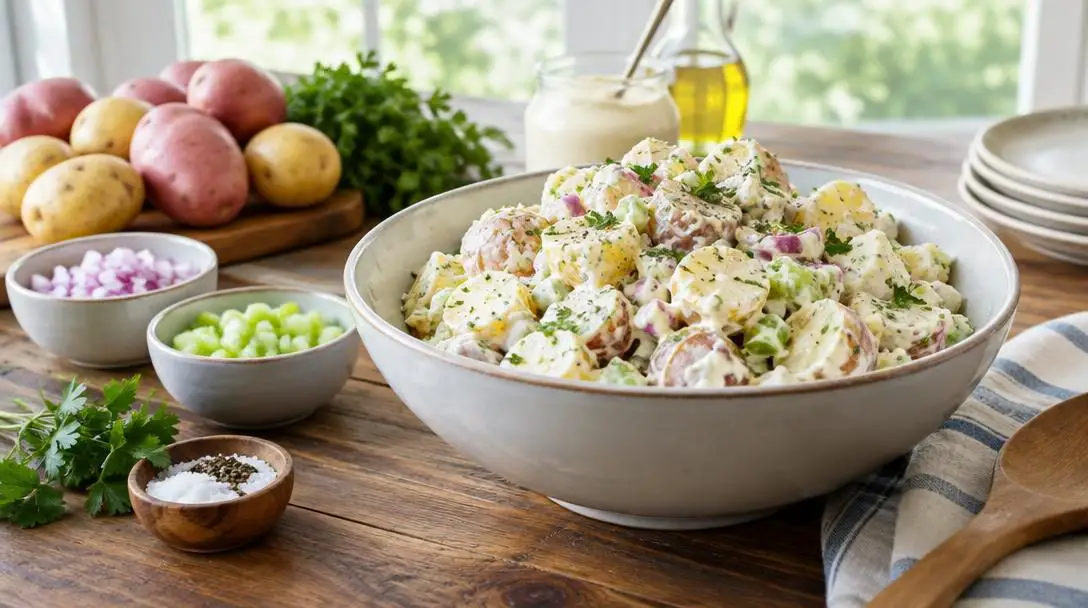
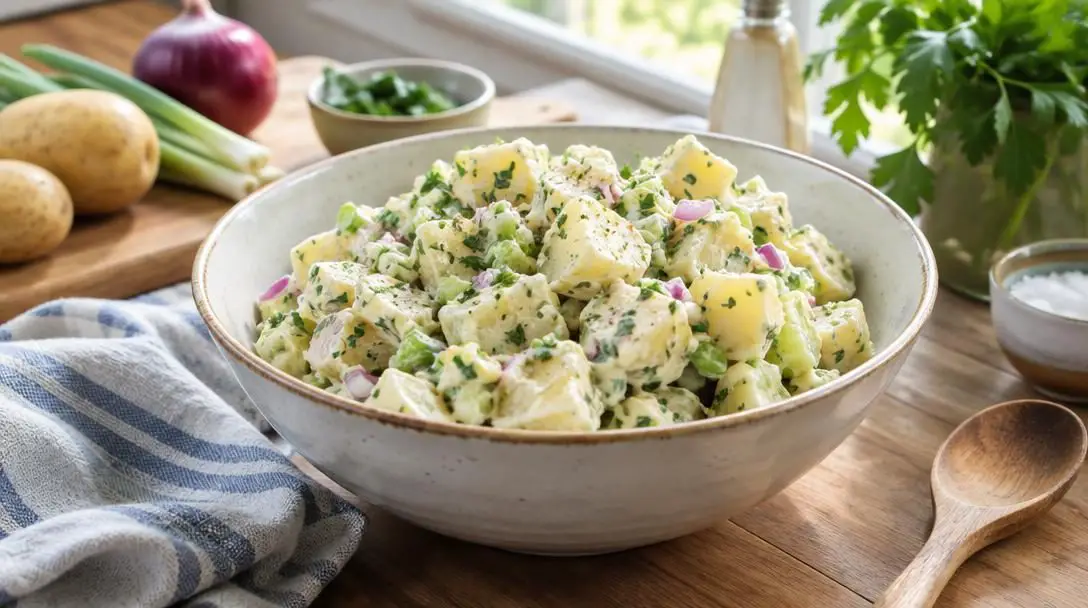
Potato salad has long stood as an undisputed centerpiece at backyard barbecues, summer picnics, neighborhood potlucks, and simple weeknight family dinners. Yet despite its universal popularity, the dish frequently falls victim to culinary routine and uninspired execution. A standard homemade or store-bought batch too often relies on nothing more than plain boiled tubers smothered in plain mayonnaise, yielding a side dish that feels heavy, monotone, and largely forgettable on the plate.
The true genius of the humble potato lies in its porous, starchy versatility. Because potatoes naturally provide a gentle, savory blank slate, they possess the unique ability to absorb vibrant seasonings, crisp textural contrasts, and tangy emulsified dressings. Moving beyond an uninspired side dish does not demand professional culinary credentials; rather, it requires an intentional approach to building flavor, handling tubers, and layering mix-ins.
Key takeaways
- Whisking dry spices and prepared mustard directly into mayonnaise guarantees an even distribution of flavor across every bite.
- Cutting raw potatoes into bite-size pieces before boiling ensures fast, uniform cooking without creating waterlogged, mushy edges.
- Adding hard-boiled eggs as the very last step protects tender yolks and whites from breaking down during tossing.
- Stirring a small amount of prepared mustard into standard mayonnaise balances out heavy fats without overpowering the dish.
- Limiting your protein additions to a single chosen meat prevents conflicting flavor profiles and preserves textural harmony.
The Five Foundational Rules for Superior Potato Salad
Elevating a potato salad from a passive starch dish into the highlight of your meal depends on five straightforward preparation principles. By addressing how the dressing is emulsified, how the tubers are cooked and cooled, and how complementary ingredients are incorporated, home cooks can produce a balanced, vibrant side dish every single time.
1. Spice It Up with Dry Seasonings and Fresh Herbs
When preparing a mayonnaise-based dressing rather than a sharp vinegar concoction, relying solely on mayonnaise and plain salt leaves the entire salad tasting flat and greasy. Developing a memorable profile requires layering savory dry seasonings into the core mixture. While classic table salt and freshly cracked black pepper establish the baseline, garlic powder and onion powder inject critical aromatic depth and savory warmth that permeate the starchy potatoes.
For cooks who crave a lively spark on the palate, incorporating a dusting of cayenne pepper or Badia redfish seasoning introduces an unexpected, smoky kick. To counter the richness of the fats and dried spices, fresh chopped greens are just as vital. Stirring in finely minced fresh parsley or cilantro provides a clean, herbaceous lift that balances the palate while contributing flecks of vibrant green across an otherwise pale bowl.
2. Whisk the Sauce Before Adding Solid Ingredients
One of the most persistent errors in home kitchens is dumping cooked potatoes, chopped celery, and diced meats into a bowl, dolloping mayonnaise on top, and dusting dry spices across the pile. Dry powders cling aggressively to moist potato skins and damp vegetables, forming gummy, concentrated pockets of spice alongside pockets that remain completely unseasoned.
The secret to absolute consistency is mixing the dressing in a separate bowl before it ever touches a solid ingredient. Whisking your salt, black pepper, onion powder, garlic powder, and spice blends directly into the mayonnaise allows every dry grain to dissolve into the fat. If you are preparing a mustard-forward salad, whisk the mustard in during this step as well. The resulting emulsion guarantees that every spoonful delivers an identical, balanced flavor profile.
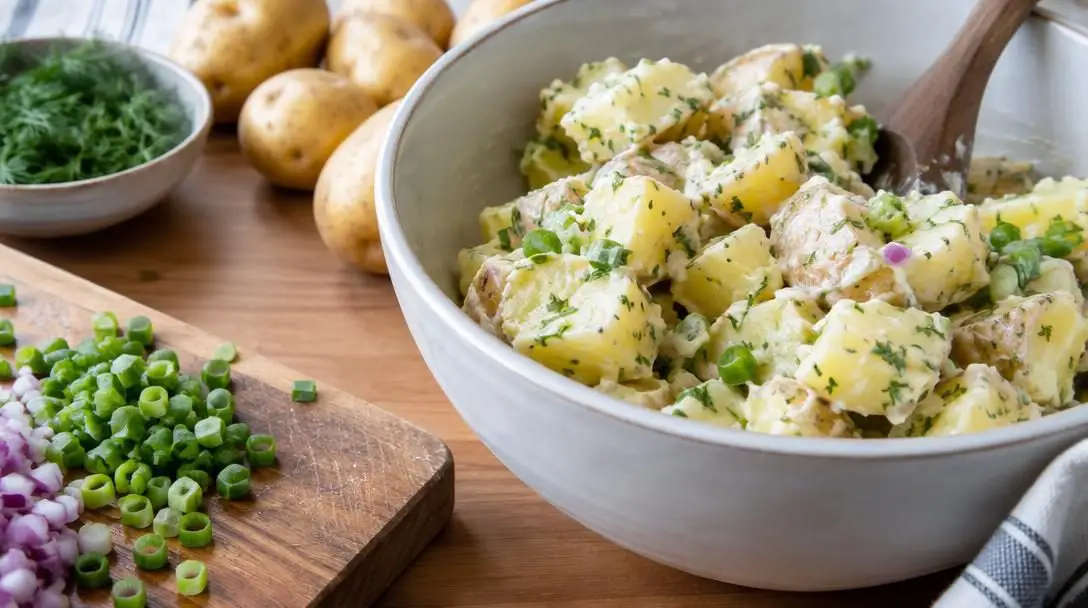
Whisking dry spices into the mayonnaise beforehand guarantees that every single bite delivers uniform seasoning without sudden pockets of salt or heat.
3. Balance Richness with Prepared Mustard
In a traditional mustard potato salad, prepared mustard plays the starring role, imparting an unmistakable bright yellow color and sharp acidity. However, prepared mustard should never be neglected when preparing a classic white mayonnaise salad. Mayonnaise alone can coat the mouth in heavy fats, dulling the subtle flavors of the potatoes and vegetables.
To remedy this, stir two teaspoons of prepared mustard per cup of mayonnaise into your dressing base. This precise measurement is not enough to turn the dressing yellow or announce itself as a mustard-forward salad; instead, the natural acids and mustard seed cut cleanly through the rich oils of the mayonnaise. It sharpens the overall flavor profile, enlivens the dry spices, and leaves the palate feeling refreshed rather than weighed down.
4. Pack the Bowl with Textural Mix-Ins and Proteins
A memorable salad provides an engaging interplay between soft, starchy potatoes and crisp, crunchy mix-ins. Diced celery, sweet green peppers, and finely chopped onions supply necessary crunch, while tender sweet peas add bursts of sweetness. If you want to brighten up the presentation, incorporating multi-colored sweet peppers or jarred pimentos transforms a monotone dish into a colorful centerpiece. Diced sharp cheddar cheese also supplies rich pockets of savory contrast.
Potatoes also harmonize exceptionally well with savory meats. When adding protein, stick strictly to one chosen meat per batch to avoid clashing textures. Excellent selections include well-drained canned tuna, sliced hot dogs, diced bologna, classic Spam, or regional deli favorites like olive loaf and pickle and pimento (P&P) loaf.
5. Master the Boiling and Cooling of the Tubers
The debate between peeling potatoes and leaving the skins intact comes down to personal texture preferences, but the actual cooking technique should never vary. Never boil whole, unpeeled tubers for salad. Boiling whole potatoes causes the waterlogged exteriors to turn mushy and break apart long before the center becomes tender. Instead, always cut the raw potatoes into uniform, bite-size cubes before placing them into the cooking pot. Cubed potatoes cook rapidly and evenly from edge to core.
Monitor the pot closely and test the cubes with a fork, pulling them from the heat the moment they turn tender. If your goal is a firm, neat salad where the cubes retain crisp, defined edges, drain the potatoes in a colander and immediately rinse them with cold running water to stop residual cooking. If you favor a softer, homestyle consistency where the starch lightly breaks down and binds with the dressing, let them drain thoroughly without the cold-water rinse.
Choosing the Right Mix-Ins and Proteins
Selecting the right secondary ingredients turns a basic starch side into a hearty, complete dish. While potatoes accommodate a wide variety of accompaniments, balance is essential. The table below outlines how specific ingredients function within the bowl and how to prepare them for optimal texture.
| Ingredient | Primary Role | Flavor and Texture Profile | Preparation Recommendation |
|---|---|---|---|
| Red-skinned potatoes | Starch base | Firm, earthy, and visually striking | Leave skins intact; wash, cube raw, boil until tender, rinse cold. |
| Hard-boiled eggs | Richness and body | Soft, creamy yolks with tender whites | Peel under cold running water; slice bite-size and fold in last. |
| Diced Spam or hot dogs | Savory protein | Salty, smoky, and firm | Cut into small, neat cubes to match potato dimensions; use solo. |
| Canned tuna | Lean protein | Flaky, savory, and mild | Drain thoroughly before flaking into the vegetable mixture. |
| Sweet bell peppers or pimentos | Color and crunch | Crisp, slightly sweet, and bright | Use multi-colored peppers or jarred pimentos for visual pop. |
| Cheddar cheese | Dairy contrast | Sharp, creamy, and smooth | Dice into small cubes rather than shredding to maintain texture. |
Step-by-Step Preparation and Assembly
Following an organized sequence of assembly prevents your vegetables from softening prematurely, keeps your dressing emulsion stable, and protects fragile hard-boiled eggs from crumbling into the potato starch.
- Prepare and boil the potatoes: Wash and scrub your potatoes thoroughly. If working with red potatoes, leave the vibrant skins intact for added color; for other varieties, peel or leave skins on based on preference. Cut the raw tubers into uniform, bite-size pieces. Transfer them to a pot of water, bring to a rolling boil, and cook until fork-tender. Drain completely. Rinse with cold running water if you desire distinct, firm cubes, or leave unrinsed for a creamier, softer texture.
- Cook and peel the eggs: Hard-boil your eggs until the yolks are completely set. Allow them to cool slightly, then peel them under a gentle trickle of cold tap water, which encourages the shell membrane to separate smoothly from the white. Dice the peeled eggs into bite-size pieces and set them aside on a separate plate.
- Chop the savory goodies: Dice your single chosen protein—whether it is drained tuna, hot dogs, Spam, bologna, olive loaf, or P&P loaf. Finely dice your crunchy aromatic additions, including sweet green or multi-colored peppers, celery, onions, and cheddar cheese. If using pimentos, measure them out, and finely mince fresh parsley or cilantro.
- Whisk the seasoned dressing: In a separate medium mixing bowl, measure out your mayonnaise. For classic creamy salads, whisk in two teaspoons of prepared mustard per cup of mayonnaise; for mustard-style salads, incorporate a generous portion of prepared mustard. Add the salt, black pepper, garlic powder, and onion powder, along with a pinch of cayenne or Badia redfish seasoning. Whisk vigorously until smooth and completely uniform.
- Combine base elements: In a spacious mixing bowl, combine the drained potato pieces, crisp vegetables, chosen meat, cheddar cheese, pimentos, and minced herbs. Pour the pre-mixed dressing over the ingredients. Using a wide spatula or wooden spoon, toss thoroughly until every morsel is evenly coated.
- Gently fold in the eggs: Scatter the chopped hard-boiled eggs over the top of the dressed salad. Gently fold them into the mixture from the bottom up using broad, slow strokes, taking care not to crush the tender yolks or shred the whites.
Critical Mistakes That Ruin Potato Salad
Because potato salad is considered a casual comfort food, many cooks rush through the steps and commit basic technical errors. Avoiding these common mistakes will immediately elevate the quality of your dish:
- Sprinkling dry spices over damp vegetables: Tossing dry seasonings into a bowl filled with wet ingredients causes the spices to clump together. Whisk all spices into the mayonnaise first to ensure a uniform distribution of flavor.
- Boiling whole potatoes: Cooking whole, uncut potatoes results in an overcooked, waterlogged exterior surrounding a dense, raw center. Always dice the potatoes into bite-size pieces prior to boiling for rapid, uniform heat penetration.
- Overcooking the tubers into mush: Leaving potatoes in boiling water for even a few minutes too long destroys their cellular integrity. Test them frequently with a fork and drain them immediately once tender.
- Aggressive stirring after adding eggs: Treating chopped hard-boiled eggs roughly destroys their delicate structure, muddying the clean dressing and reducing the whites to shredded flecks. Always fold the eggs in as the very final step.
- Overcrowding the bowl with multiple meats: Combining tuna, hot dogs, and specialty luncheon meats in the same bowl creates competing flavors that overwhelm the potatoes. Always select a single meat option per preparation.
- Serving a visually monotone dish: An all-white salad made of peeled russets, mayonnaise, and eggs looks unappealing on a buffet. Incorporate red potato skins, multi-colored peppers, bright pimentos, and fresh green herbs to provide lively color contrast.
Chilling, Serving, and Menu Pairings
While freshly made potato salad can be eaten immediately, resting the dish in the refrigerator for at least two to three hours yields superior results. Chilling allows the starches in the potatoes to absorb the aromatic garlic powder, onion powder, and tangy mustard from the dressing, resulting in a cohesive, mature flavor profile.
When presenting potato salad at outdoor gatherings, food safety is paramount. Egg- and mayonnaise-based side dishes should never sit exposed to direct sunlight or warm ambient temperatures for prolonged periods. To maintain freshness and safety throughout an outdoor barbecue, nestle your serving bowl directly inside a slightly larger bowl filled with crushed ice.
From a culinary standpoint, the rich, creamy texture and gentle acidity of potato salad serve as the ultimate foil for bold, savory mains. It pairs naturally alongside smoked beef brisket, glazed barbecue ribs, flame-broiled burgers, and crisp fried chicken, where the cool dressing cuts through heavy smoke and rendered animal fats. If you are serving blackened catfish, grilled shrimp, or crab boils, lean into the Badia redfish seasoning in your dressing to effortlessly marry the side dish with the primary course.
Frequently asked questions
Should I peel my potatoes before boiling them?
Peeling is entirely a matter of personal preference. However, if you use red potatoes, leaving the skins intact adds appealing color and pleasant texture to the finished dish. Regardless of whether you choose to peel or leave the skin on, you should always chop the potatoes into bite-size cubes before boiling so they cook evenly.
Why should I rinse boiled potatoes in cold water?
Rinsing boiled potato cubes in cold running water immediately arrests the internal cooking process. This preserves their firm, neat cubical shape and prevents the starches from breaking down into the dressing. If you prefer a softer, homestyle potato salad where the potatoes mash down slightly, skip the cold rinse.
How do I peel hard-boiled eggs without tearing the whites?
After boiling your eggs until firm, allow them to cool slightly. Peel each egg gently under a slow, steady stream of cold running tap water. The water helps penetrate beneath the eggshell membrane, allowing the shell to slide away smoothly without damaging the delicate egg whites.
Can I combine multiple meats like hot dogs and tuna in one salad?
It is best to choose only one meat option per batch. Combining multiple meats—such as diced Spam, hot dogs, bologna, or tuna—creates conflicting flavors and textures that overpower the potatoes. Sticking to a single protein preserves a cohesive and balanced profile.
Why does the recipe recommend mustard even if I don't want a mustard salad?
Adding just two teaspoons of prepared mustard per cup of mayonnaise provides essential acidity that cuts through the heavy fat of the mayonnaise. This subtle addition enlivens the dry spices and rounds out the overall flavor without giving the dressing an overt mustard taste or yellow color.
The bottom line
A genuinely memorable potato salad does not rely on complex culinary tricks or exotic ingredients; it simply requires thoughtful technique and respect for basic culinary science. By pre-cutting your potatoes for uniform cooking, blending your dry spices and mustard directly into the mayonnaise, picking crisp complementary mix-ins, and handling delicate hard-boiled eggs with care, you can transform humble boiled tubers into a craveable, crowd-pleasing centerpiece for any gathering.