5 Foodle game strategies to help you win

Foodle is a beloved tabletop board game that combines culinary imagination with tactical resource management, bringing players of all skill levels together for a lively culinary showdown. By challenging participants to collect essential food items and construct delicious dishes, the game blends the accessible theme of cooking with competitive board game mechanics. While card availability and the unpredictability of rival actions introduce elements of chance, long-term success hinges on strategic foresight, resource efficiency, and calculated player interaction.
Whether you gather around the table for a casual family game night or compete against seasoned board game veterans, navigating the path to victory requires more than simply grabbing the first available ingredient. Developing a disciplined strategy—knowing how food groups interact, monitoring opponent tables, and pacing your disruption cards—transforms Foodle from a race of random draws into a game of nuanced skill. Mastering the game's core dynamics ensures your culinary creations outshine the competition on every scorecard.
Key takeaways
- Establishing an early menu roadmap prevents wasted turns and keeps your ingredient gathering purposeful.
- Tracking opponents' collections reveals impending resource shortages and helps you anticipate their disruptive moves.
- Constructing balanced meals across multiple food groups maximizes point yields while shielding your ingredients from rival theft.
- Holding disruptive action cards until game-defining turns delivers far greater strategic leverage than playing them early.
- Gathering sweet ingredients steadily throughout the match ensures a high-scoring dessert finish without late-game scrambling.
Understanding the mechanics: How Foodle operates
To consistently win at Foodle, players must first understand the interconnected systems that drive every match. The primary objective is to assemble high-scoring dishes and outpace rivals in total points before the game concludes. Gameplay revolves around four foundational pillars that dictate resource flow and player options:
- Ingredient Gathering: Players spend turns selecting and accumulating ingredients across distinct categories: fruits, vegetables, meats, grains, and sweet ingredients. Resource availability shifts as players claim items from the shared pool.
- Meal Construction: The central scoring engine involves combining raw ingredients into completed culinary recipes. Higher-complexity meals require a diverse array of food groups, rewarding players who carefully curate their collections.
- Player Interaction and Special Cards: The game board is dynamic and reactive. Special cards introduce aggressive options, enabling players to steal desired items directly from another player's stash or block opponents from finishing critical dishes.
- The Sweet Finish: While main courses generate consistent scoring across early and mid-game rounds, dessert represents an essential scoring mechanic that can elevate a trailing player or cement an overwhelming lead in the endgame.
Five core strategies for winning at Foodle
Transitioning from a novice cook to a master chef in Foodle requires deliberate execution. These five fundamental strategies provide a structured framework for controlling the pace of the game, safeguarding your resources, and seizing victory.
| Strategy | Primary Objective | Optimal Timing | Main Tactical Benefit |
|---|---|---|---|
| Plan Ahead | Menu mapping | Pre-game & round one | Eliminates wasted turns and mismatched items |
| Keep an Eye on Your Opponents | Table awareness | Continuous every round | Anticipates resource shortages and blocks |
| Balance Your Meals | Nutritional diversity | Mid-game meal building | Generates higher points and prevents theft |
| Use Special Cards Wisely | Targeted disruption | Late-game critical turns | Denies opponent wins and secures key items |
| Don't Forget About Dessert | Endgame point surge | Throughout entire match | Provides decisive closing bonus points |
Plan Ahead
One of the most essential disciplines in Foodle is establishing a long-range plan before committing your turns to action. Prior to drawing your first card or taking your opening action, study the available ingredients on the board and determine which meal combinations offer the cleanest path to victory. Players who jump into turns without a defined menu frequently end up with disjointed collections of ingredients that fail to assemble into coherent, high-scoring meals.
A proactive roadmap gives every turn a measurable objective. When you know precisely which meals you intend to build, you can filter out tempting distractions that do not support your primary dishes. This deliberate focus ensures you accumulate complementary components efficiently, keeping you multiple steps ahead of opponents who collect items reactively.
Keep an Eye on Your Opponents
Foodle is an interactive contest where ignoring other players guarantees failure. Simply managing your personal play area leaves you vulnerable to unexpected disruptions and missed opportunities. Vigilant players constantly monitor the public collections of their neighbors to deduce which dishes rival chefs are assembling.
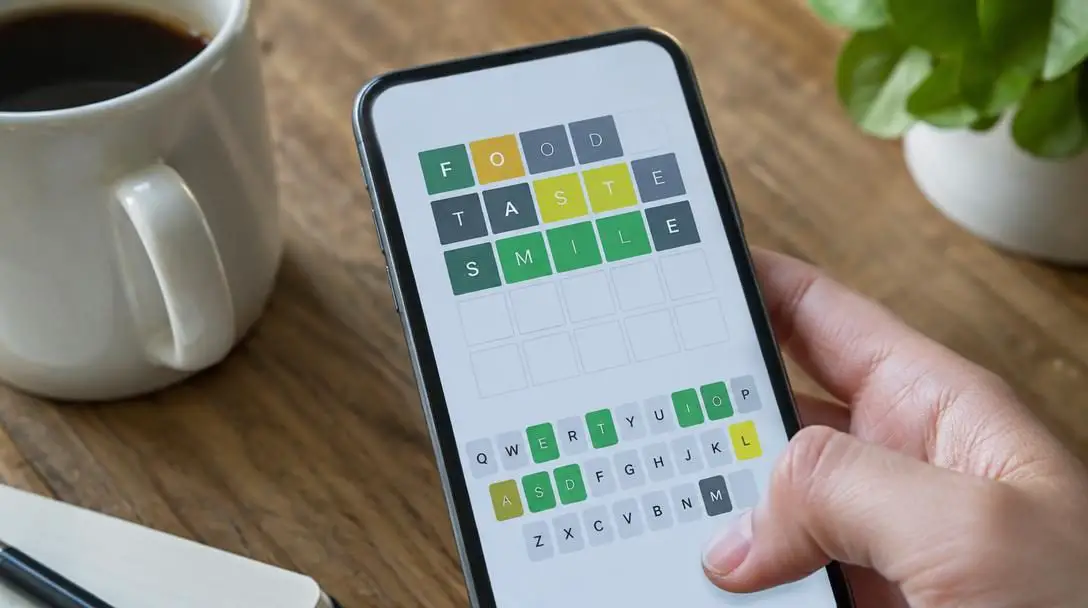
Tracking the table grants vital foresight into the match's economy. When you observe multiple competitors hoarding the same ingredient class—such as grains or meats—you can anticipate bottlenecks before they happen. This awareness allows you to secure contested resources early, deny critical ingredients to opponents, or pivot your strategy toward abundant, uncontested food groups to complete dishes without friction.
Balance Your Meals
While assembling simple, narrow dishes may feel like a quick way to log points, focusing on meal diversity yields far superior results. Strive to create well-rounded meals that incorporate a wide variety of food groups, including fruits, vegetables, meats, and grains. Balanced meal construction acts as both an offensive weapon and a defensive bulwark.
Balanced meals provide dual benefits in Foodle, granting higher point values while actively shielding your collected ingredients from predatory opponents.
From a scoring perspective, balanced meals trigger substantial point bonuses that outstrip the yield of rapid, low-effort dishes. Defensively, these complex combinations offer crucial protection against rival theft actions. In Foodle, robust and diversified plates establish an entrenched scoring foundation that opponents cannot easily disrupt or dismantle with standard action cards.
Use Special Cards Wisely
Special cards represent the most disruptive tools in Foodle, capable of swinging momentum in a single turn. These cards allow you to intervene directly in an opponent's turn by stealing an essential ingredient or blocking them from finishing a key recipe. However, having access to these powerful tools often tempts players into deploying them too early.
Using a block or steal during early rounds rarely impacts the final outcome, as opponents have plenty of time to recover. Instead, practice patience and store special cards in reserve for critical moments. The best time to strike is when an opponent is a single ingredient away from finishing a game-winning dish, or when stealing a rare item immediately completes your own high-value masterpiece.
Don’t Forget About Dessert
A frequent mistake among intermediate Foodle players is focusing entirely on savory main courses while neglecting the final course. Desserts carry substantial scoring potential that can easily break a late-game tie or overturn an opponent's lead. Waiting until your main courses are completed to begin looking for dessert ingredients, however, is a recipe for disaster.
Successful players integrate dessert preparation into their ongoing rhythm. By gathering sweet ingredients incrementally alongside your meats, vegetables, fruits, and grains, you build a versatile reserve. When the match enters its final rounds, you will possess the necessary components to craft a lucrative dessert without being caught empty-handed in a depleted marketplace.
A turn-by-turn guide to match execution
Translating tabletop strategy into consistent victories requires a disciplined routine on every turn. Following a structured step-by-step checklist helps you stay organized and maintain situational awareness throughout the match:
- Assess the opening setup: Before making your initial move, evaluate the full spread of starting ingredients and identify two viable meal paths that align with low-competition resources.
- Audit the table every round: At the start of each turn, inspect the hands and table areas of adjacent players. Note which food groups are disappearing rapidly and which remain overlooked.
- Build toward nutritional balance: Prioritize drawing ingredients that expand your dish into multiple categories—vegetables, fruits, grains, and meats—rather than settling for duplicate items.
- Bank sweet ingredients early: Collect at least one sweet ingredient during the opening and middle stages of the game to ensure your dessert options remain viable without requiring late-game pivots.
- Reserve disruptive actions for critical junctures: Keep your blocking and stealing cards in hand until an opponent threatens to complete a dominant recipe or until an action directly cements your own victory.
Tactical pitfalls and common mistakes to avoid
Even seasoned players can fall into unproductive habits that undermine an otherwise sound strategy. Avoiding these frequent missteps will keep your scoring trajectory steady:
- Chasing high-competition ingredients: Engaging in protracted bidding wars or race conditions for contested items stalls your development. If multiple players target the same resource, pivot immediately to uncollected categories.
- Overusing action cards early: Expending your best disruption cards in the opening turns squanders your leverage. Premature attacks waste valuable defensive utility when stakes are low.
- Ignoring nutrition diversity: Building mono-ingredient or two-item meals leaves your play area vulnerable to theft and deprives you of the point multipliers granted by diverse plates.
- Leaving dessert to the final turn: Scrambling for sweet ingredients at the end of the game exposes you to opponent blocking and picked-over card pools.
- Developing table tunnel vision: Focusing exclusively on your own player board blinds you to runaway leaders. Constantly monitor rival point trajectories to time your defensive interventions accurately.
Advanced group dynamics and meta considerations
Beyond individual mechanics, your playgroup's collective play style directly influences which strategies yield the highest win rates. Adjusting your tactics to the habits of your opponents separates casual players from tournament-caliber competitors.
Turn order relative to table personalities is an essential consideration. If you sit immediately after an aggressive player who utilizes special disruption cards frequently, prioritizing balanced meals becomes your most urgent goal to deter frequent theft. Conversely, if you are seated before a passive builder, you can play more greedily, acquiring specialized ingredients without fear of immediate retaliation.
Pay close attention to whether your group favors an aggressive "take-that" meta or an engine-building race meta. In aggressive groups, holding defensive counter-cards and fortifying meals with wide variety provides essential resilience. In race-oriented groups where players rarely interact directly, maximizing speed, strictly adhering to an opening menu plan, and locking down sweet ingredients early will allow you to cross the victory threshold before others finish their entrees.
Frequently asked questions
How do balanced meals protect against opponent theft in Foodle?
Balanced meals incorporate a diverse mix of food groups—such as fruits, vegetables, meats, and grains—which inherently establish higher defensive point thresholds within the game mechanics, making completed plates significantly harder for opponents to disrupt or steal compared to basic, incomplete dishes.
When is the ideal time to play a special card?
Special cards should be held until high-stakes moments in the mid-to-late game. Optimal timing includes blocking an opponent who is one ingredient away from finishing a major high-scoring meal or using a steal action to grab the exact component needed to complete your own decisive dish.
Why should I collect sweet ingredients early if dessert is scored at the end?
Gathering sweet ingredients gradually throughout the game prevents a late-game scramble when the supply of sweet cards is often depleted or actively hoarded by opponents, ensuring you have the flexibility to finish a high-scoring dessert without sacrificing your final turns.
What should I do if an opponent hoards the ingredients I need?
Rather than wasting turns fighting over scarce ingredients, pivot your menu strategy toward uncontested food categories. Shifting to alternate recipes allows you to continue building points unimpeded while your rivals stall each other out.
Does turn order affect Foodle strategy?
Yes. Seating order relative to aggressive players dictates your defensive requirements. Sitting directly downstream from an aggressive player requires emphasizing meal defense and balanced dishes, whereas playing in front of passive builders allows for faster, more offensive ingredient collection.
The bottom line
Winning consistently at Foodle requires harmonizing culinary ambition with cold, calculated tabletop strategy. By mapping out your menu early, keeping an eagle eye on opponent inventories, prioritizing nutritional variety for both points and defense, exercising restraint with special action cards, and steadily baking sweet ingredients into your overall plan, you take control of the board. Adapt these core principles to the shifting dynamics of your table, and you will routinely turn chaotic draws into a masterclass of winning gameplay.