7 Random Challenges to Try with Friends and Family for a Fun Time
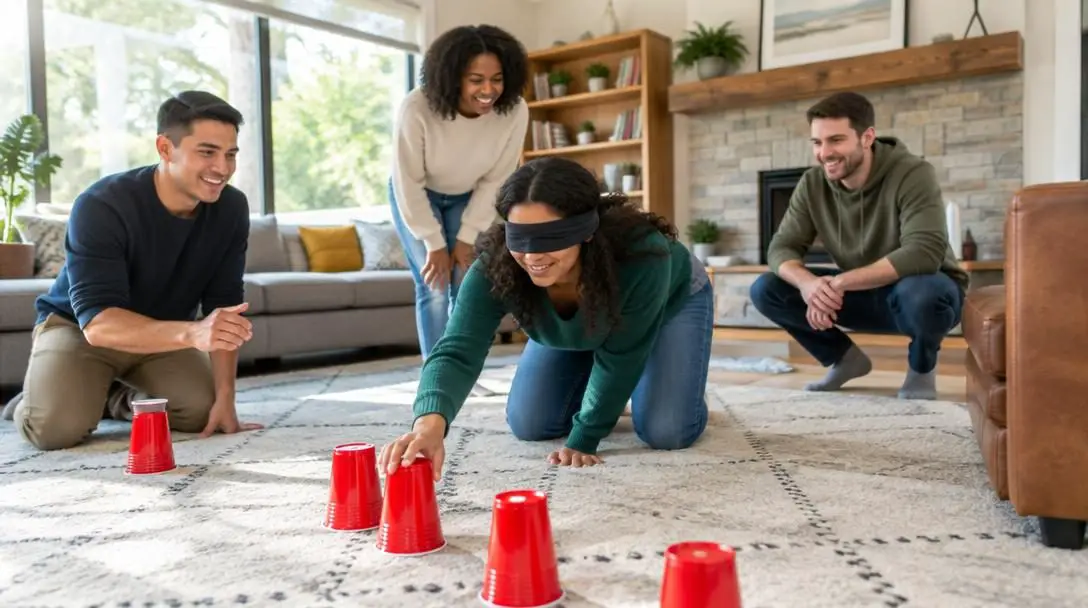
Modern households have access to an extraordinary library of digital entertainment. Between on-demand video streaming platforms, handheld mobile devices, and high-performance gaming consoles, nearly endless amusement is available at the touch of a button. Yet despite this constant stream of media, many evenings still devolve into household members wandering around in search of something genuinely stimulating to do. Solitary screen scrolling often breeds monotony, leaving individuals in the same room feeling isolated rather than connected.
Stepping away from digital routines to participate in tactile, low-stakes interactive challenges offers an immediate and refreshing change of pace. Group games encourage face-to-face interaction, genuine laughter, and spontaneous bonding without the steep learning curves or lengthy setup times of traditional board games. By using everyday household items and straightforward rules, these party-style challenges level the playing field for children, teenagers, and adults alike.
Key takeaways
- Screen fatigue can be effectively countered with simple, low-cost physical challenges that rely on everyday household supplies.
- Activities such as Guess the Mystery Drink and What’s in the Box isolate specific senses like taste and touch to create suspense.
- High-energy activities like the Tortilla Slap and Exploding Watermelon require designated outdoor or easy-to-clean spaces to manage liquids and messes.
- Prioritizing safety—especially checking dietary restrictions and respecting mechanical tension in rubber bands—ensures games stay lighthearted and injury-free.
At a glance: Comparing the seven party challenges
| Challenge | Primary Focus | Key Supplies | Mess Potential |
|---|---|---|---|
| Guess the Mystery Drink | Taste perception | Cardboard box, cups, drinking straws, assorted beverages | Low |
| Exploding Watermelon | Tension and anticipation | Whole watermelon, heavy-duty rubber bands | High |
| Telephone | Verbal communication | None (whispered phrases) | None |
| Tortilla Slap | Composure and laughter suppression | Large flour tortillas, drinking water, cups | Medium |
| BeanBoozled | Taste risk and chance | Packaged novelty jelly bean game, spinner wheel | Low |
| Iron Chef | Culinary creativity | Secret ingredient, kitchen cookware, pantry staples | Medium |
| What’s in the Box | Tactile deduction | Modified cardboard box, blindfold, mystery objects | Low |
Seven engaging group challenges to play at home
Each of the following seven challenges approaches group entertainment from a distinct angle. Whether putting sensory awareness to the test, pushing communication to its breaking point, or embracing pure slapstick comedy, these activities keep players actively engaged from start to finish.
Guess the Mystery Drink
- Core dynamic: Blind taste deduction
- Primary equipment: Box, cups, drinking straws, assorted drinks
- Skill tested: Palate recognition without visual cues
This activity strips away all visual information so participants must rely entirely on their taste buds. In everyday life, the visual presentation of a drink—such as its brand logo, distinctive color, carbonation bubbles, or thickness—primes the brain for what to expect. By hiding beverages under an opaque cover, Guess the Mystery Drink disrupts those expectations. Players sip blindly through extended straws and must differentiate between similar sodas, fruit juices, flavored waters, or teas, frequently discovering that familiar flavors are surprisingly difficult to identify in the dark.
Exploding Watermelon
- Core dynamic: Mechanical tension and physical suspense
- Primary equipment: Whole fresh watermelon, heavy-duty rubber bands
- Skill tested: Patience, risk tolerance, and nerve
The exploding watermelon challenge is an outdoor spectacle that builds suspense over an extended period. Participants stretch thick rubber bands one by one around the middle of a whole watermelon. With each added band, the cumulative inward force increases against the structural integrity of the rind. The fruit visibly deforms as the pressure mounts, keeping onlookers on edge until the rind suddenly splits open in an energetic, juicy rupture.
Breaking away from digital routines with goofy, low-stakes competitions brings people of all ages together on equal footing.
Telephone
- Core dynamic: Verbal message transmission
- Primary equipment: None required
- Skill tested: Auditory memory and subtle speech comprehension
As a classic parlor activity, Telephone demonstrates how fragile verbal communication can be when passed along a chain of listeners. Sitting in a row or circle, the first player invents a descriptive phrase and whispers it once into the ear of the next person. Because whispered consonants and subtle vowels are easily missed, the phrase undergoes minor phonetic mutations with each transfer. By the time the final participant recites the sentence aloud, the original meaning has almost always deteriorated into something nonsensical and funny.
Tortilla Slap
- Core dynamic: Laughter suppression under light physical impact
- Primary equipment: Large flour tortillas, glasses of fresh water
- Skill tested: Composure, facial control, and comedic timing
The tortilla slap challenge combines absurd physical comedy with an exercise in self-restraint. Two opponents face each other with their mouths filled with water, holding a large, flat flour tortilla. Players take turns delivering a flat strike across their opponent's cheek. The challenge is not about physical force, but rather withstanding the ridiculous sound, feel, and visual sight of the attack without bursting into laughter and spraying the water held inside their cheeks.
BeanBoozled
- Core dynamic: Culinary chance and suspense
- Primary equipment: Commercial game pack, spinner, flavored beans
- Skill tested: Willingness to sample bizarre flavor profiles
BeanBoozled is a packaged novelty game that pairs visually identical jelly beans with wildly divergent flavor profiles. A single color might represent a sweet, fruity treat like berry, or it could deliver a foul surprise such as barf. Players spin a central wheel to land on a color, select the matching bean from the tray, and chew it to discover their fate. The fun comes from the nervous anticipation before the bite and the unmistakable facial reactions that follow when someone lands on an unpleasant flavor.
Iron Chef
- Core dynamic: Timed cooking challenge
- Primary equipment: Cookware, pantry staples, designated secret ingredient
- Skill tested: Culinary improvisation and creative plating
Inspired by televised culinary competitions, this challenge transforms the family kitchen into an arena of active social engagement. A designated organizer selects a secret ingredient hidden in the refrigerator or pantry that all cooks must incorporate into their dishes. Contestants work within an established time limit, combining kitchen staples to produce an original meal or course. Impartial judges then rate each creation on its flavor profile, visual presentation, and how cleverly the mandatory ingredient was showcased.
What’s in the Box
- Core dynamic: Tactile perception without sight
- Primary equipment: Enclosed box with hand holes, blindfold, textured items
- Skill tested: Object identification through touch alone
Tapping into the natural human hesitation toward the unknown, What’s in the Box deprives players of their sense of sight while asking them to identify mystery items using only their hands. A blindfolded participant slides their arms into access holes cut into the sides of a covered box. Inside, the organizer has placed an item with an intriguing texture—such as soft fabrics, cooked pasta, bristles, or peeled produce. Without sight, even mundane household objects feel unusual or suspicious, leading to cautious touches and dramatic deductions.
Step-by-step setup guides for every game
Smooth execution prevents downtime and keeps energy high during group gatherings. Preparing the appropriate materials and following clear, methodical procedures ensures that each challenge runs safely and efficiently.
- Setting up Guess the Mystery Drink: Take an empty cardboard box with a secure top, and carefully puncture holes spaced to match where cups will sit below. Away from the players' view, pour distinct beverages into individual cups. Place the cups inside the box, seal the enclosure, and push drinking straws through the top holes down into the liquids so participants can sample them blindly.
- Preparing the Exploding Watermelon: Position a large, whole watermelon on a stable, level surface outdoors. Supply participants with thick, heavy-duty rubber bands. Have players take turns stretching individual bands around the exact equator of the fruit, steadily building up tension until the rind fractures.
- Organizing Telephone: Arrange all participants in a continuous row or closed circle where each person can easily lean in toward their neighbor. The first player crafts a sentence with colorful adjectives or unusual phrasing, whispers it once into the ear of the next person, and the message travels silently down the line until the final person announces what they heard.
- Running the Tortilla Slap Challenge: Provide each participant with a large flour tortilla and a cup of water. Opponents sit or stand facing each other over a wipeable floor or outdoor space. Both take a sip of water and hold it securely in their mouths. After deciding who strikes first, players alternate light, flat slaps with the tortilla until someone laughs and releases the water.
- Playing BeanBoozled: Set up the official game box, spinner wheel, and a supply of paper towels or disposable discard cups. Players take turns flicking the dial to select a color, picking out the corresponding jelly bean, and chewing it thoroughly while spectators watch for their immediate reaction.
- Executing an Iron Chef Cook-Off: Appoint a judge or organizer to inspect the pantry and refrigerator to select a unique secret ingredient. Divide contestants into solo cooks or small teams, distribute access to basic cookware, set a strict cooking timer, and present the finished dishes to the judges for evaluation.
- Constructing What’s in the Box: Cut two circular hand ports into the opposite sides of a sturdy cardboard container, ensuring the holes are large enough for arms to fit comfortably without revealing the interior. Blindfold the participant, slide a safe textured object inside, guide the player's hands into the side ports, and allow them to feel the object until they offer a guess.
Safety guidelines and common mistakes to avoid
While these games are straightforward, overlooking basic practical considerations can lead to damaged home goods, unnecessary frustration, or minor injuries. Addressing these common pitfalls keeps the gathering smooth and fun for everyone.
- Neglecting clean-up planning: Both the exploding watermelon and the tortilla slap involve significant splashes of water and sticky juices. Attempting these challenges over indoor carpets, porous hardwoods, or delicate upholstery can ruin furnishings. Always run wet activities outdoors or over easily mopped tile and linoleum.
- Using hazardous mystery items: In sensory guessing games, organizers should never use sharp, pointed, extremely hot, or genuinely dangerous items. The surprise should come from unusual textures—such as damp sponges, cooked noodles, or hairbrushes—rather than anything that could harm the player.
- Striking with excessive physical force: In the tortilla slap challenge, the entertainment stems from the novelty of using a flatbread as an implement, not from physical aggression. Players should keep their strikes flat, light, and controlled.
- Overcomplicating the scoring rules: Low-stakes party games lose their organic humor when bogged down with complicated point brackets, strict penalty systems, or hyper-competitive officiating. Keep the guidelines minimal.
- Ignoring mechanical rubber band tension: As hundreds of rubber bands stretch across a watermelon, the stored physical pressure becomes significant. Players should never hover their faces directly over the fruit during late-stage banding, as rubber bands or rind pieces can snap outward unexpectedly.
- Overlooking participant dietary restrictions: Challenges involving food or beverages—specifically BeanBoozled, Iron Chef, and Guess the Mystery Drink—require verifying that no participants have food allergies, intolerances, or specific dietary restrictions before play begins.
How to expand the experience for future game nights
Once your family or friend group has mastered the core formats of these activities, you can easily adapt them to maintain variety and challenge across future gatherings. The underlying mechanics are modular, making them easy to adjust for different age brackets, group sizes, and available timeframes.
One effective method is establishing themed challenge nights that combine complementary activities. For instance, pairing an Iron Chef competition with Guess the Mystery Drink produces a cohesive culinary tournament where contestants test both their cooking skills and sensory palates. Alternatively, fast-moving parlor challenges like Telephone, What’s in the Box, and the Tortilla Slap can be organized into a multi-round tournament where participants earn points across rapid, distinct events.
Adjusting the difficulty to match your player demographic is equally straightforward. When entertaining younger children, replace complex savory ingredients in cooking challenges with simple dessert construction tasks, and stick to universally recognized fruit juices in the beverage challenge. For adult gatherings, increase the obscurity of mystery box items or introduce intricate cooking ingredients to raise the difficulty level. Finally, recording candid photos and keeping casual scoreboards can turn spontaneous game nights into recurring traditions.
Frequently asked questions
Is the exploding watermelon challenge safe to do at home?
Yes, provided it is conducted outdoors with proper awareness. Because the tension from hundreds of tight rubber bands can launch fragments unpredictably, participants must avoid leaning directly over the fruit, particularly during the late stages when the rind starts deforming.
What types of items work best for What’s in the Box?
Safe items with distinctive textures yield the best reactions. Common household examples include hairbrushes, peeled fruit, cooked cold pasta, plush toys, and textured fabrics. Avoid anything sharp, excessively hot, or genuinely hazardous.
How can you adapt Iron Chef for participants who cannot cook?
You can adjust the challenge toward simple assembly rather than advanced cooking. Focusing on sandwich building, personal pizza decorating, or no-bake dessert creation allows non-cooks and younger players to participate fully without kitchen hazards.
How do you choose beverages for Guess the Mystery Drink?
Use safe, standard drinks that players are accustomed to, such as contrasting sodas, fruit juices, flavored waters, or teas. The challenge comes from removing visual cues like color and brand packaging, not from serving unpalatable liquids.
What should you do to handle clean-up for the Tortilla Slap game?
Host the activity outdoors on grass or an open patio, or set it up over a water-resistant floor like tile. Providing towels and limiting the volume of water participants hold in their mouths keeps the mess manageable.
The bottom line
Replacing passive screen time with hands-on party challenges transforms standard gatherings into energetic, memorable events. With little more than simple household items like cardboard boxes, rubber bands, drinking straws, and tortillas, groups can create low-stakes, humorous competitions that engage players of all ages. By respecting basic safety boundaries and tailoring game formats to fit your guests, you can turn any ordinary afternoon or evening into an occasion full of shared laughter.