5 Forgotten Classic Car Manufacturers
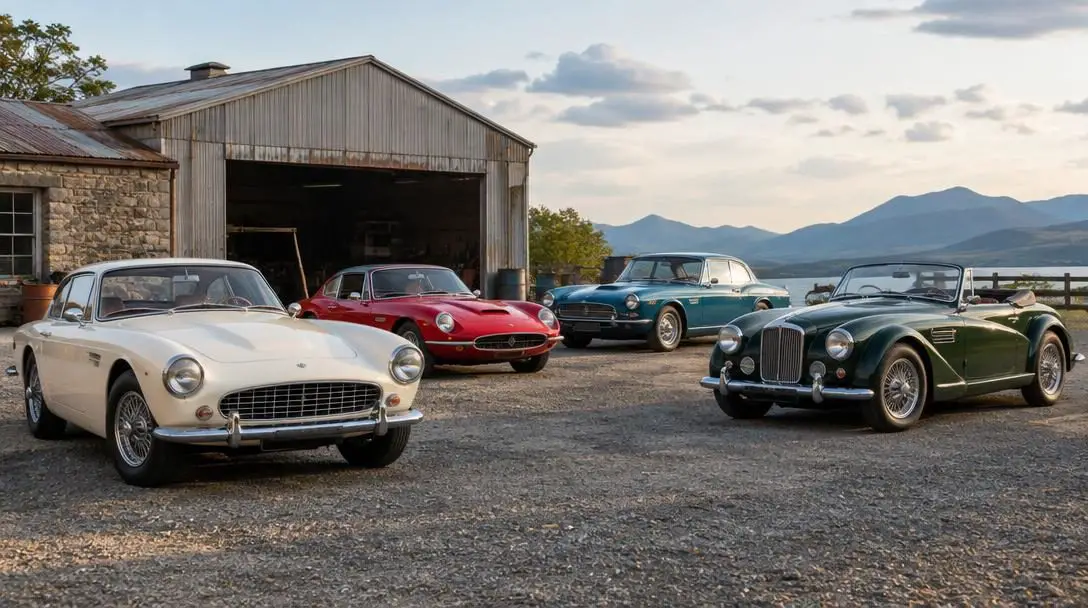
When enthusiasts picture vintage automobiles, their minds inevitably drift toward enduring household names like Ford, Chevrolet, Mercedes-Benz, and Ferrari. Because these established global manufacturers built millions of passenger vehicles across countless decades, a vast supply of their legacy models survives today, giving novice collectors an approachable runway before they step up to rarer historic machinery.
Yet the twentieth-century automotive landscape was shaped just as vigorously by ambitious independent manufacturers that challenged industry titans, introduced groundbreaking engineering concepts, and built legendary cars before vanishing from showroom floors. Today, the heritage of these defunct automakers endures through dedicated preservationists, historical archives, and specialized collector communities who keep these forgotten mechanical achievements on the road.
Key takeaways
- Independent automakers introduced essential modern vehicle technologies, including automotive air conditioning and standard steering wheels.
- Defunct brands, known within collector circles as orphan cars, lack dealership networks and rely completely on aftermarket fabricators, specialized machine shops, and enthusiast registries for parts.
- Entry-level orphan vehicles from historic brands can be acquired for under $15,000, while hyper-rare post-war engineering icons command auction prices reaching $3 million.
- Evaluating cosmetic completeness before purchase is critical, because replacing bespoke exterior chrome and factory dashboard trim is often more costly than rebuilding mechanical drivetrains.
Defunct Automakers That Shaped American Motoring History
During the golden age of American manufacturing, competition between automotive design hubs in Detroit, Michigan, and South Bend, Indiana, resulted in remarkable styling breakthroughs and engineering innovations. While shifting corporate strategies, fierce competition from the Detroit Big Three, and financial headwinds eventually forced these companies to close, their surviving models remain benchmarks of mid-century industrial ambition.
| Manufacturer | Active Era | Assembly Headquarters | Recognized Models | Collector Price Range |
|---|---|---|---|---|
| Plymouth | 1928–2001 | Detroit, Michigan | Road Runner, Prowler, Belvedere, Savoy | $30,000 – $75,000 |
| Studebaker | 1852–1967 | South Bend, Indiana | Avanti, Lark, Champion | $15,000 – Accessible Tier |
| Packard | 1899–1958 | Detroit, Michigan | Caribbean, 120, Patrician | $8,000 – ~$100,000 |
| Edsel | 1956–1959 | Detroit, Michigan | Corsair, Pacer, Ranger, Citation | $10,000 – $70,000 |
| Tucker | 1946–1949 | Chicago / Detroit | Tucker 48 | $500,000 – $3,000,000 |
Plymouth
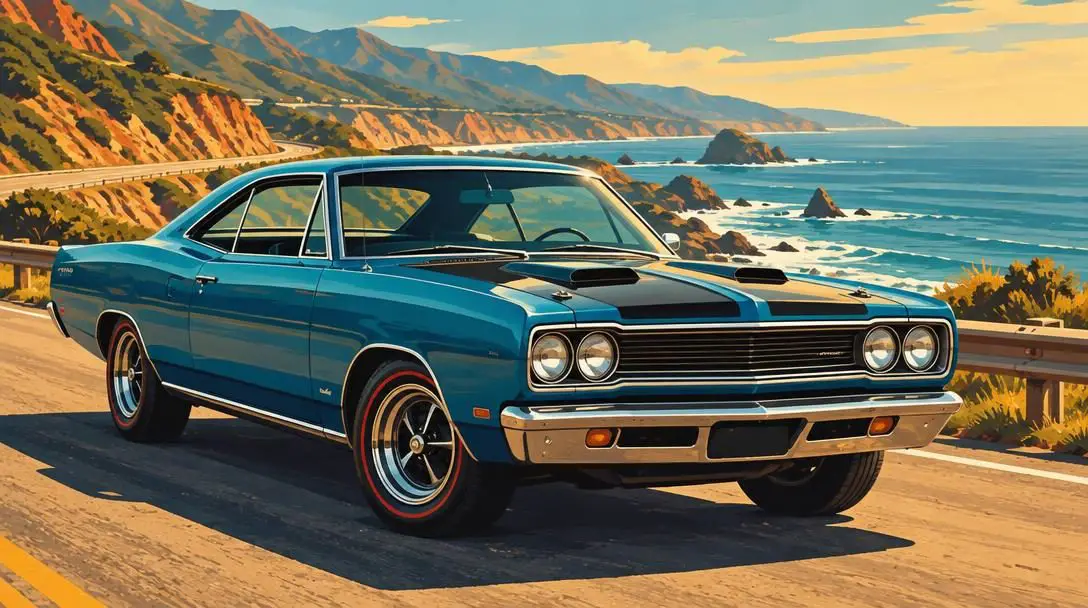
- Founded: 1928 under Chrysler
- Peak Production: Nearly 1 million vehicles per year in the early 1970s
- Ceased Operations: 2001
- Key Models: Road Runner, Prowler, Belvedere, Savoy
Chrysler established Plymouth in 1928, originally positioning the division as a luxury-oriented alternative within the corporate structure. Initial releases simply carried the Plymouth badge, but the marque quickly evolved into a high-volume corporate pillar with an extensive lineup. Across its long lifespan, the nameplate adorned everyday family haulers like the Satellite, Acclaim, and Grand Voyager minivan, alongside celebrated icons of the muscle car era.
By the dawn of the 1970s, Plymouth had grown into an industrial juggernaut capable of manufacturing close to one million vehicles each year. Changing automotive economics during the 1980s and dwindling market share across the 1990s eroded the brand's standing. Corporate leadership ultimately absorbed the remaining lineup into Dodge and Chrysler before shuttering Plymouth entirely in 2001. On today's classic market, high-profile offerings like the Belvedere, Savoy, Prowler, and Road Runner routinely command between $30,000 and $75,000.
Studebaker
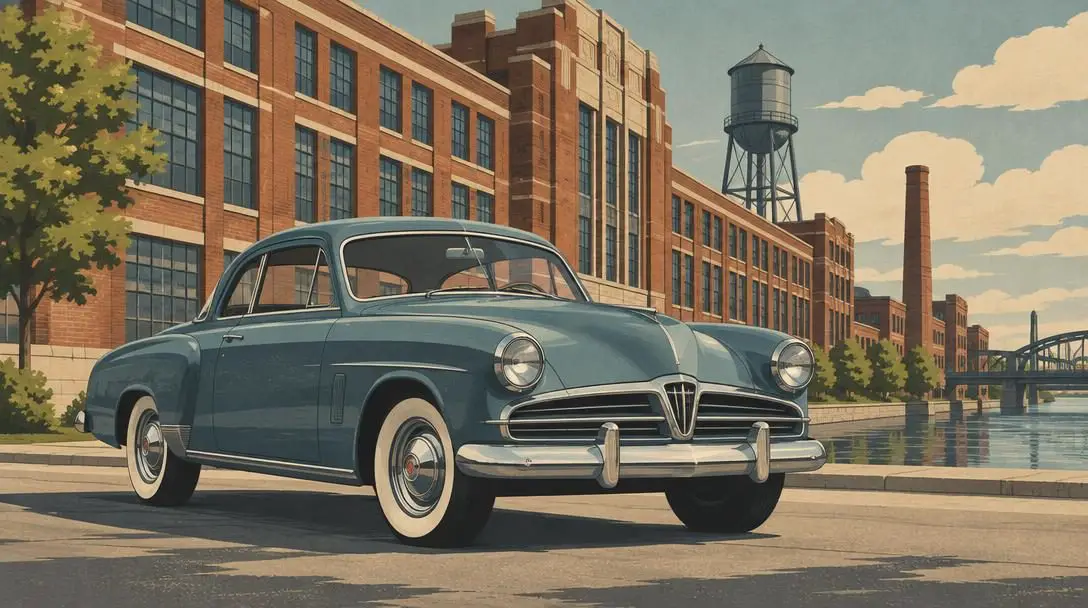
- Founded: 1852 in South Bend, Indiana
- Ceased Operations: 1967
- Entry Price Point: Starting around $15,000
- Key Models: Avanti, Lark, Champion
Near the downtown Minor League Baseball stadium in South Bend, Indiana, an imposing historic industrial complex stands dormant—the historic home of the Studebaker Corporation. Boasting one of the longest lineages in American vehicle manufacturing, the business traces its origin back to 1852, when it manufactured horse-drawn freight wagons and buggies decades before the widespread adoption of the combustion engine.
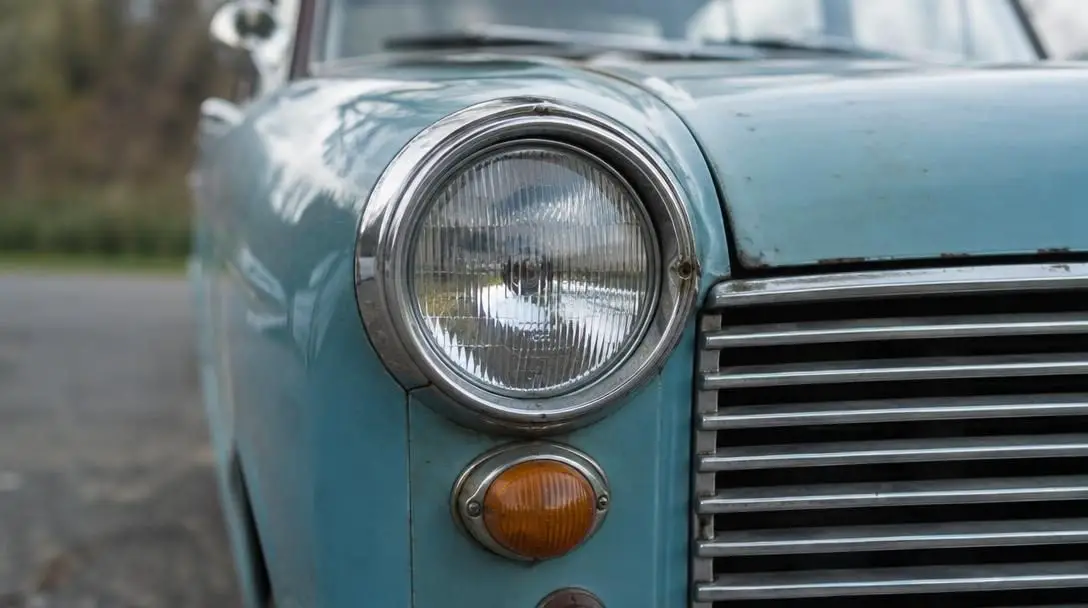
Studebaker relocated its principal automotive operations from Detroit to South Bend in the 1920s, building initial commercial momentum with distinct styling and dependable engineering. However, geographic isolation from the integrated supplier networks of Detroit, combined with Henry Ford's increasingly efficient assembly methods, gradually undermined Studebaker's operational margins. Unable to maintain competitive parity with the Big Three, the historic company built its final car in 1967. Distinctive models such as the Champion, the compact Lark, and the fiberglass-bodied Avanti provide accessible entry points for new collectors, with good-condition examples often available for around $15,000.
Packard
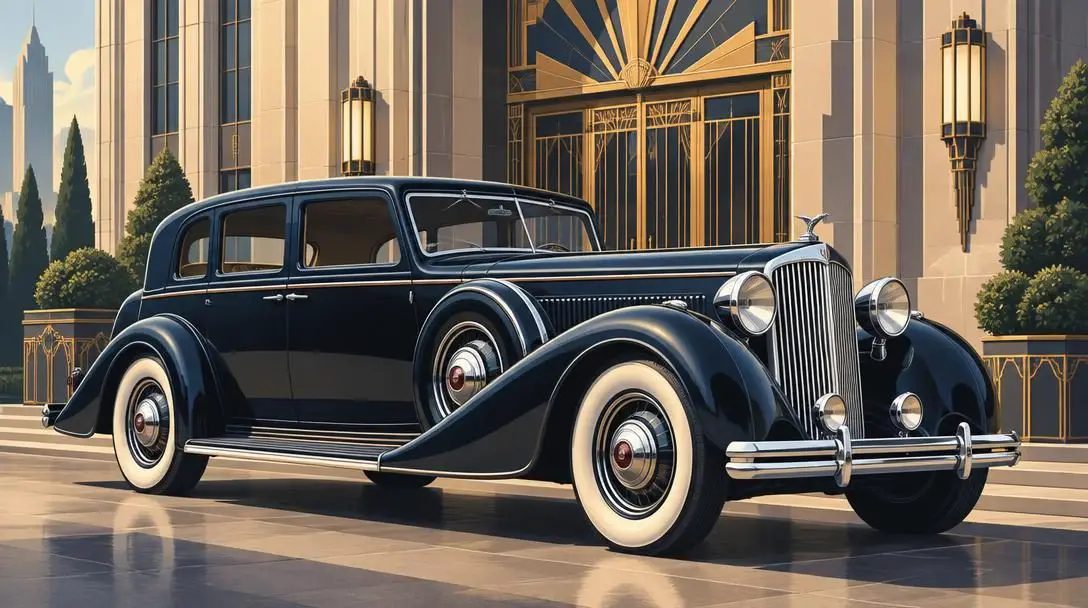
- Founded: 1899 in Detroit, Michigan
- Major Innovations: Steering wheel, automotive air conditioning
- Market Spectrum: $8,000 to nearly six figures
- Key Models: Caribbean, 120, Patrician
Founded in Detroit at the close of the nineteenth century, the Packard Motor Car Company earned an international reputation as an elite luxury marque and engineering powerhouse. The automaker introduced fundamental features that modern motorists take for granted, serving as an industry pioneer by substituting the standard steering wheel for the tiller and developing the first automotive air conditioning systems.
Packard dominated the upper tier of American luxury transport for decades, but independent automakers faced tightening capitalization constraints in the post-World War II market. In a bid to attain manufacturing scale, Packard merged with a declining Studebaker Corporation during what proved to be the twilight operating era for both marques. Well-preserved Packard nameplates—including the Patrician, the Junior-series 120, and the dramatic Caribbean convertible—inhabit a broad valuation curve ranging from $8,000 entry cars up to nearly six figures for concourse examples.
Edsel
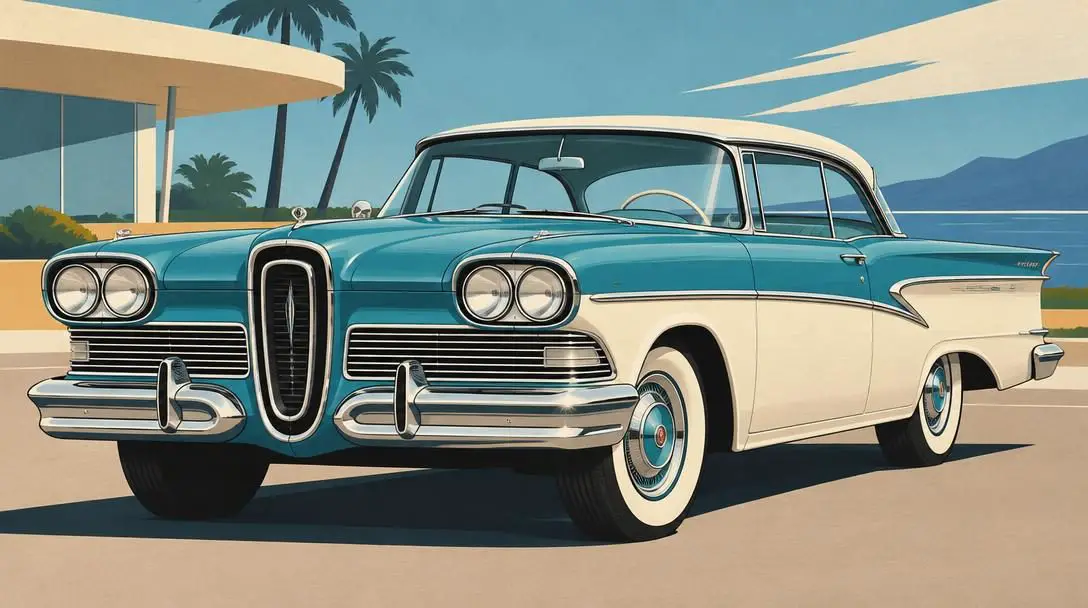
- Founded: 1956 by Ford Motor Company
- Ceased Operations: 1959
- Collector Valuation: $10,000 to $70,000
- Key Models: Corsair, Pacer, Ranger, Citation
In the mid-1950s, the Ford Motor Company devised an aggressive corporate strategy to establish an automotive "Big Four" in Detroit by operating two distinct manufacturing pillars beneath the parent corporate banner. Launched in 1956, the new division was named Edsel in honor of Henry Ford's son, functioning as a specialized family-named entity alongside Ford's initial public stock offering. Positioned above base Ford models but beneath luxury Lincolns, Edsel was slated to compete in the mid-tier market alongside Mercury.
The division brought four primary nameplates to market—the Ranger, Pacer, Corsair, and Citation—all featuring bold front-end styling and pushing novelty interior interfaces. The public response was muted, sales fell short of internal projections, and Ford terminated the division on its anniversary in 1959 after only three model years. Due to their distinctive styling and historical notoriety, classic Edsels enjoy dedicated interest today, trading at approachable price tags running from $10,000 for standard drivers to $70,000 for rare convertibles.
Tucker
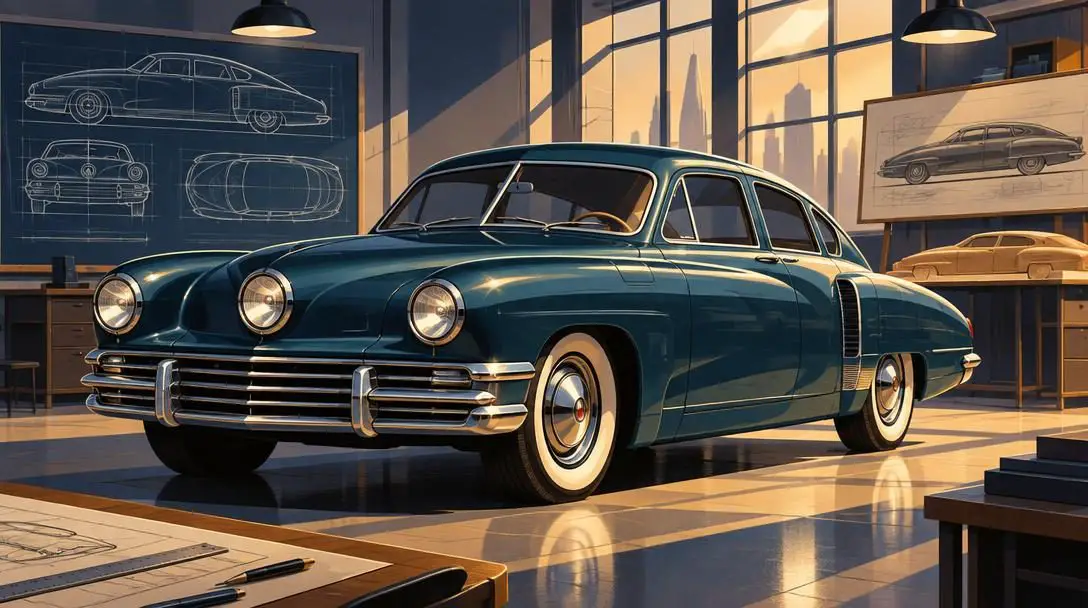
- Key Figure: Preston Tucker
- Primary Vehicle: Tucker 48
- Ceased Operations: Late 1940s
- Collector Valuation: $500,000 to $3,000,000
The rise and fall of the Tucker Corporation represents one of the most dramatic stories in twentieth-century commerce, famously chronicled in director Francis Ford Coppola's 1988 biographical film, Tucker: The Man and His Dream. The company was founded by Preston Tucker, a Michigan native who worked for Ford in his early twenties, sold Studebakers, and spent the late 1930s engineering military combat prototypes before shifting his attention to consumer transportation.
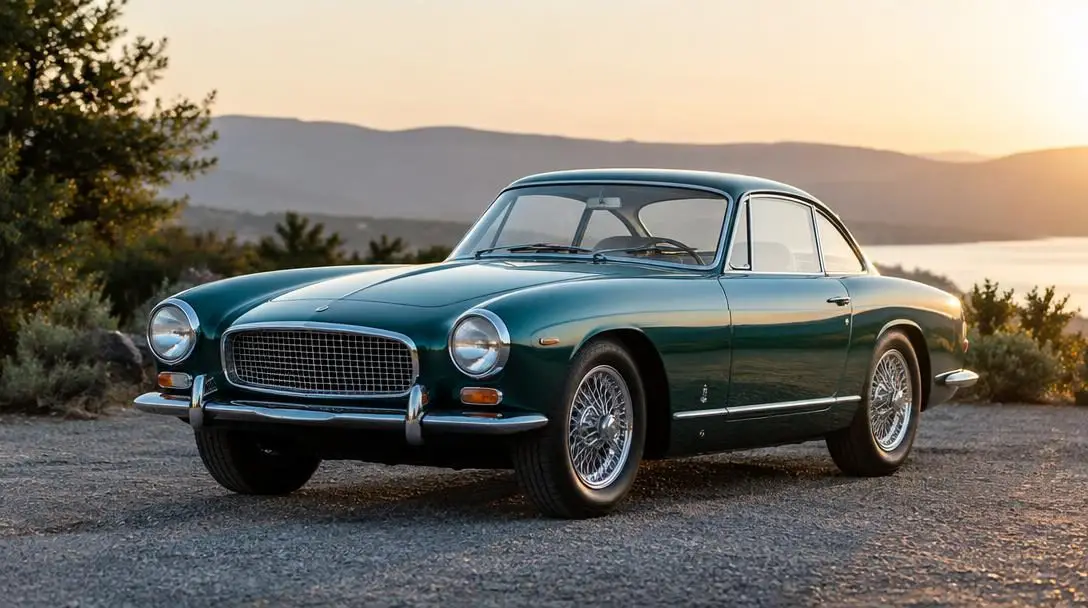
Tucker aimed to revolutionize highway safety and passenger aerodynamics with the rear-engined Tucker 48, which featured a directional center headlight and an advanced perimeter safety cell. The entrenched Big Three manufacturers in Detroit vigorously defended their territory against the upstart independent, and the company was soon engulfed in regulatory scrutiny, negative publicity, and debilitating legal trials. Although Tucker was ultimately cleared of legal wrongdoing, the financial damage was fatal, shuttering operations after constructing only a tiny fleet of cars. Today, surviving Tucker 48 sedans represent blue-chip automotive treasures, commanding between $500,000 and $3 million at premier international auctions.
Independent automakers introduced groundbreaking engineering concepts and built legendary vehicles before vanishing entirely from showroom floors.
Understanding the Orphan Car Phenomenon in the Collector Market
Within vintage restoration and auction ecosystems, vehicles produced by companies that no longer operate are cataloged as orphan cars. Owning an orphan marque introduces structural conditions that differ substantially from caring for a classic produced by an operational manufacturer:
- Absence of direct dealer infrastructure: Unlike Chevrolet or Ford collectors, who can request build sheets, factory service records, or original technical service bulletins through surviving corporate archives, orphan owners operate without parent corporate backing, customer service hotlines, or dealership parts networks.
- Reliance on specialized fabrication ecosystems: When an original engine block, water pump, or suspension casting fractures on an extinct marque, replacement stock cannot be ordered through standard retail supply chains. Owners rely entirely on specialty machinists, custom fabricators, and regional salvage yards specializing in pre-war and mid-century scrap.
- Grassroots community preservation: The survival of extinct nameplates depends on dedicated marque clubs, non-profit heritage museums, and independent historians who preserve technical blueprints, document vehicle identification numbers, and mentor newcomers on obsolete mechanical configurations.
- Distinct valuation dynamics: Because orphan cars no longer benefit from contemporary corporate marketing campaigns or showroom continuity, market values hinge strictly on historical rarity, aesthetic appeal, design significance, and mechanical authenticity.
Essential Steps for Sourcing and Purchasing an Orphan Classic
Acquiring an automobile from an out-of-business marque demands systematic due diligence to ensure the vehicle can be restored, maintained, and safely operated over the long haul. Prospective buyers should work methodically through the following steps:
- Identify regional parts availability: Research the historical manufacturing centers where the marque operated, such as Detroit or South Bend. Regional collector networks and marque chapters located near original assembly hubs frequently maintain private caches of spare mechanical components and shop manuals.
- Verify marque authenticity: Carefully cross-reference surviving chassis stampings, engine serial numbers, and data cowl tags against published marque registers. Defunct company documentation is often fragmented, making physical number matching essential to confirm original factory configuration.
- Locate independent parts sources: Before tendering payment, ensure that critical wear items—including ignition contacts, brake drums, wheel cylinders, and suspension bushings—can be sourced from vintage reproduction vendors or specialized machinists.
- Evaluate cosmetic completeness: Inspect the vehicle thoroughly for missing ornamentation. Sourcing or custom-casting unique pot metal emblems, intricate chrome grilles, or curved windshield glass is generally far more challenging and expensive than rebuilding standard carburetors and transmissions.
- Secure agreed-value insurance coverage: Standard automotive policies calculate payouts based on conventional depreciation models that disregard the scarcity of defunct marques. Obtain an independent appraisal and arrange an agreed-value policy that covers true market replacement cost.
Costly Mistakes Vintage Car Buyers Must Avoid
Restoring or maintaining an out-of-business classic presents unexpected obstacles that can quickly stall an otherwise promising project. Enthusiasts should avoid these common missteps:
- Assuming mechanical parts are universally interchangeable: While corporate umbrella vehicles like Plymouth models share drivelines with Dodge and Chrysler siblings, independent vehicles from Studebaker or Tucker utilize bespoke mechanical designs that cannot be serviced with standard off-the-shelf components.
- Overlooking the scarcity of factory trim: Missing dashboard instrumentation, original steering wheels, and model-specific exterior side trim can remain impossible to locate for years. Purchasing an incomplete project car missing its exterior brightwork often results in an indefinitely stalled restoration.
- Entrusting maintenance to modern diagnostic technicians: Contemporary mechanics trained on OBD-II computer interfaces are rarely equipped to diagnose vintage mechanical fuel pumps, complex generator-based electrical charging systems, or the pioneering air conditioning setups introduced by Packard.
- Bypassing marque preservation societies: Ignoring brand-specific historical clubs isolates buyers from private parts sales, registry archives, and technical guidance that never appear on mainstream online marketplaces.
Frequently asked questions
What is an orphan car in the classic vehicle community?
An orphan car is any motor vehicle built by an automotive manufacturer or corporate division that has completely ceased operations, such as Studebaker, Packard, Edsel, Tucker, or Plymouth.
Which early innovations were pioneered by Packard?
Packard was an automotive engineering pioneer that introduced several fundamental components drivers use today, including the modern steering wheel to replace the tiller and the first automotive air conditioning systems.
Why are Tucker 48 vehicles so valuable today?
The Tucker 48 commands auction valuations between $500,000 and $3 million because the company collapsed under severe corporate pushback and legal pressure after manufacturing only a handful of examples, making surviving models extraordinarily rare.
Why did the Edsel brand shut down so quickly?
Ford introduced Edsel in 1956 to capture mid-tier market share alongside Mercury, but poor sales, controversial front-end styling, and internal strategic challenges led to its cancellation in 1959 after just three model years.
Are replacement parts impossible to find for defunct brands?
While factory parts are no longer manufactured, components remain obtainable through dedicated enthusiast registries, vintage salvage specialists, aftermarket fabricators, and custom machine shops that recreate obsolete parts.
The bottom line
Classic car collecting extends well beyond the familiar names that populate modern dealerships. The rise and fall of marques like Plymouth, Studebaker, Packard, Edsel, and Tucker demonstrate the innovation, bold aesthetic risks, and cutthroat economics that defined twentieth-century American industry. While owning an orphan classic requires diligent research, proactive parts sourcing, and close engagement with preservation registries, preserving these extinct nameplates ensures that their mechanical ingenuity and cultural influence continue to inspire generations of automotive enthusiasts to come.