How To Buy Classic Cars On The Cheap
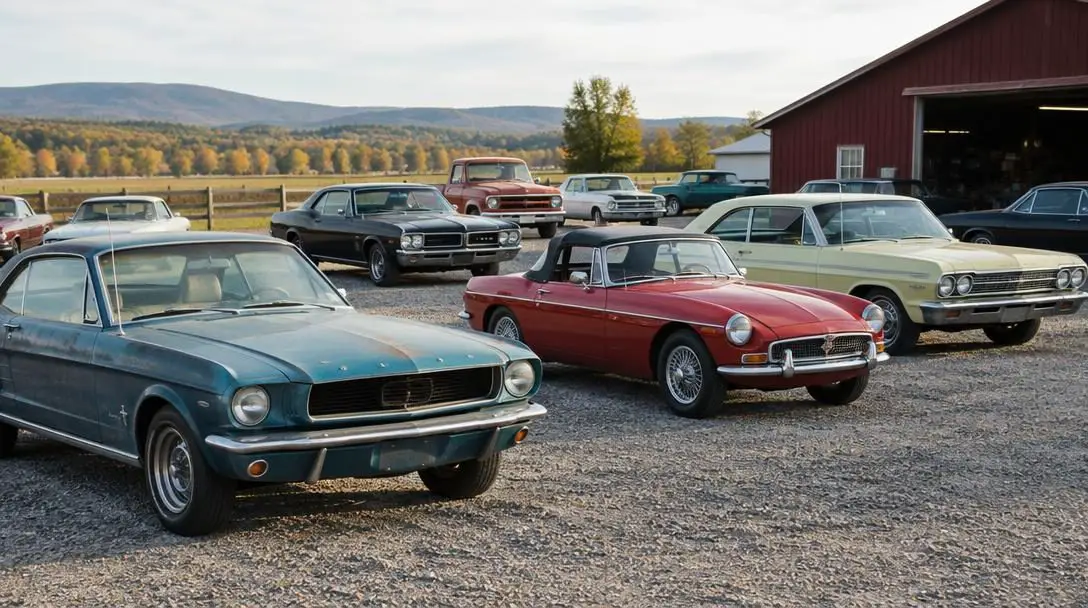
Starting a classic car collection is an enticing dream for automotive enthusiasts, yet newcomers frequently discover that the hobby can become an overwhelming financial burden when approached without a clear strategy. All too often, first-time buyers invest substantially more capital than they initially budgeted, blindsided by unexpected structural repairs, difficult project vehicles, and runaway restoration expenses that quickly extinguish their enthusiasm.
Classic car ownership does not need to be reserved exclusively for collectors with massive bank accounts. By understanding how core economic forces—such as geographic vehicle concentration, mass production volume, replacement component availability, and face-to-face price negotiation—govern the marketplace, budget-conscious buyers can secure iconic vintage automobiles without draining their life savings.
Key takeaways
- Focusing on mass-produced, high-supply models keeps initial purchase prices low and ensures replacement parts remain widely available.
- Shopping in person across vehicle-dense states such as California, Florida, Michigan, and Pennsylvania helps buyers avoid the severe financial risks of sight-unseen online purchases.
- Calculating comprehensive parts and labor expenses before purchasing ensures a restoration project will not cost more than a fully running vehicle.
- Partnering with an experienced automotive enthusiast equips beginners with the mechanical knowledge needed to identify defects and negotiate lower asking prices.
Understanding classic car market economics on a budget
Navigating the vintage vehicle landscape successfully requires a practical understanding of fundamental economic principles. Vehicle pricing across the collector market is driven directly by supply, demand, geographical distribution, and the secondary availability of restoration components. When buyers understand how these forces interact, they can easily avoid speculative pricing bubbles and sidestep deceptive bargains that later turn into financial disasters.
A primary driver of affordability is the original production volume of the automobile. When automakers manufactured hundreds of thousands of units of a specific design, substantial numbers survived in running condition or dry storage. A high circulating supply prevents collector premiums from skyrocketing, keeping purchase prices accessible. Furthermore, high production volume directly incentivizes aftermarket manufacturers to continue producing factory-spec replacement parts, hardware, and cosmetic trim.
Conversely, rare or obscure vehicles carry an inherent economic penalty. While an uncommon project vehicle may boast a tantalizingly low initial price tag, the secondary market for its components is often nonexistent. If critical mechanical or interior components have been out of production for decades, sourcing replacements requires costly fabrication or hunting through salvage yards, causing total project costs to escalate far beyond initial projections.
| Model | Production Profile | Key Market Advantage | Component Sourcing |
|---|---|---|---|
| 1969 Dodge Charger | High-demand mass production | Enduring pop-culture recognition | Abundant reproduction support |
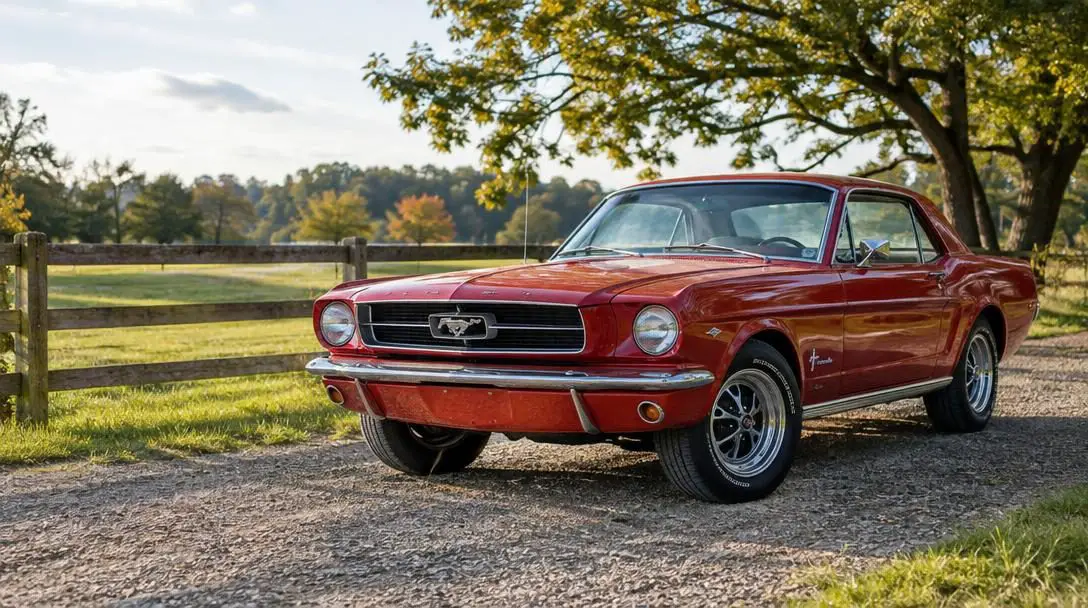
| 1967 Ford Mustang | Extremely high production volume | Low entry price point | Widely manufactured aftermarket parts |
| 1969 Chevrolet Camaro | Broad mass-market supply | Accessible mechanical layout | Extensive catalog availability |
| 1957 Chevrolet Bel Air | Widely preserved classic | Stable collector interest | Substantial community parts network |
Purchasing an inexpensive classic car body might seem like an incredible bargain, but unforeseen restoration costs can easily outstrip the price of purchasing a fully operational model.
High-supply starter models for budget collectors
Selecting the right vehicle platform is the single most critical decision a budget-conscious enthusiast will make. Prioritizing well-documented, mass-produced American nameplates ensures an affordable entry price point, reliable technical documentation, and readily available replacement parts.
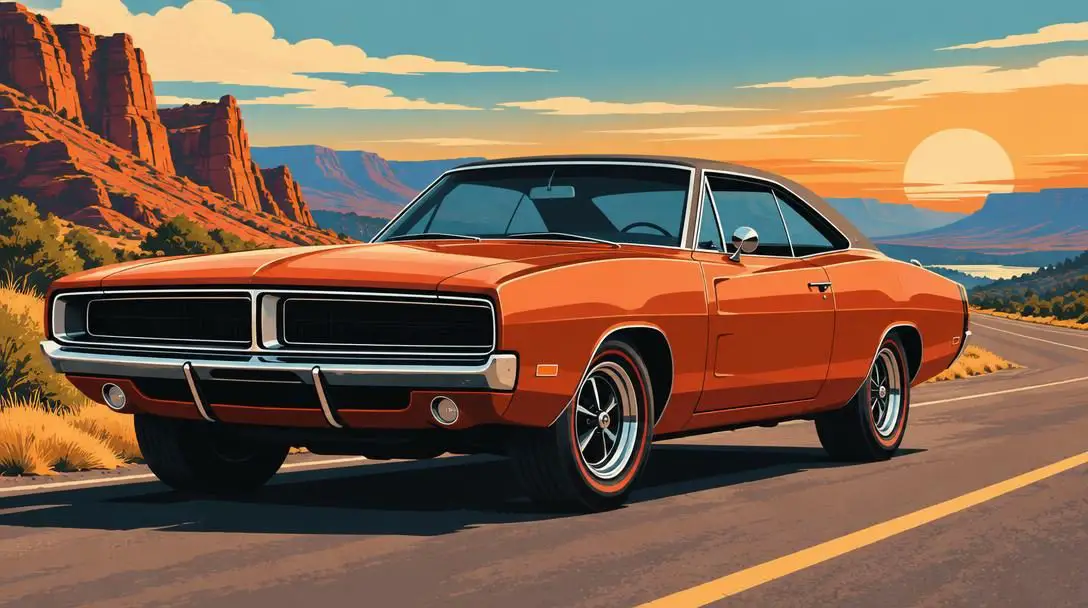
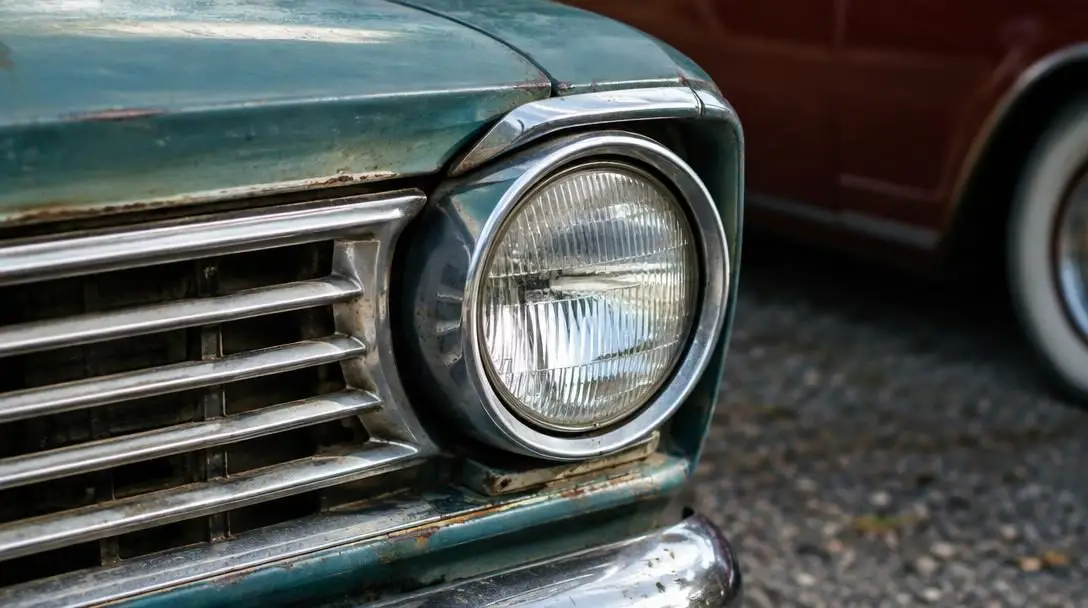
1969 Dodge Charger
- Market Position: Most sought-after classic car
- Cultural Legacy: Featured prominently in The Dukes of Hazzard
- Parts Availability: Robust aftermarket secondary market
The 1969 Dodge Charger represents one of the most recognizable silhouettes in American muscle car history. Renowned worldwide for its prominent role in major television and cinematic productions, most notably The Dukes of Hazzard, it holds the title of the most commonly sought-after classic car on the market. Despite intense sustained demand, the vehicle's widespread historical manufacturing run and dedicated community support ensure that mechanical components, structural patch panels, and trim elements remain readily accessible for collectors focused on practical maintenance and restoration.
1967 Ford Mustang
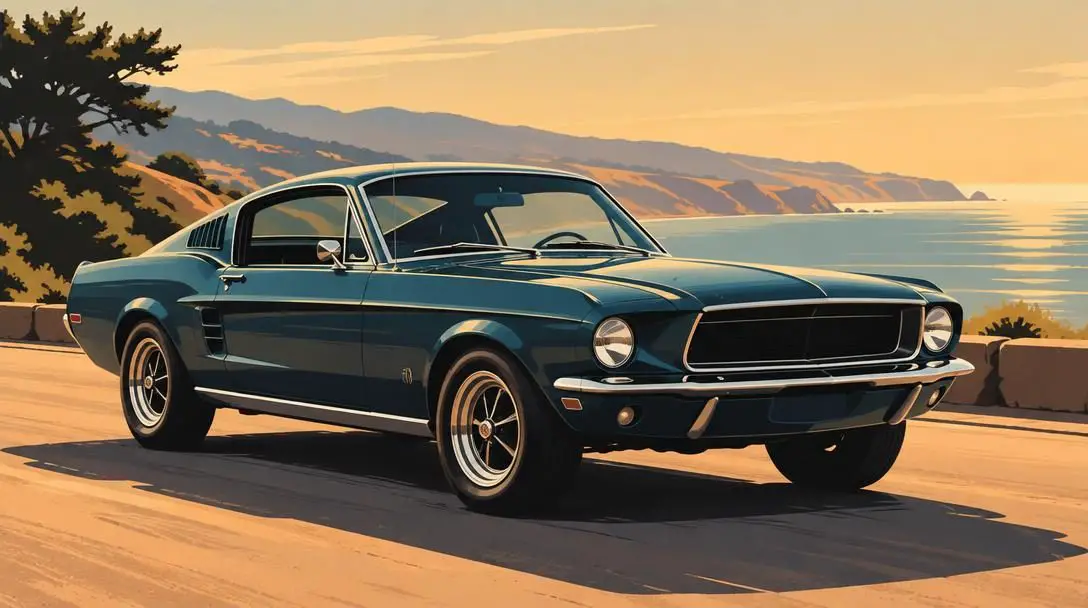
- Market Position: High-supply starter model
- Vehicle Category: Mass-produced pony car
- Restoration Feasibility: Abundant and affordable catalog parts
The 1967 Ford Mustang remains an absolute gold standard for entry-level collectors seeking classic styling without excessive financial exposure. Because Ford produced this model in enormous numbers, buyers can locate running, complete examples across virtually every regional market in the United States. The widespread availability of replacement components keeps mechanical repairs modest in cost, making it an exceptionally forgiving platform for novice collectors seeking to build mechanical skills while preserving their capital.
1969 Chevrolet Camaro
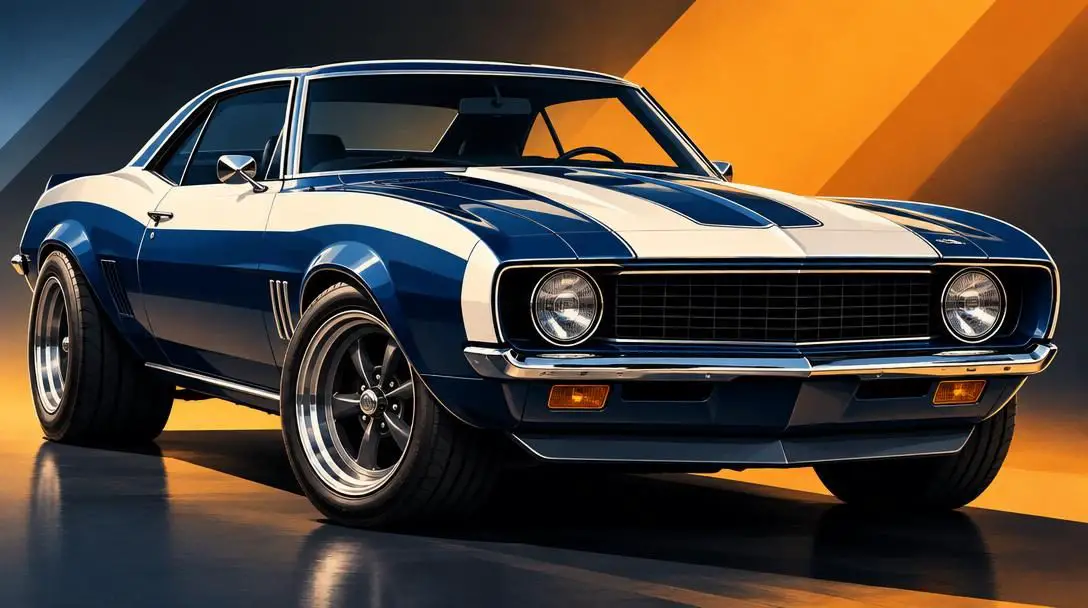
- Market Position: High-supply entry-level classic
- Vehicle Category: First-generation muscle car
- Component Sourcing: Widely supported by reproduction suppliers
As one of the pinnacle years of Chevrolet's celebrated first-generation pony car, the 1969 Chevrolet Camaro combines aggressive performance styling with practical, mass-market parts availability. Because these vehicles were produced in massive quantities and have enjoyed decades of dedicated enthusiast stewardship, practically every component—from suspension linkages to dashboard gauges—remains actively manufactured by secondary suppliers, preventing owners from experiencing costly restoration dead ends.
1957 Chevrolet Bel Air
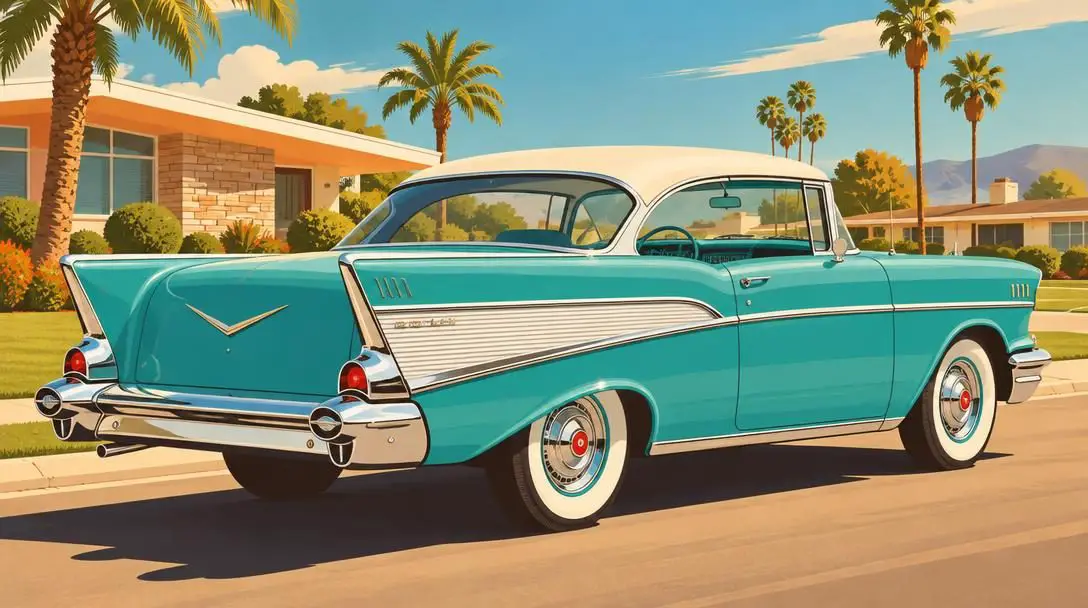
- Market Position: High-volume vintage cruiser
- Historical Era: Mid-century automotive icon
- Parts Availability: Vast secondary hardware and body supply
Representing mid-century automotive optimism, the 1957 Chevrolet Bel Air is celebrated for its distinctive tailfins and gleaming brightwork. While historical aesthetics might suggest an exclusive price point, the Bel Air was produced in immense numbers and meticulously preserved by generations of car lovers. This deep inventory makes it an accessible, stable entry vehicle for beginners who desire a definitive 1950s cruiser supported by an active ecosystem of affordable replacement hardware.
Key geographic hubs for locating cheap vintage rides
Where you look for a classic automobile matters just as much as what model you seek. Classic vehicles are distributed unevenly throughout the country, resulting in pronounced regional pricing disparities based on climate, concentration, and local car culture.
California stands as the premier destination for finding affordable classic vehicles. Due to decades of favorable weather and a dense car culture, classic automobiles appear parked in nearly every neighborhood garage across the state. Because vintage vehicles are so numerous on California roads, standard models are frequently priced exceptionally cheap compared to other regions. Unless it happens to be a rare rainy day in the state, buyers can regularly spot running classic rides on almost every street, creating a highly competitive seller environment that works to a budget buyer's advantage.
Beyond the West Coast, several other states offer rich inventories of classic automobiles:
- Florida: Warm, snow-free conditions preserve vintage sheet metal, providing an expansive marketplace filled with well-maintained, intact classic cars.
- Michigan: As the historical heartbeat of American automotive manufacturing, deep local roots mean classic models are frequently discovered in private garages, barns, and suburban neighborhoods.
- Pennsylvania: An active automotive enthusiast base and long-standing collecting traditions make this state a reliable hub for sourcing affordable vintage cars and trucks.
Step-by-step roadmap to buying a vintage car affordably
Securing an authentic classic vehicle without exceeding your personal budget demands a systematic, dispassionate evaluation process. Rather than acting on impulse, follow this clear, chronological roadmap to ensure your capital remains protected from initial search to final purchase.
- Target high-supply models: Restrict your search parameters to mass-produced models like the 1967 Ford Mustang, 1969 Chevrolet Camaro, 1957 Chevrolet Bel Air, or 1969 Dodge Charger to ensure low acquisition costs and wide parts availability.
- Focus on geographic clusters: Concentrate your active search within states that harbor dense vintage inventories—such as California, Florida, Michigan, and Pennsylvania—ensuring you can physically travel to examine the car.
- Enlist an experienced enthusiast: Bring along a seasoned classic car collector or vintage mechanic to inspect the vehicle in person, identifying structural red flags, non-original components, and hidden mechanical defects.
- Perform a meticulous parts audit: Conduct a comprehensive inventory of the vehicle's components. If evaluating an uncommon model, ensure all parts are present and functional; for common models, document every single item requiring replacement.
- Tally complete restoration and labor costs: Calculate the retail price of required replacement parts alongside realistic professional labor rates, comparing the final sum against the price of an already operational example.
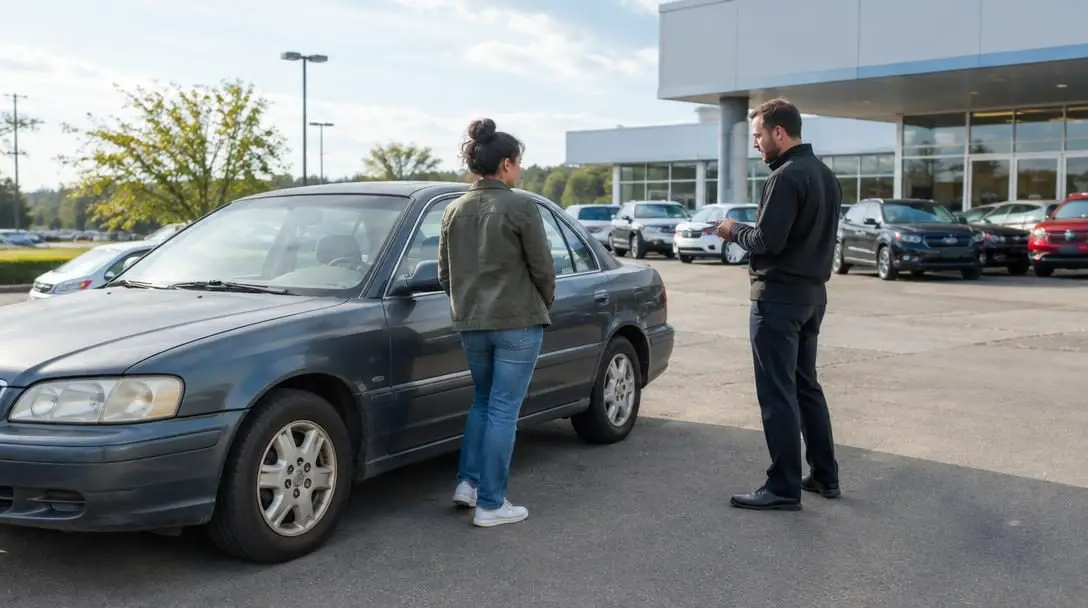
- Negotiate face-to-face: Present the documented component costs and mechanical deficiencies politely to the seller in person, using these real-world expenses as leverage to negotiate the asking price downward.
Common pitfalls that drain a beginner's budget
Novice collectors routinely fall into expensive traps that undermine their projects before the vehicle ever hits the pavement. Knowing what mistakes to avoid is just as crucial as knowing which vehicles to buy.
- Buying sight-unseen online: Remote purchases based on digital photographs carry enormous financial danger. Buyers frequently end up spending thousands more than planned to correct hidden structural flaws, or worse, receive an unroadworthy junker that extinguishes their enthusiasm entirely.
- Underestimating incomplete project cars: An inexpensive rolling chassis or bare body shell often looks like a bargain, but purchasing individual wiring harnesses, chrome trim, glass, and hardware piecemeal can cost significantly more than purchasing a turn-key operational vehicle.
- Choosing rare models with discontinued parts: Selecting an obscure model whose parts have not been produced for decades creates severe bottlenecks, turning simple mechanical issues into costly fabrication jobs.
- Shopping unaccompanied as a novice: Sellers easily identify unassisted beginners, making it simple for opportunistic sellers to gloss over serious mechanical flaws or demand inflated prices.
- Treating the listed price as non-negotiable: Classic car asking prices are rarely fixed. Failing to haggle in person leaves hundreds of dollars on the table that could otherwise fund ongoing maintenance and tools.
- Ignoring professional labor rates: Even when replacement components are inexpensive, paying professional mechanics and body technicians to install them can skyrocket total expenses, leaving you financially worse off than if you had simply bought a reliable used Honda Accord.
Long-term operational factors to consider
Before closing any transaction and trailering a classic home, budget buyers must realistically consider the ongoing demands of classic ownership. Long-term operational success depends heavily on vehicle purpose, secure storage, and active community participation.
First, evaluate your actual operational goals. If your objective is simply to enjoy weekend cruising, taking on an extensive project requiring a complete mechanical overhaul is economically counterproductive. In nearly every scenario, buying an operational, driving vehicle—even one sporting faded paint or minor cosmetic imperfections—is far cheaper than attempting to rebuild an unroadworthy basket case from the ground up.
Second, ensure you have allocated resources for dedicated storage. While classic metal thrives in arid, sunny regions like California and Florida, harsh weather, moisture, and seasonal road salt in northern climates will rapidly corrode vintage steel. Without access to dry, sheltered storage, your hard-earned investment can deteriorate quickly.
Finally, immerse yourself in local car culture. Attending regional club events, participating in weekend morning meetups, and establishing genuine relationships with experienced collectors in automotive hubs like Michigan and Pennsylvania will consistently unlock affordable parts leads, reliable mechanical advice, and early notices on deeply discounted vehicles.
Frequently asked questions
What is the cheapest way to start collecting classic cars?
The cheapest method is to purchase a common, mass-produced vehicle—such as a 1967 Ford Mustang or 1969 Chevrolet Camaro—in running condition, shopping locally and in person in high-supply states like California or Florida to negotiate the best price.
Why is buying a classic car online considered risky?
Buying remotely prevents you from conducting a thorough physical inspection. Buyers often discover hidden frame rot, non-functional running gear, or missing trim, resulting in thousands of dollars in surprise repairs that far exceed the car's true market value.
Which US states have the best deals on classic cars?
California is a prime location due to its dense garage population, abundant supply, and cheap prices. Florida, Michigan, and Pennsylvania are also prominent states with deep classic car inventories and active collecting communities.
Why should beginners avoid rare or obscure classic vehicles?
Rare models frequently feature components that have been out of production for decades. Without an active aftermarket supplying reproduction hardware, sourcing replacement parts becomes nearly impossible or prohibitively expensive.
Can you negotiate the asking price on a classic car?
Yes. Classic vehicle prices are rarely set in stone. By inspecting the automobile in person with an experienced collector and pointing out missing or damaged components, you can reliably negotiate hundreds of dollars off the initial asking price.
The bottom line
Entering the world of classic car ownership does not require limitless wealth or risky gambles. By concentrating on high-supply models, inspecting vehicles face-to-face in inventory-rich geographic markets, and enlisting the practical wisdom of seasoned enthusiasts, anyone can build a respectable, road-ready collection on a modest budget.