The World’s Most Expensive Classic Cars
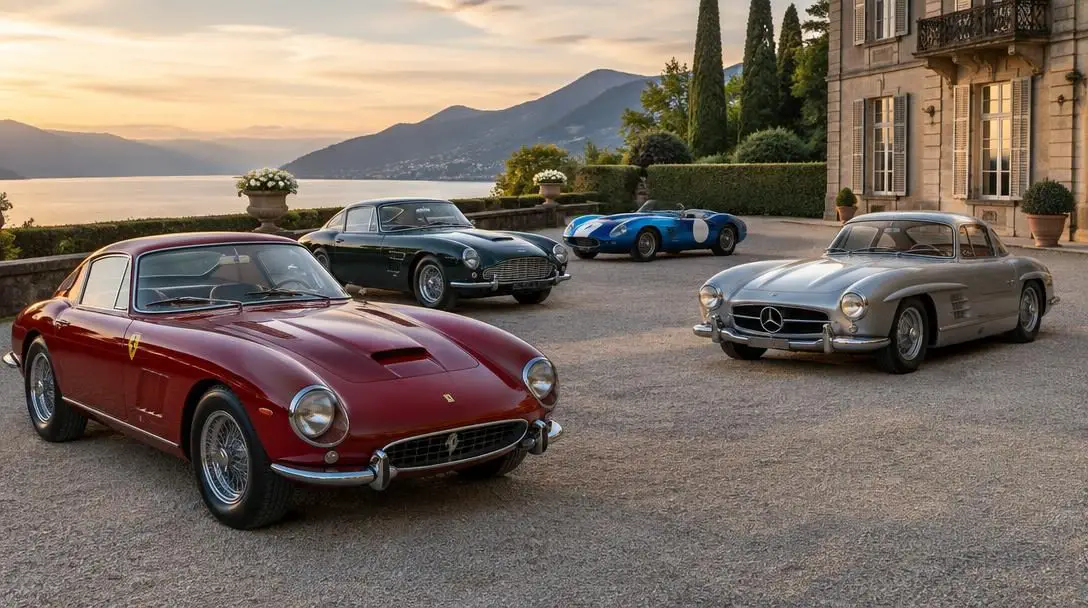
The collector car market occupies a rare space where historic racing engineering, coachbuilt artistry, and elite auction drama converge. While vintage automobiles can be found tucked away in rural barns or cruising small-town main streets across the globe, only a select tier of historically significant machines ever enters the eight- and nine-figure stratosphere. Whether preserved in immaculate original condition or meticulously restored after decades of hard-fought competition, these vehicles represent irreplaceable mechanical artifacts.
At the highest levels of competitive bidding, the market is overwhelmingly dominated by two storied European marques: Ferrari and Mercedes-Benz. Driven by storied racing icons and shaped by visionary engineers, these automobiles shattered valuation records when offered across premier auction blocks in the United States and Europe. The prices realized reflect not merely the cost of sheet metal and horsepower, but the enduring cultural and historic pedigree of the golden age of motorsport.
Key takeaways
- The 1955 Mercedes-Benz 300 SLR Uhlenhaut Coupe is the most expensive car ever sold at auction, commanding a record-breaking $142 million in May 2022.
- Ferrari and Mercedes-Benz hold an absolute monopoly over the highest-priced classic vehicle sales in global auction history.
- Documented competition provenance, such as victories in the Mille Miglia, Formula 1, and the Tour de France, serves as the primary catalyst for multi-million-dollar valuations.
- Extreme rarity drastically accelerates collector demand, with several record holders being limited to runs of only two or four chassis ever manufactured.
- Comprehensive authentication of chassis numbers, period mechanical components, and race logs is essential before any historic automobile can command top-tier pricing.
Record-breaking sales at a glance
Historic automobile auctions routinely adjust comparative transaction figures to account for inflation, providing a clearer view of how historic milestones stack up against contemporary records. The table below outlines the premier sales that set benchmark prices across major international auction platforms.
| Vehicle | Sale Date | Location | Hammer Price | Inflation-Adjusted Price |
|---|---|---|---|---|
| 1956 Ferrari 290 MM | Late 2015 | United States | Over $28 million | Over $32 million |
| 1954 Mercedes-Benz W196 | July 2013 | United Kingdom | Just under $30 million | $34.4 million |
| 1957 Ferrari 335 S | February 2016 | France | $35.7 million | Over $40.3 million |
| 1962 Ferrari 250 GTO (Tour de France) | August 2014 | Carmel, California | $38.1 million | Unspecified record tier |
| 1962 Ferrari 250 GTO (Italian GT) | August 2018 | California | $48.4 million | Unspecified record tier |
| 1955 Mercedes-Benz 300 SLR Uhlenhaut Coupe | May 2022 | Germany | $142 million | $142 million |
The five most expensive classic cars ever auctioned
Each machine occupying the summit of collector car auctions represents an exceptional confluence of low production volume, pioneering engineering, and celebrated competition history. These five historic sports and Grand Prix cars rewrote the record books when they crossed public auction rostrums.
1956 Ferrari 290 MM
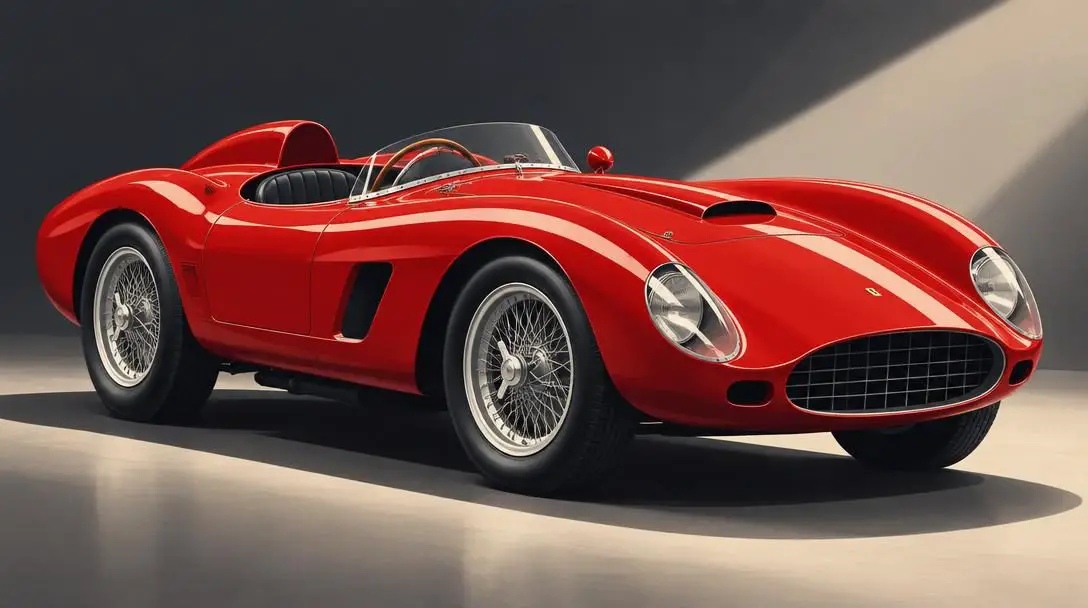
- Production Volume: 4 units ever built
- Key Race Victory: 1956 Mille Miglia
- Primary Driver: Manuel Fangio
- Realized Price: Over $28 million (over $32 million adjusted)
Constructed specifically for sports car competition, the 1956 Ferrari 290 MM was engineered to reclaim racing supremacy on the grueling open roads of Italy. Serving as the direct predecessor to the Ferrari 290 S, this factory-campaigned roadster gained immortal status when it secured victory at the 1956 Mille Miglia while being piloted by the revered driver Manuel Fangio. Overall, the factory manufactured only four examples of the 290 MM, endowing every surviving chassis with immense rarity.
Preserved in exceptional condition after decades of dedicated care, this vehicle crossed the auction block in late 2015. Bidding escalated rapidly before finishing at over $28 million, an amount equating to more than $32 million when adjusted for inflation. Acquired by an anonymous collector, the historic sports racer remains an untouchable treasure of mid-century motorsport unlikely to ever be seen navigating ordinary commuter traffic.
1954 Mercedes-Benz W196
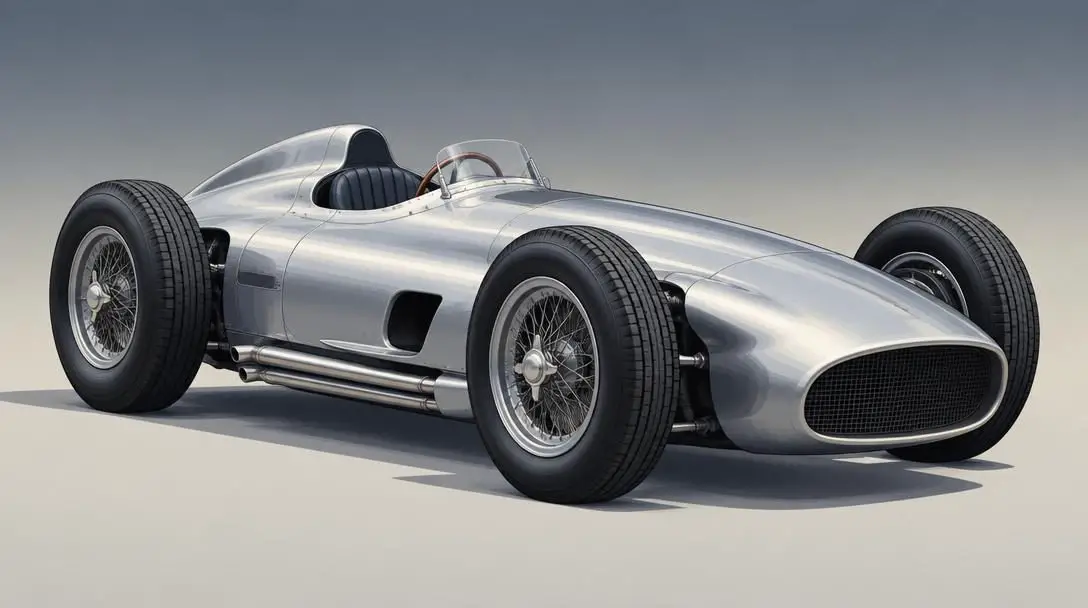
- Design Engineer: Rudolf Uhlenhaut
- Racing Record: 9 wins in 12 Formula 1 starts
- Sale Date: July 2013
- Realized Price: Just under $30 million ($34.4 million adjusted)
The 1954 Mercedes-Benz W196 marked the triumphant post-war return of the German marque to top-flight open-wheel racing. Masterminded by the celebrated engineer Rudolf Uhlenhaut, the streamlined machine dominated Grand Prix circuits across the 1954 and 1955 Formula 1 seasons. During this commanding campaign, the model captured first place in nine out of the 12 races it entered, cementing its reputation as one of the most mechanically dominant platforms in Grand Prix history.
When an authentic W196 arrived on the auction stage in the United Kingdom in July 2013, international excitement surged. Crucially, auction specialists had officially verified that this specific chassis was the genuine, original machine that had competed in Formula 1 contests. The final gavel fell at just under $30 million, which translated to $34.4 million after factoring in inflation, setting a world record for any automobile sold at public auction at that time.
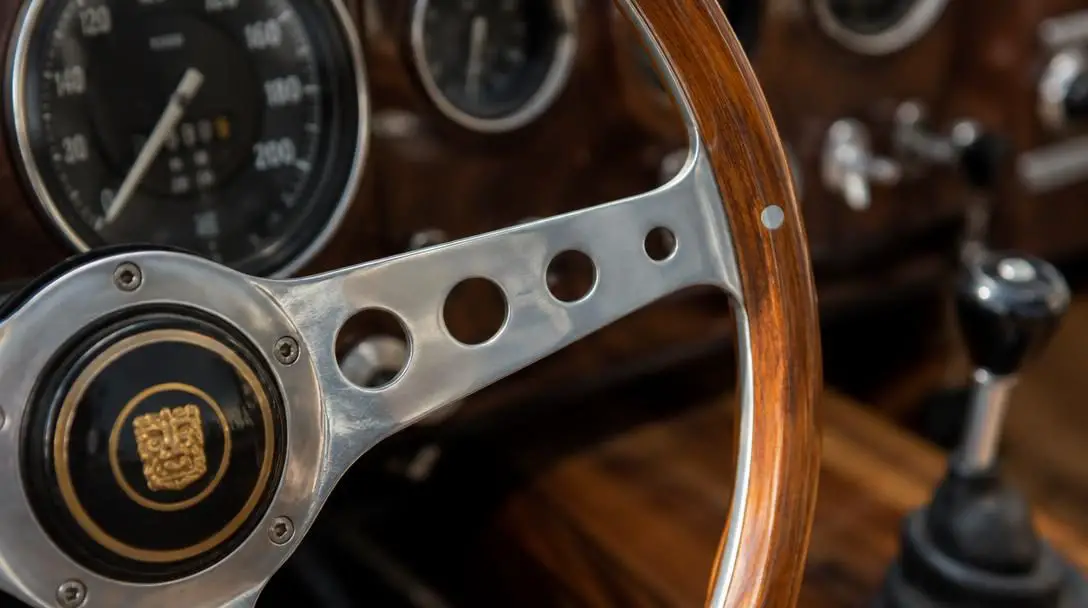
1957 Ferrari 335 S
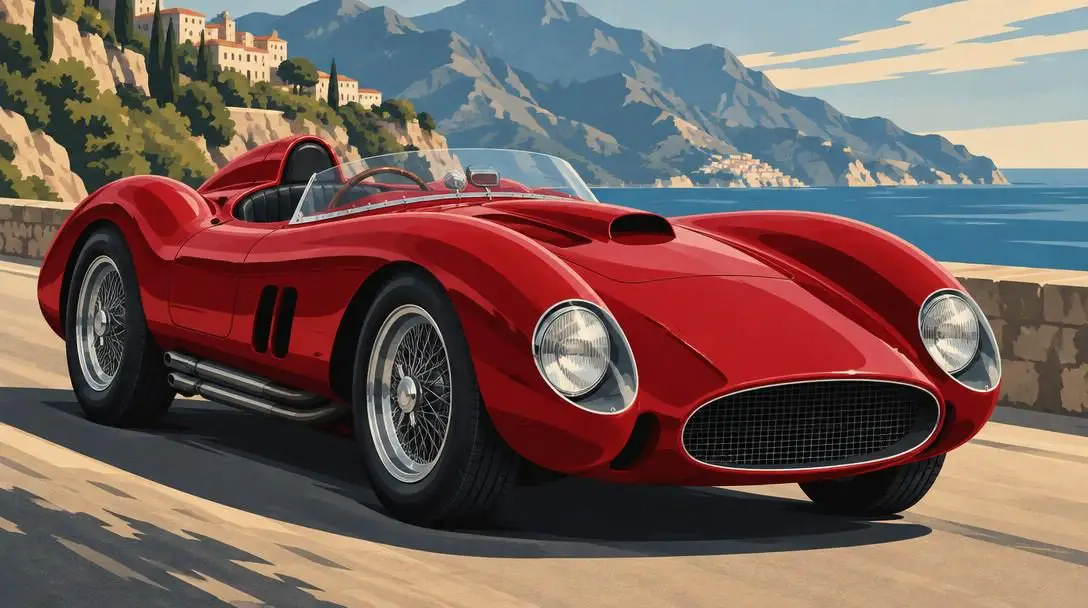
- Coachbuilder: Spider Scaglietti
- Notable Competition: 12 Hours of Sebring (6th place)
- Auction Location: France (February 15, 2016)
- Realized Price: $35.7 million (over $40.3 million adjusted)
Distinguished by its curvaceous Spider Scaglietti bodywork, the 1957 Ferrari 335 S stands as the sole entry among the highest-priced historic vehicles to be sold under the hammer in France. Engineered for high-speed endurance contests, this powerful front-engine racer was entered into the grueling 12 Hours of Sebring, where it was shared by co-drivers Peter Collins and Maurice Trintignant. The driving pair pushed the vehicle across the endurance line to secure a respectable sixth-place finish.
Although it did not take overall victory at Sebring, the model's magnificent Scaglietti styling and elite engineering heritage made it an irresistible proposition on February 15, 2016. High-stakes competition among prospective buyers concluded when an international bidder committed a winning offer of $35.7 million. Adjusted for inflation, that investment represents more than $40.3 million, reaffirming the enduring market appetite for V12 competition Ferraris.
1962 Ferrari 250 GTO
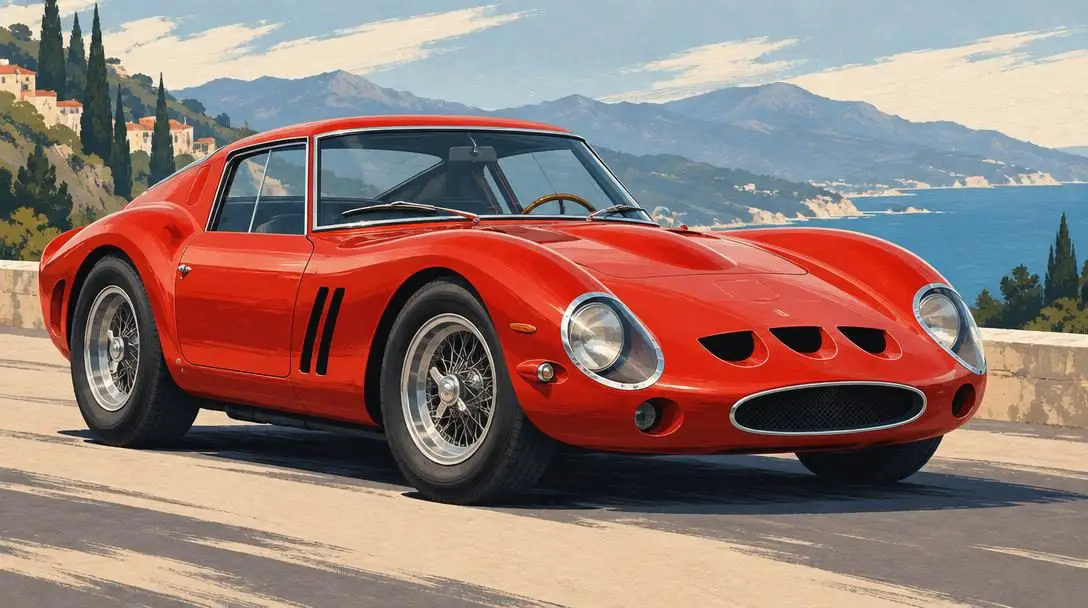
- Notable Owners: David MacNeil (founder of WeatherTech)
- Key Achievements: 1964 Tour de France; 1962 Italian GT Championship
- Auction Venues: Carmel and Monterey Peninsula, California
- Realized Prices: $38.1 million (2014) and $48.4 million (2018)
Widely considered the ultimate expression of vintage sports car design, the 1962 Ferrari 250 GTO held the auction record on two distinct occasions. In August 2014, auction house Bonhams presented an exceptional example in Carmel, California. Renowned for capturing the 1964 Tour de France automobile championship, the car traded hands among various private custodians over the decades before joining the collection of David MacNeil, who founded WeatherTech in Chicago during the late 1980s. That sale generated a benchmark hammer price of $38.1 million, making it the most expensive automobile ever publicly sold at that time.
Four years later, in August 2018, RM Sotheby's brought another 1962 Ferrari 250 GTO to auction in California. This particular machine carried an illustrious racing record that included victory in the 1962 Italian GT Championship. Bidding rapidly eclipsed all historic milestones, eventually closing at $48.4 million. By taking both the second and third rankings in historic sales lists, the 250 GTO solidified its reputation as the blue-chip asset of classic motoring.
1955 Mercedes-Benz 300 SLR Uhlenhaut Coupe
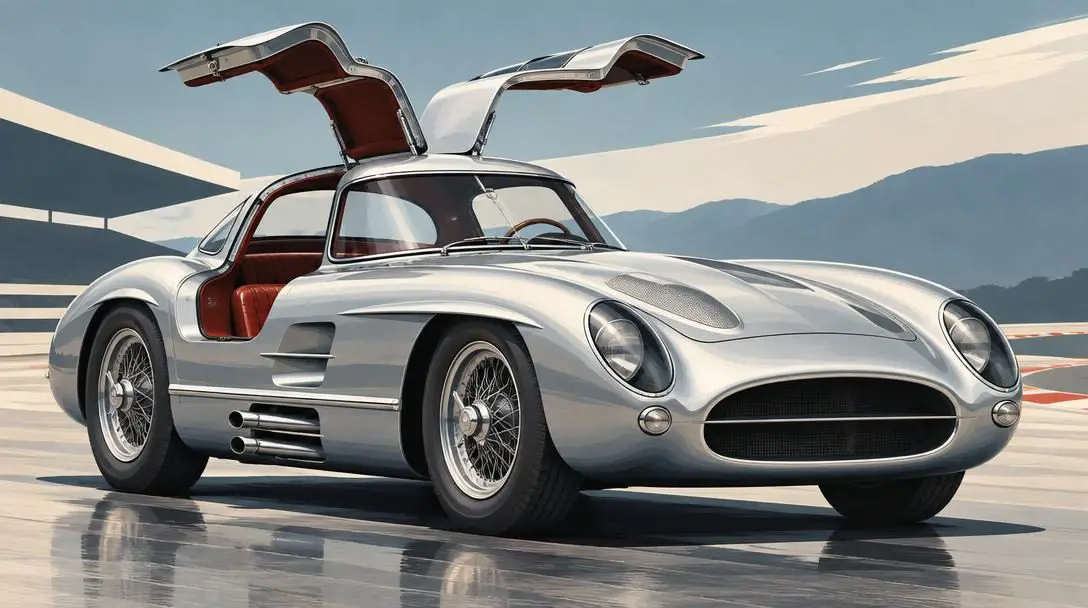
- Total Units Produced: 2 examples
- Lead Designer: Rudolf Uhlenhaut alongside Mercedes-Benz
- Sale Date: May 2022
- Realized Price: $142 million
After several years of market stability at the top end of the collector spectrum, a private auction held in May 2022 obliterated all existing valuation thresholds. The 1955 Mercedes-Benz 300 SLR Uhlenhaut Coupe realized an astonishing $142 million, nearly tripling the previous world record. The vehicle was conceived as a road-legal iteration of the fearsome W196 sports racer, developed by engineer Rudolf Uhlenhaut working directly alongside Mercedes-Benz.
The coupe's astronomical value stems in large part from its near-total scarcity, as only two prototypes were ever fabricated. Following the historic auction, the anonymous buyer agreed that this mechanical masterpiece would not remain entirely hidden from view. The coupe will be brought out on public display for designated special occasions and will continue to sit at the Mercedes-Benz Museum located in Stuttgart, Germany.
When an automobile combines low production numbers with verified Grand Prix or endurance triumphs, it ceases to be mere transportation and becomes an irreplaceable artifact of industrial art.
Understanding the forces behind classic car valuations
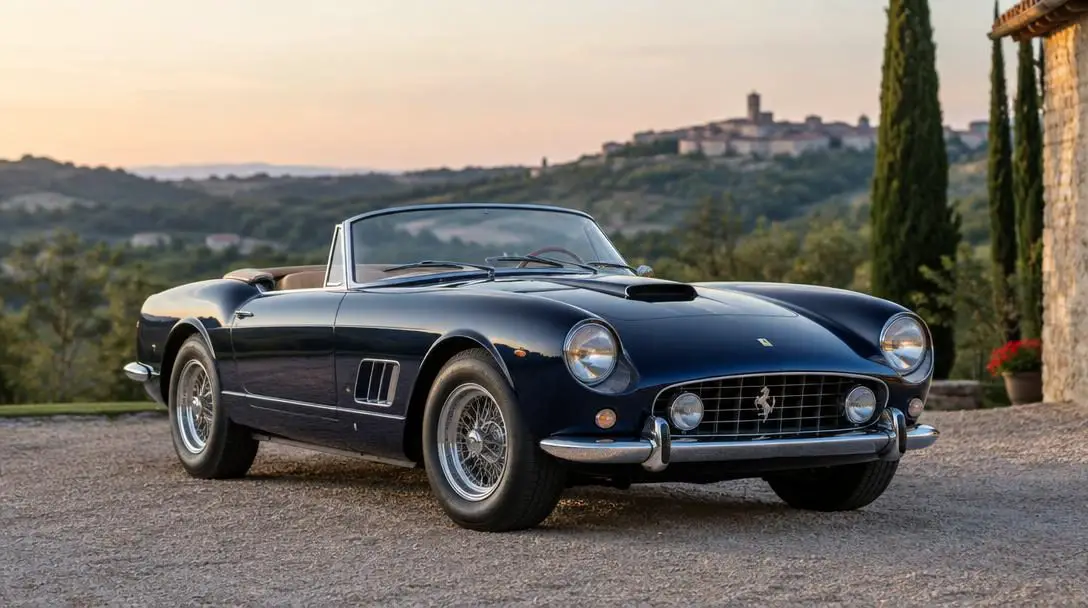
Classic cars occupy an intersection between industrial mechanical design, fine art, and celebrated sports memorabilia. For several decades following the birth of the motorcar, older models were viewed primarily as obsolete machinery. Over time, discerning enthusiasts recognized that specific post-war and pre-war vehicles represented engineering triumphs that could never be recreated under modern manufacturing constraints.
A vehicle's ascent into the multi-million-dollar bracket relies on a precise formula: manufacturer prestige, scarcity, and unbroken historical provenance. When a car has been steered by legendary drivers like Manuel Fangio, or has proved its mechanical endurance at venues like Sebring, the Mille Miglia, or the Formula 1 World Championship, it represents human achievement at the limit. Furthermore, styling houses such as Scaglietti turned functional aerodynamic racing shells into sculptures that captivate visual art collectors just as intensely as automotive enthusiasts.
How premier auction houses manage multi-million-dollar sales
Facilitating transactions at this tier requires specialized logistical and legal preparation. Premier auctioneers like Bonhams and RM Sotheby's oversee an exhaustive sequence of verification, promotion, and settlement steps to assure high-net-worth buyers of a lot's legitimacy.
- Rigorous Authentication: Specialists cross-reference chassis stampings, engine casting marks, gearbox serials, and period racing logs to guarantee the car is the exact original machine entered in historic events.
- Strategic Global Showcasing: High-value lots are toured across international automotive hubs, from prestigious gathering points in Carmel, California, to major luxury centers across the United Kingdom and France.
- Curated Bidding Environments: Auction houses vet participants in advance, managing fierce competition between floor bidders, telephone representatives, and confidential international buyers.
- Post-Sale Custody and Preservation: Following the completion of the sale, vehicles receive specialized transport and secure custody arrangements, with some entering world-class exhibition venues like the Mercedes-Benz Museum in Stuttgart.
Foundational steps for entering classic car collecting
While only an elite group can participate in eight-figure bidding battles, the fundamental principles of collector car acquisition apply across every valuation tier. Prospective collectors can navigate the marketplace effectively by adhering to an organized acquisition process.
- Establish a clearly defined collecting focus: Target a specific era, marque, or racing discipline, such as post-war European sports models or pre-war tourers, to build meaningful mechanical and historical expertise.
- Investigate historical significance and production volume: Research how many units the factory originally built, verify the original design engineers, and check whether the model participated in recognized motorsport championships.
- Conduct exhaustive condition and mechanical inspections: Evaluate whether a vehicle remains in pristine, original running order or requires extensive restoration, balancing the initial purchase price against potential restoration expenses.
- Analyze verified public auction transactions: Study realized historical hammer prices from reputable auction firms rather than relying on unverified asking prices to determine realistic market baselines.
- Secure climate-controlled storage and mechanical support: Arrange a secure, temperature-regulated facility alongside specialized technicians capable of maintaining delicate carburetors, cooling systems, and structural integrity.
Common pitfalls in the collector car market
Approaching vintage vehicles without adequate diligence can quickly compromise an investment. Both novice collectors and seasoned buyers must navigate distinct financial and mechanical risks when evaluating prospective acquisitions.
- Equating advanced age with financial value: High production volumes and unremarkable histories mean many vintage cars remain inexpensive, regardless of how many decades have passed since their construction.
- Underestimating complex restoration expenses: Bringing a neglected vehicle back to pristine condition frequently costs far more than anticipated, as tracking down period-correct hardware and paying for custom coachwork can easily exceed the finished vehicle's market worth.
- Purchasing vehicles with incomplete provenance: Lacking unbroken documentation, verified ownership trails, or matching component numbers leaves a vehicle vulnerable to authenticity disputes that permanently depress value.
- Failing to maintain proper climate-controlled storage: Leaving a classic vehicle exposed to humidity or extended dormancy causes mechanical decay, fluid breakdown, and metal degradation that erodes prior preservation investments.
Key considerations before buying or selling
Before entering the collector car market, prospective buyers and sellers should evaluate their long-term objectives across several practical dimensions:
Economic cycles and market timing exert a pronounced effect on collector capital. Marque popularity ebbs and flows, making it vital to study whether a particular era is experiencing aggressive appreciation or healthy stabilization. In addition, owners must establish whether their acquisition will be treated as an untouchable historical exhibition piece or driven regularly on public roads, where accidents and mechanical wear can risk irreplaceable historical integrity.
Finally, consider how the vehicle will be shared with the broader public. While some private custodians prefer strictly confidential garaging, others establish partnerships with automotive institutions, ensuring historic engineering triumphs remain visible to enthusiasts worldwide.
Frequently asked questions
What is the most expensive classic car ever sold at an auction?
The 1955 Mercedes-Benz 300 SLR Uhlenhaut Coupe holds the all-time record, having sold for $142 million at a private auction in May 2022. Designed by Rudolf Uhlenhaut, it is one of only two prototypes ever produced.
Why are 1962 Ferrari 250 GTOs valued so highly by collectors?
The Ferrari 250 GTO represents the pinnacle of dual-purpose sports car racing, combining celebrated aesthetic design with championships like the 1964 Tour de France and the 1962 Italian GT Championship. Two examples achieved record-setting public sales of $38.1 million in 2014 and $48.4 million in 2018.
How does racing provenance affect a classic car's auction price?
Documented participation or victory in premier historic races—such as the Mille Miglia, Formula 1 Grand Prix events, or the 12 Hours of Sebring—transforms a car into an irreplaceable historical artifact. Driven by legendary pilots like Manuel Fangio, these documented competition records command massive valuation premiums.
Where can the public view the record-breaking Mercedes-Benz 300 SLR Uhlenhaut Coupe?
Under an agreement reached with its anonymous buyer, the 1955 300 SLR Uhlenhaut Coupe will be made available for select public exhibitions and will continue to sit at the Mercedes-Benz Museum located in Stuttgart, Germany.
Can a car in poor condition still sell for a significant amount of money?
Yes. If a vehicle boasts extreme rarity, matching-numbers components, or an illustrious competition pedigree, collectors understand that skilled craftsmen can restore it to its former glory. The underlying historical chassis retains substantial value regardless of current cosmetic condition.
The bottom line
The world's most expensive classic cars showcase the extraordinary value placed on design purity, engineering innovation, and competitive motorsport triumph. Dominated by Ferrari's V12 endurance racers and the peerless Grand Prix platforms developed by Mercedes-Benz, this rarefied tier of the market demonstrates that true mechanical provenance stands the test of time. While astronomical hammer prices remain the exclusive domain of an elite few, the passion for preserving automotive heritage continues to inspire collectors and enthusiasts across every corner of the motoring world.