5 Fun Classroom Activities to Keep Students Engaged and Learning
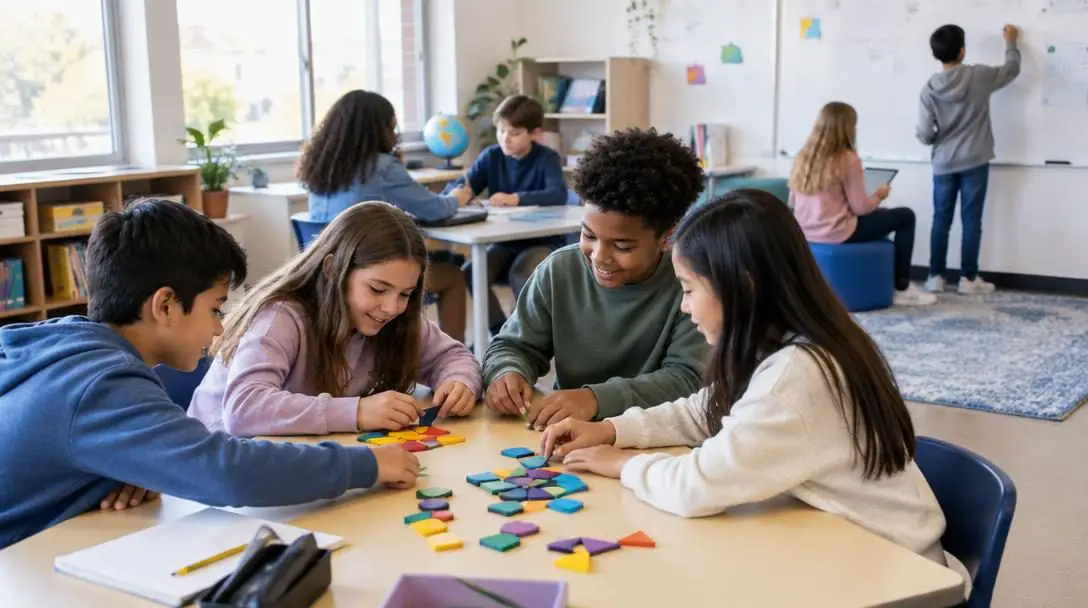
Traditional classroom instruction that relies solely on prolonged, teacher-led monologues often results in passive listening, shorter attention spans, and diminished retention. When students walk into a classroom facing the exact same lecture-heavy routine day after day, enthusiasm for the subject matter can drop quickly. Relying exclusively on one-way lectures restricts the opportunity for students to test ideas, engage in critical thinking, and build confidence through active communication.
Introducing a rich variety of instructional formats transforms the classroom into a dynamic learning community. By interweaving modern digital tools, collaborative team projects, physical movement, and creative artistic expression, teachers can design lessons that appeal to varied learning styles. Moving away from rigid, predictable routines encourages students to participate actively, take healthy intellectual risks, and take meaningful ownership of their academic progress.
Key takeaways
- Shifting away from continuous lecture formats boosts student attention, conceptual understanding, and subject enthusiasm.
- Integrating accessible technology like interactive whiteboards and live online quizzes turns passive observers into active participants.
- Collaborative team challenges and gamified problem-solving cultivate workplace-ready communication, negotiation, and critical thinking skills.
- Outdoor activities and artistic expression help break up physical restlessness while linking abstract ideas to tangible, real-world experiences.
The evolution from passive lectures to active learning
For generations, standard educational models placed the instructor at the absolute center of the classroom. The teacher served as the solitary distributor of facts, while rows of students sat quietly taking notes. While direct explanation remains useful for introducing new terminology or foundational principles, pedagogical research demonstrates that deep, enduring comprehension requires active student engagement. Learners do not truly internalize complex ideas merely by hearing them; they must synthesize, question, and apply what they hear.
Every classroom contains a wide range of learning styles and cognitive preferences. Some students absorb material most effectively when examining interactive digital diagrams, while others need peer dialogue to test their reasoning, or physical movement to relieve mental fatigue. Cycling through varied instructional strategies ensures that no single segment of the student population is left behind. When the learning environment invites students to manipulate concepts, work through trial and error, and articulate their thoughts, academic growth naturally accelerates.
Moving away from purely passive routines allows teachers to nurture curious, motivated learners who are excited to take ownership of their educational journey.
Comparing the five active learning strategies
Each of the five core engagement techniques offers distinct pedagogical strengths and addresses different learning needs. The following table provides an overview of how these methods function across essential classroom dimensions.
| Activity | Primary Format | Core Skill Developed | Suggested Application |
|---|---|---|---|
| Incorporate Technology | Interactive digital media | Digital literacy and content mastery | Interactive whiteboards, live quizzes, and digital student projects |
| Gamify Learning | Puzzles, quests, and scenarios | Problem-solving and strategic thinking | Role-playing historical or scientific dilemmas and team quests |
| Divide into Teams | Small-group peer collaboration | Communication, compromise, and public speaking | Group presentations and collective problem-solving tasks |
| Go Outside | Nature-based or open-air movement | Observational inquiry and kinetic focus | Field walks, playground learning games, and shadow or plant tracking |
| Get Creative | Visual arts and narrative writing | Conceptual synthesis and personal expression | Story writing and thematic illustration based on lesson topics |
Five engaging classroom activities to boost learning
Rethinking lesson structures does not require an overwhelming curriculum overhaul. Implementing targeted, structured activities can revitalize everyday classroom sessions and restore active curiosity across grade levels.
Incorporate Technology
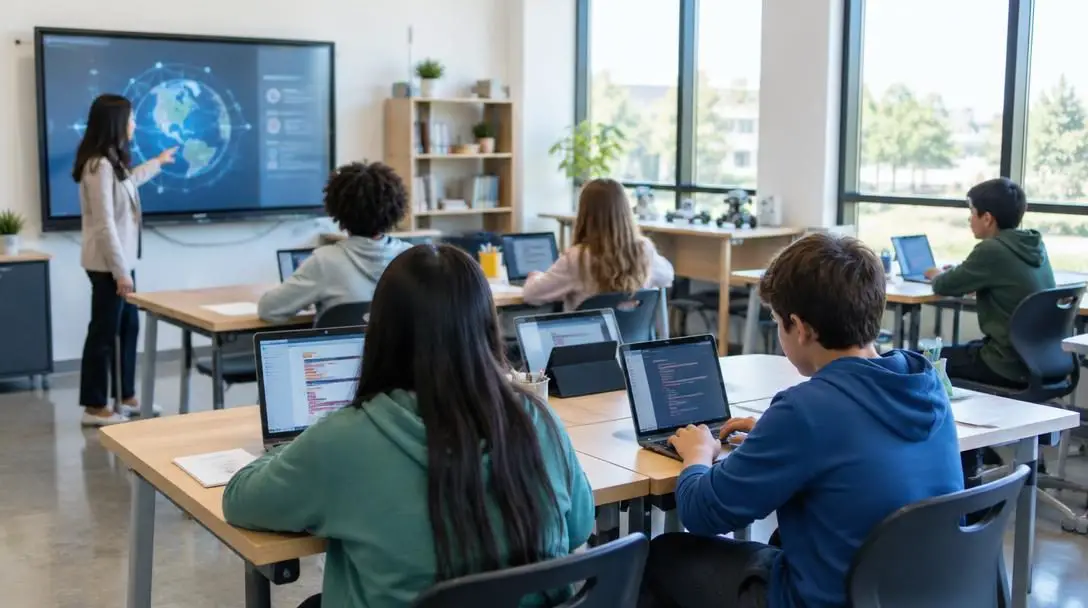
Bringing digital resources into daily lesson plans does not have to feel intimidating or overwhelming. Modern educational technology offers straightforward tools that make routine lessons far more dynamic. Interactive whiteboards allow educators to illustrate complex systems, pull in dynamic media demonstrations, annotate live diagrams, and invite students directly to the screen to solve equations or categorize concepts.
Similarly, live online quizzes convert standard knowledge evaluations into lively, low-stakes activities. These interactive digital platforms provide immediate diagnostic feedback to both teachers and students, highlighting areas of confusion before bad habits or misunderstandings settle in. Beyond answering teacher-generated prompts, allowing students to design their own tech-based presentations or multimedia reports encourages them to transition from passive consumers of media into capable, thoughtful creators.
Gamify Learning
Gamification taps directly into the natural human impulse to explore narratives, tackle challenges, and achieve milestones. Introducing game elements does not mean abandoning rigorous academic standards; rather, it provides a compelling framework that keeps students intensely focused on specific learning outcomes. Structuring assignments as role-playing scenarios enables learners to step into the shoes of community leaders, historical figures, or scientific investigators examining a critical dilemma.
When participating in team-based challenges, students work through riddles, unlock clues, and combine their collective insights to solve multi-layered problems. This competitive or cooperative game environment creates strong intrinsic motivation. Because the mechanics demand active deduction rather than passive recall, students test their working knowledge in real-time simulations, discovering firsthand how academic concepts function under pressure.
Divide into Teams
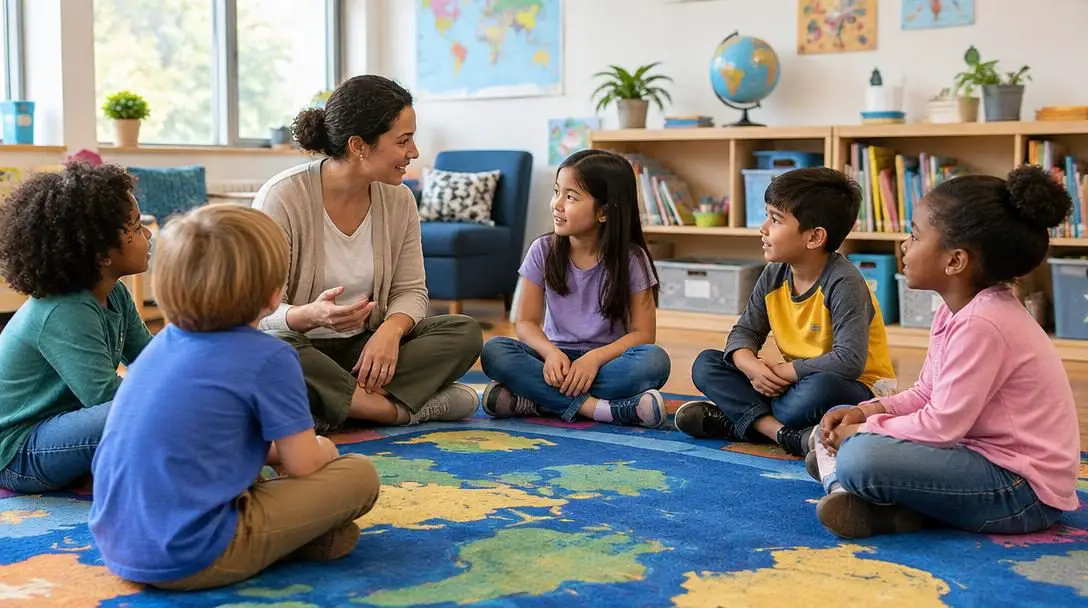
Splitting a classroom into small working groups shifts the educational dynamic from individual competition to collaborative achievement. When students tackle group tasks, they develop crucial social and professional competencies, including active communication, negotiation, critical thinking, creative compromise, and shared problem-solving. These cooperative capabilities mirror the exact team-oriented demands of modern workplace environments.
To maximize productivity, instructors should present each team with a clearly defined prompt or scenario related to the current unit of study. The group then analyzes the problem, evaluates different approaches, and formulates a shared solution. Having teams present their findings to the rest of the class reinforces public speaking skills and deepens conceptual mastery, as explaining an idea to peers is one of the most effective ways to solidify personal understanding.
Go Outside
Classrooms can easily become stuffy, sedentary environments where physical restlessness drains mental sharpness. Bringing lessons outdoors offers a refreshing change of scenery and provides students with an energizing mental break from sitting at a desk. Whether utilizing the school playground for a targeted review relay or taking a short nature walk around the campus grounds, outdoor education connects textbook theory with the tangible world.
The outdoor environment functions as a dynamic, living laboratory. Students can observe botanical growth cycles, collect soil or leaf samples, map out geometric shadows across open pavement, or participate in structured kinetic learning games. This physical movement stimulates blood flow and mental clarity, helping students return to the indoor classroom refreshed, grounded, and better equipped to concentrate on subsequent analytical tasks.
Get Creative
Encouraging students to express their understanding through artistic mediums unlocks cognitive pathways that traditional worksheets rarely access. Providing time during lessons for students to draw illustrations, design conceptual diagrams, or compose original stories centered on the lesson content promotes deeper processing of abstract ideas. When asked to visualize an event or build a narrative around a principle, learners must synthesize factual material into a coherent creative structure.
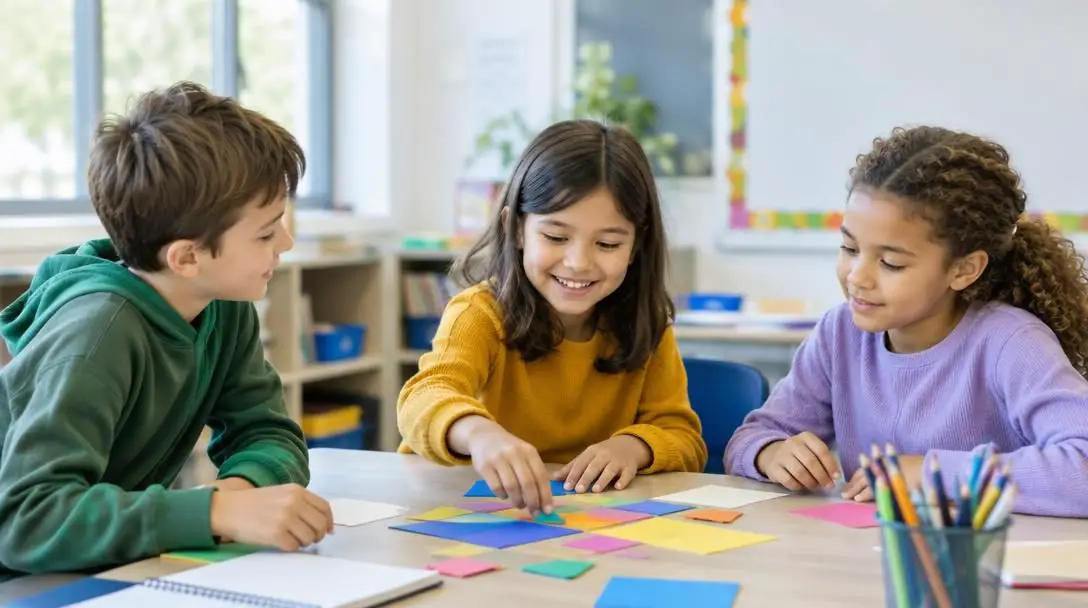
This creative translation provides teachers with valuable, authentic insight into how students personally conceptualize the subject matter. A student's narrative or sketch often highlights unique connections, creative interpretations, or subtle misconceptions that standard multiple-choice quizzes fail to capture. Allowing creative freedom also empowers students who may struggle with formal testing to demonstrate their true grasp of the curriculum.
Step-by-step implementation guide
Transitioning toward an interactive teaching model works best through disciplined, deliberate planning. Rather than attempting to introduce every new format simultaneously, educators can follow this structured sequence to roll out active learning activities effectively.
- Establish clear learning goals: Identify the specific curriculum standard or analytical skill the lesson must achieve before selecting an activity.
- Select one targeted activity: Choose a single approach—such as an interactive whiteboard session, a cooperative team prompt, or a nature walk—to pilot with the class.
- Gather and test resources: Assemble all necessary digital tools, student devices, game cards, or art supplies in advance to eliminate classroom downtime.
- Outline behavioural rules and timeframes: Communicate strict behavioral boundaries, collaboration expectations, and specific time limits prior to initiating the exercise.
- Assign balanced student roles: When organizing group tasks, assign concrete individual responsibilities to ensure accountability and equitable participation.
- Facilitate through active observation: Move continuously throughout the learning space to provide hints, clarify instructions, and redirect off-task behavior.
- Conclude with structured debriefing: Dedicate the final five to ten minutes of the period to reviewing student solutions, evaluating key ideas, and summarizing learning outcomes.
Common pitfalls and how to avoid them
While dynamic classroom techniques significantly enhance student participation, unstructured execution can lead to wasted instructional time and student confusion. Keeping common implementation pitfalls in mind ensures lessons remain rigorous and productive:
- Disconnecting activities from academic outcomes: An exercise that provides entertainment without reinforcing core curricular objectives wastes valuable instructional time and leaves students confused about key takeaways.
- Failing to test technical tools: Relying on digital quizzes or smart displays without verifying connectivity and device compatibility beforehand can derail lesson pacing.
- Ignoring small-group dynamics: Without assigned roles, vocal students can dominate group conversations while quieter peers disengage from the collaborative problem-solving process.
- Underestimating physical transition windows: Moving students outdoors or rearranging desks for teamwork requires careful staging; otherwise, logistics can consume the majority of the period.
- Vague creative guidelines: Artistic assignments without defined academic criteria can cause students to produce aesthetically pleasing work that misses the core educational concept entirely.
- Over-emphasizing game competition: If gamification turns into an intense rivalry rather than a collaborative challenge, the focus shifts away from shared learning and problem-solving.
- Omitting the closing debrief: Skipping the final reflection phase prevents students from solidifying the main insights and conceptual links uncovered during the activity.
Refining and combining methods for long-term engagement
After successfully integrating these five active learning strategies, instructors can combine formats to build richer, multi-phase units. For example, an exploratory outdoor nature walk can provide original observational data that student groups subsequently analyze using interactive whiteboard software. Similarly, a historical role-playing scenario can culminate in an illustrated story or collaborative team presentation shared with the entire school community.
Soliciting continuous feedback directly from students also offers valuable perspective on which activities yield the greatest comprehension and confidence. Asking learners which formats helped them understand tough principles or made them feel comfortable participating ensures that instructional planning stays attuned to real student needs. Iterating on these activities over time builds an adaptable, highly motivating classroom culture where curiosity and academic achievement thrive side by side.
Frequently asked questions
Why are traditional lecture-style lessons becoming less effective on their own?
Relying exclusively on prolonged teacher-led monologues places students in a passive role, leading to shortened attention spans, boredom, and lower long-term information retention. Without active participation, students miss the chance to test theories, discuss nuances, and synthesize ideas in their own words.
How can educators use classroom technology without feeling overwhelmed?
Teachers can start with accessible, user-friendly tools such as interactive whiteboards for annotating visual media and online quiz platforms for live knowledge checks. Testing these tools ahead of class and incorporating them gradually into routine lessons keeps the experience manageable and productive.
What workplace-relevant skills do students build during team activities?
Dividing students into collaborative teams builds critical interpersonal abilities, including verbal communication, compromise, creative problem-solving, task delegation, and public presentation skills—all of which are essential competencies for professional success.
What are the cognitive benefits of taking classroom lessons outside?
Outdoor instruction provides fresh air, relieves the physical restlessness caused by long periods of sitting, and sharpens mental focus. It also allows students to treat the surrounding environment as an active laboratory where they can observe real-world phenomena directly.
How does creative expression like drawing or storytelling help with academic concepts?
Translating academic theories into drawings or creative stories forces students to process and re-structure abstract information in meaningful ways. This exercise reveals novel conceptual connections and gives teachers clear diagnostic insight into how each student understands the material.
The bottom line
Moving away from repetitive lecture routines in favor of active, multifaceted learning changes how students relate to education. By deliberately weaving technology, gamified problem-solving, collaborative teamwork, outdoor exploration, and creative expression into daily plans, educators cultivate an environment where critical thinking flourishes. These purposeful techniques do not merely make the classroom more fun—they build the communication skills, intellectual independence, and subject mastery that students need for enduring academic success.