5 Fundamentals of Cooking Steak
Many home cooks know the sinking disappointment of bringing home attractive steaks on sale, eagerly anticipating a restaurant-quality meal, only to chew through a piece of meat that is tough, dry, and lacking in savory depth. Preparing beef to perfection is never an accidental stroke of luck. It depends on understanding the fundamental physical and culinary principles that dictate how muscle fibers, connective tissue, and internal fats respond to intense heat.
Cooking beef is an exercise in heat management and biological chemistry: balancing the contraction of protein fibers, the rendering of internal fat stores, and the surface reactions responsible for a deep, caramelized crust. While professional chefs make the searing process look effortless, home cooks routinely fall victim to a handful of recurring errors, including choosing bargain cuts for high-heat methods, trimming away vital fat, mismanaging pan temperatures, and overcooking the center. Mastering the craft requires strict attention to five core fundamentals: cut selection, cattle breed and marbling, cooking technique, target doneness, and seasoning strategy.
Key takeaways
- Selecting top-tier cuts like the ribeye and fillet guarantees tenderness, while inexpensive, tough cuts must be reserved for low-and-slow crockpot cooking.
- Breeds such as Angus offer dense intramuscular marbling that melts under heat to tenderize the muscle fibers and distribute savory juices.
- Steaks must be cooked over medium-high heat with a high-smoke fat blend—such as butter combined with oil or rendered bacon fat—and flipped only once.
- High-quality beef showcases peak moisture and tenderness between blue rare and medium rare, whereas cooking past medium results in tough, flavorless meat.
Fundamental 1: Selecting the Right Cut of Beef
To produce an exceptional meal, you must begin with a superior foundation. An inexpensive, low-grade cut of beef simply lacks the structural tenderness and fat content necessary to yield a succulent dinner, regardless of how meticulously you time the sear. When selecting meat for high-heat pan frying or grilling, cuts are divided into distinct tiers of quality, texture, and expense.
Ribeye
- Quality Tier: Premium top choice
- Ideal Cooking Environment: Indoor stovetop frying pan
- Price Point: Highest tier
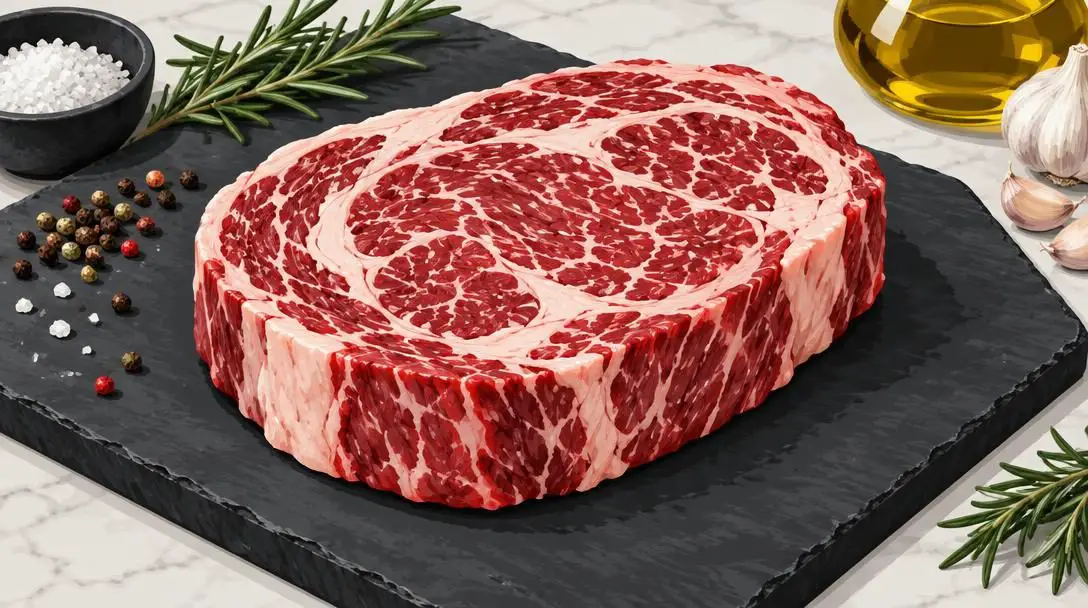
The ribeye stands at the absolute pinnacle of beef cuts. Renowned for its rich flavor and generous pockets of internal fat, this cut provides unmatched tenderness when cooked quickly over high heat. The deep, beefy profile of a ribeye emerges as its heavy internal marbling renders directly into the surrounding muscle meat, making it an ideal candidate for stovetop frying pans.
Fillet
- Quality Tier: Premium top choice
- Ideal Cooking Environment: Indoor stovetop frying pan
- Price Point: Highest tier
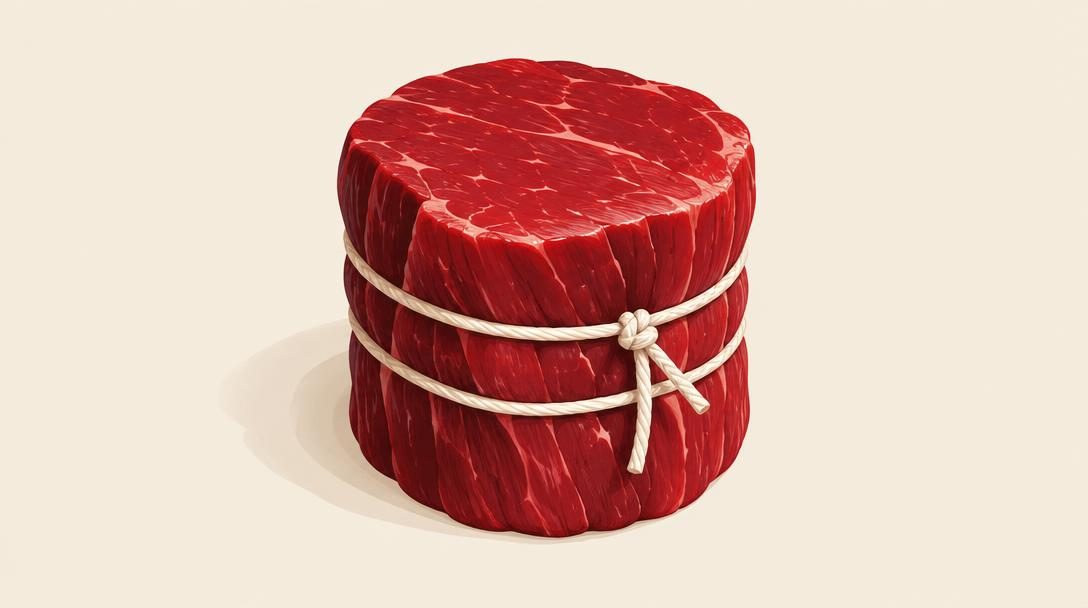
Matching the ribeye at the top of the butcher counter, the fillet is celebrated for having the most tender texture of any muscle on the animal. Because it contains less surface fat and connective gristle than other cuts, it creates an exceptionally smooth, melt-in-the-mouth dining experience. Like the ribeye, its superior culinary qualities place it among the most expensive cuts available, and it performs best in an indoor frying pan where its delicate structure is protected.
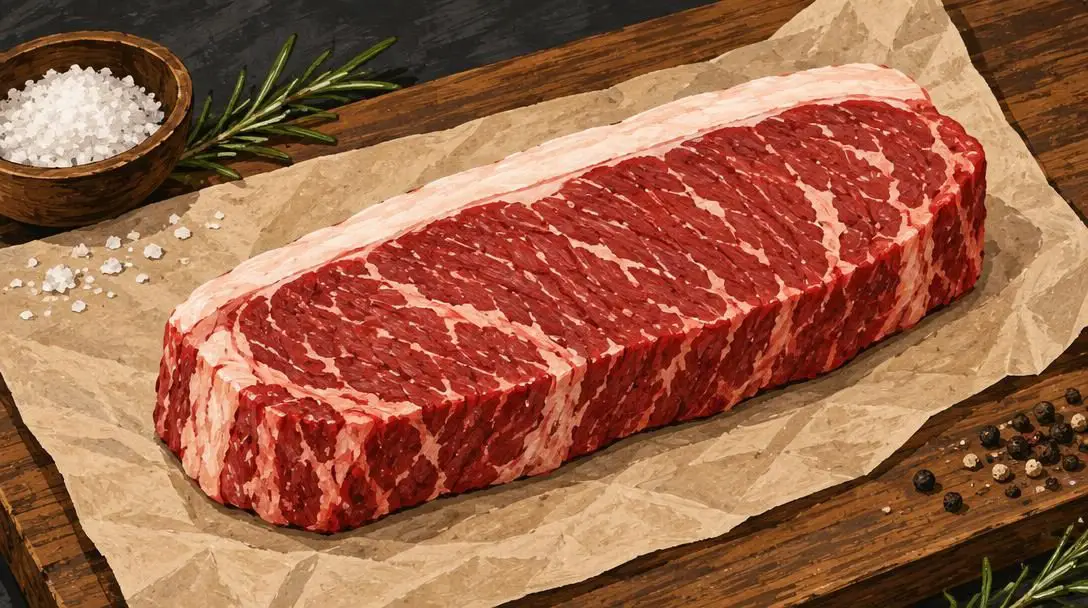
New York Strip
- Quality Tier: Accessible secondary tier
- Ideal Cooking Environment: Outdoor grill grates
- Price Point: Moderate
The New York strip serves as a fantastic, slightly more accessible alternative to top-tier fillets and ribeyes. It delivers a robust, concentrated beef flavor and thrives especially well when cooked over the open grates of an outdoor grill. However, buying a New York strip requires a watchful eye at the butcher counter. If the butcher fails to cut the strip properly across the grain of the muscle, the cooked meat can turn out surprisingly tough, stringy, and lacking in flavor.
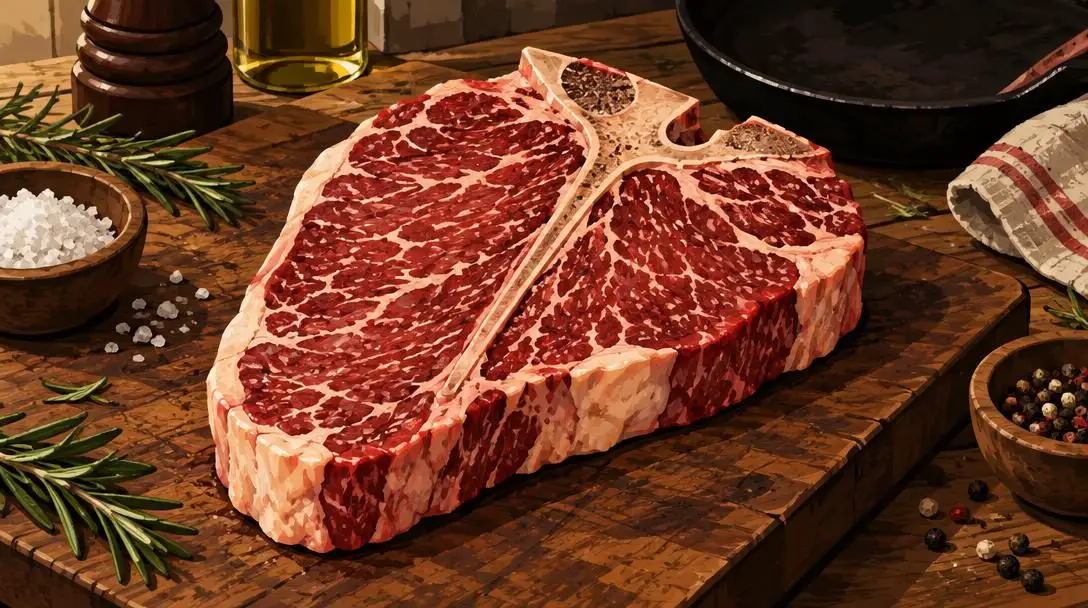
T-Bone
- Quality Tier: Accessible secondary tier
- Ideal Cooking Environment: Direct-heat grilling or searing
- Price Point: Moderate
The T-bone represents another outstanding secondary cut that balances premium eating qualities with greater affordability. Characterized by its signature bone separating two distinct sections of meat, the T-bone delivers substantial flavor and satisfying tenderness. It provides a reliable middle ground for cooks who want high-end flavor without paying the premium prices commanded by standalone fillets or ribeyes.
| Cut Name | Quality Tier | Best Cooking Environment | Primary Characteristics |
|---|---|---|---|
| Ribeye | Top Tier | Stovetop Frying Pan | Heavy marbling, deep savory flavor, unmatched tenderness |
| Fillet | Top Tier | Stovetop Frying Pan | Lean profile, extremely tender texture, highest price point |
| New York Strip | Secondary Tier | Outdoor Grill | Robust flavor; must be cut across the grain to avoid toughness |
| T-Bone | Secondary Tier | Direct-Heat Grilling or Searing | Excellent balance of tenderness, flavor, and moderate cost |
Budget-friendly cuts certainly have a place in the culinary world, but they are fundamentally unsuited for fast, dry-heat cooking. Attempting to cook an inexpensive, lean, or gristly piece of meat in a frying pan using the same approach as a ribeye will inevitably yield a jaw-tiring, leathery meal. Inexpensive varieties require low, moist heat over many hours in a crockpot to break down their fibrous structure.
Fundamental 2: Animal Breed and the Value of Marbling
The genetic heritage of the cattle plays an immense role in how a finished steak performs on the palate. Selecting specific breeds known for superior meat quality, such as Angus beef, provides an immediate advantage in the kitchen. If you prepare an Angus ribeye alongside a standard, non-Angus ribeye using identical heat and timing, the Angus cut will consistently display a noticeably richer, deeper flavor profile.
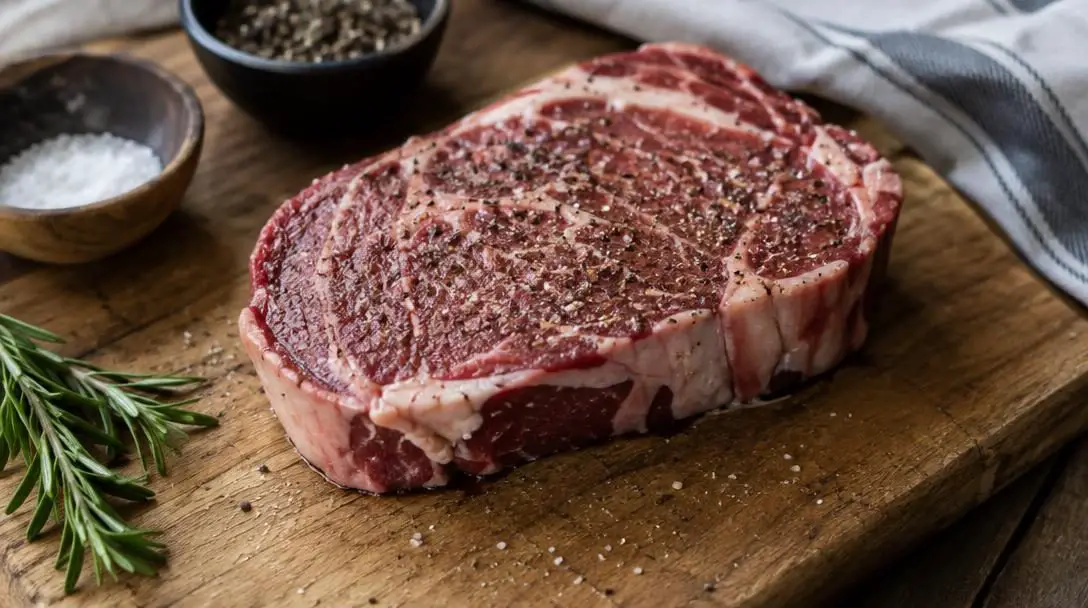
The primary driver behind this flavor difference is marbling, the fine network of white flecks of intramuscular fat running throughout the lean red meat. Angus cattle naturally develop significantly higher concentrations of marbling than most other breeds. Unfortunately, many misinformed consumers view this fat as waste, frequently asking butchers to trim off every trace of visible fat before taking the meat home. Stripping away natural fat deposits is among the most damaging mistakes a cook can make with any piece of beef, especially economical selections.
Intramuscular marbling performs two indispensable functions while the steak cooks:
- Natural Tenderization: As heat travels through the steak, the intramuscular fat melts directly into the tight muscle bundles. This internal rendering softens the protein fibers, lubricating the meat from within and preventing it from drying out into tough strands.
- Flavor Distribution: Fat serves as the primary reservoir for beef flavor compounds. As the marbling liquefies under heat, it bathes the surrounding muscle tissue in savory juices, generating the juicy, decadent mouthfeel that defines high-grade steak.
Fundamental 3: Cooking Technique and Heat Management
The method you use to cook your steak has a far greater impact on the finished flavor than any spice blend you might apply.
Even the finest cut of well-marbled Angus beef will fail if your mechanical execution in the kitchen is flawed. High-end steak preparation demands unwavering attention; you cannot leave the stove unattended to set the table or chop side dishes. A distraction of just sixty seconds can mean the difference between a juicy, caramelized steak and a dry, overcooked piece of meat.
Different steaks naturally thrive in specific cooking environments. While the New York strip excels over the dry, direct flame of outdoor grill grates, high-end cuts like the ribeye and fillet yield spectacular, restaurant-level results when prepared indoors in a heavy frying pan. Regardless of which cooking vehicle you choose, your heat source must always be set to medium-high heat.
When pan-frying, your choice of cooking fat dictates whether your crust develops properly or scorches into bitterness. Butter offers incredible richness, but cooking with pure butter alone over medium-high heat is a mistake because its milk solids burn quickly at high temperatures. Instead, use one of two tested fat strategies:
- The Butter-Oil Blend: Combine half a tablespoon of butter with half a tablespoon of cooking oil. The oil raises the smoking threshold, allowing you to capture the creamy flavor of butter without charring the bottom of the pan.
- Rendered Bacon Fat: Add a single tablespoon of rendered bacon fat to the skillet. Bacon fat tolerates high heat remarkably well while imparting an extra layer of savory depth to the beef crust.
Once the steak is in the sizzling pan, adhere strictly to the single-flip rule. Turning meat repeatedly prevents the surface from maintaining continuous contact with the pan, disrupting the formation of a deep crust. Let the steak cook undisturbed on its first side until a rich, dark crust takes hold, then flip it exactly once to finish cooking.
Fundamental 4: Determining the Proper Level of Doneness
Cooking temperature and internal doneness dictate the moisture content, elasticity, and savoriness of beef. Muscle fibers contract and expel water as internal heat climbs. As a fundamental culinary rule, any quality steak cooked past medium will lose its natural juices, discard its delicate flavor, and become noticeably tough and fibrous.
High-tier selections such as ribeyes and fillets reach their peak culinary expression between blue rare and medium rare. Within this range, internal proteins remain relaxed, moisture retention stays at its maximum, and the rendered intramuscular fat integrates seamlessly with the meat.
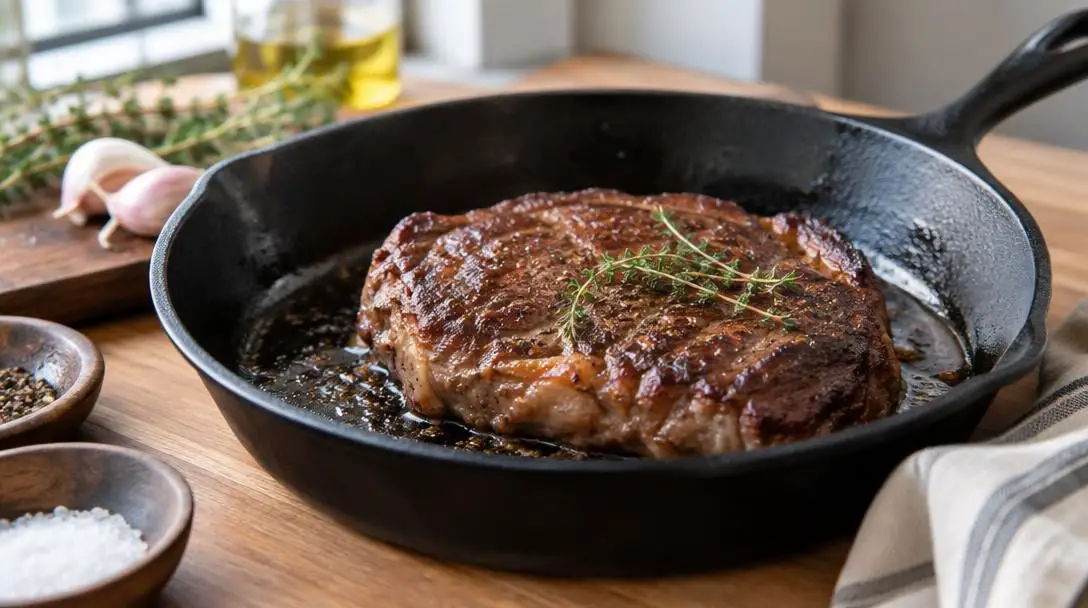
To achieve a classic blue rare doneness in a frying pan, execute the following parameters precisely:
- Heat the heavy skillet with your oil-and-butter blend or bacon fat until it is screaming hot.
- Lay the steak into the sizzling fat using sturdy cooking tongs.
- Sear the first side undisturbed for roughly 2 to 2.5 minutes, ensuring your pan is hot enough to establish a firm exterior crust within that narrow two-minute window.
- Turn the steak over a single time to brown the opposite face.
- Monitor the exterior: the finished meat must display a deep, golden-brown crust accented by darker brown ripples, while the center remains vividly red throughout and pleasantly warm to the bite.
Fundamental 5: Selecting Spices and Seasonings
When cooking premium beef, simplicity is the ultimate culinary virtue. A high-grade, well-marbled cut possesses an abundance of rich, natural flavor that requires little embellishment. A generous coating of ordinary table salt or sea salt paired with freshly cracked black pepper is often all that is required to showcase the meat's natural quality.
However, if you appreciate a broader seasoning profile that complements the savory char of a pan-seared steak, you can construct a customized spice rub. A balanced blend that elevates beef without masking its inherent taste combines five basic dry ingredients:
- Table salt or sea salt
- Ground black pepper
- Garlic powder
- Onion powder
- Badia Redfish Seasoning
The savory spices and celery-tinged herbaceous notes of Badia Redfish Seasoning interlock with garlic, onion, and black pepper to form a complex crust that highlights the caramelized exterior of pan-fried beef.
Step-by-Step Guide to Pan-Searing Steak
Achieving consistent results on the stovetop requires an orderly, deliberate sequence of actions. Follow this operational workflow to pan-sear a prime cut of beef to perfection:
- Select an exceptional cut with rich marbling, such as an Angus ribeye or fillet, making sure the butcher has left all natural perimeter and internal fat intact.
- Apply your seasoning evenly across all sides of the raw meat, using either simple salt and black pepper or a blend of salt, black pepper, garlic powder, onion powder, and Badia Redfish Seasoning.
- Place a heavy frying pan over medium-high heat on the stovetop and let it absorb the heat.
- Add your chosen fat: melt half a tablespoon of butter combined with half a tablespoon of cooking oil, or add a single tablespoon of rendered bacon fat directly to the pan.
- Allow the fat to heat thoroughly until it is shimmering and near its smoking point.
- Using sturdy kitchen tongs, gently lay the seasoned meat into the center of the hot skillet.
- Sear the first side undisturbed for 2 to 2.5 minutes until a deep golden-brown crust with dark brown ripples forms against the pan surface.
- Flip the meat a single time with your tongs, cooking the second side until the steak reaches your target doneness between blue rare and medium rare.
- If aiming for rare or blue rare, grip the steak with tongs and turn it on its side, holding the fatty outer edges against the pan surface to sear the perimeter.
- Transfer the steak out of the hot frying pan immediately to prevent residual pan heat from overcooking the delicate center.
Common Mistakes to Avoid
Even seasoned home cooks occasionally stumble into habits that degrade the quality of an expensive piece of beef. Avoid these frequent errors to keep your cooking consistent:
- Relying on cheap cuts: Searing lean, budget cuts over fast, high heat will consistently produce tough, jaw-tiring results. Inexpensive cuts belong in a crockpot for extended, low-temperature stewing.
- Trimming away fat: Slicing away perimeter fat or asking the butcher to remove fat deposits robs the steak of its primary tenderizing and flavor-distributing element.
- Cooking in pure butter: Using unblended butter over medium-high heat causes milk solids to scorch quickly. Always pair butter equally with oil or use pure bacon fat.
- Placing meat in a cool pan: Dropping a steak into fat that is not fully heated and shimmering prevents Maillard browning and causes the exterior to turn gray and soggy.
- Flipping continuously: Turning the steak back and forth disrupts continuous heat transfer, preventing the formation of a dark, ripple-marked crust.
- Overcooking past medium: Exposing high-grade meat to temperatures beyond medium tightens muscle fibers, evaporates internal juices, and leaves the steak leathery.
- Walking away from the heat: High-heat pan searing happens in minutes; stepping away from the stovetop even briefly invites scorched fat and overdone meat.
Frequently asked questions
Why shouldn't I sear a steak using pure butter?
Pure butter has a very low smoke point because its milk solids burn quickly over the medium-high heat required to sear beef. To capture butter's rich flavor without charring the pan, combine half a tablespoon of butter with half a tablespoon of cooking oil, or cook exclusively with a tablespoon of rendered bacon fat.
What gives Angus beef a distinct flavor advantage?
Angus cattle naturally produce an abundance of intramuscular marbling—the fine flecks of white fat distributed throughout the muscle tissue. When cooked, this internal fat melts into the meat fibers, naturally tenderizing the steak and spreading rich flavor compounds throughout the cut.
How should you cook cheap, tough cuts of beef?
Economical, tough cuts should never be grilled or pan-seared over direct heat, as this leaves them leathery and chewy. Instead, prepare tough cuts in a crockpot cooked on low heat for several hours, allowing moist, slow heat to gradually break down their fibrous structure.
Why should a steak only be flipped once during cooking?
Flipping a steak only once ensures sustained, uninterrupted contact with the hot surface of the pan or grill. This concentrated heat allows the exterior to develop a rich, golden-brown crust with darker caramelized ripples within two to two-and-a-half minutes without overcooking the center.
What are the key visual indicators of a blue rare steak?
A properly executed blue rare steak features a well-developed, golden-brown exterior marked with darker brown ripples, achieved by searing each side for roughly 2 to 2.5 minutes in a screaming hot pan. Internally, the meat remains intensely red from edge to edge and feels warm to the bite.
The bottom line
Cooking exceptional steak at home is not a matter of culinary chance, but of following proven principles of meat selection, heat control, and timing. By starting with a naturally tender cut like an Angus ribeye or fillet, keeping the fat intact, searing over medium-high heat in a stable fat blend, and flipping only once, you unlock the natural flavors and tenderness of quality beef.
As you plan future meals, match your cooking technique to the occasion and your budget. Take advantage of an outdoor grill when preparing a New York strip cut across the grain, or heat up rendered bacon fat in a skillet for an indulgent stovetop ribeye. Reserve economical, lean cuts for low-heat crockpot stews, and keep your premium cuts strictly within the blue-rare to medium-rare window. With these five fundamentals in place, every steak you serve will deliver the savory crust, rich juiciness, and tender texture of a masterfully cooked meal.