5 Innovative Features Coming To Luxury Cars By 2030
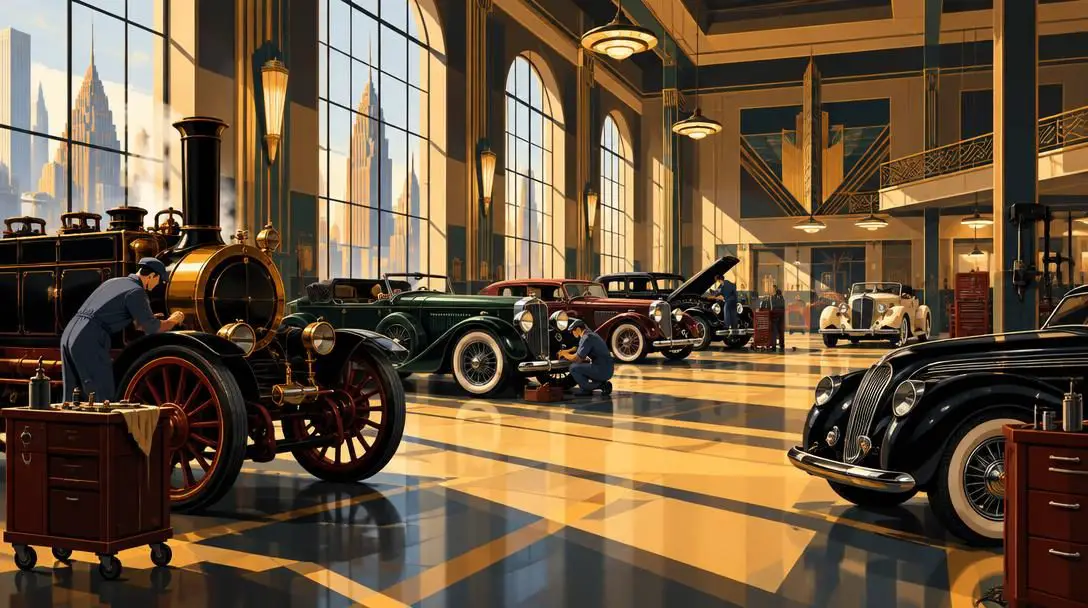
For generations, the definition of an elite automobile rested almost exclusively on unmistakable mechanical muscle and traditional opulence. High-displacement combustion engines, opulent handcrafted leather upholstery, heavy wood veneers, and insulated, whisper-quiet passenger cabins signaled automotive prestige. Owning a flagship luxury sedan or grand tourer was an expression of status rooted in physical road presence, bespoke craftsmanship traditions, and the sheer tactile comfort delivered by heavy mechanical engineering.
That paradigm is undergoing a massive shift. The rapid acceleration of digital computing, high-bandwidth communications networks, and shifting environmental priorities has fundamentally reframed consumer expectations across the global luxury segment. Today, top-tier automotive design is judged less by brute cylinder count or ornamental wood and more by intelligent capability, digital integration, personal wellness, and ecological accountability. By 2030, luxury vehicles will serve as sophisticated mobile sanctuaries and high-tech productivity hubs, merging automated transit with personalized digital life.
Key takeaways
- Luxury automotive prestige is pivoting away from high-displacement engines and traditional finishes toward intelligent automation, digital ecosystems, and sustainable design.
- Flagship vehicles by 2030 will combine fully autonomous operations, windshield-projected augmented reality, integrated biometric health suites, and ultra-fast 5G connectivity.
- Propulsion and manufacturing are evolving to highlight recycled interior materials, high-efficiency hybrid or electric powertrains, and body-integrated solar panels.
- These advanced features function as a unified, data-sharing network rather than isolated luxury gadgets.
At a glance: Five landmark luxury car innovations for 2030
The transition toward the 2030 automotive landscape focuses on five distinct technological pillars outlined in industry roadmaps. While past upgrades focused on isolated mechanical components, future luxury features operate as an interconnected digital and physical ecosystem.
| Feature | Primary Function | Cabin Benefit | Supporting Architecture |
|---|---|---|---|
| Fully Autonomous Systems | Independent vehicle steering, acceleration, and braking without human guidance | Converts driving hours into productive work sessions or quiet rest | Onboard processing core, high-speed data networks, and road-mapping sensors |
| Augmented Reality Displays | Windshield projection of real-time navigational prompts and hazard outlines | Reduces visual clutter while highlighting obstacles and upcoming turns directly in view | Windshield heads-up displays or dedicated driver glasses linked to mapping data |
| Health and Wellness Suites | Active cabin air filtration, calming scent diffusion, and passenger biometrics | Lowers commuter stress and purges airborne allergens and pollutants | Medical-grade purifiers, aromatherapy diffusers, and in-seat/wearable biometric sensors |
| Ultra-High-Speed Connectivity | Seamless high-bandwidth data transmission via cellular networks and Wi-Fi | Enables uninterrupted high-definition video conferencing, media streaming, and cloud access | 5G cellular infrastructure and integrated multi-device Wi-Fi pairing |
| Sustainable Materials & Power | Eco-friendly construction paired with hybrid or battery-electric powertrains | Reduces emissions while generating supplemental renewable power on the move | Recycled chassis/interior components, advanced battery packs, and body solar panels |
The 5 core features defining luxury cars by 2030
The luxury automobile is moving from a driver-focused machine to an intelligent, multi-sensory environment. These five core technologies will establish the baseline standard for luxury mobility over the coming decade.
Fully Autonomous Self-Driving Systems
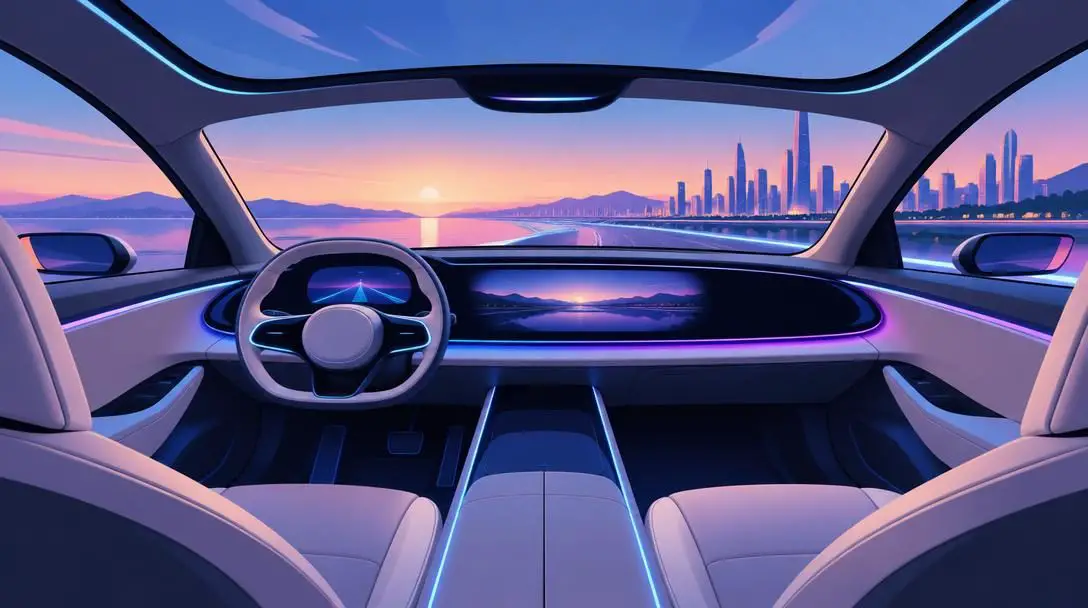
- Core Capability: Operates entirely without human input
- Primary Interior Shift: Converts travel time into work or rest sessions
- Key Enabler: Central onboard processing core and sensor suites
Self-driving technology has moved past theoretical debates and controlled pilot programs into functional mechanical reality. By 2030, flagship luxury vehicles are projected to deliver fully autonomous self-driving systems capable of navigating complex highway and urban corridors without any active oversight from the human occupant. Steering, lane selection, speed modulation, and emergency braking will be controlled entirely by the vehicle's onboard processing core and roadway sensor network.
This development changes the entire spatial and ergonomic layout of luxury interiors. Because human hands no longer need to remain glued to a mechanical steering wheel, the driving cabin transforms into a quiet lounge, a high-productivity mobile office, or a restful retreat. The value of commuting time is fundamentally reclaimed, allowing passengers to draft complex documents, conduct remote business meetings, or sleep comfortably while the car handles high-traffic transit safely and smoothly.
Windshield-Projected Augmented Reality (AR) Displays
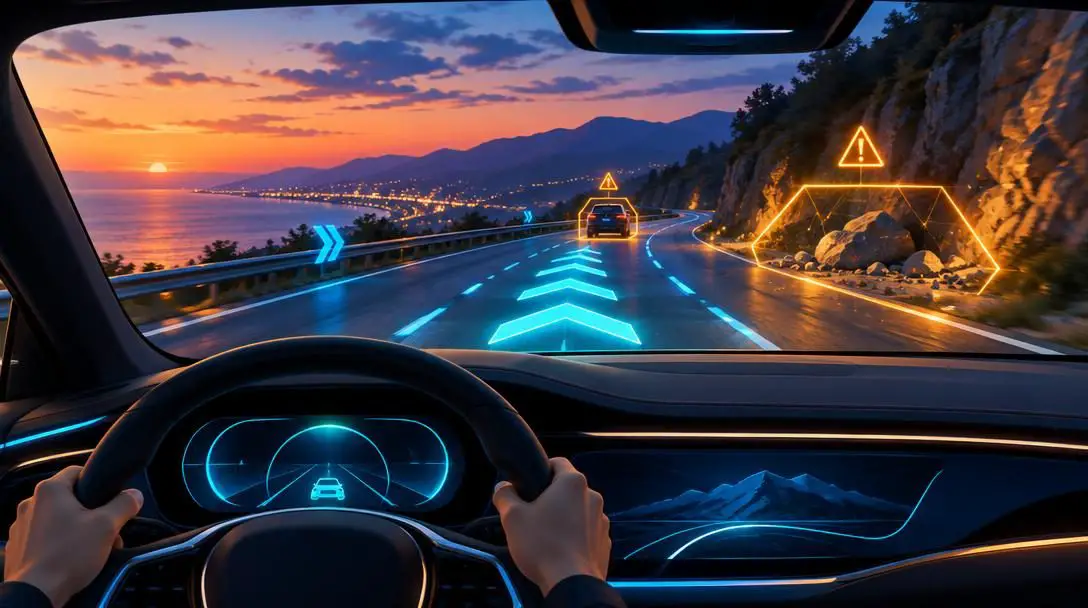
- Display Medium: Front windshield glass or dedicated visual glasses
- Visual Capabilities: Holographic navigation cues and road-hazard outlines
- Operational Shift: Replaces isolated gauge clusters with contextual overlays
Modern luxury vehicles are outgrowing traditional digital gauge clusters and dashboard-mounted touchscreens. In their place, windshield-projected augmented reality displays integrate contextual visual data directly across the driver’s natural visual field. Utilizing either the windshield surface itself or custom-fitted wearable driver glasses, these systems cast graphical alerts that appear to hover naturally over the pavement ahead.
Rather than requiring the driver to glance downward at a static map, AR platforms project hovering holographic arrows that pinpoint exact turns onto roadway lanes in real time. In poor weather or low-light conditions, the system uses bright visual outlines to highlight immediate road hazards, unexpected obstacles, and crossing pedestrians. As vehicles assume greater self-driving autonomy, these displays can transition away from basic speedometers to provide contextual environmental data, architectural landmarks, or hands-free interactive visual panels.
Integrated Health and Wellness Suites
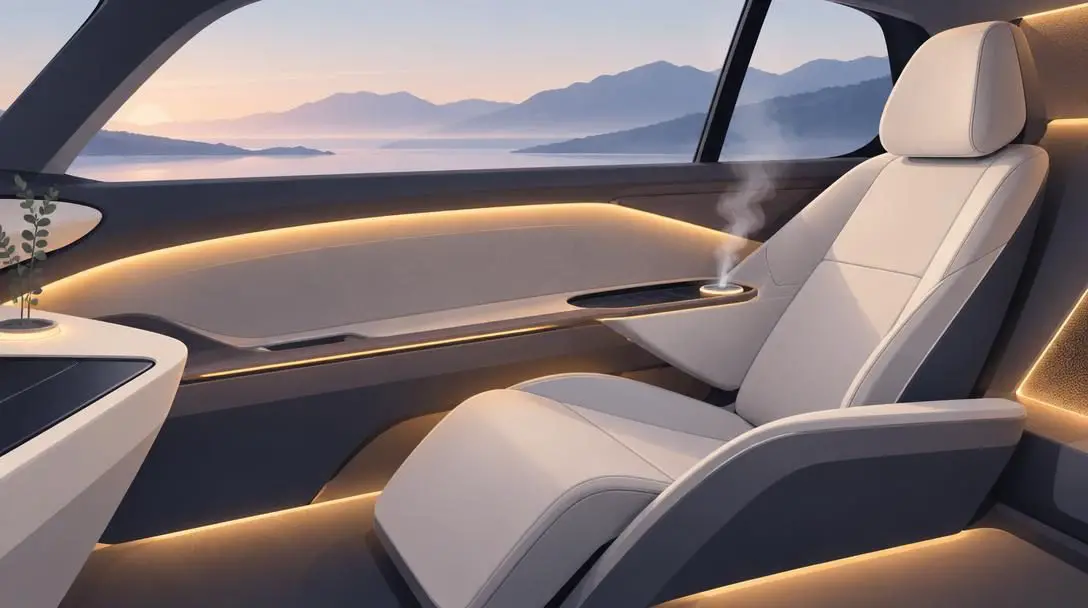
- Environmental Controls: Medical-grade air purification and aromatherapy
- Biometric Monitoring: Step counts, heart rates, and passenger health tracking
- Cabin Response: Dynamic ambient lighting and calming scent diffusion
The interior of the modern luxury vehicle is increasingly designed as a proactive wellness sanctuary. The 2030 generation of luxury vehicles features built-in integrated health and wellness suites engineered to mitigate travel fatigue, filter out environmental toxins, and alleviate psychological stress. Medical-grade air purification units work continuously to extract airborne allergens, fine particulate matter, and urban smog before fresh air enters the passenger cabin.
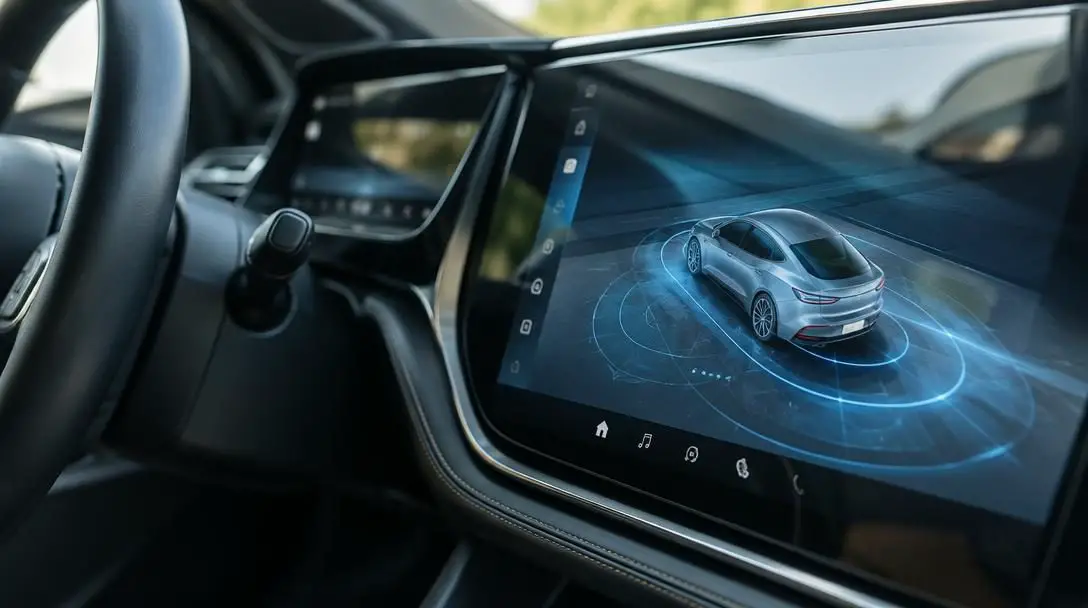
Complementing clean air delivery, integrated aromatherapy diffusers automatically dispense carefully measured, calming scent blends to soothe occupant tension during demanding travel periods. Furthermore, embedded biometric sensors located within the seating, steering components, and linked smart wearables monitor physical vitals such as heart rates, respiratory rhythms, and daily step counts. If the system detects elevated heart rates or physical signs of fatigue, the vehicle can actively initiate restorative routines, adjusting ambient cabin lighting, playing soothing audio, and elevating cabin air quality automatically.
Ultra-High-Speed Digital Connectivity
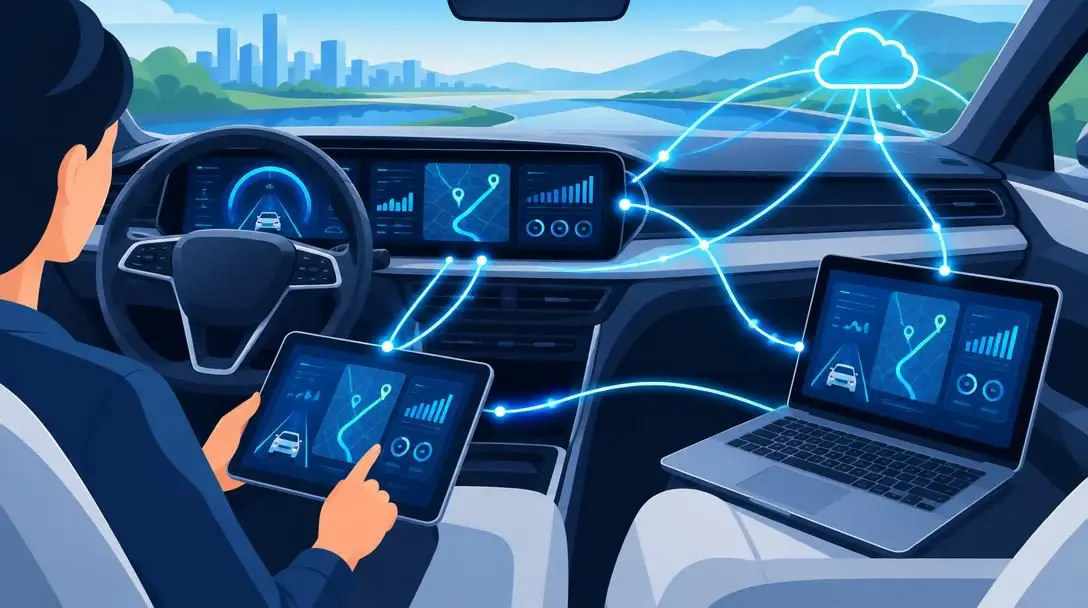
- Network Architecture: High-bandwidth 5G networks and onboard Wi-Fi
- Hardware Synchronization: Laptops, smartphones, and smartwatches
- Supported Tasks: HD video streaming, cloud access, and remote work
To support high-level productivity on the move, future luxury automobiles will feature ultra-high-speed digital connectivity powered by advanced 5G infrastructure and high-capacity internal Wi-Fi networks. Rather than serving as an isolated mobile phone accessory, the luxury vehicle will act as an integrated workstation capable of enterprise-level computing and seamless data exchanges.
This connectivity framework allows effortless synchronization across all personal and professional computing gear, including laptops, mobile phones, and smartwatches. High-bandwidth channels eliminate buffering, enabling uninterrupted high-definition video conferencing, low-latency cloud collaboration, and real-time media streaming. Whether a passenger is accessing corporate servers or streaming lossless entertainment across several screens simultaneously, the vehicle maintains robust, continuous data flow across transit routes.
Sustainable Materials and Alternative Power
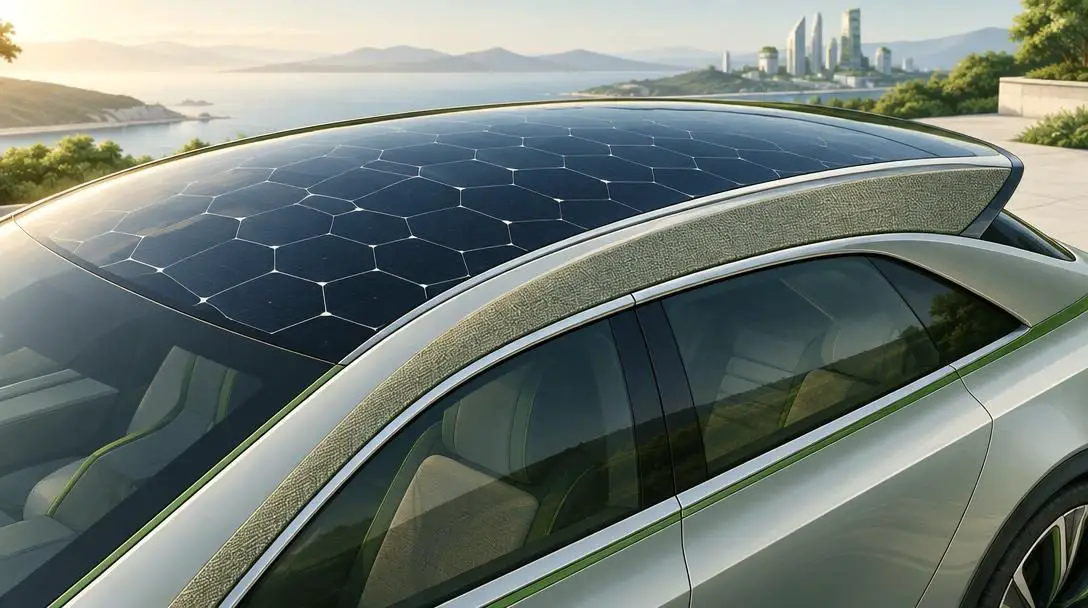
- Interior Construction: Recycled and eco-friendly structural materials
- Propulsion Types: Advanced hybrid and pure battery-electric powertrains
- Renewable Harvesting: Body-integrated exterior solar panels
Environmental responsibility has become a defining characteristic of true contemporary luxury. By 2030, elite vehicle manufacturing will pair opulent interior design with strict ecological standards, incorporating sustainable materials and alternative power architectures across every assembly phase. Traditional resource-heavy trims are making room for premium recycled textiles, non-animal upholstery alternatives, and responsibly sourced, lightweight chassis materials that enhance structural rigidity without unnecessary weight.
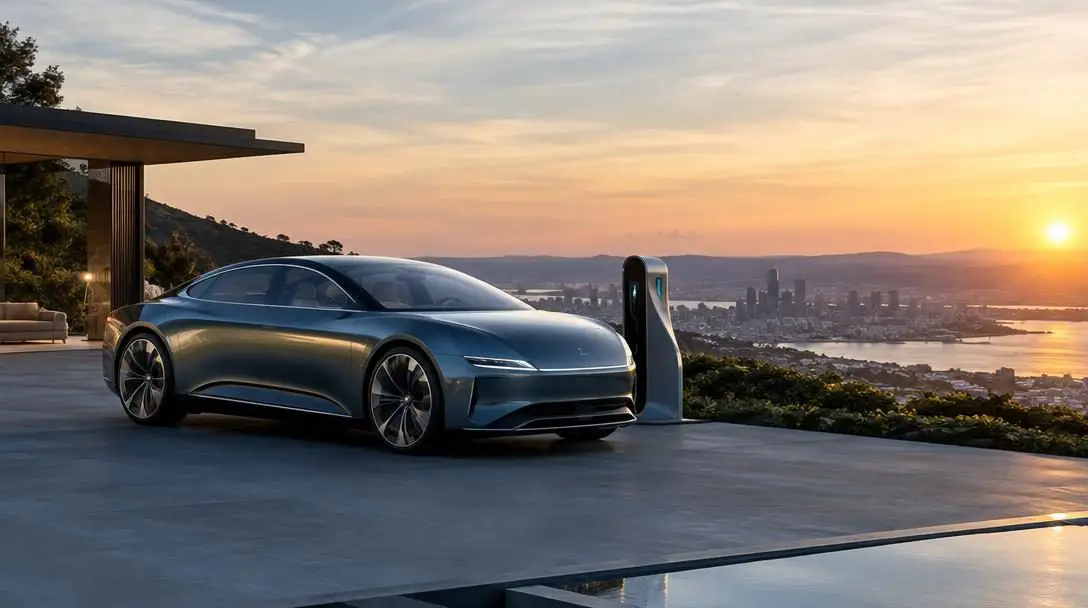
Propulsion centers squarely on sophisticated hybrid and battery-electric drivetrains powered by next-generation battery architectures. These advanced cells offer significantly extended travel ranges while curtailing operational carbon dioxide emissions. In addition, vehicle bodies will feature integrated solar panels subtly molded into roof and hood surfaces. These exterior photovoltaic arrays harvest renewable solar energy throughout the day, providing an independent supply of auxiliary power to keep onboard computational systems and convenience features running without depleting primary driving reserves.
Modern luxury is no longer defined by the roar of a high-displacement engine, but by the seamless intelligence of a mobile sanctuary that purifies your air and drives itself.
The connected ecosystem: How systems operate in unison
The defining strength of 2030 automotive technology lies in its systems integration. Rather than operating as distinct, disconnected accessories, these five systems communicate through high-capacity electrical architectures, central processing units, and shared data pipelines to deliver an effortless experience.
Autonomous navigation, for example, relies heavily on constant communication between onboard processing units and external 5G networks. As the autonomous system pulls real-time mapping data, manages sensor input, and executes steering, throttle, and braking adjustments without human intervention, it frees the augmented reality platform to reconfigure its displays. Instead of cluttering the glass with basic mechanical gauges, the AR system projects contextual point-of-interest indicators, hands-free work interfaces, or route previews across the windshield.
Concurrently, the vehicle's high-speed data backbone supports the passenger wellness ecosystem. When smartwatches or embedded seat sensors register elevated heart rates or drowsy physical postures, that information flows directly to environmental controls. The vehicle immediately cleans the interior air, releases calming aromatherapy scents, and modulates interior lighting to ease passenger tension. All of this high-demand computational processing is powered by next-generation batteries, which are continually replenished during daylight hours by body-mounted solar panels, maintaining balance across all energy-intensive sub-assemblies.
How to prepare: Practical onboarding steps for future owners
Transitioning into a luxury vehicle equipped with these advanced technologies requires intentional setup. Taking an organized approach to software configuration, biometric profiles, and energy planning ensures you maximize the vehicle's capabilities safely and comfortably.
- Review Autonomous Operation Guidelines: Carefully study vehicle manuals and user interface prompts regarding fully automated driving protocols. Learn how the vehicle confirms route readiness, initiates self-driving maneuvers, and signals when human handoffs might occur to establish operational confidence.
- Personalize Display Preferences: Configure your augmented reality interface before heading onto the road. Calibrate the visual focal depth, field of view, and graphical density on the windshield or visual glasses to eliminate distracting clutter while keeping hazard indicators easy to see.
- Integrate Personal Devices and Profiles: Establish secure digital pairing between your vehicle's 5G communications system and your mobile devices, business laptops, and smartwatches. Synchronize cloud profiles, calendar schedules, and communication permissions to enable smooth remote work and real-time biometric tracking.
- Configure Cabin Wellness Preferences: Program your ideal automated environmental routines within the wellness suite. Set baseline targets for continuous air purification, select preferred aromatherapy blends, and set biometric thresholds for stress-reducing ambient lighting and climate adjustments.
- Establish a Sustainable Energy Routine: Review your vehicle's battery preservation protocols, home charging schedules, and solar collection metrics. Combine regular home or commercial charging routines with body-mounted solar harvesting to maintain peak battery health and driving range.
Common operational mistakes to avoid
As luxury automobiles transition into intelligent digital spaces, new owners frequently run into avoidable operational pitfalls. Understanding these common mistakes will help protect your comfort, privacy, and vehicle performance.
- Overloading the Visual Display Interface: Activating every available augmented reality visual layer simultaneously clutters the windshield. Stacking dense navigational pathways, environmental readouts, and constant alert banners can obscure straightforward road hazards and tire the eyes.
- Neglecting Regular Air Filtration Maintenance: Advanced wellness suites require routine hardware upkeep. Failing to clean or replace specialized medical-grade air filters allows environmental particulates and allergens to bypass the purification system, degrading cabin air quality over time.
- Mismanaging Energy Reserves: While body-integrated solar panels harvest supplemental power, relying solely on solar energy for heavy daily travel is a mistake. Drivers must continue regular plug-in charging schedules to support advanced propulsion and computing demands.
- Overlooking Device Connectivity Settings: Failing to configure data sharing, app permissions, and security parameters across paired laptops and wearables can lead to dropped connections, missed business meetings, or inaccurate biometric feedback within the cabin.
- Ignoring Cabin Comfort Adjustments: Advanced wellness elements like custom aromatherapy dispensers and responsive biometric seating work best when fine-tuned to individual baselines. Leaving these settings in default modes produces a generic, less effective travel environment.
Strategic buyer considerations before 2030
Drivers planning to purchase next-generation luxury vehicles over the coming decade should examine external infrastructural factors that directly influence ownership satisfaction. Evaluating these variables in advance ensures your home and daily commute match the vehicle's capabilities.
First, evaluate your domestic residential electrical setup. While advanced battery architectures and auxiliary solar roofs improve vehicle efficiency, charging a high-capacity electric or hybrid powertrain overnight demands robust residential power infrastructure. Assessing your home's breaker panel capacity and installing modern charging hardware ensures swift, safe charging cycles so the vehicle is always ready for travel.
Second, take stock of wireless network infrastructure along your routine travel corridors. The full potential of 2030 luxury vehicles—including constant cloud synchronization, real-time autonomous mapping updates, and high-definition video conferencing—depends heavily on dependable 5G coverage. Understanding the cellular strength across your typical commute will help you choose the right connectivity packages and adjust remote working habits accordingly.
Finally, reflect on your personal lifestyle and daily transit priorities. The emergence of fully autonomous systems and mobile wellness suites shifts the luxury vehicle from a purely transport-focused machine into a mobile productivity office and relaxation lounge. Determining whether you plan to use your transit time for business collaboration, deep rest, or active wellness will guide how you option, configure, and enjoy your vehicle.
Frequently asked questions
Can body-integrated solar panels charge the vehicle completely?
No, body-integrated solar panels are designed to harvest supplemental renewable power rather than serve as a primary power source. They collect auxiliary energy to run onboard electronics, high-draw computer processing, and climate features without draining the main powertrain battery.
How do windshield augmented reality displays differ from traditional heads-up displays?
Traditional heads-up displays merely project static speed readouts or basic text onto a small corner of the windshield. Augmented reality displays project dynamic, contextual graphics across the visual field, overlaying navigation prompts directly onto specific roadway lanes and highlighting physical obstacles in real time.
What health metrics can a luxury car's wellness suite track?
Integrated wellness suites utilize in-seat sensors and paired wearables to track biometric data including heart rates, daily step counts, and physical indicators of fatigue or stress, automatically adjusting cabin air purification, lighting, and aromatherapy in response.
Do fully autonomous vehicles by 2030 require human driver intervention?
By 2030, luxury self-driving systems are expected to operate completely without human driver input during transit, managing steering, acceleration, and braking independently so occupants can focus on work or rest.
Are sustainable interior materials as durable as traditional automotive leather?
Yes, modern eco-friendly and recycled materials used in luxury chassis and interior designs are engineered to deliver structural elegance, high durability, and tactile comfort without relying on traditional resource-heavy production methods.
The bottom line
The luxury automobile is experiencing its most consequential transformation in over a century. By 2030, the benchmark of automotive excellence will no longer be measured by roaring multi-cylinder engines or ornate wood veneers, but by how seamlessly a vehicle integrates into the driver's digital lifestyle, supports personal health, and honors environmental sustainability. Luxury vehicles will become intelligent, self-driving spaces where occupants can work, recharge, and travel in cleaner, smarter, and safer environments.