5 Things You Need to Know Before Taking Your Vehicle on Long Trips

Long-distance road trips offer an unmatched sense of autonomy and adventure. Whether you are traversing interstate highways, winding toward a secluded national park, or embarking on an extended family vacation, taking to the open road lets you dictate your personal schedule and explore unique landscapes at your own pace. However, driving across hundreds of miles presents demands entirely distinct from routine urban commuting or neighborhood errands.
High-speed travel, sustained mechanical friction, fluctuating ambient temperatures, and changing topographies place immense stress on your automobile. At the same time, prolonged hours behind the wheel test driver stamina, cognitive sharpness, and physical comfort. Transforming potential travel hazards into a safe, reliable journey requires methodical foresight before you pull out of your driveway.
Key takeaways
- Schedule a comprehensive mechanical inspection to evaluate tires, brakes, fluid reservoirs, and engine air filters before departure.
- Plot primary and alternative driving routes while budgeting mandatory rest breaks every two to three hours to combat cognitive driver fatigue.
- Maintain at least a half-full gas tank and map service stations ahead of time to eliminate the danger of becoming stranded in remote fuel deserts.
- Stow luggage and valuable belongings out of view in the trunk to maximize passenger cabin room and deter opportunistic theft.
- Prioritize driver and passenger health through functioning child safety restraints, continuous hydration, and a dedicated cooler stocked with nutritious snacks.
The five essential pillars of long-trip preparation
Preparing a vehicle for extended travel involves more than simply topping off the fuel tank. By addressing five fundamental operational areas, drivers can isolate mechanical vulnerabilities, manage transit variables, and create a calm environment inside the cabin.
1. Vehicle maintenance and mechanical systems
Extended highway transit pushes mechanical systems to sustained thermal and operational limits. A comprehensive inspection ensures that all components function in harmony. Tires and brakes represent your primary contact and stopping mechanisms. Inspect your tires to verify that the air pressure matches the manufacturer recommended PSI. Proper inflation optimizes road traction, enhances fuel economy, and reduces uneven tread wear. Simultaneously, inspect tire treads for cuts, embedded debris, or excessive baldness, as compromised tread patterns struggle to displace water and grip high-speed pavement.
The vehicle braking system relies on intense hydraulic pressure and friction. If you hear squeaking or grinding noises when pressing the pedal, or if the brake warning light flashes on the dashboard, immediate servicing is necessary. Worn brake pads or warped rotors severely prolong stopping distances during sudden highway decelerations.
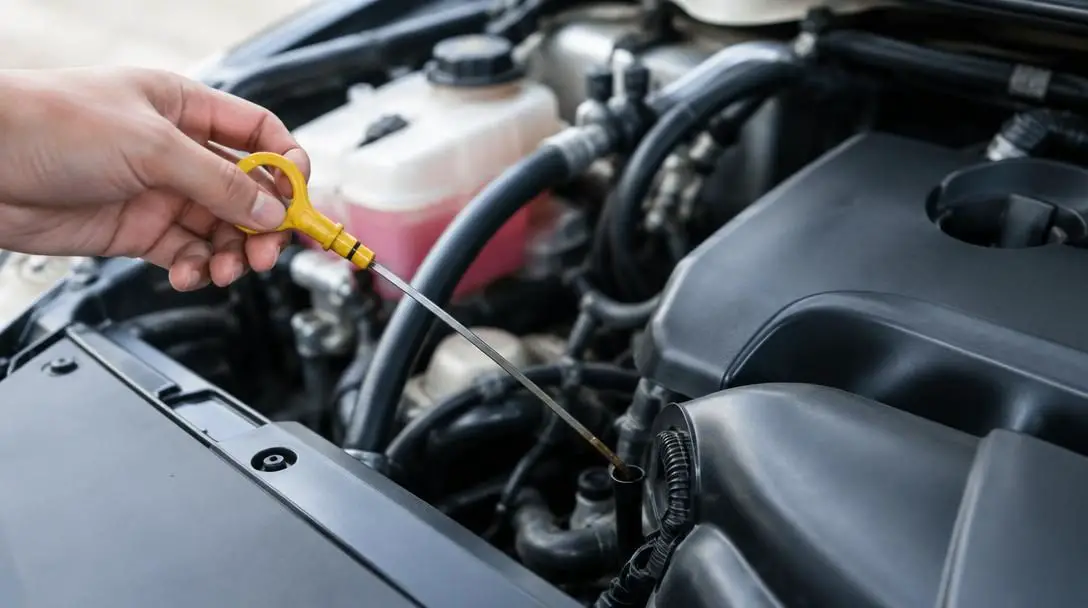
Internal combustion engines depend on balanced chemistry and continuous lubrication. Inspect and refresh the core vehicle fluids before departing:
- Engine oil: Lubricates reciprocating internal components, curbs friction, and dissipates heat from the engine block.
- Coolant: Circulates through the radiator to prevent engine overheating across long driving sessions.
- Transmission fluid: Ensures seamless gear changes and protects internal gear sets under continuous load.
- Brake fluid: Delivers unyielding hydraulic force directly from the foot pedal to the wheel calipers.
- Windshield wiper fluid: Removes road film, dirt, and bug splatters to guarantee unobstructed forward visibility.
In addition to fluids, inspect the engine air filter. A clogged, dirty filter starves the combustion chamber of oxygen, impairing overall engine output and dragging down fuel efficiency over hundreds of miles.
2. Strategic route planning and fatigue management
Embarking on a long trip without a deliberate travel blueprint invites delays, wasted fuel, and unnecessary stress. While modern satellite navigation simplifies transit, highway corridors remain vulnerable to sudden disruptions, including severe weather, construction closures, and multi-vehicle traffic bottlenecks. Mapping both a primary corridor and a viable alternate route equips you to bypass major obstructions smoothly.
Equally critical is budgeting for human physical limitations. Operating a vehicle at highway speeds demands continuous sensory processing and micro-decisions. To avoid driver exhaustion, design your travel timeline around scheduled pauses every two to three hours. These intervals allow the driver and passengers to stretch their legs, use restrooms, rehydrate, and reset mental alertness.
Prolonged highway driving places a heavy cognitive load on the brain, making planned rest breaks every two to three hours an indispensable travel safety rule.
3. Fuel economy and refueling strategy
Fuel represents one of the largest ongoing expenses during extended road journeys. Determining your vehicle's realistic fuel efficiency ahead of time allows you to accurately budget financial resources and plan logical refueling waypoints. Rural stretches of highway, high-altitude passes, and open desert corridors often feature vast distances between operating gas stations.
Waiting until the low-fuel warning light illuminates introduces needless danger. Instead, adopt the half-tank rule: begin seeking a reputable gas station whenever your gauge touches the half-tank threshold. This generous fuel buffer guarantees adequate reserves if an expected exit ramp station is closed, out of service, or charging inflated prices. Carrying extra fuel in a safe, approved container provides additional peace of mind through remote regions.
4. Cabin organization and passenger comfort
Spending five to ten hours enclosed in an automobile cabin can rapidly become fatiguing if the environment is chaotic or uncomfortable. Passenger comfort begins with personal wardrobe selections. Dressing in flexible, breathable layers and wearing supportive footwear helps maintain physical comfort during alternating driving shifts and fluctuating vehicle cabin temperatures.
Clutter-free floorboards and seats create a relaxed atmosphere and eliminate interior safety hazards. Loose luggage can turn into dangerous projectiles during hard braking maneuvers. Pack suitcases, oversized bags, and high-value gear securely inside the vehicle trunk or beneath a retractable cargo cover. Concealing electronics and personal bags out of sight shields valuable items from opportunistic break-ins during brief roadside stops.

5. Road safety, restraints, and driver health
Safe physical arrival remains the non-negotiable objective of every road expedition. Before departure, inspect the physical integrity of every seat belt assembly. Ensure that belts latch cleanly, retract without slack, and cross the body correctly. For traveling families, ensure that child safety car seats are anchored firmly according to manufacturer instructions, verifying that harnesses fit snugly without twisting.
Maintaining driver vitality requires active care. Relying on greasy drive-thru food or sugary energy drinks triggers sudden metabolic spikes followed by deep physical sluggishness. Instead, pack a portable cooler with cold water, fresh fruit, and wholesome snacks. Consistent hydration and clean nutrition sustain stable blood sugar levels and preserve sharp motor reflexes throughout demanding driving days.
Critical vehicle fluid inspection overview
Checking fluid reservoirs before a trip protects core vehicle systems from catastrophic heat damage and mechanical failure. Use this diagnostic overview during your pre-trip service:
| System Fluid | Primary Vehicle Function | Warning Signs of Degradation |
|---|---|---|
| Engine Oil | Lubricates moving engine parts and dissipates internal heat | Dark, gritty texture; low dipstick level; ticking engine noises |
| Engine Coolant | Regulates engine block operating temperatures | Sweet odor, rising dashboard temperature needle, discolored fluid |
| Transmission Fluid | Cools and lubricates gears; facilitates smooth shifting | Burnt smell, slipping gears, hesitation during acceleration |
| Brake Fluid | Transfers pedal pressure to wheel calipers hydraulically | Spongy pedal feel, low fluid level, longer stopping distance |
| Windshield Washer Fluid | Dissolves road grime, bugs, and visual obstructions | Streaking wipers, empty spray nozzles, restricted forward view |
Pre-departure execution checklist
To avoid rushing on the morning of your trip, follow this chronological preparation sequence during the week leading up to your departure:
- Schedule a professional mechanical inspection with a trusted automotive technician seven to ten days before departure to diagnose unseen mechanical flaws.
- Check all tire pressures cold using an accurate gauge, matching the factory PSI rating on the driver door jamb, and inspect the tread depth for cuts or bald spots.
- Top off all essential fluids, including engine oil, coolant, transmission fluid, brake fluid, and washer solvent, replacing worn air filters.
- Stash your emergency travel kit—complete with jumper cables, basic tools, a flashlight, a fire extinguisher, and first aid supplies—in an accessible trunk compartment.
- Plot your primary route and identify secondary detours to maneuver around unexpected traffic congestion, roadwork, or mountain pass closures.
- Review fuel consumption rates and map regional filling stations along your path, committing to refueling at the half-tank mark.
- Stock a travel cooler with water and nutritious snacks, stow luggage securely out of sight in the trunk, and confirm child safety seats are firmly anchored.
Common road trip mistakes to avoid
Even seasoned travelers can make simple oversights that jeopardize an enjoyable travel itinerary. Avoid these widespread errors:
- Pushing through severe exhaustion: Attempting to drive through heavy eyelids to reach a lodging destination faster compromises reaction times as severely as alcohol intoxication.
- Ignoring brake warning signals: Dismissing squeaks, groans, or soft brake pedal feedback before tackling steep mountain grades or high-speed interstates.
- Leaving valuables visible: Leaving backpacks, laptops, or cameras sitting on passenger seats while dining or using roadside rest facilities.
- Overloading the vehicle chassis: Packing cargo beyond the gross vehicle weight rating, which strains suspension components and inflates tire heat buildup.
- Neglecting cabin air quality: Driving hundreds of miles with a clogged cabin or engine air filter, reducing cooling efficiency and vehicle performance.
Frequently asked questions
How far in advance should I have my car inspected before a long trip?
It is best to take your vehicle to a certified mechanic one to two weeks before your departure date. This timeframe gives the technician adequate opportunity to identify hidden wear and provides you with buffer time if replacement parts need to be ordered and installed.
Why is keeping the gas tank at least half full recommended?
Adopting the half-tank rule prevents fuel starvation in remote stretches where service stations may be separated by dozens of miles. It also shields you from unexpected fuel station closures, defective pumps, or localized power outages along interstate exits.
How often should drivers stop to rest during long journeys?
Drivers should plan structured rest breaks every two to three hours. Stepping out of the vehicle to stretch, hydrate, and move around restores blood circulation, relieves sensory overload, and resets the cognitive focus required for highway driving.
What items should always be kept inside a vehicle emergency kit?
A reliable roadside emergency kit must contain high-grade jumper cables, an accurate tire pressure gauge, basic hand tools, an emergency flashlight with spare batteries, a certified automotive fire extinguisher, and a comprehensive first aid kit.
What should I do if my brake light flashes while on the highway?
If your brake warning light begins flashing or you hear grinding noises, safely reduce your vehicle speed, avoid sudden or aggressive braking, and exit the highway at the nearest service station or mechanic to have the hydraulic fluid and brake pads inspected immediately.
The bottom line
Embarking on an extended road journey presents an unmatched opportunity to create lasting memories, explore pristine landscapes, and experience total travel freedom. Yet the open highway remains an unforgiving testing ground for an unprepared vehicle and an exhausted driver. Taking the time to service critical automotive systems, engineer a flexible route, observe disciplined fueling habits, and look after physical health ensures that your long-distance trip remains safe, efficient, and thoroughly enjoyable from your first turn onto the highway until you safely reach your destination.