Understanding The Different Components Involved In Assembling Road-Legal Cars
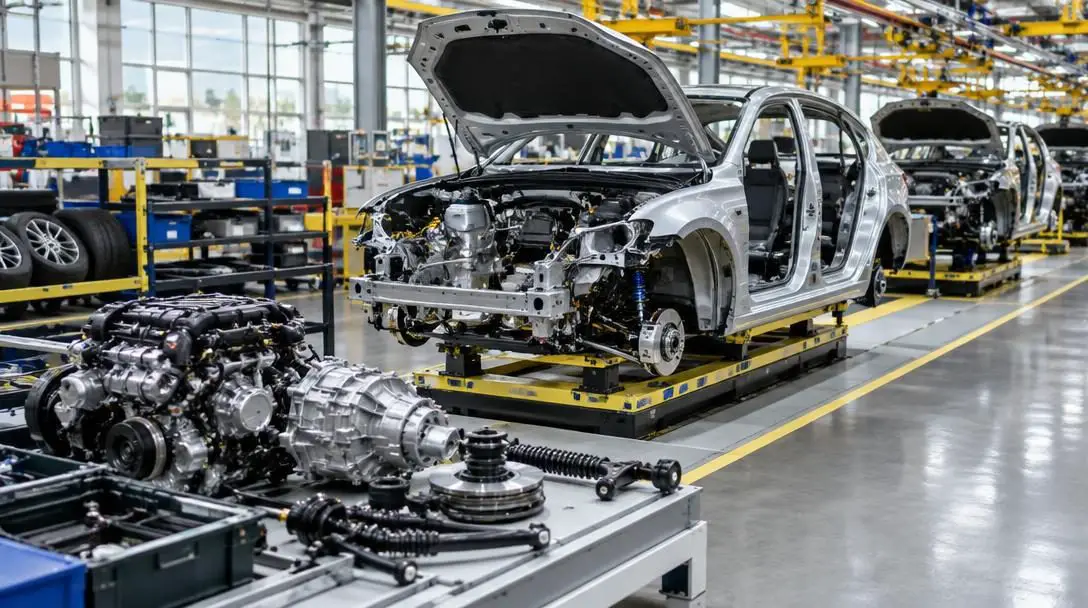
Transforming a collection of raw mechanical and electrical parts into a safe, functioning automobile is one of modern manufacturing's most demanding engineering feats. A vehicle cannot simply be driven on public highways merely because it moves under its own mechanical power; it must satisfy rigorous safety, environmental, and operational standards mandated by transport authorities. While competition cars and purpose-built off-road buggies prioritize single-purpose metrics like closed-course speed or rugged obstacle crawling, road-legal passenger vehicles must behave reliably and predictably across diverse road surfaces, extreme weather conditions, and dense traffic.
Every street-legal vehicle relies on an interconnected network of structural, mechanical, hydraulic, and electrical systems working in absolute harmony. If one assembly fails or flexes out of tolerance, adjoining assemblies quickly suffer reduced performance or total failure. Achieving road legality requires not only high-grade individual parts—including the chassis, internal combustion engine, suspension, brakes, and electrical architecture—but also a methodical integration process backed by strict post-assembly validation.
Key takeaways
- Road legality demands that a vehicle meet strict, standardized thresholds for occupant safety, roadworthiness, lighting, and environmental impact.
- A car functions as an interdependent network where the chassis, engine, suspension, brakes, and electrical system rely continuously on one another.
- Correct assembly order and proper fastener torque under realistic suspension loads are vital to preventing premature wear and dangerous component failures.
- Post-build procedures such as hydraulic brake bleeding, wheel alignment, and regulatory inspections bridge the gap between a running prototype and a certified road car.
What Makes a Vehicle Truly Road-Legal?
The distinction between a track-only vehicle and a street-legal machine lies in predictability, safety redundancy, and civic compliance. Track cars frequently operate without functional horn systems, turn indicators, catalytic emissions controls, or standardized bumper heights. By contrast, road-legal machines are built to coexist with commercial trucks, cyclists, and pedestrians. Their engineering must account for sudden emergency stops on wet tarmac, continuous operation over tens of thousands of miles, and clear driver-to-driver communication through synchronized exterior lighting.
Transport authorities mandate that structural assemblies absorb collision forces predictably, that braking systems feature redundant hydraulic or mechanical fail-safes, and that tires and suspension geometries preserve directional stability through sudden evasive maneuvers. Consequently, the mechanical integrity of each foundational subassembly determines whether a vehicle can be legally titled, registered, and operated on public streets.
A vehicle cannot simply be driven on public highways merely because it moves under its own mechanical power; it must satisfy established safety, operational, and environmental requirements.
The Core Assemblies of a Road-Going Car
Every road-going vehicle depends on a primary group of core mechanical systems that support vehicle mass, generate propulsion, manage road friction, and supply electrical power. Understanding the specific roles and internal hardware of these assemblies is essential for appreciating the scope of automotive construction.
The Chassis
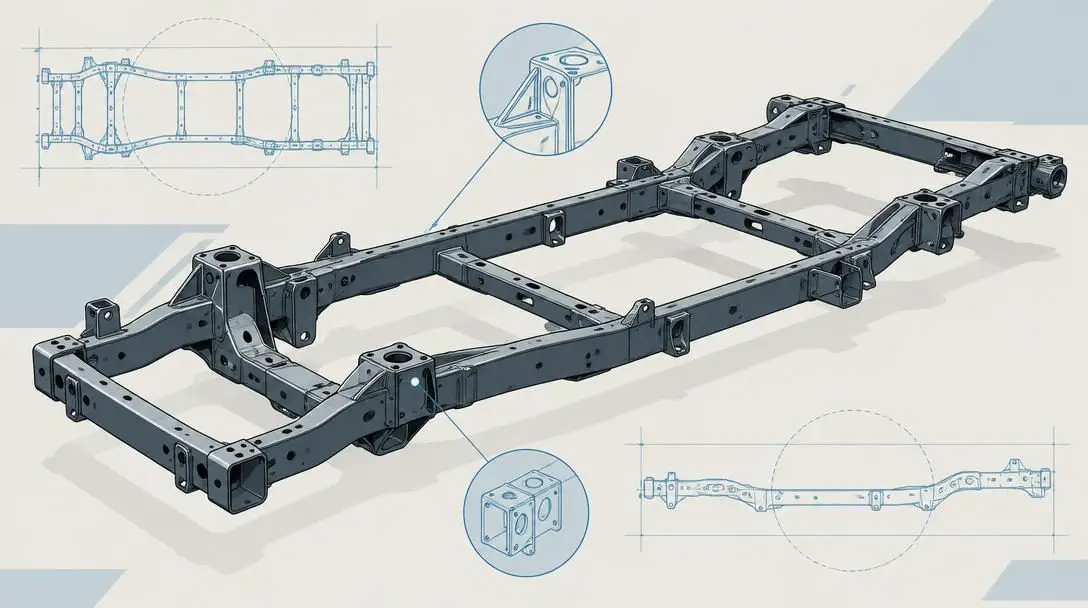
- Primary Role: Structural foundation and load-bearing framework
- Common Materials: Steel, aluminum, carbon fiber
- Critical Metric: Torsional rigidity under dynamic stress
The chassis serves as the backbone of the vehicle, providing an unyielding framework upon which all other components mount. Whether manufactured as a traditional ladder frame, a rigid tubular space frame, or a unified monocoque structure, the chassis must bear the aggregate weight of the engine, transmission, body panels, and passengers. Beyond supporting static dead weight, the chassis must possess exceptional torsional rigidity to counteract the bending and twisting forces generated during acceleration, hard cornering, and uneven road impacts. If the chassis exhibits uncontrolled flex, the vehicle's suspension geometry shifts out of alignment, immediately degrading steering responsiveness and high-speed stability.
The Engine
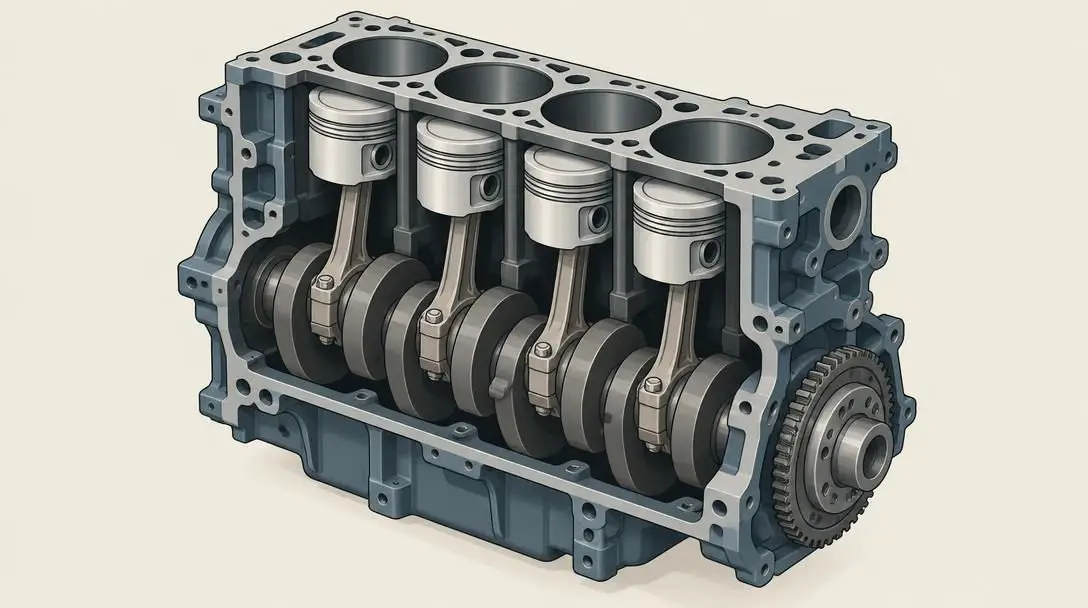
- Primary Role: Power generation and mechanical propulsion
- Internal Components: Cylinder block, cylinder head, valves, pistons, crankshaft
- Output Metrics: Horsepower and torque
Serving as the operational heart of the car, the engine converts fuel into rotational mechanical power. Internal combustion engines rely on an orchestrated sequence inside the cylinder block: intake valves open to introduce a precise fuel-air charge, pistons compress the mixture within the cylinders, and controlled combustion forces the pistons downward. This linear piston motion is converted into rotational force through the heavy forged journals of the crankshaft. Because an engine operates under intense thermal and mechanical stress, its components must be carefully measured and confirmed healthy prior to installation; installing an engine with worn valve seats, scored cylinder walls, or damaged bearings ensures sudden mechanical failure on the road.
The Suspension System
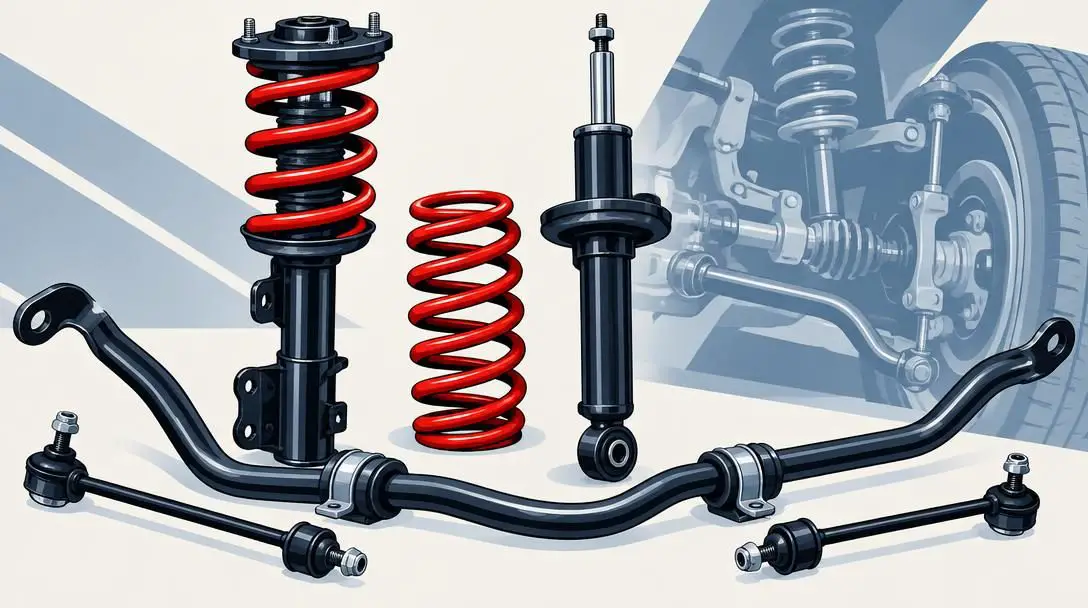
- Primary Role: Impact absorption, wheel control, and chassis stabilization
- Primary Components: Springs, shock absorbers, struts, sway bars
- Key Function: Body roll reduction and tire-to-road contact maintenance
The suspension system balances passenger comfort with precise directional control. Springs—whether coil, leaf, or torsion variants—support the vehicle's sprung mass and compress to absorb irregularities in the pavement. However, an unmanaged spring will rebound continuously, which is why shock absorbers and struts are integrated to dampen oscillation and force the tires to maintain continuous contact with the pavement. Sway bars, or anti-roll bars, bridge the left and right suspension corners, translating upward force from the outer wheel to the inner wheel during cornering to significantly reduce body roll and maintain a level vehicle posture.
The Braking System
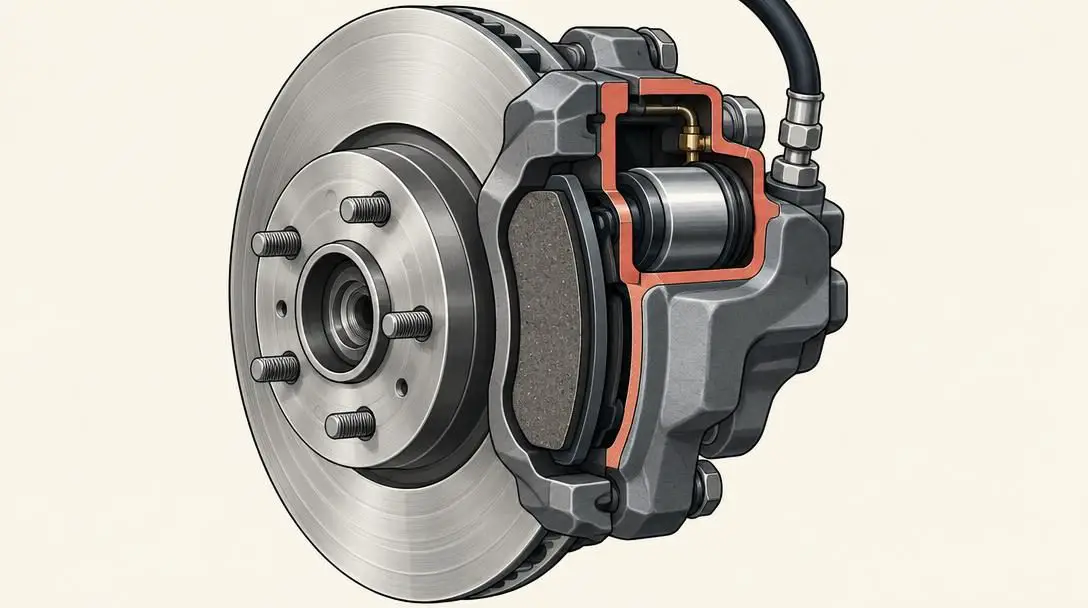
- Primary Role: Deceleration and emergency vehicle stopping
- Key Components: Brake pads, rotors, calipers, hydraulic lines
- Operating Principle: Kinetic energy conversion to thermal energy
No automotive safety assembly is more vital than the braking system. Modern passenger vehicles rely on hydraulic disc brake mechanisms located at the wheel hubs. When the driver presses the brake pedal, master cylinder pressure sends hydraulic fluid rushing through rigid metal lines and flexible hoses into the calipers. The calipers utilize internal pistons to clamp high-friction brake pads against the faces of the spinning cast-iron or composite rotors. This mechanical clamping converts kinetic energy into intense thermal energy, slowing wheel rotation in a smooth, repeatable, and controllable fashion without pulling the vehicle across lanes.
The Electrical System
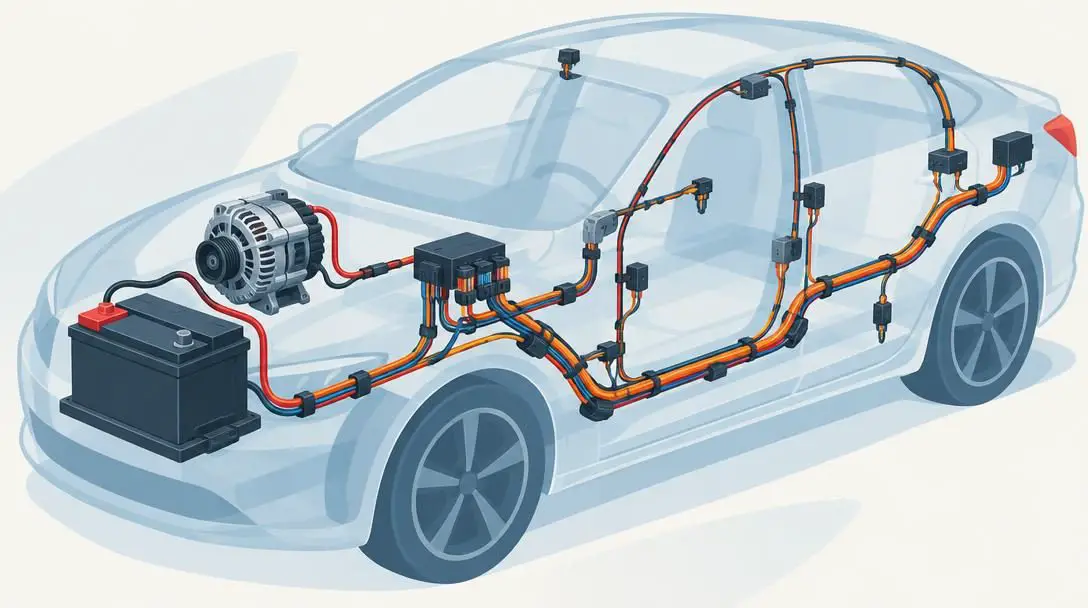
- Primary Role: Power distribution, ignition, signaling, and auxiliary control
- Key Components: 12-volt battery, alternator, wiring harness
- Functional Circuitry: Exterior illumination, ignition, audio, instrumentation
The vehicle's electrical system operates as an intricate nervous system. It begins with the battery, which stores electrical potential and discharges the initial high-amperage burst required by the starter motor to turn the engine over. Once the engine is operating, an accessory belt drives the alternator, which generates alternating current, rectifies it to direct current, recharges the battery, and sustains the vehicle's continuous electrical demands. The wiring harness routes electrical current and communication data along insulated pathways to headlights, brake lights, directional indicators, interior displays, and convenience electronics, while relying on the metal chassis frame for common ground return paths.
The Drivetrain and Transmission
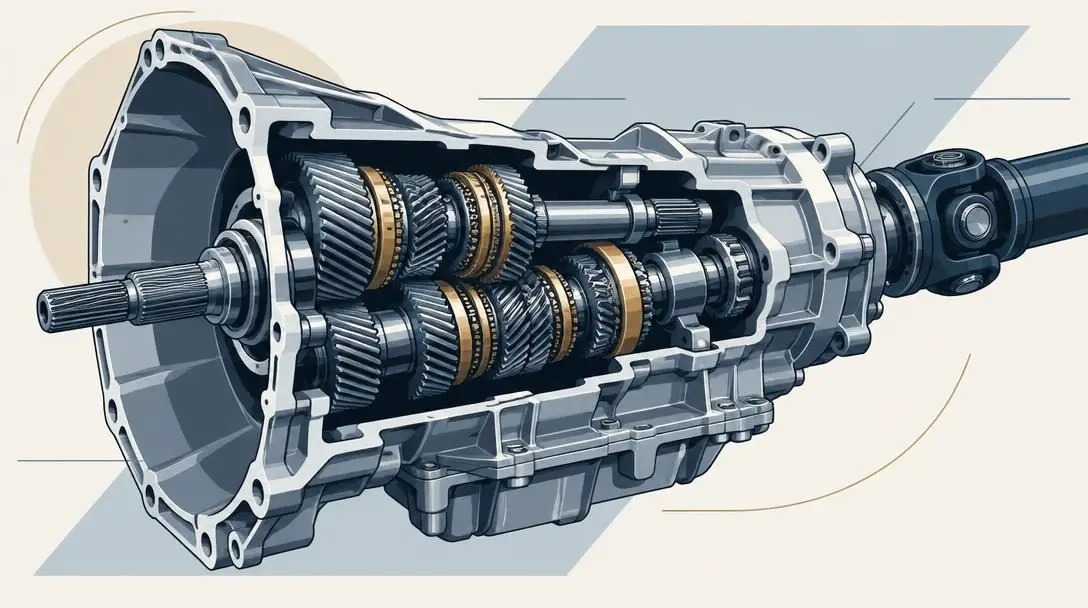
The power generated by the engine crankshaft cannot be delivered directly to the drive wheels without intermediate gear conversion. The transmission acts as an adaptable torque multiplier, utilizing internal gear ratios to translate the engine's narrow usable RPM band into low-speed climbing torque or high-speed cruising efficiency. From the transmission output shaft, rotational torque travels through driveshafts, universal joints, and differentials out to the driven hubs.
Wheels and Tires
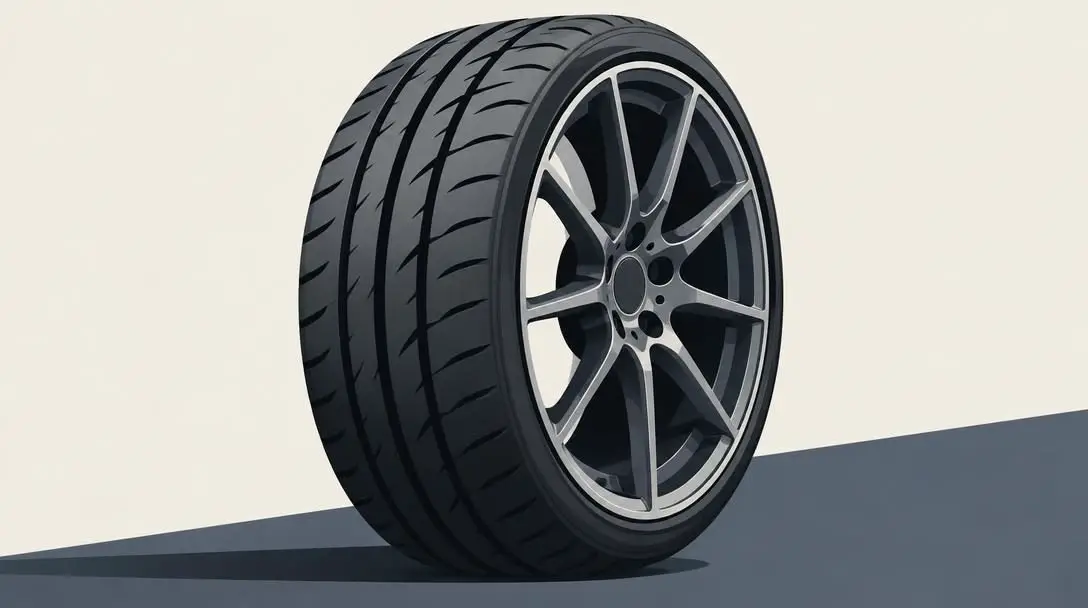
Tires represent the literal and figurative foundation of vehicle dynamics, serving as the sole physical point of contact between the automobile and the pavement. Wheels must be rated to support static vehicle loads while maintaining true radial roundness under lateral cornering loads. The mounted rubber tires must feature adequate tread depth, correct compound firmness, and proper pneumatic inflation pressure to translate engine acceleration, steering inputs, and braking friction into controlled, predictable motion across wet and dry pavement alike.
Exterior Bodywork and Aerodynamics

Bodywork performs multiple practical functions beyond visual aesthetics. Constructed from stamped steel, aluminum, fiberglass, or composite plastics, outer panels shield delicate mechanical and electrical hardware from weather exposure, road debris, and water spray. Exterior body panels are also sculpted to manage aerodynamic drag, reduce turbulent wind noise at highway speeds, and house mandatory street-legal equipment such as side view mirrors, amber reflectors, and front and rear lighting clusters.
Core Automotive Subsystems at a Glance
| Assembly | Primary Sub-Components | Main Construction Materials | Direct Road-Legality Impact |
|---|---|---|---|
| Chassis | Rails, crossmembers, mounting tabs, floor pans | Steel, aluminum, carbon fiber | Structural crash integrity, alignment stability |
| Engine | Block, cylinder head, pistons, valves, crank | Cast iron, aluminum alloys, forged steel | Predictable acceleration, emissions and noise limits |
| Suspension | Springs, struts, shock absorbers, sway bars | High-tensile spring steel, forged aluminum | Directional tracking, avoidance control, tire contact |
| Braking | Pads, rotors, calipers, hydraulic lines | Ductile iron, semi-metallic or ceramic friction pads | Repeatable emergency stopping distance, parking lock |
| Electrical | Battery, alternator, wiring harness, relays | Copper conductors, lead-acid/lithium, polymers | Mandatory road lighting, hazard warnings, fire safety |
| Running Gear | Transmission, wheel hubs, alloy rims, radial tires | Tempered steel gears, cast alloy, vulcanized rubber | Tread depth rules, vehicle speed management, traction |
The Step-by-Step Vehicle Assembly Workflow
Assembling a street-legal car requires following a methodical build order. Skipping ahead or mounting exterior cosmetic trim before internal mechanical assemblies are fully locked down invariably creates clearance interferences, trapped fasteners, and compromised build quality.

- Chassis Inspection and Mounting Point Preparation: Secure the bare frame on an alignment jig or stable build stand. Inspect structural welds, verify factory tolerances across all datum points, and chase threaded mounting holes to clear manufacturing debris, e-coat, or corrosion.
- Suspension and Steering Integration: Bolt control arms, tie rods, springs, sway bars, and damping struts to their designated chassis mounts. Ensure all articulated joints pivot smoothly and apply preliminary torque values to hardware.
- Braking Hardware Installation: Mount the brake rotors, calipers, and pads to the wheel uprights. Route rigid steel lines along the chassis channels and connect flexible reinforced hoses to the calipers, ensuring lines remain completely clear of moving suspension arms.
- Engine and Drivetrain Mounting: Hoist the assembled engine and transmission package into the engine bay using an overhead crane. Align and torque heavy-duty rubber or polyurethane mounts designed to isolate mechanical engine harmonics from the cabin structure.
- Electrical System and Harness Routing: Feed the main wiring loom through protected bulkheads and rubber grommets. Anchor the alternator and battery, establish clean, unpainted chassis ground terminations, and plug in circuits for the starter, ignition, exterior lamps, instrument panel, and radio.
- Wheels, Tires, and Bodywork Fitment: Mount road-rated tires onto corresponding wheels, balance the assemblies, and secure them to the hubs. Hang exterior body panels, doors, hoods, and bumpers, adjusting hinge gaps to guarantee wide clearance around moving suspension parts and steered tires.
- Fluid Verification and Pre-Drive Check: Fill the engine, transmission, cooling system, and brake circuits with manufacturer-specified fluids. Bleed the hydraulic braking system thoroughly, pressurize the cooling system, check for fluid leaks, and power up the electrical grid to verify switchgear operation.
Critical Assembly Pitfalls to Avoid
Due to the immense dynamic stresses road cars endure, simple oversights during integration can cause catastrophic mechanical failure on public thoroughfares. Automotive technicians and builders pay close attention to several common assembly errors:
- Skipping Internal Engine Inspection: Installing an engine without verifying the health of the cylinder block, cylinder head, valvetrain, and crankshaft bearings creates significant financial and mechanical risk. An unverified engine with low compression or blocked oil passages may seize on its initial drive, requiring hours of teardown labor.
- Improper Bleeding of Hydraulic Brake Lines: Air compresses under pressure, whereas hydraulic brake fluid does not. Leaving even minute air bubbles trapped in calipers or junction blocks causes a soft, spongy pedal stroke and severely degrades stopping performance under emergency conditions.
- Neglecting Torsional Stress and Dissimilar Metals: Forcing body components onto an out-of-square chassis introduces continuous pre-load stress that leads to fatigue cracking. Furthermore, assembling steel fasteners directly into aluminum or raw carbon fiber without barrier coatings triggers galvanic corrosion, which degrades structural mounting tabs over time.
- Torquing Suspension Fasteners Without Load: Tightening suspension pivot bolts while the vehicle is suspended in the air with the wheels hanging at full droop locks rubber bushings into an artificial twist. When the car is dropped back to the ground, the bushings remain permanently bound under extreme torsional tension, causing harsh ride quality, premature bushing destruction, and unpredictable handling.
- Inadequate Wheel and Tire Clearance: Checking wheel clearance only while the car is parked on flat ground ignores the dynamic movement of the suspension. Under heavy braking, high-speed cornering, or full-bump compression, an improperly spaced wheel will cause tire tread or sidewalls to rub against fender liners or inner body panels.
Post-Assembly Verification and Roadworthiness Certification
Tightening the last fastener on a completed vehicle does not conclude the build process; it marks the transition into safety validation and formal legal certification. Before an automobile can legally blend into highway traffic, each subsystem must be proven under controlled test conditions.
The first mandatory requirement is a complete four-wheel alignment. Utilizing computer-guided optical alignment racks, technicians adjust camber, caster, and toe settings across both axles. Correct geometry ensures the car tracks straight without driver correction, limits rolling resistance, prevents irregular tire tread scrubbing, and ensures predictable weight transfer through aggressive turns.
Simultaneously, the braking hardware must undergo a controlled bedding-in process. This procedure consists of repeated, progressively firmer stops from moderate speeds to deposit an even, microscopic layer of friction material from the pads onto the virgin surface of the rotors. Bedding eliminates pedal pulsation, optimizes braking grip, and verifies that the vehicle decelerates in a straight line without pulling toward one side.
Finally, the car must undergo a comprehensive roadworthiness inspection conducted in accordance with regional transport authority mandates. This evaluation rigorously verifies structural frame integrity, checks headlight aim and blinker flashing frequencies, reviews catalytic emissions compliance, inspects horn volume, and confirms windshield wiper operation. Only when these multi-point verifications are satisfied is the vehicle issued its official road-legal status.
Frequently asked questions
Can a dedicated track car be converted into a road-legal vehicle?
Yes, but the conversion requires adding all legally mandated equipment that track cars omit. This typically includes certified headlights, turn signals, brake lights, hazards, mirrors, a horn, a compliant exhaust system with catalytic converters, road-legal DOT-approved tires, and an emergency parking brake system, followed by a formal state or regional safety inspection.
Why is torsional rigidity so critical when constructing a car chassis?
Torsional rigidity measures the framework's ability to resist twisting forces along its longitudinal axis. If a chassis flexes under cornering or acceleration, the suspension geometry changes dynamically and unpredictably, causing the wheels to lose optimal alignment with the road surface, which compromises handling and driver control.
What occurs if brake lines are not properly bled during initial assembly?
Because hydraulic fluid is virtually incompressible, pressing the brake pedal normally transmits force directly to the calipers. Air, however, is highly compressible. Trapped air pockets absorb the hydraulic pressure rather than moving the caliper pistons, resulting in a pedal that drops to the floorboard and a severe loss of vehicle stopping ability.
Why does the electrical wiring harness require dedicated chassis ground points?
Automotive electrical systems utilize the metallic chassis as a shared electrical ground return path back to the battery's negative terminal. Without clean, paint-free, corrosion-resistant chassis ground points, circuits experience high electrical resistance, causing erratic operation, flickering lights, non-functioning sensors, and potential electrical fires.
How do sway bars improve vehicle safety during road cornering?
A sway bar, or anti-roll bar, is a torsional spring that connects opposite sides of the suspension. When a vehicle takes a sharp turn, centrifugal force causes the car body to lean outward. The sway bar transfers some of the upward force from the heavily loaded outside wheel to the unloaded inside wheel, leveling the vehicle posture and keeping more tire surface planted on the pavement.
The bottom line
Assembling a road-legal car is fundamentally an exercise in systems integration. A high-output engine is useless without a torsionally rigid chassis to carry it, an effective suspension to control its momentum, dependable hydraulic brakes to halt its speed, and an organized electrical architecture to illuminate its path. By recognizing how these core assemblies collaborate, respecting the step-by-step assembly sequence, and executing comprehensive post-assembly inspections, builders ensure that finished vehicles deliver long-lasting durability, exceptional performance, and uncompromised safety on public roads.