The Art Of Building Your Own Car: A Rough Guide To Assembling a Classic Automobile
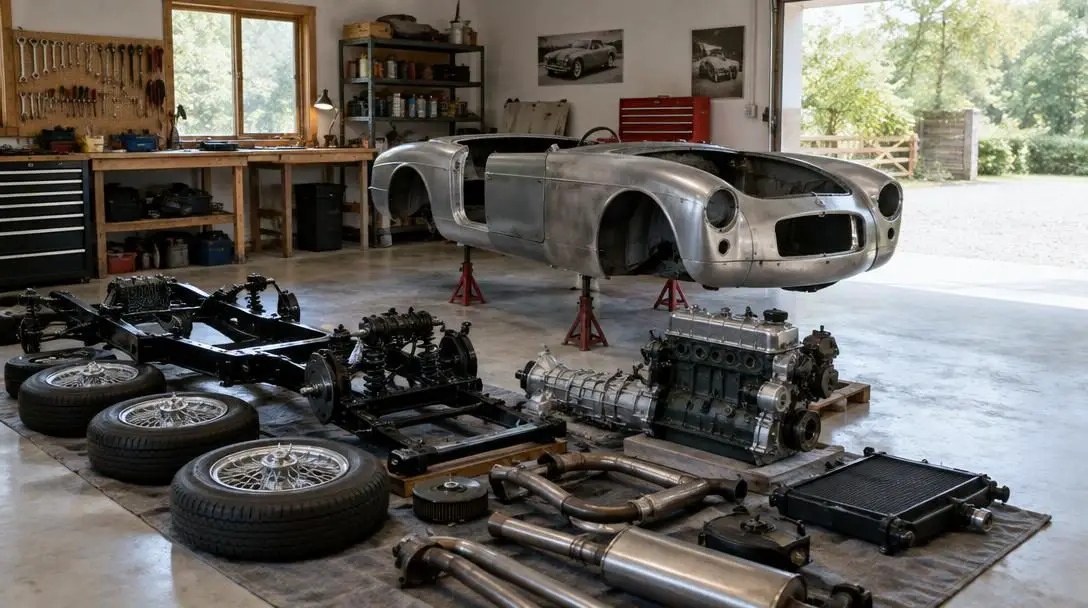
Building your own car represents the ultimate aspiration for automotive enthusiasts, offering a rare opportunity to construct a personalized machine tailored to your exact driving tastes. Beyond the satisfaction of piloting a custom vehicle, tackling an automobile assembly serves as a comprehensive masterclass in hands-on trade skills, immersing the builder in mechanical engineering, electrical troubleshooting, metal fabrication, and welding.
Transforming a bare chassis or a neglected project into a safe, running automobile demands patience, disciplined problem-solving, and substantial physical effort. Yet, with a structured plan, proper tools, and an understanding of core vehicle architecture, assembling a classic automobile remains one of the most rewarding mechanical endeavors a craftsperson can undertake.
Key takeaways
- Classic automobiles offer an accessible foundation for home builders because their mechanical systems rely on standard hand tools rather than proprietary computer software.
- Popular platforms like the Ford Mustang, Chevrolet Camaro, and Dodge Charger benefit from vast aftermarket support that dramatically simplifies parts sourcing.
- Meticulous organization during the initial teardown—including cataloging hardware and photographing wire routes—prevents costly mistakes during final reassembly.
- A completed vehicle requires systematic inspection, specialty insurance, legal registration, and a measured break-in period before it is road-ready.
The Evolution of Project Cars: Why Classics Endure
The culture of building and personalizing vehicles began out of necessity when everyday drivers maintained their own transportation. Over time, that practical upkeep evolved into an active hobbyist movement during the mid-twentieth century. Enthusiasts discovered that by stripping away unnecessary weight, modifying standard components, and swapping powertrains, they could build customized machines that surpassed standard factory performance.
Modern passenger cars have evolved into computerized networks governed by complex proprietary code, tightly packaged engine bays, and integrated modules that require dealer-level diagnostic equipment to service. As modern vehicles have grown less accessible to the casual mechanic, classic automobiles have become the premier platform for home fabricators. Classic vehicles offer an open mechanical layout where carburetors, manual transmissions, analog gauges, and rudimentary suspensions can be serviced, modified, and rebuilt using conventional garage tools.
Anatomy of a Build: Understanding the Six Core Subsystems
An automobile is not a single monolithic machine; it is an assembly of independent, interdependent systems engineered to operate as one. Mastering the build process begins with understanding these mechanical groupings:
- The Chassis and Body: The structural backbone that carries the mechanical running gear, absorbs road vibrations, and keeps the suspension points aligned under extreme loads.
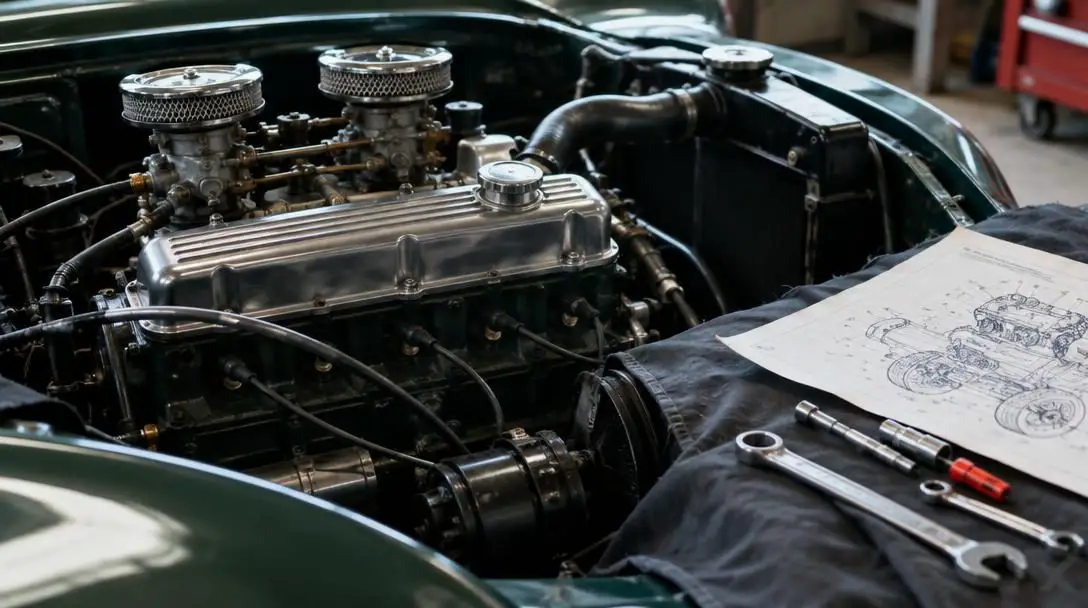
- The Powertrain: Comprising the cylinder block, cylinder heads, intake manifold, exhaust system, and transmission, this assembly generates mechanical energy and transfers rotational torque through the driveshaft to the drive axle.
- The Suspension and Steering: Components including upper and lower control arms, springs, dampers, tie rods, and steering gearboxes control tire contact patches, ride dampening, and directional stability.
- The Braking System: Hydraulic master cylinders, hard lines, flexible hoses, calipers, and friction surfaces (discs or drums) rely on pressurized fluid to decelerate the vehicle predictably.
- The Electrical System: An analog distribution network of fuses, heavy-gauge battery cables, alternators, relays, and switches delivering voltage to ignition coils, instrumentation, exterior lighting, and starter motors.
- Fuel and Cooling Systems: Fuel delivery tanks, sending units, mechanical or electric pumps, radiators, water pumps, and cooling lines maintain the engine's internal combustion balance and thermal stability.
A classic automobile build is not a single insurmountable challenge, but a collection of interconnected subsystems assembled one bolt at a time.
Popular Starting Platforms for First-Time Builders
Selecting the right vehicle platform determines whether a project reaches completion or languishes in a garage. Opting for a model supported by broad community knowledge and extensive reproduction parts availability saves hundreds of hours of metal fabrication and parts hunting.
Ford Mustang
- Platform Category: Classic pony car
- Aftermarket Availability: Comprehensive sheet metal and mechanical reproduction
- Community Support: Extensive global enthusiast registries and build archives
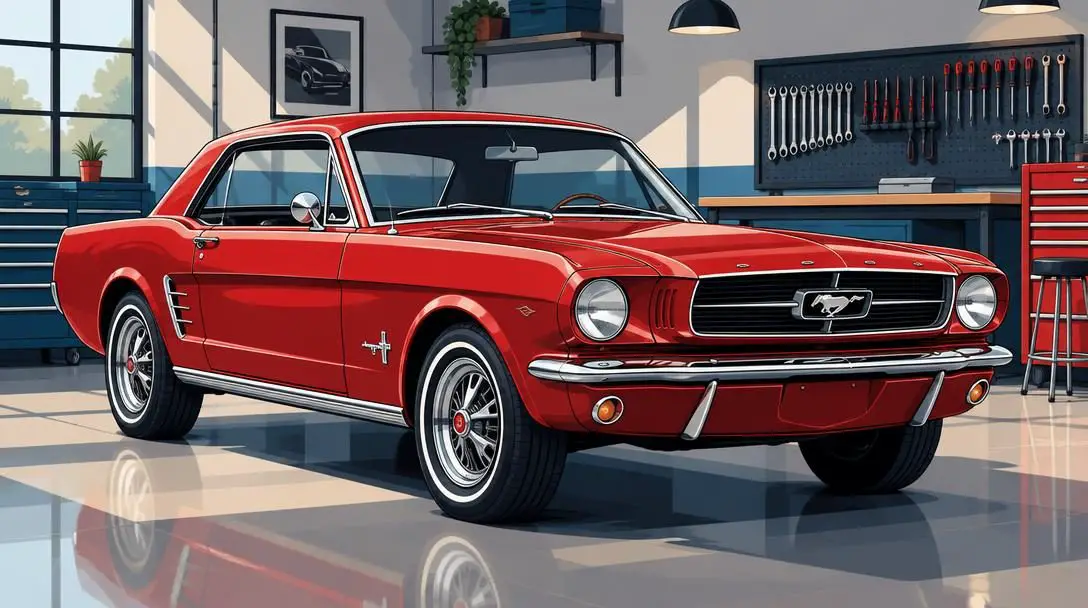
The first-generation Ford Mustang remains one of the most accessible starting points for beginner and intermediate builders. Due to the vehicle's massive historical production run and dedicated global following, virtually every individual component—from floor pans and frame rails to dashboard switches—is readily available through reproduction catalogs. Its straightforward engine bay accommodates a variety of classic small-block engines with ample room to turn wrenches.
Chevrolet Camaro
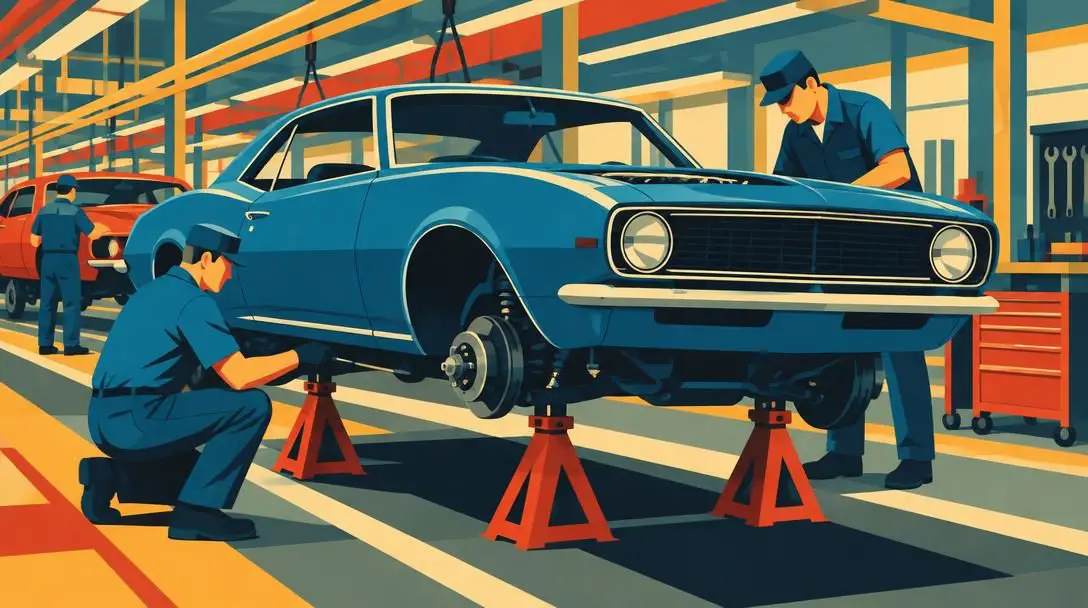
- Platform Category: Classic muscle car
- Aftermarket Availability: Vast catalog of replacement body panels and chassis upgrades
- Community Support: Deep technical documentation across independent forums
First- and second-generation Chevrolet Camaros share their foundational architecture with a broad family of General Motors vehicles, giving builders access to an immense pool of interchangeable mechanical parts. The platform's subframe design makes removing, rebuilding, and upgrading front suspension assemblies relatively simple compared to full unibody vehicles, while modern performance upgrades bolt directly into factory locations.
Dodge Charger
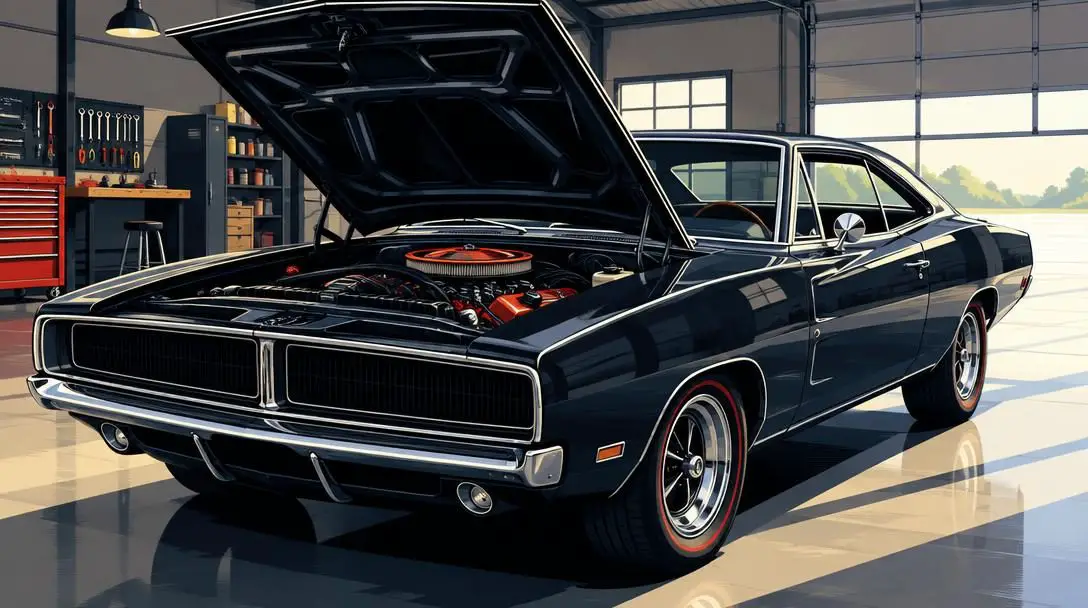
- Platform Category: Classic B-body muscle car
- Aftermarket Availability: Growing reproduction market for structural and trim items
- Community Support: Highly specialized technical enthusiast clubs
The classic Dodge Charger offers unmistakable styling and an imposing physical footprint. While Chrysler B-body platforms generally require a higher parts acquisition budget than their Ford or GM counterparts, substantial aftermarket support has emerged to supply sheet metal, performance suspensions, and electrical harnesses. The platform provides an expansive engine bay capable of holding massive vintage powertrains with adequate workspace for plumbing and wiring.
| Vehicle Platform | Aftermarket Parts Supply | Engine Bay Work Clearance | Primary Sourcing Advantage |
|---|---|---|---|
| Ford Mustang | Extensive (full body shells available) | Moderate to spacious | High parts competition keeps component prices accessible |
| Chevrolet Camaro | Extensive (wide mechanical crossover) | Spacious | Interchangeability across multiple GM vehicle lines |
| Dodge Charger | Moderate to high | Very spacious | Large chassis easily accommodates large engine blocks |
The Four-Step Assembly Roadmap
Executing a build without an orderly sequence forces you to repeatedly dismantle finished work to install forgotten components. Following a structured roadmap ensures consistent momentum from start to finish.
- Choose and Research Your Project: Balance personal passion against realistic financial constraints. Select an accessible vehicle platform, study dedicated online build threads, and establish an itemized components manifest before spending money.
- Execute a Methodical Teardown: Strip the car down to its bare shell. Remove mechanical running gear, trim, glass, and interior upholstery. Store all hardware in labeled plastic bags, tag each electrical wire, and photograph factory routings from multiple angles.
- Rebuild the Mechanical Core Piece by Piece: Repair all structural frame damage before mounting mechanical parts. Install the heavy engine and transmission assemblies first, followed by running suspension linkages, mounting cooling systems, installing hydraulic brake lines, and routing the electrical harness.
- Prepare the Surface and Apply Finish Paint: Complete bodywork after the vehicle's mechanical components are plumbed and tested. Strip away old paint, eradicate surface rust, fill imperfections, spray high-build primers, block-sand panels until flat, and spray your chosen topcoat and protective clear layers.
Essential Shop Habits for Smooth Project Management
Succeeding as a home car builder depends just as heavily on shop discipline as it does on mechanical aptitude. Implementing rigorous organizational habits early saves valuable build hours and keeps the work environment safe:
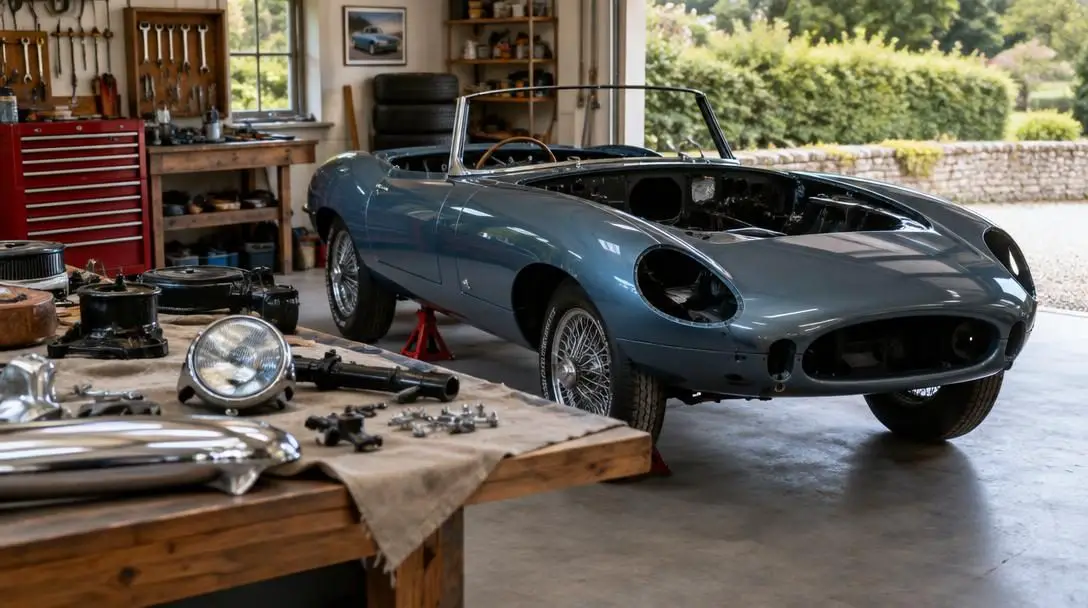
- Establish a Dedicated Workflow Space: Position the car with enough perimeter clearance to pull axles, drop transmissions, and roll tool carts comfortably without colliding with stored components.
- Acquire Core Hand Tools First: Secure professional-grade socket sets, long-pattern combination wrenches, breaker bars, calibrated torque wrenches, and heavy-duty floor jacks before investing in high-end specialty machinery.
- Maintain a Living Build Log: Document every purchased replacement part, part number, fastener thread pitch, fluid capacity, and factory torque setting in a dedicated shop notebook.
- Tackle the Build in Modular Sub-Projects: Treat the restoration as a series of isolated milestones—such as rebuilding the front steering gear or refurbishing the pedal box—to prevent cognitive overload.
- Enforce Daily Shop Cleanliness: Sweep away metal shavings, wipe down fluid spills, and return hand tools to their assigned drawers at the end of every work session.
Common Build Mistakes That Derail Progress
Even seasoned mechanics can fall victim to common project traps that inflate timelines and drain budgets. Avoiding these frequent blunders keeps a vehicle build on track:
- Rushing the Disassembly: Tearing an automobile apart haphazardly turns final assembly into an exercise in guesswork; take extra days during teardown to catalog and bag fasteners.
- Ignoring Structural Metal Decay: Installing pristine performance parts onto a rusted frame rail or compromised floor pan wastes money and creates a dangerous vehicle.
- Underestimating Incidental Expenses: Small consumables such as stainless brake fittings, copper crush washers, rubber seals, gaskets, electrical relays, and automotive primers can double initial budget estimates.
- Prematurely Installing Soft Upholstery: Installing seat covers, headliners, and plush carpets before running hydraulic lines or wiring circuits risks staining expensive fabrics with brake fluid, grease, or stray spark burns.
Preparing for the Shake-Down: Final Road Readiness
Completing physical assembly is an exceptional milestone, but the transition from garage floor to open asphalt requires systematic verification. Before driving the machine at speed, clear all legal hurdles by confirming your local registration, title, and safety inspection protocols. Acquire dedicated classic automobile insurance that guarantees an agreed value rather than basic market-depreciation coverage.
Once legalities are complete, initiate a measured shake-down procedure. Run the engine up to operational temperature while parked to verify that the thermostat opens and electric cooling fans cycle on. Inspect all brake line junctions, transmission coolers, and fuel lines for leaks under pressure. Conduct initial road testing at low speeds within an empty parking lot or quiet side street, testing brake pedal responsiveness and listening for suspension binding. After completing the first heat cycle, return the vehicle to the shop and retorque all wheel lug nuts, steering linkages, and drivetrain mounting bolts.
Frequently asked questions
Why are classic cars better than modern cars for DIY builders?
Classic automobiles feature analog mechanical layouts with minimal electronic control modules, allowing home mechanics to access, rebuild, and maintain components using standard hand tools rather than specialized diagnostic software.
What are the best vehicles for a first-time build project?
Mass-market vintage models such as the Ford Mustang, Chevrolet Camaro, and Dodge Charger are ideal because they have massive enthusiast communities and comprehensive aftermarket reproduction catalogs for everything from body panels to mechanical hardware.
Why should heavy drivetrain components be installed before electrical and brake lines?
Installing large, heavy assemblies like the engine and transmission first ensures you have maximum clearance in the engine bay without risking accidental dents, bends, or cuts to delicate wiring harnesses, fluid lines, or fresh paintwork.
How can I prevent losing track of parts during a long project?
Place all fasteners into labeled plastic bags grouped by component, tag wiring connectors, take high-resolution reference photographs from multiple angles prior to disassembly, and log all part numbers and steps in a build notebook.
What checks are essential during the initial shake-down drive?
Check for fluid leaks, verify the cooling system cycles properly at operating temperature, test braking effectiveness at low speeds, monitor gauges for temperature or oil pressure spikes, and retorque suspension bolts and wheel lugs after the first heat cycle.
The bottom line
Building a classic car is a marathon of problem-solving that requires equal measures of mechanical curiosity, patience, and organizational discipline. By selecting an accessible platform, tackling the restoration system by system, and refusing to cut corners on structural safety, you can transform a neglected chassis into a dependable, personalized driving machine that delivers immense pride every time you turn the key.