5 Things To Think About Before You Buy A General Motors’ G Body
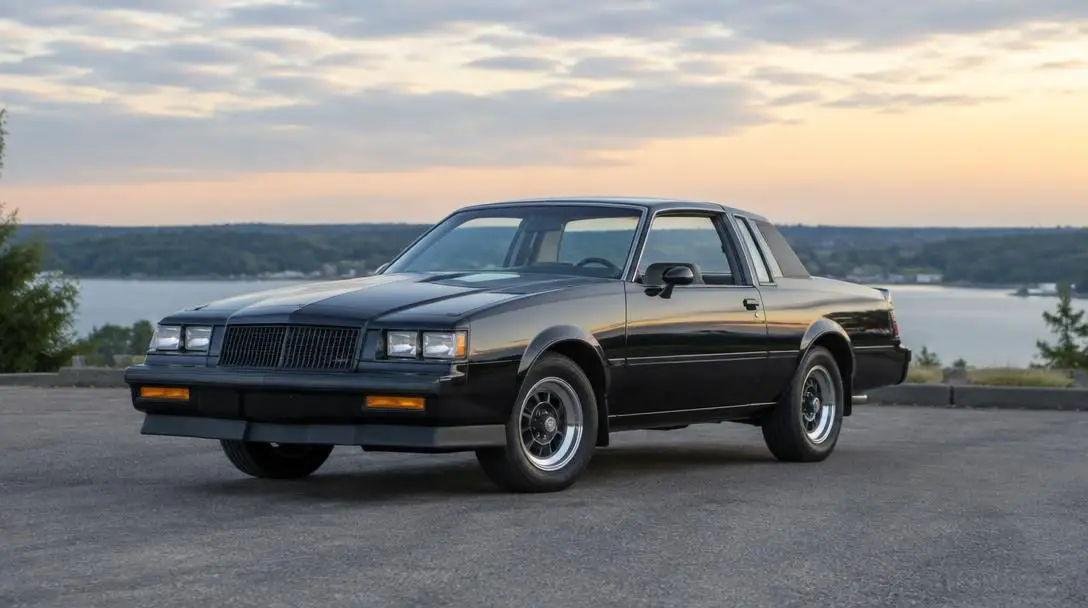
General Motors produced the celebrated G-body vehicle platform across a pivotal decade spanning from 1978 to 1988. During this era, the architecture served as the foundation for some of the most recognizable, enduring midsize personal luxury coupes ever conceived by an American automaker. Key models defining this lineage include the Chevrolet Monte Carlo, the Oldsmobile Cutlass Supreme, and the Buick Regal. These vehicles captured the public imagination by combining classic proportions, long hoods, formal rooflines, rear-wheel-drive dynamics, and distinct brand-specific exterior styling.
Originally designated internally under the GM A-body banner before officially transitioning to the G-body nameplate for the 1982 model year, these cars marked an essential transitional moment in American automotive design. General Motors downsized the lineup relative to its hefty 1970s predecessors, yielding lighter, more agile vehicles while retaining traditional body-on-frame construction. Today, the G-body is a bona fide classic across hot-rodding, drag racing, and restoration communities. However, buying a car that is well over three decades old requires careful preparation, as underlying structural, mechanical, and cosmetic issues can easily undermine initial aesthetic charm.
Key takeaways
- Corrosion is the primary threat to vehicle integrity, requiring careful inspection of floor pans, rocker panels, trunk pans, and rear frame rails.
- Engine swaps and performance modifications demand model-specific mounting hardware, bracketry, and matching drivetrain components.
- Upgrading the factory double-wishbone front and four-link rear suspension requires managing roll center, alignment, and chassis flex.
- Replacement parts availability varies drastically between mainstream nameplates and less common trim packages or body styles.
Five Core Factors to Examine Before Buying
Before committing to a vintage G body, prospective owners should systematically evaluate five fundamental considerations identified by seasoned builders and experienced enthusiasts.
Rust and Structural Corrosion
Because every G body on the road is now well over thirty years old, structural rust poses the single greatest threat to your investment. Many of these vehicles served as daily drivers through harsh winter road conditions, accumulating road salt, slush, and debris that quietly attacked unprotected steel panels. Trouble spots regularly emerge in the floor pans, the inner and outer rocker panels, and the trunk pan, particularly inside the spare tire well and outer drop-offs. Rust in these vehicles notoriously expands from the inside out, meaning that small surface bubbles in the paint often betray catastrophic structural oxidation underneath.
Engine Compatibility and Drivetrain Capabilities
If your ultimate goal is to build a high-performance cruiser or track machine, powertrain compatibility demands an early evaluation. A significant number of factory G-body cars rolled off the assembly line equipped with smaller-displacement, lower-output engines lacking the robust internal components needed to handle serious performance modifications. Furthermore, engine bay configurations, radiator support geometries, and engine mount locations differed depending on the original engine installed at the factory. Swapping in a modern high-output V8 often necessitates unique crossmembers, custom brackets, and elusive engine mounts that are specific to certain body-and-engine configurations.
Suspension Upgrades and Handling Complexities
Modern enthusiasts frequently want to sharpen the stance and cornering dynamics of their cars by dropping the ride height or adding modern performance components. However, achieving proper road manners can be deceptively complex due to the factory suspension geometry. The original arrangement pairs an independent front double-wishbone design with a solid rear axle suspended by four trailing links. Altering ride height without an understanding of roll center migration, pinion angle shifts, and steering sweep can cause extreme suspension binding, severe bump steer, and unstable tracking on uneven road surfaces.
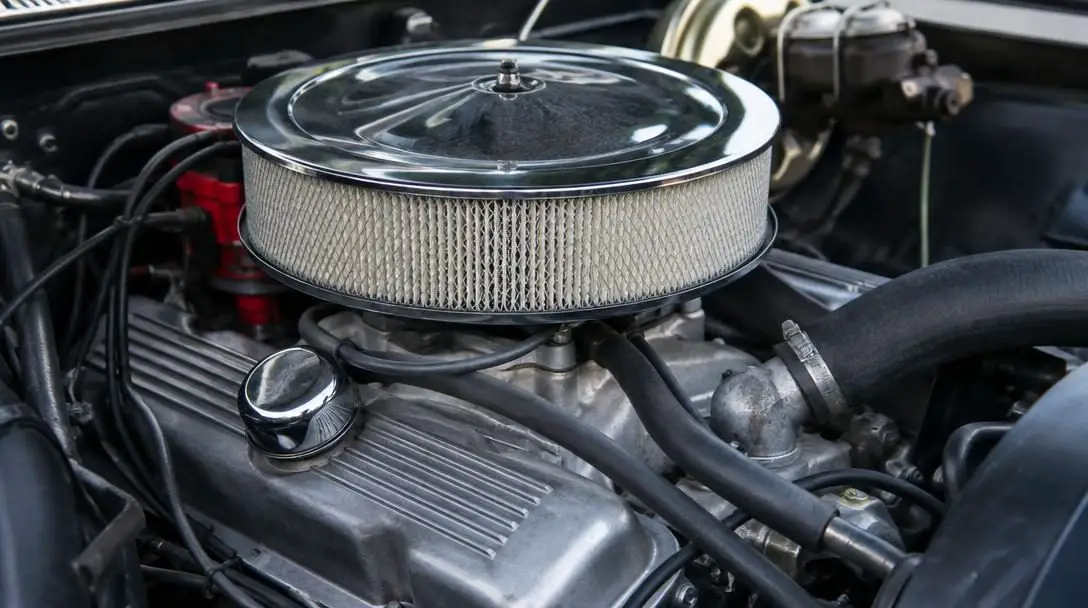
Aesthetic appeal can easily overshadow structural decay and mechanical geometry limits that demand substantial resources to correct.
Interior Condition and Component Wear
While external sheet metal tends to receive the lion's share of attention, evaluating the interior cabin condition is just as vital to your budget. Decades of harsh ultraviolet light exposure and interior heat take a heavy toll on 1980s automotive plastics, turning dashboards brittle, warping trim pieces, and fading upholstery. Sourcing replacement cabin parts varies significantly by make and trim tier. Finding pristine replacement dash pads, unbroken console covers, and accurate seat fabric patterns can quickly turn into a grueling and expensive scavenger hunt if the original components are damaged beyond repair.
Parts Availability Discrepancies
Parts availability is not balanced evenly across the G-body family tree. Universally popular iterations such as the Chevrolet Monte Carlo and Oldsmobile Cutlass Supreme enjoy massive aftermarket support, comprehensive reproduction catalogs, and plentiful sheet metal options. In contrast, sourcing specific exterior moldings, brand-specific grilles, lighting assemblies, or interior gauge clusters for less common models or niche option packages can prove extraordinarily difficult. These discrepancies can dramatically lengthen your restoration timeline and lead to steep price premiums on secondary marketplaces.
G-Body Model Comparison
Although they share a common chassis architecture, each core G-body model exhibits distinct aftermarket availability, styling queues, and restoration challenges.
| Model Name | Primary Brand | Platform Transition | Aftermarket Support | Restoration Sourcing Focus |
|---|---|---|---|---|
| Monte Carlo | Chevrolet | A-body (1978) to G-body (1982) | Extensive reproduction catalogs | Widely available sheet metal, interior trim, and mechanical parts |
| Cutlass Supreme | Oldsmobile | A-body (1978) to G-body (1982) | Very strong overall support | Plentiful mechanical parts; distinct brand interior trim requires searching |
| Regal | Buick | A-body (1978) to G-body (1982) | Moderate to strong support | High demand for performance items; brand-specific emblems and trim can be scarce |
How the G-Body Platform Operates Mechanically
Understanding the mechanical operation of the GM G body provides indispensable context when planning routine maintenance or ambitious track upgrades. At the heart of the platform sits a full body-on-frame layout. Rather than using modern unibody construction, the steel passenger compartment and exterior panels form a separate body tub that bolts directly onto a steel perimeter chassis via rubber or polyurethane body bushings. This traditional configuration was engineered to isolate cabin occupants from tire harshness, drivetrain vibrations, and road chatter, producing the smooth cruising experience prized by personal luxury car buyers of the 1980s.
The steering and suspension hardware reflects conventional rear-wheel-drive engineering of the late twentieth century. Up front, the vehicle uses an independent suspension setup consisting of upper and lower steel control arms, coil springs, hydraulic shock absorbers, and a front anti-sway bar. Steering is governed by a traditional recirculating-ball gearbox connected to an idler arm, center link, and inner and outer tie rods. In the rear, the platform utilizes a four-link solid axle configuration featuring upper and lower trailing arms, coil springs, and vertical shock absorbers.
While this four-link rear suspension and double-wishbone front layout delivered respectable comfort for everyday highway cruising, the geometry inherently exhibits noticeable body roll and bushing deflection under spirited driving. Frame flex is an additional variable; placing high-torque engines into the engine bay or cornering at high speeds creates torsional twist across the perimeter frame, directly influencing suspension alignment and tire contact patches. Furthermore, transmission crossmember placement, engine bay clearances, exhaust pathways, and front accessory brackets were uniquely configured around factory powerplants, meaning powertrain upgrades require comprehensive re-engineering of the cooling system, electrical harnesses, and fuel plumbing.
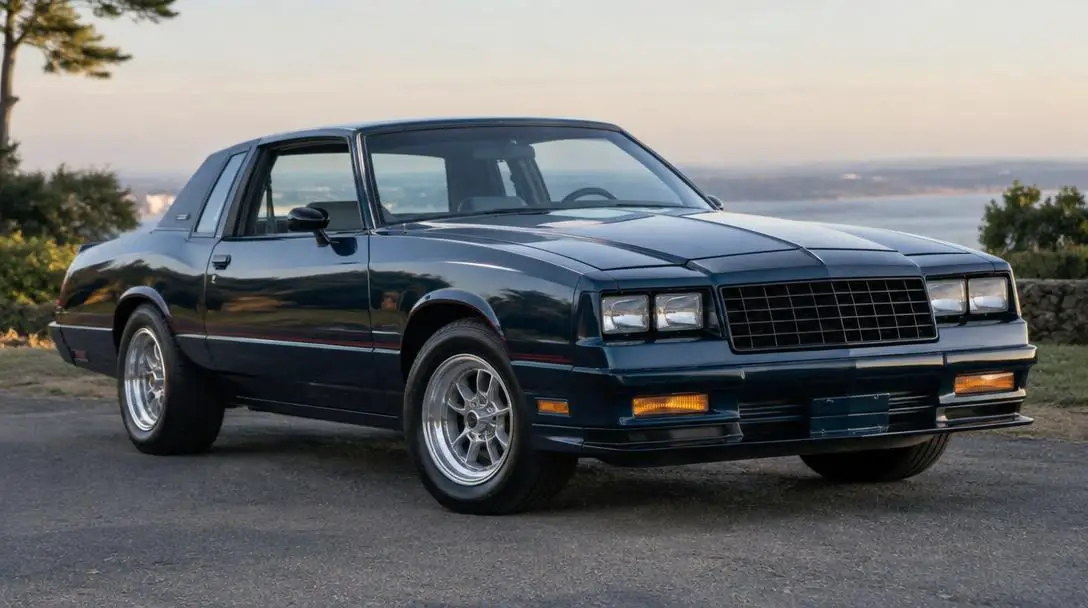
Practical Steps for Evaluating a G Body Before Purchase
To avoid taking on a money pit disguised by glossy paint, follow this methodical inspection routine before negotiating a purchase.
- Perform a structural frame and body rust check: Lift the vehicle safely or slide underneath with an inspection light. Thoroughly inspect the floor pans from underneath and under the interior carpet, check the inner and outer rocker panels for paper-thin metal, and examine the spare tire well, trunk drop-offs, and rear frame sections behind the axle.
- Evaluate the engine bay configuration and mounting: Check the vehicle identification number and engine stampings to identify the original factory engine. Inspect the motor mounts, front frame crossmember, and accessory drive brackets to determine if an aftermarket swap was executed properly or with makeshift hardware.
- Inspect suspension and chassis mounting points: Examine the rubber body mounts connecting the body tub to the perimeter frame for dry rot, crushing, or complete deterioration. Check control arm bushings, front ball joints, and rear trailing arm connections for excessive play, looking specifically for cut coil springs or poor lowering modifications.
- Audit interior materials and trim completeness: Inspect the dash pad for deep heat cracks, warping, and sun damage. Test manual mechanisms, window cranks, heater controls, light switches, and dashboard gauges to inventory which components function and which will require replacement.
- Research parts catalogs for the specific model: Cross-reference the vehicle's model, year, and trim level against reproduction parts suppliers to ensure replacement components—such as tail lamp lenses, weatherstripping, and body moldings—are accessible within your budget.
- Conduct a thorough, varied road test: Drive the vehicle across diverse pavement surfaces to evaluate frame flex, chassis squeaks, transmission gear engagement, braking tracking, and engine operating temperatures under load.
Common Mistakes Prospective Buyers Make
Enthusiasts entering the classic GM market frequently stumble into avoidable traps. Keeping these common errors in mind will save you time and money.
- Focusing exclusively on exterior paint: A shiny, fresh coat of paint often hides poorly applied body filler, metal bubbling, and deteriorated inner paneling that requires thousands of dollars in metal fabrication to remedy.
- Assuming all G-body parts are interchangeable: While the underlying chassis is shared across divisions, sheet metal, lighting fixtures, bumpers, dashboards, and door panels differ sharply between a Chevrolet, an Oldsmobile, and a Buick.
- Underestimating the effects of suspension lowering: Simply chopping factory coil springs or utilizing generic lowering blocks disrupts shock travel, ruins the roll center, misaligns the rear pinion angle, and creates harsh bottoming out.
- Overlooking weak factory drivetrain components: Dropping a high-torque modern engine in front of a stock transmission, smaller factory differential, and lightweight driveshaft designed for modest power will trigger rapid mechanical failure.
- Ignoring missing trim pieces and deteriorated seals: Dismissing absent emblems, missing chrome trim, or shredded weatherstripping as minor cosmetic flaws can prove costly, as rare trim items frequently command high prices on the secondary market.
Budgeting, Planning, and Ownership Realities
A successful G-body project demands a realistic financial plan extending beyond the initial purchase price. Any vehicle that has existed for over three decades requires immediate baseline mechanical maintenance before taking on long highway journeys. Budget immediately for a complete fluid flush, new flexible brake lines, fresh fuel filters, cooling system hoses, and a new set of tires, as vintage rubber often ages out structurally even if the tread appears deep.
If you intend to modify the car, prioritize chassis balance and braking capacity over sheer horsepower. Enhancing the braking system, tightening steering linkage play, and refreshing suspension bushings ensures that your car can safely manage power increases. Finally, take an honest assessment of your workspace, tools, and mechanical skill. Extensive metal repair and engine retrofits demand dedicated garage space and lifting tools; if you intend to rely on professional shops, confirm local labor rates and ensure their technicians are familiar with rear-wheel-drive GM platforms from the 1978 to 1988 era.
Frequently asked questions
What production years define the GM G-body platform?
The platform ran from the 1978 through the 1988 model years. It was originally designated as the downsized A-body platform starting in 1978 before GM formally rebranded the rear-wheel-drive architecture as the G-body for 1982.
Where are G-body cars most vulnerable to rust?
The most common corrosion points are the floor pans, inner and outer rocker panels, trunk pans (especially around the spare tire well), and the rear frame rails located directly behind the rear axle assembly.
Can parts be freely swapped between a Monte Carlo, Cutlass Supreme, and Regal?
While core chassis, suspension, and basic mechanical layout components share strong interchangeability across the platform, exterior sheet metal, grilles, bumpers, tail lights, dashboards, and unique interior trim pieces are brand-specific and do not interchange without extensive modification.
Why is lowering a G body often problematic?
Improperly lowering a G body using cut springs or crude hardware disrupts the vehicle's suspension geometry, severely compromising shock travel, creating bump steer in the front recirculating-ball steering linkage, and misaligning the pinion angle in the four-link rear suspension.
Which G-body models offer the best replacement parts availability?
High-volume models like the Chevrolet Monte Carlo and Oldsmobile Cutlass Supreme enjoy the most comprehensive aftermarket reproduction catalogs for interior components, repair sheet metal, and trim pieces.
The bottom line
The General Motors G-body platform represents a celebrated era of American personal luxury and rear-wheel-drive muscle. With its classic body-on-frame layout, distinctive styling lines, and massive enthusiast community, owning a Monte Carlo, Cutlass Supreme, or Regal can be an immensely gratifying journey. By looking past surface-level paint, systematically checking for frame rot, accounting for suspension geometry realities, and budgeting for model-specific trim parts, you can purchase an iconic 1978–1988 classic with complete confidence.