5 Major Legislative Wins By The Modern Day Democratic Party
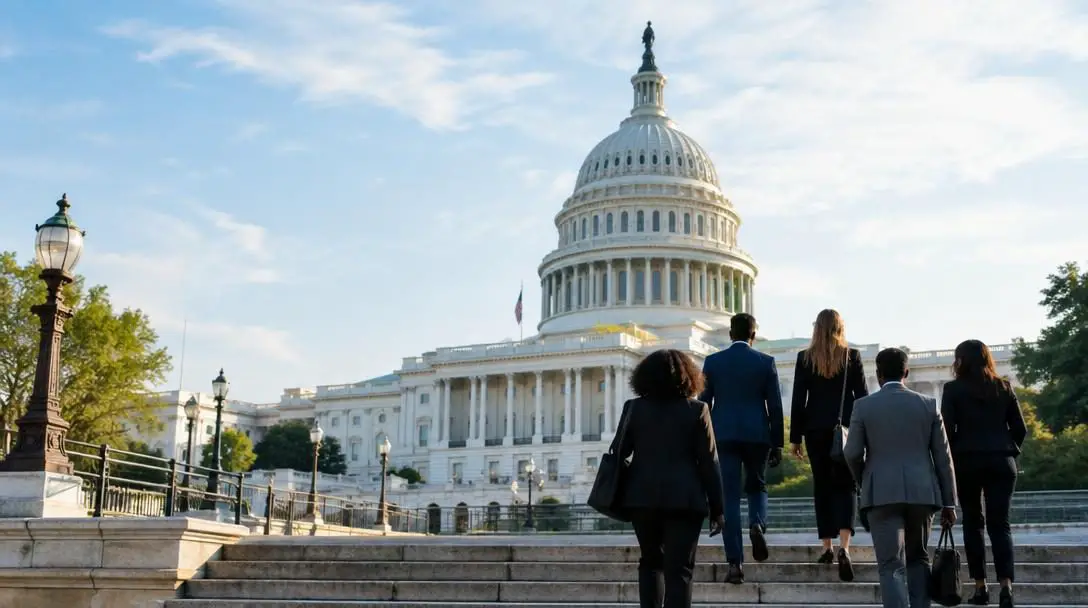
Over the past several decades, the modern Democratic Party has shaped its policy platform around building an equitable, inclusive, and socially supportive nation. Through distinct periods of unified control across the White House and the United States Congress, Democratic leaders have pursued ambitious domestic policies aimed at restructuring healthcare delivery, cushioning systemic economic shocks, fortifying civil rights, and modernizing immigration guidelines. These policy efforts reflect a sustained philosophy that federal authority should serve as a vital safeguard for vulnerable populations, economic stability, and equal opportunity.
From the sweeping overhaul of domestic healthcare in 2010 to emergency economic rescues during global emergencies and persistent campaigns for civil liberties, legislative initiatives illustrate the modern party's governing vision. While some of these measures achieved full enactment into federal law, others serve as flagship legislative priorities that define the party's ongoing policy debates and standard-setting in Washington.
Key takeaways
- The modern Democratic legislative agenda balances landmark enacted statutes like the Affordable Care Act and the American Rescue Plan Act with major proposed civil rights reforms.
- Key legislative priorities focus on removing systemic barriers in healthcare access, anti-discrimination protections, voting procedures, and humanitarian immigration policy.
- Statutory achievements rely on federal baselines, yet their long-term reach remains heavily influenced by state-level implementation and federal judicial oversight.
- Civic participation requires distinguishing between active federal laws and proposed bills currently advancing through congressional chambers.
Historical context of modern Democratic policymaking
The trajectory of modern Democratic policy reflects federal responses to urgent twenty-first-century challenges. When President Barack Obama assumed office alongside Democratic majorities in Congress in 2009, long-standing systemic vulnerabilities in the American healthcare system demanded urgent federal intervention. Millions of citizens were excluded from medical coverage due to cost barriers, unemployment, or pre-existing medical conditions, spurring a comprehensive legislative push that transformed the domestic health sector.
A decade later, the arrival of the COVID-19 pandemic triggered combined public health emergencies and severe economic fallout. The election of President Joe Biden, paired with congressional majorities in late 2020 and early 2021, refocused the federal apparatus on rapid crisis mitigation, immediate economic stimulus, and public health infrastructure funding. Simultaneously, shifting legal dynamics created new challenges for federal civil rights protections. Following landmark Supreme Court rulings that modified historical voting statutes, alongside growing movements advocating for LGBTQ+ equality and protections for undocumented youths, Democratic lawmakers organized around specific statutory proposals to codify protections into federal law.
Major legislative wins and flagship priorities at a glance
The legislative agenda of the modern Democratic Party features both codified statutes that restructured federal spending and prominent bills designed to expand baseline civil liberties. The table below outlines these signature measures.
| Measure | Primary Policy Focus | Legislative Status | Core Objective |
|---|---|---|---|
| The Affordable Care Act (ACA) | Healthcare Reform | Enacted Law (2010) | Expand access, eliminate pre-existing condition bans, and establish marketplaces. |
| The American Rescue Plan Act (ARPA) | Economic Stimulus & Relief | Enacted Law (2021) | Provide direct pandemic relief, fund vaccines, and support municipal budgets. |
| The Voting Rights Advancement Act (VRAA) | Voting Rights & Elections | Proposed Legislation | Restore federal preclearance formulas for jurisdictions with voter suppression histories. |
| The Equality Act | Civil Rights & Anti-Discrimination | Proposed Legislation | Prohibit discrimination based on sex, sexual orientation, and gender identity. |
| Dreamers Protection | Immigration Reform | Proposed Legislation | Establish permanent lawful status and a citizenship pathway for undocumented minors. |
Detailed examination of signature legislative measures
Examining each milestone demonstrates how Democratic leaders have used federal law to establish safety nets, combat economic distress, and propose durable civil protections.
The Affordable Care Act (ACA)

- Signed Into Law: 2010
- Signing President: Barack Obama
- Key Provision: Pre-existing condition protections
Signed into law in 2010, the Affordable Care Act (ACA) represents one of the most consequential domestic policy achievements in modern American history. Prior to its passage, private insurance practices regularly excluded individuals with chronic illnesses, dropped coverage unexpectedly, or placed lifetime caps on essential treatments. The ACA directly overhauled private health insurance standards across the nation.
Under the ACA, private insurers are prohibited from denying coverage or charging higher premiums based on pre-existing health conditions. The legislation also permitted young adults to stay on their parents' insurance plans until age 26, creating an immediate coverage bridge for individuals entering the workforce. Furthermore, the statute created state and federal insurance exchanges, giving families, individuals, and self-employed professionals transparent platforms to compare and purchase standardized healthcare coverage.
Federal policy serves as an essential guarantor of baseline dignity, economic security, and fundamental civil rights against systemic inequality.
The American Rescue Plan Act (ARPA)

- Signed Into Law: March 2021
- Signing President: Joe Biden
- Total Package Value: $1.9 trillion
Passed in March 2021, the American Rescue Plan Act (ARPA) was an emergency economic stimulus measure designed to stabilize an economy reeling from the global COVID-19 pandemic. The $1.9 trillion package addressed the dual pressures of public health containment and catastrophic household income loss through direct federal investment.
The statute sent direct stimulus payments to qualifying individuals, prolonged emergency federal unemployment assistance, and expanded critical tax credits that lifted millions of families out of poverty. For public health, the plan allocated billions toward nationwide vaccine distribution networks, testing centers, and personal protective equipment. Additionally, the ARPA provided crucial budgetary transfers to state, local, and territorial governments facing extreme municipal revenue shortfalls, ensuring public safety and education systems remained operational.
The Voting Rights Advancement Act (VRAA)
- Policy Area: Federal election oversight
- Legislative Status: Proposed reform
- Historical Basis: Voting Rights Act of 1965
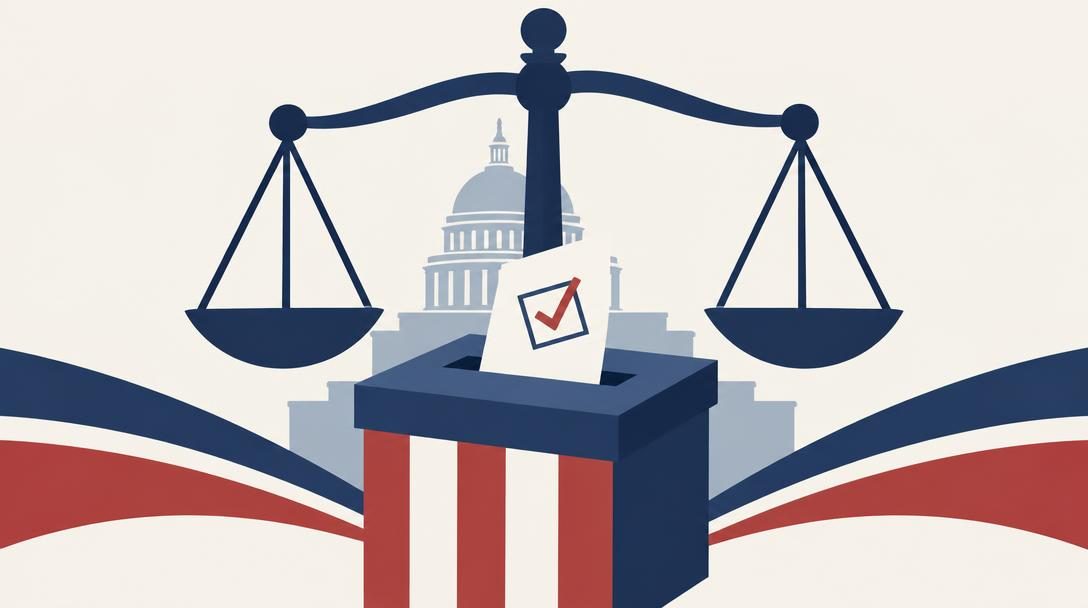
The Voting Rights Advancement Act (VRAA) is a critical legislative priority designed to revitalize federal voting rights oversight. In 2013, a consequential decision by the Supreme Court of the United States struck down the formula determining which states and localities required federal approval before changing their election procedures, effectively weakening the original Voting Rights Act of 1965.
The VRAA establishes a modern, transparent formula to identify jurisdictions with documented histories of voting discrimination. Under its provisions, covered states and localities must submit voting changes—such as polling site consolidations, strict voter identification requirements, and redistricting plans—for federal preclearance before implementation. Modern Democrats champion the measure as a vital bulwark protecting fair ballot access for all citizens.
The Equality Act
- Policy Area: LGBTQ+ nondiscrimination
- Legislative Status: Proposed reform
- Core Scope: Housing, employment, and public accommodations
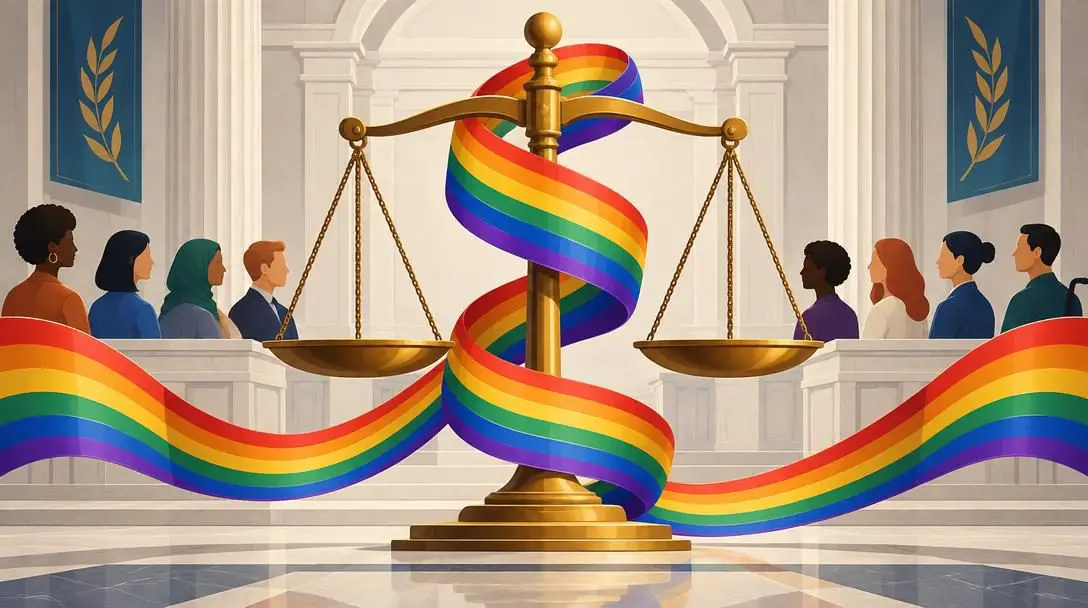
The Equality Act represents an expansive federal push to amend established civil rights laws to explicitly safeguard LGBTQ+ individuals. While judicial decisions have recognized marriage equality, state-level legal protections remain uneven, leaving millions of individuals vulnerable to arbitrary discrimination in daily life.
The proposed statute explicitly incorporates sexual orientation and gender identity into federal civil rights legislation, extending prohibitions against discrimination into housing, employment, public accommodations, jury service, and federal programs. Modern Democrats argue that comprehensive, explicit statutory language is essential to guarantee that all Americans, regardless of sexual orientation or gender identity, receive equal protection and dignity under federal law.
Dreamers Protection

- Policy Area: Immigration reform
- Legislative Status: Proposed reform
- Target Beneficiaries: Undocumented youths brought to the U.S. as minors
Legislation focused on Dreamers protection forms the centerpiece of modern Democratic immigration policy. The initiative centers on undocumented immigrants who arrived in the United States as young children and have spent their formative years growing up as members of American communities.
Central to comprehensive immigration reform bills championed by President Joe Biden and congressional Democrats is an explicit, earned pathway to lawful permanent residence and eventual citizenship for Dreamers. Proponents stress that shielding these individuals from deportation recognizes their ongoing contributions to local economies, universities, and public institutions, providing the legal certainty necessary to live and work openly in the country they consider home.
How federal legislation moves from concept to law
Transforming policy ideals into active federal law requires navigating a rigorous constitutional system of checks and balances. Understanding this pathway clarifies why some party priorities become immediate laws while others remain legislative proposals spanning multiple sessions.
- Bill Drafting and Introduction: Lawmakers, policy advisors, and legal specialists draft specific statutory language. A sponsoring member then introduces the proposal into the House of Representatives or the Senate.
- Committee Review and Markup: The bill is referred to specialized committees, such as the Judiciary or Finance committees. Members hold hearings, amend specific lines, and hold a markup vote to determine if the legislation reaches the chamber floor.
- Floor Debate and Chamber Voting: The full chamber debates the measure, considers floor amendments, and conducts a recorded roll-call vote requiring a majority to pass.
- Bicameral Reconciliation: Because both legislative bodies frequently approve divergent versions of related measures, differences must be resolved through a conference committee or identical amendment agreements.
- Presidential Signature: Once identical statutory text passes both chambers, the bill is submitted to the President. Signing the bill enacts it into federal law, whereas a presidential veto requires a two-thirds override vote in both chambers.
Practical steps to access programs and participate in policy
Federal policies produce direct consequences for families, workers, and local businesses. Citizens can engage directly with enacted programs and the ongoing legislative process through practical actions.
- Explore Healthcare Exchange Plans: Review coverage options on the official health insurance marketplace to secure plans that guarantee pre-existing condition protections and allow dependents to remain covered until age 26.
- Track Local Public Relief Grants: Connect with municipal and state government offices to see how federal rescue investments under ARPA continue to support local infrastructure, education programs, and community assistance.
- Monitor Active Congressional Measures: Follow proposed legislation like the Voting Rights Advancement Act and the Equality Act through official congressional databases to read draft text and check current committee status.
- Engage Congressional Representatives: Contact local members of the House of Representatives and the Senate by phone, letter, or email to share views on immigration reform, civil rights legislation, or healthcare laws.
- Verify Voter Registration Requirements: Contact local election supervisors to confirm current voter registration status and review state-specific identification and polling requirements well ahead of upcoming elections.
Common misconceptions regarding federal legislation
Public discourse surrounding federal policymaking frequently blurs the distinction between proposed party platforms and active federal law. Avoiding standard misconceptions ensures a realistic understanding of how federal power operates.
- Confusing Proposed Bills with Enacted Statutes: Widely debated proposals like the Equality Act or the Voting Rights Advancement Act are frequently discussed as though they are active law. Citizens must confirm whether a bill received a presidential signature before assuming it carries legal force.
- Overlooking Cooperative Federalism: Many federal statutes rely on individual states for administration. Under the ACA, for example, states determine whether to run their own exchanges or rely on the federal exchange, resulting in regional operational variations.
- Assuming Instantaneous Implementation: Large-scale statutes like the American Rescue Plan Act require lengthy administrative rule-making. Agencies must create distribution rubrics before funds and tax credits can reach the public.
- Disregarding Judicial Review: Laws passed by Congress are subject to review by the federal court system. The 2013 Supreme Court ruling that impacted the Voting Rights Act highlights how judicial interpretations can reshape federal statutes.
Frequently asked questions
What is the main difference between the ACA and the American Rescue Plan Act?
The Affordable Care Act is a structural regulatory overhaul enacted in 2010 to reform private health insurance and expand coverage access permanently. The American Rescue Plan Act, passed in 2021, was a $1.9 trillion emergency stimulus package aimed at stabilizing households, businesses, and public health systems during the COVID-19 pandemic.
Has the Equality Act been signed into law?
No. The Equality Act remains a proposed legislative measure championed by modern Democrats. Although it has advanced through various stages in Congress, it has not completed the full bicameral passage and presidential signature process necessary to become active federal statute.
Why did the modern Democratic Party introduce the Voting Rights Advancement Act?
The VRAA was introduced in response to a 2013 Supreme Court ruling that dismantled the coverage formula used in the original Voting Rights Act of 1965. The new legislation aims to establish an updated, legally sound formula to require jurisdictions with records of voter suppression to obtain federal approval before changing election laws.
How does the ACA protect individuals with pre-existing conditions?
The Affordable Care Act explicitly bars health insurance providers from denying coverage, charging higher premiums, or excluding specific benefits based on an applicant's pre-existing medical conditions.
What protections are proposed for Dreamers under Democratic immigration bills?
Proposed immigration reform legislation aims to protect Dreamers—undocumented immigrants who arrived in the country as children—from deportation while providing an explicit, lawful pathway toward permanent residency and United States citizenship.
The bottom line
The legislative achievements and policy priorities of the modern Democratic Party reflect a coherent philosophy centered on federal protection, social equity, and economic resilience. By establishing durable healthcare reforms through the Affordable Care Act and delivering historic economic stimulus through the American Rescue Plan Act, Democratic lawmakers have reshaped the baseline of federal assistance. Simultaneously, ongoing initiatives such as the Voting Rights Advancement Act, the Equality Act, and comprehensive Dreamer protections demonstrate the party's continued ambition to codify civil rights guarantees into federal statute. As federal courts interpret existing statutes and economic realities evolve, these legislative milestones and proposals will continue to define the terms of national governance.