The Dangers of Unchecked Power: Why We Need Transparency in Government
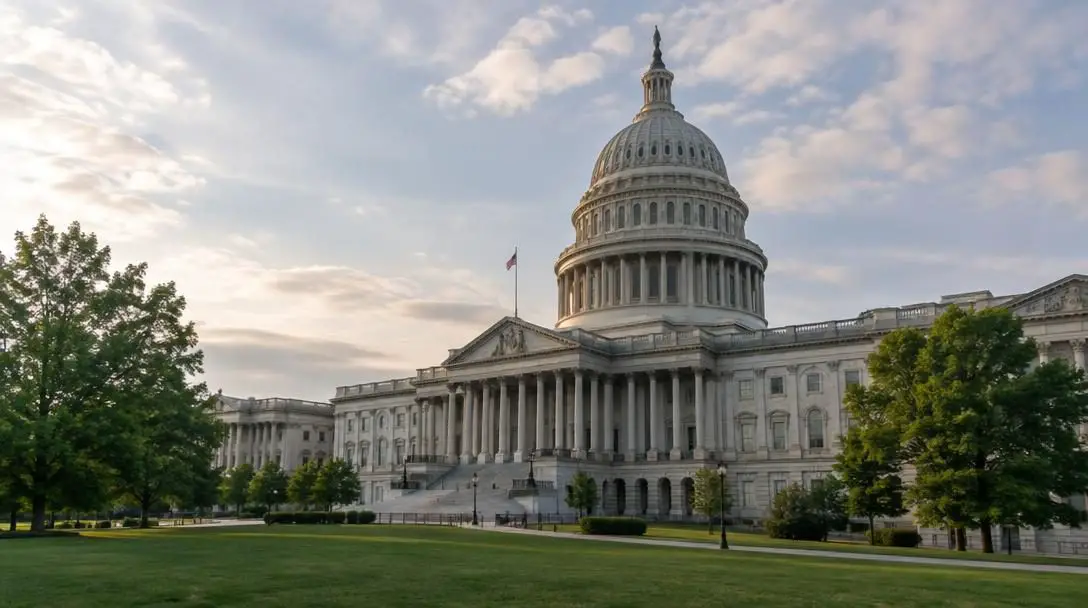
Throughout human history, the relationship between governing authorities and the everyday public has been shaped by a singular reality: power unchecked leads to tyranny and corruption. When institutions operate behind closed doors, the natural safeguards designed to protect everyday citizens begin to erode, allowing authority to drift away from public welfare and toward private interest.
Without systematic transparency, public service rapidly morphs into an authoritarian structure where leaders govern above the very laws they enforce. Ensuring that government operations remain open to public scrutiny is not merely an administrative preference; it is the ultimate barrier against institutional abuse, civil inequality, and the arbitrary exercise of authority.
Key takeaways
- Operating in secrecy allows governing bodies to prioritize personal agendas over public welfare without standard avenues for citizen redress.
- Proactive transparency enforces direct accountability, deterring corrupt practices and backroom deals through mandatory public visibility.
- Open record-keeping and public investigation findings build civic trust and encourage everyday people to actively invest in their communities.
- Public scrutiny over decision-making processes prevents the unfair distribution of communal resources and checks widening socioeconomic disparities.
- Sustaining democratic health requires ongoing vigilance, active monitoring of legislative platforms, and persistent public engagement.
The Structural Hazards of Shielded Authority
When governmental bodies conduct their affairs in secret, the boundary lines separating legitimate governance from despotic control rapidly dissolve. In an environment devoid of visibility, decision-makers are insulated from consequence. Authority transforms into an insular privilege where officials formulate directives for the general population while remaining entirely exempt from their practical impacts.
For ordinary citizens, the collapse of administrative openness creates an acute crisis of recourse. When policy decisions and legal interpretations are made behind closed doors, individuals lose the ability to identify who authorized an action, why a rule was imposed, or how municipal assets were allocated. Without clear access to official records and agendas, everyday people have no reliable mechanism to contest arbitrary rulings or rectify institutional wrongdoing. The absence of outside scrutiny creates a dynamic where leaders answer only to themselves, leaving the governed without an effective voice in their own civic destiny.
When public bodies are forced to operate in the light of day, authority ceases to be an exclusive instrument of a sheltered ruling class.
Four Pillars of Governmental Openness
Transparency is not a vague political ideal; it functions through concrete mechanisms that expose institutional decisions, policy shifts, and internal reviews to sustained public evaluation. When these operational standards are systematically enforced, they transform how power is exercised across four vital areas.
Direct Public Accountability
Open record-keeping ensures that elected representatives remain answerable to their constituents rather than personal interests. When legislative agendas, committee proceedings, and voting records are made accessible, politicians must publicly defend their choices. A voter evaluating a political party can clearly review the specific policies that leaders plan to implement and measure subsequent performance against those public commitments. When self-serving decisions cannot hide behind procedural obscurity, leaders must justify their votes or face removal at the ballot box.

Deterrence of Institutional Corruption
Public scrutiny acts as a constant preventive measure against illicit activities within governmental departments. When administrative agencies are required to reveal their meetings, external engagements, and financial choices, backroom negotiations become significantly more difficult to sustain. Furthermore, publishing the comprehensive results of internal investigations establishes an unambiguous deterrent. When officials understand that unethical behavior, legal violations, and subsequent sanctions will be fully disclosed, the perceived benefits of corrupt conduct are drastically reduced.
Fostering Civic Trust and Engagement
Cynicism and alienation naturally expand when communities are excluded from the choices that shape their daily lives. By operating openly, governing institutions establish the credibility required for a healthy civic culture. When citizens can verify that their representatives are acting honestly and within the law, their confidence in institutional integrity rises. This public trust fosters proactive civic participation: citizens become far more inclined to attend hearings, voice opinions, and contribute to local progress when they know their presence exerts a meaningful influence on real outcomes.
Reducing Systemic and Economic Inequality
Shielded authority routinely drives the unequal distribution of state assets, concentrating benefits among those who enjoy direct proximity to power. When legislation is passed without open scrutiny, or when resources are steered in secret, wealth gaps widen and marginalized populations bear the burden of unjust policies. Requiring leadership to disclose how decisions are formed enables the public to identify unfair treatment and contest suspicious distributions of public funds, ensuring that legal and economic protections apply equally across all social classes.
Comparing the Functions of Open Oversight
The structural benefits of institutional transparency can be understood by examining how each core function changes administrative behavior and delivers tangible protections to the broader public.
| Oversight Pillar | Primary Mechanism | Institutional Impact | Direct Public Benefit |
|---|---|---|---|
| Public Accountability | Published agendas, platforms, and voting records | Prevents leaders from prioritizing private interests over voter needs | Allows voters to judge policy results against pre-election promises |
| Anti-Corruption Deterrence | Public inquiry reports and disclosed meeting logs | Eliminates the operational secrecy needed for illicit backroom deals | Sets strict precedents and exposes administrative wrongdoing |
| Civic Trust Building | Open forums, accessible transcripts, and clear disclosures | Removes suspicion and validates administrative legitimacy | Transforms passive observers into engaged community participants |
| Diminished Inequality | Auditable resource allocation and clear policy rationales | Prevents powerful groups from hoarding state assets and benefits | Protects fundamental rights and combats extreme wealth disparities |
Practical Steps to Promote and Protect Open Governance
Transparent systems do not maintain themselves automatically; they require persistent engagement from community members, civic organizations, and administrative personnel. To ensure that oversight laws translate into active practice, citizens can take consistent, concrete actions to hold governing bodies to their word.
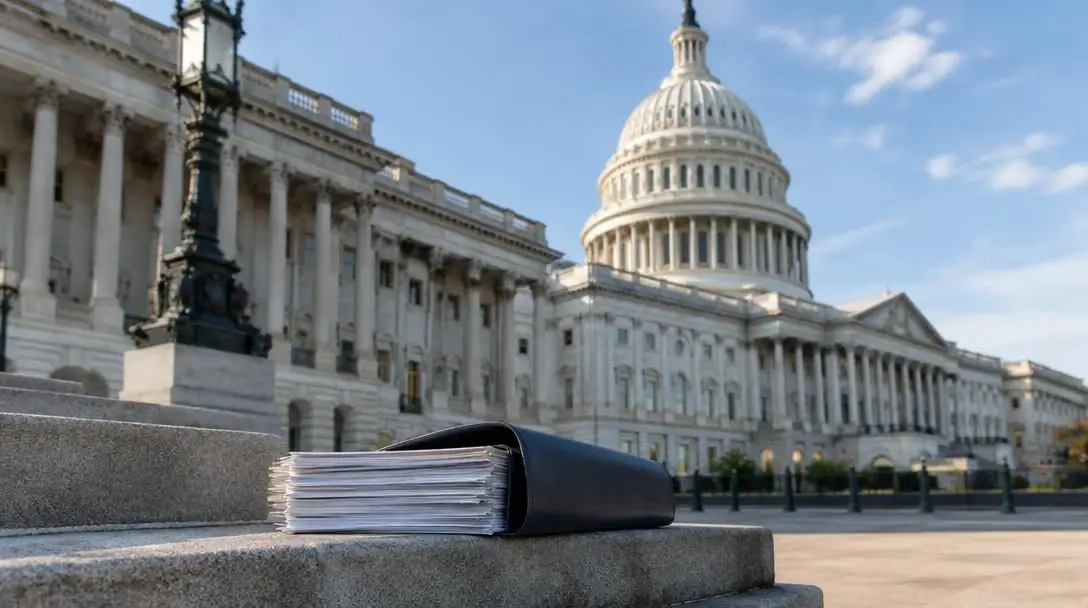
- Track legislative platforms and published agendas. Regularly review the declared policy positions of political parties and candidates prior to elections, comparing their initial commitments against their actual legislative voting records once they assume office.
- Demand access to official transcripts and votes. Insist that regulatory departments, administrative boards, and municipal councils provide unhindered public access to complete meeting records, hearing notes, and voting tallies.
- Examine communal resource distribution. Scrutinize published budget reports and procurement files to understand precisely how local revenues, state funds, and public resources are allocated among different neighborhoods.
- Participate directly in municipal proceedings. Attend town halls, departmental forums, and legislative committee sessions to question officials face-to-face regarding institutional agendas, specific policy justifications, and planned projects.
- Insist on full inquiry disclosures. Demand the comprehensive, unredacted publication of administrative audits and investigatory findings whenever misconduct, ethical violations, or procedural failures are examined.
- Report and challenge institutional irregularities. Utilize established oversight boards, official records requests, and public grievance systems to call out arbitrary administrative rulings, illegal departmental actions, or suspicious practices.
- Coordinate with local community organizations. Build collective interest by sharing oversight findings with neighbors, local working groups, and community partners to maintain steady civic pressure on executive offices.
Common Pitfalls in Public Oversight
Public accountability initiatives can easily unravel when citizens succumb to complacency or administrative deflection. Sustaining an open society requires avoiding several common traps:
- Assuming preferred leaders require no oversight: Believing that electing a favored candidate eliminates the necessity for continuous evaluation, allowing representatives to govern without answering for day-to-day choices.
- Neglecting pre-election agendas: Failing to study published campaign platforms, leaving the electorate uninformed about the specific policies an administration plans to execute once installed.
- Treating disclosure laws as a final victory: Assuming that the mere existence of open record mandates ensures accountability, forgetting that records must be requested, read, and cross-examined to be effective.
- Ignoring investigation outcomes: Overlooking published regulatory findings and official inquiry reports, which erodes the deterrence value intended to prevent future administrative wrongdoing.
- Separating resource disparities from backroom choices: Attempting to address wealth gaps and unjust laws without identifying the closed-door discussions where those unequal distributions were originally approved.
- Accepting vague explanations: Tolerating partial answers or incomplete rationales from public officials regarding their operational plans and policy justifications.
- Treating participation as optional: Disengaging from municipal discussions, which erodes institutional trust and leaves vulnerable populations exposed to unfair public policy.
Safeguarding Long-Term Democratic Health
The health of a free society depends on continuous vigilance over how authority is allocated, exercised, and audited. As governmental networks expand and policy choices grow more complex, maintaining direct visibility into administrative conduct becomes ever more vital. If executive authorities are allowed to operate in isolation, reversing the drift toward oppressive governance becomes exceptionally difficult.
Secrecy and socioeconomic division reinforce one another. When decision-makers are protected from outside view, everyday people have no means of discovering which private entities benefit from municipal rules or who bears the true cost of administrative decrees. Comprehensive transparency provides the foundational evidence necessary to challenge favoritism, eliminate structural unfairness, and guarantee equal protection for every citizen, regardless of wealth or position.
Frequently asked questions
Why does unchecked power naturally lead to corruption?
When governmental bodies operate without outside oversight, leaders are shielded from the consequences of their actions. This isolation allows authority to shift away from public welfare and toward private interests, leaving ordinary citizens without the visibility or administrative channels needed to contest unfair decisions.
How does governmental transparency reduce economic inequality?
Open record-keeping and clear budgetary procedures make it visible how public funds and state assets are allocated. When communities can review the reasoning behind official distributions, they can challenge favoritism, prevent self-serving deals, and ensure communal resources are distributed equitably across all neighborhoods.
What role do official investigation reports play in maintaining ethics?
Publishing the complete findings of institutional reviews and investigations sets an unambiguous public precedent. When personnel across all administrative levels know that ethical violations and subsequent penalties will be laid bare before the populace, it acts as an ongoing deterrent against misconduct.
How does institutional openness improve citizen participation?
Suspicion naturally flourishes when decisions are reached behind closed doors. When institutions share their agendas and records openly, public trust increases, assuring citizens that their engagement has a meaningful effect on policy and encouraging them to take an active role in community governance.
What is the most frequent mistake communities make regarding public records?
A frequent error is assuming that the passage of open record requirements is a final victory. Statutory rules provide no real oversight unless ordinary citizens routinely request, read, analyze, and challenge the materials disclosed by public agencies.
The Bottom Line
Institutional transparency is not an optional civic luxury; it is the cornerstone of justice, fair administration, and democratic endurance. Authority that operates in the dark inevitably consolidates, serving the interests of a privileged few at the expense of the wider community. By insisting on open proceedings, public records, and answerable leadership, citizens protect their personal rights, dismantle institutional favoritism, and preserve a governing structure dedicated to the shared welfare of all.