Taking Action: How Civic Engagement Empowers Every Citizen
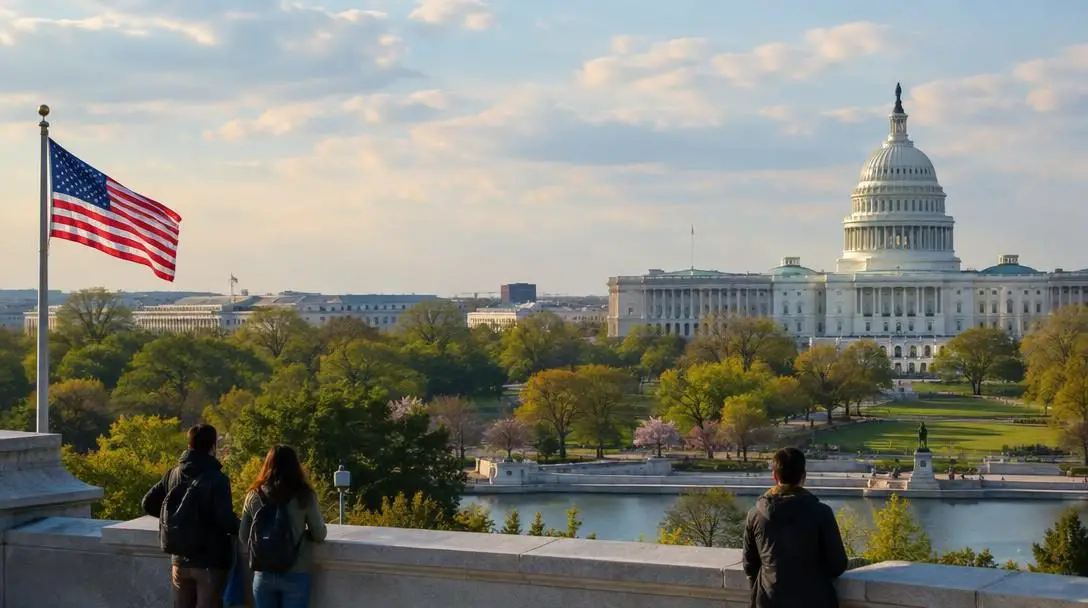
Civic engagement represents the primary mechanism through which people shape the society they inhabit. By stepping into the public sphere, community members transform from passive observers into active architects of policy, law, and social well-being. When individuals choose to participate, they protect their democratic rights, hold leadership accountable, and ensure institutional decisions reflect everyday human realities.
In an era marked by public disaffection and institutional distrust, regular civic involvement offers a practical antidote to cynicism. Whether through voting in municipal elections, organizing local donation drives, or showing up at city council hearings, active engagement builds essential bridges between community members and the systems responsible for governing them.
Key takeaways
- Civic participation serves simultaneously as a defensive shield for individual rights and an active engine for systemic social progress.
- Direct community service grounds theoretical political discussions in the tangible, day-to-day needs of local neighborhoods.
- Meaningful civic involvement yields mental health and personal growth benefits for individuals while promoting equity and institutional trust across society.
- Sustainable impact requires looking beyond national election cycles to prioritize local governance, continuous dialogue, and collaborative coalition building.
The Essential Functions of Civic Life
Democratic systems rest on the fundamental premise that legitimate governance flows directly from the consent and direction of the people. When citizens withdraw from civic life, that foundation weakens. Administrative bodies begin operating in isolation, separated from the lived experiences of working families, students, and vulnerable populations. Without consistent public input, policy decisions default to prioritizing narrow interests rather than the general welfare.
Taking part in civic life fulfills two indispensable functions: it acts as both a protective shield and an engine for progress. As a shield, active oversight safeguards civil liberties by demanding transparency and ethical conduct from public officials. As an engine, collective mobilization introduces new ideas into legislative agendas, pushing communities toward justice and equitable resource distribution.
Taking part in civic life serves as both a shield that protects essential rights and an engine that drives meaningful social change.
Furthermore, regular involvement dissolves public apathy. Cynicism often takes root when people feel powerless against massive bureaucratic structures. When individuals observe firsthand that coordinated petition drives, public comments, or organized community programs produce real changes in neighborhood safety and funding, skepticism gives way to purposeful collaboration.
Core Pathways for Active Civic Involvement
Civic action takes many forms, ranging from structured electoral processes to immediate, boots-on-the-ground volunteer initiatives. Exploring these diverse avenues allows participants to discover where their personal efforts can achieve the most meaningful resonance.
Electoral Participation and Voter Turnout
Voting is the foundational bedrock of representative democracy. Registering to vote and casting a ballot in national, regional, and municipal contests sends an unmistakable message to elected representatives regarding public priorities. While high-profile national campaigns capture the majority of media attention, municipal elections routinely determine local taxation, housing guidelines, public transit, and educational standards. Regular voter turnout establishes a baseline of accountability, signaling to elected officials that their continued service depends entirely on their responsiveness to community needs.
Direct Community Service and Local Welfare
Working directly within the community provides an immediate, tangible response to pressing social challenges. Assisting at local shelters, preparing meals in soup kitchens, or organizing neighborhood watch patrols addresses acute community needs that public programs may fail to fully cover. Engaging in frontline service also offers an indispensable educational experience, allowing volunteers to observe firsthand how legislative and budgetary decisions impact actual human lives. This experiential grounding prevents political dialogue from drifting into abstract detachment.

Public Discourse and Administrative Oversight
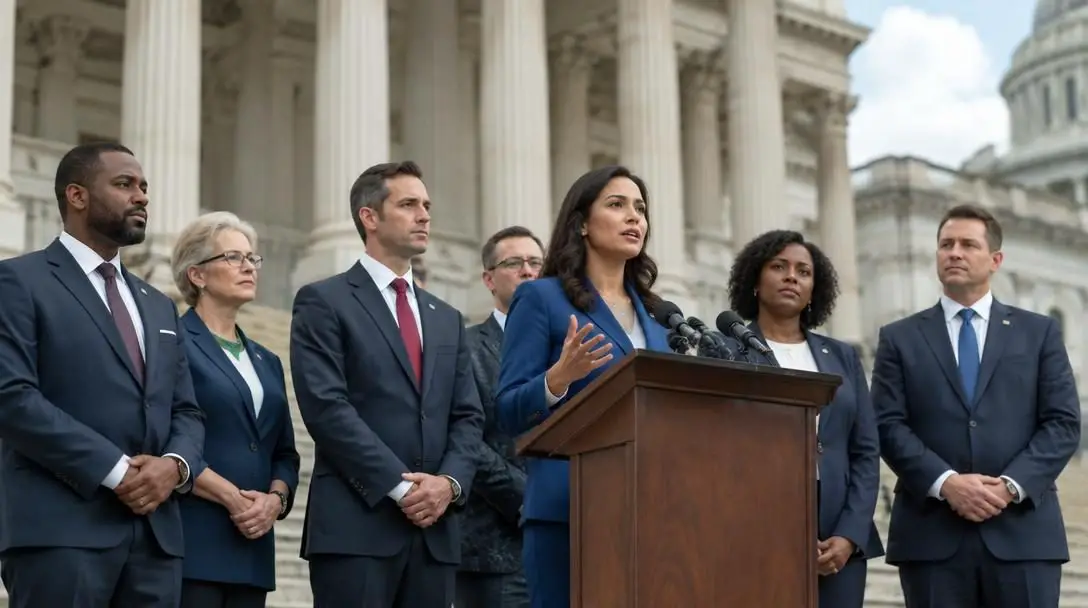
Civic engagement requires regular, sustained communication between the electorate and those in office. Attending school board sessions, city council debates, and town hall gatherings provides citizens with direct access to decision-makers. Offering concise, factual testimony during public comment periods forces administrators to confront community perspectives before passing new regulations. Outside of formal hearings, sending letters, placing phone calls, and requesting formal meetings with local representatives ensures continuous oversight throughout an official's term.
Grassroots Mobilization and Collective Action
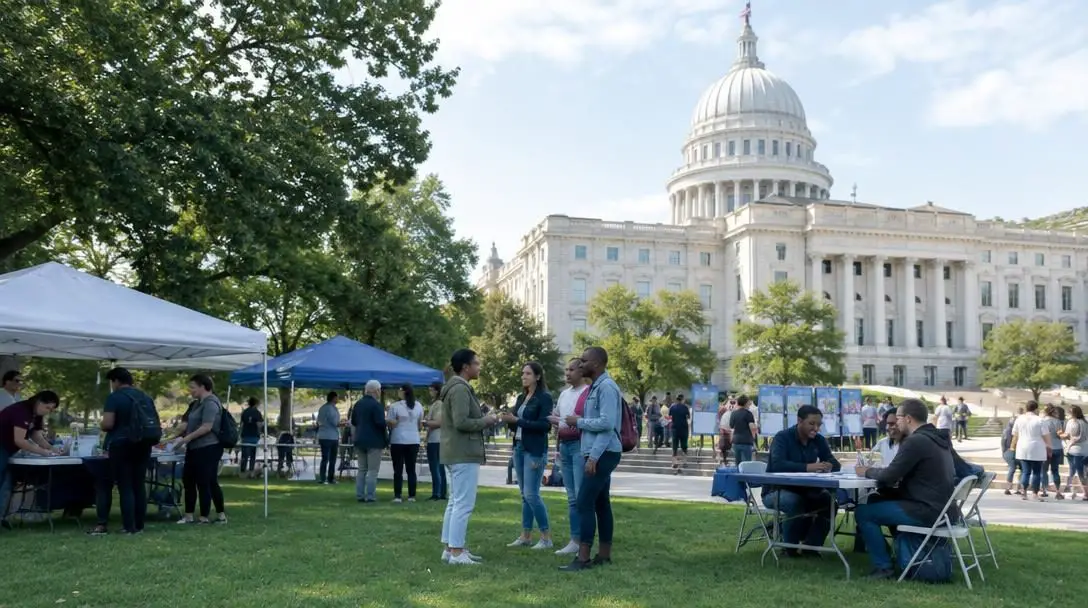
When legal or social reforms stall, organized collective action brings urgent concerns to the forefront of public attention. Coordinating donation drives supports community networks during economic hardships, while signing and circulating petitions demonstrates broad public consensus on specific policy measures. Peaceful protests, public rallies, and educational workshops raise awareness for marginalized causes, placing necessary pressure on institutional leaders to reform inequitable practices.
| Pathway | Primary Action | Key Focus | Direct Outcome |
|---|---|---|---|
| Electoral Participation | Casting ballots and voter registration | Leadership accountability | Representative government aligned with public values |
| Direct Community Service | Shelter volunteering and food distribution | Immediate human welfare | Strengthened local safety nets and enhanced social empathy |
| Administrative Oversight | Town halls and council meetings | Policy monitoring | Transparent public budgeting and responsive local rules |
| Grassroots Mobilization | Petitions, drives, and peaceful protests | Public awareness and solidarity | Accelerated legislative reform and resource reallocation |
Personal and Systemic Benefits of Civic Action
The positive outcomes of civic involvement radiate in two distinct directions, transforming individual participants while modernizing the institutions that support society.
On an individual level, engaging in community affairs directly combats isolation. Collaborative work toward shared objectives establishes deep social ties and a profound sense of shared belonging. Mental health research consistently identifies chronic loneliness and social alienation as major drivers of distress; working alongside neighbors in a shared pursuit restores social cohesion. Moreover, active involvement fosters valuable interpersonal skills, including public speaking, strategic planning, conflict resolution, and cross-cultural communication.
At the macro level, sustained participation drives systemic equality. When marginalized populations organize and assert their presence in civic forums, they shift the balance of institutional power. Their direct participation ensures that public funding, infrastructure development, and protective policies are distributed fairly rather than concentrated among affluent groups. The resulting public dialogue enhances trust in municipal governance, ensuring that democratic institutions remain legitimate, capable, and responsive.
Practical Steps for Community Involvement
Stepping into civic life does not require an advanced degree, professional political background, or excessive personal wealth. Meaningful involvement begins with accessible, manageable actions that build momentum over time.
- Verify your voter registration status: Check your local voter records well ahead of upcoming deadlines, review nonpartisan voter guides, and identify the candidates and ballot measures scheduled for local, regional, and national ballots.
- Select an immediate community service channel: Dedicate regular hours to an established non-profit, whether assisting at an emergency food bank, mentoring students, or participating in neighborhood maintenance programs.
- Monitor municipal governing sessions: Review published agendas for upcoming city council, school board, or planning commission meetings, and attend in person or watch digital broadcasts to understand pending ordinances.
- Initiate contact with your elected representatives: Draft clear, focused correspondence or make phone calls to municipal and state officials regarding specific neighborhood concerns or upcoming legislative votes.
- Join an established grassroots coalition: Partner with existing community advocacy organizations, civic associations, or tenant unions whose core objectives match your values, expanding your collective influence.
Common Pitfalls That Undermine Civic Effectiveness
While the motivation to drive positive change is commendable, inexperienced participants often encounter common traps that drain their energy or diminish their real-world impact. Recognizing these obstacles early helps ensure long-term, sustainable advocacy.

- Fixating entirely on national political disputes: Spending all available time tracking federal controversies leads citizens to ignore local elections, even though municipal zoning, policing standards, and regional infrastructure impact daily life far more directly.
- Expecting immediate institutional transformations: Structural reform moves deliberately through committee hearings, statutory reviews, and budgetary timelines. Assuming a single protest or petition will instantly rewrite public policy frequently produces unnecessary burnout.
- Substituting digital commentary for direct service: Confining advocacy entirely to online discourse risks creating an echo chamber, divorcing participants from the ground-level struggles experienced by vulnerable neighbors.
- Working in isolated silos: Attempting to remedy institutional shortfalls as a solitary individual quickly leads to exhaustion. Sustainable civic work depends on shared leadership, division of labor, and genuine community solidarity.
- Disengaging after election day: Treating the casting of a ballot as the end of civic duty relinquishes public oversight. Without continuous constituent pressure, elected representatives lack clear accountability once in office.
Strategic Questions for Long-Term Impact
To maximize the tangible results of your efforts, periodic reflection is essential. Taking stock of your surrounding environment ensures your contributions address authentic local priorities.
Begin by conducting an honest evaluation of immediate neighborhood needs. Are local family shelters experiencing chronic supply shortages? Do municipal parks lack adequate lighting or public maintenance? By observing the physical and social conditions in your immediate area, you can identify where support is urgently needed.
Next, assess your unique personal capabilities. Effective advocacy requires diverse skill sets, ranging from bookkeeping, website administration, and graphic design to speechwriting, event coordination, and direct physical labor. Aligning your unique strengths with existing community gaps produces far greater efficiency than attempting to adopt roles that do not match your experience.
Finally, invest time in understanding public finance and local administrative law. Reviewing municipal budgets, city charters, and zoning boards provides the structural context behind why neighborhood challenges exist. Informed advocates who understand how public funds are collected and disbursed can make targeted, realistic demands that elected officials cannot easily dismiss.
Frequently asked questions
Does voting in municipal elections really make a difference?
Local elections routinely feature low voter turnout, meaning each individual ballot carries significantly more weight than in high-turnout national races. City councilors, county commissioners, and school board members make direct decisions regarding property taxes, public transit schedules, zoning ordinances, and local safety rules, which touch daily routines immediately.
How can I participate civically if I have very little free time?
Effective engagement does not require full-time commitment. Simple acts—such as contacting an elected representative during a lunch break, submitting an electronic public comment on an upcoming city ordinance, or dedicating two hours a month to a community food drive—collectively generate substantial momentum without overwhelming a busy personal schedule.
What is the difference between direct volunteer service and political advocacy?
Direct volunteer service, such as serving at a soup kitchen or organizing a clothing drive, addresses the immediate symptoms of poverty and social hardship. Political advocacy, such as lobbying for affordable housing subsidies or attending council hearings, addresses the root statutory causes behind those hardships. Both pathways are essential and complement one another.
How does civic participation benefit personal mental well-being?
Engaging in community life fosters social connection and solidarity, directly combating feelings of loneliness and helplessness. Collaborating with neighbors on shared goals builds mutual trust, expands personal support networks, and develops meaningful purpose, all of which correlate with improved psychological resilience.
What should I do if my local representatives ignore my communications?
If private correspondence receives no response, collaborate with local grassroots groups, attend public city council comment periods in person, or draft letters to local media editors. Demonstrating organized community consensus in public forums places greater accountability on elected officials than isolated inquiries.
The Bottom Line
Civic engagement is the lifeblood of a functioning democracy, transforming the general public from passive recipients of governance into proactive decision-makers. Far from being restricted to national election cycles or professional political careers, democratic participation thrives on neighborhood volunteerism, public administrative oversight, and shared community values.
When community members step forward to voice concerns, volunteer their time, and hold institutional authorities accountable, they build communities defined by transparency, equity, and resilience. Taking active ownership of our shared civic spaces ensures that democratic institutions remain responsive to the needs of every citizen, now and for generations to come.