Protecting Opposition Politicians and Securing Free and Fair Elections in Nigeria
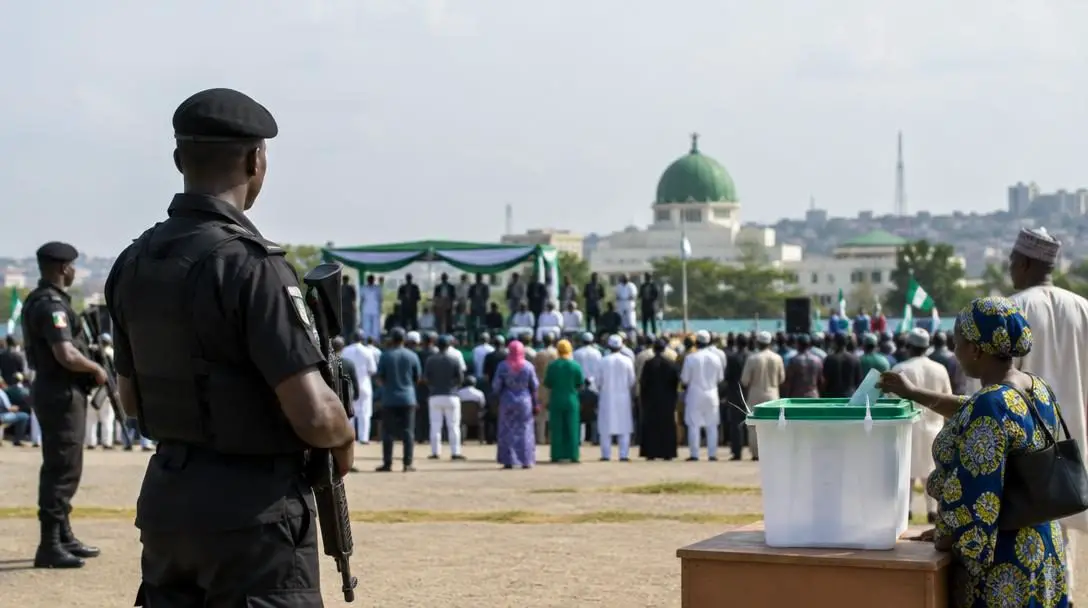
Organizing a genuinely free and fair election represents the cornerstone of any society working to build enduring democratic governance and curb institutional corruption. In Nigeria, the democratic trajectory has long mirrored a persistent struggle between the democratic aspirations of ordinary citizens and structural impediments that compromise multiparty competition. A functional democracy depends entirely on an active political sphere where diverse movements, viewpoints, and political parties contest power on an equitable, transparent playing field. When multiple political factions operate openly and safely, government officials remain accountable to the electorate, policy decisions face constructive scrutiny, and corruption can be checked effectively.
However, the Nigerian electoral landscape is increasingly skewed by state power and ruling party apparatuses aimed at sidelining opposition politicians. Rather than allowing voters to evaluate competing manifestos, records, and qualifications on their merits, targeted coercion tilts the political terrain well before voters ever arrive at polling centers. Protecting opposition candidates and shielding the public from coercion is not merely an ideological preference; it is an urgent structural necessity if the benefits of representative democracy are to be realized across all regions of the country.
Key takeaways
- A vibrant multiparty system is indispensable for holding elected leaders accountable and curbing institutional corruption.
- Systemic suppression of opposition figures through baseless detentions and digital smear campaigns compromises the democratic process long before voting day.
- State security machinery and police apparatuses are frequently misdirected toward intimidating political challengers and stifling public rallies.
- Voter intimidation—ranging from threats of fabricated criminal charges to physical violence—depresses voter turnout and distorts electoral outcomes.
- Securing genuine democracy demands independent security oversight, multi-party procedural collaboration, and proactive defenses against political disinformation.
The mechanics of electoral coercion and security breakdown
Political suppression in contemporary elections rarely limits itself to crude interventions on election day. Instead, electoral coercion operates as an interconnected system of legal, administrative, digital, and physical pressures that systematically disadvantage challengers while shielding incumbents from accountability. By dismantling the capacity of political rivals to organize, fundraise, and mobilize voters, ruling factions effectively engineer outcomes months in advance.
Understanding the specific avenues through which political coercion unfolds reveals why narrow election-day interventions consistently fail to protect democratic integrity.
Targeted disinformation campaigns
Coercion frequently originates in the digital sphere. Social media outlets are deliberately weaponized to broadcast coordinated smear campaigns against opposition figures. These initiatives manufacture and circulate false narratives concerning candidates' backgrounds, personal histories, and policy agendas. Because digital disinformation travels rapidly, it taints public perception before candidates are given an equitable opportunity to present their authentic qualifications or speak directly to issues affecting their constituencies.
Misuse of security forces
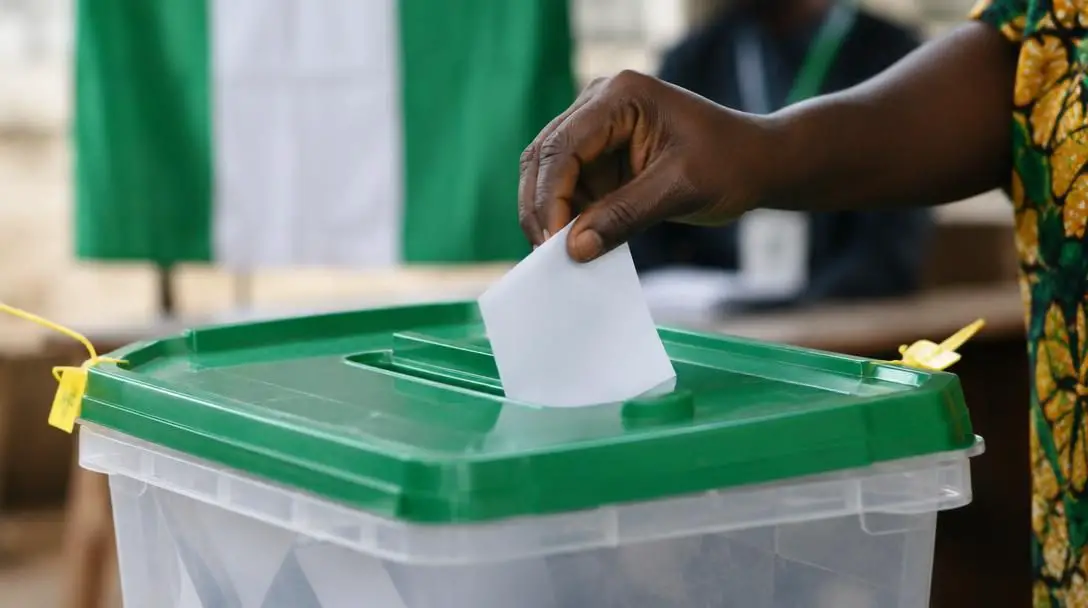
State enforcement apparatuses, including government forces and local police commands, are routinely redirected from their public safety mandates toward the containment of political challengers. Opposition candidates often face detention without legitimate legal cause or endure persistent harassment from law enforcement agents. Such maneuvers exhaust the legal and financial resources of challengers, immobilize their campaign teams, and broadcast an explicit warning to potential allies and donors.
Suppression of open campaigning
Arbitrary detentions, police interventions, and administrative hurdles prevent opposition figures from organizing rallies, town halls, and constituent outreach. When political contenders are denied freedom of movement and assembly, they cannot communicate their platforms or coordinate regional volunteers. This dynamic grants the ruling party an uncontested platform to control public discourse and isolate political alternatives.
Direct and indirect voter intimidation
State-sponsored intimidation inevitably cascades downward to everyday citizens. Voters who openly support opposition candidates frequently receive warnings of retribution, baseless threats of criminal prosecution, or direct threats of physical injury. Transforming the ballot box into a site of fear depresses turnout, penalizes civic participation, and forces communities into outward compliance with ruling authorities.
Erosion of electoral oversight
When opposition parties are sidelined by police pressure, arrests, and threats of violence, bipartisan monitoring structures collapse. Candidates cannot safely station observers, logistics officers, and tally agents at polling centers or collation venues. Absent an active, protected opposition presence during voting, counting, and tabulation, opportunities for malpractice multiply without meaningful institutional checks.
When state security forces are redirected toward harassing political rivals, the electoral process ceases to be an authentic contest of ideas.
Structural points of vulnerability across the electoral cycle
Electoral integrity requires looking beyond isolated incidents to identify how political pressure exploits every phase of the democratic process. Comparing the distinct operational stages of an election demonstrates how systemic interference compromises public confidence.

| Electoral Stage | Primary Method of Interference | Direct Impact on the Opposition | Systemic Consequence |
|---|---|---|---|
| Pre-Campaign Phase | Digital smear campaigns and manufactured misinformation | Reputational damage and diversion of campaign resources | Voter perception is poisoned prior to policy debates |
| Active Campaigning | Arbitrary police detentions and restrictions on public assembly | Disrupted logistics, halted rallies, and restricted movement | Unequal playing field that favors incumbent messaging |
| Voting Day | Physical intimidation and threats of baseless criminal charges | Suppressed grassroots mobilization and displaced monitors | Artificially depressed voter turnout and unmonitored ballot boxes |
| Post-Voting and Tabulation | Retribution against voters and exclusion of opposition observers | Absence of bipartisan scrutiny during tallying | Unchecked malpractice and lingering institutional corruption |
Practical reforms to protect candidates and secure elections
Restoring public trust in Nigerian democracy requires concrete, institutional remedies designed to neutralize political intimidation and ensure that candidates of all political affiliations can campaign safely.
- Establish independent security oversight for campaigns: Deploy security personnel bound by strict nonpartisan codes of conduct throughout the election window. Independent regulatory guidelines must prevent police commands and government forces from detaining candidates without judicial warrant or disrupting legitimate political assemblies, backed by expedited judicial channels to counter politically motivated arrests.
- Foster multi-party collaboration on electoral procedures: Form institutional forums where ruling factions, opposition parties, election administrators, and local law enforcement co-design rules of engagement. When all participating factions contribute to shaping operating standards, the likelihood of partisan procedural capture is substantially reduced.
- Build localized safety nets for grassroots candidates: Establish community-level protection networks, designated safe travel corridors, and independent monitoring teams for aspiring politicians who lack access to substantial wealth or entrenched political machinery, ensuring that civic leadership is accessible to all.
- Implement transparent reporting mechanisms for campaign malpractice: Launch accessible, independent channels to document and publicize instances of police overreach, arbitrary detentions, online harassment, and physical intimidation, exposing misconduct before it influences broader electoral outcomes.
- Secure polling locations against voter coercion: Establish secure, clearly defined perimeter safeguards around all voting centers to prevent partisan actors from monitoring individual ballots or intimidating voters with threats of physical harm and retaliatory criminal prosecution.
- Combat political disinformation proactively: Deploy collaborative rapid-response verification hubs and transparent public forums dedicated to debunking fabricated allegations against political candidates, ensuring voters base their choices on verified facts rather than manufactured narratives.
Common mistakes in electoral administration
Efforts to reform election management and protect democratic rights often flounder because administrators rely on traditional, reactive strategies that fail to grasp modern intimidation tactics. Recognizing these administrative blind spots is essential for building robust electoral protections.
- Focusing security solely on voting day: Many administrators pour the entirety of their security resources into election day logistics. In reality, smear campaigns, arbitrary detentions, and candidate intimidation often occur weeks or months in advance, skewing the race before the first ballot is cast.
- Relying on partisan security architecture: Entrusting the protection of opposition candidates to state security agencies that answer directly to ruling executives represents an inherent conflict of interest that perpetuates harassment under the pretense of law enforcement.
- Ignoring the vulnerabilities of grassroots candidates: High-profile national figures frequently receive security attention and international visibility, while municipal and legislative aspirants are left entirely exposed to local coercion and targeted arrests.
- Treating smear campaigns as harmless rivalry: Downplaying coordinated digital fabrications as routine political rhetoric allows manufactured disinformation to undermine candidate viability unchecked, severely distorting public discourse.
- Failing to protect voters from post-election retribution: Providing physical protection exclusively during ballot casting neglects long-term security. When voters anticipate community harassment or fabricated legal charges following election day, they remain susceptible to coercion.
Frequently asked questions
Why is the protection of opposition politicians critical for Nigerian democracy?
Protecting opposition politicians ensures that multiple political factions can contest power on an even playing field. Without a viable opposition, elected officials operate without oversight, public accountability deteriorates, and institutional corruption flourishes unchecked across government bodies.
How do arbitrary detentions impact the overall fairness of an election?
Arbitrary detentions disrupt campaign logistics, drain candidates' legal and financial resources, and prevent them from engaging constituents. Furthermore, sidelining challengers eliminates vital bipartisan monitoring at polling units, increasing opportunities for administrative malpractice.
In what ways are ordinary voters coerced during political contests?
Voters face direct threats of physical violence, retaliatory community harassment, and manufactured criminal charges if they support opposition candidates. This widespread intimidation suppresses turnout and deprives citizens of the ability to make private, uncoerced political choices.
What role does digital disinformation play in suppressing political alternatives?
Digital smear campaigns on social media spread fabricated stories regarding candidates' histories, personal character, and affiliations. By damaging reputations before candidates can address the electorate on policy matters, disinformation skews public perception without requiring physical interference.
What administrative reforms can reduce partisan misuse of security forces?
Key reforms include establishing nonpartisan security codes of conduct, independent oversight bodies to investigate politically motivated detentions, transparent multi-party procedural planning, and rapid judicial intervention mechanisms to review arrests during campaign periods.
The bottom line
Establishing genuine electoral integrity in Nigeria requires persistent institutional dedication and sweeping structural reform across all tiers of administration. Achieving enduring progress may take sustained effort before tangible changes are universally felt on voting day, but establishing strict nonpartisan standards and proactive candidate protections beforehand creates a system capable of defending basic democratic rights.
Safeguarding opposition candidates and guaranteeing secure, uncoerced polling environments demands serious investment and rigorous vigilance from political leaders, civil society, and electoral bodies alike. Translating collaborative principles into transparent, enforceable practices ensures that state security apparatuses defend democracy rather than suppress it. Ultimately, when candidates campaign freely without fear of arbitrary detention and citizens cast ballots without threat of retribution, Nigeria's democratic institutions can regain the full confidence of the people they are built to serve.