5 Most Expensive BMWs Ever Made
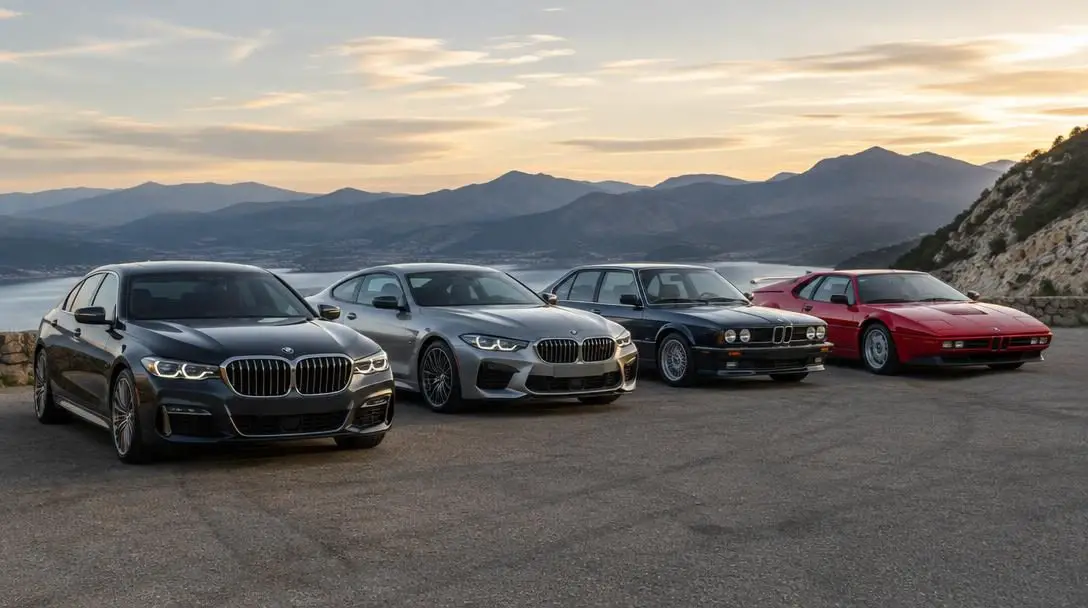
While BMW is widely recognized for producing high-end production sedans, coupes, and performance SUVs, a distinct echelon of vehicles in the Bavarian marque's historical catalog reaches extraordinary financial heights. Moving far beyond conventional luxury price points, these rare machines command millions of dollars on global auction stages and in private collector circles.
From secret V12 supercars developed behind closed doors to hand-crafted post-war roadsters that once caused severe financial strain for the company, these vehicles capture watershed moments in automotive engineering. Exploring the most expensive BMWs ever produced highlights how motorsport history, daring aerodynamic design, extreme rarity, and storied ownership intersect to establish enduring collector value.
Key takeaways
- A 1957 BMW 507 Touring roadster previously owned by racing champion John Surtees holds the record as the most expensive BMW ever sold, commanding $5 million.
- The 1990 BMW M8 E31 prototype remained a company secret for two decades before its public debut in 2010, giving it an estimated value reaching into the tens of millions.
- Despite proving commercially unsuccessful and expensive to build during the 1950s, the BMW 507 roadster has become one of the marque's most coveted and valuable assets.
- Visionary design collaborations and concept studies, such as the 1991 Nazca M12 and the 2015 3.0 CSL Hommage, represent multi-million-dollar benchmarks in styling and performance.
The 5 most expensive BMWs ever made
Whether conceived as clandestine performance demonstrators, futuristic coachbuilt showcases, or hand-built sports cars intended to revitalize a post-war brand, the following five vehicles stand as the most financially significant BMW models in history.
| Model | Engine / Powertrain | Recorded or Estimated Value | Production Volume |
|---|---|---|---|
| 1957 BMW 507 Touring | 3.2-liter V8 | $5,000,000 (Auction price) | Part of 252 total 507 units |
| 1991 BMW Nazca M12 | V12 engine | Around $3,000,000 (Estimated) | Single prototype iteration |
| 1958 BMW 507 Series II | 3.2-liter V8 | $2,175,000 (Auction price) | Part of 252 total 507 units |
| 2015 BMW 3.0 CSL Hommage Concept | 3.0-liter twin-turbo hybrid inline-six | $1,500,000 (Estimated) | One-off concept study |
| 1990 BMW M8 E31 Prototype | 6.0-liter V12 | Over $1,000,000 to tens of millions (Estimated) | 1 unit constructed |
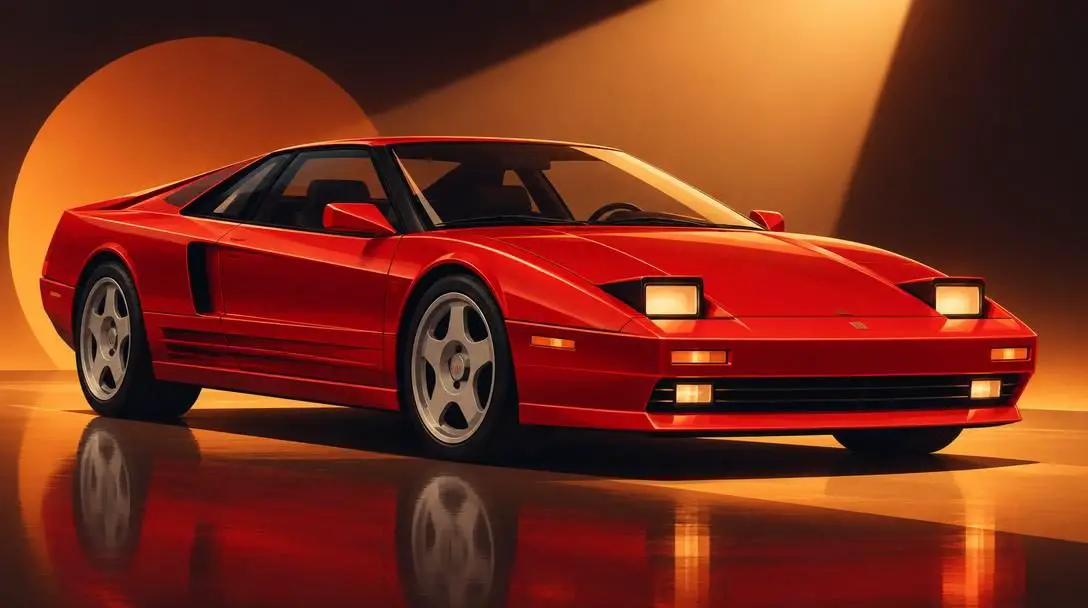
1990 BMW M8 E31 Prototype
- Engine: 6.0-liter V12
- Horsepower: 640 horsepower
- Top Speed: Over 186 miles per hour
- Valuation: Over $1 million baseline, estimated up to tens of millions
Automotive manufacturers routinely design experimental platforms away from the public eye, but few machines have enjoyed as much secrecy as the 1990 BMW M8 E31 prototype. Conceived during the development of the original 8 Series, BMW intended this one-off variant to serve as the undisputed pinnacle of road-going performance, built explicitly to rival contemporary supercars from exotic marques like Ferrari and McLaren.
Under its hood, BMW engineers installed a massive 6.0-liter V12 engine tuned to generate 640 horsepower. This immense powerplant gave the sleek grand tourer the capability to exceed 186 miles per hour, figures that were virtually unmatched among full-sized grand touring cars of that era. Despite its breathtaking capabilities, corporate executives shelved the program, keeping the physical prototype locked away in private storage for roughly twenty years.
BMW finally pulled back the curtain in 2010 to reveal the lone surviving unit to astonished enthusiasts. Because only a single prototype was ever manufactured, analysts view its theoretical baseline valuation of $1 million as exceptionally conservative, with consensus agreeing that a public auction could see bids soar into tens of millions of dollars.
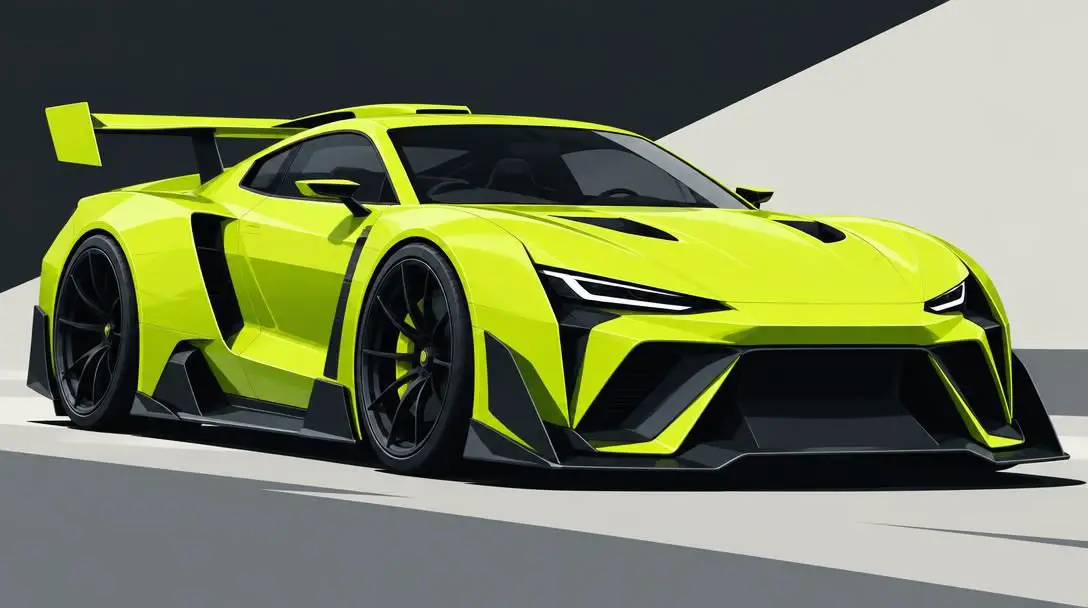
2015 BMW 3.0 CSL Hommage Concept
- Engine: 3.0-liter twin-turbocharged hybrid inline-six
- Output: 500 horsepower
- Design Heritage: 1972 BMW 3.0 CSL
- Valuation: Approximately $1.5 million
The original 1972 BMW 3.0 CSL earned an enduring reputation as an aerodynamic touring car champion, widely known by fans as the Batmobile due to its bold aerodynamic wings and sculpted body paneling. Decades later, BMW revisited this foundational classic by building a modern design exercise: the 2015 BMW 3.0 CSL Hommage Concept.
Unveiled as a direct celebration of lightweight motorsport performance, the Hommage concept featured an aggressive stance, wide wheel arches, and sharp aero elements that polarized observers while simultaneously generating widespread acclaim. Propelling this futuristic show car was a sophisticated 3.0-liter twin-turbocharged hybrid inline-six engine producing 500 horsepower, merging traditional BMW six-cylinder heritage with modern electrification.
While the design inspired conversation and eventually led BMW to announce a production variant in 2022, the original 2015 Hommage concept car stands on its own as a multi-million-dollar rolling work of art, carrying an estimated market value of roughly $1.5 million.
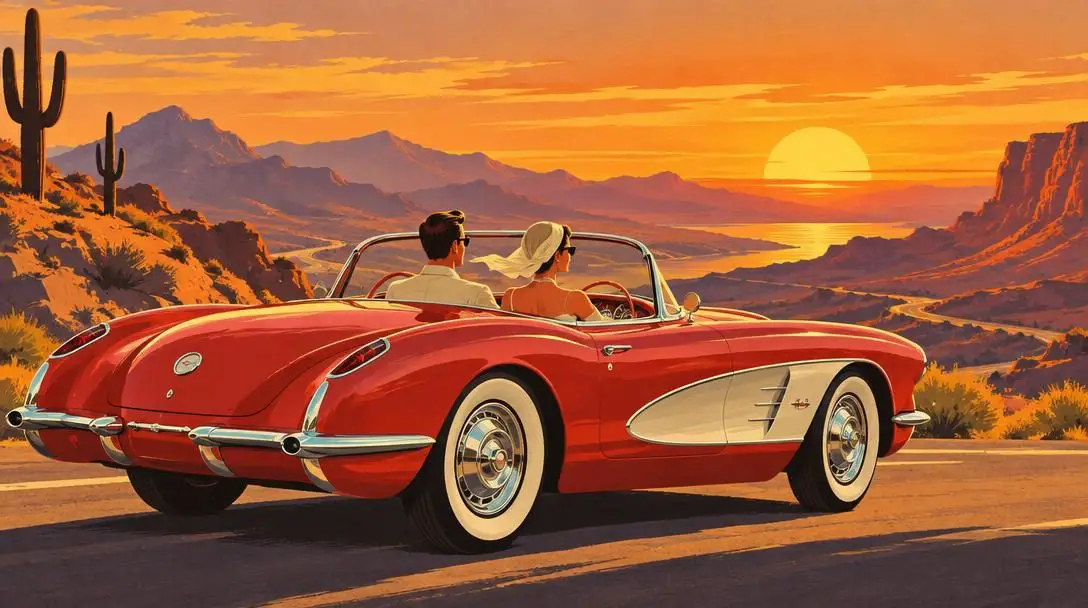
1958 BMW 507 Series II
- Powertrain: 3.2-liter V8 engine
- Total Series Production: 252 units
- Original Sale Price: Approximately $11,000
- Auction Result: $2,175,000
In 2019, vintage automobile enthusiasts converged on an auction in Arizona where an exceptionally clean 1958 BMW 507 Roadster Series II went across the bidding block. When bidding ceased, the roadster sold for a commanding $2,175,000, underscoring the meteoric rise in market desirability for this post-war classic.
When initially introduced in the late 1950s, the car retailed for approximately $11,000. It featured a lightweight, hand-shaped aluminum profile and was powered by an advanced 3.2-liter V8 engine. However, the car was extraordinarily expensive for BMW to manufacture, and sluggish showroom sales resulted in a painful financial loss for the automaker during that period. Even high-profile exposure from celebrity buyers like Elvis Presley failed to generate the commercial turnaround BMW needed, resulting in a total production run of only 252 examples.
Decades later, the 507's sweeping proportions and refined road presence—often likened to the aesthetic of a vintage spy thriller—have firmly reversed its commercial legacy, making pristine survivors blue-chip collector assets.
1991 BMW Nazca M12
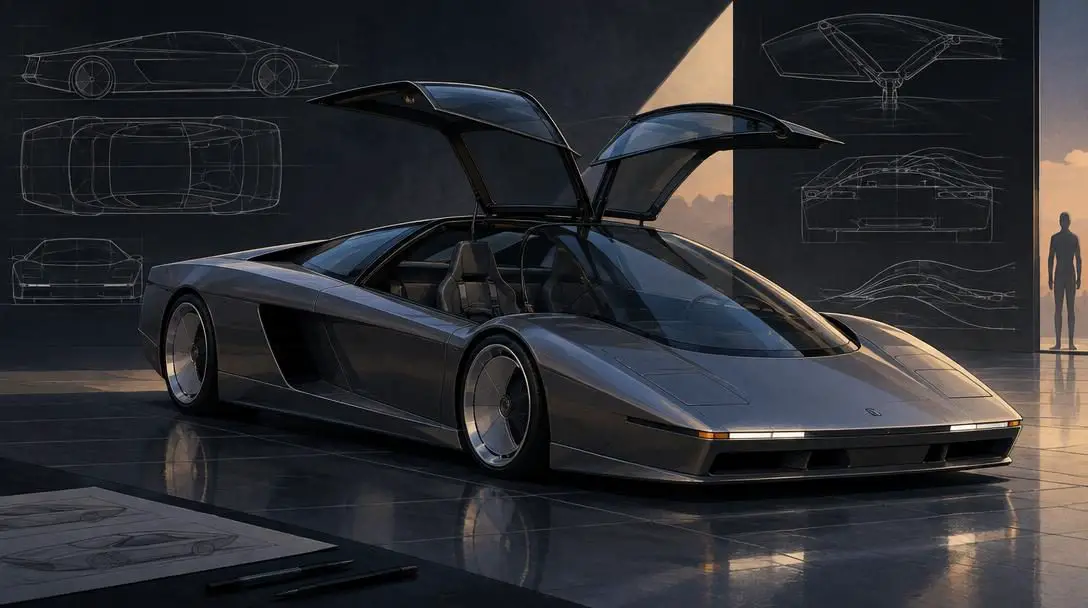
- Designer: Fabrizio Giugiaro
- Engine: Formula 1-inspired V12
- Debut Venue: 1991 Tokyo Motor Show
- Valuation: Around $3 million
During the onset of the 1990s, BMW looked to establish a bold presence in the hyper-performance segment through a creative partnership with celebrated Italian automotive designer Fabrizio Giugiaro. The fruit of this collaboration was the 1991 BMW Nazca M12, an ultra-low, futuristic sports car designed to blend the soul of Formula 1 performance with road-car luxury.
Revealed to the international automotive press at the Tokyo Motor Show, the Nazca M12 instantly captured public imagination with its wraparound glass canopy, low-slung wedge profile, and mid-mounted V12 engine. While Giugiaro and BMW would later develop a revised iteration dubbed the Nazca C2, the original M12 remains the most famous and desirable representation of the concept.
BMW ultimately elected not to proceed with factory assembly line production for the vehicle, leaving the Nazca M12 as an exceedingly rare showcase piece. With an estimated value hovering around $3 million, the car stands as an unfulfilled vision of what an Italian-styled, German-engineered supercar could have achieved on open roads.
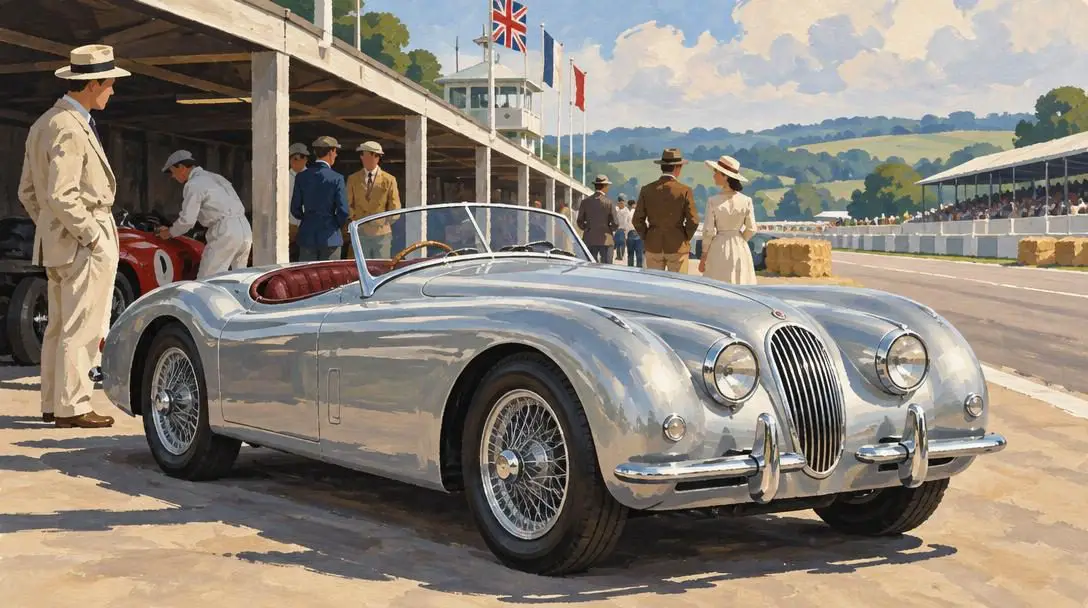
1957 BMW 507 Touring
- Notable Custodian: John Surtees (1956 Motorcycle World Champion)
- Powertrain: 3.2-liter V8 engine
- Historical Distinction: Most expensive BMW ever sold
- Auction Result: $5,000,000
Claiming the premier spot as the most expensive BMW to ever trade hands at auction is a specific 1957 BMW 507 Touring roadster, which attained a record-breaking $5 million sale price. While early 507 models shared the same slow sales figures that plagued the entire production series, this individual car carried a legendary ownership lineage that set it apart from all other survivors.
The vehicle was originally awarded to and driven by John Surtees, the revered racing driver who won the 1956 Motorcycle World Championship. Surtees retained ownership of the sports car for decades, treating it with meticulous care and mechanical preservation throughout his entire life. While many surviving 507s suffered from structural degradation, modifications, or lapsed maintenance over the decades, Surtees kept this roadster in immaculate condition.
The combination of Surtees' racing legacy, unbroken long-term custodianship, and factory-fresh preservation allowed this 1957 Touring roadster to reach historical valuation territory, establishing a high-water mark for the German automaker.
When manufacturers store exceptional engineering achievements in private vaults rather than public showrooms, it fosters an enduring aura of intrigue that amplifies long-term market demand.
How extreme automotive value is established
Evaluating multi-million-dollar BMW models shows that top-tier prices are rarely dictated by original retail figures alone. Instead, market value forms around several interconnected pillars that separate routine collector cars from historical treasures:
- Extreme scarcity: When a production run is abruptly stopped or confined to a single developmental chassis—such as the one-off M8 prototype or the 252 units of the 507—the complete absence of available inventory creates an aggressive pricing dynamic among wealthy collectors.
- Direct provenance and celebrity ties: Vehicles associated with cultural figures like Elvis Presley or racing icons like John Surtees carry documented historical relevance that cannot be replicated by standard unrestored production models.
- Original condition versus remediation: Vehicles that remain fully preserved with continuous maintenance histories routinely outpace heavily restored examples, as collectors increasingly place higher value on historical authenticity than modern cosmetic overhauls.
- Design lineage and conceptual influence: Showpieces like the 2015 3.0 CSL Hommage pay homage to defining sporting chapters of a brand's past, transforming the physical car into an intellectual milestone for automotive historians.
Navigating high-end vehicle collecting
Entering the realm of blue-chip automotive collecting demands meticulous discipline, deep research, and access to industry specialists. For prospective buyers assessing historical or prototype vehicles, following a structured process helps safeguard capital and ensure authentic acquisitions.
- Perform exhaustive provenance verification: Examine original factory build records, registration documents, racing logs, and transfer titles to ensure complete transparency across the car's chronological ownership trail.
- Commission independent technical inspections: Hire recognized marque authorities to evaluate chassis stampings, engine casting numbers, casting dates, and structural materials to confirm period-correct mechanical components.
- Establish dedicated climate-controlled storage: Build out or contract high-grade storage facilities with precise humidity and temperature regulations to prevent gasket deterioration, fluid decay, and alloy corrosion.
- Vet premier institutional auction platforms: Follow accredited auction houses that host dedicated vintage events in established destinations like Arizona or Monterey, using audited past sales records to benchmark pricing.
- Coordinate specialty transit and agreed-value underwriting: Never transport historic vehicles via standard commercial freight; employ fully enclosed carriers and negotiate agreed-value insurance policies that reflect historical replacement cost.
Critical pitfalls to avoid in the collector car market
Acquiring high-value vehicles involves substantial capital, and minor oversights during due diligence can cause significant financial depreciation. Collectors must remain aware of several standard market traps:
- Focusing on cosmetic condition over structural originality: A pristine paint job can easily hide underlying metal corrosion or non-original floorpans and frames that diminish the historic authenticity of the vehicle.
- Assuming rapid liquidity: Bespoke concepts and high-dollar prototypes possess an exceptionally narrow target audience of qualified buyers, meaning liquidation can require months or years.
- Overlooking documentation gaps: Missing periods in maintenance records or untraceable ownership transfers introduce uncertainty regarding a car's authenticity, dampening future resale figures.
- Underestimating specialized maintenance costs: Prototype drivetrains and hand-formed vintage body panels lack replacement inventories, requiring bespoke fabrication and specialized mechanical support that generate significant upkeep costs.
Frequently asked questions
What is the single most expensive BMW ever sold at auction?
The record belongs to a 1957 BMW 507 Touring roadster that achieved a winning bid of $5 million. The car's exceptional value was driven by its pristine mechanical condition and its documented provenance as the personal car of 1956 Motorcycle World Champion John Surtees.
Why did BMW build only one 1990 M8 E31 prototype?
The M8 E31 prototype was built as an experimental engineering project to challenge elite supercars from Ferrari and McLaren with a 640-horsepower V12 engine. BMW executives ultimately canceled the production program due to financial and market considerations, keeping the solitary prototype hidden in company vaults for twenty years.
Was the original BMW 507 a commercial success when new?
No, the BMW 507 was a financial failure for the automaker in the late 1950s. High manufacturing expenses forced an original retail price around $11,000, which suppressed sales. BMW constructed only 252 units before discontinuing the model line, despite ownership by high-profile figures such as Elvis Presley.
What makes the 1991 BMW Nazca M12 so rare?
Designed by Fabrizio Giugiaro, the Nazca M12 was created as an ultra-futuristic, V12-powered showcase car bridging Formula 1 technology with road-going design. Because BMW opted against putting the model into regular production, the public concept stands as an irreplaceable, multi-million-dollar one-off milestone.
The bottom line
The upper tier of the BMW collector market reflects a captivating paradox: several vehicles that initially strained company balance sheets or lived out their lives as forgotten internal prototypes have evolved into the most revered machines in modern collector culture. From the hand-crafted lines of the 507 roadster to the blistering potential of the secret V12-powered M8 prototype, these landmark models show that genuine rarity, uncompromising design ambition, and enduring historical provenance represent the true currency of automotive greatness.