5 Simple Swaps for Sustainable Living: Embracing an Eco-Friendly Lifestyle
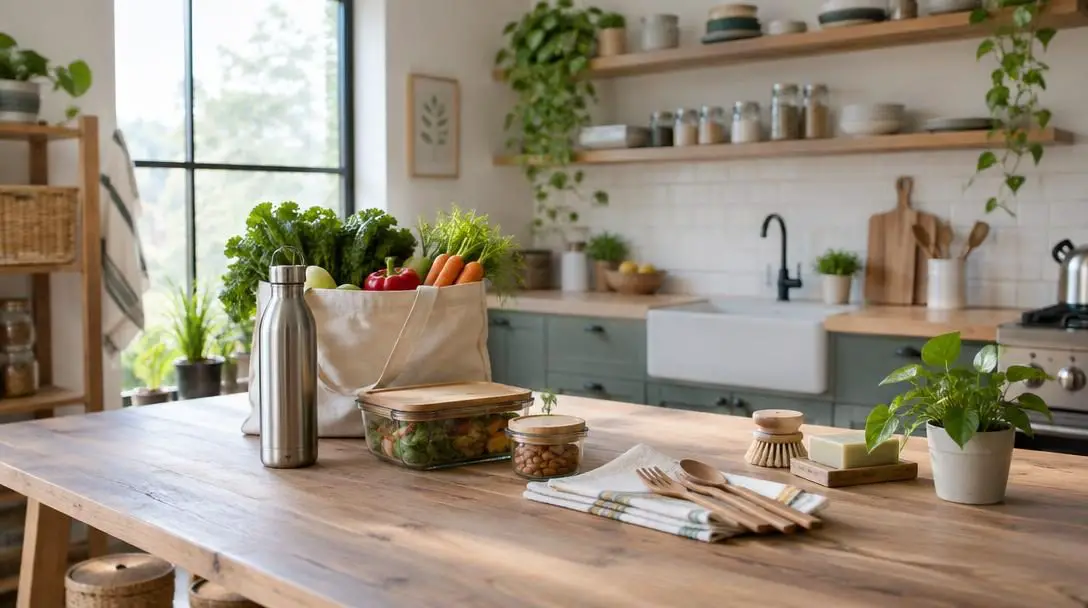
With each passing year, climate awareness is reshaping household priorities across the country. More than 80 percent of consumers now report making purchasing choices guided by environmental considerations, whether they are investing in an electric vehicle or opting for paper grocery bags at the checkout lane. In the United States, approximately one-third of individuals identify climate change as their primary focus for personal activism, reflecting a widespread desire to curb daily environmental impacts.
Yet for many households, the prospect of going green feels overwhelming, often framed as an all-or-nothing endeavor demanding drastic sacrifices or expensive home renovations. In truth, meaningful sustainability rarely begins with an overnight overhaul. By focusing on accessible, affordable adjustments to routine habits, consumers can interrupt wasteful supply cycles, conserve resources, and build conservation practices that deliver measurable environmental gains over time.
Key takeaways
- More than 80 percent of consumers factor sustainability into their shopping choices, and one-third of Americans rank climate change as their chief activist focus.
- Single-use plastic beverage bottles account for more than 35 billion discarded containers in the United States every year.
- Liquid body washes and hand soaps require roughly 20 times more packaging material than standard bar soap, alongside greater water use during manufacturing.
- Bamboo toilet paper replaces conventional tissue made from mature yellow pines and Douglas firs with a fast-growing, rapidly biodegradable alternative.
- Tempered glass kitchen containers eliminate microplastic exposure while providing durable, stain-resistant food storage that lasts for years.
How Everyday Swaps Interrupt the Linear Economy
Much of contemporary consumer culture operates on an extractive, linear economic structure often summarized as "take, make, use, and dispose." In this system, raw materials such as virgin timber, metal ores, and petroleum are removed from ecosystems, transformed in energy-intensive manufacturing processes, shipped across long logistical chains, used once or twice, and discarded into landfills or incinerators. Disposable goods carry an invisible ecological debt paid in high industrial carbon emissions, heavy freshwater consumption, and stubborn municipal waste loads.
Interrupting this linear model does not require sudden perfection; it relies on steady, intentional habit changes. When households substitute short-lived disposables with durable, non-toxic, or rapidly renewable alternatives, they lower the demand for continuous raw material extraction. Every container washed instead of tossed, every roll of tissue made from renewable grass rather than centuries-old trees, and every trip made without burning fossil fuels reduces the aggregate pressure placed on public infrastructure and natural habitats. Over months and years, these modest actions accumulate into substantial resource conservation.
Transitioning to an eco-friendly lifestyle does not require overhauling an entire home overnight when small, consistent swaps disrupt the linear cycle of waste.
Five Core Swaps for an Eco-Friendly Lifestyle
Transitioning toward a sustainable household is most feasible when focusing on specific, everyday items that yield high waste reductions without straining budgets. These five foundational changes illustrate how accessible and cost-effective sustainable living can be.
Refillable Water Bottles
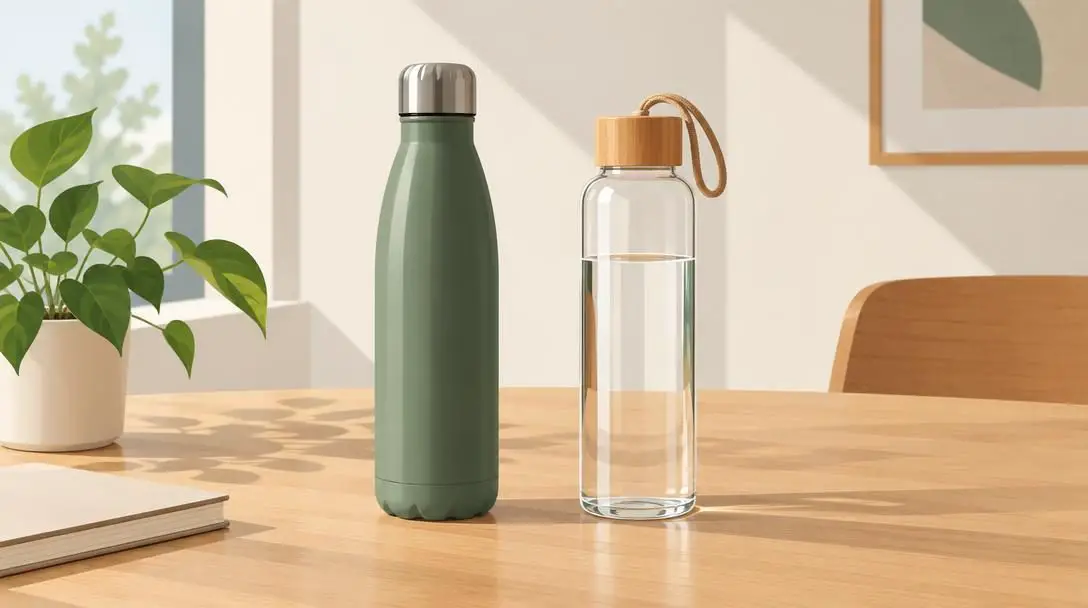
- U.S. Discard Rate: Over 80 percent trashed or littered
- Annual National Waste: Over 35 billion empty bottles
- Emissions Reduction Potential: Over 2 million tons of carbon dioxide
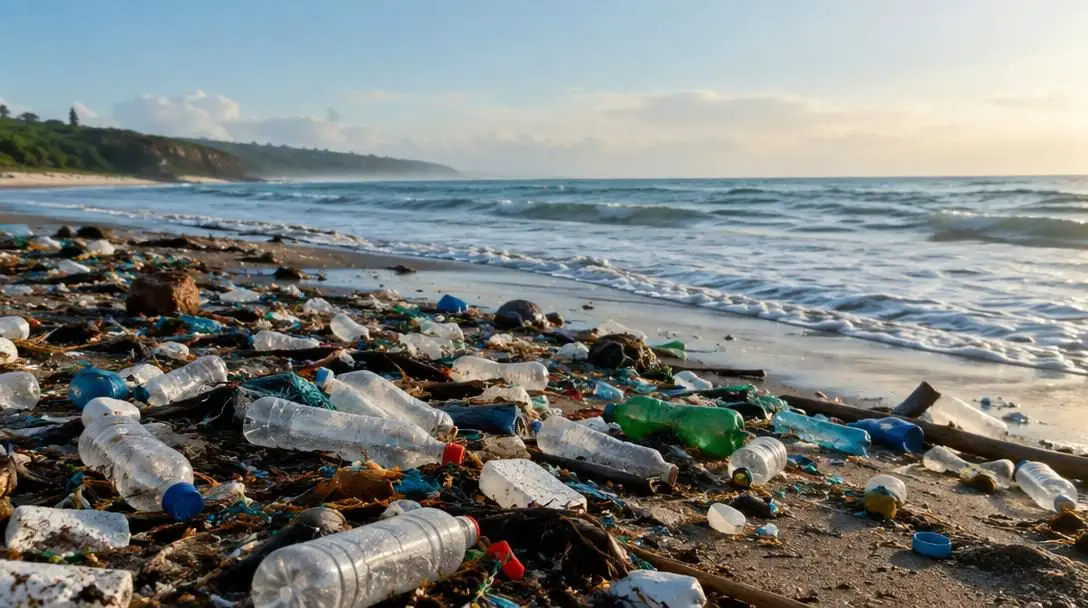
Relying on single-use plastic bottles is one of the most resource-intensive habits of modern daily life. In the United States alone, consumers throw away more than 35 billion single-use water bottles annually, with over 80 percent escaping recycling systems to sit in landfills, clog municipal storm drains, or pollute waterways. The manufacturing, bottling, and overland transportation of these plastic containers emit millions of tons of greenhouse gases long before the product reaches store shelves.
Replacing disposable beverage containers with a sturdy refillable bottle made from food-grade stainless steel or insulated glass breaks this cycle immediately. If consumers nationwide consistently utilized reusables, the shift would eliminate upwards of 2 million tons of carbon dioxide produced during plastic bottle production and distribution. A single high-quality bottle used daily pays for itself within weeks while keeping thousands of disposable containers out of the environment over its operational lifespan.
Bamboo Toilet Paper
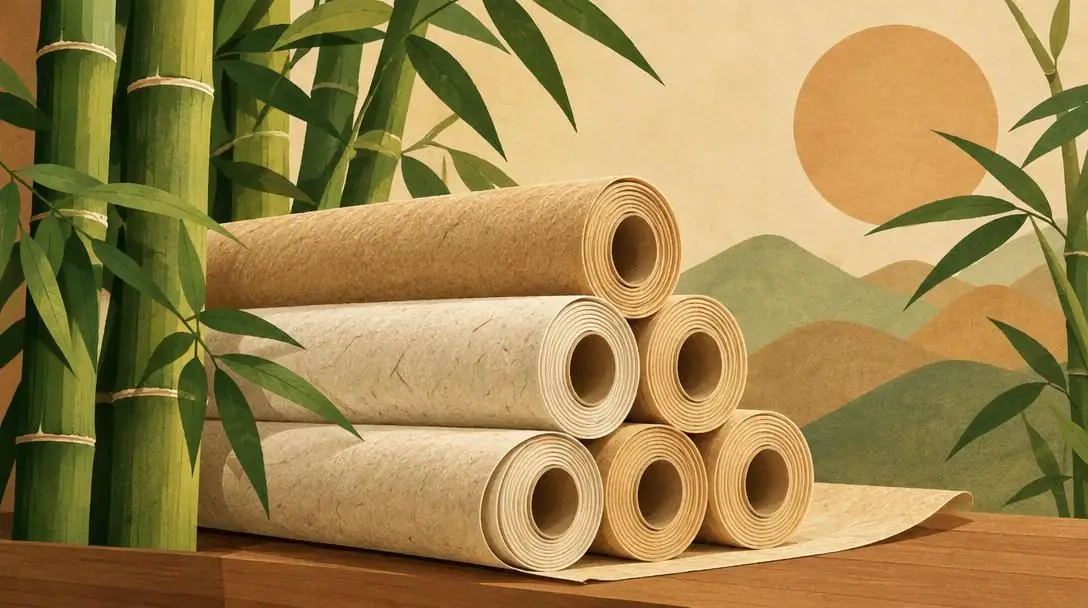
- Annual Waste: Over 40 million tons globally from conventional paper
- Virgin Timber Sources: Yellow pines and Douglas firs
- Primary Alternative: Bamboo fiber
Bathroom tissue is an unavoidable household necessity, but conventional manufacturing inflicts a staggering ecological toll. Standard toilet paper production generates more than 40 million tons of waste globally each year. Traditional brands depend directly on logging mature forests, cutting down stands of virgin timber such as yellow pines and Douglas firs, and using vast quantities of water, heat, and chemical treatments to convert dense wood fibers into disposable pulp.
Bamboo offers a renewable, low-impact substitute. As an exceptionally fast-growing grass, bamboo reaches maturity in a fraction of the time required by softwoods and regenerates naturally without replanting or destructive clear-cutting. Processing bamboo into tissue generates far less industrial waste and yields a soft, highly biodegradable paper that breaks down quickly in wastewater. Although it may command a modest price premium per roll compared to bargain tissue, it offers direct protection for vulnerable forest ecosystems.
Traditional Bar Soap

- Packaging Footprint: Liquid soap uses 20 times more packaging material
- Resource Advantage: Significantly less water required during production
- Packaging Material: Recyclable paperboard versus multi-part plastic pumps
The cosmetic and hygiene aisles of modern supermarkets are filled with liquid body washes, shower gels, and hand soaps housed in heavy plastic bottles with spring-loaded pump mechanisms. Unfortunately, these pump mechanisms are composed of multiple mixed plastics and small metal springs, rendering them virtually impossible to process in standard municipal recycling facilities. As a consequence, liquid soap packaging requires roughly 20 times more raw material than the modest paperboard wrapping of bar soap.
Beyond packaging volume, liquid soap consists predominantly of water, meaning freight trucks are essentially burning diesel fuel to transport heavy, diluted liquids across continents. Traditional bar soap requires far less water to manufacture, packs densely into recyclable cardboard boxes, and lasts significantly longer in daily use. Furthermore, bar soap fosters natural portion control: individuals easily generate the lather they need and set the bar down, whereas liquid pumps routinely dispense more concentrated cleanser than necessary.
Alternative Transit and Active Commuting
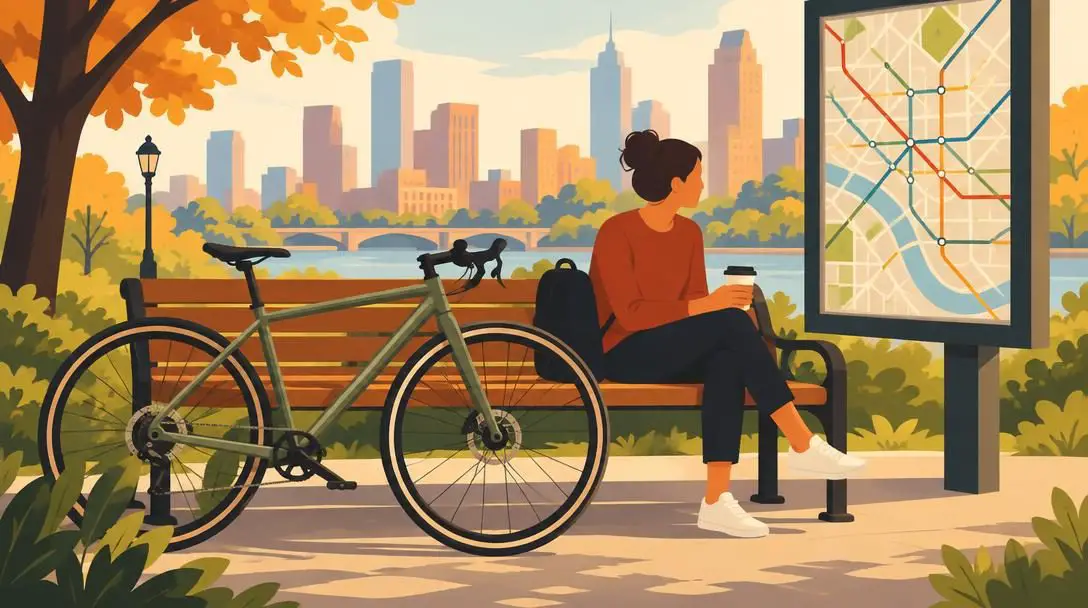
- Primary Driver of Emissions: Fossil fuel consumption from combustion vehicles
- Urban Alternatives: Walking, cycling, and municipal transit
- Cost Barrier: Avoids expensive electric vehicle purchases
Personal motor vehicles represent one of the primary drivers of fossil fuel consumption and air pollution in modern communities. While transitioning to an electric vehicle offers substantial tailpipe emissions reductions, high upfront sticker prices place new electric cars beyond the reach of many household budgets. Fortunately, reducing transportation emissions does not require purchasing a new vehicle.
Choosing active transit—such as walking or riding a bicycle—for routine neighborhood errands under two miles eliminates vehicle emissions entirely while providing direct physical health benefits. For longer cross-town commutes or inclement weather days, taking advantage of municipal transit options like regional buses, commuter trains, and light rail spreads operating emissions across dozens of passengers. Even substituting a personal automobile trip with public transit once or twice a week produces significant personal carbon savings.
Glass Food Storage Containers
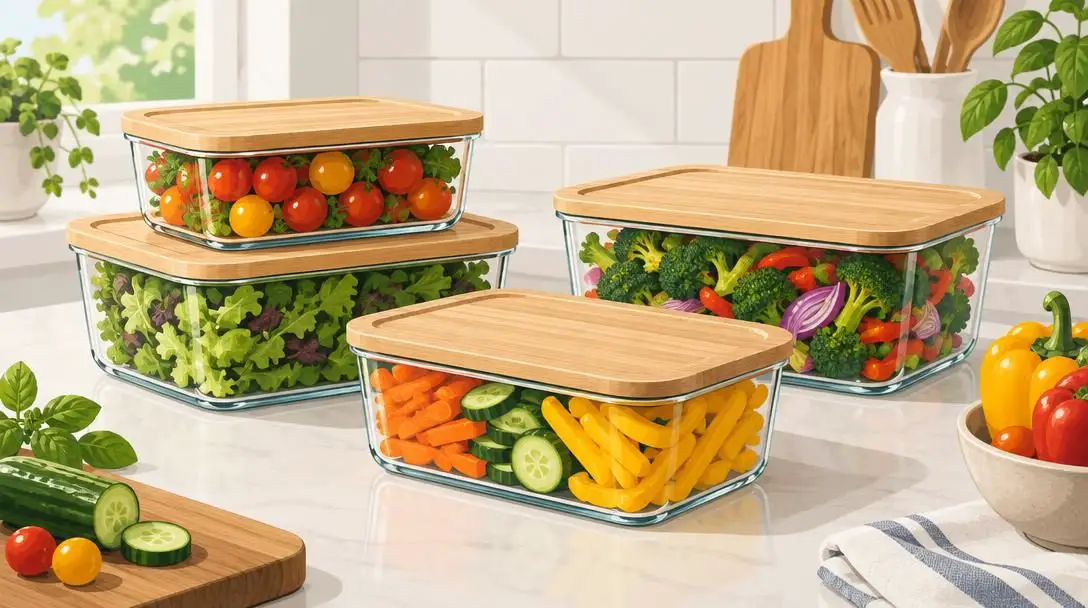
- Health Benefit: Eliminates exposure to leaching microplastics
- Durability: Highly resistant to warping, food odors, and staining
- Thermal Versatility: Safe for refrigerators, freezers, microwaves, and ovens
Thin plastic food storage containers and disposable bags have long been kitchen staples, but their convenience is offset by distinct health and durability drawbacks. Over cycles of washing, microwaving, and freezing, plastic containers degrade. They scratch easily, absorb persistent food odors, discolor from tomato sauces and turmeric, and shed microscopic plastic fragments directly into stored meals. These aesthetic and structural defects frequently cause households to discard and replace plastic sets every few years.
Transitioning to durable tempered glass food containers resolves these shortcomings cleanly. Glass is completely inert, impermeable, and non-porous, meaning it will never leach chemicals, trap bacterial residues, or retain stubborn odors. Although glass containers require sensible handling to avoid chipping, their thermal flexibility is unmatched: high-quality glass transitions seamlessly from refrigerator shelves to microwaves or conventional ovens. A single set of glass kitchen containers can easily deliver years of service without losing structural integrity.
At a Glance: Comparing Sustainable Swaps
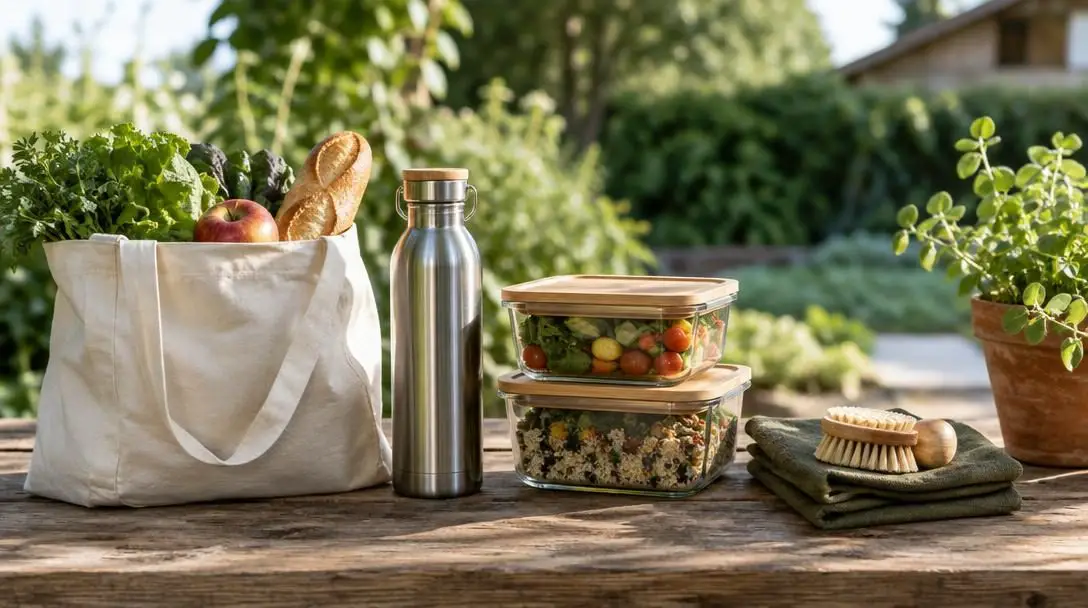
Every targeted swap addresses a distinct category of domestic waste and resource consumption. The table below illustrates how these five alternatives compare against conventional choices across home applications.
| Swap Category | Conventional Item | Eco-Friendly Replacement | Primary Environmental Benefit |
|---|---|---|---|
| Hydration | Single-use plastic bottles | Refillable stainless steel or glass bottle | Cuts plastic trash and eliminates up to 2 million tons of CO2 |
| Bathroom Tissue | Pine and Douglas fir paper | Bamboo fiber toilet paper | Protects mature forests and dissolves rapidly in wastewater |
| Personal Care | Liquid soap in plastic pump jugs | Cardboard-boxed bar soap | Reduces packaging by 20x and conserves manufacturing water |
| Commuting | Solo driving in combustion vehicles | Walking, cycling, or public transit | Lowers fossil fuel consumption and personal carbon emissions |
| Kitchen Storage | Plastic meal containers | Tempered glass storage containers | Eliminates microplastics and offers multi-year reuse |
Practical Steps for Implementing Everyday Swaps
Adopting sustainable habits works best as an orderly, gradual progression rather than an impulsive spending spree. Tossing out functional household items to immediately buy green goods generates unnecessary waste. Use the following structured sequence to implement these changes sensibly:
- Conduct a household material audit. Walk through your kitchen pantry, bathroom cabinets, and utility closets to take inventory of your disposable plastics, half-used liquid cleansers, conventional paper products, and worn food containers.
- Use up existing household supplies completely. Never discard functional plastic containers or throw out partially full bottles of liquid body wash simply to replace them with eco-friendly alternatives. Extract the full useful life from what you already own.
- Select durable, multi-year reusables. When replacing single-use items, purchase sturdy tools suited to your daily routine, such as an insulated stainless steel water bottle that fits your car cup holder or daypack.
- Equip your bathroom with draining soap dishes. To maximize the lifespan of bar soap, store it on a slotted or textured soap rest positioned away from direct water spray so it dries fully between uses.
- Phase in tempered glass meal storage. As older plastic containers warp, scratch, or lose their lids, retire them from food service and replace them with modular glass containers featuring airtight seal tops.
- Map out alternative travel options ahead of time. Review your routine weekly trips to identify local errands within walking or cycling range. Look up regional bus schedules or commuter rail routes to keep public transit accessible when weather prevents cycling.
Common Mistakes to Avoid
When adjusting consumer routines, well-meaning individuals frequently fall into counterproductive habits that inflate personal expenses or inadvertently create surplus waste. Keep these common pitfalls in mind:
- Throwing away usable plastic goods prematurely: Rushing to replace usable plastic storage bins or half-full soap pumps with green versions sends usable items to landfills before their working life has ended.
- Hoarding reusable water bottles and tumblers: Treating reusable containers as collectible fashion accessories undermines their ecological advantage. One or two quality containers used for years achieve true sustainability.
- Overusing bamboo paper products: Bamboo rolls dissolve readily in plumbing, but treating them as an excuse to double consumption still expends unnecessary manufacturing and distribution resources.
- Allowing bar soap to dissolve in standing water: Leaving a soap bar sitting in a puddle on the shower floor causes it to melt away in days, wiping out the financial and packaging benefits of bar formulas.
- Approaching transit with an all-or-nothing mindset: Believing you must give up personal vehicles entirely can produce burnout. Swapping one or two short drives each week for active transit is a sustainable, lasting victory.
- Skipping transit planning and equipment maintenance: Forgetting to review bus schedules or neglecting bicycle tire maintenance leads to travel frustration, prompting people to default back to automobile use.
What to Consider Next
Once you have established these five initial swaps as second nature, take time to observe how your domestic waste output has changed. With disposable drink bottles, bulky plastic detergent jugs, and throwaway sandwich bags gone from your shopping lists, your weekly trash bins will fill up much more slowly. This noticeable reduction often highlights additional areas ripe for simple adjustments.
From here, households can naturally look into secondary steps, such as setting up a small kitchen compost bin for produce scraps, switching from single-use paper towels to washable cotton kitchen rags, or shopping at bulk grocers to eliminate secondary plastic wrappers. Sharing your practical experiences and budget-friendly successes with friends, coworkers, and neighbors demonstrates that mindful living is both achievable and advantageous for everyday households.
Frequently asked questions
Is bamboo toilet paper truly more eco-friendly than recycled paper?
Bamboo toilet paper is an exceptional alternative to virgin timber because bamboo is a fast-growing grass that regenerates rapidly without clear-cutting mature yellow pines or Douglas firs. While post-consumer recycled paper also minimizes forest loss, bamboo provides superior softness, uses fewer industrial processing chemicals, and dissolves quickly in residential wastewater systems.
Why is bar soap better for the environment than liquid soap?
Liquid soaps rely on rigid plastic jugs and multi-material pump mechanisms that require 20 times more packaging than bar soap and are rarely accepted by recycling programs. Liquid formulas also consist largely of water, making them heavier to transport, whereas concentrated bar soaps generate less freight emissions and utilize far less manufacturing water.
How much carbon dioxide can be saved by using a refillable water bottle?
In the United States, over 35 billion single-use plastic bottles enter the waste stream every year. If all consumers switched to reusable bottles, it would prevent more than 2 million tons of carbon dioxide emissions associated with plastic container production, bottling, and nationwide transportation.
Are glass food storage containers safe to put in the microwave and oven?
Yes, high-quality food containers made from tempered glass are non-porous and engineered to withstand broad temperature fluctuations. They can safely transfer between the refrigerator, freezer, microwave, and conventional ovens without warping, staining, or leaching harmful microplastics into food.
Do I have to stop driving completely to make a difference?
No, sustainable transportation does not demand selling your vehicle or eliminating car travel entirely. Swapping just one or two short neighborhood trips under two miles per week for walking, cycling, or regional bus transit noticeably lowers tailpipe emissions and reduces personal fuel expenditures.
The bottom line
Living an eco-friendly life does not demand financial wealth, perfect self-denial, or an abrupt transformation of your daily routine. By identifying the disposable items flowing through your home and methodically replacing them with durable, low-impact alternatives—like stainless steel bottles, bamboo tissue, boxed bar soaps, active transit, and glass containers—you help dismantle the linear cycle of waste. Every conscious swap lightens the burden on local ecosystems and proves that sustainable living is practical, cost-effective, and within reach for every household.