The Fascinating World of Bonsai Trees: Care and Maintenance Tips
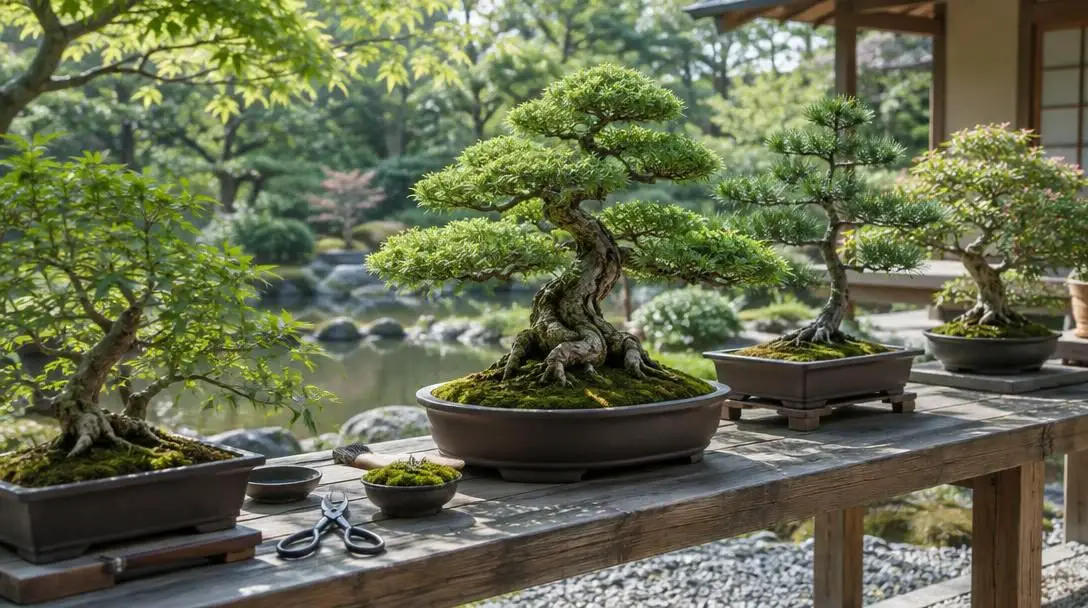
Bonsai trees offer an exceptional way to bring the essence of nature directly into a living room or outdoor garden. These living sculptures capture the imagination through their unique, miniature forms, delicate branches, and intricate foliage. For centuries, the contemplation of a tree growing in a shallow container has inspired enthusiasts to explore the horticultural and artistic traditions required to sustain these tiny plants. While they might appear delicate or mysterious to a casual observer, the craft of bonsai is rooted in direct, practical principles of plant biology, careful observation, and dedicated cultivation.
Keeping a bonsai healthy requires understanding that these specimens are not naturally miniature genetic dwarfs. Instead, they are ordinary trees that are guided, shaped, and maintained at a reduced size through specific horticultural techniques. Because their root space is intentionally restricted to shallow trays or pots, they rely entirely on their caretaker for moisture, nutrients, structural balance, and environmental protection. Learning how these elements interact allows anyone to participate in this enduring art form with confidence and success.
Key takeaways
- Bonsai specimens are ordinary tree species kept small through intentional root confinement, structural pruning, and wire shaping.
- Originating in Han Dynasty China over 2,000 years ago, the art form was later refined in 12th-century Japan into the practice known today.
- Matching tree species to the proper environment is critical, as temperate trees must live outdoors while tropical varieties can adapt indoors.
- Bonsai pots require thorough watering only when the soil becomes dry to the touch, rather than on an inflexible calendar routine.
- Repotting every two years refreshes compacted soil, stimulates root health, and preserves the miniature proportions of the tree.
From Han Dynasty Origins to Modern Living Art
The practice of cultivating miniature trees has a long and storied past that spans continents and centuries. Bonsai originated in China during the Han Dynasty over 2,000 years ago, where early practitioners began collecting and potting naturally dwarfed trees found in rugged mountainous terrains. This early practice celebrated the untamed, dramatic shapes crafted by natural elements like wind, lightning, and rocky soil. The art form was deeply intertwined with aesthetics and philosophy, representing the enduring harmony between human guidance and the natural world.
Centuries later, in the 12th century, the tradition spread to Japan, where it underwent significant refinement and found widespread popularity. Japanese practitioners adapted the techniques, emphasizing clean lines, balance, and refined visual harmony. It was here that the name became formalized: the word bonsai is derived from the Japanese terms bon, which translates to a shallow tray or container, and sai, which translates to a tree or planting. Literally understood, a bonsai is simply a tree planted in a tray.
During its early history, bonsai trees were created primarily for the benefit of the wealthy family who could afford to maintain them, hire specialized gardeners, and display them in luxurious residences. As the practice evolved and became more popular over time, knowledge of cultivation techniques spread across different social classes. Today, bonsai has transcended its aristocratic origins to become a globally practiced craft accessible to anyone with an interest in plants, design, and patient horticultural care.
The Mechanics of Miniature Cultivation
To successfully nurture a bonsai, it is helpful to grasp how a standard tree is maintained at a miniature scale. In nature, trees expand their root systems far into the earth, collecting immense amounts of water and dissolved minerals to support large trunks and wide canopies. Bonsai cultivation alters this relationship by establishing a closed, miniature ecosystem within a confined pot.
The primary mechanism that controls the size of a bonsai is root confinement paired with structural pruning. By restricting the volume of the root system within a shallow container, the tree naturally produces smaller foliage, shorter internodes between leaves, and a more compact growth habit. Regular maintenance pruning of the upper canopy ensures that the leaf volume remains proportionate to the small root volume beneath the soil. This prevents the tree from exhausting its root capacity while stimulating back-budding and finer branching throughout the structure.
Shaping is achieved by guiding the natural growth tendencies of the tree using focused cutting and wiring. Rather than letting the tree grow strictly toward the light as it would in an open forest, the practitioner selectively removes unwanted shoots, shortens elongated branches, and directs the structural lines of the wood. Over many seasons, this steady intervention allows the tree to display the mature characteristics of an ancient, weathered specimen while maintaining a size that can sit comfortably on a display bench or table.
Selecting the Right Bonsai Tree
When selecting a bonsai tree, it is important to remember that the specimen should be resilient and capable of withstanding changes in the environment. Choosing the right tree for your specific home or garden environment is key to long-term survival, as each species possesses distinct climatic needs.
| Species | Foliage Type | Primary Placement | Key Characteristic |
|---|---|---|---|
| Junipers | Evergreen conifer | Outdoors year-round | Rugged foliage and flexible wood for wiring |
| Ficus | Broadleaf evergreen | Indoors with bright light | Tolerant of dry household air and beginner-friendly |
| Maples | Deciduous broadleaf | Outdoors year-round | Dramatic seasonal foliage changes across four seasons |
Junipers
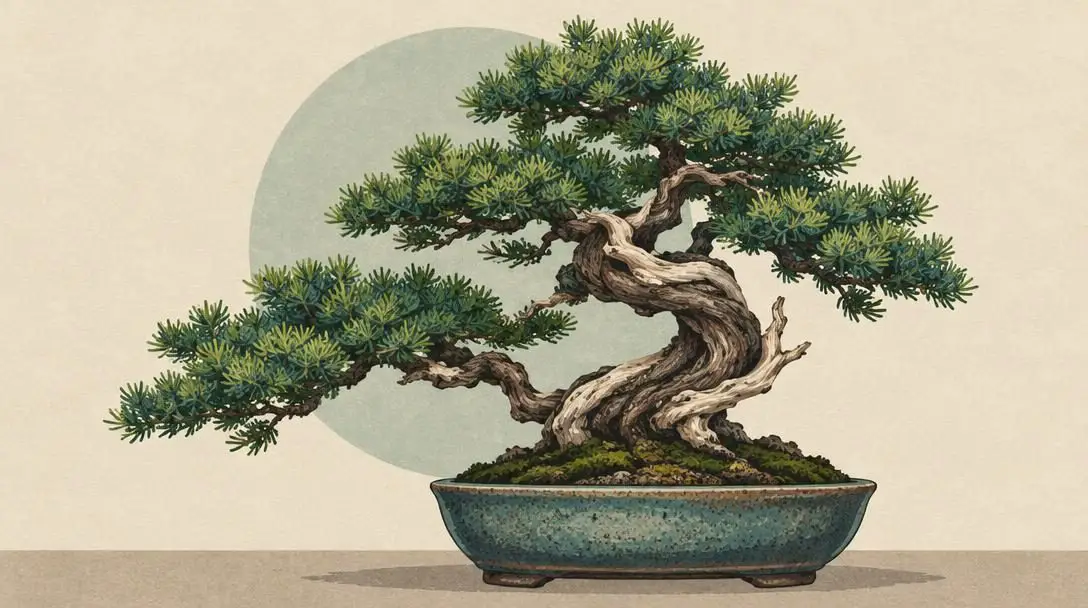
- Tree Type: Outdoor evergreen conifer
- Foliage Style: Needle or scale-like foliage
- Best Suited For: Outdoor beginners
Junipers are classic outdoor evergreen conifers known for their rugged foliage, flexible wood, and dynamic response to wiring. They are hardy specimens that handle seasonal transitions well, making them ideal options for beginners who intend to keep their trees outside. Because they are adapted to temperate outdoor environments, junipers require full sun and cold winter temperatures to complete their seasonal growth cycles.
Ficus
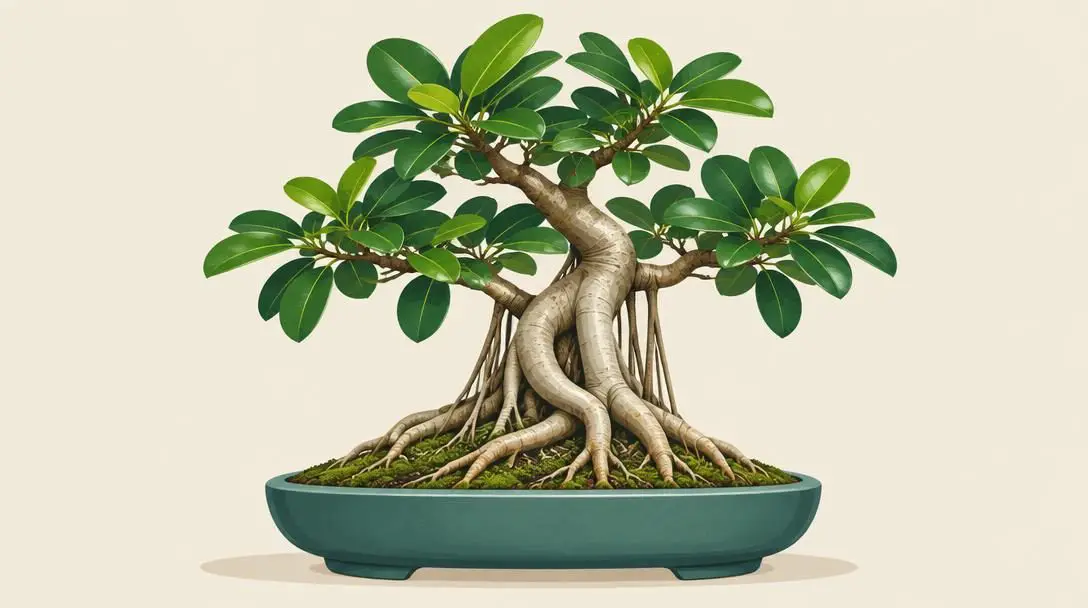
- Tree Type: Tropical broadleaf evergreen
- Foliage Style: Glossy, durable green leaves
- Best Suited For: Indoor living spaces
Ficus varieties are among the most forgiving choices for individuals seeking an indoor bonsai. As tropical broadleaf evergreens, they tolerate indoor conditions better than temperamental species, displaying tough green leaves and remarkable tolerance for dry household air. While they still require abundant natural sunlight to thrive, their tropical genetics allow them to grow without an outdoor winter chilling period.
Maples
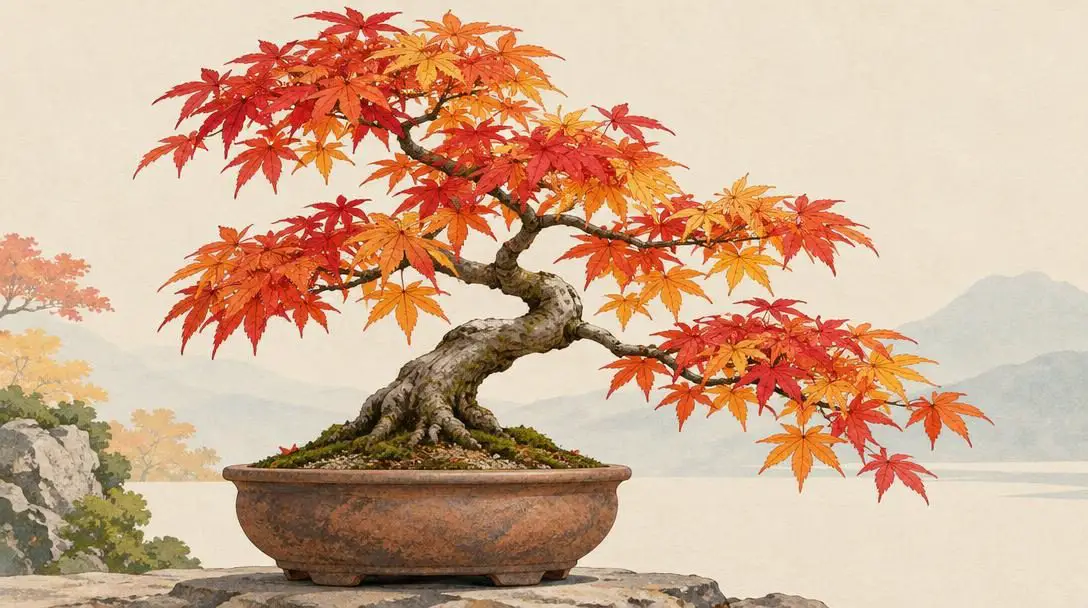
- Tree Type: Temperate deciduous broadleaf
- Foliage Style: Delicate lobed leaves
- Best Suited For: Outdoor seasonal displays
Maples are beloved deciduous choices that show dramatic seasonal changes, producing delicate spring growth, vibrant green summer canopies, and brilliant autumn foliage. They thrive when grown outdoors where they can experience the natural change of the seasons. Like junipers, maples require winter dormancy brought on by dropping temperatures, which allows them to drop their leaves, rest, and store energy for a vigorous flush of spring buds.
Essential Environmental Requirements: Light, Placement, and Air
Bonsai trees require a healthy amount of sunlight to drive photosynthesis and sustain their compact foliage. The precise amount of light required will depend on the specific type of tree being grown. A general rule of thumb is to choose an area where the tree can receive bright sunlight for at least four hours each day. However, it is essential to avoid exposing the plant to the harsh midday sun, which can heat shallow pots quickly and scorch tender leaf tissues.
Deciding where to place your bonsai—whether in the home or out in the garden—depends directly on the species:
- Outdoor Placement: Most bonsai trees need plenty of sunlight and fresh air to grow and remain healthy, which is why they are best kept outdoors. Temperate species such as junipers and maples require natural outdoor temperature shifts, ambient humidity, and natural dormancy periods during cooler months to reset their biological cycles.
- Indoor Placement: If you are keeping a bonsai tree indoors, such as a tropical ficus, make certain that it receives enough natural light by positioning it near an appropriate window. Additionally, be very careful to avoid exposing indoor trees to artificial heat sources, such as home heaters or radiators, which strip moisture from both the soil and the air and cause severe dehydration.
Soil and Fertilization Essentials
Because the roots of a bonsai exist within a minimal volume of substrate, the physical and chemical properties of the soil are critical. Good soil quality and the use of the right fertilizer are essential to the ongoing health of your bonsai tree. The soil mix must provide adequate drainage so that excess moisture flows freely out of the pot, preventing stagnant conditions around the root tips while retaining sufficient moisture between waterings.
Watering is the most critical daily rhythm in bonsai, requiring careful observation rather than an inflexible calendar schedule.
As the tree grows, it rapidly consumes the small reserve of nutrients available within its shallow pot. Applying organic fertilizer, such as compost or manure, is highly recommended. These organic amendments deliver the essential nutrients that your bonsai tree needs:
- Nitrogen: Fuels steady leaf expansion, shoot development, and vibrant green foliage color.
- Phosphorus: Encourages strong root establishment, root health, and internal vascular strength.
- Potassium: Enhances overall cellular strength, water regulation, and natural disease resistance.
Regular, measured feeding during the active growing season ensures that the miniature tree stays vigorous without becoming overly coarse or leggy.
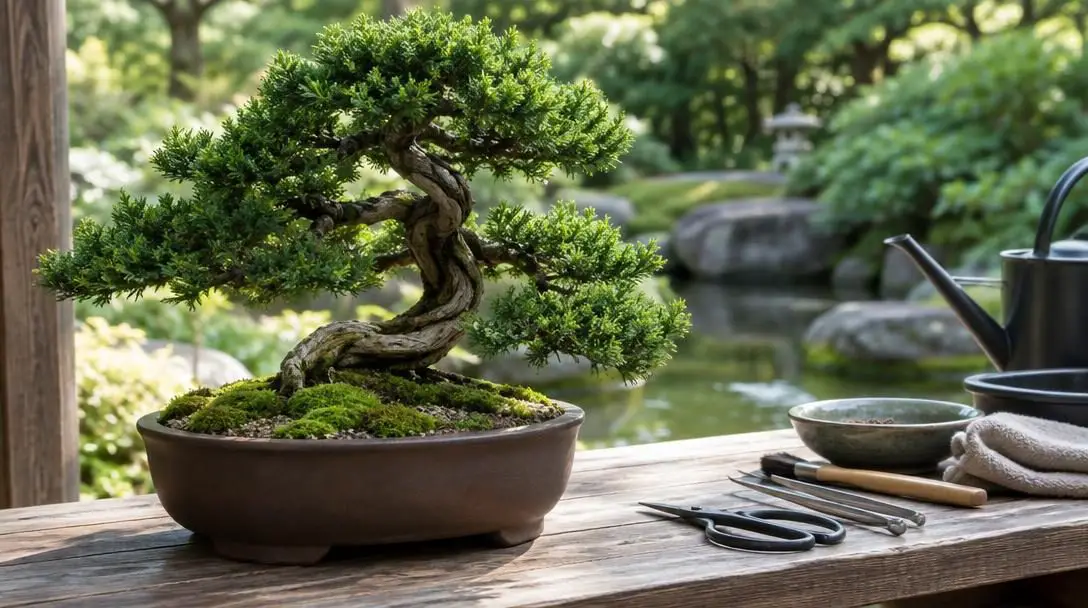
Proper Watering Techniques
Watering is widely considered the most critical daily task in bonsai cultivation. Bonsai trees are particularly sensitive to both overwatering and under-watering; therefore, one must find a careful balance to maintain healthy roots. Inflexible watering schedules rarely work, as environmental factors like temperature, humidity, wind, and pot depth constantly change how quickly soil dries out.
The time to water is when the soil appears dry to the touch or when the leaves begin to show subtle signs of wilting. When applying water, you must water slowly and thoroughly to ensure that the roots of the plant absorb the moisture evenly. Water should be applied until it runs freely through the drainage holes at the base of the container. Quick or surface-level watering often leaves the lower core of the root ball dry, which damages the fine feeder roots located at the bottom of the pot.
Pruning, Shaping, and the Proper Tools
Pruning and shaping are necessary to achieve and maintain the desired form of a bonsai tree. Without consistent pruning, a tree will revert to its natural growth habit, casting shade on lower branches and losing its miniature proportions. When pruning, it is important to systematically remove dead, damaged, or aging branches to maintain structural clarity and direct energy into healthy, well-placed shoots. Shaping the tree requires patience and a gentle touch, as forcing branches beyond their natural flexibility can crack the wood or tear the bark.
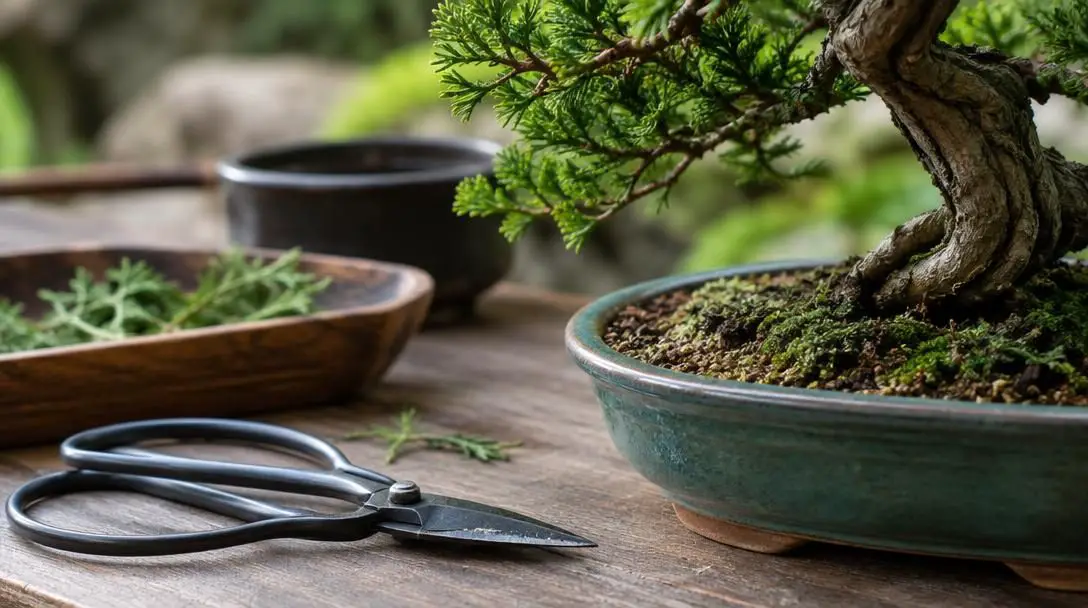
Caring for these miniature trees requires an investment in the right tools to produce clean cuts that heal smoothly without leaving unsightly scars. The essential tools can be divided into basic and advanced categories:
Basic Tools
- Shears: Standard cutting implements designed for trimming green shoots, fine twigs, and soft foliage.
- Wire Cutters: Specialized cutters with rounded noses that allow you to snip shaping wire close to the bark without gouging the tree.
- Concave Cutters: A tool engineered to make scooped, indented cuts when removing branches, allowing the wound to heal flush with the trunk.
Advanced Tools
- Root Cutters: Heavy-duty tools with thick, durable blades capable of cutting through tough root material during repotting.
- Branch Cutters: Robust cutters designed to tackle thicker, older wood that standard shears cannot cleanly slice.
- Grafting Knives: Precision-edged blades used for delicate carving work, bark refinement, and grafting procedures.
How to Repot a Bonsai: Step-by-Step
Over time, a bonsai tree's roots may grow so much that they start to outgrow the pot. When the container becomes completely packed with root mass, the soil loses its structure, water cannot penetrate properly, and the tree struggles to breathe. Repotting is key to ensuring that your bonsai tree stays healthy. As a standard practice, you should repot your bonsai tree once every two years to refresh the soil and manage root density.
- Prepare the pot and materials. Clean your container thoroughly and place mesh screens over the drainage holes. Prepare your well-draining soil mix in advance so that exposed roots do not dry out during the process.
- Remove the tree from its pot. Carefully loosen the edges of the soil with a spatula or root hook, taking care not to rip the plant out by its trunk. Gently lift the tree and root ball from the pot.
- Comb and unravel the roots. Using a blunt root pick, gently comb outward from the center of the root ball to loosen tangled root tips and tease away old, depleted soil.
- Trim the roots. Using sharp shears or specialized root cutters, trim back long, circling, and overgrown roots. Removing dense root sections stimulates the tree to produce fresh, efficient feeder roots close to the base of the trunk.
- Position and secure the tree. Place a foundational layer of fresh, well-draining soil in the container. Position the tree at the desired angle and depth, threading anchoring wire through the drainage holes to fix the root mass securely into place.
- Add fresh soil and settle. Fill the pot with your soil mix, using a chopstick or small tool to work the granules down into any hollows around the root ball. Once complete, water the newly potted tree slowly and thoroughly until moisture drains freely from the base.
Common Bonsai Mistakes to Avoid
Bonsai trees are relatively easy to take care of once their basic biological needs are met, but beginners often run into difficulties by repeating several common mistakes. Being aware of these pitfalls makes it easier to keep your tree flourishing year after year:
- Over-watering: Keeping the soil perpetually soggy deprives the roots of oxygen, leading to root rot and eventual decline. Water only when the soil appears dry, not on an unyielding daily routine.
- Over-fertilizing: While trees need nutrients, applying too much fertilizer or feeding an already weakened plant can scorch root systems and damage the foliage. Stick to balanced, organic fertilizers like compost or manure in sensible amounts.
- Improper pruning: Pruning without an understanding of the tree's health or growth habit can cause branch dieback. Always focus on clearing dead, damaged, or aging branches first, avoiding severe cuts when the tree is weak.
- Selecting the wrong bonsai tree: Attempting to force an outdoor conifer to live indefinitely inside a heated room, or placing a frost-sensitive tropical tree outside in freezing weather, will result in failure. Match the species to the physical environment you have available.
Frequently asked questions
Are bonsai trees naturally miniature plant species?
No. Bonsai trees are ordinary tree species, such as junipers, ficus, and maples, that are kept small through specific cultivation techniques. Restricting their root space in shallow pots and performing regular pruning guides their growth into miniature proportions.
How often should I water my bonsai tree?
You should water your bonsai whenever the soil appears dry to the touch or when the foliage shows subtle signs of wilting. Avoid fixed calendar schedules, as drying rates change with sunlight, temperature, pot depth, and humidity.
Can I keep my bonsai tree inside my home?
Indoor placement is only suitable for tropical varieties, such as ficus, provided they receive bright sunlight near a window and stay away from heating vents. Temperate trees like junipers and maples require outdoor conditions and seasonal dormancy to survive long-term.
How frequently does a bonsai tree require repotting?
As a standard horticultural practice, bonsai trees should be repotted once every two years. Repotting relieves root congestion, trims back overgrown root mass, and replaces depleted, compacted soil with fresh, well-draining substrate.
What should I do if my tree's leaves begin to scorch?
Leaf scorch typically happens when shallow pots sit in intense midday sun or near indoor artificial heating sources. Move the tree to a location that receives gentle morning sunlight and is protected from harsh afternoon heat or dry air drafts.
The bottom line
Cultivating a bonsai is far more than an exercise in indoor decorating; it is an engaging, living art form that evolves across seasons and years. By mastering the core biological principles of root confinement, balanced watering, seasonal nutrition, and attentive pruning, you provide your tree with the stability it needs to thrive. Rather than demanding complex or mysterious rituals, successful bonsai care relies on simple consistency, keen observation, and respect for the natural rhythms of the plant world.