Are We Headed into a Global Water Crisis? What’s Going on, and What Can Ordinary People Do About It?
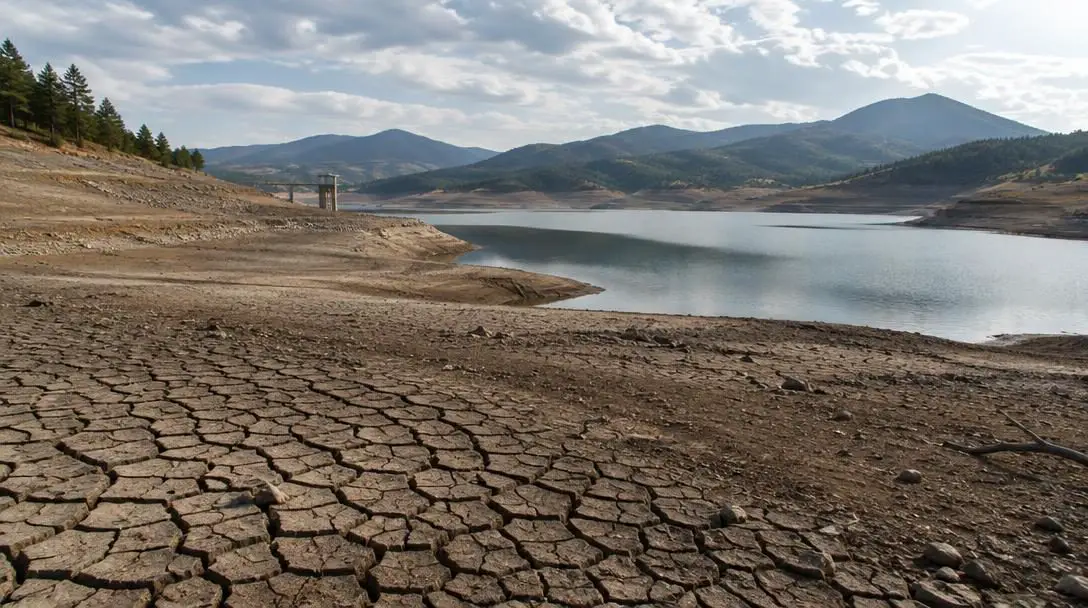
Clean water is frequently taken for granted in developed regions, yet the global infrastructure sustaining it is under extraordinary strain. According to figures from the United Nations, more than 3.5 billion people—representing roughly half of the global population—currently live under conditions vulnerable to water scarcity. Demographic shifts, environmental decay, and industrial pressure threaten to accelerate this baseline, with projections indicating that over 5 billion people could face water vulnerability by 2050.
This escalating instability does not stem from an isolated environmental anomaly or a single local failure. Rather, modern water scarcity is the compounding product of extensive pollution, aging and degraded infrastructure, institutional neglect, and unchecked overconsumption. Grasping the true scale of the crisis requires examining how freshwater underpins human physiology and societal stability, the interconnected drivers diminishing global reserves, and the practical steps everyday citizens can implement to foster responsible water stewardship.
Key takeaways
- More than 3.5 billion people currently experience water vulnerability, a total projected by the United Nations to exceed 5 billion by 2050.
- Without potable water, human survival is limited to approximately three days, making freshwater security foundational to public health, agriculture, and regional peace.
- Climate shifts act through dual pathways—prolonged droughts and violent weather events—while social disruptions like armed conflict and industrial exploitation further deplete supplies.
- Meaningful individual water stewardship requires repairing silent domestic leaks, upgrading to efficient fixtures, and responsibly capturing rainwater and graywater.
- Personal conservation habits must be matched by systemic reform, cross-border data sharing, and civic accountability to achieve permanent water security.
The biological and social foundations of freshwater
Freshwater is an uncompromising prerequisite for biological survival. Under standard physiological conditions, a human being can survive for around three days at best without hydration. Because bodily systems require water to regulate temperature, filter cellular waste, and maintain cardiovascular function, access to a clean supply represents an unforgiving timeline for human existence. When municipal taps run dry or local wells fail, the health crisis is immediate and severe.
Yet drinking water represents only the first layer of human dependency. As noted by the global children's charity World Vision, access to clean water serves as a vital stepping-stone to broader societal development. When a community gains access to a predictable, uncontaminated water source, the underlying pillars of social stability are reinforced across every sector.
Access to clean water stabilizes communities, eliminates local resource competition, and creates the baseline required for lasting economic development.
Plentiful supplies remove the friction that inevitably occurs when neighboring groups must compete over dwindling natural reservoirs. Reliable hydration allows local agriculture and livestock operations to flourish, securing regional food supplies and insulating local economies from volatile supply chain shocks. Furthermore, readily available water transforms public sanitation and personal hygiene. Clean running water reduces the incidence of preventable waterborne illnesses, ensuring adults remain healthy enough to sustain productive work and children are healthy enough to attend school consistently.
Understanding the primary drivers of global water scarcity
The operational mechanisms behind current and projected shortages reflect an expanding imbalance among supply, distribution, and demand. Natural hydrologic cycles are being warped by environmental volatility, while municipal systems frequently fail to manage the resources they control. Scientists investigating the crisis have traced its rapid acceleration along two prominent environmental pathways directly tied to climate change, which are reinforced by institutional and systemic failures.
Extended periods of drought
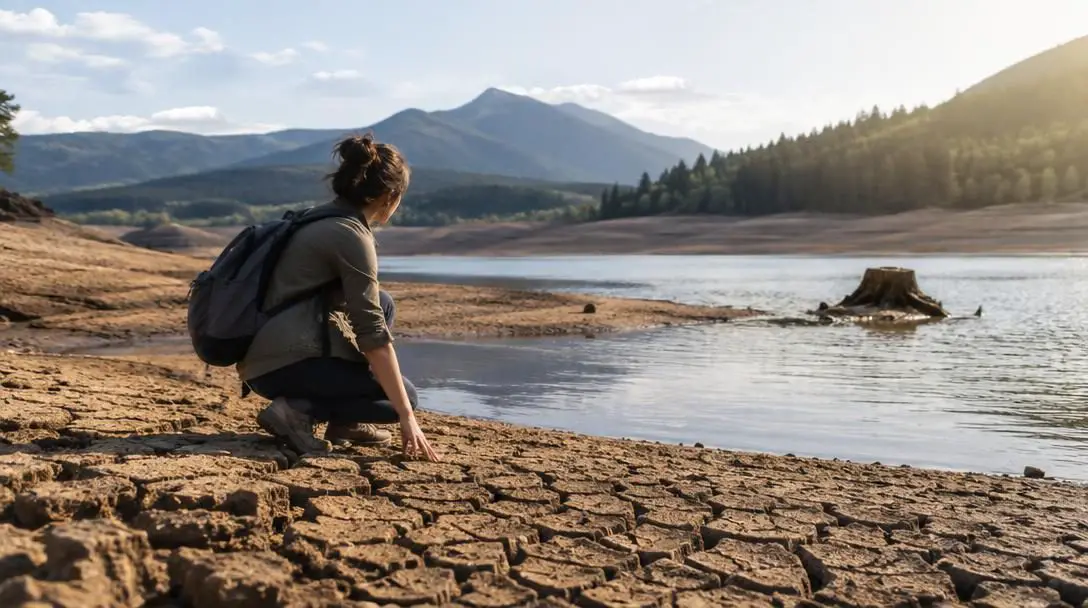
Persistent increases in average global temperatures alter regional weather systems, causing recurrent and prolonged droughts. These extended dry periods dry up critical surface reservoirs, shrink seasonal snowpacks that feed major river basins, and force municipalities to pump groundwater far faster than natural hydrologic cycles can replenish deep aquifers.
Violent weather events
Extreme weather patterns, including intensified hurricanes and severe storms, paradoxically worsen freshwater shortages. Although these storms produce massive precipitation, their physical force destroys municipal water treatment facilities, fractures underground delivery networks, and washes toxic industrial and agricultural runoff into potable surface reservoirs, rendering entire regional networks inoperable.
Armed conflict and forced migration
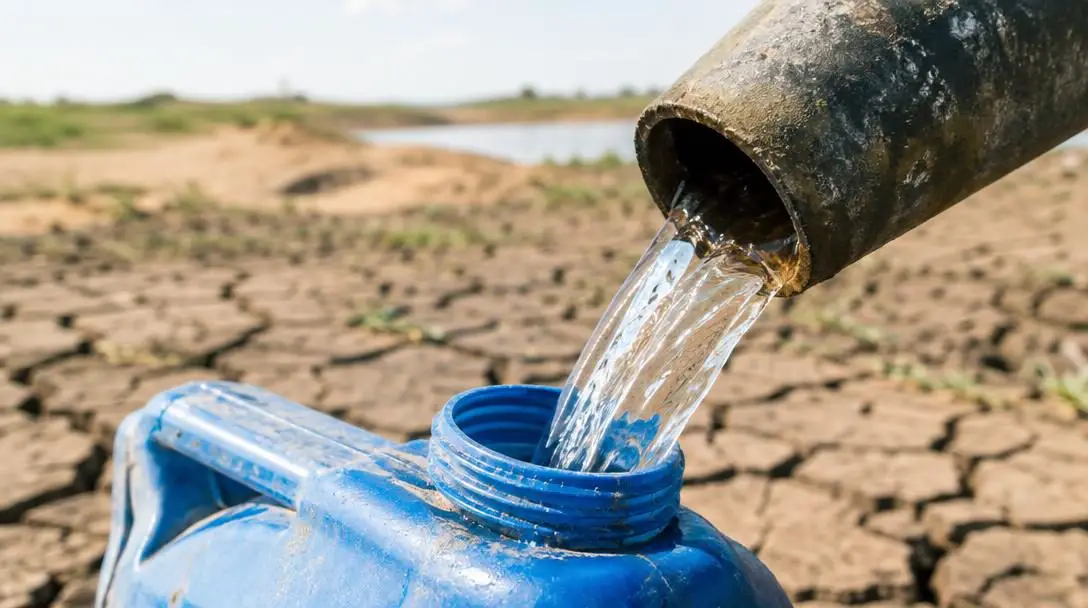
Modern warfare routinely damages or deliberately targets civilian infrastructure, severing metropolitan areas from functioning treatment hubs. Concurrently, displaced populations fleeing war or economic collapse are frequently funneled into refugee encampments and urban peripheries that lack adequate water delivery, placing sudden, unmanageable pressure on local water reserves.
Corporate overconsumption and industrial pollution
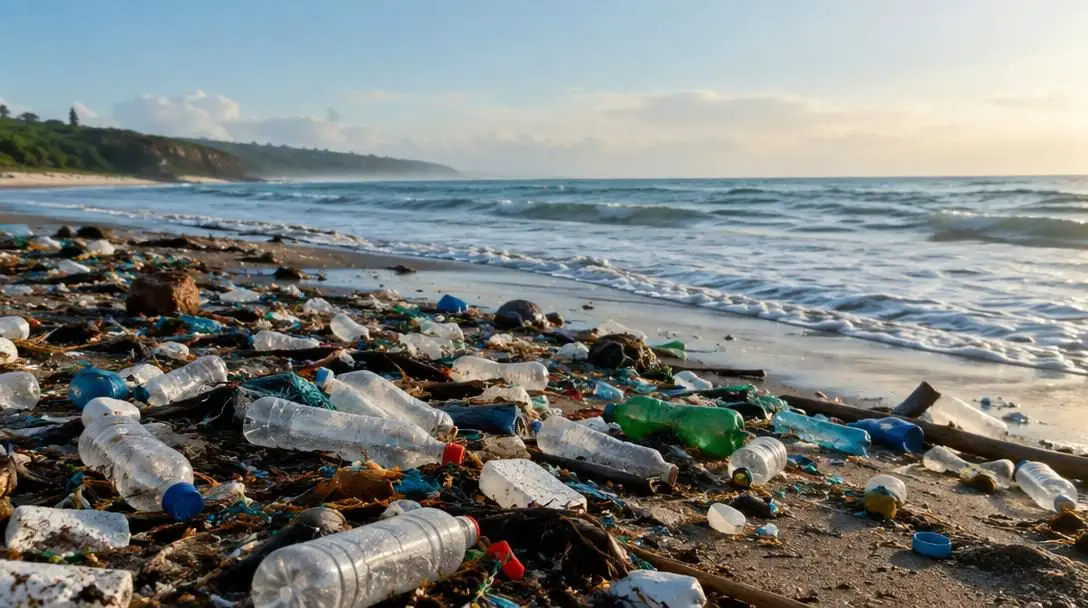
Commercial and manufacturing enterprises frequently consume staggering volumes of freshwater, often prioritized over the baseline hydration and sanitation needs of neighboring residents. Compounding this extraction, the routine dumping of untreated industrial effluent and municipal wastewater back into rivers and lakes degrades the potable reserves that remain accessible.
Deficits in data and cross-border cooperation
Subterranean aquifers and river networks rarely align with human geopolitical boundaries. A chronic absence of cross-border coordination among water resource experts leads to unmanaged competitive extraction, diplomatic conflict, and systemic waste. Furthermore, many governments lack accurate monitoring data detailing groundwater health and extraction rates, leaving engineers unable to plan effectively.
Practical conservation methods for everyday households
While reversing systemic decline requires regulatory overhauls and infrastructure investments, personal stewardship remains an essential pillar of aggregate conservation. Coordinated household action saves millions of gallons of treated drinking water daily and fosters a cultural baseline that demands better public management.
| Conservation Action | Primary Mechanism | Household Impact Level |
|---|---|---|
| Shower time reduction | Limits volume of heated, municipal water drawn per wash | Immediate operational reduction |
| Low-flow toilet installation | Reduces volumetric displacement required per flush cycle | Permanent structural reduction |
| Graywater recycling | Diverts sink and laundry outflow to non-potable domestic tasks | Moderate resource reuse |
| Rainwater harvesting | Captures atmospheric precipitation for landscape maintenance | Seasonal municipal offset |
| Leak detection and repair | Eliminates continuous, unmetered system loss behind walls | High preventative impact |
| Coastal desalination review | Converts abundant marine water to reduce aquifer dependence | Targeted regional application |
Shorten daily shower times
Restricting daily showers by even two or three minutes yields substantial water savings over a calendar year. Showers draw heavily on municipal supplies, requiring not only clean water but also significant energy inputs for heating; curtailing flow times instantly relieves both municipal and energy networks.
Install low-flow toilets
Legacy residential toilets consume massive quantities of water per flush compared to modern engineering standards. Transitioning to dedicated low-flow fixtures maintains proper sanitary removal while cutting the volume of treated water flushed into sewer lines by a significant percentage on every cycle.
Reuse household graywater
Graywater refers to gently used domestic discharge originating from bathroom sinks, bathtubs, and clothing washing machines. When handled without harsh cleaning chemicals, this water can be captured and redirected toward landscape irrigation and toilet flushing rather than entering the wastewater network prematurely.
Collect rainwater for outdoor applications
Setting up exterior collection barrels or cisterns under roof downspouts allows homeowners to gather atmospheric moisture during storm events. This unmetered supply is ideal for irrigating turf, vegetable gardens, and ornamental plants during hot, dry stretches, protecting treated drinking water for essential hydration.
Inspect plumbing networks and repair silent leaks
Subtle mechanical failures in plumbing networks, such as worn flappers inside toilet tanks or slow drips at outdoor hose bibbs, are major sources of invisible domestic waste. Routine inspections of domestic water meters, pipe joints, and appliance supply hoses keep plumbing networks operating efficiently without continuous loss.
Explore desalinizing technology in coastal regions
For individuals and local communities situated adjacent to marine environments, looking into small-scale or municipal desalination systems presents a viable path forward. Converting saltwater into potable supplies eases extraction pressure on vulnerable inland aquifers and overtaxed river basins.
Lead by quiet, consistent example
Sustained personal stewardship exercises a profound cultural influence. Implementing deliberate water habits quietly demonstrates practicality to neighbors, relatives, and local community leaders, building the social consensus required to enact broader municipal reforms.
Support dedicated global organizations
Individuals can expand their impact by contributing to established humanitarian institutions such as WaterAid. Operating for over three decades, WaterAid builds resilient local water systems, trains communities in infrastructural maintenance, and provides public education regarding global shortages.
Common mistakes in domestic water stewardship
Good intentions frequently fail to translate into water savings due to widespread misconceptions regarding how and where domestic water is lost. Avoiding these common traps ensures household efforts deliver tangible results.
- Overlooking hidden plumbing leaks: Many homeowners assume that plumbing leaks will produce visible puddles or loud dripping sounds. In practice, damaged toilet seals and hairline fractures in buried irrigation lines leak continuously for months without obvious external indicators.
- Focusing exclusively on exterior irrigation: Restricting lawn watering during warm months is commendable, but ignoring indoor waste—such as running taps continuously while scrubbing dishes or lingering in showers—negates exterior conservation gains.
- Mishandling collected graywater and rainwater: Storing rainwater in unsealed containers encourages mosquito breeding and algae growth. Similarly, applying graywater containing harsh laundry detergents directly to sensitive, edible root crops poses health and botanical risks.
- Treating water conservation as an emergency measure: Adjusting usage habits only when municipal authorities declare a drought emergency fails to address chronic depletion. Long-term aquifer recovery requires consistent, year-round efficiency.
- Assuming household actions supersede structural policy: Believing personal changes eliminate the need for civic engagement is a major error. Household stewardship must be paired with vocal support for industrial accountability and infrastructure modernization.
How to assess and improve your local water security
Moving from basic awareness to constructive action requires examining how your household connects to the broader hydrologic environment. Taking organized steps helps align individual conservation with community-scale resilience.
- Identify your primary water source by reviewing municipal disclosures to determine if your tap water originates from surface reservoirs, snowmelt-fed rivers, or deep groundwater aquifers.
- Evaluate the vulnerability of your municipal infrastructure to regional climate patterns, noting whether prolonged droughts or localized storm runoffs historically threaten local water processing.
- Perform a comprehensive home fixture audit to locate deteriorating pipe fittings, corroded valves, and outdated, high-consumption appliances.
- Implement mechanical retrofits, beginning with the installation of aerated faucets and modern low-flow toilet mechanisms.
- Review reputable research resources, including materials published by WaterAid, to understand the logistics and community engineering required to deliver sustainable water worldwide.
- Engage in civic advocacy by voting for infrastructure bonds, demanding industrial wastewater accountability, and encouraging cross-border data cooperation among state and regional hydrologists.
Frequently asked questions
How many people are currently affected by the global water crisis?
United Nations data confirms that more than 3.5 billion people—approximately half of the planet's total population—currently experience water scarcity or vulnerability. This figure is projected to rise past 5 billion individuals by the year 2050 if degradation patterns continue unchecked.
How long can a person survive without clean drinking water?
Under standard environmental and physiological circumstances, a human being can survive for around three days at best without access to potable water. After this point, severe dehydration induces acute organ failure.
Why do severe storms and hurricanes worsen clean water supplies?
Although extreme storms bring vast amounts of moisture, their destructive winds and floodwaters burst distribution pipelines, overwhelm sewage networks, flood clean reservoirs with contaminated chemical runoff, and incapacitate electrical grids that power water treatment facilities.
What is graywater and how can it be used safely?
Graywater is gently used domestic wastewater derived from showers, bathtubs, washing machines, and bathroom sinks. If kept free from dangerous household chemicals, toilet effluent, and bleach, it can be captured and safely redirected to flush toilets or water non-edible landscape plants.
What role does industrial activity play in global water shortages?
Industrial operations often withdraw disproportionate amounts of freshwater from regional aquifers, depleting supplies faster than they can recharge. Furthermore, improper industrial wastewater handling routinely pollutes nearby surface waters, rendering remaining reservoirs unusable for local populations.
The bottom line
The global water crisis is neither a distant scenario nor an insurmountable inevitability; it is an unfolding reality demanding immediate adjustments in public policy and personal responsibility. With more than 3.5 billion people already vulnerable to scarcity, ensuring the integrity of our planet's freshwater reserves requires an active, multi-front response. Everyday practices—such as monitoring home fixtures for silent leaks, shortening showers, and utilizing graywater—instill a culture of preservation. When paired with systemic investments, cross-border resource planning, and accountability for industrial polluters, sustainable stewardship can secure this life-giving resource for generations to come.