5 Surprising Contributors To Light Pollution
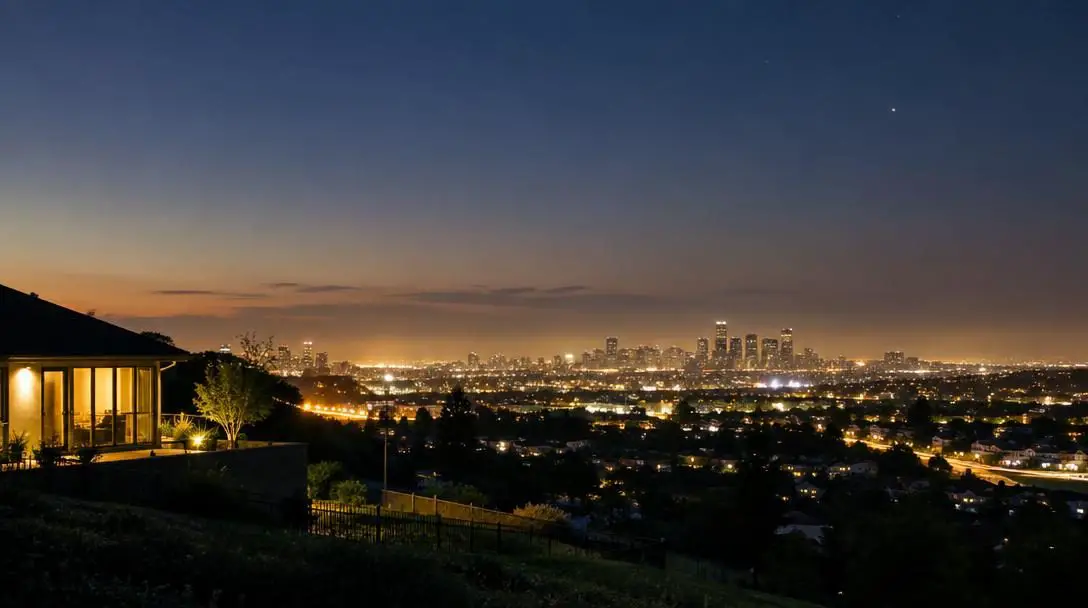
For centuries, stepping outside after dusk revealed an expansive cosmic canvas filled with thousands of visible stars, wandering planets, and the glowing path of the Milky Way. In modern metropolitan regions, however, true nocturnal darkness has all but vanished under a relentless haze of artificial illumination. This pervasive environmental issue, known as light pollution, occurs when human-generated light is excessive, misdirected, or left unshielded, completely washing out our view of the cosmos and altering natural rhythms across the globe.
While towering office towers and glowing highway interchanges are familiar culprits, modern skyglow is fed by a far broader and more surprising array of sources. Artificial radiance does not simply impact amateur stargazers and professional astronomers; it disrupts delicate ecosystems, scrambles wildlife navigation, suppresses melatonin production, and degrades human sleep cycles. Understanding where this stray radiance originates is the crucial first step toward restoring balance to our nocturnal environment.
Key takeaways
- Light pollution extends beyond ground-level fixtures, with low-orbit satellite constellations physically streaking across scientific and observational views of deep space.
- Monumental sports venues and concentrated commuter traffic generate intense localized glare and skyglow, frequently remaining lit even when events are over.
- Poor optical engineering in streetlamps causes widespread light trespass, intruding directly into private residential bedrooms and neighborhoods.
- Upward-aimed commercial billboards and illuminated tourist corridors prioritize corporate visibility over the preservation of pristine nocturnal skies.
- Mitigating stray light requires full shielding, warmer color temperatures, and smarter municipal zoning rather than simply turning up fixture brightness.
The Anatomy of Artificial Illumination
To evaluate how modern light pollution forms, it is essential to explore the physics of nighttime radiance. Artificial light does not stop at the ground; it travels outward until it meets an obstacle, a surface, or microscopic particles in the air. When outdoor fixtures cast unshielded beams horizontally or upward, that light collides with water droplets, dust, and gas molecules in the atmosphere. This interaction scatters photons across the horizon, creating skyglow—the familiar, luminous dome visible over towns and cities for dozens of miles.
Beyond skyglow, artificial illumination manifests in two other intrusive ways: glare and light trespass. Glare occurs when high-intensity light enters the eye directly at an angle, sharply reducing visual contrast and creating physical discomfort or temporary blindness. Light trespass happens when unwanted illumination spills over property boundaries, turning dark backyards and bedrooms into brightly lit spaces. Together, these three elements disrupt natural circadian clocks, interfering with the hormonal cycles that dictate human sleep and wildlife behavior.
5 Surprising Contributors to Modern Light Pollution
While standard street grids and office complexes contribute steadily to ambient night glow, several less obvious sources drastically worsen the problem. These five contributors illustrate how modern commerce, infrastructure, and technology combine to disrupt the dark.
Satellites
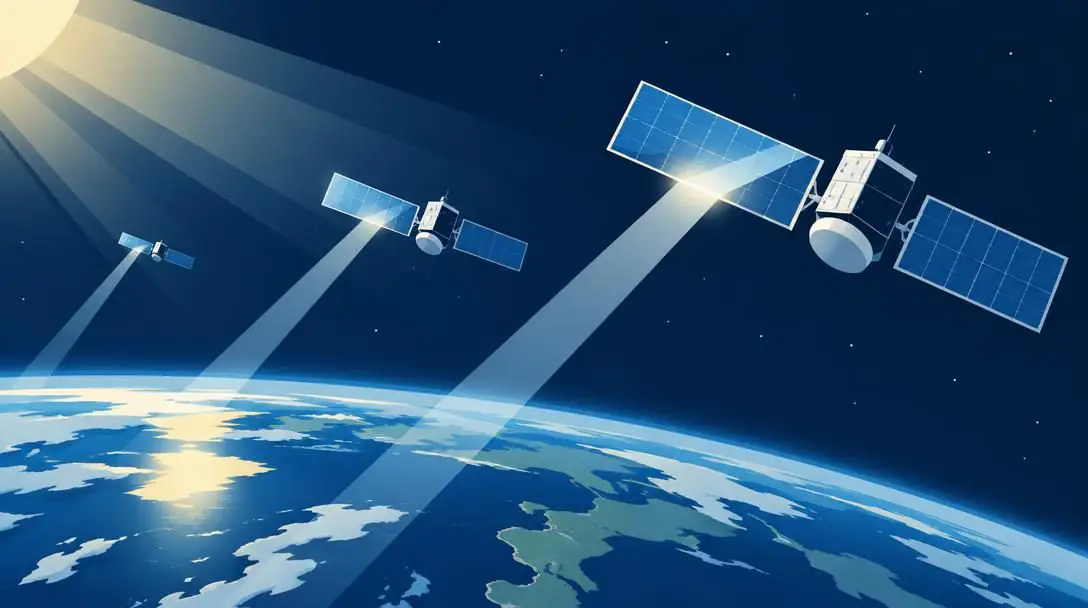
- Operational altitude: Low and medium Earth orbits
- Primary mechanism: Solar panel and chassis reflection
- Primary impact: Streaks across long-exposure astronomical data
Most people assume light pollution remains confined to ground-based fixtures and surface infrastructure. However, an ever-increasing volume of artificial illumination originates far beyond the Earth's atmosphere. Thousands of operational commercial satellites, internet delivery constellations, and telecommunications platforms now inhabit low and medium orbits around the globe. As these metallic bodies circle the Earth, their reflective chassis and expansive solar arrays catch sunlight and bounce it directly back down to the dark surface below.
For scientific observatories and amateur skywatchers alike, this orbital congestion creates persistent hurdles. Telescopes configured for long-exposure photography routinely capture glaring streaks of white light running directly through distant nebulae and faint galaxies. Addressing this rapid influx of orbital hardware, Professor Samantha Lawler of the University of Regina stated: "For the first time in human history, we’re not going to have access to the night sky in the way that we’ve seen it." Professor Lawler drew a comparison to the historical rise of automobiles, noting that while the technology was once novel and exciting, it gradually evolved into a crowded, cluttered state that reshaped the natural landscape.
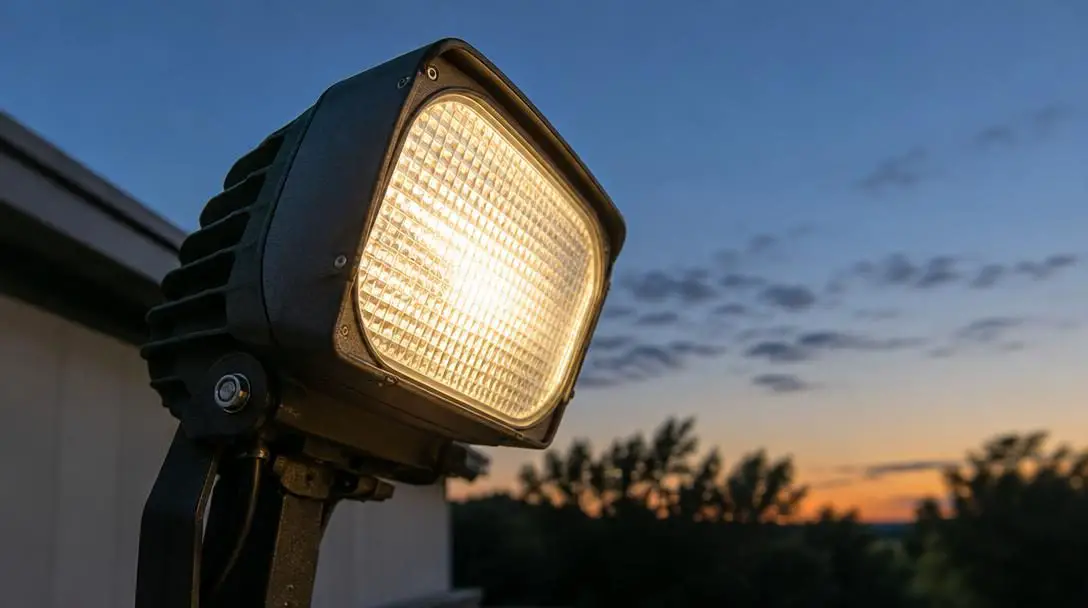
Orbital expansion means that, for the first time in history, human hardware in the upper atmosphere is actively obstructing our clear view of the deep universe.
Vehicles
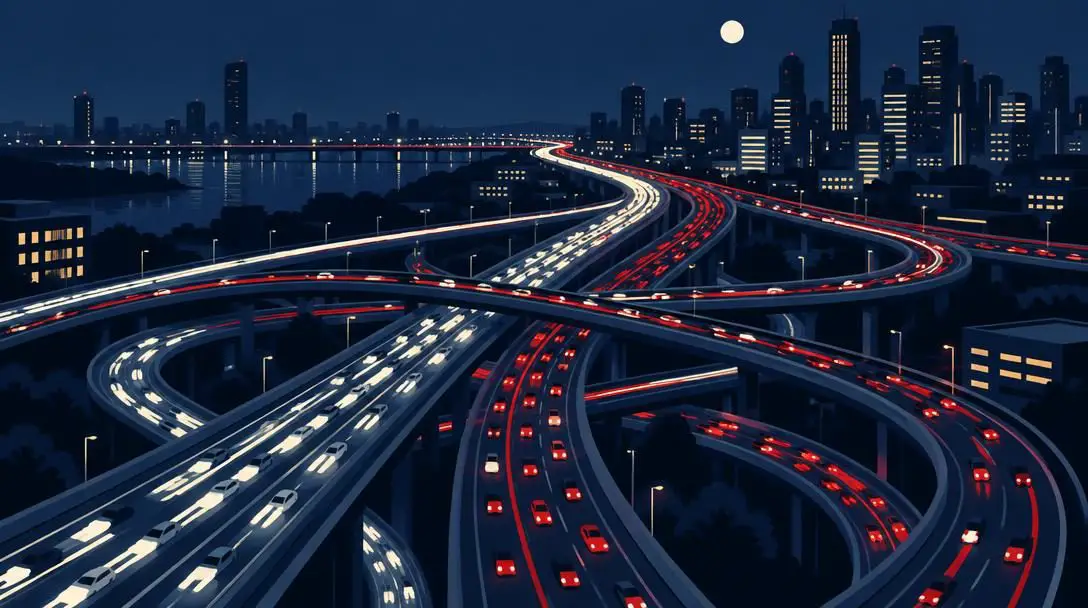
- Setting: Dense highway corridors and multi-lane intersections
- Primary mechanism: High-output headlights and taillight trails
- Primary impact: Severe horizontal glare and low-altitude atmospheric scatter
Automobiles present an uneven contribution to light pollution that scales directly with population density. On a remote rural highway, a lone car passing every few minutes creates a momentary flash of illumination before natural darkness returns. In high-density urban areas and sprawling suburban bottlenecks, however, vehicular traffic acts as a massive, continuous surface-level light emitter.
During evening rush hours, major freeways and multi-lane interchanges transform into glowing ribbons of high-intensity white headlights and deep red taillights. This concentrated ground glow is further aggravated by drivers who retrofit their vehicles with aftermarket light-emitting diode (LED) or high-intensity discharge (HID) headlights. When installed in housings not designed for them, or when vehicles are lifted without headlight realignment, these lights cast blinding, horizontally misdirected beams straight into the eyes of approaching drivers and across surrounding natural habitats.
Sports Stadiums
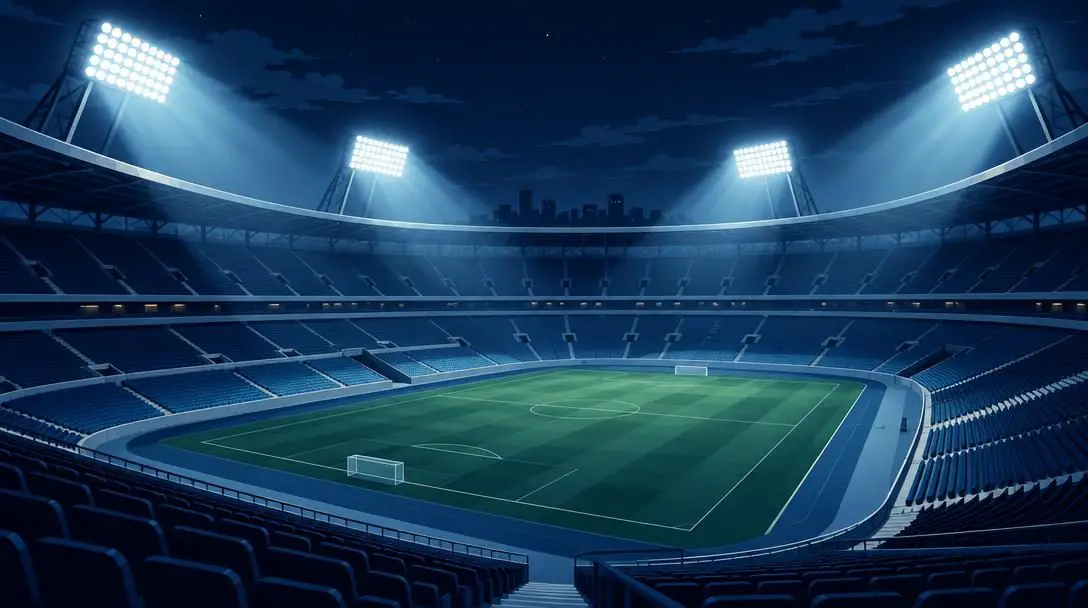
- Setting: Metropolitan sports districts and suburban campuses
- Primary mechanism: Perimeter-mounted floodlight banks
- Primary impact: Intense localized skyglow and excessive upward spill
Modern athletic stadiums and arenas are engineering marvels designed to gather tens of thousands of spectators under daylight-equivalent lighting conditions. However, their contribution to light pollution does not stop when the final whistle sounds. City residents regularly travel past these colossal facilities on random weeknights and see entire arrays of high-powered industrial floodlights operating at full wattage, even when the home team is playing on the road in another time zone or enjoying a scheduled off-day.
Venue operators often illuminate these massive open-air bowls solely to facilitate nighttime operations for small custodial crews, maintenance contractors, and private security guards. While workplace safety and site monitoring are operational necessities, firing up perimeter floodlight banks suspended hundreds of feet above the field supplies vastly more illumination than routine maintenance requires. Without zoned lighting controls, tons of luminous energy escapes horizontally and upward, generating intense local skyglow across adjacent neighborhoods.
Bad Streetlight Bulbs
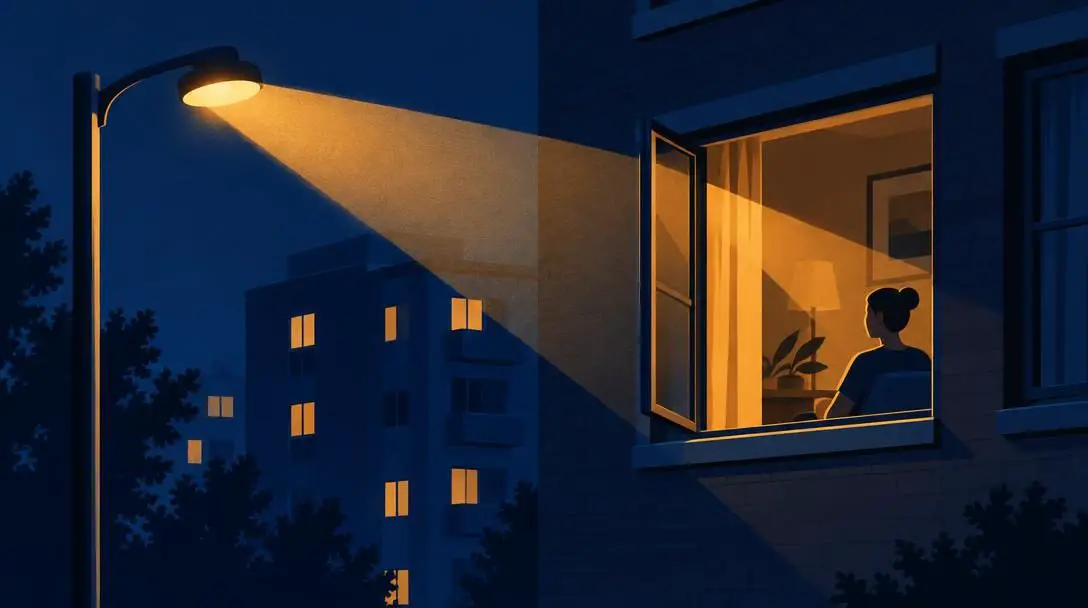
- Setting: Municipal sidewalks, crosswalks, and residential streets
- Primary mechanism: Unshielded fixtures and high-glare drop lenses
- Primary impact: Persistent residential light trespass
Municipal streetlighting is designed to keep pedestrian corridors safe and roads navigable, but poor optical engineering often undermines this goal. Traditional drop-lens luminaires and unshielded cobra-head fixtures cast light in every direction, including horizontally into house windows and upward into the night sky. When cities switch to high-output bulbs without adding directional shielding, the light fails to land on the ground where it is actually needed.
The primary consequence of these flawed installations is acute light trespass. Residents often find their bedrooms, living rooms, and private yards brightly illuminated at midnight by a fixture angled toward the asphalt dozens of feet away. This intrusive light penetrates window shades, interrupting human sleep patterns and suppressing natural melatonin production. Modern full-cutoff fixtures, by contrast, focus all usable lumens downward onto sidewalks and driving lanes, leaving the night sky and nearby homes protected from glare.
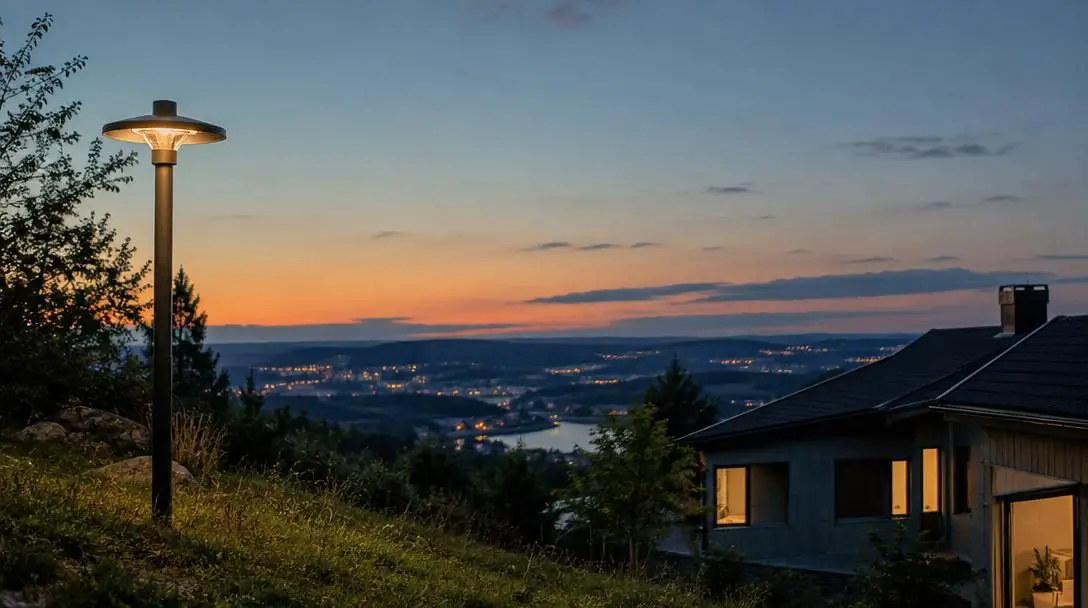
Advertisers
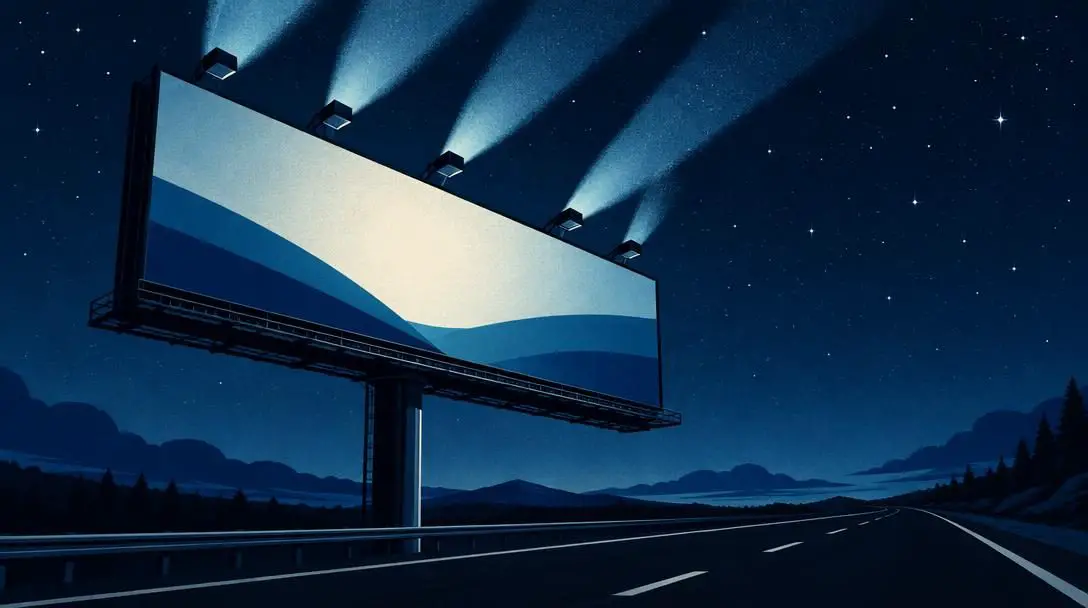
- Setting: Entertainment hubs, highway corridors, and commercial strips
- Primary mechanism: Upward-facing floodlights and high-luminance digital billboards
- Primary impact: Unregulated commercial skyglow and severe nighttime visual clutter
Commercial marketing relies on competing for human visual attention. In the digital age, this competition extends physically into the night environment through massive electronic billboards, animated storefront facades, and illuminated architectural signs. Entertainment centers like the Las Vegas Strip and Times Square in New York City represent the extreme manifestation of this practice, turning the night into artificial daylight to ensure every corporate brand remains fully visible around the clock.
Yet, this promotional glow is not confined to dense urban epicenters. Thousands of static billboards lining rural interstate highways utilize industrial floodlights mounted along their lower support frames. These fixtures are frequently aimed upward toward the sign face. Because the light beams extend past the top edge of the board, an immense amount of high-intensity illumination shoots unimpeded directly into the upper atmosphere. In the commercial race for visibility, dark sky preservation is routinely treated as an afterthought.
At a Glance: How the 5 Contributors Compare
The following table outlines how these five overlooked sources introduce unwanted radiance into our nighttime environments, along with the primary mechanism responsible for their impact.
| Contributor | Primary Location | Main Form of Pollution | Root Mechanical Cause | Best Mitigation Strategy |
|---|---|---|---|---|
| Satellites | Low/Medium Earth Orbit | Photographic Streaks & Clutter | Reflective solar arrays and metallic bodies | Anti-reflective coatings and orbital orientation |
| Vehicles | Urban Freeways & Roads | Glare & Low-Altitude Glow | High traffic volume and overpowered headlights | Proper headlamp aiming and factory lumen standards |
| Sports Stadiums | Urban Arenas & Complexes | Massive Skyglow & Light Spill | Unzoned floodlights used for minor cleaning tasks | Zoned low-intensity task lighting for off-days |
| Bad Streetlight Bulbs | Residential & City Streets | Light Trespass & Sideways Glare | Unshielded housings and drop-refractor lenses | Fully shielded, warm-spectrum full-cutoff fixtures |
| Advertisers | Highways & Commercial Hubs | Upward Scatter & Blinding Glare | Upward-angled spotlights and dynamic LED boards | Down-angled lighting and late-night digital curfews |
Steps for Mitigating Unwanted Artificial Radiance
Reversing the trend of disappearing night skies requires coordinated municipal planning, commercial restraint, and thoughtful personal habits. Implementing practical outdoor lighting standards allows communities to maintain safety while protecting nocturnal ecosystems.
- Install Full-Cutoff Shielding: Ensure that all exterior fixtures, whether on municipal streetlamps, suburban porches, or commercial warehouses, feature solid shielding that directs light strictly toward the ground.
- Adopt Warm Color Temperatures: Choose exterior lighting with a color temperature of 3000 Kelvin or lower. Blue-rich light scatters significantly more through the atmosphere than warm, amber tones, drastically elevating visible skyglow.
- Implement Lighting Curfews and Controls: Integrate motion detectors, dimmers, and automated shut-off timers so outdoor illumination operates only when human activity is actively present.
- Angle Billboard Lights Downward: Position billboard illumination at the top edge of sign faces pointing downward, preventing excess lumens from overshooting the structure and traveling upward into the atmosphere.
- Check Vehicle Headlamp Alignment: Regularly inspect vehicle headlight aim, especially after suspension modifications, front-end collisions, or bulb replacements, ensuring beams point at the pavement rather than oncoming drivers' eye levels.
Common Mistakes When Managing Outdoor Lighting
When property managers, municipalities, and homeowners attempt to upgrade their nighttime systems, well-intentioned adjustments can inadvertently worsen optical conditions if core lighting principles are ignored.
- Equating Maximum Brightness With Superior Security: Over-illuminating an area creates extreme contrast between light and shadow. Intense glare temporarily blinds the human eye and camera sensors, creating pitch-black pockets where visibility is actually diminished.
- Swapping Bulbs Without Changing Fixtures: Screwing an energy-efficient LED bulb into an outdated, unshielded glass fixture does not reduce light pollution. Unshielded glass still allows photons to scatter horizontally across property lines and upward into the sky.
- Relying Exclusively on High-Kelvin Blue Light: Many modern LED street upgrades initially opted for cool, blue-white light (4000K to 5000K) for energy efficiency. Blue wavelengths scatter widely in Earth's atmosphere, creating significantly worse skyglow than warm, amber-tinted fixtures.
- Treating Sports Arenas as Single-Circuit Structures: Operating stadium-wide floodlight arrays for a small custodial crew wastes energy and creates neighborhood nuisance. Multi-zone switching allows staff to illuminate individual access aisles without lighting up the entire venue.
Frequently asked questions
What is skyglow and how does it form?
Skyglow is the diffuse, glowing dome of light visible over populated areas at night. It forms when misdirected or unshielded outdoor light travels upward and collides with moisture droplets, dust, and gas molecules in the atmosphere, scattering photons back toward the Earth's surface and washing out the stars.
Why are orbiting satellites considered a form of light pollution?
Satellites orbit high above the Earth where their metallic chassis and broad solar panels reflect raw sunlight back toward the night side of the planet. These reflections create bright moving streaks in long-exposure astronomical photography, blocking views of distant galaxies and deep-space objects.
How does light trespass affect human health?
Light trespass occurs when artificial illumination shines onto private properties, such as a streetlight beaming through a bedroom window. This intrusion disrupts the body's natural circadian rhythm, suppresses nighttime melatonin production, and degrades sleep quality, which has been linked to long-term health complications.
Does brighter outdoor lighting always deter crime?
No. Unshielded, excessively bright lights generate harsh glare that impairs human vision and casts deep, pitch-black shadows nearby. Effective security lighting relies on uniform, moderate-intensity, downward-shielded illumination that eliminates blind spots without blinding passersby.
Why is warm-toned outdoor lighting preferred over cool blue-white light?
Cool blue-white light (above 3000K) contains short wavelengths that scatter far more easily when colliding with atmospheric particles, substantially worsening skyglow. Warm-spectrum lighting (under 3000K) scatters less, produces less visual glare, and creates far fewer disruptions to wildlife and circadian cycles.
The Bottom Line
The night sky has served as a cultural, scientific, and navigational touchstone for millennia, yet modern human infrastructure is systematically erasing natural darkness. Light pollution is not an inevitable byproduct of civilization; rather, it is the result of inefficient engineering, poor shielding, and thoughtless illumination habits. By implementing full-cutoff fixtures, lowering lumen counts, aiming commercial lights downward, and demanding responsible orbital satellite practices, society can maintain safe, vibrant communities without sacrificing our window to the wider universe.