Are We Headed into a Global Water Crisis? What’s Going on, and What Can Ordinary People Do About It?
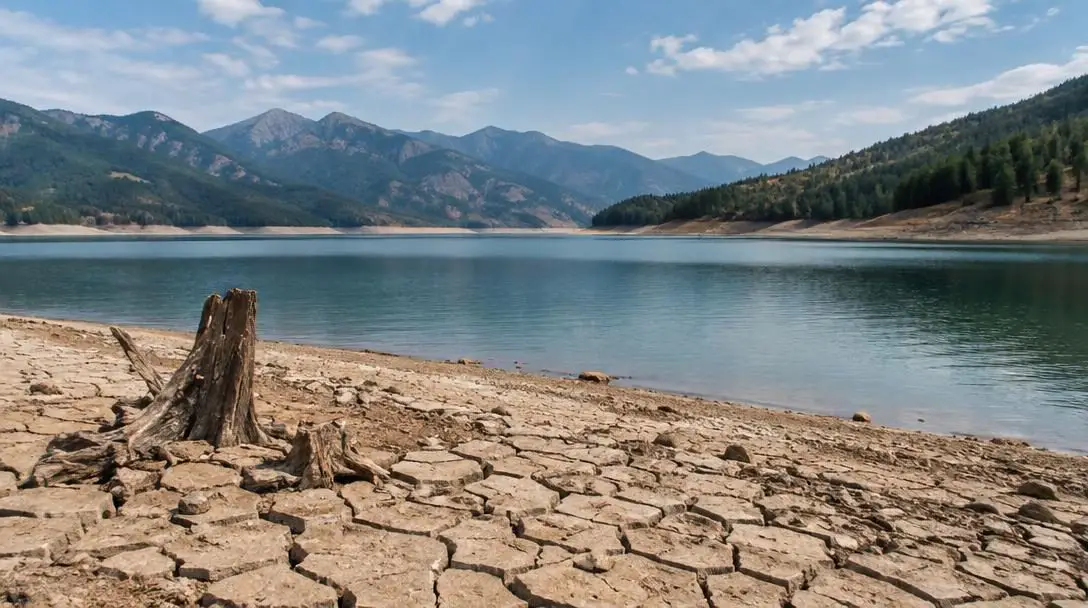
Clean water is one of the most fundamental requirements for human existence, yet it is rapidly turning into one of the most endangered natural resources on Earth. For millions of people living in developed urban centers, clean water arrives effortlessly at the twist of a faucet, creating an illusion of infinite abundance. Yet beneath that convenience lies a fragile reality: global freshwater systems are enduring unprecedented pressure from industrial pollution, municipal neglect, shifting weather patterns, and relentless overconsumption.
According to reports from the United Nations, more than 3.5 billion people—representing roughly half of the world's population—are already vulnerable to water scarcity today. Demographers and environmental researchers project that this figure will escalate to more than 5 billion people by 2050. Because a human being can survive for only around three days without potable water, freshwater depletion is not a distant ecological talking point, but an immediate survival challenge with profound consequences for human health, food supplies, and global peace.
Key takeaways
- More than 3.5 billion people currently experience water vulnerability, and United Nations estimates warn this figure could exceed 5 billion by 2050.
- A human can survive only about three days without water, making clean freshwater reserves essential for immediate survival and broader societal development.
- Global warming, armed conflict, corporate greed, flawed wastewater processing, and poor data collection interact to deplete aquifers and destroy distribution infrastructure.
- Everyday citizens can make an impact through domestic leak detection, graywater reuse, rainwater harvesting, fixture upgrades, and supporting proven nonprofit organizations.
The foundational role of freshwater in community stability
The impact of clean water extends far beyond quenching biological thirst. Dependable municipal and rural water systems serve as the bedrock of modern public health, stable governance, and economic progress. As the global children's charity World Vision emphasizes, reliable access to clean water transforms every aspect of a community, functioning as an indispensable stepping-stone toward lasting development.
When clean water is readily accessible, communities avoid destabilizing rivalries over regional water rights. In agricultural economies, predictable irrigation systems protect both crops and livestock, directly underpinning local food security and household earnings. When droughts strike or reservoirs dry up, food yields plunge, sending consumer prices soaring and sparking regional nutritional crises. Water security effectively insulates agrarian societies from cycles of poverty and famine.
Beyond food production, personal hygiene and household sanitation rely completely on water availability. Adequate water supplies enable families to maintain clean living environments, wash thoroughly, and safely manage sewage. These sanitation gains dramatically reduce the spread of debilitating waterborne illnesses. As a result, children stay healthy enough to attend school consistently, and adults can work productively, powering resilient local economies.
Access to clean water transforms every aspect of community life, serving as the essential foundation for public health, economic opportunity, and social stability.
Underlying drivers of the global water crisis
The global decline in freshwater availability is not an accidental or isolated occurrence. Rather, it represents the intersection of atmospheric shifts, deteriorating public infrastructure, and human conflict. A thorough look at the core pressures reveals why the crisis is intensifying across multiple continents.
Climate change and extreme weather
Scientists who investigate global hydrology have tied the acceleration of water insecurity directly to global warming. Shifting atmospheric temperatures disrupt historical precipitation patterns, generating historic droughts that deplete reservoirs, dry out soil, and exhaust underground aquifers. Concurrently, climate change fuels more frequent and intense storms, including hurricanes and torrential downpours. Rather than refilling reservoirs safely, violent storms often smash municipal water treatment plants, snap underground distribution pipes, and flood freshwater supplies with raw, untreated sewage.
Human conflict and forced displacement
Armed conflict routinely targets or inadvertently destroys water infrastructure. Artillery and urban combat incapacitate pumping plants, ruin electric grids required for water filtration, and sever aqueducts, leaving civilian populations without clean water. In turn, violent instability spurs mass human migration. When large displaced populations relocate into crowded refugee settlements or unprepared border cities, regional infrastructure buckles under the sudden demand, compounding local water stress.
Corporate exploitation and industrial pollution
Short-term commercial motives frequently override sustainable environmental management. Industrial manufacturing, mineral extraction, and chemical processing consume enormous quantities of freshwater while discharging untreated contaminants into local rivers, streams, and water tables. When corporate entities prioritize extraction and profit over resource preservation, nearby municipalities lose their primary drinking sources or inherit astronomical cleanup costs.
Political disenfranchisement
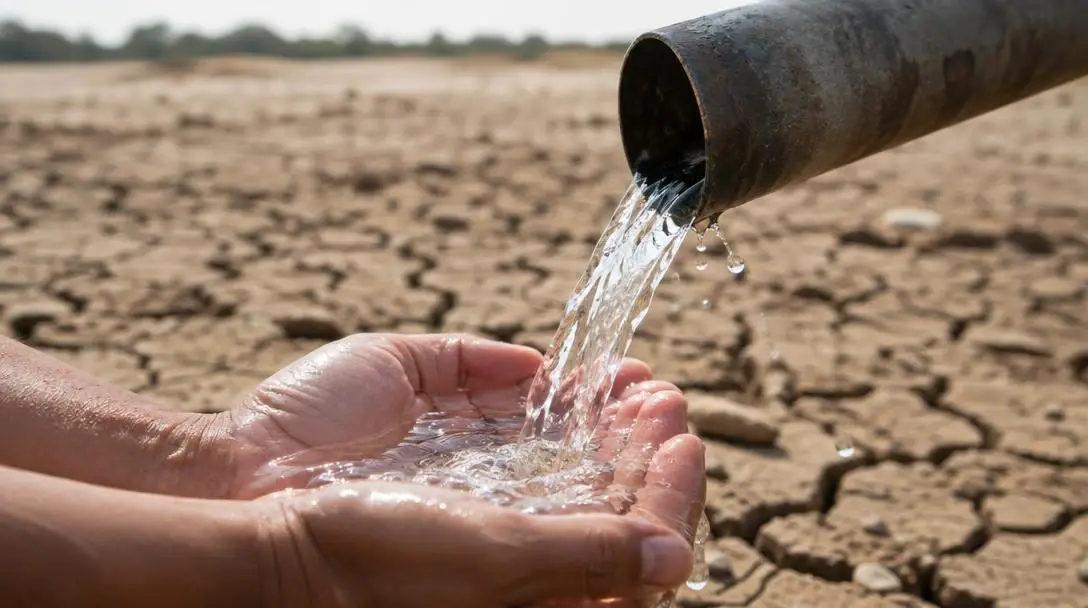
Vulnerable and marginalized populations rarely possess the political influence required to secure public funding for clean pipelines and updated treatment facilities. As a consequence, low-income districts and minority neighborhoods often endure degraded municipal delivery systems, lead contamination, and intermittent service, while affluent areas receive prioritized municipal maintenance and clean supplies.
Poor wastewater management and systemic waste
Billions of gallons of usable municipal and industrial wastewater are discharged across the globe without adequate remediation. Rather than treating and recycling graywater for agricultural cooling or irrigation, outdated civil systems allow contaminated effluent to pollute natural waterways, effectively shrinking the net pool of recoverable freshwater.
Data deficits and lack of international cooperation
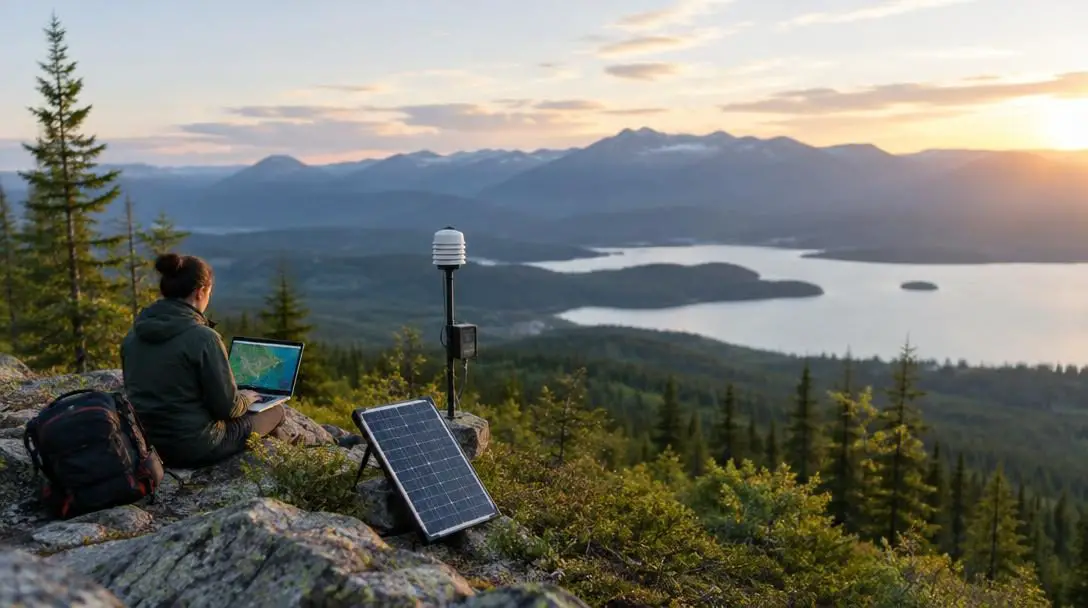
Resource managers cannot effectively protect what they cannot quantify. Across many vulnerable regions, a lack of reliable water monitoring data prevents scientists from tracking aquifer depletion and contaminant levels accurately. Furthermore, because major rivers, lakes, and aquifers span international borders, a lack of cooperation among cross-border natural resource experts regularly leads to conflicting claims, geopolitical disputes, and over-extraction.
Global water vulnerability at a glance
Understanding the trajectory of the water crisis requires looking at how current conditions compare against near-future forecasts, as well as recognizing the systemic drivers behind this resource strain.
| Dimension | Current status | Mid-century projection (2050) | Primary driving factors |
|---|---|---|---|
| Vulnerable population | Over 3.5 billion people (approx. 50% of Earth) | Over 5 billion people facing water scarcity | Population expansion, climate disruptions, aquifer drawdown |
| Ecosystem and infrastructure health | Frequent sewer mixing, ruptured pipes from storms | Intensified breakdown of treatment facilities | Extreme weather, deferred civil maintenance, combat |
| Agricultural stability | Severe crop loss and rising prices in drought zones | Widespread regional food insecurity | Irrigation shortages, groundwater depletion, dry soils |
| Resource governance | Fragmented data, cross-border competition | Heightened geopolitical disputes over river basins | Lack of expert coordination, corporate water exploitation |
Everyday conservation actions for ordinary citizens
Resolving global water scarcity demands systemic reforms, tougher corporate environmental regulations, and comprehensive international agreements. Yet grassroots personal action remains a vital component of sustainable water management. By adopting conscientious conservation habits, individuals can preserve local reserves and help shift cultural norms.
Shorten daily bathing times
Standard showerheads deliver several gallons of clean water per minute. Trimming daily showers by even two or three minutes conserves substantial volumes of potable water across a single year. To produce a genuine benefit, shorter showers must become an everyday household norm rather than a short-lived reaction during local drought alerts.
Install water-efficient plumbing fixtures
Retrofitting bathrooms and kitchens with modern conservation hardware produces instant reductions in household demand. Installing aerators on sink faucets mixes air into the water stream, preserving pressure while reducing total flow. Similarly, switching to certified low-flow toilets substantially reduces the volume of clean drinking water flushed into sewers daily.
Inspect and repair household leaks
Small household leaks often escape notice while squandering immense amounts of clean water. Routinely inspecting toilet flappers, sink connections, garden hose bibs, and basement supply pipes protects both your home and the community water table. Rapidly repairing small drips prevents major infrastructural failures and stops clean water from flowing unused into municipal drains.
Harvest rainwater for outdoor use
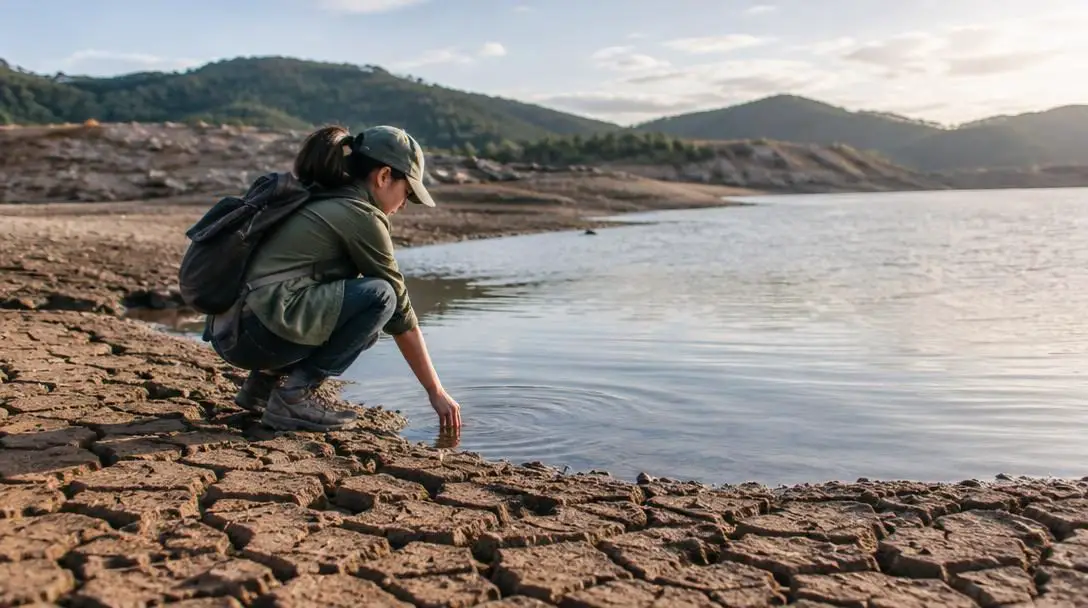
Lawn irrigation and decorative garden care consume a disproportionate share of municipal drinking water during warm seasons. Setting up residential rain barrels beneath downspouts allows homeowners to capture clean natural runoff for outdoor watering needs, diverting valuable drinking water away from lawns.
Repurpose household graywater
Water drained from bathtubs, washing machines, and bathroom sinks—known as graywater—can often be repurposed safely. When gathered responsibly without harsh chemical detergents, graywater can hydrate non-edible landscape plants, shrubs, and trees, or clean exterior walkways and driveways.
Explore alternative desalination methods
For coastal communities facing severe freshwater depletion, desalinizing ocean water offers a pathway to supplement shrinking surface reserves. While industrial plants require substantial energy, small-scale and emerging solar desalination tools illustrate how alternative technologies can help seaside residents tap vast marine supplies.
Support established humanitarian organizations
Directing charitable contributions to proven non-governmental organizations amplifies personal impact abroad. For example, WaterAid is an established water charity that has been addressing global sanitation and water security issues for over three decades. Their educational resources offer deep insight into regional infrastructure projects, making their website a vital hub for anyone looking to support sustainable international wells, pipelines, and sanitation stations.
How to conduct a domestic water audit
Before launching a household conservation overhaul, conduct an informal home water audit to pinpoint your property's primary inefficiencies and sources of hidden waste.
- Check the water meter before and after a two-hour window when no water is actively used in the house; any movement on the dial indicates an unnoticed leak.
- Place a few drops of food coloring into the toilet tank without flushing; if color seeps into the bowl within 15 minutes, the tank flapper needs replacement.
- Examine all exposed pipe joints, under-sink valves, and exterior spigots for moisture, mineral crusting, or active dripping.
- Measure showerhead flow rates by running the shower into a marked bucket for ten seconds to determine if your hardware exceeds modern efficiency standards.
- Review recent utility statements to track seasonal volume spikes, which often reveal outdoor irrigation leaks or faulty sprinkler valves.
Mistakes to avoid in household water stewardship
Adopting sustainable water practices requires attention to operational details. Avoiding common pitfalls ensures your conservation efforts achieve maximum effectiveness without causing accidental property damage or health hazards.
- Treating conservation as a temporary emergency measure: Reverting to careless consumption as soon as municipal drought advisories expire nullifies prior progress. Lasting water security demands permanent lifestyle adjustments.
- Ignoring silent plumbing leaks while focusing only on behavioral changes: Spending months cutting shower times by two minutes will not offset a toilet valve that quietly wastes hundreds of gallons every week. Hardware maintenance must accompany behavioral discipline.
- Leaving rainwater collection barrels uncovered: Unscreened open barrels quickly collect fallen leaves, bird droppings, and insect larvae, ruining the water for general garden application and creating neighborhood pest problems.
- Using graywater with hazardous cleaning chemicals: Applying graywater that contains bleach, caustic drain cleaners, or heavy detergents onto flowerbeds can poison soil biology and damage delicate ornamental plants.
- Keeping personal conservation private: Quietly adjusting your domestic water habits helps your household, but discussing water stewardship with neighbors, schools, and local civic organizations spreads awareness and builds broader community support for municipal policy reform.
Frequently asked questions
How many people currently lack secure access to clean water?
United Nations data shows that more than 3.5 billion people—approximately half of the global population—are currently vulnerable to water scarcity, with that figure projected to rise above 5 billion by the year 2050.
How long can a person survive without drinking water?
A human being can survive for only around three days at best without potable water, which is why municipal supply disruptions represent an immediate public health emergency.
How does global climate change worsen regional water crises?
Climate change alters historical precipitation patterns, creating prolonged droughts that deplete groundwater aquifers and surface reservoirs. It also increases the frequency and severity of destructive storms like hurricanes, which can destroy filtration plants and flood freshwater systems with untreated sewage.
What is graywater, and how can homeowners safely reuse it?
Graywater is gently used wastewater generated from household sinks, bathtubs, and washing machines. When kept free of harsh bleaches, heavy chemicals, and human waste, it can be repurposed to hydrate ornamental gardens, non-edible plants, or wash outdoor walkways.
What role do charitable organizations play in solving water scarcity?
Charities such as WaterAid have spent more than three decades constructing dependable water distribution infrastructure, advancing hygiene education, and advocating for vulnerable communities that lack government resources to secure clean drinking water.
The bottom line
The intensifying global water crisis is one of the most formidable survival challenges facing the modern world. With over 3.5 billion people already vulnerable and United Nations projections anticipating that number will swell beyond 5 billion by 2050, water security cannot remain an afterthought. Solving the crisis requires aggressive international policy changes, stricter curbs on industrial contamination, investments in hydrological data gathering, and cross-border cooperation among natural resource managers.
At the same time, individual awareness and domestic stewardship remain essential pieces of the solution. By repairing hidden plumbing leaks, adopting low-flow fixtures, capturing rainwater, using graywater responsibly, and supporting proven humanitarian organizations like WaterAid, ordinary citizens can actively safeguard Earth's most critical natural resource. Meaningful change starts at home, ripples across communities, and reinforces the global momentum necessary to preserve water for generations to come.