Examing 5 Environmentalist Billionaires: What Are They Doing To Help The Earth?
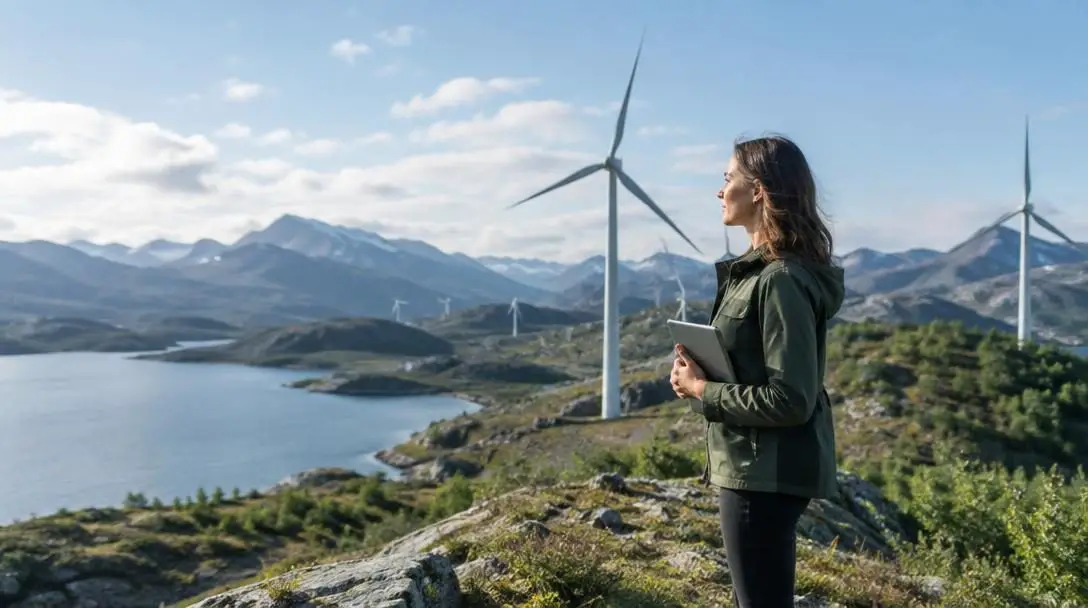
Across the globe, mounting ecological challenges have spurred unprecedented levels of private climate intervention. A growing cohort of ultra-wealthy entrepreneurs and investors have channeled substantial fortunes into protecting fragile ecosystems, accelerating technological innovation, and shifting foundational economic incentives toward sustainability.
From backing breakthrough renewable energy systems to financing targeted biodiversity reserves and grassroots social ventures, these high-net-worth figures exert significant influence over how modern environmental challenges are tackled. Examining the concrete projects, organizations, and methodologies backed by five prominent billionaires reveals how private capital intersects with global ecological stewardship.
Key takeaways
- Major philanthropic leaders are shifting away from traditional land-only preservation toward systemic technological, agricultural, and commercial market reforms.
- High-impact environmental efforts often pair carbon reduction directly with economic viability, demonstrating that green practices can align with commercial enterprise.
- Private investment firms and philanthropic foundations collaborate increasingly with global institutions like the United Nations and the World Health Organization to scale local solutions.
- Individual actions—such as improving home energy efficiency, backing sustainable agriculture, and adopting low-emission transit—directly reflect the core strategic priorities of high-profile climate donors.
Five billionaires driving global conservation and climate action
While their professional origins span software engineering, retail marketplaces, media, and aviation, these five billionaires have leveraged their capital and public profiles to advance environmental sustainability around the world.
Richard Branson
- Primary Organization: Virgin Group, Carbon War Room, Carbon War Room Foundation
- Core Focus: Carbon emissions reduction, market-led green enterprise, non-profit incubation
- Key Achievement: Co-founded Carbon War Room in 2006 and initiated over 30 climate non-profits
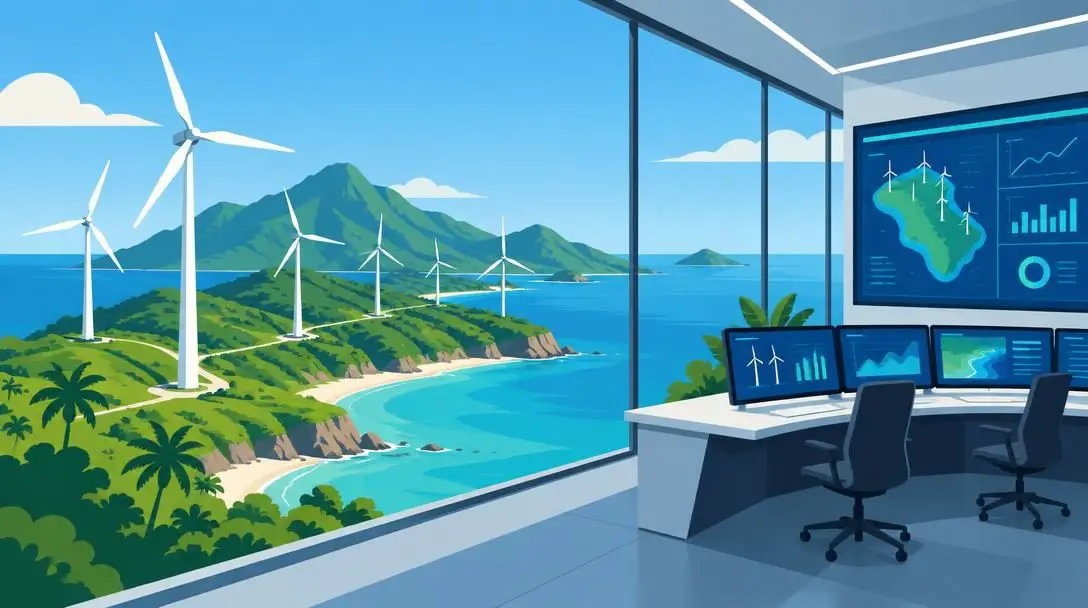
Sir Richard Branson, the English entrepreneur, investor, author, and philanthropist who founded the Virgin Group in 1972, oversees a corporate empire encompassing more than 400 companies across diverse global industries. Recognizing that industrial activity accounts for vast quantities of greenhouse gases, Branson chose to direct his philanthropic resources toward market-driven decarbonization.
In 2006, Branson co-founded the Carbon War Room, an organization built on the principle that national and commercial carbon emissions can be curtailed while simultaneously stimulating sustainable economic growth. Operating through his Carbon War Room Foundation, Branson has funded a broad array of environmental protection initiatives. Over the course of his philanthropic career, he has launched more than 30 non-profit organizations specifically dedicated to advancing climate protection on an international scale.
Paul Allen
- Primary Organization: Vulcan Inc.
- Core Focus: Wildlife conservation, marine preservation, renewable energy technology
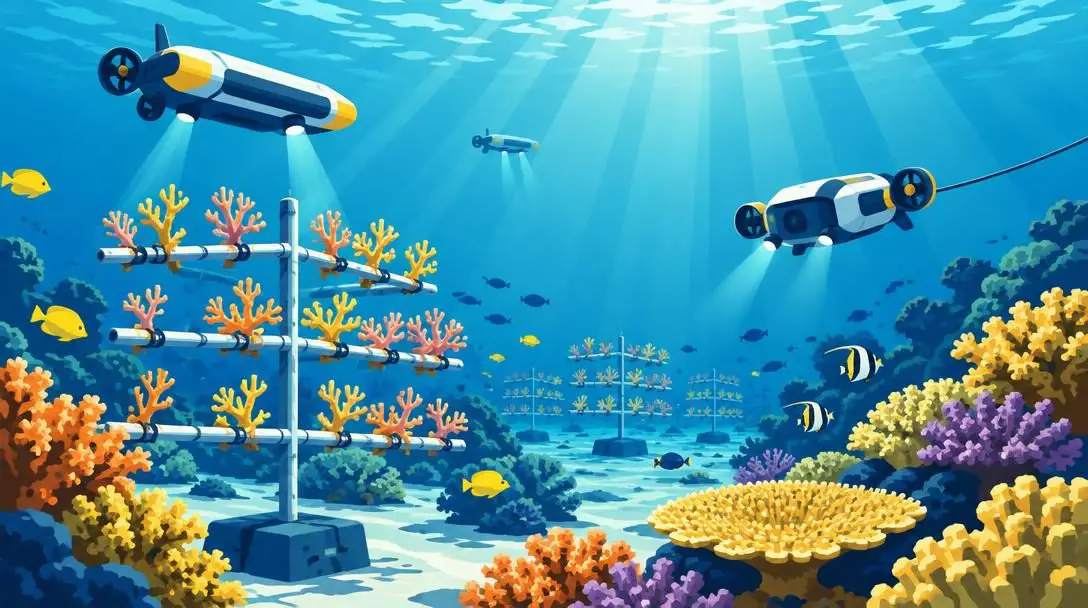
- Key Interventions: Coral reef restoration in Hawaii, wetland conservation in Florida, African forest protection
The late Microsoft co-founder Paul Allen directed his environmental focus through Vulcan Inc., a private investment firm designed to turn research and development into concrete conservation outcomes. Rather than limiting his contributions to passive grant-making, Allen used Vulcan to fund technical and scientific developments addressing environmental preservation, biodiversity, and clean power generation.
Allen committed millions of dollars to specialized engineering projects, including advanced energy storage systems and low-cost solar energy generation units aimed at making clean power accessible. His capital also underwrote vital on-the-ground ecological interventions across multiple continents: rehabilitating damaged coral reefs in Hawaii, safeguarding vulnerable coastal wetlands in Florida, preserving endangered forest tracts across Africa, protecting endangered wildlife species, and refining municipal water management systems worldwide.
Michael Bloomberg

- Primary Organization: Bloomberg Philanthropies
- Core Focus: Urban emissions reduction, electric vehicle transit, clean energy infrastructure
- Key Priorities: Phasing out fossil fuel combustion, expanding solar power, municipal building efficiency
Former New York City mayor Michael Bloomberg has emerged as one of the world's most active philanthropic leaders in the fight against climate change. Through Bloomberg Philanthropies, his work concentrates on practical urban interventions and the economic transition toward low-emission municipal infrastructure.
Bloomberg Philanthropies channels substantial funding into projects that expand access to solar power while systematically reducing dependence on fossil fuel combustion. His environmental initiatives support the transition away from internal combustion engines toward electric vehicle fleets, directly addressing urban air pollution. Furthermore, Bloomberg promotes modernized building standards, advocating for energy-efficient architectural designs that reduce greenhouse gas emissions while driving down municipal energy overhead.

Bill Gates

- Primary Organization: The Bill & Melinda Gates Foundation
- Core Focus: Clean energy R&D, sustainable agriculture, organic farming methods
- Key Priorities: Replacing combustion turbines with wind and solar, eliminating toxic farm chemicals
Billionaire software pioneer Bill Gates dedicates significant resources to exploring the systemic technological and agricultural transitions needed to ensure planetary stability. Operating primarily through The Bill & Melinda Gates Foundation, his work approaches environmental health through the twin lenses of deep-tech research and human development.
Gates provides funding for research initiatives exploring new avenues for generating and deploying renewable energy, emphasizing wind and solar installations capable of displacing coal- and natural gas-fired combustion turbines in global electric grids. Simultaneously, Gates directs capital toward developing nations to establish sustainable agricultural models. His programs emphasize organic farming techniques over chemical-based synthetic fertilizers and toxic pest control solutions, protecting soil fertility and preventing toxic farm runoff that threatens human health and local water tables.
Jeff Skoll

- Primary Organization: The Skoll Foundation
- Core Focus: Social entrepreneurship, systemic climate interventions, community development
- Key Partnerships: TED Conferences, WHO, UN Global Compact, Conservation International, UN Women
Canadian entrepreneur Jeff Skoll, who served as the inaugural president of eBay Inc. until 2003, structured his philanthropic approach around empowering local problem-solvers. Through the Skoll Foundation, he provides early-stage capital, institutional resources, and long-term support to social entrepreneurs tackling interconnected global crises.
Skoll’s philanthropic model views climate disruption as inseparable from issues of poverty, education, and community well-being. Rather than acting strictly as an independent benefactor, the Skoll Foundation links social innovators with established international bodies. The foundation works in close partnership with organizations such as TED Conferences, the World Health Organization (WHO), the United Nations Global Compact, Conservation International, and UN Women, ensuring high-profile entrepreneurs and frontline leaders have the systemic backing necessary to deliver durable solutions.
Environmental philanthropy pairs market-led commercial innovation directly with ecological stewardship to achieve lasting sustainability.
At a glance: comparing climate priorities and initiatives
The strategies pursued by these major donors illustrate how diverse approaches—ranging from venture-style technological research to grassroots social incubation—address different pressure points in the global ecosystem.
| Philanthropist | Primary Vehicle | Dominant Strategy | Key Focus Areas |
|---|---|---|---|
| Richard Branson | Carbon War Room | Market enterprise and non-profit incubation | Carbon dioxide reduction, commercial green growth |
| Paul Allen | Vulcan Inc. | Targeted R&D and direct ecological funding | Energy storage, solar units, coral reefs, wetlands, forests |
| Michael Bloomberg | Bloomberg Philanthropies | Urban policy, clean transit, building efficiency | Electric vehicles, solar adoption, building efficiency standards |
| Bill Gates | Bill & Melinda Gates Foundation | Scientific R&D and agricultural transformation | Wind, solar, organic farming, chemical fertilizer reduction |
| Jeff Skoll | The Skoll Foundation | Social entrepreneurship and global coalitions | Climate change mitigation, community growth, public health |
The evolution of environmental philanthropy
Private funding for conservation has existed for decades, but both the scope and methods of philanthropic intervention have changed dramatically. In the past, traditional conservation giving concentrated heavily on purchasing parcels of wilderness, designating nature preserves, or funding specific wildlife rescue programs. While those direct land-saving efforts preserved critical tracts of nature, they often failed to mitigate the broader economic and industrial forces causing environmental breakdown.
As modern scientific research brought carbon emissions, industrial energy demands, and resource depletion into sharper focus, philanthropic strategy underwent a major realignment. Modern donors recognize that simply fencing off wilderness areas is insufficient if global temperatures continue to climb and chemical pollutants alter soil biology worldwide. Consequently, modern high-net-worth donors prioritize transforming the fundamental industrial and economic systems that drive pollution in the first place.
This evolutionary shift has led to hybrid models where business acumen is applied directly to ecological concerns. Organizations such as the Carbon War Room establish economic mechanisms that make emission cuts financially lucrative for private enterprises. Simultaneously, firms like Vulcan Inc. have treated conservation as an engineering challenge requiring capital investments in battery storage and low-cost photovoltaics. Today’s climate initiatives operate in deep coordination with corporate supply chains, municipal power utilities, and global governance frameworks.

How large-scale environmental philanthropy operates
The initiatives launched by major donors rely on structured institutional channels to allocate capital effectively across international borders. Understanding these pathways reveals how private billions transition from balance sheets to practical ground-level change.
- Private Grant-Making Foundations: Structured entities like Bloomberg Philanthropies and The Bill & Melinda Gates Foundation issue multi-million-dollar grants to universities, environmental research teams, and non-governmental bodies to engineer technological advances or conduct baseline ecological surveys.
- Direct Investment Arms: Specialized private firms like Vulcan Inc. deploy venture capital directly into early-stage, commercially viable sustainability technologies, including advanced energy storage systems and low-cost solar hardware.
- Strategic International Coalitions: Foundations frequently form alliances with multinational governance bodies. The Skoll Foundation’s ongoing work alongside the United Nations Global Compact, Conservation International, UN Women, and the World Health Organization demonstrates how private funds coordinate with public programs to avoid duplicated efforts.
- Venture Philanthropy for Social Innovators: By providing growth capital to frontline entrepreneurs, institutions allow local leaders to trial, iterate, and deploy climate solutions tailored directly to their specific communities.
- Targeted In-Situ Conservation: Significant funding continues to flow directly into tangible habitat restoration, including the stabilization of Hawaiian coral reefs, the rehabilitation of Florida’s coastal wetlands, and the long-term defense of African forested watersheds.
Translating billionaire strategies into everyday environmental action
While ordinary citizens operate without the multi-billion-dollar endowments of private foundations, the primary focus areas targeted by these prominent donors—energy consumption, transportation efficiency, food systems, and local conservation—offer a practical framework for individual lifestyle choices.
- Audit and reduce household energy use: Reflecting the building efficiency standards championed by Bloomberg Philanthropies, homeowners and renters can conduct energy evaluations, seal air leaks around doors and windows, install programmable smart thermostats, and upgrade aging home appliances to high-efficiency models.
- Transition to clean energy providers: Emulating the renewable energy backing of Bill Gates and Paul Allen, consumers can participate in community solar subscriptions, purchase green power credits through local utility providers, or install rooftop photovoltaic arrays.
- Adopt lower-emission transportation methods: In alignment with efforts to replace fossil fuels with electric vehicles, individuals can transition to hybrid or electric vehicles, maximize public transit usage, participate in carpools, or choose cycling and walking for short commuting trips.
- Support regenerative and organic agricultural systems: Following the Gates Foundation's emphasis on non-chemical food production, shoppers can buy certified organic goods, support local farms that minimize chemical fertilizers and pesticides, and use organic composting methods in personal home gardens to maintain soil biology.
- Engage in local habitat restoration: Taking cues from Paul Allen’s direct wetland and reef conservation projects, individuals can participate in local watershed cleanups, native tree-planting initiatives, and invasive species removal programs within their regional parks.
- Patronize mission-aligned social enterprises: Mirroring Jeff Skoll’s emphasis on ethical entrepreneurship, consumers can deliberately choose brands with verified sustainable supply chains, transparent environmental scorecards, and fair labor practices.
Common pitfalls in environmental initiatives
Decades of trial and error in both high-level philanthropy and grassroots organizing have revealed several common mistakes that can diminish the effectiveness of conservation projects:
- Neglecting local economic realities: Conservation programs that disregard the economic survival of local populations frequently collapse. Initiatives must ensure that preserving forests or reducing carbon emissions creates viable local livelihoods, a core principle behind Branson's Carbon War Room.
- Relying on short-term chemical fixes: Using synthetic chemical fertilizers and intensive chemical pest control may boost short-term agricultural yields, but it degrades underlying soil fertility and introduces toxic residues into water tables and the food supply.
- Pursuing isolated single-solution strategies: Pouring resources solely into generation capacity, like solar panels, while ignoring battery storage, grid modernization, and architectural energy efficiency bottlenecks broader energy transitions.
- Failing to track ongoing ecological metrics: Directing large sums into projects without measuring outcomes—such as the long-term survival rates of replanted coral reefs or the sustained reduction of greenhouse emissions—leads to misspent capital.
- Operating within organizational silos: Attempting to solve climate issues without collaborating with established public health and economic bodies leads to redundant programs and fragmented community outcomes.
Key considerations for the future of private climate funding
As private capital plays an ever-larger role in shaping environmental policy, resource management, and clean energy development, several critical dynamics will determine the long-term success of these efforts:
First, the balance between private philanthropy and public policy remains paramount. Private funding can rapidly de-risk untested technologies like advanced energy storage or experimental solar designs, but broad systemic deployment requires integration into municipal planning, national regulatory frameworks, and public utility rules.
Second, technological scalability within developing economies is an urgent concern. High-efficiency building standards and cutting-edge electric transit systems must be made economically accessible to developing regions undergoing rapid industrialization and population growth, where climate risks and energy demands are highest.
Finally, accountability and verifiable impact will define the credibility of billionaire-backed environmental programs. Ongoing transparency regarding real emissions reductions, soil revitalization, and species survival rates is essential to ensure that massive financial commitments produce lasting, measurable ecological recovery.
Frequently asked questions
Which environmental non-profit did Richard Branson co-found?
Richard Branson co-founded the Carbon War Room in 2006, an organization designed to help nations and industries decrease their carbon dioxide emissions while simultaneously generating sustainable economic growth.
How did Paul Allen support marine and wetland conservation?
Through his investment firm Vulcan Inc., Paul Allen invested millions of dollars into direct ecological rehabilitation projects, including the restoration of coral reefs in Hawaii and the conservation of vulnerable coastal wetlands in Florida.
What specific climate priorities does Bloomberg Philanthropies focus on?
Bloomberg Philanthropies concentrates heavily on urban and municipal climate solutions, including increasing public access to solar power, speeding the adoption of electric vehicles to curb air pollution, and encouraging energy-efficient building designs.
Why does Bill Gates fund organic and sustainable farming methods?
Bill Gates supports sustainable and organic agriculture in developing nations to reduce dependence on chemical-based fertilizers and synthetic pesticides, which degrade long-term soil fertility and threaten human health through toxic runoff.
What role does the Skoll Foundation play in global environmental action?
Created by former eBay president Jeff Skoll, the Skoll Foundation provides capital and institutional support to social entrepreneurs addressing climate change and community health, working in partnership with organizations like the WHO, UN Women, and Conservation International.
The bottom line
The substantial financial resources deployed by billionaires like Richard Branson, Paul Allen, Michael Bloomberg, Bill Gates, and Jeff Skoll have helped transform environmentalism from isolated wilderness protection into a systemic, global effort. By combining private venture capital, non-profit grant making, and partnerships with international agencies, these donors target the root causes of ecological degradation. While private wealth cannot replace comprehensive public policy, its ability to finance innovative clean energy technologies, advocate for organic agriculture, and test market-based carbon solutions provides a crucial catalyst in the ongoing effort to protect the Earth.